
Europe is a continent of incredible diversity, offering everything from historic cities and fairytale castles to breathtaking mountains, Mediterranean beaches, and charming villages. Whether you’re planning a budget backpacking adventure, a family vacation, a romantic honeymoon, or a luxury getaway, Europe has something for every traveler. This complete Europe Travel Guide covers the best countries to visit, visa requirements, travel costs, transportation, accommodation, safety tips, itineraries, and the best time to travel. Use this guide to confidently plan an unforgettable European journey, whether it’s your first visit or your next adventure.
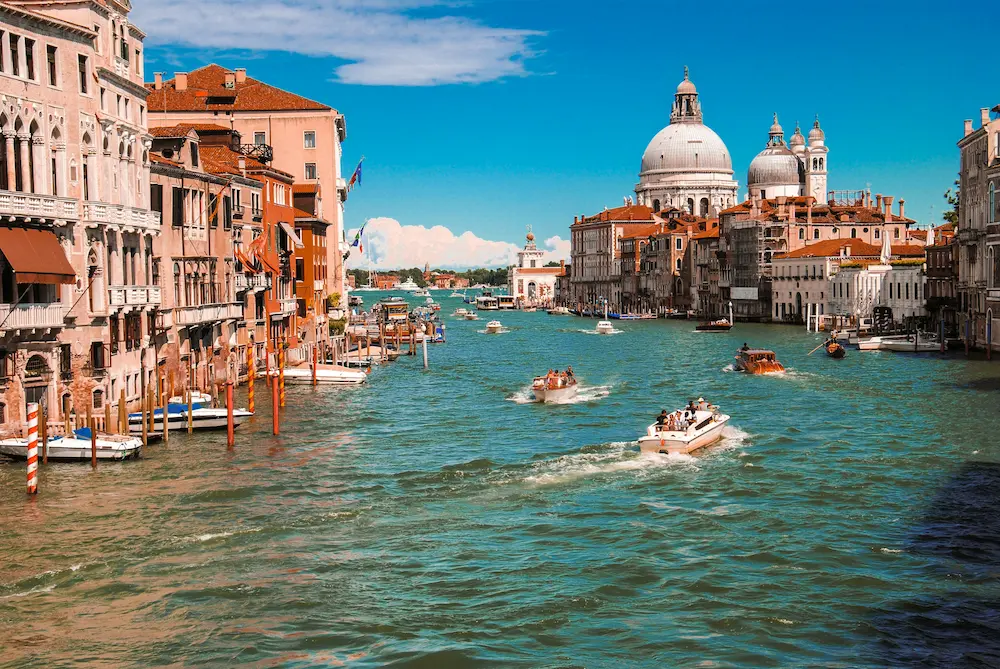
Table of Contents (Click here for quick access)
Why Visit Europe?
Europe promises memorable experiences for every type of traveler. Here are some of the top reasons why Europe deserves a place on your travel bucket list.
✅ Explore centuries of history through ancient ruins, medieval castles, royal palaces, and UNESCO World Heritage Sites that reflect Europe’s rich cultural heritage.
✅ Visit world-famous landmarks such as the Eiffel Tower, Colosseum, Big Ben, Sagrada Família, and the Acropolis, each offering a unique glimpse into Europe’s history and architecture.
✅ Experience breathtaking landscapes ranging from the snow-covered Swiss Alps and Norwegian fjords to the Mediterranean coastline, picturesque countryside, and charming villages.
✅ Discover the unique traditions, languages, architecture, and local customs of more than 40 countries, making every destination a completely different experience.
✅ Enjoy some of the world’s finest cuisine, including authentic Italian pasta, French pastries, Spanish tapas, Greek dishes, Belgian chocolates, and many other regional specialties.
✅ Travel conveniently between countries using Europe’s world-class transportation network, including high-speed trains, budget airlines, buses, ferries, and well-connected public transport.
✅ Experience exciting outdoor adventures such as skiing, hiking, cycling, island hopping, cruising, wildlife tours, and scenic road trips across diverse natural landscapes.
✅ Attend internationally renowned festivals and cultural events throughout the year, from Oktoberfest and Venice Carnival to Christmas markets and summer music festivals.
✅ Find travel experiences for every budget and travel style, whether you’re planning a backpacking trip, a family vacation, a romantic honeymoon, a luxury holiday, or a solo adventure.
✅ Explore multiple countries in a single trip with ease, thanks to Europe’s close borders, efficient transport system, and the convenience of the Schengen Area for eligible travelers.
Best European Destinations Based on Your Travel Style
Whether you’re planning your first European adventure, a romantic honeymoon, a family vacation, or a budget-friendly getaway, discover the ideal European destinations that match your travel style and interests.
| Travel Experience | Recommended Countries |
|---|---|
| First-Time Travelers | United Kingdom • France • Italy • Netherlands • Switzerland |
| Budget Travel | Hungary • Poland • Czech Republic • Portugal • Croatia |
| Luxury Holidays | France • Switzerland • Italy • Greece • United Kingdom |
| Solo Travel | Ireland • Netherlands • Spain • Portugal • Germany |
| Family Trips | United Kingdom • Denmark • Spain • Austria • Italy |
| Honeymoon Destinations | Greece • Italy • France • Switzerland • Portugal |
| Adventure Trips | Iceland • Norway • Switzerland • Austria • Scotland (UK) |
| Hill Stations & Mountains | Switzerland • Austria • France • Italy • Poland & Slovakia |
| Beaches & Islands | Greece • Spain • Croatia • Portugal • Italy |
| Spiritual Locations | Vatican City & Italy • Spain • Greece • Ireland • France |
| Cultural Experiences | Italy • Spain • Austria • United Kingdom • Czech Republic |
| Nature & Wildlife | Norway • Iceland • Switzerland • Scotland (UK) • Romania |
| Historical Places | Italy • Greece • Turkey • Germany • Poland |
Top 10 Countries to Visit in Europe
Europe is one of the world’s most diverse travel destinations, offering a remarkable mix of ancient history, breathtaking landscapes, vibrant cultures, and unforgettable experiences. From the sun-drenched Mediterranean coast and majestic Alpine peaks to charming villages and iconic capital cities, every country has something unique to offer. Whether you’re planning your first European adventure or returning to discover new destinations, these top 10 countries deserve a place on every traveller’s bucket list.
France
France is one of Europe’s most iconic travel destinations, celebrated for its timeless architecture, world-class museums, picturesque countryside, and exceptional cuisine. From the romantic streets of Paris to the glamorous French Riviera and charming wine regions, France offers unforgettable experiences for history lovers, food enthusiasts, art admirers, and nature seekers alike.
Best for: Romance, art, history, food, luxury travel, and cultural experiences.
Top attractions: Eiffel Tower, Louvre Museum, Palace of Versailles, Mont Saint-Michel, French Riviera, Provence, Loire Valley, Disneyland Paris.
Best time to visit: April–June and September–October.

Italy
Italy is a captivating destination renowned for its ancient Roman heritage, Renaissance art, scenic coastlines, and world-famous cuisine. From the historic streets of Rome and the romantic canals of Venice to the rolling hills of Tuscany and the dramatic Amalfi Coast, Italy offers an unforgettable blend of culture, history, natural beauty, and authentic local experiences.
Best for: History, art, romance, food, family vacations, and cultural experiences.
Top attractions: Colosseum, Vatican City, Venice, Florence, Amalfi Coast, Tuscany, Cinque Terre, Lake Como.
Best time to visit: April–June and September–October
Spain
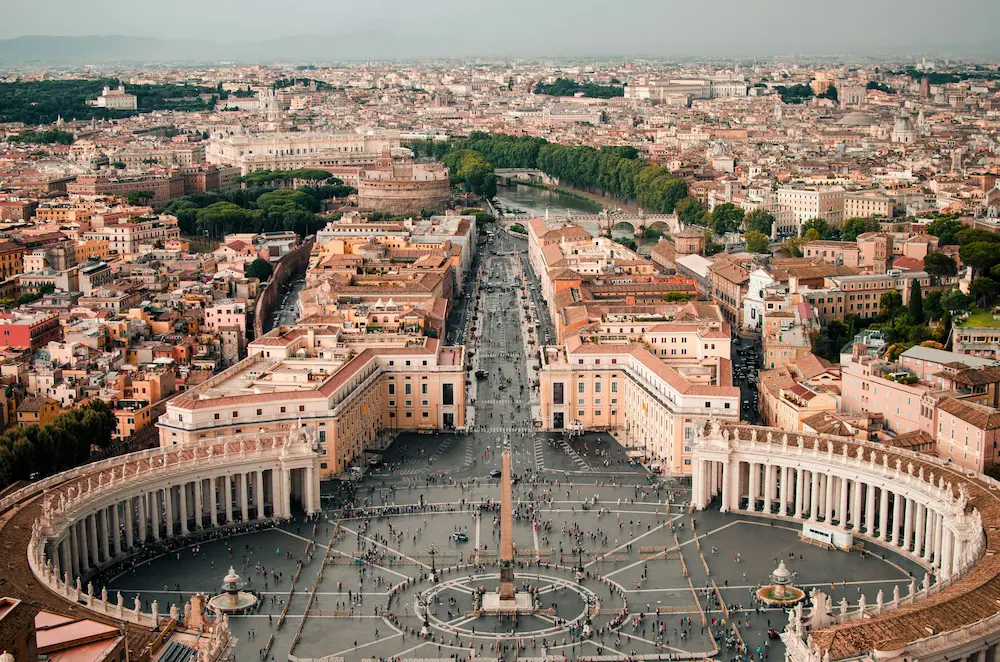
Spain is a vibrant destination known for its rich history, lively culture, stunning beaches, and world-renowned cuisine. From the architectural wonders of Barcelona and the royal charm of Madrid to the sunny Costa del Sol and picturesque Andalusian towns, Spain offers the perfect blend of cultural heritage, outdoor adventures, and Mediterranean relaxation.
Best for: Beaches, culture, food, nightlife, family vacations, and festivals.
Top attractions: Sagrada Família, Park Güell, Alhambra, Royal Palace of Madrid, Seville Cathedral, Ibiza, Costa del Sol, Santiago de Compostela.
Best time to visit: April–June and September–October

Greece
Greece is a breathtaking destination famous for its ancient civilizations, idyllic islands, crystal-clear waters, and Mediterranean charm. From the iconic ruins of Athens to the whitewashed villages of Santorini and the vibrant beaches of Mykonos, Greece offers a perfect mix of history, culture, relaxation, and scenic beauty for every traveler.
Best for: Honeymoons, island hopping, history, beaches, and romantic getaways.
Top attractions: Acropolis of Athens, Santorini, Mykonos, Meteora, Delphi, Crete, Rhodes, Navagio Beach.
Best time to visit: April–June and September–October

Germany
Germany is a fascinating destination that combines medieval towns, fairy-tale castles, vibrant cities, and breathtaking natural landscapes. From the historic streets of Berlin and Munich to the scenic Black Forest and the majestic Bavarian Alps, Germany offers a perfect mix of history, culture, outdoor adventures, and world-famous festivals.
Best for: History, castles, road trips, cultural experiences, festivals, and nature.
Top attractions: Brandenburg Gate, Neuschwanstein Castle, Cologne Cathedral, Black Forest, Bavarian Alps, Berlin Wall Memorial, Romantic Road, Oktoberfest in Munich.
Best time to visit: May–September or December

United Kingdom
The United Kingdom is a captivating destination where royal heritage, historic landmarks, picturesque countryside, and vibrant cities come together. From the iconic attractions of London and the medieval charm of Edinburgh to the scenic beauty of the Scottish Highlands and the Lake District, the UK offers unforgettable experiences for history lovers, culture enthusiasts, and nature seekers alike.
Best for: History, royal landmarks, family vacations, cultural experiences, and scenic road trips.
Top attractions: Big Ben, Buckingham Palace, Tower of London, Stonehenge, Edinburgh Castle, Lake District, Scottish Highlands, Giant’s Causeway.
Best time to visit: May–September

Switzerland
Switzerland is a dream destination known for its breathtaking Alpine landscapes, crystal-clear lakes, charming villages, and world-class travel experiences. From the snowy peaks of the Swiss Alps to picturesque cities like Zurich and Lucerne, Switzerland offers a perfect combination of adventure, luxury, nature, and scenic beauty for travelers seeking unforgettable European experiences.
Best for: Mountains, luxury holidays, honeymoon trips, adventure activities, and scenic train journeys.
Top attractions: Matterhorn, Jungfraujoch, Lake Geneva, Lucerne, Interlaken, Zurich, Rhine Falls, Glacier Express.
Best time to visit: June–September or December–February

Portugal
Portugal is a charming European destination known for its historic cities, golden beaches, scenic coastlines, and rich maritime heritage. From the colorful streets of Lisbon and Porto’s riverside charm to the dramatic cliffs of the Algarve and beautiful island landscapes, Portugal offers an ideal mix of culture, relaxation, adventure, and affordable travel experiences.
Best for: Beaches, budget travel, couples, food, history, and scenic road trips.
Top attractions: Lisbon, Porto, Sintra, Algarve Coast, Douro Valley, Madeira Island, Azores Islands, Belém Tower.
Best time to visit: March–June and September–October

Netherlands
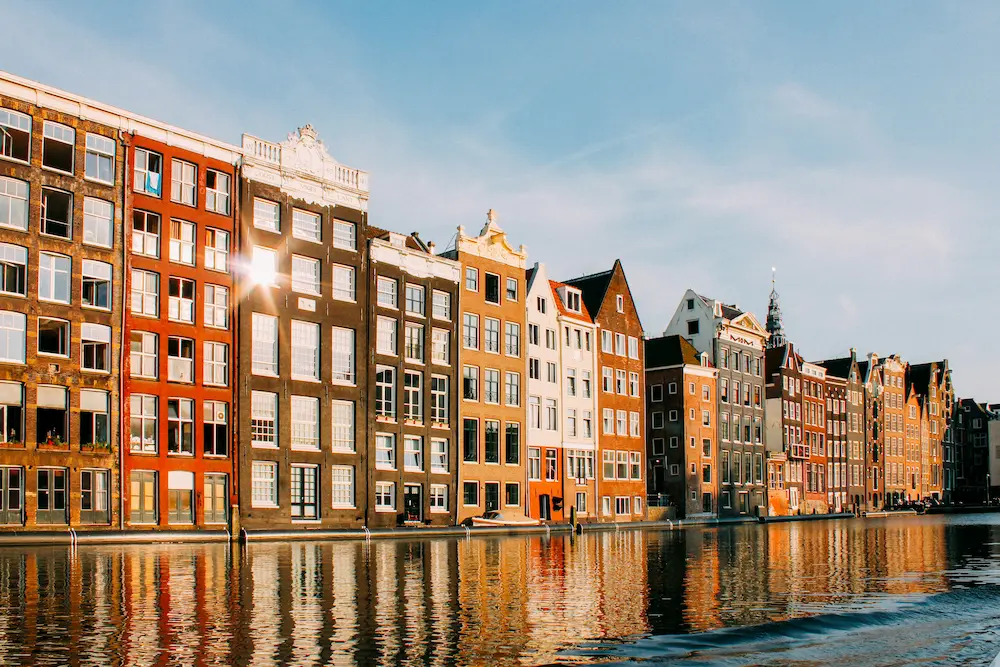
The Netherlands is a picturesque European destination famous for its charming canals, colorful tulip fields, historic windmills, and innovative cities. From the artistic treasures of Amsterdam to the peaceful countryside and scenic coastal landscapes, the Netherlands offers a unique blend of culture, history, nature, and modern experiences for every type of traveler.
Best for: City breaks, family trips, cycling, culture, flowers, and photography
Top attractions: Amsterdam Canals, Rijksmuseum, Keukenhof Gardens, Zaanse Schans Windmills, Van Gogh Museum, Giethoorn, Rotterdam, Kinderdijk.
Best time to visit: April–May and September–October
Austria
Austria is a stunning European destination known for its imperial cities, Alpine landscapes, classical music heritage, and charming villages. From the elegant streets of Vienna and the beauty of Salzburg to the snow-covered Austrian Alps and scenic lakes, Austria offers a perfect combination of culture, adventure, nature, and unforgettable experiences throughout the year.
Best for: Mountains, winter sports, music, culture, romantic getaways, and scenic landscapes.
Top attractions: Schönbrunn Palace, Hallstatt, Salzburg Old Town, Vienna Opera House, Austrian Alps, Innsbruck, Grossglockner Road, Lake Wolfgang.
Best time to visit: April–May and September–October

Top Attractions in Europe
Europe is packed with iconic historical landmarks, breathtaking natural wonders, and world-class architectural masterpieces. Here are some of the most celebrated tourist attractions across the continent:
Popular Europe Travel Routes
Whether you’re planning a short holiday or a multi-country adventure, these popular travel routes cover some of the most rewarding destinations in Europe. Choose an itinerary based on your available time, interests, and the best travel season.
| Route | Countries | Duration | Best Season |
|---|---|---|---|
| Classic Europe | France → Switzerland → Italy | 10–14 Days | Apr–Jun |
| Western Europe | France → Belgium → Netherlands | 7–10 Days | Apr–Sep |
| Central Europe | Germany → Czech Republic → Austria → Hungary | 10–12 Days | May–Oct |
| Mediterranean Escape | Spain → Portugal | 8–12 Days | Apr–Oct |
| Greek Island Adventure | Athens → Mykonos → Santorini → Crete | 8–10 Days | May–Sep |
| Nordic Adventure | Norway → Sweden → Finland | 10–14 Days | Jun–Aug |
| Northern Lights Expedition | Norway → Finland → Iceland | 7–10 Days | Sep–Mar |
| Balkans Explorer | Croatia → Montenegro → Albania | 10–14 Days | May–Sep |
| Alpine Journey | Switzerland → Austria | 7–10 Days | Jun–Sep |
| Eastern Europe Highlights | Poland → Czech Republic → Hungary | 8–12 Days | Apr–Oct |
Famous Festivals & Events to Experience in Europe
Europe celebrates a diverse range of festivals throughout the year, offering travellers unforgettable experiences through music, culture, traditions, food, and local celebrations. Plan your trip around these iconic European events.
| Festival / Event | Country | Best Time | Experience |
|---|---|---|---|
| Oktoberfest | Germany | September–October | World’s largest beer festival featuring traditional music, Bavarian food, cultural performances, and celebrations. |
| Venice Carnival | Italy | February–March | Experience spectacular masks, historic costumes, parades, and unique celebrations across Venice’s canals. |
| La Tomatina | Spain | August | A famous tomato-throwing festival in Buñol filled with fun, music, and colorful street celebrations. |
| Christmas Markets | Germany, Austria, Czech Republic | November–December | Enjoy festive markets, handmade crafts, traditional food, warm drinks, and magical winter atmosphere. |
| Edinburgh Festival Fringe | United Kingdom (Scotland) | August | The world’s largest arts festival featuring comedy shows, theatre, music, and creative performances. |
| Running of the Bulls (San Fermín) | Spain | July | A traditional festival in Pamplona known for cultural events, parades, and the famous bull run. |
| Cannes Film Festival | France | May | Attend one of the world’s most prestigious film events featuring global cinema and celebrities. |
| St. Patrick’s Festival | Ireland | March | Celebrate Irish culture with colorful parades, music, dance, and traditional festivities. |
| Tomorrowland | Belgium | July | A world-famous electronic music festival attracting visitors with incredible stages and performances. |
| Fête de la Musique | France | June | A nationwide music celebration featuring free concerts and performances in streets and public spaces. |
Europe Travel Budget: Backpacking, Mid-Range & Luxury Travel
Europe offers travel experiences for every type of budget, from affordable backpacking adventures to premium luxury holidays. The overall cost depends on the countries you visit, travel style, accommodation choices, and season. Western European countries like Switzerland, France, and Norway are generally more expensive, while destinations in Eastern and Southern Europe offer more budget-friendly options.
Backpacking Travel:
Budget travelers can explore Europe for around €50–€90 per day by staying in hostels, using public transportation, cooking some meals, and choosing affordable destinations such as Hungary, Poland, Portugal, and the Czech Republic.
Mid-Range Travel:
A comfortable Europe trip usually costs around €120–€220 per day, including decent hotels, restaurants, paid attractions, and convenient transportation. This option allows travelers to enjoy major cities, cultural experiences, and popular attractions without excessive spending.
Luxury Travel:
Luxury travelers should expect to spend €350+ per day for premium hotels, fine dining, private tours, luxury trains, and exclusive experiences. Countries like Switzerland, France, and Italy offer some of Europe’s best luxury travel experiences.
Daily Travel Cost in Europe
The cost of traveling in Europe varies significantly depending on your destination and travel style. Use this daily budget guide to estimate expenses for accommodation, food, transportation, and activities across popular European countries.
| Country | Budget Travel | Mid-Range Travel | Luxury Travel |
|---|---|---|---|
| Austria | $85 – $105 | $175 – $220 | $400 – $650 |
| Belgium | $80 – $100 | $160 – $210 | $380 – $600 |
| France | $95 – $120 | $180 – $240 | $450 – $750+ |
| Germany | $80 – $100 | $160 – $210 | $380 – $600 |
| Greece | $60 – $80 | $130 – $180 | $320 – $550+ |
| Hungary | $45 – $65 | $100 – $140 | $260 – $420 |
| Iceland | $110 – $140 | $230 – $310 | $550 – $900+ |
| Ireland | $85 – $110 | $170 – $220 | $380 – $620 |
| Netherlands | $95 – $120 | $190 – $250 | $420 – $700 |
| Norway | $100 – $130 | $220 – $290 | $500 – $850+ |
| Poland | $45 – $65 | $95 – $135 | $240 – $400 |
| Portugal | $60 – $80 | $130 – $170 | $300 – $500 |
| Spain | $70 – $90 | $140 – $190 | $320 – $550 |
| Sweden | $90 – $115 | $180 – $240 | $420 – $680 |
| Switzerland | $120 – $150 | $250 – $340 | $600 – $1,100+ |
| United Kingdom | $95 – $125 | $190 – $260 | $450 – $800+ |
How to Plan a Trip to Europe
Planning a trip to Europe begins with deciding your travel budget, preferred destinations, and the best time to visit. Since Europe offers a wide variety of experiences, choose countries that match your interests, whether it’s history, beaches, mountains, culture, or adventure. Check visa requirements, especially if you’re visiting countries within the Schengen Area, and apply well in advance if needed.
Book your international flights early to secure better fares, then plan your itinerary based on travel distances. Europe’s extensive network of trains, budget airlines, buses, and ferries makes traveling between countries convenient and efficient. Reserve accommodation in advance, particularly during the peak summer season, and consider city passes to save on attractions and public transportation.
Purchase comprehensive travel insurance, pack according to the season, and keep digital copies of important documents such as your passport, visa, and travel bookings. Finally, leave some flexibility in your itinerary to explore local neighborhoods, try authentic cuisine, and enjoy unexpected experiences that make a European journey truly memorable.
How to Travel & Stay in Europe
Europe has one of the world’s most efficient transportation networks, making it easy to travel between countries and cities. High-speed trains connect major destinations such as Paris, Amsterdam, Berlin, Rome, and Vienna, while budget airlines provide affordable options for longer distances. Long-distance buses and ferries are also excellent choices for reaching smaller towns, islands, and neighboring countries. Renting a car is ideal for exploring scenic regions like the Swiss Alps, the Scottish Highlands, or the Portuguese countryside at your own pace.
When it comes to accommodation, Europe offers options for every budget. Backpackers can stay in hostels and budget hotels, while mid-range travelers can choose comfortable hotels, guesthouses, or serviced apartments. Luxury travelers will find premium hotels, boutique properties, and world-class resorts across the continent. Vacation rentals are another great option for families and longer stays, providing extra space and kitchen facilities.
How to Stay Safe & Avoid Scams in Europe
Europe is generally a safe destination for travelers, but it’s important to stay alert, especially in busy tourist areas and major cities. Keep your valuables secure, use anti-theft bags, and avoid carrying large amounts of cash. Be extra cautious in crowded places such as train stations, public transport, markets, and popular attractions, where pickpocketing is more common.
Use only licensed taxis or trusted ride-hailing services, and verify fares before your journey whenever possible. When withdrawing money, use ATMs located inside banks and avoid exchanging currency at unauthorized kiosks. Be cautious of common tourist scams, including fake petitions, distraction techniques, overpriced restaurants near major attractions, and unofficial tour guides.
Book accommodation, transportation, and attraction tickets through reputable websites or official providers. Keep digital and printed copies of your passport, visa, travel insurance, and emergency contacts in case of loss or theft. It’s also wise to purchase comprehensive travel insurance that covers medical emergencies, trip cancellations, and lost luggage.
How to Overcome Language Barriers in Europe
Although English is widely spoken in many European countries, especially in major cities and tourist destinations, learning a few basic local phrases can make your trip more enjoyable and help you connect with local people. Before traveling, download an offline translation app and save important phrases such as greetings, directions, emergency assistance, and restaurant-related expressions. Carry the address of your hotel in the local language to make it easier for taxi drivers or locals to assist you. In rural areas and smaller towns, English may be less common, so using translation apps, gestures, and simple communication can be very effective. Being polite, patient, and respectful of local customs will often encourage people to help, making your European travel experience smoother and more rewarding.
How to Manage Currency While Travelling in Europe
Europe uses a variety of currencies, although the Euro (€) is the most widely accepted and is the official currency in 20 European Union countries. However, several popular destinations, including the United Kingdom, Switzerland, Norway, Sweden, Denmark, Poland, Hungary, and the Czech Republic, use their own national currencies. Before traveling, check the currency used in each country on your itinerary to avoid payment issues.
Credit and debit cards are widely accepted across Europe, especially in hotels, restaurants, shopping centers, and tourist attractions. However, carrying a small amount of local currency is recommended for public transport, local markets, small cafés, and rural areas where card payments may not always be available. Withdraw cash from bank ATMs instead of airport exchange counters to receive better exchange rates and lower fees.
Europe Visa Requirements (2026)
Europe has introduced new digital border systems, making it essential for travelers to understand the latest entry requirements before departure. Whether you need a Schengen Visa or qualify for visa-free entry, meeting the necessary requirements will help ensure a smooth journey.
The Entry/Exit System (EES) now digitally records the entry and exit of non-EU travelers using facial recognition and fingerprint scans, replacing manual passport stamps. It also automatically tracks compliance with the 90/180-day stay rule, so overstaying is easier for authorities to detect.
Travelers from visa-exempt countries such as the United States, the United Kingdom, Canada, Australia, and Japan must obtain an ETIAS travel authorization before entering the Schengen Area. The online authorization is generally approved quickly and remains valid for up to three years or until the passport expires.
If you require a Schengen Visa, apply through the embassy or visa center of the country where you will spend the most time. You’ll typically need a valid passport, completed visa application form, recent passport-sized photographs, travel medical insurance with at least €30,000 coverage, proof of accommodation, a return or onward travel itinerary, financial documents showing sufficient funds, and a cover letter explaining your travel plans.
Ensure your passport was issued within the last 10 years, is valid for at least three months beyond your planned departure, and has at least two blank pages. If you’re visiting multiple Schengen countries, apply to your main destination, or if your stay is equally divided, apply through your first country of entry. Applying early and preparing all required documents will help you avoid delays and enjoy a hassle-free trip to Europe.
Europe Packing Checklist
Packing for Europe depends on the countries you plan to visit, the season, and the activities on your itinerary. A well-planned packing list ensures a comfortable, organized, and stress-free European adventure.
✓ Passport and visa (if required)
✓ Travel insurance documents
✓ Flight, hotel, and transport bookings
✓ Debit/credit cards and some local currency
✓ Universal European power adapter
✓ Mobile phone and charger
✓ Power bank
✓ Comfortable walking shoes
✓ Weather-appropriate clothing
✓ Lightweight rain jacket or umbrella
✓ Warm jacket (for winter or mountain destinations)
✓ Sunglasses, sunscreen, and hat
✓ Personal toiletries and medications
✓ Reusable water bottle
✓ Daypack for sightseeing
✓ Camera and memory cards
✓ Copies of important documents (digital and printed)
✓ SIM card or eSIM details
✓ Small travel lock for luggage
✓ Basic first-aid kit
Frequently Asked Questions
1. What is the best time to visit Europe?
The best time to visit Europe is during spring (April–June) and autumn (September–October), when the weather is pleasant, tourist crowds are smaller, and sightseeing is more enjoyable. Summer is ideal for beaches, while winter is perfect for skiing and Christmas markets.
2. Do I need a visa to travel to Europe?
Visa requirements depend on your nationality. Many travelers need a Schengen Visa, while citizens of several countries can enter visa-free with ETIAS authorization where applicable. Always check the latest entry requirements before planning your trip.
3. How much does a trip to Europe cost?
Europe suits every budget. Backpackers can spend around $50–$90 per day, mid-range travelers about $120–$220, while luxury holidays generally start from $350 per day, depending on the country, season, and travel style.
4. Which European countries are best for first-time travelers?
France, Italy, Switzerland, the Netherlands, and the United Kingdom are excellent choices for first-time visitors due to their iconic attractions, reliable transportation, tourist-friendly infrastructure, and wide range of cultural and natural experiences.
5. Is Europe safe for solo travelers?
Yes, Europe is considered one of the safest travel destinations. Most countries have excellent public transportation and tourist facilities. Stay alert in crowded areas, protect your valuables, and follow basic safety precautions to enjoy a secure journey.
6. How many days are enough to explore Europe?
A 10–14-day itinerary is ideal for visiting two to four countries comfortably. If you have more time, a two to three-week trip allows you to explore multiple destinations at a relaxed pace without feeling rushed.
7. Can I visit multiple European countries on one trip?
Yes. Thanks to the Schengen Area and Europe’s excellent train, flight, and bus network, travelers can easily visit multiple countries during one vacation. Plan your route carefully to maximize time and minimize transportation costs.
8. What currency is used in Europe?
The Euro (€) is the most widely used currency, but countries such as the United Kingdom, Switzerland, Norway, Sweden, Denmark, Poland, Hungary, and the Czech Republic use their own national currencies. Check the local currency before traveling.
9. Is travel insurance necessary for Europe?
Travel insurance is strongly recommended and is mandatory for many Schengen Visa applicants. It protects against medical emergencies, trip cancellations, lost baggage, and travel disruptions, giving you peace of mind throughout your journey.
10. What should I pack for a Europe trip?
Pack comfortable walking shoes, weather-appropriate clothing, travel documents, a universal power adapter, medications, travel insurance papers, a power bank, and a reusable water bottle. Adjust your packing list according to the season and destinations.