
North India is best understood as a travel region shaped by contrasts: the Himalayan foothills, the plains of the Ganges, desert landscapes, historic cities, pilgrimage centres and wildlife reserves all sit within a broad but unevenly connected travel network. For travellers, the challenge is not finding places to visit, but deciding how to combine them without spending too much time in transit or overlooking seasonal conditions.
This North India travel guide helps you plan that process. It explains where to go, how long to stay, when to travel, how destinations connect, and which experiences suit different interests—from Mughal and Rajput history to mountain escapes, wildlife safaris, spiritual journeys and local food trails. You will also find practical guidance on transport, costs, safety and responsible travel. Whether you are planning a first visit, a solo trip or a route beyond the usual Delhi–Agra–Jaipur circuit, use this guide to build an itinerary that matches your available time, comfort level and travel priorities.
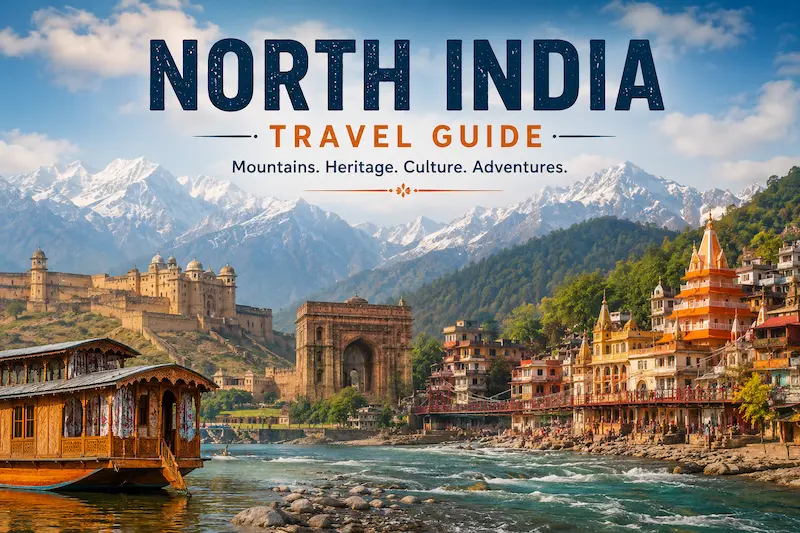
Table of Contents
Why North India Matters for Travellers
For travellers, North India is less a single destination than a collection of regions connected by long road and rail journeys. It broadly covers the northern plains, Himalayan states and foothills, Rajasthan’s desert belt, and several areas commonly included in North India itineraries. Delhi often serves as the main entry point, but the experience changes considerably as you move beyond the capital.
The best-known route is the Golden Triangle, connecting Delhi, Agra and Jaipur. It combines Mughal architecture, royal-era forts, markets and urban culture and can work well as a first North India trip. Another major travel corridor follows the Ganges through Haridwar, Rishikesh and Varanasi, while Rajasthan offers a very different experience through destinations such as Jodhpur, Udaipur and Jaisalmer.
The Himalayan region adds another dimension, with Himachal Pradesh, Uttarakhand, Jammu and Kashmir, and Ladakh offering mountain landscapes, trekking, monasteries and village experiences. These areas require more planning because altitude, weather and road conditions can affect travel. The plains are generally easier to access, but summer heat, traffic and long distances can make journeys tiring.
Trying to cover everything in one trip usually leads to a rushed itinerary. It is more practical to choose a region or travel theme and build your route around the season, available time and preferred pace.
North India at a Glance
| State / Union Territory | Major Destinations | What It Is Known For | Best Suited For |
|---|---|---|---|
| Delhi | New Delhi, Old Delhi | Historic monuments, museums, markets, food | Heritage, culture, city breaks |
| Uttar Pradesh | Agra, Varanasi, Lucknow, Mathura, Ayodhya | Taj Mahal, historic cities, culture and pilgrimage | Heritage, culture, spiritual travel |
| Punjab | Amritsar, Patiala, Ludhiana | Golden Temple, Sikh heritage, cuisine and culture | Culture, heritage, food |
| Haryana | Gurugram, Kurukshetra, Panipat, Faridabad | Historic sites, pilgrimage and urban attractions | Short trips, history, pilgrimage |
| Himachal Pradesh | Shimla, Manali, Dharamshala, Spiti, Kullu | Himalayan landscapes, hill towns and outdoor activities | Mountains, nature, adventure |
| Uttarakhand | Rishikesh, Haridwar, Nainital, Mussoorie, Kedarnath | Himalayas, rivers, trekking and pilgrimage | Nature, adventure, wellness, pilgrimage |
| Jammu & Kashmir | Srinagar, Gulmarg, Pahalgam, Jammu, Sonamarg | Valleys, lakes, mountains and cultural heritage | Nature, mountains, adventure |
| Ladakh | Leh, Nubra Valley, Pangong Lake, Tso Moriri | High-altitude landscapes, monasteries and mountain roads | Adventure, road trips, nature |
Best Places to Visit in North India
North India offers very different travel experiences, so choosing destinations around your interests is more practical than trying to cover every famous place. History-focused travellers can start with Delhi, Agra and the Golden Triangle, while Himachal Pradesh and Uttarakhand work well for mountain escapes and outdoor activities. Ladakh suits travellers looking for high-altitude landscapes and longer journeys, while Kashmir is better suited to scenic stays and relaxed exploration.
For spiritual and cultural travel, Varanasi, Rishikesh and Amritsar each offer a distinct experience. Wildlife enthusiasts can consider destinations such as Ranthambore, while travellers interested in architecture, heritage and desert landscapes may also look towards Rajasthan. The best combination ultimately depends on your season, available time, budget and preferred pace.
Best for First-Time Travel
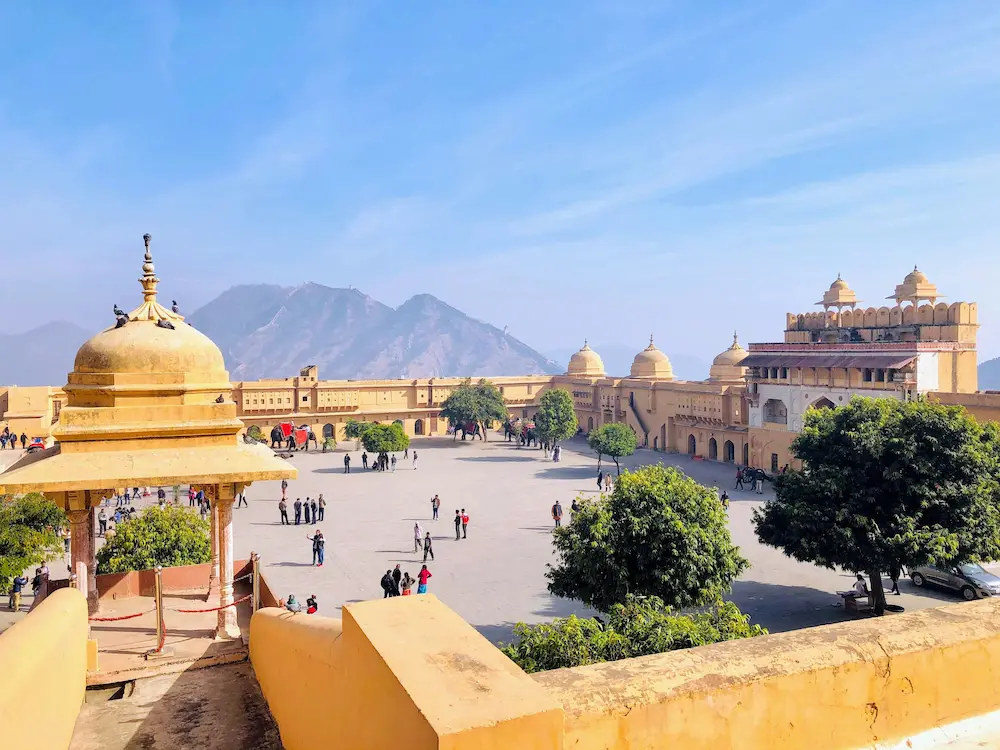
If this is your first trip to North India, keep the route manageable rather than trying to cover the whole region. Delhi, Agra and Jaipur make a practical starting circuit, while Varanasi or Amritsar can be added if you have more time. Allow enough time between major stops instead of building your itinerary around constant transfers.
| Destination | Best suited for |
|---|---|
| Delhi | History, food and connections |
| Agra | Taj Mahal and Mughal heritage |
| Jaipur | Forts, palaces and markets |
| Varanasi | Spiritual and cultural travel |
| Amritsar | Heritage, food and pilgrimage |
Best for Beach Lovers
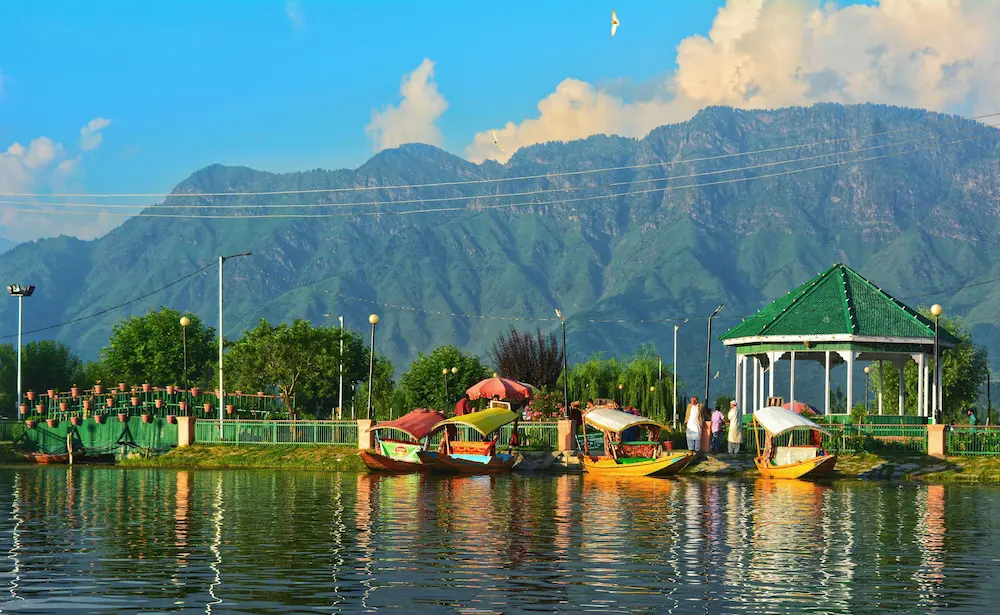
North India has no coastline, so it is not the right region if a traditional beach holiday is your main priority. If you still want water-based scenery, consider lakes, rivers and waterfront landscapes instead. Srinagar and Nainital offer relaxed alternatives, while Rishikesh is better suited to river activities.
| Destination | Water / landscape experience |
|---|---|
| Srinagar | Dal Lake and houseboats |
| Nainital | Lake and hill-town setting |
| Rishikesh | Ganges and river activities |
| Manali | River valleys and mountains |
| Dharamshala | Mountain scenery and streams |
Best for Mountains & Hill Stations
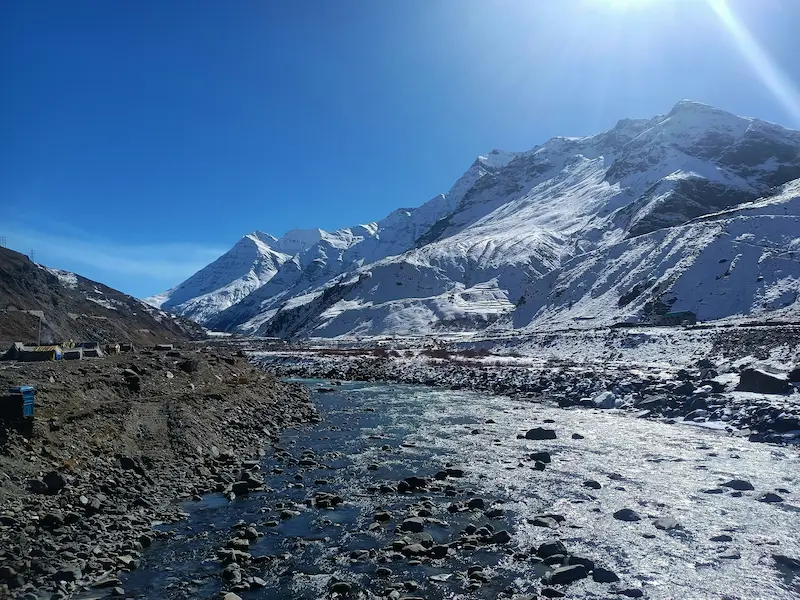
North India offers Himalayan destinations ranging from accessible hill stations to demanding high-altitude routes. Manali and Shimla work well for a first mountain trip, while Spiti and Ladakh require more preparation. Check seasonal road conditions and altitude requirements before choosing a route.
| Destination | Best suited for |
|---|---|
| Manali | All-round mountain trip |
| Shimla | Classic hill station |
| Mussoorie | Short mountain break |
| Leh | High-altitude landscapes |
| Spiti Valley | Remote mountain travel |
Best for Culture & Heritage
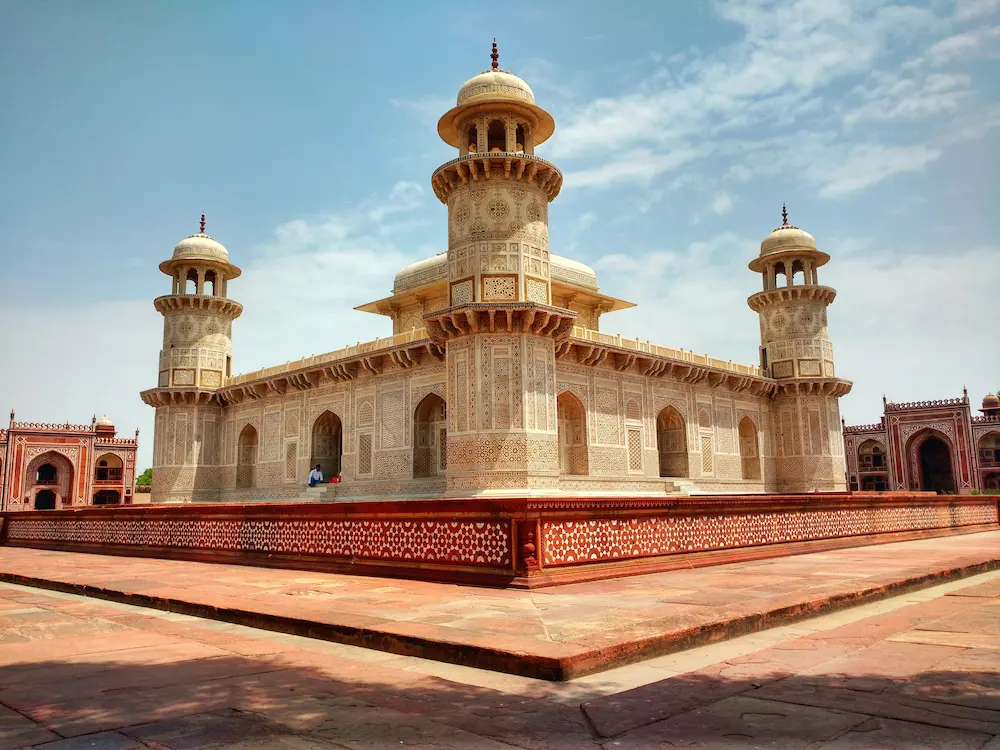
For culture and heritage, North India rewards slower exploration. Delhi and Agra are strong choices for Mughal history, Jaipur for Rajput architecture, while Amritsar and Varanasi offer deeper connections to living cultural traditions.
| Destination | Heritage focus |
|---|---|
| Delhi | Mughal and colonial history |
| Agra | Mughal architecture |
| Jaipur | Rajput forts and palaces |
| Amritsar | Sikh heritage and culture |
| Varanasi | Living religious traditions |
Best for Pilgrimage & Spiritual Travel
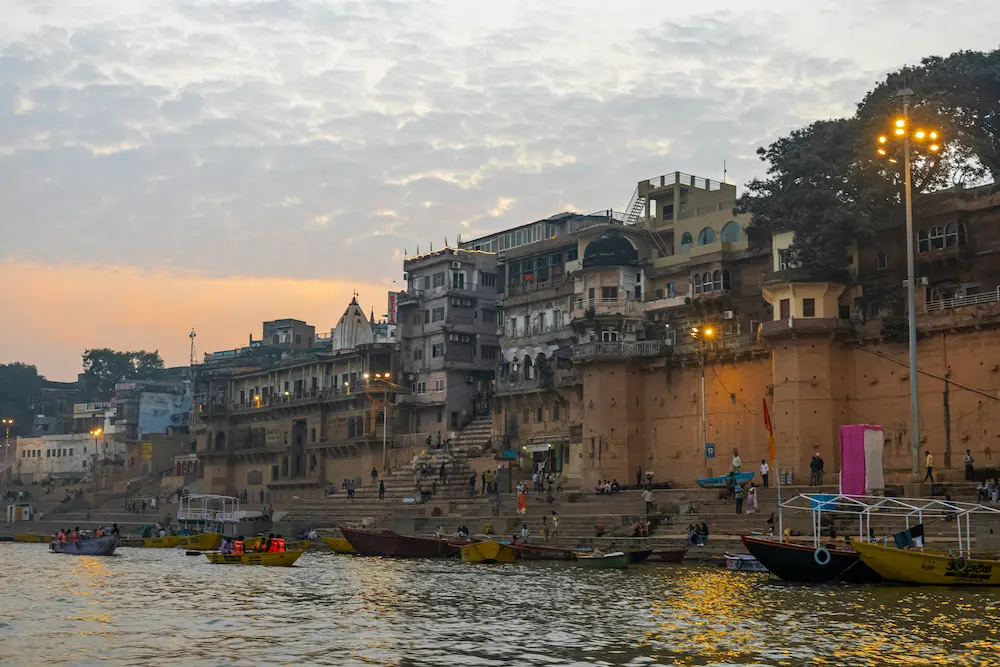
Spiritual travel in North India ranges from major pilgrimage centres to temple towns and riverfront rituals. Plan around religious calendars and local crowds rather than treating these places as ordinary sightseeing stops. Early mornings can be more practical at busy pilgrimage sites.
| Destination | Best suited for |
|---|---|
| Varanasi | Ganges, temples and rituals |
| Haridwar | Ganges pilgrimage |
| Rishikesh | Yoga and spiritual retreats |
| Amritsar | Sikh pilgrimage |
| Mathura | Krishna traditions |
Best for Nature & Wildlife
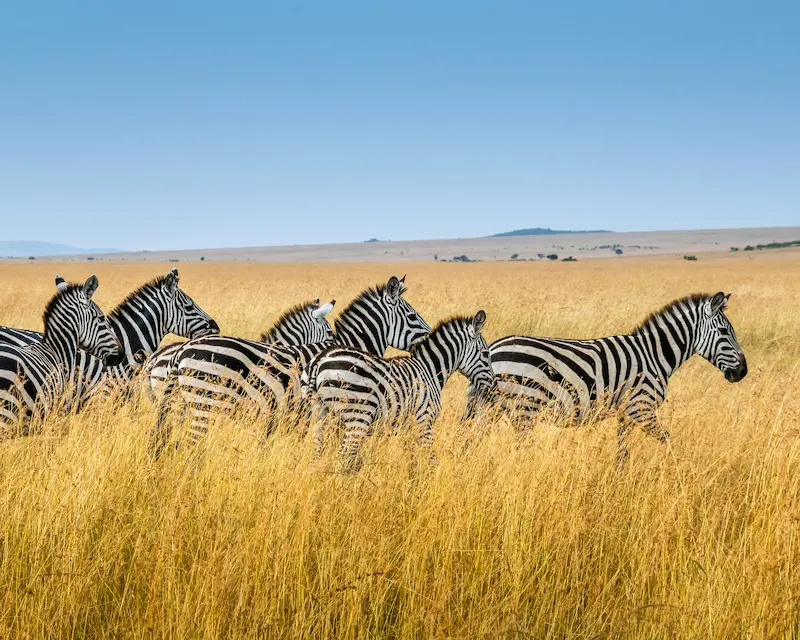
Wildlife travel needs more planning than a city break because sightings depend on season, habitat and safari conditions. Jim Corbett is one of the more accessible choices, while mountain destinations offer a different experience focused on forests, birds and high-altitude ecosystems.
| Destination | Best suited for |
|---|---|
| Jim Corbett | Tiger safari and forests |
| Great Himalayan NP | Mountain ecosystems |
| Rajaji NP | Elephants and forests |
| Keoladeo NP | Birdwatching |
| Valley of Flowers | Alpine landscapes and flora |
Best for Slower Travel
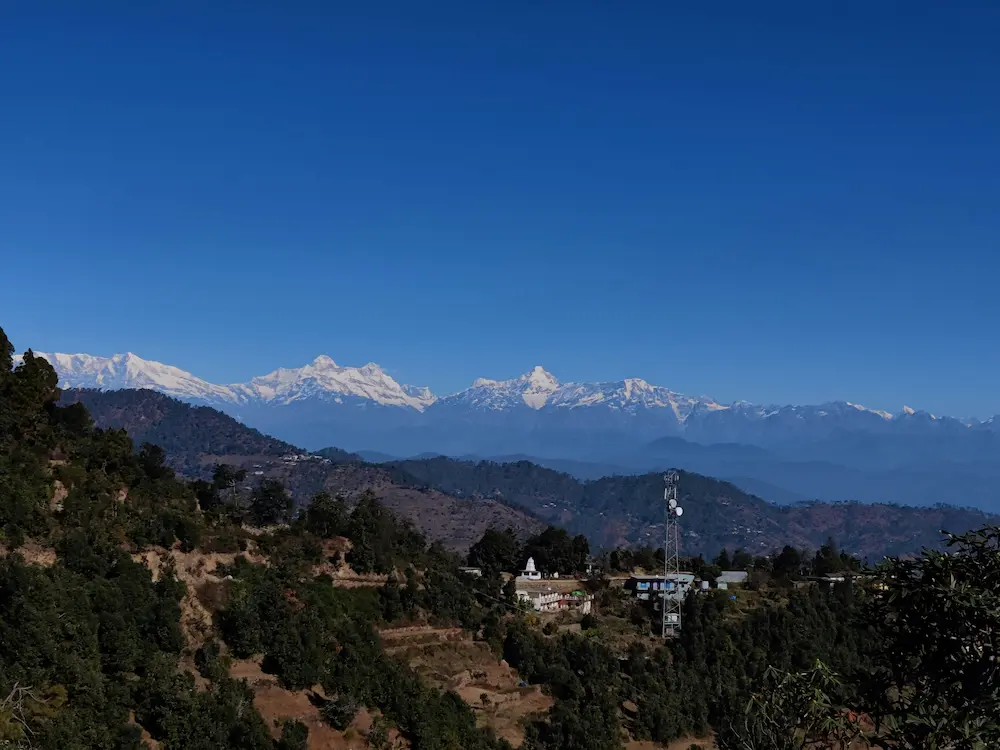
If you prefer fewer transfers and more time in one place, choose destinations where the landscape, food and local life can be explored without a packed sightseeing schedule. Smaller Himalayan towns and the Kashmir Valley work particularly well for this style of travel.
| Destination | Travel style |
|---|---|
| Kasol | Relaxed valley stay |
| McLeod Ganj | Walks, cafés and culture |
| Almora | Quiet hill-town travel |
| Srinagar | Lake and valley stays |
| Ranikhet | Peaceful mountain retreat |
Best for Adventure & Sports
Adventure travel ranges from accessible activities such as rafting and trekking to demanding high-altitude routes. Choose according to your experience rather than simply selecting the most difficult option. Weather, altitude and road conditions can change quickly, so leave some flexibility in your schedule.
| Destination | Adventure focus |
|---|---|
| Rishikesh | Rafting and outdoor activities |
| Manali | Trekking and mountain activities |
| Leh | High-altitude road trips |
| Auli | Skiing and mountain activities |
| Bir | Paragliding |
Best Time to Visit North India
North India’s climate varies significantly between the plains, Himalayan foothills, and high-altitude regions. Rajasthan, Delhi, Agra, and the surrounding plains can become very hot in late spring and summer, while Himachal Pradesh, Uttarakhand, Kashmir, Ladakh, and other mountain areas have much cooler conditions. The best time to visit therefore depends on both the destination and the type of trip you are planning.
Winter (November to February) — Best for the Northern Plains
Winter is generally the most comfortable season for exploring cities and heritage destinations across the northern plains. Delhi, Agra, Jaipur, Varanasi, and Rajasthan usually have cooler days and cold mornings and evenings, although temperatures can vary considerably between locations. December and January can also bring fog to parts of the Indo-Gangetic Plain, which may affect road and rail journeys. Higher Himalayan destinations receive snowfall during this period, depending on altitude and local weather conditions.
Summer (March to June) — Better for the Mountains
Temperatures rise sharply across much of North India from April onward, with parts of Rajasthan, Delhi, Punjab, Haryana, and Uttar Pradesh experiencing very hot conditions in May and June. For cooler weather, many travellers head towards the Himalayan hill stations of Himachal Pradesh and Uttarakhand. Higher-altitude destinations have different seasonal patterns, with access to places such as Ladakh generally becoming more practical as roads and passes open after winter.
Monsoon (July to September) — Green Landscapes and Weather Considerations
The southwest monsoon brings substantial rainfall to parts of North India, particularly the Himalayan foothills and northern plains. Himachal Pradesh and Uttarakhand can experience heavy rain, landslides, and temporary road disruptions, so mountain travel requires greater attention to weather and local transport conditions. Rajasthan is generally drier than the Himalayan states, while the high-altitude cold-desert regions of Ladakh receive much less rainfall and remain relatively dry during the summer months.
North India Travel Seasons at a Glance
| Season | Months | Plains & Cities | Himalayan Regions | Travel Considerations |
|---|---|---|---|---|
| Winter | November–February | Cool to cold conditions across Delhi, Agra, Rajasthan, Uttar Pradesh and surrounding areas | Snowfall in many higher-altitude areas; very cold conditions at higher elevations | Excellent for heritage sites, city sightseeing and Rajasthan; fog can affect some road and rail journeys |
| Spring | March–April | Temperatures gradually rise, with increasingly warm afternoons | Pleasant conditions in many lower and mid-altitude hill areas | A useful transition period for combining cities with selected mountain destinations |
| Summer | May–June | Very hot conditions across much of Rajasthan, Delhi, Punjab, Haryana and Uttar Pradesh | Cooler conditions in hill stations; high-altitude areas become more accessible as seasonal routes open | Better suited to Himalayan destinations than the northern plains |
| Monsoon | July–September | Rainfall varies considerably across the region | Heavy rain possible in Himachal Pradesh and Uttarakhand; landslides and road disruptions can occur | Plan mountain journeys carefully; Ladakh remains relatively dry compared with the Himalayan foothills |
| Autumn | October | Temperatures begin to moderate across the plains | Generally favourable conditions in many Himalayan destinations before winter sets in | Good transition period for combining northern cities, heritage destinations and selected mountain areas |
Important North India Travel Circuits & Routes
North India offers several established travel circuits that make it easier to combine destinations within a single trip. Some focus on history and culture, while others are designed around pilgrimage, mountains, wildlife or scenic landscapes. Choosing a circuit can help you plan your route, estimate travel time and decide how many days you need. The table below highlights popular North India circuits, their main routes, ideal trip duration and the best time to travel.
| # | Travel Circuit | Route / Itinerary | Suitable For | Trip Duration | Best Months |
|---|---|---|---|---|---|
| 1 | Golden Triangle | Delhi → Agra → Jaipur → Delhi | First-time visitors, history & culture enthusiasts, families, general tourists | 4 – 7 Days | October to March |
| 2 | Char Dham Yatra | Haridwar/Rishikesh → Yamunotri → Gangotri → Kedarnath → Badrinath → Haridwar | Pilgrims, spiritual seekers, trekkers, families | 10 – 12 Days | May to June & September to October |
| 3 | Himachal Circuit | Chandigarh/Delhi → Shimla → Kullu → Manali → Dharamshala → Dalhousie → Chandigarh | Honeymooners, adventure seekers, family vacations, road trippers | 8 – 10 Days | March to June & Dec to Jan (for snow) |
| 4 | Desert Circuit (Rajasthan) | Jaipur → Ajmer/Pushkar → Jodhpur → Jaisalmer → Bikaner → Jaipur | Heritage lovers, desert camping, culture enthusiasts, photographers | 7 – 10 Days | October to March |
| 5 | Leh-Ladakh Circuit | Manali/Srinagar → Leh → Nubra Valley → Pangong Tso → Hanle → Leh | Bikers, adventure seekers, landscape photographers, solo road-trippers | 8 – 12 Days | May to September |
| 6 | Spiti Valley Circuit | Shimla → Sarahan → Sangla/Chitkul → Kalpa → Kaza → Chandratal → Manali | Offbeat travelers, rugged road-trippers, stargazers, backpackers | 9 – 11 Days | June to September |
| 7 | Kashmir Valley Circuit | Srinagar → Gulmarg → Pahalgam → Sonamarg → Srinagar | Couples/Honeymooners, family holidays, snow & winter sports lovers | 6 – 8 Days | April to October & Dec to Feb (for snow) |
| 8 | Spiritual Ganga Circuit | Delhi → Haridwar → Rishikesh → Varanasi → Prayagraj → Delhi | Spiritual seekers, culture lovers, foreign travelers, yoga enthusiasts | 6 – 8 Days | October to March |
| 9 | Kumaon Lake & Hill Circuit | Kathgodam/Delhi → Nainital → Pangot → Kausani → Binsar → Ranikhet → Kathgodam | Nature lovers, birdwatchers, peace seekers, short family getaways | 5 – 7 Days | March to June & Sept to Nov |
| 10 | Punjab Cultural Circuit | Amritsar → Kapurthala → Jalandhar → Ludhiana → Anandpur Sahib → Chandigarh | Foodies, heritage & patriotic travel lovers, cultural enthusiasts | 4 – 6 Days | October to March |
North India by Travel Style
North India can suit very different travel styles, from independent backpacking and budget trips to comfortable family holidays and luxury escapes. Solo travellers may prefer destinations with flexible transport and plenty of accommodation choices, while families often benefit from shorter travel days and comfortable stays. Couples can focus on scenic destinations and relaxed itineraries, whereas budget travellers can reduce costs through trains, buses and simpler accommodation. Mid-range travel offers a balance between comfort and spending, while luxury trips can include premium hotels, private transfers and curated experiences. The right approach depends on your budget, preferred pace, travel companions and the type of experience you want from North India.
North India Travel Style Comparison
| Travel Style | Ideal Destinations & Circuits | Accommodation | Transportation | Key Experiences & Focus |
|---|---|---|---|---|
| Solo | Spiti Valley, Rishikesh, Dharamshala, Kasol, Ladakh | Hostels, homestays, guesthouses, dorms | State buses, shared cabs, trains, rented bikes | Independence, trekking, spirituality, local experiences |
| Family | Golden Triangle, Shimla–Manali, Nainital–Kausani, Kashmir, Amritsar | 3–4★ hotels, family resorts, serviced apartments | Private cabs, trains, flights | Comfort, sightseeing, family-friendly activities |
| Couple | Srinagar–Gulmarg, Shimla–Mashobra, Mussoorie, Uttarakhand | Boutique hotels, resorts, heritage properties, lake-view stays | Private cars, trains, flights | Scenic stays, privacy, photography, relaxed travel |
| Budget | Rishikesh, Varanasi, Parvati Valley, McLeod Ganj | Hostels, budget guesthouses, dharamshalas, homestays | State buses, sleeper trains, shared transport | Local food, walking tours, hiking, local culture |
| Mid-Range / Comfort | Golden Triangle, Himachal, Uttarakhand, Kashmir | 3–4★ hotels, boutique stays, mid-range heritage properties | AC cabs, comfortable trains, domestic flights | Guided sightseeing, comfortable road trips, activities |
| Luxury | Delhi–Agra, Kashmir, Uttarakhand, Ladakh | Luxury hotels, heritage properties, premium resorts, luxury camps | Private chauffeur, premium flights, private transfers | Private tours, wellness, fine dining, exclusive experiences |
How Much Does a North India Trip Cost?
The cost of a North India trip depends mainly on your travel style, destination, trip length, season, accommodation and transportation. A short trip focused on Delhi and Agra can cost considerably less than a journey covering Kashmir, Ladakh or several Himalayan destinations. The following breakdown shows what you can generally expect at three spending levels.
Budget Travel in North India
Budget travel in North India is possible, but the cost depends on how you move between destinations and where you choose to stay. Trains and state buses can keep transport affordable, while guesthouses, hostels and simple family-run hotels often offer better value than centrally located properties. Food can remain inexpensive at established local restaurants and simple eateries, although hygiene and water safety still require attention. The cheapest itinerary is not always the most efficient: long journeys, last-minute bookings and frequent destination changes can increase your total spending. Plan around your priorities, book key journeys early, and spend where comfort and safety matter most.
Accommodation: hostels, dorms, basic guesthouses, homestays
Transport: trains, state buses, shared cabs
Food: local restaurants, street food, simple meals
Approximate daily cost: ₹1,000–₹2,000
Mid-Range / Comfort Travel in North India
Mid-range or comfort travel in North India offers a practical balance between convenience and cost. You can choose well-located three- or four-star hotels, pre-booked trains, private transfers for difficult routes and occasional guided tours without committing to luxury pricing. This approach works well for travellers who want reliable comfort after long sightseeing days, while still eating at local restaurants and using public transport where it is efficient. Costs vary significantly between Delhi, Rajasthan, Himalayan destinations and smaller towns, so a fixed daily estimate can be misleading. Allow extra funds for seasonal hotel rates, airport transfers, entrance fees and weather-related changes to your itinerary.
Accommodation: 3–4★ hotels, comfortable guesthouses, boutique stays
Transport: Reserved AC trains, including Vande Bharat where available, private/shared cabs, occasional domestic flights
Food: good local restaurants, cafés and occasional premium dining
Approximate daily cost: ₹3,000–₹6,000
Luxury Travel in North India
Luxury travel in North India is primarily about reducing friction: private transfers, carefully chosen hotels, flexible schedules and experienced local guides. Heritage properties in Rajasthan, high-end hotels in Delhi and boutique stays near major attractions can make sightseeing more comfortable, especially during hot weather or busy festival periods. However, a higher budget does not remove every challenge. Traffic, crowded monuments, uneven roads and changing mountain conditions still affect the journey. Private transport is useful for multi-city routes, while trains or short domestic flights may save time between distant destinations. Plan extra time for each stop, verify inclusions, and prioritise location, service and logistics over appearance alone.
Accommodation: luxury hotels, heritage properties, premium resorts
Transport: private chauffeur, premium trains, domestic flights
Food: fine dining, hotel restaurants, curated culinary experiences
Approximate daily cost: ₹10,000–₹25,000+
North India Travel Tips
Plan North India by corridor, not by map. Delhi–Agra–Jaipur can work in a week, but adding Varanasi, Rajasthan’s desert towns and the Himalayas creates several long travel days. A night train may save a hotel night, but it can also leave you too tired for sightseeing. Keep at least one flexible day after a major transfer.
Distances in the mountains are deceptive. A route that looks short on a map may take most of the day because of winding roads, traffic, weather and road repairs. Check local conditions before travelling to high-altitude or remote areas, and avoid scheduling a flight or important connection immediately after a mountain journey.
Weather varies sharply across the region. Rajasthan and the plains can become extremely hot before the monsoon, while Himalayan destinations may remain cold or inaccessible outside their practical travel season. Some roads, passes, treks and accommodation businesses close during winter or heavy monsoon periods, so confirm access locally rather than relying on an old itinerary.
Check the current Indian Railways reservation window before booking. Popular routes can fill quickly during festivals, holidays and weekends, so keep an alternative train or flight in mind.
Treat altitude as a planning issue, not a minor inconvenience. For Ladakh, allow adequate time to acclimatise before travelling to higher areas. Avoid demanding activities immediately after arrival, and take symptoms such as severe headache, breathlessness or confusion seriously.
In major cities, traffic can make a short journey take an hour or more. Stay near the areas you plan to explore rather than choosing a cheaper hotel far outside the centre. Carry some cash for small shops, local transport and rural areas, but avoid carrying your entire budget.
Save 112, India’s national emergency number and Tourist Helpline 1363. Also store your insurer, embassy or consulate, hotel and a trusted contact at home.
Finally, build realistic days. Two or three meaningful stops are usually better than an itinerary that depends on perfect traffic, punctual trains and uninterrupted energy.
North India Travel Essentials
A little preparation can make a North India trip much easier, particularly when combining major cities with remote or mountain destinations.
Documents & ID: International travellers should carry a valid passport, visa and copies of important documents. Domestic travellers should keep a valid government-issued ID and booking details accessible.
Money & Payments: Cards and digital payments are widely accepted in cities, but carry some cash for local transport, small shops, rural areas and remote destinations.
Connectivity: Arrange a local SIM or eSIM if needed. Mobile coverage can become unreliable in parts of the Himalayas, so download important maps and booking details before travelling.
Clothing & Weather: Pack according to your destinations and travel season. Plains can become very hot, while Himalayan areas may require warm layers even during summer.
Bookings & Transport: Confirm important train, flight and accommodation bookings in advance, especially during festivals and peak seasons. For mountain routes, check road and weather conditions before departure.
Safety & Insurance: Consider travel insurance, carry essential medicines and keep emergency contacts available. When travelling to remote or high-altitude areas, check local conditions and avoid unnecessarily tight schedules.
Before leaving, check your documents, bookings, weather, connectivity and transport arrangements, especially if your itinerary includes remote or high-altitude destinations.
Frequently Asked Questions
What is the best time to visit North India?
How many days are enough for a North India trip?
What are the best places to visit in North India?
What is the best North India travel circuit for first-time visitors?
How much does a North India trip cost?
Is North India suitable for solo travellers?
Is North India suitable for family trips?
How do you travel around North India?
What should I pack for a North India trip?
Is North India safe for tourists?
One Last Thought
North India is too diverse to experience well in a single rushed itinerary. Choose a region, route or travel style that fits your time, season and pace, then leave enough room for the journey itself. The best trip is not the one that covers the most places, but the one that gives you enough time to experience them.
Use this guide as a starting point, then explore the individual state and regional guides to build a route that works for you.