
South India is best understood as a travel region with several distinct circuits rather than a single destination. It includes the temple towns and coastlines of Tamil Nadu, Kerala’s backwaters and Western Ghats, Karnataka’s heritage sites and coffee country, Andhra Pradesh’s pilgrimage centres and beaches, and Telangana’s historic cities and cultural sites. The practical challenge is deciding which of these experiences fit your time, season, budget, and preferred pace.
This South India travel guide helps you make those decisions before booking transport or accommodation. It explains where to go, how long to spend in each region, which destinations work well together, and when weather may affect your plans. You’ll also find guidance for choosing between cultural trips, beach holidays, wildlife escapes, hill-station breaks, food-focused journeys, and slower road trips. Whether you are planning a first visit, a short South India itinerary, or a longer multi-state journey, the aim is to help you build a route that is realistic rather than overloaded.
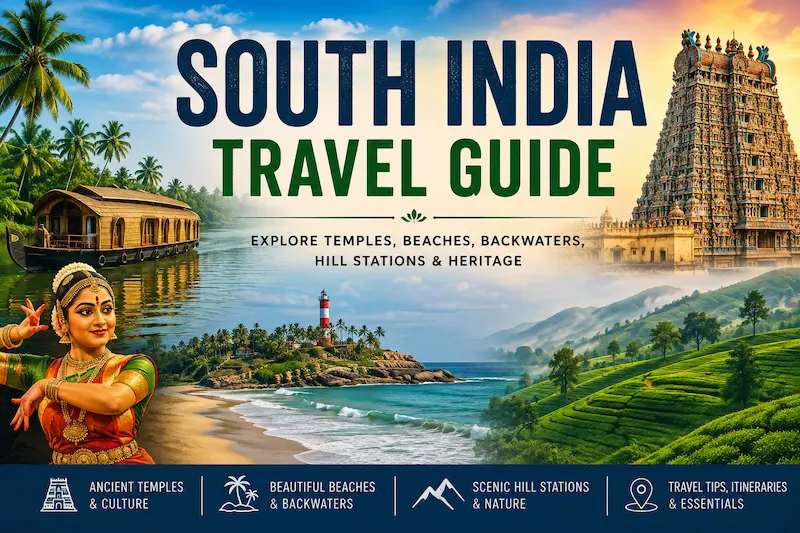
Table of Contents
Why South India Matters for Travellers
South India attracts to travellers because its experiences are varied but can still be combined into a thoughtfully paced journey. Ancient temples in Tamil Nadu are especially relevant to those interested in architecture, living religious traditions, and cultural history. Towns such as Madurai, Thanjavur, and Kanchipuram are best explored slowly, with time to notice temple rituals, local markets, and the streets that surround these active places of worship.
South India’s beaches offer a different kind of travel, whether you are looking for a quiet coastal stay, seafood, water activities, or a few restful days after exploring cities and heritage sites. Kerala’s backwaters suit travellers who prefer landscape and local life over a crowded sightseeing schedule. A houseboat, canoe ride, or village homestay can reveal paddy fields, canals, and everyday life at a gentler pace.
The Western Ghats add forests, plantations, scenic drives, trekking routes, hill stations, and wildlife reserves. Travellers interested in elephants, birds, and forest habitats can explore wildlife reserves across Karnataka, Kerala, and Tamil Nadu, with opportunities for safaris and other forest experiences. Hill stations such as Munnar, Ooty, Coorg, and Wayanad provide cooler surroundings and a change of pace. Food is equally central, with each state offering distinct flavours, from Kerala seafood and Tamil meals to Karnataka specialities and the bolder cuisine of Andhra and Telangana.
Together, these experiences make South India particularly suitable for travellers seeking cultural depth, regional food, nature, and a slower itinerary rather than a rushed checklist.
South India at a Glance
| State / Union Territory | Major Destinations | What It Is Known For | Best Suited For |
|---|---|---|---|
| Tamil Nadu | Chennai, Madurai, Mahabalipuram, Ooty, Rameswaram, Kanyakumari | Dravidian temples, coastal heritage, hill stations, and rich classical culture | Heritage, spiritual travel, culture, hill station breaks |
| Kerala | Kochi, Alleppey, Munnar, Wayanad, Varkala, Thekkady | Backwaters, tea plantations, Ayurveda, beaches, and wildlife sanctuaries | Nature, relaxation, wellness, honeymoon, wildlife |
| Karnataka | Bengaluru, Mysuru, Hampi, Coorg, Gokarna, Chikmagalur | UNESCO world heritage ruins, palaces, coffee plantations, tech hub, and serene beaches | History, heritage, nature, coffee plantation stays, beaches |
| Andhra Pradesh | Tirupati, Visakhapatnam, Vijayawada, Araku Valley, Lepakshi | Tirumala temple, pristine coastlines, scenic valleys, and ancient cave structures | Spiritual travel, coastal getaways, nature, heritage |
| Telangana | Hyderabad, Warangal, Ramoji Film City, Nagarjuna Sagar | Nizami heritage, Charminar, Biryani, historic forts, and modern urban sights | City breaks, heritage, food tours, culture |
| Puducherry (UT) | Puducherry Town, Auroville, Paradise Beach | French colonial architecture, serene beaches, cafes, and spiritual retreats | Relaxation, beach breaks, French vibe, wellness |
| Andaman & Nicobar Islands (UT) | Port Blair, Havelock Island (Swaraj Dweep), Neil Island (Shaheed Dweep) | Turquoise waters, coral reefs, historic Cellular Jail, and water sports | Beaches, scuba diving, luxury relaxation, honeymoon |
| Lakshadweep (UT) | Agatti, Kavaratti, Bangaram Island, Kadmat | Exotic coral atolls, crystal-clear lagoons, marine life, and secluded beaches | Snorkeling, scuba diving, island getaways, eco-tourism |
Best Places to Visit in South India
South India has far more destinations than most travellers can reasonably cover in one trip, so choosing the right places is often more useful than trying to see everything. Some destinations are ideal for a short cultural break, while others work better as part of a longer route connecting several regions. Your choice may also depend on whether you prefer beaches, temples, backwaters, mountains, wildlife, heritage, food, or quieter escapes. The destinations below are grouped around these different travel experiences, making it easier to identify places that match your interests and combine them into a practical itinerary without spending too much time travelling between stops.
Best for First-Time Travel
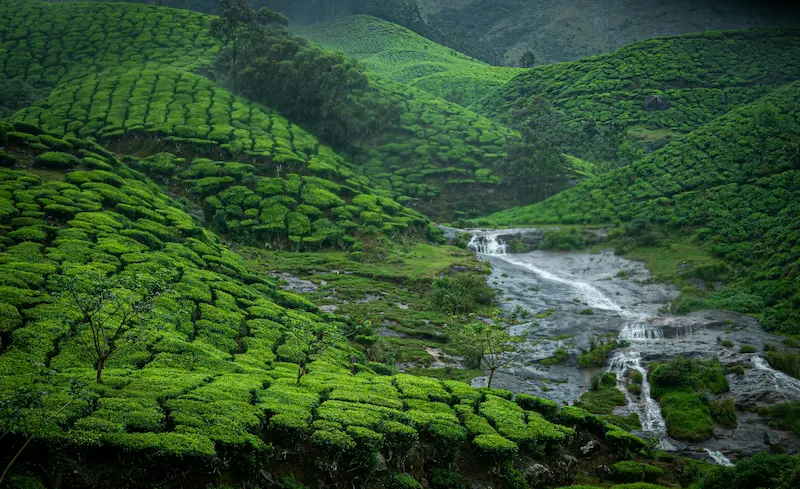
If this is your first trip to South India, choose a manageable circuit rather than trying to cover every state. Kerala, Tamil Nadu and Karnataka offer some of the easiest combinations for a first journey, while Andhra Pradesh and Telangana can be added when you have more time. Focus on a few destinations and allow enough time to experience them without constant transfers.
| Destination | Best suited for |
|---|---|
| Kochi | History, culture and coastal travel |
| Munnar | Hills, tea plantations and nature |
| Madurai | Temples and Tamil culture |
| Mysuru | Palaces and heritage |
| Hampi | Ruins and historical landscapes |
Best for Beach Lovers
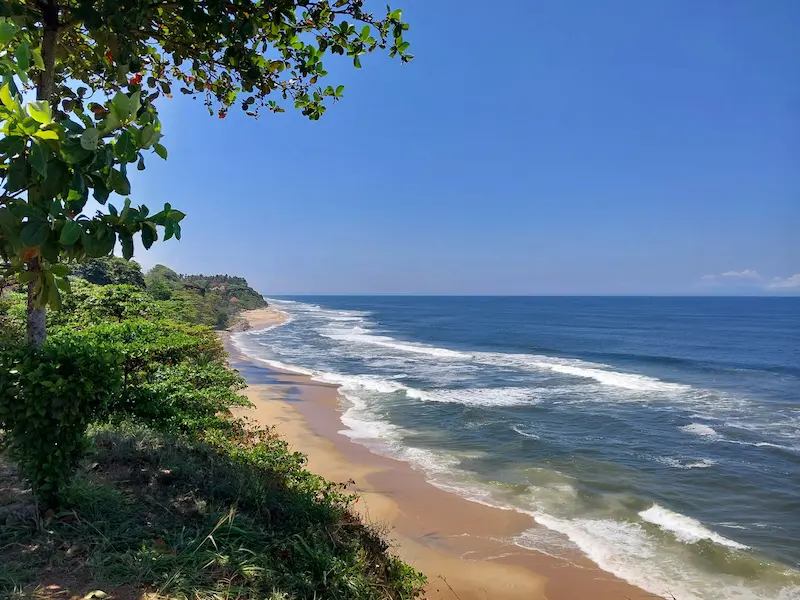
South India is particularly well suited to beach holidays, with long coastlines stretching across Kerala, Karnataka, Tamil Nadu and Andhra Pradesh. Kerala works well for combining beaches with backwaters, while Karnataka offers quieter coastal stretches. Tamil Nadu is useful for combining coastal scenery with temples and heritage destinations.
| Destination | Beach experience |
|---|---|
| Varkala | Clifftop beach and relaxed stays |
| Kovalam | Classic beach holiday |
| Gokarna | Beaches and slower travel |
| Marari | Quiet coastal retreat |
| Mahabalipuram | Beach and heritage combination |
Best for Mountains & Hill Stations
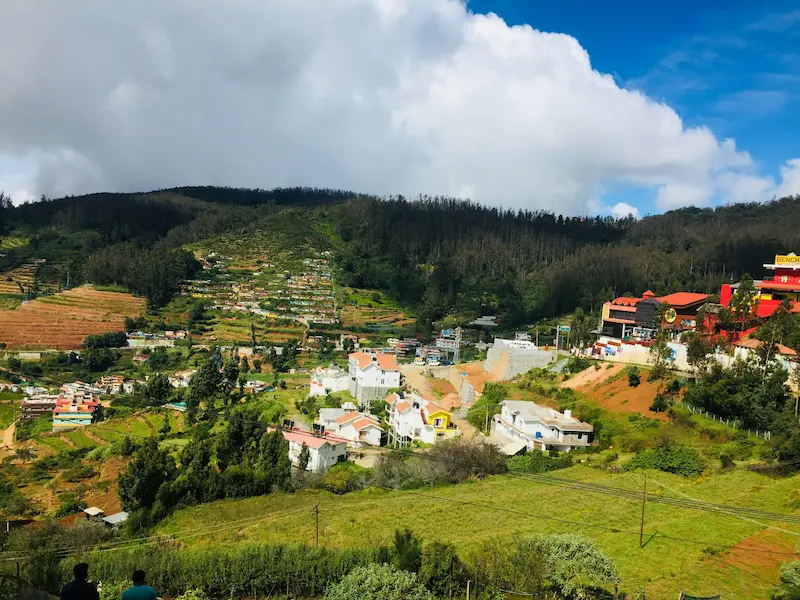
South India has a different mountain character from the Himalayas, with the Western and Eastern Ghats providing forested hills, tea and coffee plantations, waterfalls and cooler escapes. Munnar and Ooty are among the easiest choices, while Coorg and Wayanad work particularly well for travellers looking for nature, plantations and quieter surroundings.
| Destination | Best suited for |
|---|---|
| Munnar | Tea plantations and mountain scenery |
| Ooty | Classic hill-station experience |
| Coorg | Coffee country and nature |
| Wayanad | Forests, waterfalls and wildlife |
| Kodaikanal | Cooler climate and lake landscapes |
Best for Culture & Heritage
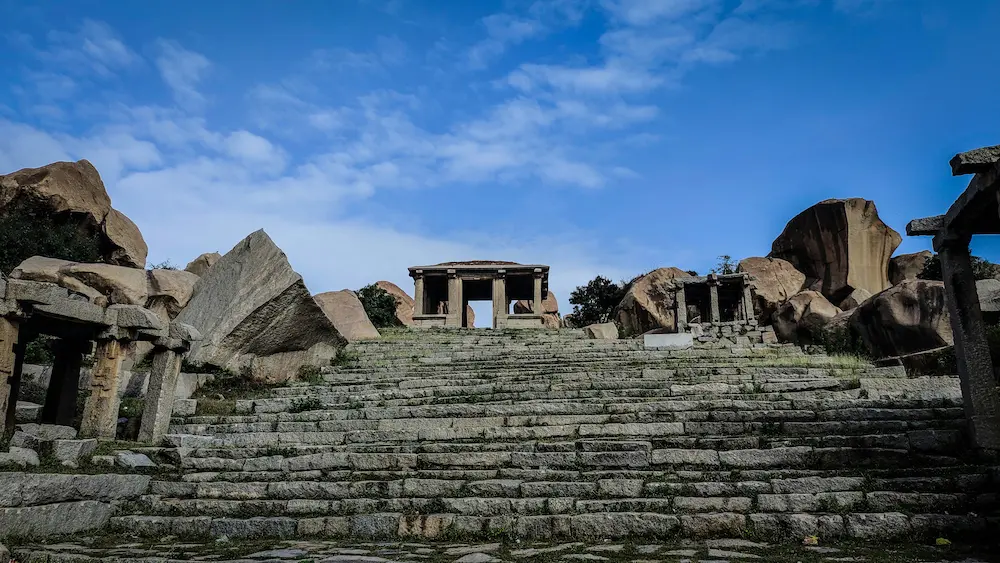
South India is one of India’s strongest regions for temple architecture, living cultural traditions and historic cities. Tamil Nadu is especially important for its Dravidian temples, while Karnataka offers major heritage sites and former royal centres. Kerala, Telangana and Andhra Pradesh add their own architectural and cultural traditions to the region.
| Destination | Heritage focus |
|---|---|
| Madurai | Temple architecture and Tamil traditions |
| Thanjavur | Chola heritage and temples |
| Hampi | Vijayanagara ruins |
| Mysuru | Royal heritage and palaces |
| Hyderabad | Deccan history and architecture |
Best for Pilgrimage & Spiritual Travel
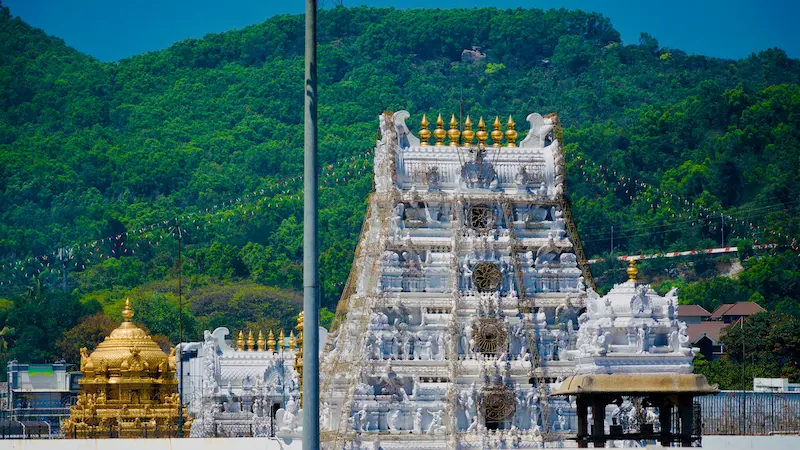
South India has some of the country’s most important pilgrimage centres, particularly in Tamil Nadu and Andhra Pradesh. Temple visits are often central to the journey rather than a quick sightseeing stop, so allow time for rituals, queues and local customs. Kerala and Karnataka also offer important temples and spiritual destinations with distinct regional traditions.
| Destination | Best suited for |
|---|---|
| Madurai | Meenakshi Temple and Tamil traditions |
| Rameswaram | Pilgrimage and temple travel |
| Tirupati | Major temple pilgrimage |
| Thanjavur | Temple heritage and architecture |
| Guruvayur | Kerala temple traditions |
Best for Nature & Wildlife
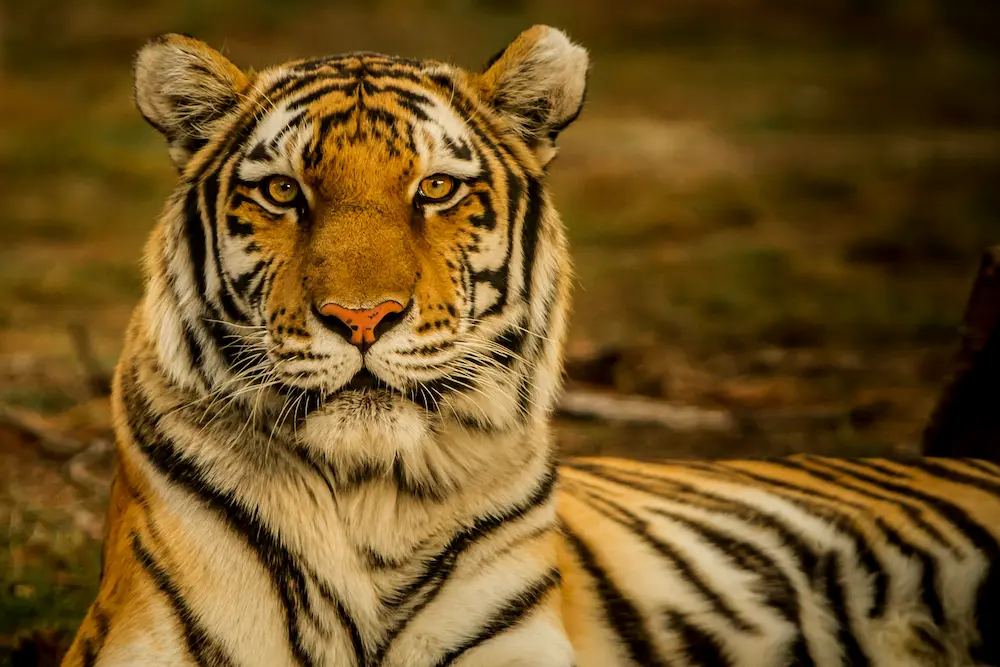
South India combines tropical forests, wetlands, grasslands and Western Ghats ecosystems, making it well suited to nature and wildlife trips. Periyar, Bandipur and Nagarhole are strong choices for wildlife experiences, while Wayanad and the Nilgiris combine forests with hill landscapes. Safari conditions and sightings vary by season, so plan with realistic expectations.
| Destination | Best suited for |
|---|---|
| Periyar | Wildlife and forest landscapes |
| Bandipur | Tiger and elephant habitats |
| Nagarhole | Safaris and forest ecosystems |
| Wayanad | Forests, wildlife and waterfalls |
| Kabini | Wildlife safaris and river landscapes |
Best for Slower Travel
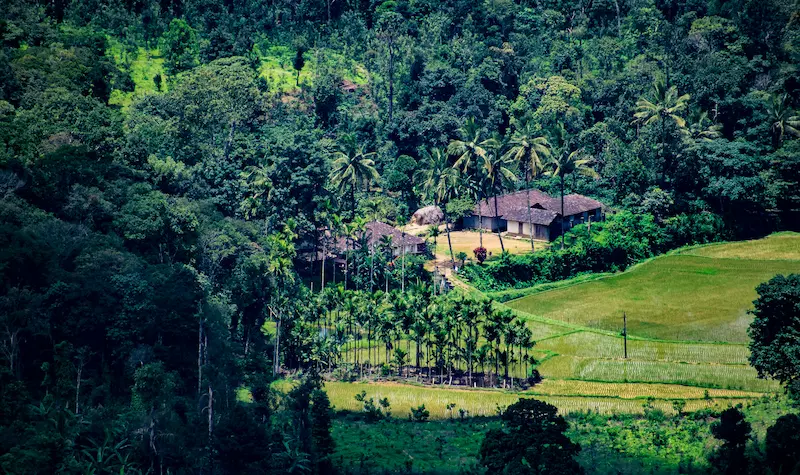
South India works particularly well for travellers who prefer to slow down rather than move between destinations every day. Kerala’s backwaters, coastal villages and hill regions are ideal for longer stays, while Coorg and Wayanad offer a quieter combination of plantations, forests and local experiences. Choose fewer destinations and give yourself time to enjoy the surroundings.
| Destination | Travel style |
|---|---|
| Alappuzha | Backwaters and relaxed stays |
| Marari | Quiet coastal retreat |
| Wayanad | Forests and plantation stays |
| Coorg | Coffee estates and nature |
| Varkala | Beach, wellness and slower travel |
Best for Adventure & Sports
South India offers a broad range of outdoor activities, from trekking and rafting to surfing, diving and wildlife safaris. The Western Ghats provide numerous trekking opportunities, while Karnataka and Kerala have several options for water-based activities. Choose activities according to your experience and check seasonal conditions before planning more demanding adventures.
| Destination | Adventure focus |
|---|---|
| Rishikonda | Surfing and beach activities |
| Gokarna | Coastal walks and water activities |
| Coorg | Trekking and outdoor activities |
| Wayanad | Trekking, caves and waterfalls |
| Kolad | White-water rafting |
Best Time to Visit South India
South India’s climate varies distinctly between its tropical coastlines, central inland plains, and the high-altitude tea and coffee estates of the Western Ghats. Coastal regions like Kerala and Tamil Nadu experience tropical warmth and humidity year-round, while hill stations such as Munnar, Ooty, Coorg, and Kodaikanal offer much cooler conditions. Unlike Northern India, South India is heavily shaped by two distinct monsoon cycles (the Southwest and Northeast monsoons). The best time to visit depends largely on whether you are seeking beach relaxation, cultural heritage exploration, or mountain retreats.
Winter (November to February) — Best for Beaches, Heritage, and Backwaters
Winter is widely considered the peak season for traveling across South India. Temperatures drop to comfortable levels across coastal and plain regions, including Chennai, Kochi, Madurai, Mysuru, Bengaluru, and Puducherry. The weather remains pleasant, dry, and ideal for exploring Dravidian temples, cruising the Kerala backwaters, or relaxing on coastal beaches. Up in the Western Ghats—such as in Coorg, Ooty, and Munnar—mornings and evenings can be delightfully crisp and chilly.
Summer (March to May) — Ideal for Hill Stations and Coffee Plantations
Temperatures and humidity rise significantly across much of South India from March onward, with coastal areas and inland plains like Telangana, Andhra Pradesh, and northern Karnataka becoming very warm in April and May. To escape the heat, travelers head up to the elevated hill stations of the Western Ghats. Destinations like Munnar, Wayanad, Kodaikanal, Chikmagalur, and the Nilgiri hills remain pleasantly cool, making this an ideal time for visiting tea plantations, spice gardens, and nature reserves.
Monsoon (June to November) — Lush Landscapes, Ayurveda, and Seasonal Rains
South India experiences two distinct rain cycles. The Southwest Monsoon (June to September) brings heavy downpours to Kerala, Karnataka, and the Western Ghats, turning the countryside into a vibrant, lush green environment with cascading waterfalls. This is the traditional season for Ayurvedic wellness retreats, though sea swimming and coastal water sports are generally restricted. The Northeast Monsoon (October to November) primarily affects the eastern coast, bringing essential rainfall to Tamil Nadu and parts of coastal Andhra Pradesh before giving way to the dry, comfortable winter months.
South India Travel Seasons at a Glance
| Season | Months | Coasts & Plains | Western Ghats & Hills | Travel Considerations |
|---|---|---|---|---|
| Winter | November–February | Pleasant, warm, and clear conditions across Kerala, Tamil Nadu coast, Bengaluru, and Hyderabad | Cool, crisp, and comfortable weather in Ooty, Munnar, Coorg, and Kodaikanal | Peak tourism season; ideal for backwater cruises, beach holidays, temple tours, and outdoor exploration |
| Summer | March–May | Hot and humid weather along coastal belts; inland areas like Telangana and Rayalaseema experience high heat | Pleasantly cool temperatures offer respite from the heat on the plateau and hill stations | Best time to visit hill stations and coffee estates; coastal trips are better suited to early mornings and late evenings |
| Southwest Monsoon | June–September | Heavy rainfall along the Malabar Coast (Kerala) and coastal Karnataka; moderate showers inland | Lush green landscapes, overflowing waterfalls, and high rain activity across the Western Ghats | Great for monsoon tourism and Ayurvedic retreats; outdoor trekking may be restricted due to heavy downpours |
| Northeast Monsoon (Retreating) | October–November | Primary rainfall season for coastal Tamil Nadu, Puducherry, and parts of Andhra Pradesh | Intermittent rain and mist lingering over Eastern Ghats and southern Western Ghats | Lush scenery across the region; check local weather updates for coastal Tamil Nadu during active spell periods |
Important South India Travel Circuits & Routes
South India is best explored through carefully chosen travel circuits rather than trying to cover several distant destinations in a single trip. Each route below combines places that work naturally together, whether your priority is temples and heritage, beaches and coastal towns, backwaters and hills, wildlife, food, or cultural experiences. Some circuits stay within one state, while others cross state boundaries where destinations are conveniently connected. The suggested durations are designed to allow time for sightseeing without making the journey unnecessarily rushed. Use these routes as starting points and adjust them according to your interests, season, budget, transport preferences, and available time.
| # | Travel Circuit | Route / Itinerary | Best For | Trip Duration | Best Time |
|---|---|---|---|---|---|
| 1 | Kerala Backwaters & Hills | Kochi → Munnar → Thekkady → Alleppey → Kovalam → Thiruvananthapuram | Couples, families, nature lovers, relaxation | 6–8 days | September–March |
| 2 | Tamil Nadu Great Temple Circuit | Chennai → Mahabalipuram → Thanjavur → Madurai → Rameswaram → Kanyakumari | History lovers, architecture enthusiasts, cultural travellers, pilgrims | 8–10 days | October–March |
| 3 | Karnataka Heritage Circuit | Bengaluru → Mysuru → Hassan → Hampi → Badami → Bengaluru | History lovers, architecture enthusiasts, road trippers | 7–9 days | October–March |
| 4 | Coffee & Western Ghats Trail | Bengaluru → Mysuru → Coorg → Wayanad → Kabini → Bengaluru | Nature lovers, wildlife enthusiasts, coffee lovers, couples | 5–7 days | October–May |
| 5 | Tamil Nadu Coastal & Culture Trail | Chennai → Kanchipuram → Mahabalipuram → Puducherry → Auroville → Chidambaram → Chennai | Coastal travellers, culture lovers, architecture enthusiasts, café explorers | 4–6 days | October–March |
| 6 | Nilgiri Mountain Circuit | Coimbatore → Ooty → Coonoor → Coimbatore | Families, couples, mountain lovers, railway enthusiasts | 3–5 days | October–June |
| 7 | Coastal Karnataka Beach & Temple Route | Mangaluru → Udupi → Murudeshwar → Gokarna → Karwar → Goa | Beach lovers, backpackers, pilgrims, coastal road trippers | 5–7 days | October–March |
| 8 | Deccan & Nizam Heritage Circuit | Hyderabad → Nagarjuna Sagar → Warangal → Bidar → Kalaburagi → Hyderabad | History lovers, architecture enthusiasts, food travellers, culture seekers | 5–7 days | October–March |
| 9 | Andhra Coastal & Temple Circuit | Tirupati → Nellore → Vijayawada → Visakhapatnam → Araku Valley → Visakhapatnam | Pilgrims, families, nature lovers, scenic-route travellers | 6–8 days | October–March |
| 10 | Malabar & North Kerala Coastal Circuit | Kozhikode → Kannur → Bekal → Kasaragod → Mangaluru | Food lovers, culture seekers, beachgoers, offbeat travellers | 4–6 days | October–March |
South India by Travel Style
South India works well for travellers with very different expectations, whether you want an independent adventure, a low-cost trip, a comfortable family holiday, or a more indulgent escape. Backpackers and solo travellers can combine affordable transport, local accommodation and flexible routes, while families may find it easier to choose well-connected destinations and allow more time between stops. Couples can build slower journeys around beaches, backwaters, mountains, food and heritage, while mid-range travellers can combine comfortable stays with local experiences. Those seeking a higher level of comfort can consider premium resorts, private transfers, luxury houseboats and curated experiences. Your ideal travel style ultimately depends on how you prefer to spend, travel and experience South India.
South India Travel Style Comparison
| Travel Style | Ideal Destinations & Circuits | Accommodation | Transportation | Key Experiences & Focus |
|---|---|---|---|---|
| Solo | Hampi, Gokarna, Varkala, Auroville/Puducherry, Munnar, Wayanad | Hostels, backpacker beach shacks, eco-homestays, guesthouses | Overnight sleeper buses (KSRTC/SETC/Private), state transport, rented scooters/bicycles | Cafe hopping, beach trekking, ancient ruins, slow travel, wellness & yoga |
| Family | Mysuru–Coorg, Ooty–Coonoor, Kodaikanal, Alleppey–Munnar, Araku Valley | 3–4★ family resorts, heritage hotels, serviced villas, tea estate bungalows | Private AC cabs/vans, Nilgiri Toy Train, express trains | Backwater cruises, hill station sightseeing, spice plantation tours, toy train rides |
| Couple | Munnar–Alleppey, Coorg–Kabini, Wayanad, Chikmagalur, Kodaikanal | Boutique eco-resorts, private houseboats, treehouses, cliffside villas | Private chauffeur-driven AC cars, domestic flights | Sunset backwater cruises, private tea/coffee plantation walks, candlelight dining, privacy |
| Budget | Gokarna, Hampi, Varkala, Udupi–Malpe, Pondicherry (outer hubs), Kolli Hills | Beachside huts, dormitories, basic dharamshalas, budget guesthouses | State transport buses (KSRTC/TNSRTC), passenger/sleeper trains, shared autos | Exploring temple architecture, beach hopping, local street food, free viewpoints & hikes |
| Mid-Range / Comfort | Kerala Circuit, Tamil Nadu Temple Trail, Coastal Karnataka, Hyderabad–Warangal | 3–4★ hotels, comfortable homestays, standard private houseboats | AC cars/taxis, comfortable Vande Bharat/Express trains, regional flights | Cultural performances (Kathakali/Theyyam), guided heritage walks, wildlife safaris |
| Luxury | Kumarakom–Alleppey, Coorg (Orange County/Evolve Back), Kabini, Mysuru Palaces, Bekal | 5★ luxury resorts, ultra-luxury houseboats, palace hotels, high-end jungle lodges | Private luxury sedans/SUVs, premium flights, chauffeur transfers | Ayurvedic spa retreats, private boat charters, fine dining, exclusive wildlife safaris |
How Much Does a South India Trip Cost?
South India can be planned across budget, mid-range, comfort, and luxury travel styles, but costs vary by state, season, transport, and destination. It supports different travel budgets, from economical journeys using trains, buses, local eateries, and simple stays to comfortable trips with reliable hotels and private transfers. Luxury travellers can choose heritage properties, premium resorts, curated experiences, and wildlife lodges. Your budget will shape the pace, transport, accommodation, and activities you can include.
Budget Travel in South India
Budget travel in South India is manageable if you are flexible with time and transport. Government and ordinary buses, sleeper or second-class trains, hostels, dormitories, homestays, and family-run lodges can keep daily costs under control. Local restaurants and simple vegetarian meals are often more economical than hotel dining. This style suits solo travellers, backpackers, and longer trips, but expect slower journeys, basic facilities, shared rooms, and occasional differences in comfort standards. Use overnight trains for longer distances where practical, book popular destinations early during holidays, and keep a separate allowance for autos, entrance fees, activities, and last-mile transport.
Accommodation: Hostels, dorms, basic guesthouses, homestays
Transport: Trains, state buses, shared cabs
Food: Local restaurants, simple meals, occasional street food
Approximate daily cost: ₹1,000–₹2,000 per person
Mid-Range / Comfort Travel in South India
Mid-range and comfort travel offers a useful balance between convenience and cost. Travellers can choose private rooms in reliable hotels, boutique stays, good homestays, reserved AC trains, app-based cabs where available, and occasional private transfers. This category suits couples, families, and travellers who want predictable accommodation without paying for premium services everywhere. Spend more on long road transfers, well-located hotels, guided heritage walks, wildlife safaris, or a quality backwater experience, while using local transport and restaurants in cities. Limiting the itinerary to fewer destinations can also improve comfort and reduce the cost of repeated transfers.
Accommodation: 3–4★ hotels, comfortable guesthouses, boutique stays
Transport: Reserved AC trains, including premium services such as Vande Bharat where available, private/shared cabs, occasional domestic flights
Food: Good local restaurants, cafés, and occasional premium dining
Approximate daily cost: ₹3,000–₹6,000 per person
Luxury Travel in South India
Luxury travel in South India is less about adding more stops and more about improving the quality and privacy of each experience. Options may include heritage hotels, high-end resorts, private drivers, premium houseboats, plantation retreats, curated culinary experiences, and wildlife lodges near reserves. This style works well for travellers who value personal space, flexible schedules, attentive service, and carefully arranged transfers. Costs rise sharply during peak seasons and around festivals, especially for sought-after properties. Confirm what is included before booking, including meals, transport, activities, taxes, and safari fees, since luxury accommodation does not always cover every travel expense.
Accommodation: Luxury hotels, heritage properties, premium resorts
Transport: Private chauffeur, premium trains, domestic flights
Food: Fine dining, hotel restaurants, curated culinary experiences
Approximate daily cost: ₹10,000–₹25,000+ per person
Note: These are broad planning ranges rather than fixed prices. Flights, private vehicles, premium train tickets, safaris, houseboats, entrance fees, and other major activities can significantly increase the daily average, particularly during peak travel periods.
South India Travel Tips
Plan South India by clusters, not by the number of places you can mark on a map. Chennai–Pondicherry, Mysuru–Coorg, Kochi–Alappuzha–Munnar, or Madurai–Rameswaram are more manageable combinations than trying to connect several states in one week. A distance that looks short may take much longer by road, particularly in the Western Ghats, where winding mountain routes, traffic, and weather can turn a four-hour estimate into most of a day.
Build your itinerary around realistic travel days. After a long transfer, avoid scheduling a temple visit, safari, or guided tour at a fixed early-morning time. In large cities such as Bengaluru, Chennai, Hyderabad, and Kochi, traffic can affect airport transfers and sightseeing plans, so accommodation near the area you actually want to explore is often more valuable than choosing a cheaper hotel on the outskirts.
Weather can also vary sharply across the region. The coast, interior plains, and hill stations may experience different conditions during the same trip. Monsoon rain can delay road journeys and temporarily affect access to viewpoints, trekking routes, waterfalls, or hill attractions. Check local notices shortly before travelling rather than relying only on seasonal averages. In the hills, allow extra time for road travel and carry suitable layers. At higher destinations, travellers unused to altitude may benefit from a slower first day, particularly if they are combining the visit with strenuous walks.
Book popular trains as early as the current Indian Railways reservation window allows. High-demand routes can fill quickly, particularly around holidays and festivals. Keep a road or flight alternative for journeys where a waitlisted ticket could disrupt your itinerary. For wildlife trips, confirm safari permits, entry zones, reporting points, and seasonal access before booking accommodation.
Keep important contacts saved offline, including India’s national emergency number, your travel insurer, embassy or consulate, hotel, and a trusted contact at home. If you are travelling internationally, keep copies of your passport, visa, insurance details, and other essential documents accessible separately from the originals.
Do not assume every shop or local driver accepts digital payment. UPI is widely useful, but network problems, small vendors, parking fees, and rural areas can still make some cash necessary. Keep your schedule flexible, especially when travelling between states, through mountain roads, or during festivals and monsoon periods.
South India Travel Essentials
Preparing for South India is easier when you plan for differences in climate, transport, connectivity, and local customs rather than packing for one uniform region. A beach destination, hill station, temple town, and wildlife area can require very different clothing and daily routines. Keep lightweight clothing for the warmer plains and coast, along with a light jacket or layers for cooler hill stations. Comfortable walking shoes are useful for temples, heritage sites, markets, and uneven paths. Carry sunscreen, insect repellent, a reusable water bottle, basic medicines, and a compact rain layer, particularly during the wetter months.
Keep essential travel documents, booking confirmations, identification, and insurance details accessible on your phone and preferably backed up offline. UPI and cards are convenient in cities and established tourist areas, but carrying some cash remains useful for local transport, small shops, parking, rural areas, and places with unreliable connectivity. A local SIM or eSIM can make navigation, ride bookings, accommodation communication, and emergency contact easier.
Transport planning also matters. Trains are useful for longer intercity journeys, while buses and taxis can be more practical for shorter regional connections. If your itinerary includes several hill stations, wildlife reserves, or rural destinations, allow additional travel time rather than relying solely on map distances. Finally, check destination-specific weather, local restrictions, attraction timings, and festival schedules shortly before departure, as these can affect your route and daily plans.
Frequently Asked Questions
What is the best time to visit South India?
How many days are enough for a South India trip?
Which are the best places to visit in South India?
Is South India expensive to travel?
Is South India good for first-time travellers?
How do you travel between destinations in South India?
Which South India destinations are best for couples?
Is South India suitable for a family holiday?
What should I pack for a South India trip?
Can I cover multiple South Indian states in one trip?
One Last Thought
South India is not a region that needs to be rushed. Its greatest strength lies in the contrast between temple towns, quiet beaches, backwaters, forests, mountains, historic cities, and regional cuisines, often separated by journeys that are part of the experience themselves. Instead of trying to collect as many destinations as possible, choose a few places that naturally fit together and give yourself enough time to experience them properly.
A well-planned South India trip should ultimately reflect your own pace and interests. Whether you spend a week exploring one compact circuit or several weeks crossing different states, leave room for unexpected discoveries along the way. The goal is not simply to see more of South India, but to understand its different landscapes, cultures, and rhythms while enjoying the journey between them.