
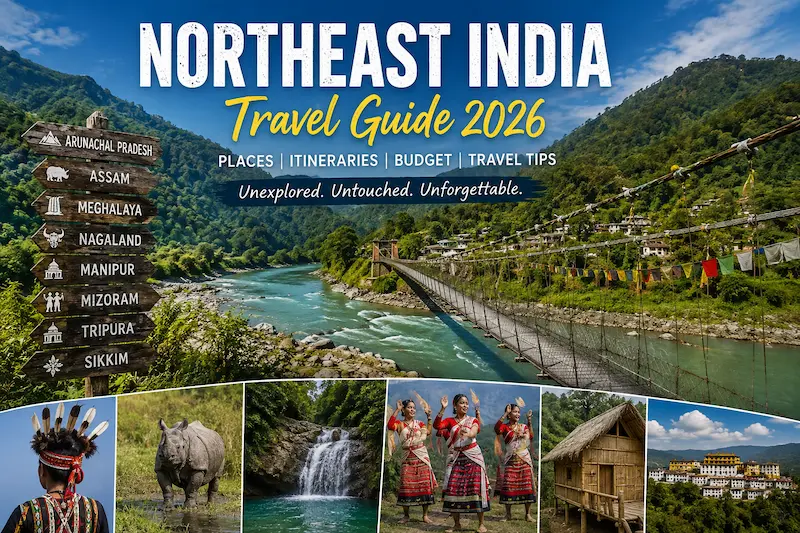
Northeast India is not a monolith. It is a region of eight states—Assam, Meghalaya, Arunachal Pradesh, Nagaland, Manipur, Mizoram, Tripura, and Sikkim—each with its own landscapes, communities, cultural traditions, and travel experiences. The region stretches from the Eastern Himalayas and high-altitude valleys to the Brahmaputra and Barak plains, forested hills, wetlands, and the India–Myanmar borderlands. For travellers, this diversity matters because North East India cannot be planned as a single destination.
This guide takes a practical, region-wide approach to travelling in North East India. It brings together the major states and destinations, important travel circuits, the best times to visit, approximate costs, transport options, permit considerations, travel styles, essential preparation, and responsible travel practices—helping you choose a route that fits your time, budget, interests, and comfort level.
Table of Contents
Why North-east India Matters for Travellers
From a traveller’s standpoint, Northeast India matters because it offers travel experiences that differ considerably from many other parts of India, not only in scenery but also in culture, geography, and the way journeys are experienced. The region spans the Eastern Himalayas, forested hills, river valleys, wetlands, and the Indo-Myanmar borderlands, allowing travellers to build very different itineraries around mountain landscapes, wildlife, cultural experiences, and local communities. Planning, however, needs to account for seasonal conditions, road travel, and state-specific entry requirements.
For nature and wildlife travellers, the Northeast contains some of India’s most distinctive ecosystems and wildlife experiences. Kaziranga is renowned for its greater one-horned rhinoceros, Namdapha supports a remarkable range of Himalayan and Southeast Asian species, and Keibul Lamjao is known for its unusual floating wetland ecosystem. These destinations also demonstrate why responsible tourism matters: well-managed tourism can support conservation, local employment, community initiatives, and the protection of natural landscapes.
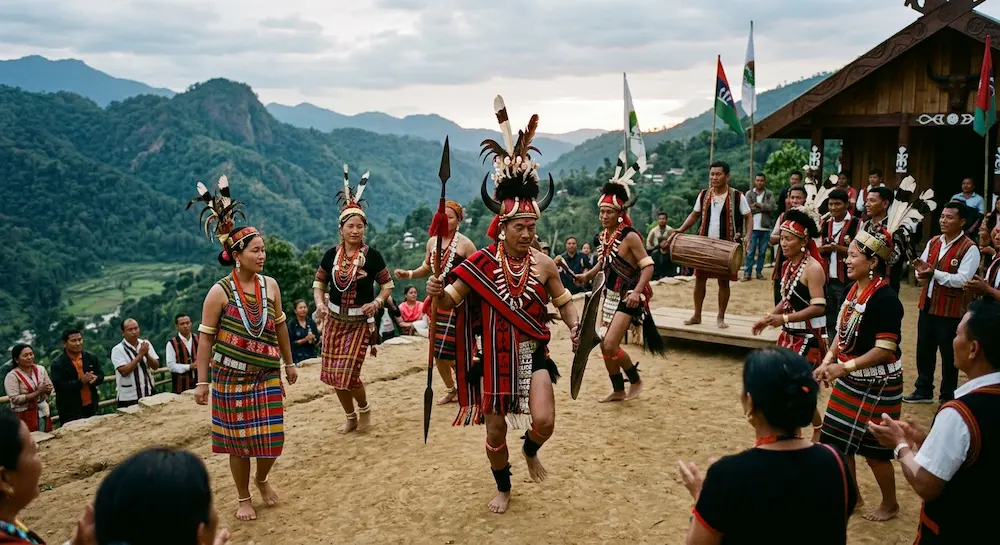
Cultural diversity is another defining part of travelling through the region. Food traditions, festivals, architecture, crafts, languages, and social customs vary significantly between states and communities. Experiences such as homestays in Ziro Valley, cultural visits in Nagaland, or monastery-based travel around Tawang can provide deeper context than simply moving between sightseeing attractions. Travellers should approach these experiences with respect for local customs, photography norms, religious practices, and community preferences.
The practical side of Northeast India travel can be more demanding than its attractions suggest. Permit requirements vary by destination and traveller nationality, monsoon conditions can affect mountain roads, and accommodation and transport options may become more limited away from major gateways. The region therefore rewards realistic itineraries, advance planning, flexibility around weather, and a willingness to spend more time on the road. In return, travellers can experience landscapes, cultures, and communities that are considerably different from India’s more established tourist circuits.
North-east India at a Glance
| State | Major Destinations | What It Is Known For | Best Suited For |
|---|---|---|---|
| Assam | Guwahati, Kaziranga National Park, Majuli Island, Tezpur, Sivasagar, Manas National Park | One-horned rhinos, lush tea estates, Brahmaputra River, river islands, and Ahom dynasty heritage | Wildlife safari, culture, tea tourism, heritage, eco-tourism |
| Sikkim | Gangtok, Tsomgo Lake, Nathula Pass, Pelling, Lachung, Yumthang Valley | Views of Mount Kanchenjunga, Buddhist monasteries, glacial lakes, high-mountain passes, and organic valleys | Adventure travel, mountain vistas, culture, honeymoon, nature |
| Meghalaya | Shillong, Cherrapunji (Sohra), Mawsynram, Dawki, Mawlynnong, Jowai | Living Root Bridges, crystal-clear rivers, dramatic waterfalls, limestone caves, and cloud-draped hills | Trekking, nature, waterfalls, offbeat road trips, eco-tourism |
| Arunachal Pradesh | Tawang, Ziro Valley, Dirang, Bomdila, Namdapha National Park, Mechuka | Tawang Monastery, snow-capped Himalayan passes, Ziro music festival, indigenous tribes, and pristine wilderness | High-altitude road trips, tribal culture, Buddhist heritage, adventure |
| Nagaland | Kohima, Dzukou Valley, Mokokchung, Mon, Khonoma Village | Hornbill Festival, vibrant Naga tribal heritage, emerald valleys, and India’s first green village | Cultural festivals, trekking, heritage, village tourism |
| Manipur | Imphal, Loktak Lake (Keibul Lamjao), Moirang, Andro Village, Ukhrul | Floating phumdis on Loktak Lake, endangered Sangai deer, classical dance forms, and women-run Ima Keithel market | Unique ecosystems, cultural history, offbeat travel, lake getaways |
| Mizoram | Aizawl, Reiek, Champhai, Tamdil Lake, Lunglei | Rolling blue hills, cliffside viewpoints, warm Mizo hospitality, bamboo forests, and clean scenic towns | Peaceful escapes, scenic drives, culture, solo travel |
| Tripura | Agartala, Ujjayanta Palace, Neermahal, Unakoti, Jampui Hills | Royal palaces, rock-cut carvings at Unakoti, water palaces, and rich ethno-cultural history | Heritage, photography, archaeology, quiet getaways |
Best Places to Visit in North East India
Choosing where to go in North East India depends less on a generic “top 10” list and more on matching destinations to your available time, interests, travel style, seasonal conditions, and any applicable permit requirements. The region’s eight states offer distinct experiences: wildlife and river islands in Assam, high-altitude monasteries and mountain valleys in Arunachal Pradesh, hill landscapes and living root bridges in Meghalaya, and Buddhist culture and Himalayan scenery in Sikkim. This section focuses on destinations that can be realistically incorporated into different itineraries, helping you choose places that work both on paper and on the road.
Best for First-Time Travel
If this is your first trip to North East India, focus on accessible circuits with good infrastructure. A combination of Assam and Meghalaya or central Sikkim serves as the ideal introduction, offering smooth connectivity, iconic landmarks, and easy travel permits before venturing deeper into remote states.
| Destination | Best suited for |
|---|---|
| Guwahati | Gateway, temples, and river cruises |
| Shillong | Cafés, waterfalls, and pine hills |
| Cherrapunji | Living root bridges and waterfalls |
| Gangtok | Monasteries, mountain views, and culture |
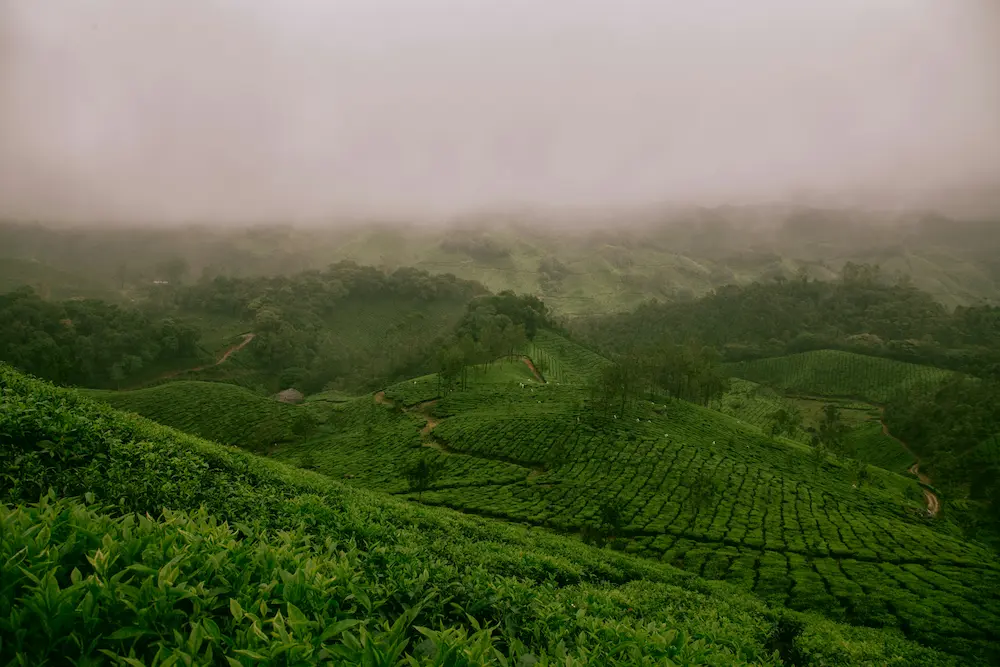
| Kaziranga | Wildlife and tea garden landscapes |
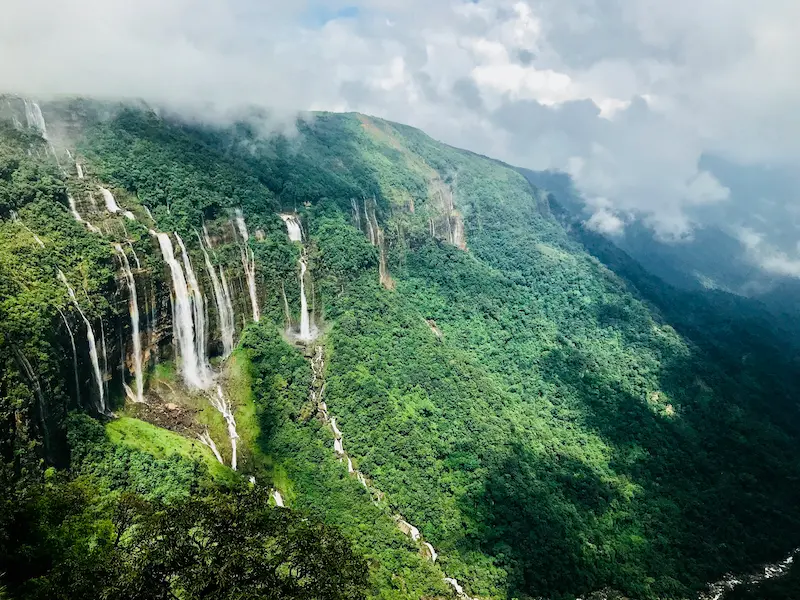
Best for Water & Lake Experiences
While North East India has no traditional sea beaches, it features crystal-clear rivers, high-altitude alpine lakes, and vast river islands. From kayaking on transparent river waters to exploring floating islands on Loktak Lake, water-based landscapes here offer unique, scenic alternatives.
| Destination | Water / landscape experience |
|---|---|
| Dawki | Transparent Umngot River kayaking |
| Loktak Lake | Floating phumdis and lake stays |
| Tsomgo Lake | Glacial lake set against high mountains |
| Umiam Lake | Water sports and scenic lake views |
| Majuli Island | Brahmaputra river island life |
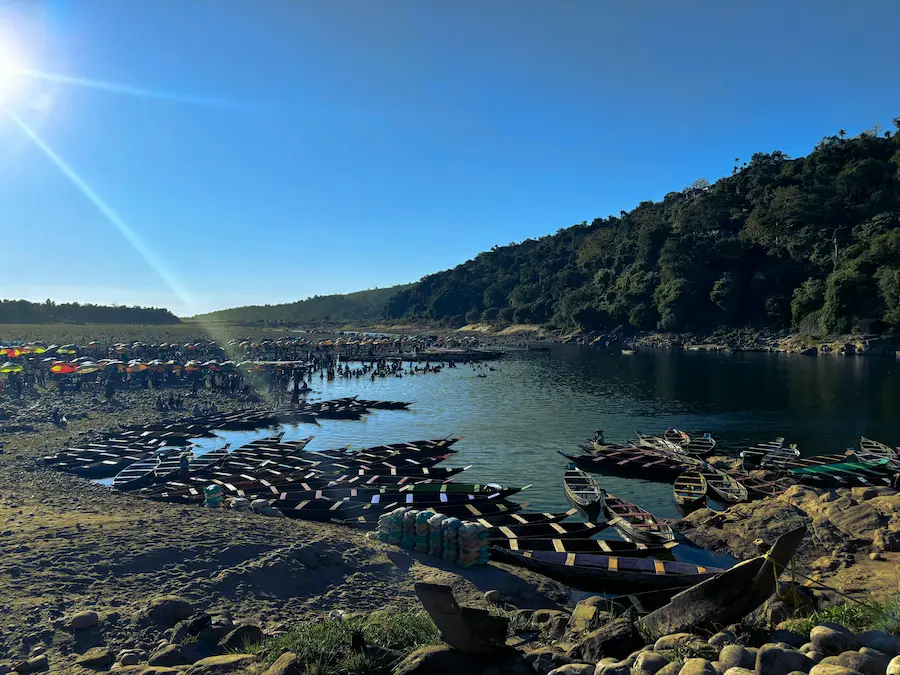
Best for Mountains & Valleys
Mountain travel in the North East spans snow-capped Eastern Himalayan peaks, high passes, and lush green valleys. Sikkim and Arunachal Pradesh offer dramatic mountain vistas, though high-altitude routes like Sela Pass require checking seasonal conditions and obtaining Inner Line Permits (ILP).
| Destination | Best suited for |
|---|---|
| Tawang | High-altitude mountain vistas and passes |
| Pelling | Kanchenjunga views and monastery trails |
| Lachen & Lachung | Remote alpine valleys and snow landscapes |
| Ziro Valley | Pine-covered hills and green rice fields |
| Dzukou Valley | Rolling green mountain landscapes |
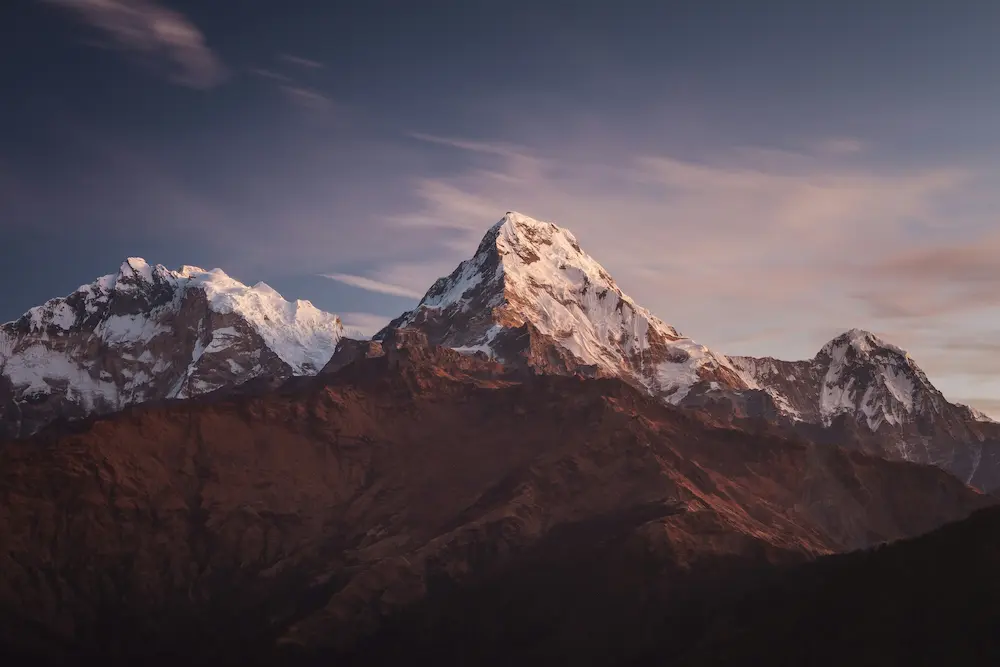
Best for Culture & Tribal Heritage
Cultural travel in North East India is defined by ancient monasteries, indigenous tribal traditions, neo-Vaishnavite satras, and historic royal palaces. Slower exploration allows deeper engagement with unique heritage, traditional architecture, and local festivals.
| Destination | Heritage focus |
|---|---|
| Kohima | Naga tribal culture and WWII history |
| Majuli | Assamese Satriya culture and mask-making |
| Tawang | Monpa culture and ancient Buddhist monastery |
| Ziro | Apatani tribe heritage and sustainable living |
| Agartala | Ujjayanta Palace and Tripura royal history |
Best for Pilgrimage & Spiritual Travel
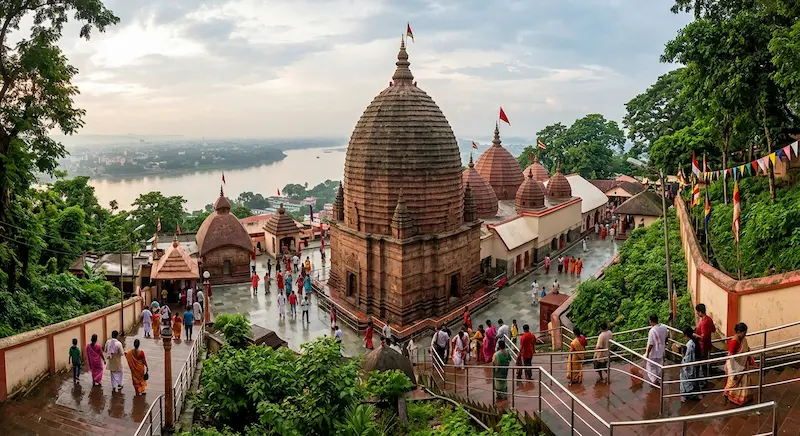
Spiritual travel in the North East combines revered Shakti Peethas, sacred Buddhist monasteries, and historic sites of faith. Given the unique rituals and location-specific festivals, planning around local calendars helps ensure a smooth experience.
| Destination | Best suited for |
|---|---|
| Kamakhya Temple | Shakti tradition and ancient temple rituals |
| Rumtek Monastery | Tibetan Buddhist learning and architecture |
| Tawang Monastery | Spiritual Buddhist heritage in Arunachal |
| Unakoti | Ancient rock-cut Shaivite carvings |
| Parasuram Kund | Holy river dip and pilgrimage festival |
Best for Nature & Wildlife
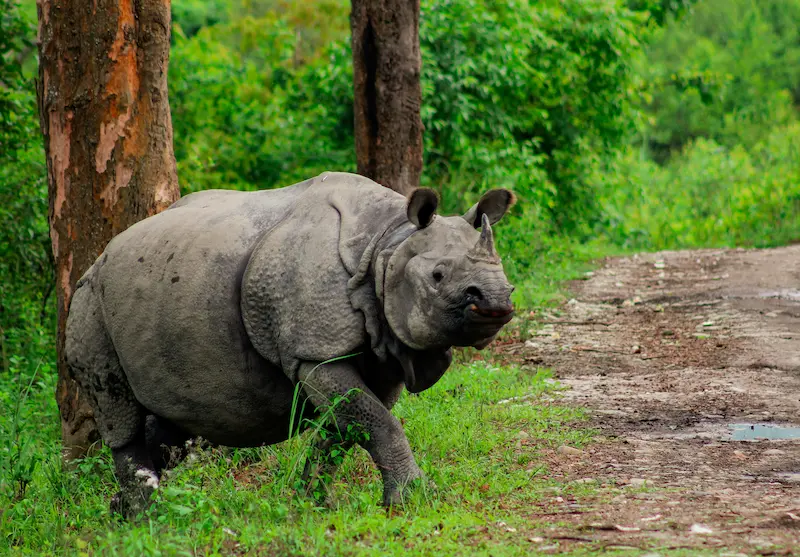
North East India is a global biodiversity hotspot featuring endangered species found nowhere else. Safaris in Kaziranga or Manas require advance planning for park openings, while bio-reserves like Namdapha offer deep forest trekking for birdwatchers and nature enthusiasts.
| Destination | Best suited for |
|---|---|
| Kaziranga NP | One-horned rhino and tiger sightings |
| Manas NP | Elephants, rhinos, and river safaris |
| Keibul Lamjao NP | World’s only floating park (Sangai deer) |
| Nameri NP | Rafting, birdwatching, and golden mahseer |
| Nokrek Biosphere | Hoolock gibbons and citrus seed gene sanctuary |
Best for Slower Travel
For a unhurried pace, choose eco-villages and tranquil hill settlements where you can experience village hospitality, organic food, and forest walks without packed daily schedules. Offbeat villages in Meghalaya, Sikkim, and Nagaland are ideal for long, peaceful stays.
| Destination | Travel style |
|---|---|
| Mawlynnong | Clean eco-village stays and homestays |
| Ravangla | Quiet mountain stays and Buddha Park views |
| Khonoma | Green historic village walks and conservation |
| Mawphlang | Sacred grove walks and quiet countryside |
| Yuksom | Historic village base surrounded by forest |
Best for Adventure & Sports
Adventure options across the region range from multi-day valley treks to whitewater rafting on major rivers. Always choose routes tailored to your fitness level and seasonal weather conditions, particularly during the monsoon when road access and water flow can change rapidly.
| Destination | Adventure focus |
|---|---|
| Dzukou Valley | Cross-border valley trekking and camping |
| Siang River | High-grade whitewater rafting |
| Cherrapunji | Caving, canyoning, and waterfall treks |
| Goechala | High-altitude alpine trekking (Sikkim) |
| Mechuka Valley | Off-road drives and remote valley trails |
Best Time to Visit North-East India
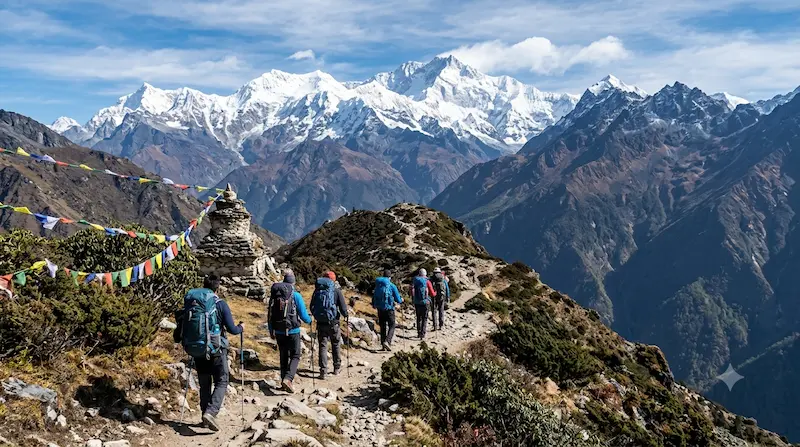
North East India has a highly varied climate, from the tropical lowlands and Brahmaputra Valley to the misty hills of Meghalaya and the snow-covered mountains of Sikkim and Arunachal Pradesh. High altitude, heavy monsoon rainfall, and distinct seasonal changes all influence travel conditions. The best time to visit depends on whether you are planning a wildlife safari, mountain journey, festival trip, or monsoon escape.
Winter (November to February) — Best for Wildlife, Snow and Festivals
Winter is one of the most comfortable seasons for travelling across North East India. Assam, Tripura and the Imphal Valley generally remain cool and dry, making this period suitable for wildlife safaris in Kaziranga and Manas or river cruises on the Brahmaputra. Higher destinations such as Tawang, North Sikkim and Nathula Pass can receive heavy snowfall. Early December also brings Nagaland’s Hornbill Festival, making winter a good period for combining sightseeing with cultural experiences. Warm clothing is essential at higher elevations.
Spring & Early Summer (March to May) — Flowers, Trekking and Scenic Drives
As temperatures rise, snow begins to recede from higher areas and spring brings fresh colour to the hills. Yumthang Valley in Sikkim and Dzukou Valley on the Nagaland–Manipur border are particularly known for seasonal flowers, including rhododendrons and orchids. Shillong, Gangtok and Ziro generally offer pleasant conditions for trekking, cave exploration and scenic road trips before the monsoon arrives.
Monsoon (June to September) — Waterfalls and Lush Landscapes
The monsoon transforms North East India into a landscape of dense greenery, mist and waterfalls. Meghalaya, particularly Cherrapunji and Mawsynram, receives exceptionally heavy rainfall during this period. While the scenery is at its most dramatic, torrential rain can make road travel difficult, with landslides, poor visibility and flooding affecting some routes and attractions.
Post-Monsoon / Autumn (October to November) — Clear Mountain Views and Festivals
As the monsoon retreats, skies gradually clear and mountain views improve. The weather becomes more pleasant across much of the region, making October and November suitable for photography, road trips and outdoor exploration. Sikkim can offer clearer views of the Eastern Himalayas, including Mount Kanchenjunga, while regional events such as the Ziro Music Festival add to the appeal of the season.
North-east India Travel Seasons at a Glance
| Season | Months | Valleys & Plains | Hills & High Altitudes | Travel Considerations |
|---|---|---|---|---|
| Winter | November–February | Pleasant, dry, and mild conditions across Brahmaputra Valley (Assam), Tripura, and Imphal plains | Crisp, cold weather; heavy snowfall in high-altitude zones like Tawang, North Sikkim, and Nathula Pass | Peak season for wildlife safaris in Kaziranga, Hornbill Festival in Nagaland, and high-pass snow views; pack heavy woolens for high altitudes |
| Spring & Early Summer | March–May | Warm with clear skies, occasional pre-monsoon thunderstorms (Nor’westers) bringing temporary relief | Pleasant, blooming landscapes; valleys like Yumthang and Dzukou turn colorful with rhododendrons and orchids | Best season for trekking, flower valley tours, and mountain drives before heavy monsoon downpours start |
| Monsoon | June–September | Torrential rain, river swells, and frequent flooding along the Brahmaputra lowlands and riverine islands | Record rainfall in Meghalaya (Cherrapunji/Mawsynram); dramatic, bursting waterfalls and misty, lush hills | High risk of landslides and road blockages; national parks remain closed; ideal only for extreme monsoon enthusiasts and waterfall photography |
| Post-Monsoon (Autumn) | October–November | Clear skies, receding humidity, and lush green landscapes following months of rain | Cool, crisp air with crystal-clear Himalayan mountain views across Sikkim and Arunachal Pradesh | Excellent time for road trips, outdoor photography, cultural sightseeing, and early autumn festivals (like Ziro and Puja breaks) |
10 Practical North East India Travel Circuits
The circuits below are designed around realistic travel patterns, practical connections, seasonal conditions, and the time travellers typically have available, rather than trying to cover all eight states in a single trip. They bring together routes such as the Guwahati–Shillong–Sohra corridor, Kaziranga–Majuli–Jorhat, Sikkim’s Gangtok–Lachen–Lachung route, and the Tawang–Bomdila–Dirang circuit. Trip durations and suggested travel windows are intended as planning ranges, since road conditions, weather, permits, local transport, and destination accessibility can change.
| # | Travel Circuit | Route / Itinerary | Suitable For | Trip Duration | Best Months |
|---|---|---|---|---|---|
| 1 | Assam-Meghalaya Classic | Guwahati → Shillong → Cherrapunji → Dawki → Mawlynnong → Kaziranga → Guwahati | First-time visitors, nature lovers, waterfalls & root bridges, families | 6 – 8 Days | October to April |
| 2 | Central Sikkim Circuit | Gangtok → Tsomgo Lake/Baba Mandir → Pelling → Ravangla → Namchi → Gangtok | Mountain lovers, culture & monastery visits, families, honeymooners | 6 – 8 Days | March to May & Oct to Dec |
| 3 | North Sikkim High-Altitude Circuit | Gangtok → Lachen → Gurudongmar Lake → Lachung → Yumthang Valley → Gangtok | High-altitude adventure seekers, snow lovers, landscape photographers | 5 – 7 Days | March to May & Oct to Dec |
| 4 | Arunachal Monastery & Pass Circuit | Guwahati/Tezpur → Bhalukpong → Dirang → Tawang → Sela Pass → Bomdila → Guwahati | Culture seekers, Himalayan road trippers, Buddhist heritage lovers | 7 – 9 Days | October to April |
| 5 | Nagaland Tribal & Cultural Circuit | Dimapur → Kohima → Khonoma → Mokokchung → Dzukou Valley → Dimapur | Offbeat travelers, culture & heritage enthusiasts, trekkers | 6 – 8 Days | October to May (Dec for Hornbill) |
| 6 | Manipur Lake & Culture Circuit | Imphal → Loktak Lake → Moirang → Keibul Lamjao → Ukhrul → Imphal | Offbeat travelers, eco-tourists, unique landscape lovers | 4 – 6 Days | October to March |
| 7 | Offbeat Arunachal & Ziro Valley | Guwahati → Itanagar → Ziro Valley → Daporijo → Aalo → Pasighat → Dibrugarh | Tribal culture enthusiasts, music festival fans, nature lovers | 8 – 10 Days | September to April |
| 8 | Tripura Heritage & Rock-Cut Circuit | Agartala → Neermahal → Udaipur (Matabari) → Unakoti → Jampui Hills → Agartala | History lovers, photography enthusiasts, short cultural getaways | 4 – 6 Days | October to March |
| 9 | Mizo Hills & Blue Mountain Circuit | Aizawl → Reiek → Thenzawl → Vantawng Falls → Phawngpui (Blue Mountain) → Aizawl | Peace seekers, landscape photographers, scenic road trippers | 5 – 7 Days | October to March |
| 10 | Brahmaputra Island & Wildlife Circuit | Guwahati → Kaziranga National Park → Majuli Island → Jorhat → Kaziranga / Guwahati | Wildlife enthusiasts, birdwatchers, Assamese cultural heritage lovers | 5 – 7 Days | November to April |
North East India by Travel Style
The table below compares how different travel styles work across North East India, from solo and family trips to budget, mid-range, couple, and luxury travel. The right destination depends not only on interests but also on transport preferences, accommodation expectations, travel pace, and seasonal conditions. Use this as a decision matrix to match your travel style with suitable destinations and circuits, then adjust your itinerary according to available time, budget, weather, and local travel requirements.
North-east India Travel Style Comparison
| Travel Style | Ideal Destinations & Circuits | Accommodation | Transportation | Key Experiences & Focus |
|---|---|---|---|---|
| Solo | Meghalaya, Central Sikkim, Ziro Valley, Nagaland | Hostels, homestays, guesthouses, budget hotels | Shared cabs, buses, local taxis | Village experiences, trekking, culture, independent exploration |
| Family | Assam–Meghalaya Circuit, Central Sikkim, Shillong, Kaziranga | Family hotels, resorts, comfortable 3–4★ stays | Private cabs, flights where practical | Wildlife safaris, waterfalls, scenic sightseeing, manageable road journeys |
| Couple | Sikkim, Meghalaya, Tawang, Kaziranga | Boutique hotels, resorts, heritage stays, scenic properties | Private cabs, flights where practical | Mountain views, romantic stays, nature, culture, relaxed sightseeing |
| Budget | Meghalaya, Majuli, Gangtok, Assam | Hostels, homestays, budget guesthouses | Shared cabs, buses, trains where available | Local food, hikes, village experiences, cultural exploration |
| Mid-Range / Comfort | Assam–Meghalaya, Tawang, Central Sikkim, North Sikkim | 3–4★ hotels, boutique stays, comfortable homestays | Private cabs, comfortable SUVs, flights where useful | Guided experiences, wildlife, scenic road trips, comfortable sightseeing |
| Luxury | Kaziranga, Assam tea country, Brahmaputra, Gangtok, select Meghalaya stays | Luxury resorts, heritage properties, tea estates, premium hotels | Private SUVs, premium transfers, flights where practical | Private experiences, wildlife, tea experiences, fine dining, wellness |
Travel style can change the practical requirements of a trip. Solo travellers may prioritise reliable transport, well-reviewed accommodation and flexible itineraries, while families may prefer shorter road journeys and more predictable accommodation. Budget travellers can reduce costs through shared transport and homestays, whereas luxury travellers can prioritise private vehicles and premium properties. These are planning considerations rather than fixed rules, and conditions can vary by destination.
How Much Does a North East India Trip Cost?
The cost of travelling in North East India varies considerably by destination, season, transport, accommodation and the number of states covered. A short trip based around a single state can be relatively affordable, while remote mountain circuits requiring private vehicles can increase the budget significantly. The ranges below are planning estimates rather than fixed prices and generally exclude international or long-distance flights to the region.
Budget Travel in North-east India
A budget trip can typically be planned around ₹2,000–₹3,500 per person per day, using budget guesthouses or homestays, local restaurants and shared transport where available. This works best for travellers who are comfortable with slower journeys, basic accommodation and flexible itineraries. Costs can rise when visiting remote areas, arranging private transport, entering national parks or travelling during peak seasons.
Mid-Range Travel in North-east India
A comfortable mid-range trip generally falls around ₹4,500–₹8,000 per person per day, depending heavily on the route and number of travellers sharing transport. This level can include comfortable hotels or well-reviewed homestays, regular restaurant meals and private vehicles for selected journeys. Mountain circuits such as Arunachal Pradesh and North Sikkim can cost more because of longer road journeys and vehicle requirements.
Luxury Travel in North-east India
Luxury travel in North East India can start around ₹10,000–₹20,000+ per person per day, with substantial variation depending on accommodation, private transport, wildlife experiences and specialised activities. Premium tea estates, luxury resorts, private wildlife experiences and personalised guides can increase the total considerably. For luxury travellers, the accommodation and transport choices often have a greater effect on the final cost than food.
North East India Trip Cost by Travel Budget
| Expense | Budget | Mid-Range | Luxury |
|---|---|---|---|
| Typical daily budget/person | ₹2,000–₹3,500 | ₹4,500–₹8,000 | ₹10,000–₹20,000+ |
| Accommodation | Budget hotels, hostels, homestays | Comfortable hotels, boutique stays, quality homestays | Premium resorts, heritage properties, luxury retreats |
| Transport | Shared cabs, buses, trains where available | Private cabs for major journeys + public transport where practical | Private vehicles, premium transfers |
| Food | Local restaurants, cafés, thalis | Restaurants + cafés | Premium restaurants and resort dining |
| Activities | Basic sightseeing, selected entry fees | Safaris, guided experiences, activities | Private experiences, premium safaris, specialised tours |
| Best suited to | Backpackers & cost-conscious travellers | Couples, families & comfortable independent travellers | Travellers prioritising comfort & personalised experiences |
Planning note: These figures are broad estimates, not fixed package prices. Remote destinations, peak seasons, private vehicles, wildlife safaris, permit requirements and last-minute bookings can increase the total. For a realistic budget, calculate transport and accommodation for your specific circuit rather than applying a single daily rate across the entire region.
Northeast India Travel Tips
Travelling across North East India can be rewarding, but the region’s geography, road-dependent transport, seasonal weather and varying local requirements make practical preparation particularly important. The following tips focus on the issues most likely to affect your itinerary, from permits and road conditions to connectivity, weather and local customs.
Permits and Documentation
Check current permit and entry requirements before travelling to destinations where they apply. Requirements can differ by state, destination and traveller nationality, particularly in areas of Arunachal Pradesh and other locations with restricted or protected access. Apply through the relevant official authorities where online applications are available, and keep digital and printed copies of approved documents when travelling through remote areas. Ensure that your permit details match your passport or government-issued identification exactly. Because procedures can change, verify the latest requirements before departure rather than relying solely on older travel guides.
Road Conditions and Travel Time
Road travel is central to many Northeast India itineraries, particularly across Arunachal Pradesh, Meghalaya, Nagaland, Mizoram and mountainous parts of Sikkim. Distances on a map can be misleading because winding mountain roads, traffic, roadworks and weather can substantially increase journey times. Travellers unfamiliar with hill driving should consider using experienced local drivers. Start longer journeys early, avoid unnecessary night driving on unfamiliar roads, and build buffer time into your itinerary. A journey estimated at six hours may take considerably longer when road or weather conditions deteriorate.
Weather and Seasonal Disruptions
Weather can significantly influence where and when you travel in North East India. Monsoon rainfall can bring landslides, flooding and temporary road disruptions, while winter conditions can affect high-altitude routes and mountain passes. Check the forecast and local road situation shortly before travelling, particularly for Arunachal Pradesh, Sikkim and remote hill destinations. Avoid building tightly packed itineraries around remote areas where a weather-related delay could affect your next connection. Flexible bookings and one or two buffer days can make a substantial difference on longer circuits.
Safety, Connectivity and Cash
Remote travel requires more preparation than travelling between major Indian cities. Mobile connectivity can be limited in parts of Arunachal Pradesh, North Sikkim and other rural or mountainous areas, so download offline maps and keep accommodation details, permits and important contacts available offline. Carry some cash in smaller denominations because card and digital-payment acceptance can be less reliable outside major towns. Share your broad itinerary and expected check-in points with someone you trust when travelling through remote areas, especially on longer road journeys.
Local Customs and Responsible Travel
Respect for local customs is an essential part of travelling responsibly in North East India. Dress appropriately when visiting monasteries, religious sites and villages, and ask permission before photographing people, homes or community activities. Avoid treating tribal communities or cultural traditions as tourist spectacles, particularly during ceremonies and festivals. Choose locally owned homestays, guides and small businesses where practical, minimise plastic and waste in remote areas, and follow local environmental rules. Responsible travel helps protect the cultural and natural qualities that make the region distinctive.
Northeast India Travel Essentials
Preparing for North East India requires more than packing for the weather. Mountain roads, monsoon conditions, remote destinations, changing temperatures and differences in infrastructure mean that what you carry can affect both comfort and flexibility. Pack according to your destination and season, while keeping essential documents, basic medicines, weather protection and offline travel information readily accessible.
Documents and Money
Carry your original government-issued identification or passport, along with digital backups of important documents, permits and accommodation confirmations. Where a permit is required, keep printed copies as a precaution because remote checkpoints may have limited connectivity or administrative facilities. Carry some cash in smaller denominations, particularly when travelling beyond major towns, as card and digital-payment acceptance can be less consistent in remote areas. The amount you need depends on your route, accommodation and transport arrangements, so avoid carrying unnecessarily large sums.
Clothing and Footwear
Layering is the most practical approach for travelling across North East India. Pack lightweight, quick-drying clothing for warmer or humid conditions, along with a fleece or warm layer for cooler evenings and mountain destinations. High-altitude areas such as Tawang and North Sikkim require substantially warmer clothing during colder months. A lightweight waterproof jacket or poncho is useful during periods of frequent rainfall. For trekking and uneven terrain, choose comfortable footwear with good grip, while sandals or slip-on footwear can be convenient for accommodation and places where shoes must be removed.
Gear and Basic Health Supplies
A water-resistant backpack cover or dry bags can protect phones, cameras, documents and clothing during wet conditions. A power bank is useful on longer road journeys, particularly when charging opportunities are limited. Carry a basic personal first-aid kit, regular prescription medicines, any medicines you normally use for travel-related discomfort, and essential toiletries. Insect repellent can be useful in forested and humid areas, while sunscreen, lip balm and moisturiser become more useful at higher elevations or during colder, drier weather.
Connectivity and Electronics
Download offline maps and keep important travel information accessible without an internet connection. Network coverage can vary considerably between cities, mountain roads and remote villages, so don’t rely entirely on mobile data for navigation or communication. Carry a power bank, charging cables and, if your itinerary includes remote areas, consider a second charging option such as a car charger. Save copies of permits, accommodation details, transport information and emergency contacts on your phone before leaving reliable network coverage.
Seasonal Adjustments
Your packing list should change substantially with the season and altitude.
Season / Conditions Useful Additions
Monsoon — June to September: Quick-dry clothing, waterproof jacket, extra socks, dry bags, water-resistant footwear
Winter — November to February: Thermal layers, warm jacket, gloves, woollen cap, insulated footwear for high-altitude areas
Spring & Autumn Light layers, rain protection, comfortable walking shoes, warm layer for evenings
High-Altitude Travel: Warmer layers, sun protection, lip balm, moisturiser, sturdy footwear
Frequently Asked Questions
What are the best places to visit in North East India?
What is the best time to visit North East India?
How many days are enough for a North East India trip?
How much does a North East India trip cost?
Is North East India safe for solo travellers?
Do I need a permit to visit North East India?
What is the best way to travel around North East India?
What should I pack for a North East India trip?
Which North East India states are best for first-time travellers?
Can I visit multiple North East India states in one trip?
One Last Thought
North East India is best experienced as a collection of distinct regions, not as a destination to rush through in a single trip. Choose fewer places, allow realistic travel time, and plan around weather, road conditions and local requirements rather than trying to collect destinations.
The most rewarding journey is often the one that leaves room for slower roads, local conversations, unexpected landscapes and the communities that give each state its character. Travel with curiosity, flexibility and respect, and let the region unfold at its own pace.