
Packing for India is less about bringing more and more about choosing well. The country’s climates, transport conditions, cultural settings, and trip styles can shift dramatically within a single itinerary: a humid coastal stay, a high-altitude mountain route, a temple visit, and an overnight train journey may all call for different practical choices. This guide focuses on the essentials that genuinely earn space in your bag, from breathable clothing and dependable footwear to personal medicines, power adapters, documents, and everyday hygiene supplies. It also considers the details that are easy to overlook before departure, such as appropriate clothing for religious places, monsoon-ready protection, and a small daypack for long sightseeing days. Rather than following a rigid checklist, you’ll find practical guidance on adjusting what you carry according to weather, destination, activities, accommodation and the way you plan to travel. Use it as a flexible checklist, then adapt it to your season, destinations, and pace of travel.
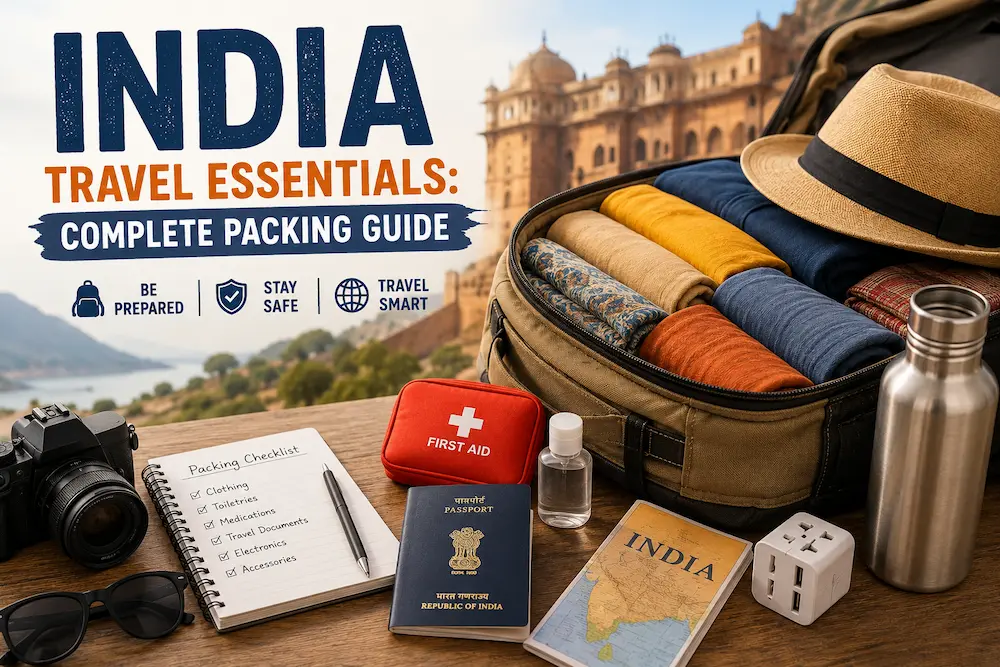
What to Consider Before Packing for India
A useful India packing list begins with itinerary logic, not a generic checklist. The country’s regional climates, transport patterns and social settings vary enough that one suitcase may need to accommodate heat, rain, cool evenings and modest dress. Build your packing decisions around four questions: where you are going, when you are travelling, what kind of trip you are taking and how long you will be away.
Where Are You Travelling?
India’s regions require different priorities:
North India: Pack breathable clothes for warmer destinations and a light-to-warm layer for cooler evenings or winter travel. If your itinerary includes Himalayan areas, your requirements will be considerably different.
South India: Humidity is often the main consideration. Lightweight, quick-drying fabrics, sandals and sun protection tend to be more useful than heavy layers.
Northeast India: Expect changeable conditions, especially in hill areas. A compact rain layer, comfortable shoes with good grip and clothes that can be layered are sensible choices.
The Himalayas: Temperatures can drop sharply, even when daytime weather feels comfortable. Prioritise insulating layers, a waterproof outer layer, proper socks and footwear with good grip.
Rajasthan and desert areas: Heat, dust and strong sun make loose, breathable clothing, sunglasses, sun protection and a lightweight scarf or buff useful additions.
Coastal destinations: Pack for humidity, rain showers and beach time, but include a cover-up or modest outfit for towns, restaurants and religious sites.
Cities: Comfortable walking shoes, a secure day bag, modest mix-and-match clothing and a light layer for air-conditioned transport are often more useful than destination-specific outfits.
When Are You Travelling?
Season determines fabric, layers and weather protection. Summer travel calls for loose, breathable clothing, sun protection and hydration essentials. During the monsoon, quick-dry clothes, a compact umbrella or rain jacket, water-resistant footwear and a dry pouch for electronics become more important. Winter can range from mild in southern coastal areas to genuinely cold across North India and the Himalayas, so check the forecast for every stop rather than packing for “India” as one climate. Shoulder seasons can bring warm days with cooler mornings or evenings, making light layers the most flexible approach.
What Type of Trip Are You Taking?
Your travel style shapes what is worth carrying. Backpackers and solo travellers benefit from a compact, repeatable wardrobe and a bag that is easy to manage on trains, buses and stairs. Family trips may require extra medicine, snacks, wet wipes and backup clothing, particularly when travelling with young children. Couple and luxury trips can justify one polished but versatile outfit for dining, events or upscale stays, without turning the suitcase into a separate wardrobe.
For trekking and adventure travel, technical layers, grippy footwear and weather protection take priority over casual options. Wildlife trips favour breathable, practical clothing and closed shoes, while neutral or muted colours can be preferable for some wildlife experiences. For pilgrimage and cultural itineraries, carry at least one outfit that covers the shoulders and knees, along with a scarf or shawl where appropriate. Dress requirements vary between religious sites, so check specific guidance before visiting. Comfort, local appropriateness and reusability should guide every category.
How Long Are You Travelling?
Do not assume a seven-day trip requires twice as much clothing as a three-day trip. The extra days usually require more underwear, socks and perhaps one additional top or bottom—not an entirely new set of outfits. A small capsule wardrobe works better: choose pieces that mix easily, can be reworn, and dry quickly after washing.
Laundry services are available at many hotels and through local laundries, while lightweight clothing can often be hand-washed and dried overnight in suitable weather. For longer trips, I generally recommend packing for roughly five to seven days and planning to wash or reuse clothes, leaving space for weather layers, essentials and purchases made along the way. It also makes frequent hotel changes and rail travel far easier to manage.
India Travel Essentials Checklist
This quick India travel essentials checklist covers the items most travellers should consider before departure, from important documents and versatile clothing to comfortable footwear, electronics, personal hygiene supplies and basic health needs. Use it as a starting point rather than a rigid list, adjusting what you pack according to your destination, season and itinerary.
| Category | Essential Items | Why You Need Them |
|---|---|---|
| Documents & Identification | Passport, visa where required, booking details, backup copies of important documents | Keeps essential information accessible for entry, check-ins and unexpected situations. |
| Clothing & Modest Wear | Lightweight tops, breathable trousers, underwear, layers, scarf or shawl | Helps you stay comfortable in changing conditions while giving you suitable options for religious and cultural sites. |
| Footwear | Broken-in walking shoes, comfortable sandals, weather-appropriate footwear | Handles long sightseeing days, uneven surfaces and different activities without taking up unnecessary luggage space. |
| Electronics & Power | Phone, charger, cables, power bank, suitable travel adapter | Keeps essential devices powered for communication, navigation, bookings and long travel days. |
| Toiletries & Personal Hygiene | Toothbrush, personal toiletries, sunscreen, hand sanitiser, wet wipes | Covers everyday hygiene needs and provides useful protection during long days away from your accommodation. |
| Money & Payments | Internationally usable debit/credit card, some Indian rupee cash, small denominations | Gives you flexibility between digital payments and situations where cash is more convenient or necessary. |
| Health & Personal Care | Regular personal medicines, basic first-aid supplies, oral rehydration salts if appropriate, mosquito repellent | Helps you manage your normal health needs and prepare for heat, travel fatigue, minor injuries and mosquito exposure. |
| Bags & Organisation | Main luggage, compact daypack, packing cubes or small organisers, waterproof/dry pouch | Keeps luggage manageable and makes frequently used items easier to access during sightseeing and transport. |
| Laundry & Gear Care | Laundry bag, small amount of travel detergent, quick-drying towel if needed | Makes washing and managing clothes easier, particularly on longer trips or when travelling light. |
| Safety & Comfort Extras | Reusable water bottle, earplugs, sleep mask, luggage locks where appropriate | Adds convenience and comfort during transport, hotel stays and long sightseeing days. |
What to Pack for India by Season
Seasonal planning is where a generic India packing list often falls short. A trip to Delhi in January, Goa in July or Ladakh in September may involve entirely different clothing, footwear and weather protection. Rather than packing for “India” as a single destination, match your bag to the conditions expected at each stop.
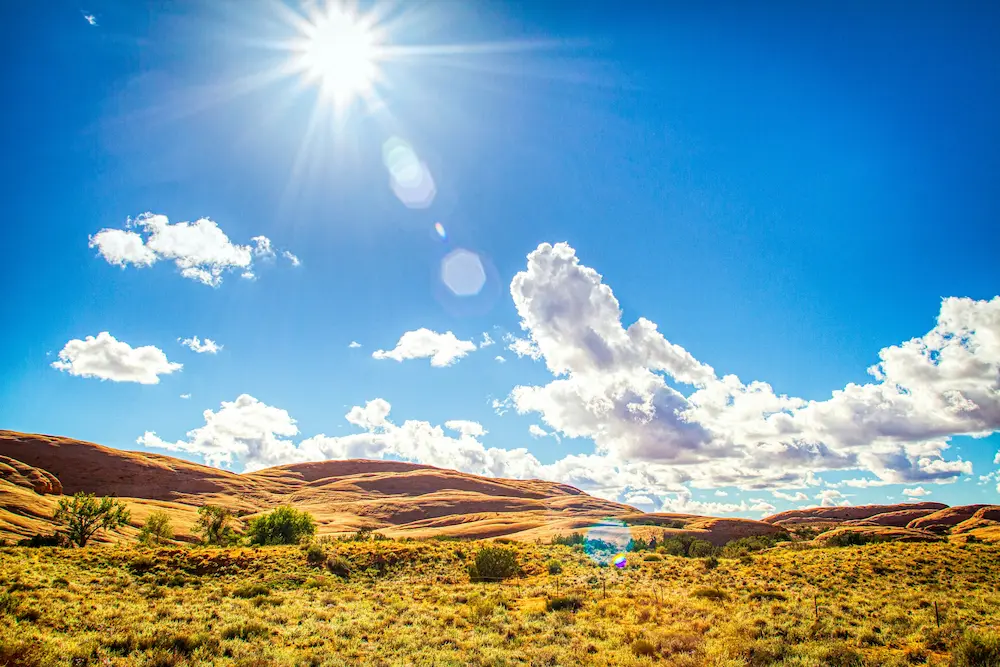
Summer Packing
For most lowland destinations, summer packing should focus on heat management and comfort during long sightseeing days. Choose breathable, lightweight fabrics and loose-fitting clothing that keeps you comfortable while providing practical coverage.
Carry:
- Breathable tops, trousers, dresses or skirts
- A hat or cap for direct sun
- Sunglasses
- Broad-spectrum sunscreen
- A reusable water bottle
- Comfortable, broken-in footwear
- A light day bag for water, sun protection and essentials
Keep one modest layer, such as a scarf or lightweight overshirt, for temples, mosques, air-conditioned transport and cooler evenings. Avoid relying only on shorts and sleeveless tops if your itinerary includes religious sites or smaller towns.
Monsoon Packing
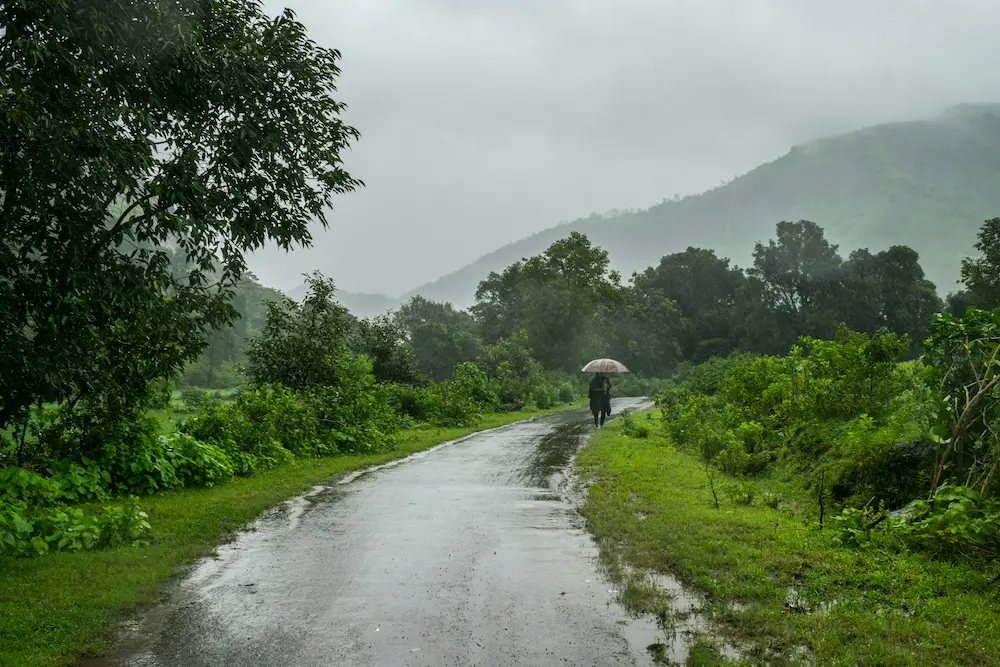
Monsoon travel is manageable with the right materials, but clothing that dries slowly and unsuitable shoes can make daily movement uncomfortable. Prioritise items that dry quickly and protect the things that cannot get wet.
Carry:
- A compact umbrella
- A lightweight rain jacket or poncho
- Quick-drying synthetic or moisture-wicking clothing
- Water-resistant or waterproof pouches for your phone, passport, cash and cards
- Footwear with grip that can handle wet surfaces
- A small dry bag for electronics and valuables
A rain jacket is often more practical than an umbrella when navigating crowded streets, ferry terminals or uneven paths. Pack fewer bulky clothes and plan to rotate quick-dry pieces; humidity can slow drying times, even after a brief shower.
Winter Packing
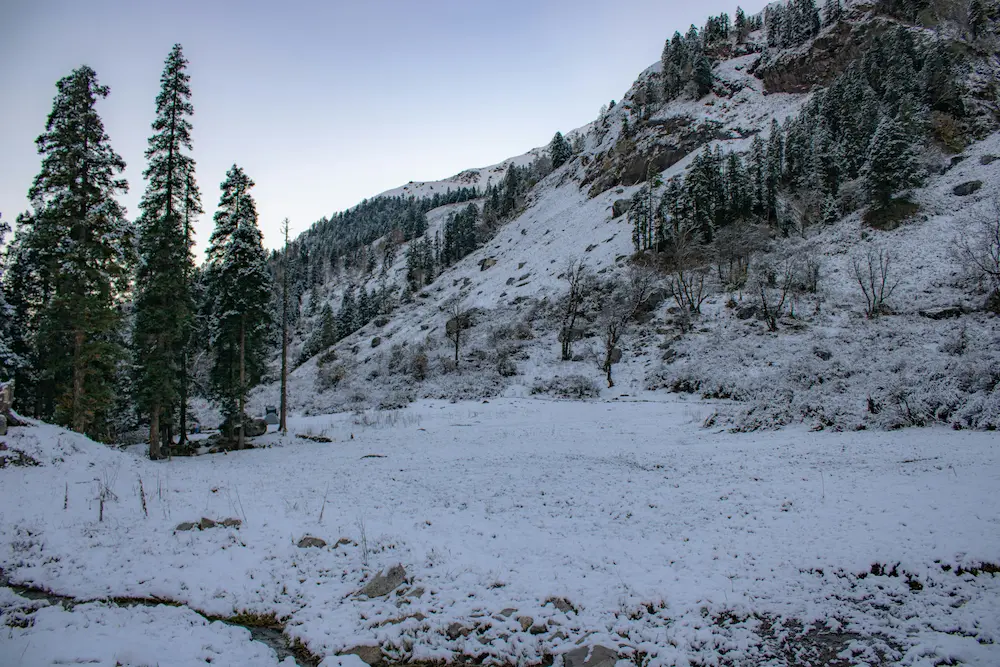
“Winter in India” is not a single packing category. Delhi can be cold and foggy, Rajasthan may have warm days but sharply cooler nights, while Goa and Kerala remain comparatively warm. Himachal Pradesh and Ladakh require proper cold-weather preparation, particularly at higher elevations.
Use layers rather than one oversized jacket:
- A base layer for colder destinations
- T-shirts or long-sleeve tops
- A sweater or fleece
- A jacket suited to the forecast
- Thermals where temperatures warrant them
- Warm socks
- Gloves and a woollen cap for Himalayan areas and cold northern cities
For a multi-region winter itinerary, wear or carry your bulkiest layer during transit and keep the rest of your wardrobe adaptable. The goal is to add or remove layers as temperatures change, rather than packing separate outfits for every possible condition.
For any itinerary covering several regions, check the forecast for individual destinations shortly before departure rather than relying only on the season.
What to Pack for Different Regions of India
Regional planning matters as much as seasonal planning. A route through India can move from dry plains to humid coasts or high-altitude roads in a few days, so pack a flexible core wardrobe and add destination-specific layers rather than treating the country as one climate.
North India
For Delhi, Agra, Varanasi, Punjab and Uttar Pradesh, prioritise breathable, practical clothing, comfortable closed shoes and a light scarf or overshirt. Summer can be intensely hot, monsoon brings rain and humidity, while winter mornings and evenings can make a light jacket useful—especially on a Golden Triangle itinerary. If your route extends into the Himalayan areas of Himachal Pradesh or Uttarakhand, plan for substantially colder conditions.
South India
South India generally calls for some of the lightest and most breathable items in your bag. For Kerala, Tamil Nadu, Karnataka and Andhra Pradesh, pack loose cotton or quick-drying clothing, sun protection, comfortable sandals, insect repellent for backwater, forest or rural stays, and a light rain layer. Many lowland and coastal destinations remain warm for much of the year, but hill areas such as Munnar, Ooty and Coorg can require an additional layer.
West India
West India is best packed for with versatility in mind. The region can combine Rajasthan’s dry heat and cooler desert evenings, Gujarat’s open and sun-exposed landscapes, Mumbai’s humid urban weather, and Goa’s coastal conditions within one extended trip. Choose breathable, practical clothing, comfortable walking shoes, sun protection and a lightweight scarf or overshirt that can work for temples, long drives and air-conditioned interiors.
East & Central India
For West Bengal, Odisha, Bihar, Jharkhand, Madhya Pradesh and Chhattisgarh, pack for warm or humid conditions across much of the year, with breathable clothes, sun protection and reliable walking shoes. A compact rain layer is useful during monsoon. Wildlife trips in Madhya Pradesh and other forest areas are better suited to practical, breathable clothing, closed shoes and insect protection, while muted colours can also be useful.
Northeast India
Northeast India needs a more weather-aware approach. Assam and lower-elevation areas can be warm and humid, but destinations in Meghalaya, Sikkim, Arunachal Pradesh, Nagaland and Manipur may involve frequent rain, winding hill roads and noticeably cooler temperatures. Carry quick-drying, layerable clothing, a dependable rain jacket, footwear with good grip, a dry bag and at least one warm mid-layer.
Himalayan Destinations
For Himachal Pradesh, Uttarakhand, Ladakh, Kashmir and high-altitude areas of Sikkim and Arunachal Pradesh, layers are essential. Pack a thermal base layer where appropriate, a fleece or sweater, an insulated jacket, warm socks, gloves, a woollen cap, weather-appropriate footwear with good grip and sun protection. Strong sunlight at altitude can be as relevant as cold temperatures. Even summer itineraries can have cold mornings and nights, particularly in Ladakh and higher trekking regions, so check conditions for each destination before departure.
Documents, Money & Important Travel Essentials
Documents and payment arrangements are easy to overlook while focusing on clothing and gear, but they deserve a dedicated place in your packing system. Keep essential papers accessible during transit, protected from water damage and backed up digitally. A small document wallet, zip pouch or waterproof organiser can prevent last-minute searching at airports, hotel check-ins, railway stations and immigration counters.
Start with your passport or government-issued ID. International visitors should also carry their valid visa or e-visa approval, where applicable, and check that passport validity meets entry requirements before departure. Keep printed copies of key documents as a practical backup, particularly for journeys involving multiple hotels, remote areas or unreliable mobile data.
Your essential travel document file should include:
Passport or valid photo ID
Visa, e-visa approval or other entry documents where required
Travel insurance certificate, policy number and emergency-assistance contact
Accommodation confirmations, addresses and property phone numbers
Flight, train, bus, ferry and tour tickets
Emergency contact numbers for family, banks, insurers and local support
Copies of prescriptions for regular medication
Digital backups of all key documents saved in secure cloud storage and offline on your phone
For money, avoid depending on one card, one bank account or one payment app. Carry a primary payment card and a backup card, ideally stored separately, so a lost wallet does not leave you without access to funds. Keep a modest amount of cash for tips, small shops, local transport, markets and destinations where card acceptance may be inconsistent. Larger amounts of cash should remain securely stored rather than carried throughout the day.
It is also sensible to split valuables between your day bag, main luggage and hotel safe where available. Do not keep your passport, every card and all cash in the same place. This small precaution makes theft, loss or a misplaced bag far less disruptive to the rest of the trip.
Packing for Adventure, Sports & Safari Trips
Adventure, sports and safari trips need more deliberate packing than a standard city break. Prioritise equipment that supports the activity, protects against changing weather and remains comfortable over long hours outdoors. Sturdy footwear, quick-drying layers, sun protection, a reusable water bottle and a compact first-aid kit are useful starting points. For wildlife safaris, favour muted clothing colours and avoid heavily scented products that may disturb animals.
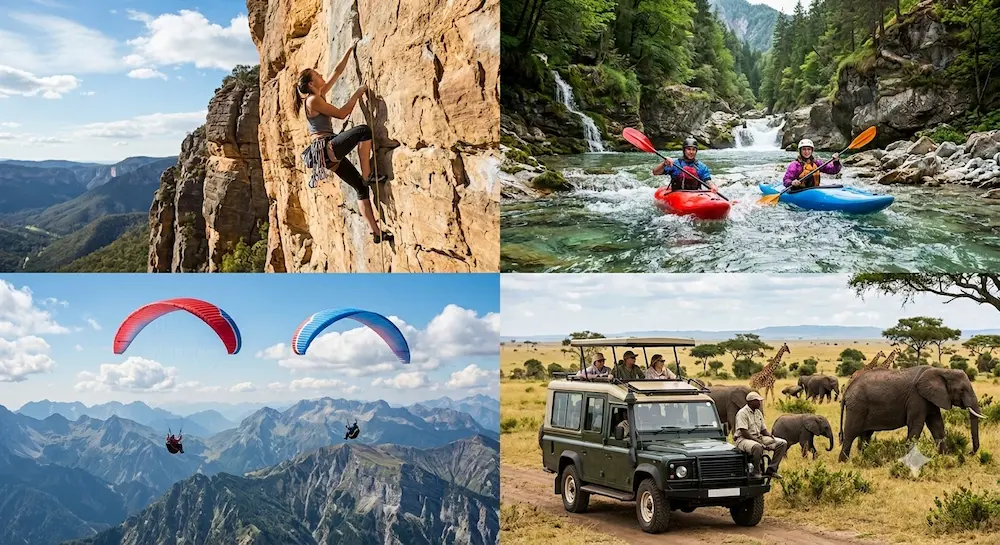
Adventure & Trekking
Trekking and adventure trips require more attention to layers, footwear and weather protection, particularly in mountainous areas.
- Quick-drying or moisture-wicking base layers
- Fleece or insulating mid-layer
- Weather-resistant outer layer
- Trekking shoes with suitable grip
- Warm socks
- Small daypack
- Reusable water bottle
- Sun protection
- Headlamp for suitable trips
- Basic first-aid supplies
Water & Beach Activities
Coastal and water-based trips benefit from lightweight, quick-drying clothing and protection for phones and valuables.
- Swimwear
- Quick-drying clothing
- Rash guard where useful
- Comfortable sandals or water shoes where appropriate
- Waterproof phone pouch
- Small dry bag
- Sun protection
- Reusable water bottle
Sports & Cycling
For cycling and other outdoor sports, prioritise activity-appropriate clothing and footwear while avoiding unnecessary specialist equipment.
- Breathable sportswear
- Activity-appropriate footwear
- Water bottle or hydration system
- Sun protection
- Lightweight rain protection
- Small daypack where needed
- Activity-specific safety equipment
Wildlife & Safari
Safari trips are best approached with practical clothing, comfortable footwear and equipment that helps you stay comfortable during long periods outdoors.
- Breathable, practical clothing
- Neutral or muted-coloured layers where appropriate
- Closed, comfortable shoes
- Insect repellent
- Sun protection
- Light jacket depending on season
- Binoculars
- Camera and spare battery/power bank
- Small daypack
- Reusable water bottle
Avoid Overpacking
A longer India trip does not require a separate outfit for every day. Focus on a compact wardrobe of lightweight, repeat-wear pieces that can be mixed easily, layered when needed and washed during the trip. Laundry services are available through many hotels, guesthouses and local providers, making it more practical to pack for several days rather than the full duration of your trip.
Prioritise:
A small set of versatile tops and bottoms
Underwear and socks for roughly five to seven days
One warm layer and one weatherproof layer, chosen for your itinerary
For a typical sightseeing trip, two pairs of footwear at most: one for walking and one suited to the season or activities
Travel-sized toiletries, replacing items locally when necessary
Avoid packing “just in case” outfits, duplicate gadgets and heavy toiletries that can be bought after arrival. A lighter bag is easier to manage on railway platforms, stairs, busy city streets and frequent hotel changes—and leaves room for anything you choose to bring home.
My Approach to Packing for India
Packing for India works best when I treat the itinerary—not the number of days—as the starting point. A city break, a beach holiday, a Himalayan drive and a wildlife stay may all require different priorities, even when the trip is short. Rather than packing for every possible situation, I check the weather for each destination, look at the kind of transport involved and decide how often I will be changing hotels.
My base packing approach is deliberately simple: comfortable clothes that can be reworn, one dependable pair of walking shoes, a lighter alternative suited to the destination, and layers that can be added or removed as conditions change. I prefer fabrics that are breathable in heat, practical in humidity and easy to wash during a longer trip. A scarf or light overshirt is usually useful too, whether for sun, air-conditioned journeys or visits to religious places.
I also avoid building a suitcase around new outfits. India’s rail platforms, airport transfers, uneven pavements and hotel staircases are easier to handle with a manageable bag. For most trips, I pack enough clothes for several days, not for every day, and rely on laundry services or quick hand-washing when needed.
The practical essentials stay close at hand: phone charger, power bank, reusable water bottle, basic medicines, sunglasses, sunscreen, essential identity documents and a small amount of cash. During monsoon travel, I add waterproof protection for electronics; for colder routes, I prioritise layers rather than carrying bulky clothing.
The aim is not to pack perfectly. It is to travel with enough flexibility for changing weather and plans, without carrying a bag that becomes a burden.