
Kerala doesn’t announce itself with grand monuments or frantic energy; it arrives in the hush of backwater mornings, the scent of rain on laterite roads, and the slow rhythm of a land shaped by water and spice. For travellers who prefer depth over checklist tourism, this slender state on India’s southwest coast offers a rare balance: lush interiors and a long, lived-in coastline; heritage that feels present, not preserved behind glass; and a pace that encourages lingering rather than rushing.
Kerala is rewarding when approached as a series of connected landscapes rather than isolated sights—houseboats giving way to hill-station trails, colonial ports leading into working fishing villages, and tea country unfolding into wildlife corridors. It’s a place where the best meals can happen under a tin roof beside a paddy field, and where festivals, monsoons, and everyday rituals shape the experience.
This Kerala travel guide covers the best places to visit, the ideal time to travel, suggested itineraries, budgets, things to do, accommodation, transportation, and practical tips for planning your trip. It is built for travellers who want to understand how the state fits together before deciding where to go, how long to stay, and how to travel through it thoughtfully.
Table of Contents
Kerala Travel at a Glance
| Feature | Key Information |
|---|---|
| Capital | Thiruvananthapuram (Trivandrum) |
| Major Regions | North: Wayanad, Bekal, Kannur · Central: Kochi, Munnar, Thekkady, Alappuzha · South: Varkala, Kovalam, Poovar |
| Best Time to Visit | Oct–Feb: Cooler and generally pleasant · Jun–Sep: Monsoon, greener landscapes and suitable for some wellness/Ayurveda experiences |
| Ideal Trip Duration | 7–10 days for a classic Kerala circuit |
| Key Airports | Kochi (COK), Thiruvananthapuram (TRV), Kozhikode (CCJ), Kannur (CNN) |
| Top Highlights | Alappuzha (Alleppey) houseboats, Munnar tea plantations, Fort Kochi heritage, Varkala Cliff |
| Must-Try Foods | Kerala Sadya, appam with stew, Malabar biryani, seafood curry |
| Cultural Art Forms | Kathakali, Kalaripayattu, Theyyam |
Express Backwaters & Culture: Practical Field Notes & Lessons from the Road (3–4 Days | Kochi → Alleppey → Kumarakom)
After tracing temple circuits across Tamil Nadu, hill-station loops in the Western Ghats, and coastal drives from Gokarna to Kovalam, this Kochi–Alleppey–Kumarakom arc remains my most efficient introduction to Kerala’s backwater identity. It layers colonial heritage, village-canoe intimacy, and Vembanad Lake serenity into a tight corridor that works year-round except during the heavy southwest monsoon (June–August).
1. Personal Experience: Reading the Tides & Timing the Canals
I land in Kochi by late morning or early afternoon and head straight to Fort Kochi–Mattancherry. The Paradesi Synagogue and Jew Town are best visited 10:00 AM–1:00 PM or 3:00 PM–5:00 PM (closed Fridays, Saturdays, and Jewish holidays); note that adjacent Mattancherry Palace (Dutch Palace) is closed on Fridays. I pair this with a late-afternoon walk along the Chinese fishing nets as the light softens—agree on a small tip (₹50–100) before stepping onto the wooden frames with local fishermen.
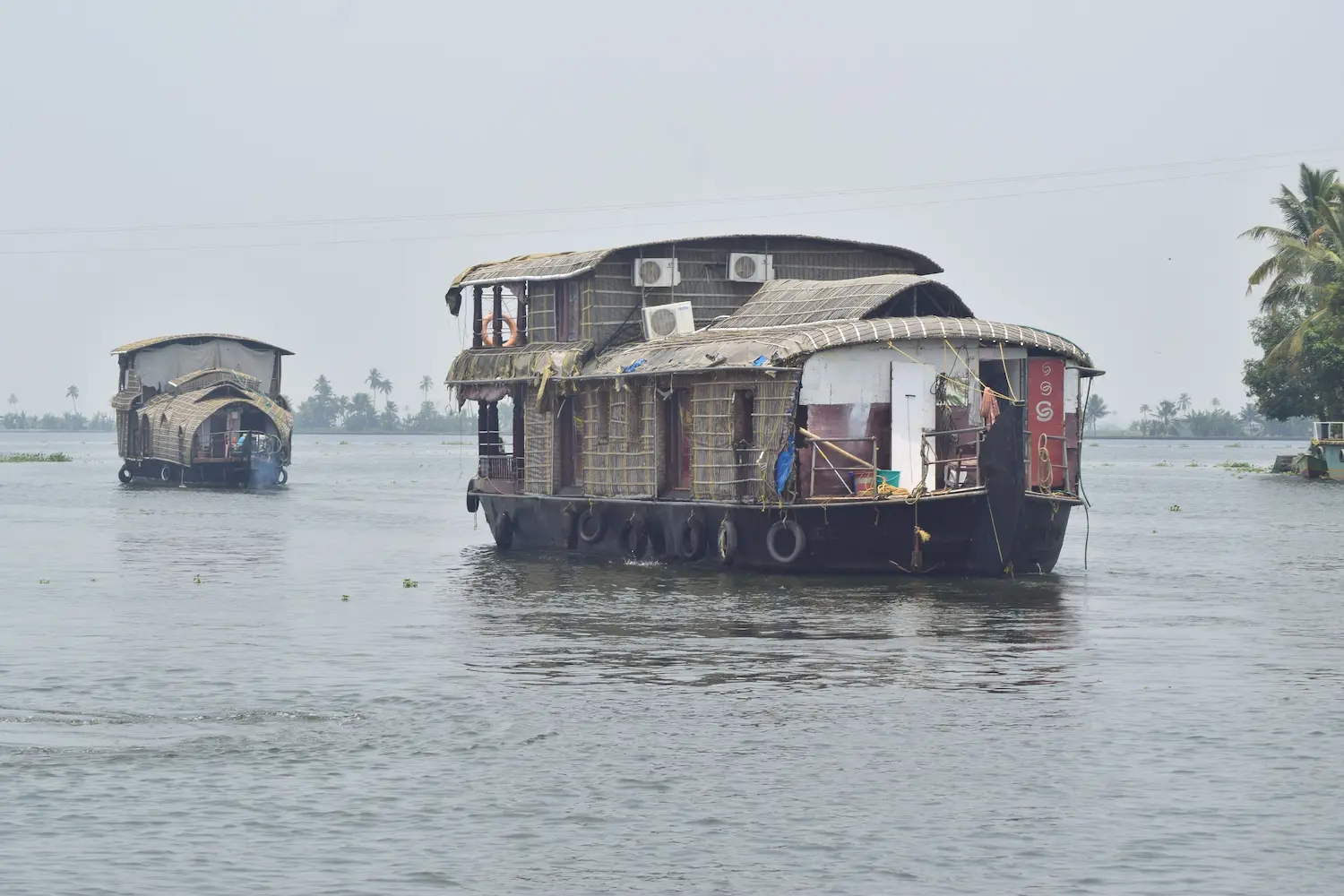
Shift to Alleppey by mid-morning next day. If you’re doing an overnight houseboat, board strictly between 11:30 AM–12:30 PM—the boat cruises narrow palm-lined canals, serves traditional Kuttanad lunch on board (featuring Karimeen Pollichathu and local Matta rice), and anchors by 5:30 PM per government inland navigation regulations to protect fishermen’s night nets. Disembark next morning around 9:00 AM and drive 30–32 km (45 minutes–1 hour) to Kumarakom across SH-11.
Kumarakom’s Bird Sanctuary opens at 6:30 AM; I arrive right at opening when resident herons, egrets, cormorants, and seasonal migratory birds are most active. The 14-acre sanctuary rewards slow walking—binoculars help, and lakeside trails stay cool until 9:00 AM. Afternoon shikara or country canoe (vanchi) rides through narrow micro-channels offer the most intimate backwater perspective—eye level with the water, drifting past homes, village shrines, and coir-weaving units that wide houseboats cannot access.
2. Ground-Level Budgeting & Daily Costs
Kerala’s backwater triangle scales across travel styles and budgets:
Daily Expenses (Excluding Houseboats)
- Kochi: ₹1,200–2,500/day (heritage guesthouse in Fort Kochi or Mattancherry, local Kerala meals, autos/Uber).
- Alleppey: ₹1,500–3,000/day (budget homestay near canals or Marari Beach, local seafood thalis, autos).
- Kumarakom: ₹2,000–5,000/day (lakeside resort or guesthouse, duck roast or karimeen eateries).
Houseboat Rates (Alleppey / Kumarakom)
- Standard/Deluxe (1 BR, 2 guests, A/C 9:00 PM–6:00 AM): ₹7,000–12,000 per night including all meals.
- Premium (Full-time A/C, newer hull): ₹12,000–20,000 per night.
- Luxury (Glass-walled bedrooms, private upper deck, chef): ₹20,000–40,000+ per night.
- Per-Person Estimate (2 adults sharing 1 BR): ₹3,500–8,000 depending on category.
Activities & Inter-City Transit
- Shikara / Country Canoe (2–3 Hours): ₹800–1,500 total per boat/person (book through homestays or registered DTPC operators).
- Kochi → Alleppey (65 km): 1.5–2 hours by road; bus/train ₹50–250 per person, private cab ₹1,500–2,000.
- Alleppey → Kumarakom (30–32 km): 45 minutes–1 hour via SH-11; cab ₹800–1,200.
- Kumarakom → Kochi Airport (85–90 km): 2–2.5 hours; cab ₹2,000–2,800.
3. Highway Connectivity & Transit Mechanics
This corridor is tightly knit and road-friendly. Kochi airport to Alleppey takes 1.5–2 hours; Alleppey to Kumarakom is under an hour on smooth state highways.
Route Considerations & Airport Timing
- Thanneermukkom Bund Factor: The saltwater barrier across Vembanad Lake sometimes opens for barge traffic—check locally when driving between Alleppey and Kumarakom, as barrier operation adds 15–20 minutes.
- Train vs. Road: Trains connect Kochi (Ernakulam) to Alleppey frequently (45–60 minutes, ₹50–150); Kumarakom has no direct railhead (nearest is Kottayam, 16 km away), making road transit essential for the final leg.
- Airport Return: If flying out of Kochi (COK), leave Kumarakom at least 4 hours prior to departure to buffer against evening congestion on the Vyttila/Aroor bypass.
4. Site Access, Entry Protocols & Booking Rules
- Paradesi Synagogue (Mattancherry, Kochi): Open Sunday–Thursday, 10:00 AM–1:00 PM and 3:00 PM–5:00 PM; closed Fridays, Saturdays, and Jewish holidays. Entry fee: ₹5 per person (cash only); dress modestly and remove footwear. Photography inside the main prayer hall is prohibited.
- Mattancherry Palace (Dutch Palace): Open Saturday–Thursday, 10:00 AM–5:00 PM; closed Fridays. Entry fee: ₹5 adults, free for children under 15.
- Kumarakom Bird Sanctuary: Open daily 6:30 AM–5:00 PM. Entry fee: ₹50 adults, ₹20 children; camera fees apply. Best visited before 8:00 AM for bird activity.
- Houseboat Verification Protocols: Reserve 2–4 weeks ahead during peak season (Dec–Jan). Confirm registration with Kerala Tourism (DTPC/KTDCL), check-in time (11:30 AM–12:30 PM), mandatory anchoring (5:30 PM), meal inclusions, and whether A/C is 24-hour or night-only (9:00 PM–6:00 AM). Book directly or via trusted platforms to avoid middleman markups and unregistered vessels.
This 3–4 day backwater arc delivers Kerala’s signature water-and-village narrative without the multi-day commitment of longer itineraries. With tight road connectivity, clear houseboat protocols, and costs that flex across travel styles, it’s my go-to recommendation for travelers seeking cultural depth and canal-level intimacy in one compact circuit.
Best Places to Visit in Kerala
Kerala stands out for its variety: misty highlands, working backwaters, heritage ports, and quiet beaches that still feel connected to local life. The best places to visit in Kerala aren’t simply famous names on a map; they are regions where landscape, culture, and daily rhythm come together. From the tea-garden ridges of Munnar and the wildlife-rich forests of Wayanad to the houseboat channels around Alappuzha and the colonial streets of Fort Kochi, each area offers a different way to experience the state. Choosing between them depends largely on the season, available time, interests, and the kind of experience you want from Kerala.
Popular Destinations in Kerala
| Category | Top Destinations | Key Highlights & Attractions |
|---|---|---|
| Cities & Urban Hubs | Kochi • Thiruvananthapuram • Kozhikode • Thrissur | Fort Kochi colonial history, Chinese fishing nets, and Mattancherry • Padmanabhaswamy Temple, Kovalam coastal proximity, and museum complexes • Historic spice trade port, famous Malabar cuisine, and Kozhikode Beach • Cultural capital of Kerala, famed for Thrissur Pooram and ancient temples |
| Backwaters & Waterways | Alleppey (Alappuzha) • Kumarakom • Kollam • Poovar | Overnight Kettuvallam houseboat cruises and narrow village canal tours • Vembanad Lake luxury resorts, bird sanctuary, and serene lagoon views • Gateway to Ashtamudi Lake backwaters and traditional canoe canal trips • Unique estuary where river, lake, backwater, and sea meet coastal dunes |
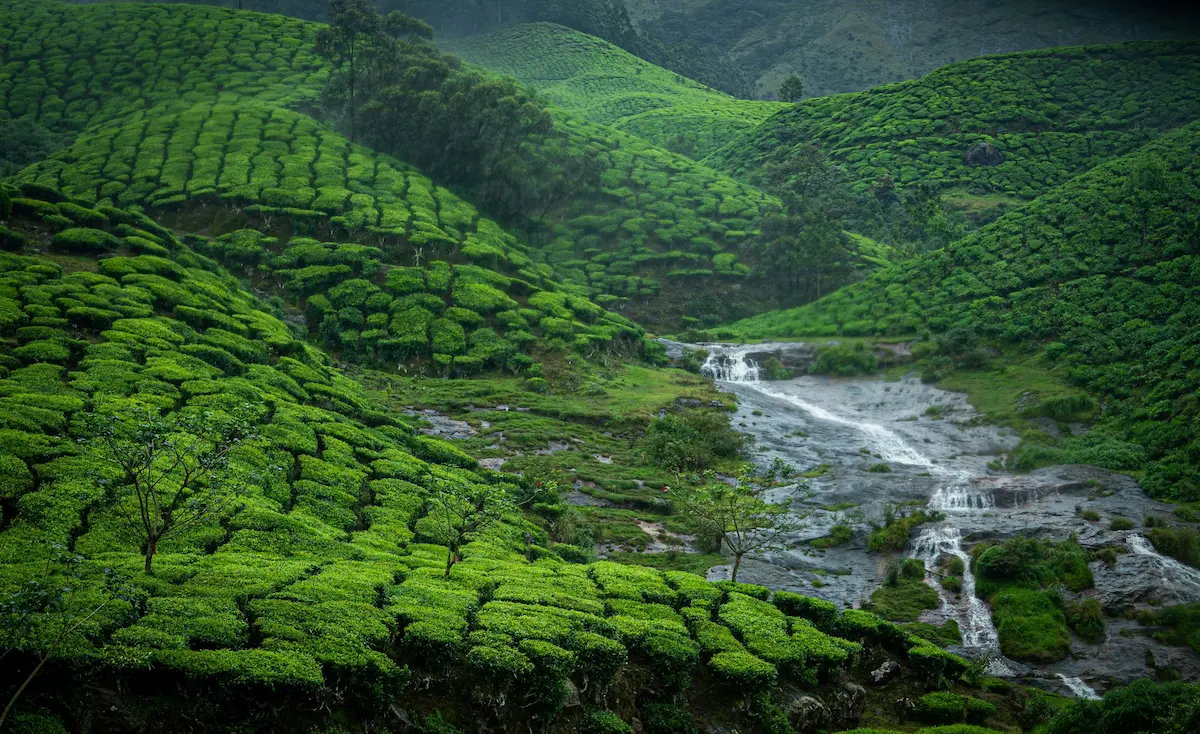
| Hill Stations & Plantations | Munnar • Wayanad • Vagamon • Ponmudi | Rolling tea estates, Anamudi peak, Eravikulam National Park, and mist-covered valleys • Spice & coffee plantations, Chembra Peak heart-shaped lake, and Edakkal Caves • Pine forests, rolling green meadows, tea gardens, and paragliding hotspots • Winding hairpin curves, cool mountain air, and scenic trekking trails near Trivandrum |
| Beaches & Coastal Destinations | Varkala • Kovalam • Kannur • Bekal | Red cliff formations overlooking Papanasam Beach, seaside cafes, and sunsets • Lighthouse Beach, crescent bay swimming, and Ayurvedic wellness centers • Muzhappilangad Drive-in Beach, secluded coastal stretches, and Theyyam rituals • Historic keyhole-shaped Bekal Fort directly bordering the Arabian Sea |
| Wildlife & Nature Reserves | Thekkady (Periyar) • Silent Valley • Thattekad • Parambikulam | Periyar National Park boat safaris, wild elephant herds, and spice garden tours • Pristine tropical evergreen rainforest biodiversity hotspot in the Western Ghats • Dr. Salim Ali Bird Sanctuary, a paradise for endemic birdwatching • Tiger reserve featuring teak forests, bamboo rafting, and eco-tourism trails |
| Culture, Heritage & Spiritual Sites | Thrissur • Guruvayur • Sabarimala • Mattancherry | Vadakkunnathan Temple, grand festival traditions, and classical Kathakali centers • Famous Lord Krishna pilgrimage center and Punnathur Kotta elephant sanctuary • Major hill shrine dedicated to Lord Ayyappa in the dense Western Ghats • Paradesi Synagogue, Dutch Palace murals, and antique markets in Kochi |
Best Time to Visit Kerala
Kerala’s climate is shaped by two monsoons and a long, humid summer, so the best time to visit depends on what you want to do and where you plan to go. December to February generally brings the most comfortable conditions for hill stations, wildlife safaris, and city exploration, while March to May can work well for backwater cruises and beach trips if you’re comfortable with higher temperatures. The southwest monsoon from June to August, followed by another rainy period in October and November, brings some of Kerala’s lushest landscapes. It can suit travellers who enjoy quieter conditions and don’t mind frequent rain.
Kerala Weather & Travel Seasons
| Season | Months | Typical Conditions | Highlights & Best Activities | Travel Status |
|---|---|---|---|---|
| Peak Winter | September–February | Pleasant, cool, and comfortable weather (22°C to 30°C) with minimal humidity. | Alleppey houseboat cruises, tea garden walks in Munnar, Kovalam & Varkala beach holidays, Theyyam rituals in Kannur. | Peak Season — Best overall weather; heavy tourist footfall across all destinations |
| Summer | March–May | Warm and humid coastal areas (32°C to 37°C), but mild and cool in mountain hill stations. | Escape to Munnar & Wayanad hill stations, wildlife boat safaris at Periyar (Thekkady), Thrissur Pooram festival. | Off-Peak / Shoulder — Hot near coasts, but ideal for budget stays & hill station trips |
| South-West Monsoon (Edavappathi) | June–August | Heavy rainfall, lush green landscapes, roaring waterfalls, and cool, misty atmosphere. | Traditional Ayurvedic wellness treatments, Athirappilly waterfall visits, swollen backwater photography. | Monsoon Low Season — Great for discounted luxury resorts & Ayurveda wellness seekers |
| North-East Monsoon (Thulavarsham) | October–November | Intermittent afternoon rain showers, clearing up into crisp mornings and pleasant evenings. | Onam cultural celebrations, snake boat races (Nehru Trophy), birdwatching in Kumarakom & Thattekad. | Shoulder Season — Fresh post-monsoon greenery with comfortable weather starting |
Kerala Travel Itineraries
Kerala works best as a connected journey rather than a collection of separate stops. A well-planned route can combine the coast, backwaters, hill country, wildlife areas, and historic towns without spending too much time on the road. Popular combinations include Kochi–Munnar–Thekkady–Alappuzha, while longer trips can extend towards Varkala, Kovalam, Wayanad, or northern Kerala. The right itinerary depends on your available time, preferred pace, interests, and starting point. Short trips can focus on one or two regions, while 7–10 days allow a more varied journey. Travel time between destinations also matters when deciding how many places to include.
Kerala Trip Ideas by Duration
| Itinerary Name | Target Duration | Route Covered | Key Highlights | Best Suited For |
|---|---|---|---|---|
| Express Backwaters & Culture | 3–4 Days | Kochi → Alleppey → Kumarakom | Fort Kochi Chinese fishing nets, Kathakali show, overnight houseboat cruise, Vembanad Lake sunset. | Quick weekenders, short-break travelers, and first-time Kerala visitors. |
| Honeymoon & Romantic Escapes | 4–5 Days | Munnar → Thekkady → Alleppey | Tea estate strolls, cool hill climate, Periyar lake boat safari, luxury backwater houseboat stay. | Honeymooners, couples, and luxury resort travelers. |
| Classic Central Kerala Circuit | 6–7 Days | Kochi → Munnar → Thekkady → Alleppey → Marari | Heritage walking tour, Anamudi tea garden views, spice plantation tour, backwater cruise, and beach relaxation. | First-time visitors, families, and leisure travelers seeking the signature Kerala route. |
| Wildlife & Nature Trail | 5–6 Days | Kochi → Thattekad → Thekkady → Parambikulam | Salim Ali birdwatching, elephant spotting at Periyar, bamboo rafting, and jungle night patrols. | Wildlife photographers, nature lovers, and eco-tourists. |
| Southern Coastal & Cliff Explorer | 4–5 Days | Thiruvananthapuram → Kovalam → Varkala → Poovar | Padmanabhaswamy Temple, Kovalam Lighthouse Beach, Varkala cliffside dining, and Poovar golden sand estuary. | Beach lovers, backpackers, wellness seekers, and relaxation tours. |
| North Kerala Heritage & Malabar Circuit | 5–6 Days | Kozhikode → Kannur → Wayanad → Bekal | Malabar street food tours, Theyyam ritual performances, Muzhappilangad drive-in beach, and Bekal Fort sunset. | Offbeat travelers, culture enthusiasts, foodies, and heritage explorers. |
| Mist & Mountains Wayanad Escape | 3–4 Days | Kozhikode → Vythiri → Kalpetta → Sultan Bathery | Chembra Peak heart-shaped lake trek, Edakkal Caves, Banasura Sagar Dam, and coffee plantation stays. | Adventure travelers, trekkers, and nature getaway seekers. |
| Ayurveda & Wellness Retreat | 7–14 Days | Kochi → Kumarakom → Somatheeram / Chowara | Personalized Ayurvedic treatments, yoga & meditation sessions, organic Kerala diet, and backwater tranquility. | Wellness tourists, medical tourists, and holistic health seekers. |
| Grand Kerala Panorama | 10–12 Days | Kochi → Munnar → Thekkady → Alleppey → Varkala → Poovar → Trivandrum | Complete state overview: colonial history, tea hills, spice reserves, backwater houseboats, cliff beaches, and royal temples. | Long-vacation travelers, international tourists, and comprehensive guidebooks. |
Kerala by Budget
Kerala can work across a wide range of travel budgets because many of its main experiences—backwaters, hill stations, beaches, heritage areas, and small-town life—do not require expensive entry fees or luxury infrastructure. The biggest differences in total cost usually come from accommodation, transport, dining, and paid experiences. Destination, season, and travel style can also significantly affect what you spend.
Budget Travel
Kerala remains accessible on a tight budget if you rely on trains, KSRTC buses, auto-rickshaws, and simpler accommodation. Hostels, family-run lodges, and basic homestays can keep accommodation costs manageable, while local restaurants and small eateries offer inexpensive meals.
A realistic budget is around ₹1,500–₹2,500 per person per day, excluding flights, depending on destination and season. Basic rooms or dorm beds may cost roughly ₹800–₹1,500 a night, while food can stay around ₹300–₹600 a day with mostly local dining. This budget can still cover beaches, heritage areas, local markets, and selected backwater experiences.
Mid-Range Travel
Mid-range travel offers a comfortable balance between convenience and local experiences. Expect 3-star hotels, good homestays, or characterful properties costing around ₹2,500–₹5,000 per night, depending on location and season. A private taxi or driver for selected journeys can make longer routes easier without requiring private transport throughout the trip.
A daily budget of approximately ₹3,500–₹6,000 per person can allow for comfortable accommodation, a mix of local and restaurant dining, private transfers on some routes, guided nature experiences, and an overnight houseboat stay.
Luxury Travel
Luxury travel in Kerala often focuses on privacy, setting, personalised service, and distinctive accommodation. Options include heritage properties in Fort Kochi, plantation stays around Munnar and Wayanad, premium houseboats, and high-end coastal or backwater resorts.
A luxury-oriented trip can start around ₹10,000+ per person per day, although premium resorts, private transfers, exclusive experiences, and peak-season stays can push costs considerably higher.
Kerala by Travel Type
Kerala suits different travel styles without forcing every trip into the same template. You can combine independent sightseeing with homestays, cafés, local markets, and slower-paced destinations. At the same time, you can build comfortable trips around boat rides, wildlife parks, beaches, and cultural attractions. The best approach depends on your preferred pace, interests, comfort level, and the amount of time available.
Kerala for Couples
Couples seek intimate backwater cruises, private luxury houseboats, misty hill-station plantation stays, and sunset beach walks across Alleppey, Munnar, and Kovalam. Ayurvedic wellness massages, lakeside luxury resorts in Kumarakom, candlelit seafood dinners, and peaceful walks through lush tea gardens create an enchanting mix of romance, rejuvenation, and tropical luxury.
Kerala for Families
Families benefit from well-connected coastal and hill roads, gentle backwater boat rides, spice plantation tours, elephant rehabilitation sanctuaries, and traditional Kathakali or Kalaripayattu performances. Destinations like Kochi, Munnar, and Thekkady provide easy transit, kid-friendly resorts, nature walks, and memorable bamboo rafting options.
Kerala for Solo Travellers
Solo travellers will find a welcoming culture, a growing network of backpacker hostels (Zostel/Hostelworld hubs in Fort Kochi, Varkala, and Alleppey), safe local transport, and easy walkability. Vibrant cliffside beach cafes, guided heritage walks in Mattancherry, surf lessons in Varkala, and village canoe trips make independent exploration seamless and social.
Kerala for Backpackers
Backpackers can explore God’s Own Country affordably using Kerala State Road Transport Corporation (KSRTC) Ordinary/SWIFT buses, passenger trains, local toddy shop seafood thalis, and canal homestays. From riding local SWTD public water ferries across Vembanad Lake to budget surfing in Varkala, Kerala offers rich coastal and village experiences on modest daily budgets.
Kerala for Wildlife & Adventure Seekers
Thrill-seekers and nature lovers can focus on wild elephant tracking in Periyar, bamboo rafting in Thekkady, trekking to Anamudi/Meesapulimala peaks in Munnar, kayaking through Wayanad streams, and cliff-jumping or surfing in Varkala. Diverse ecosystems ranging from Western Ghats rainforests to coastal lagoons deliver exceptional outdoor activities.
Kerala for First-Time Visitors
First-time visitors should start with the classic **Express Backwaters & Culture Arc**: Kochi (colonial heritage & Chinese nets), Alleppey (traditional houseboat cruises & village canals), and Kumarakom (bird sanctuary & Vembanad Lake serenity). Connected by tight road links and frequent trains, this corridor provides the ideal introduction to Kerala’s identity.
Things to Do in Kerala
Kerala’s best activities draw heavily from its landscapes, culture, and everyday life rather than relying on purpose-built attractions. Backwater experiences range from relaxed country-boat rides to overnight houseboat cruises, while tea and spice plantation walks around Munnar and Wayanad offer a closer look at the landscapes behind Kerala’s agricultural traditions. Wildlife experiences can include safaris and guided walks in areas such as Periyar and Silent Valley. Heritage enthusiasts can explore Fort Kochi and Mattancherry, with their colonial-era architecture, historic religious sites, markets, and working waterfronts. Along the coast, beach days can be combined with fishing villages, lighthouses, local markets, and nearby cultural sites. For active travellers, the Western Ghats offer trekking and rafting, while kayaking and cycling provide slower ways to explore canals, paddy fields, and coastal towns.
Popular Activities & Experiences in Kerala
| Experience Category | Top Things to Do | Best Locations |
|---|---|---|
| Adventure & Outdoor Activities | Kayaking through narrow backwater canals, bamboo rafting down forest rivers, trekking to high mountain peaks, paragliding over green valleys, and surfing coastal waves. | Alleppey, Wayanad (Chembra Peak), Munnar, Thekkady (Periyar), Varkala Beach, Vagamon |
| Wildlife & Safari Experiences | Boat safaris for wild elephant herds, birdwatching in pristine sanctuaries, jungle night patrols, tiger reserve treks, and spotting the endangered Nilgiri Tahr. | Periyar Tiger Reserve (Thekkady), Eravikulam National Park (Munnar), Thattekad Bird Sanctuary, Parambikulam, Silent Valley |
| Offbeat & Nature Escapes | Exploring ancient megalithic caves, walking through dense tea and coffee plantations, visiting roaring waterfalls, staying in forest treehouses, and touring island estuaries. | Wayanad (Edakkal Caves), Athirappilly Waterfalls, Munnar tea estates, Poovar Island, Bekal, Munroe Island |
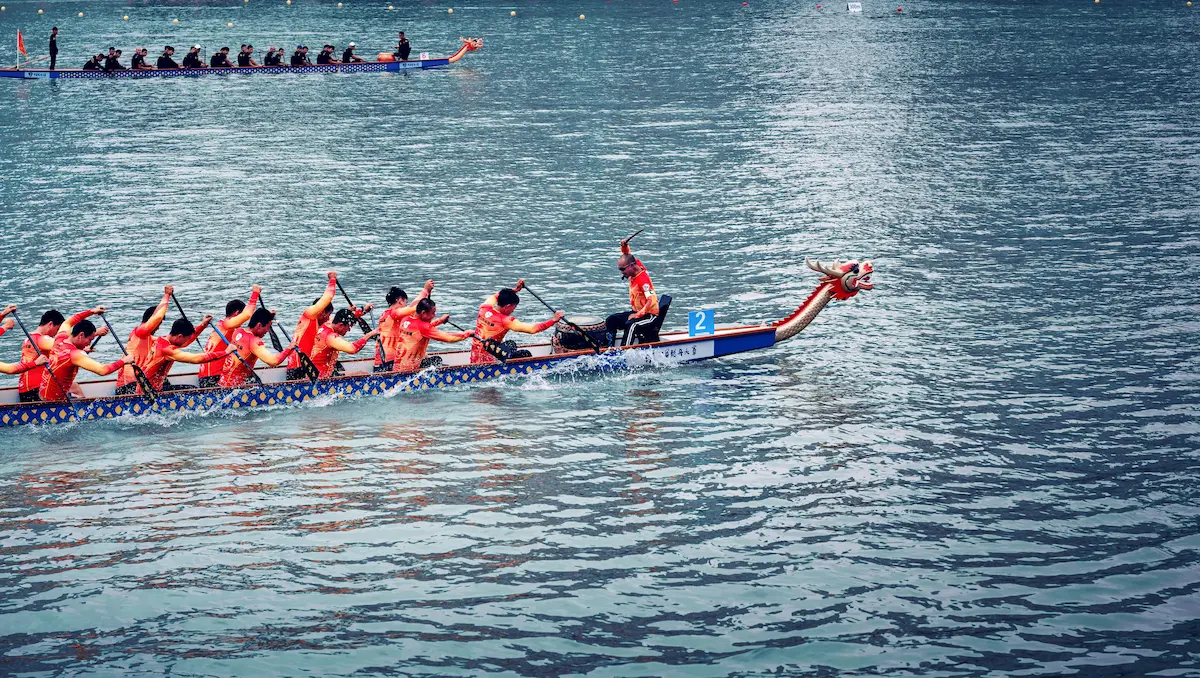
| Cultural & Festival Experiences | Witnessing intense Snake Boat Races (Vallam Kali), sacred Theyyam ritual dances, Kathakali dance-drama, Kalaripayattu martial art demonstrations, and grand temple elephant pageants. | Thrissur (Thrissur Pooram), Kannur (Theyyam), Alleppey (Nehru Trophy Boat Race), Fort Kochi, Aranmula |
| Food & Culinary Experiences | Relishing a traditional grand Kerala Sadya served on a banana leaf, tasting Karimeen Pollichathu (pearl spot fish in banana leaf), Malabar Parotta with beef fry, Malabar Biryani, and fresh coconut seafood curries. | Kozhikode (Mittalay Street), Fort Kochi, Kumarakom, Alleppey backwater eateries, Ambalapuzha |
| Spiritual & Wellness Experiences | Undergoing authentic Ayurvedic Panchakarma treatments, practicing beachside yoga and meditation, visiting historic sea-facing temples, and taking peaceful backwater wellness retreats. | Somatheeram / Chowara, Varkala Cliff, Guruvayur Temple, Sabarimala, Kovalam, Kumarakom |
| Shopping & Craft Experiences | Buying authentic spices (cardamom, pepper, cinnamon), fresh Munnar tea leaves, traditional Kasavu handloom sarees, GI-tagged Aranmula metal mirrors, coconut shell handicrafts, and banana chips. | Munnar Tea Outlets, Thekkady Spice Markets, Kochi (Broad Way & Jew Town), Trivandrum, Aranmula |
Famous Attractions & Landmarks in Kerala
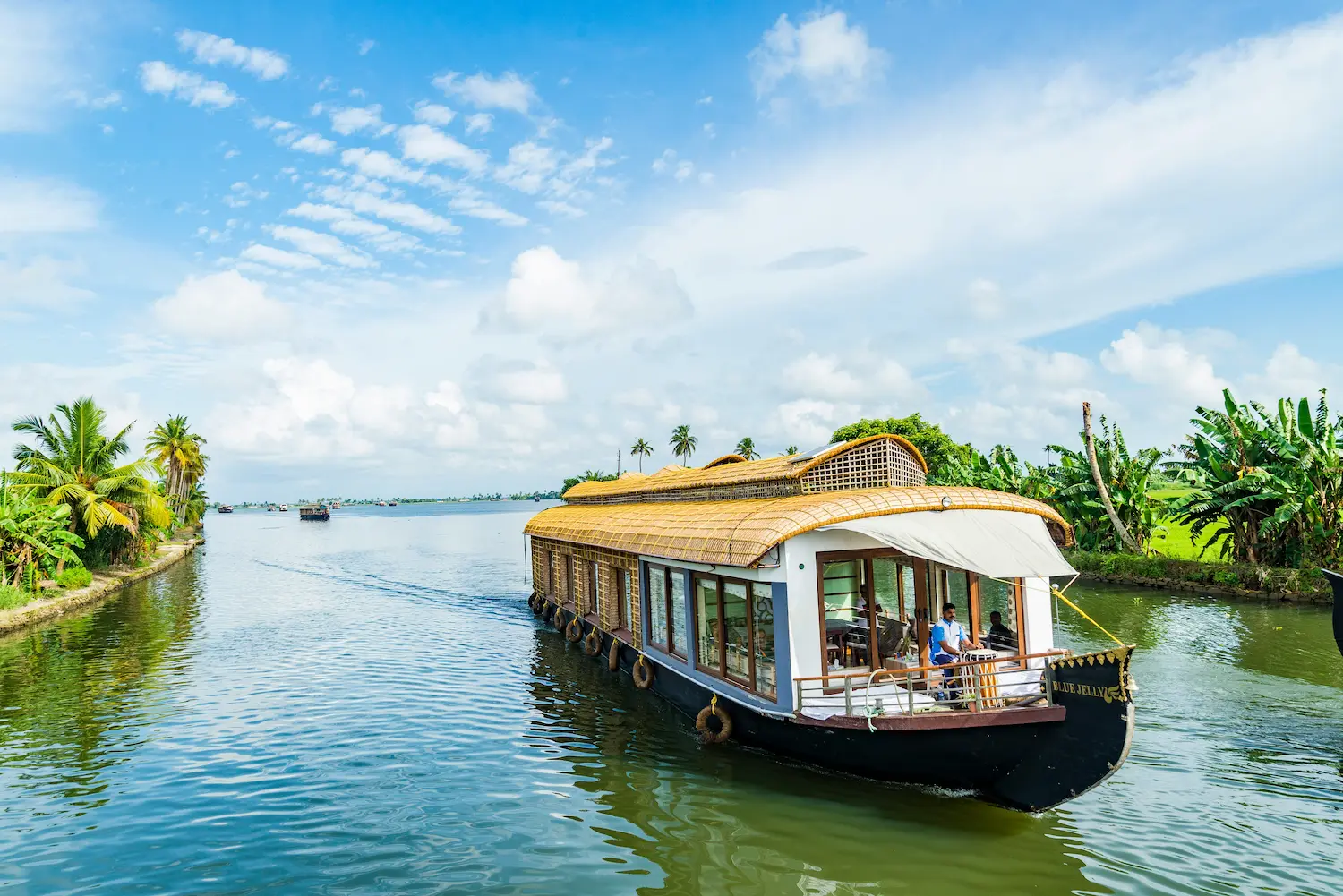
Kerala’s most famous attractions are less about single monuments and more about living landscapes, historic places, and working heritage. The backwaters around Alappuzha and Kumarakom, with their network of canals, paddy fields, and villages, are among the state’s best-known sights, while Munnar and Wayanad attract visitors with tea gardens, viewpoints, and forested hills. Fort Kochi and Mattancherry stand out for their colonial-era streets, Chinese fishing nets, historic buildings, and layered cultural heritage. Wildlife areas such as Periyar, beaches including Kovalam and Varkala, and important temple destinations such as Guruvayur add further variety. The right places to visit depend on the season, available time, and the type of experience you want.
Iconic Attractions & Landmarks of Kerala
| Destination / Attraction | Region / Location | Category & Significance |
|---|---|---|
| Alleppey Backwaters & Canals | Alappuzha (Central Coast) | World-famous backwater network; premier destination for overnight traditional Kettuvallam houseboat cruises and village canoe tours. |
| Munnar Tea Plantations | Idukki (Western Ghats) | Expansive rolling tea gardens, misty valleys, and high peaks including Anamudi, South India’s highest peak. |
| Fort Kochi & Chinese Fishing Nets | Kochi (Central Kerala) | Historic coastal town blending Portuguese, Dutch, and British colonial heritage with iconic cantilevered sea nets and Jew Town. |
| Periyar National Park | Thekkady (Idukki District) | Protected tiger and elephant reserve centered around Periyar Lake, famous for wilderness boat safaris and spice garden tours. |
| Varkala Cliff & Beach | Thiruvananthapuram Region | Dramatic red seaside cliffs lining Papanasam Beach, famed for sunset views, wellness retreats, and bohemian cliffside cafes. |
| Eravikulam National Park | Munnar (Idukki District) | High-altitude sanctuary providing refuge to the endangered Nilgiri Tahr and home to the rare Neelakurinji flower blooms. |
| Athirappilly Waterfalls | Thrissur District | Largest waterfall in Kerala, often dubbed the “Niagara of India,” cascading 80 feet down dense forest hills. |
| Kumarakom Bird Sanctuary & Lake | Kottayam (Vembanad Lake) | Sprawling wetland ecosystem on Vembanad Lake hosting resident water birds and winter migratory species. |
| Bekal Fort | Kasaragod (North Malabar) | Largest and best-preserved keyhole-shaped seaside fortress in Kerala, offering panoramic ocean views. |
| Edakkal Caves | Wayanad (North Kerala) | Prehistoric cliffside caves featuring rare Neolithic stone engravings dating back to 6000 BCE. |
| Sree Padmanabhaswamy Temple | Thiruvananthapuram (South Kerala) | Architectural marvel blending Kerala and Dravidian styles, world-famous as one of the wealthiest religious sites. |
| Muzhappilangad Drive-in Beach | Kannur (Malabar Coast) | Longest drive-in beach in Asia, allowing vehicles to drive along 4 kilometers of firm beach sands. |
How to Travel Around Kerala
Getting around Kerala involves navigating lush coastal plains, interconnected backwater canals, and winding mountain roads in the Western Ghats rather than dry desert corridors. The state features an exceptionally dense transport network, including four international airports, a continuous coastal rail corridor, and an extensive network of waterways. While intercity highway travel offers scenic views of coconut groves and paddy fields, mountain roads require extra time, and boat transit often serves as both a practical mode of transport and a highlight experience.
Long-Distance Travel
By Air: Kerala is unique for having four international airports spanning its length: Cochin International Airport (COK) in Central Kerala, Trivandrum International Airport (TRV) in the South, Calicut International Airport (CCJ) in Malabar, and Kannur International Airport (CNN) in the North. Flying into one airport and out of another (e.g., land in Kochi, exit from Trivandrum) eliminates long backtrack drives.
By Train: A continuous main railway trunk line runs north to south along the coast, connecting all major coastal and central hubs—including Trivandrum, Kollam, Alleppey, Ernakulam (Kochi), Thrissur, Kozhikode, and Kannur. High-speed express options like the Vande Bharat Express make travel between southern and northern hubs fast, scenic, and comfortable.
By Road: National Highway 66 (NH 66) runs the full length of the state along the coast, while state highways wind inland toward the hill stations. KSRTC (Kerala State Road Transport Corporation) operates a dense fleet of Swift, AC Low-Floor, and Super Fast buses connecting cities, rural villages, and high-altitude tea regions like Munnar and Wayanad.
Local & Intra-State Travel
Private Taxis & Rental Cabs: Hiring a chauffeur-driven private vehicle is the most efficient and comfortable way to navigate multi-stop itineraries—especially for ascending steep, hairpin mountain bends toward Munnar, Wayanad, or Thekkady, where train connectivity does not reach.
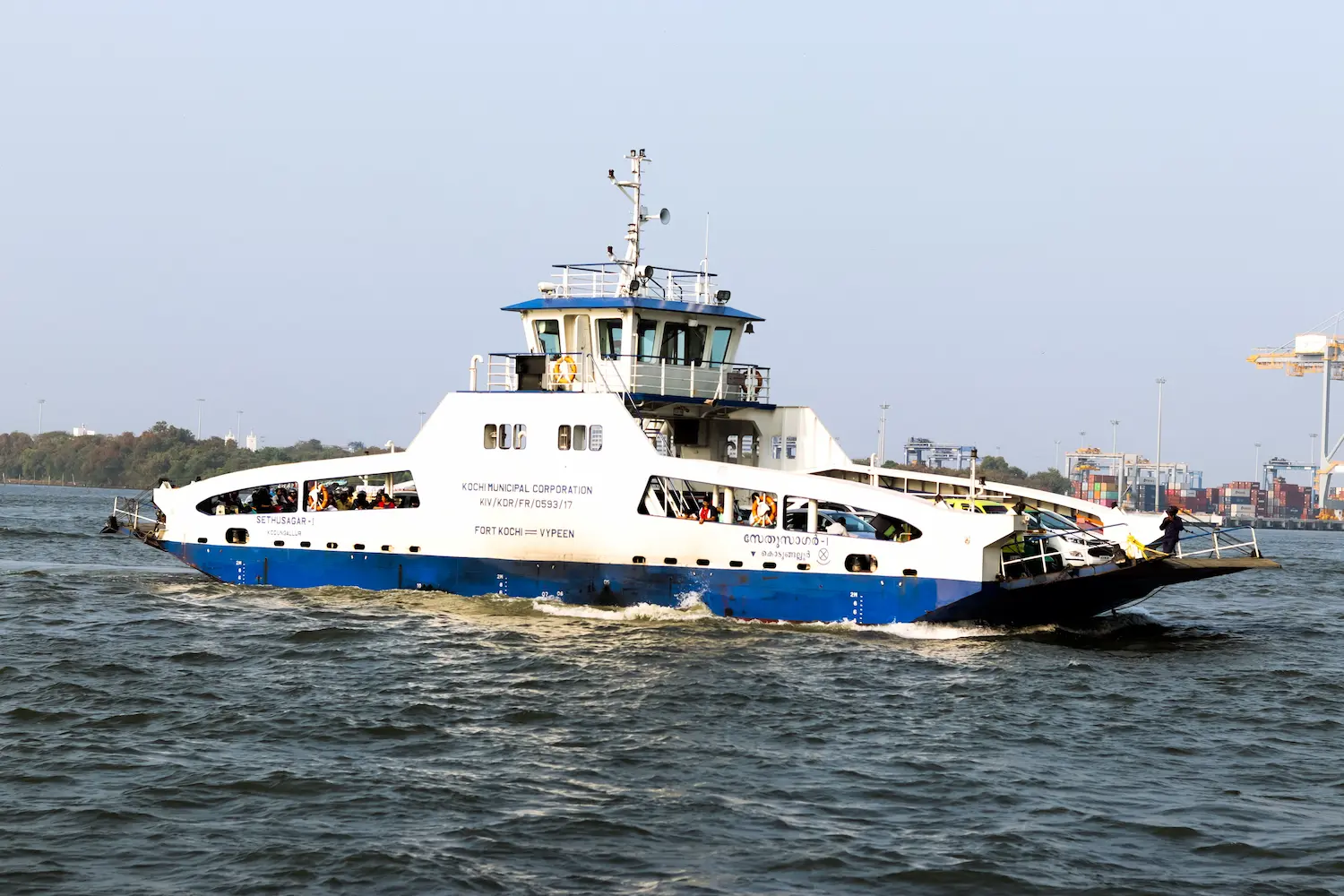
Waterways, Ferries & Houseboats: Water transport is an everyday mode of transit in Kerala. State-run public passenger ferries (SWTD) offer ultra-budget, scenic trips across backwater canals in Alleppey, Kollam, and Kottayam. For immersive travel, traditional Kettuvallams (converted houseboats) and private wooden canoes provide multi-day or hourly access through quiet village waterways.
Auto-Rickshaws & E-Rickshaws: Auto-rickshaws are ubiquitous, reliable, and ideal for short hops between hotel zones, railway stations, and local markets. In historic areas like Fort Kochi, Mattancherry, and Varkala Cliff, rickshaws are the most practical way to navigate narrow lanes.
Kochi Water Metro & City Metro: Kochi features India’s first Water Metro system—battery-powered electric passenger boats connecting mainland Kochi to surrounding islands on integrated metro tickets—alongside the elevated Kochi Metro rail line serving the main urban corridor.
Where to Stay in Kerala
Kerala offers accommodation options ranging from eco-conscious backpacker hostels and heritage homestays to floating houseboats, plantation bungalows, clifftop resorts, and world-renowned Ayurvedic wellness retreats. Where you stay shapes your journey as much as the landscapes themselves—a night on a quiet backwater canal feels entirely different from a stay in a misty tea garden or a sea-facing cliff resort. Choosing accommodation close to key hubs minimizes transit on winding roads, while rural and wilderness stays offer deeper immersion into nature.
Types of Accommodation
Backwater Houseboats (Kettuvallams): Floating hotel rooms that cruise through the backwaters of Alleppey, Kumarakom, and Kollam. Ranging from standard single-bedroom boats to ultra-luxury private vessels with air-conditioned bedrooms, onboard chefs, and private observation decks, they offer a signature overnight water experience.
Heritage Homestays & Farmstays: Kerala is famous for its warm hospitality and bed-and-breakfast culture. Staying with a local family in a traditional Nalukettu (courtyard house) provides home-cooked Keralite meals, spice garden tours, and authentic local cultural insights.
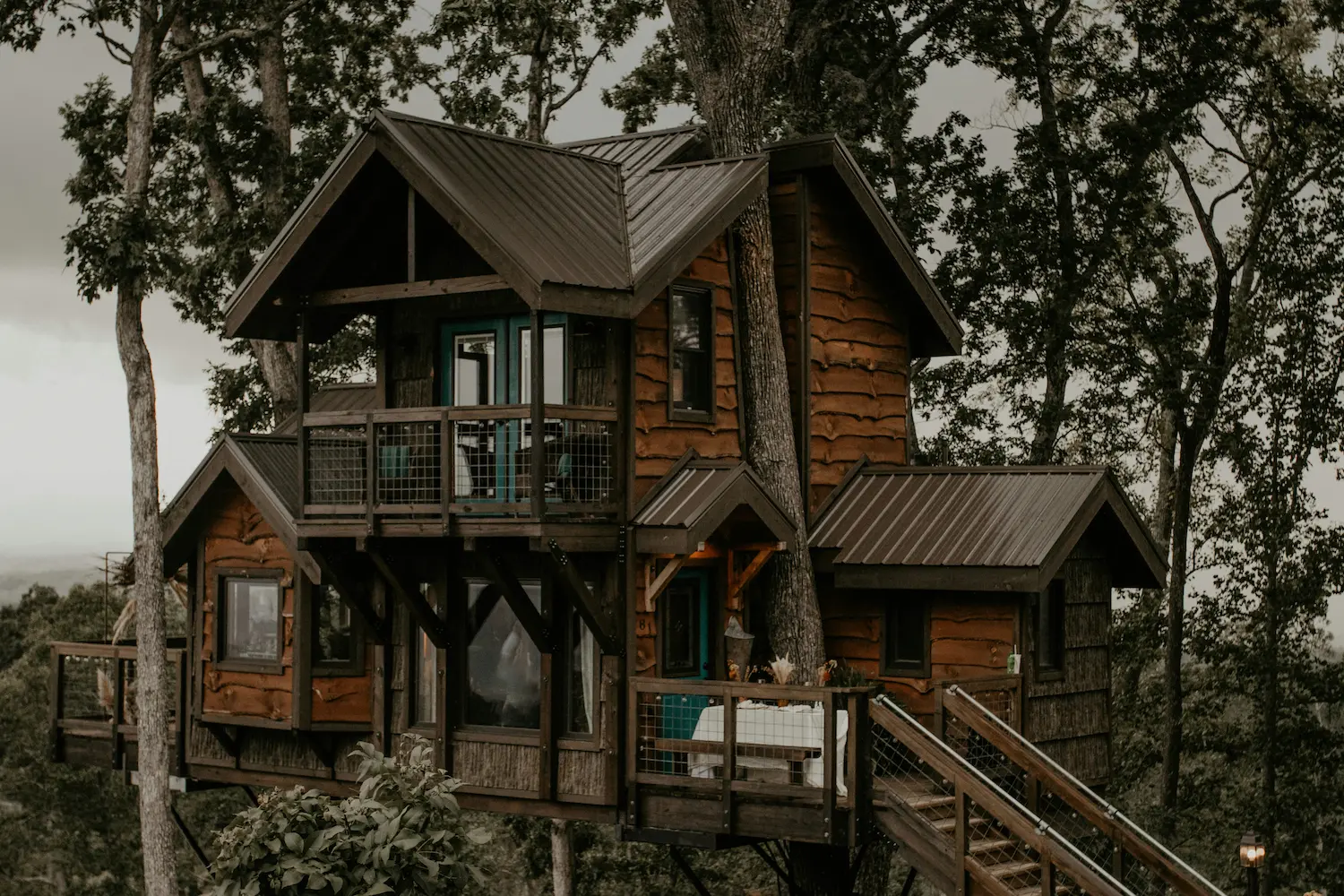
Plantation Bungalows & Treehouses: Located across the Western Ghats in Munnar, Wayanad, and Thekkady, these restored colonial-era tea, coffee, and cardamom estate bungalows offer cool mountain air and panoramic views. Treehouses built into forest canopies provide an elevated, eco-friendly jungle stay.
Ayurvedic & Wellness Resorts: Concentrated along the coast (Somatheeram, Chowara, Varkala) and serene backwaters, these specialized retreats focus on holistic health. Stays typically include daily doctor consultations, customized Panchakarma treatments, organic vegetarian meals, and yoga sessions.
Beach & Cliff Resorts: Strung along coastal hubs like Kovalam, Varkala, Marari, and Bekal. Options range from bohemian cliffside guesthouses in Varkala to expansive luxury beach resorts with private pool villas along the quieter sands of Marari and Bekal.
Jungle Lodges & Eco-Resorts: Situated on the fringes of Periyar Tiger Reserve, Parambikulam, and Wayanad wildlife zones. These lodges cater to nature lovers and safari enthusiasts, offering guided bamboo rafting, birdwatching walks, and night jungle patrols.
Kerala Travel Tips
Kerala is easier to enjoy when you leave some space between destinations. Distances that look short on a map can take time, particularly on hill roads and along the backwater coast, so avoid packing too many stops into one day. Kochi, Munnar, Thekkady, and Alappuzha make a practical first route, while Wayanad, Varkala, and Bekal work well when you have more time.
Plan Around the Weather: December to February generally offers comfortable conditions for sightseeing, while March to May can be hot and humid. The monsoon months bring heavy rain, greener landscapes, and occasional travel disruptions. If travelling between June and November, keep plans flexible and check local weather conditions before heading into the hills or booking outdoor activities.
Choose Transport Carefully: Trains and buses are useful for longer journeys between major towns, while private taxis can save time on routes through the Western Ghats. For shorter distances, auto-rickshaws and app-based cabs are convenient where available. Confirm taxi fares before departure, particularly when hiring directly at stations or airports. On winding mountain roads, allow extra travel time and avoid late-night journeys where practical.
Book the Right Stay: Kerala’s accommodation ranges from hostels and family-run homestays to plantation retreats and heritage hotels. Read recent reviews carefully when booking houseboats and check what is included in the price. Ask about air-conditioning, meals, safety equipment, sanitation, and whether the boat cruises or remains docked overnight. A one-night houseboat stay is enough for many first-time visitors, while a daytime canoe trip offers a quieter way to explore smaller waterways and village landscapes.
Travel Considerately: Dress appropriately when visiting temples and other religious sites, and follow local rules regarding footwear and photography. Ask before photographing people, particularly during ceremonies or community events. Carry a refillable water bottle where drinking water is available, reduce unnecessary plastic use, and consider local guides, small restaurants, and community-run experiences. Kerala is often more rewarding at a measured pace: eat regionally, take the slower route occasionally, and leave some room for weather and unplanned stops.
Responsible Travel in Kerala
Responsible travel in Kerala means being mindful of the places, people, wildlife, and waterways that make the state distinctive. Tourism supports many local businesses, but popular destinations can also experience pressure from waste, traffic, water use, and overcrowding. Small choices can reduce that impact without making travel less enjoyable.
Support Local Businesses – Choose locally owned homestays, guesthouses, restaurants, cafés, guides, and activity operators where practical. Eating at small local establishments allows more of your travel spending to remain within the community. Local guides can also provide useful context about villages, food, traditions, and landscapes that may be missed on a standard sightseeing trip.
Respect Local Customs – Kerala has diverse cultural and religious traditions. Dress appropriately when visiting temples and other places of worship, remove footwear where required, and follow local rules about photography. Ask permission before photographing people, particularly during ceremonies, festivals, or community activities. Avoid treating cultural practices simply as photo opportunities.
Protect Backwaters and Beaches – Kerala’s backwaters, rivers, beaches, and wetlands are sensitive environments. Avoid throwing plastic, food packaging, or other waste into waterways. Carry a reusable bottle and refuse unnecessary single-use items where possible. During boat trips, avoid operators that discharge waste into the water or allow passengers to litter. On beaches, take your rubbish with you and avoid disturbing nesting or other wildlife.
Be Careful Around Wildlife – Wildlife areas such as Periyar and Wayanad require patience and restraint. Keep a respectful distance from animals, follow forest rules, and never feed wildlife. Stay on designated trails and listen to guides or park staff. Avoid activities that promise unusually close encounters with wild animals or encourage direct interaction.
Choose Experiences Thoughtfully – Look beyond high-volume tourism when possible. Community-run experiences, village walks, local food experiences, responsible wildlife activities, and smaller accommodation providers can offer meaningful alternatives to crowded attractions. Travelling more slowly also reduces unnecessary transfers and gives you more time to understand the places you visit.
Responsible travel in Kerala does not require avoiding popular destinations or spending more money. It is mainly about respecting local communities, reducing waste, protecting natural areas, and choosing tourism businesses thoughtfully. These simple habits can help preserve the landscapes and everyday character that make Kerala worth exploring.