
Himachal Pradesh is one of India’s most varied mountain destinations, stretching from accessible hill stations such as Shimla and Manali to the high-altitude landscapes of Spiti and Lahaul. It is a region best understood slowly—through winding mountain roads, early-morning walks, village cafés, temple courtyards, and conversations with people who know the hills intimately.
The travel experience can vary considerably from one part of the state to another. Some places are easy to reach and well suited to a relaxed holiday, while others demand careful planning, flexible schedules, and tolerance for changing weather and rough roads. This travel guide focuses on the practical side of exploring Himachal Pradesh: where to go, how to plan your route, the best time to visit different regions, transport options, accommodation, costs, safety, and responsible travel practices. Whether you are planning a short hill escape, a road trip, a trek, or a longer journey through the mountains, the aim is to help you travel with realistic expectations and make better choices along the way.
Table of Contents
Himachal Pradesh Travel at a Glance
| Travel Detail | Himachal Pradesh |
|---|---|
| Location | Northern India, in the Western Himalayas |
| Capital | Shimla |
| Known For | Mountains, valleys, hill stations, forests and high-altitude landscapes |
| Top Destinations | Shimla, Manali, Dharamshala, Dalhousie, Kinnaur and Spiti |
| Best Time to Visit | Varies by region; spring, summer and autumn suit most areas |
| Ideal Trip Duration | 5–14 days, depending on destinations and travel style |
| Getting Around | Buses, taxis, private vehicles and local transport |
| Best For | Couples, families, solo travellers, road trips, trekking and nature travel |
From the Traveler’s Notebook: Signature Himachal Circuit Field Notes (6–7 Days | Shimla → Kullu → Manali → Dharamshala → McLeod Ganj)
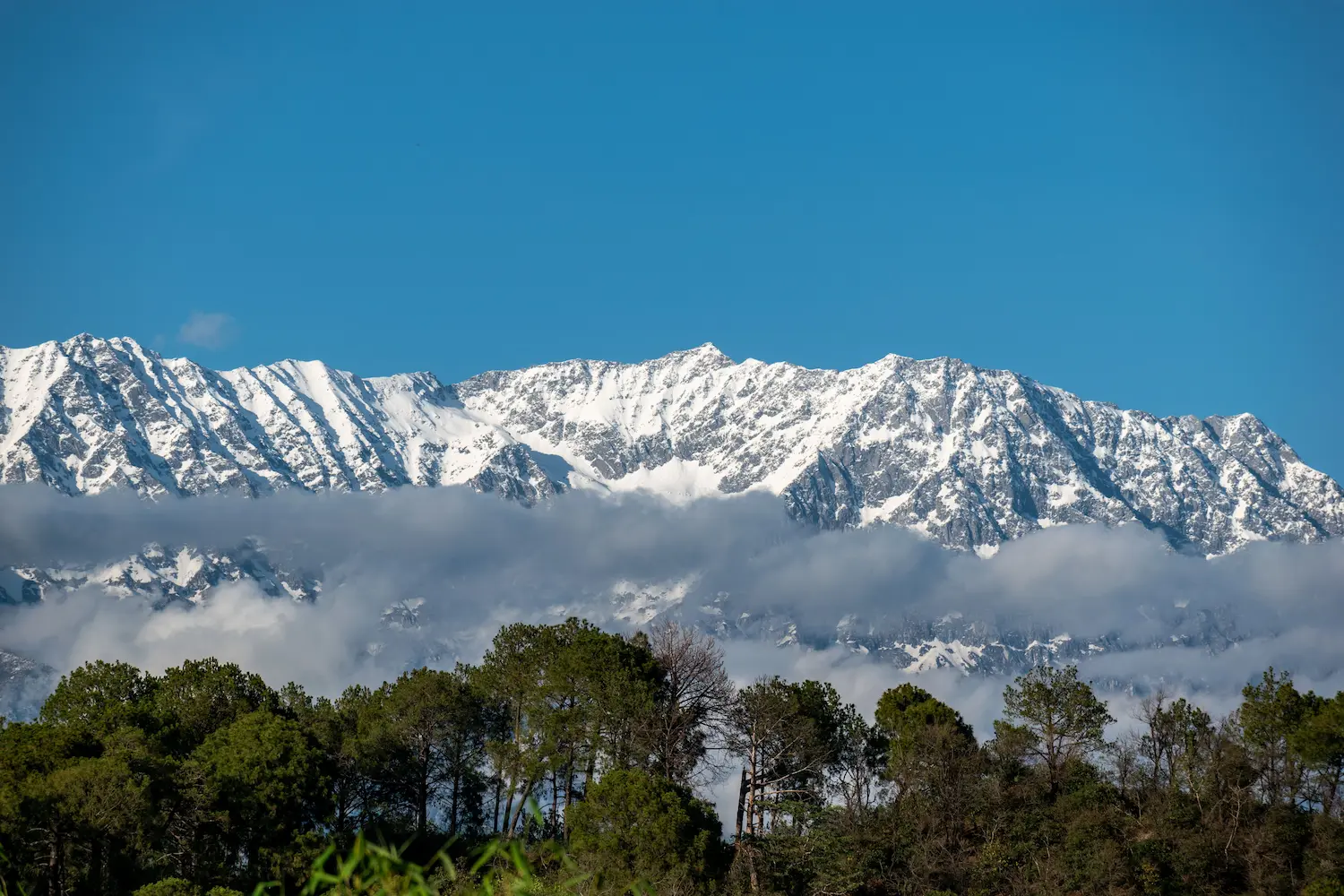
Among the major Western Himalayan arcs I have covered over the years, the classic Shimla-to-Kangra run remains the quintessential cross-mountain transit. It traces a transition from British-era hill architecture and pine ridges in Shimla down through the cedar forest valleys of Kullu and Manali, before winding westward along the foot of the dramatic Dhauladhar range into Dharamshala and McLeod Ganj.
1. Personal Experience: Navigating Mountain Transit & Valley Rhythms
The route spans roughly 450 to 500 kilometers on paper, but mountain geometry dictates the real pacing. I start in Shimla early in the morning—specifically taking a walk along the Ridge and Mall Road before tourist traffic thickens around 10:00 AM. Traffic restrictions inside Shimla’s core vehicle-free zone mean you will do plenty of uphill walking, so packing light or arranging luggage porterage to your hotel is essential.
The long drive from Shimla to Manali (~230 km) via Mandi and Kullu is where timing matters most. Highway widening projects along the Kiratpur–Manali road corridor have significantly improved travel times, but bottlenecks near Mandi tunnels and Kullu valley intersections still build up by late afternoon. I break this leg in the Kullu Valley by midday for a short stop near the Beas riverfront or a weaver’s outlet before reaching Old Manali by evening.
In Manali, I bypass the noisy main Mall Road and base myself in Old Manali or Vashisht. An early morning start through the Atal Tunnel (9.02 km) to Sissu in Lahaul Valley transforms the landscape completely within 15 minutes—from lush pine forest to arid high-altitude valley floor. From Manali, heading west toward Kangra Valley takes you along NH-20 toward Dharamshala (~215 km, 6–7 hours). Arriving in McLeod Ganj by late afternoon allows for a quiet dusk walk around the Tsuglagkhang Temple’s Kora circuit as prayer wheels turn in the mountain air.
2. Ground-Level Budgeting & Daily Costs
This mountain circuit flexes across budget backpacking, mid-range family stays, and boutique hill resorts:
Daily Accommodation & Meal Costs
- Shimla: ₹1,800–4,000/day for a heritage guesthouse or mid-range hotel near Mall Road/Lakkar Bazar, local food, and local lifts.
- Manali / Old Manali: ₹1,500–3,500/day for a wooden riverfront cottage or backpacker hostel, cafe meals, and local auto-rickshaw hire.
- Dharamshala / McLeod Ganj: ₹1,200–3,000/day for a Tibetan homestay or guesthouse in Bhagsu/Dharamkot, momos/thukpa, and local transfers.
Transport & Permit Expenditures
- Delhi/Chandigarh to Shimla (Volvo Bus / Toy Train): ₹600–1,500 per person; Kalka–Shimla toy train tickets run ₹70–650 depending on glass-roof Vistadome/Rail Motor vs. standard seats.
- Inter-City Cab Hire (6–7 Days Full Circuit Car): ₹22,000–35,000 for a dedicated private sedan/SUV including fuel, driver allowance, and toll taxes.
- HRTC Bus Transfers (Inter-City): ₹300–700 per leg between main towns via Himachal Road Transport Corporation Volvo/Ordinary services.
- Rohtang Pass NGT Permit (if visiting beyond Solang/Atal Tunnel): ₹550 permit charge (₹500 congestion fee + ₹50 green tax) + mandatory local taxi association rates if using local cabs.
3. Road Rhythm & Highway Mechanics
Mountain roads require realistic daily drive buffers due to weather, heavy freight trucks, and landslide maintenance:
Key Route Segments & Driving Times
- Shimla → Kullu → Manali (~230 km): 7–9 hours via NH-205 / NH-154 / NH-3. Start by 7:00 AM to avoid heavy truck congestion between Bilaspur and Mandi.
- Manali → Solang Valley → Atal Tunnel → Sissu (~40 km): 1.5–2 hours. The Atal Tunnel provides year-round access to Lahaul, eliminating the steep climb over Rohtang Pass for simple valley crossings.
- Manali → Palampur → Dharamshala (~215 km): 6–7 hours via NH-20. A scenic drive passing through Mandi, Joginder Nagar tea gardens, and Baijnath.
- Dharamshala → McLeod Ganj (~10 km): 30–45 minutes up the steep bypass road. Heavy weekend traffic often causes delays on the narrow ascent; the Dharamshala–McLeod Ganj Skyway Ropeway (9-minute ride) is a convenient alternative.
4. Site Access, Permits & Local Guidelines
- Shimla Pedestrian Rules & Lifts: The Mall Road and Ridge are strict no-vehicle zones. Utilize the Himachal Pradesh Tourism (HPTDC) public lift connecting Cart Road to Mall Road (nominal ticket ~₹20) to skip steep stair climbs with bags.
- Rohtang Pass vs. Atal Tunnel Permits: Passing through the Atal Tunnel to Sissu/Lahaul does not require a Rohtang NGT permit. However, driving up directly to Rohtang Pass summit requires an online Green Permit issued by the Kullu District Administration (limited daily quota).
- Tsuglagkhang Complex (Dalai Lama Temple, McLeod Ganj): Open daily 5:00 AM–8:00 PM; entry is free. Mandatory security screening at the gate; large bags and electronic gear may be restricted inside main prayer chambers. Maintain quiet decorum during morning monk debates.
- Adventure Protocols (Kullu Rafting & Bir Paragliding): Ensure your rafting operator in Kullu is registered with Himachal Pradesh Tourism (HP Tourism approved gear and life vests are mandatory). If adding a paragliding detour in Bir Billing, fly only during official clear-weather windows with licensed tandem pilots.
This signature 6–7 day circuit stands out because it brings together the full contrast of Himachal Pradesh: Shimla’s colonial ridge lines, the high alpine air of the Kullu-Manali valleys, and the peaceful Tibetan culture tucked against the sheer granite walls of the Dhauladhars.
Best Places to Visit in Himachal Pradesh
Himachal Pradesh offers more than a single hill-station experience. Shimla and Manali are popular starting points, but the state’s character changes as you travel towards the quiet valleys of Tirthan, the Buddhist landscapes of Spiti, the orchards of Kinnaur, and the high mountain villages around Lahaul. The experience here revolves around forest walks, river valleys, trekking routes, monasteries, local markets, and long scenic drives. Each destination suits a different kind of traveller, so choosing where to go depends on the season, road conditions, available time, and your preferred pace. From well-known mountain towns to quieter valleys and high-altitude villages, Himachal Pradesh offers destinations for different travel styles and interests.
Popular Destinations in Himachal Pradesh
| Category | Top Destinations | Key Highlights & Attractions |
|---|---|---|
| Famous Hill Stations | Shimla • Manali • Dharamshala • Dalhousie | Colonial architecture on Mall Road, Ridge view, and historic Kalka-Shimla Toy Train • Solang Valley adventure sports, Atal Tunnel, Old Manali cafes, and Hadimba Temple • Residencies of the Dalai Lama, Tsuglagkhang Complex, and vibrant Tibetan markets • Pine-clad valleys, Victorian colonial charm, Subhash Baoli, and Panchpula waterfalls |
| High-Altitude Deserts & Valleys | Spiti Valley • Lahaul Valley • Kinnaur • Pangi Valley | Key Monastery, Chandratal Lake, Kaza, and high-altitude Buddhist culture • Jispa, Baralacha La pass, Sissu waterfalls, and rugged snow-capped peaks • Kalpa views of Kinner Kailash, Sangla Valley, Chitkul (last Indian village), and apple orchards • Remote offbeat adventure, deep gorges, and unspoiled Himalayan wilderness |
| Offbeat Valleys & Hamlets | Jibhi & Tirthan Valley • Barot Valley • Shangarh (Sainj Valley) • Kasol & Parvati Valley | Great Himalayan National Park, trout fishing, Jalori Pass, and wooden homestays • Uhl river bank, hydro-electric project train history, camping, and serene fishing spots • Vast alpine meadows, traditional architecture, Shangchul Mahadev temple, and tranquil nature • Riverside cafes, Israeli cuisine, Tosh, Manikaran Gurudwara, and trekking base |
| Adventure & Trekking Hubs | Bir Billing • Solang Valley • Triund / McLeod Ganj • Kaza / Kibber | Asia’s top paragliding takeoff site, eco-tourism, and Tibetan monasteries • Skiing, snowboarding, quad biking, ropeways, and zorbing • Accessible Himalayan day-trekking with panoramic views of the Dhauladhar range • Snow leopard expeditions, high-altitude fossil villages, and Chicham Bridge |
| National Parks & Wildlife | Great Himalayan National Park • Pin Valley • Chail Wildlife Sanctuary • Renuka Sanctuary | UNESCO World Heritage site known for snow leopards, Himalayan brown bears, and flora • High-altitude cold desert park home to rare wildlife and ibex herds • Oak and pine forests inhabited by sambar, goral, and red jungle fowl near Shimla • Sanctuary surrounding Himachal’s largest natural lake with lion safari parks |
| Culture, Heritage & Pilgrimage | Kangra & Jwala Ji • McLeod Ganj • Mandi • Sarahan | Historic Kangra Fort, Baijnath Shiva Temple, and sacred Shakti Peeth temples • Seat of Tibetan spiritual heritage, Namgyal Monastery, and handicrafts • “Varanasi of the Hills” with stone Shiva temples along the Beas River • Bhimakali Temple, an architectural marvel of wood and stone in Kinnaur style |
Best Time to Visit Himachal Pradesh
The best time to visit Himachal Pradesh depends on the region and the kind of experience you want. Spring and early summer are comfortable for exploring popular hill stations, travelling through green valleys, and enjoying outdoor activities. The monsoon brings lush scenery but can also cause landslides, road closures, and travel delays in several areas. Autumn is generally favourable for clear mountain views, road trips, and visits to higher valleys such as Spiti and Kinnaur, subject to local conditions. Winter suits travellers interested in snow, skiing, and quieter mountain towns, although some routes may be difficult. Before planning, check weather forecasts, road updates, and seasonal accessibility for your chosen destination
Himachal Pradesh Weather & Travel Seasons
| Season | Months | Typical Conditions | Highlights & Best Activities | Travel Status |
|---|---|---|---|---|
| Summer | March–June | Pleasant, warm days (15°C to 30°C) with cool mountain breezes; clear skies across all valleys. | Sightseeing in Shimla & Manali, paragliding in Bir Billing, high-altitude trekking, escape from plains heat. | Peak Season — High tourist footfall; ideal for families, sightseeing, and adventure sports |
| Monsoon | July–August | Moderate to heavy rainfall, mist-laden valleys, lush green terrain (18°C to 24°C), but landslide prone. | Exploring rain-shadow Spiti Valley, enjoying quiet homestays in Jibhi, photographing waterfalls & blooming flora. | Low Season — Budget travel discounts; high-altitude road passes may face rain closures |
| Autumn / Post-Monsoon | September–November | Crisp, clear air (10°C to 22°C), brilliant mountain clarity, golden foliage, and pleasant sunny days. | Apple harvesting tours in Kinnaur, high-altitude Spiti road trips, clear photography, and trekking. | Shoulder Season — Perfect weather for road trips, landscape photography, and fewer crowds |
| Winter & Snow Season | December–February | Freezing temperatures (-5°C to 12°C) with heavy snowfall in higher altitudes and popular hill towns. | Skiing & snowboarding in Solang Valley, snow sight-seeing in Manali & Shimla, winter photography, cozy bonfires. | Peak Winter Season — High demand for snowfall lovers, honeymooners, and winter sports enthusiasts |
Himachal Pradesh Travel Itineraries
Himachal Pradesh itineraries work best when they account for distance, road conditions, altitude, and time spent adjusting to the mountains. A short trip could focus on Shimla, Manali, or Dharamshala, while a longer journey may combine destinations across Kinnaur, Spiti, Lahaul, or the Tirthan Valley. It is often more rewarding to explore one region properly than to pack too many towns into a tight schedule. Travel plans can be shaped around weekend breaks, week-long holidays, road trips, family journeys, or slower mountain escapes. Allowing time for rest, weather-related delays, and changing transport conditions makes the journey more comfortable and leaves room for unplanned stops along the way.
Himachal Pradesh Trip Ideas by Duration
| Itinerary Name | Target Duration | Route Covered | Key Highlights | Best Suited For |
|---|---|---|---|---|
| Express Shimla & Kufri Getaway | 3–4 Days | Chandigarh → Shimla → Kufri → Mashobra | Mall Road colonial strolls, Ridge views, Jakhu Temple, Kufri pine forests, and Toy Train heritage rides. | Weekend travelers, families, and first-time visitors seeking a quick mountain escape. |
| Classic Kullu & Manali Experience | 4–5 Days | Chandigarh / Delhi → Kullu → Manali → Solang Valley | Hadimba Temple, Old Manali cafe culture, Solang Valley adventure sports, and Atal Tunnel drives. | Honeymooners, couples, families, and adventure beginners. |
| Signature Himachal Circuit | 6–7 Days | Shimla → Kullu → Manali → Dharamshala → McLeod Ganj | Colonial history, Solang Valley sports, Tibetan monastery culture, Tsuglagkhang Complex, and Dhauladhar views. | First-time state visitors, families, and leisure vacationers covering core highlights. |
| Peaceful Offbeat Valleys Trail | 5–6 Days | Chandigarh → Aut → Jibhi → Tirthan Valley → Shangarh | Trout fishing in Tirthan River, Jalori Pass trek, Serolsar Lake walk, Shangarh meadows, and wooden homestays. | Nature lovers, peaceful retreat seekers, backpackers, and slow travelers. |
| Dalhousie & Khajjiar Pines Explorer | 4–5 Days | Pathankot → Dalhousie → Khajjiar → Kalatop → Chamba | Victorian colonial architecture, “Mini Switzerland” meadows of Khajjiar, Kalatop wildlife sanctuary, and Chamba temples. | Families, honeymooners, and travelers preferring gentle sightseeing. |
| Dharamshala, Bir & Paragliding Route | 4–5 Days | Dharamshala → McLeod Ganj → Kangra Valley → Bir Billing | His Holiness Dalai Lama Temple, Kangra Fort, tea garden walks, world-class tandem paragliding, and sunset monastery visits. | Adventure seekers, spiritual travelers, culture lovers, and digital nomads. |
| Parvati Valley Backpacker Trail | 4–5 Days | Bhuntar → Kasol → Manikaran → Tosh → Kheerganga | Riverside cafehopping, hot sulfur springs at Manikaran, traditional wooden villages, and overnight trekking to Kheerganga. | Trekkers, young backpackers, solo travelers, and nature enthusiasts. |
| Spiti Valley High-Altitude Expedition | 8–10 Days | Shimla → Sarahan → Kalpa → Kaza → Chandratal → Manali | Key Monastery, Kinner Kailash views, Chitkul (last village), Chicham Bridge, Hikkim post office, and camping at Chandratal Lake. | Road-trippers, photography enthusiasts, rugged adventurers, and high-altitude explorers. |
| Grand Himachal Overland Panorama | 11–14 Days | Shimla → Kinnaur → Spiti Valley → Manali → Dharamshala → Dalhousie | Ultimate state journey covering colonial capitals, apple orchards, high-altitude cold desert passes, Tibetan sanctuaries, and pine havens. | Long-vacation travelers, overland road trip enthusiasts, and comprehensive expedition tours. |
Himachal Pradesh by Budget
The cost of travelling through Himachal Pradesh depends on your route, transport choices, accommodation, and travel season. Staying in one town can be affordable, while covering several valleys may increase expenses because of long road journeys and private taxis. Budget, mid-range, and luxury travel each offer a different balance of comfort, convenience, and flexibility.
Budget Travel
Budget travel is easiest in destinations connected by regular buses. Himachal Road Transport Corporation buses, local buses, shared taxis, hostels, guesthouses, and homestays can keep daily expenses manageable. Eating at local dhabas and staying several nights in one place also reduces costs.
A basic budget may range from ₹1,000–₹2,000 per person per day, excluding long-distance travel. Popular towns such as Manali, Shimla, Kasol, and Dharamshala may cost more during weekends, holidays, and peak seasons. Remote valleys can offer cheaper stays, although transport and facilities may be limited.
Mid-Range Travel
Mid-range travel usually includes comfortable hotels, private rooms in homestays, selected cafés, and a combination of buses and taxis. A private vehicle can be useful for routes with limited public transport, especially when travelling as a couple or small group. Confirm whether fuel, parking, driver charges, and sightseeing are included in the taxi quotation.
Expect to spend approximately ₹3,000–₹7,000 per person per day, depending on the destination, season, room-sharing arrangements, and activities. Combining comfortable hotels in larger towns with simpler homestays in quieter areas can provide better value and a more varied experience.
Luxury Travel
Luxury travel in Himachal Pradesh centres on privacy, views, attentive service, spacious rooms, and well-planned transport. Heritage hotels, boutique properties, private villas, and high-end resorts are available in destinations such as Shimla, Manali, Mashobra, Dharamshala, and selected valleys.
Private transfers, dedicated vehicles, guided walks, wellness treatments, and curated dining can raise costs considerably. A luxury trip may cost ₹10,000–₹25,000 or more per person per day. Staying longer in fewer destinations often provides the most comfortable experience, particularly when weather and mountain roads affect travel times.
Himachal Pradesh by Travel Type
Himachal Pradesh suits many travel styles, from budget backpacking and solo journeys to family holidays, romantic escapes, adventure trips, and luxury retreats. Your choice of destination depends on comfort, fitness, interests, season, and available time. Shimla and Manali offer convenience, while Spiti, Tirthan, Kinnaur, and Lahaul suit slower, more specialised journeys.
Himachal for Couples
Couples seeking mountain romance will find cozy riverside wooden chalets, misty pine forests, snow-peaked vistas, and candlelit balcony dinners across Shimla, Manali, Dalhousie, and Mashobra. Luxury resort stays in Wildflower Hall, scenic stargazing in Solang, apple orchard walks in Kinnaur, and quiet coffee shops in Old Manali offer a perfect mix of relaxation, privacy, and majestic Himalayan beauty.
Himachal for Families
Families benefit from well-paved highway corridors, cable car ropeway rides, snow play zones, apple orchard walks, and rich colonial heritage. Destinations like Shimla, Kufri, Manali, and Dharamshala provide easy transit, kid-friendly resorts, safe adventure parks, accessible monastery tours, and iconic experiences like the historic Kalka-Shimla Toy Train ride.
Himachal for Solo Travellers
Solo travellers will find an extremely welcoming mountain culture, a dense network of social backpacker hostels (Zostel, Hosteller, Alt Life hubs in McLeod Ganj, Bir, Kasol, and Jibhi), safe local Volvo bus networks, and reliable Wi-Fi hubs for workation setups. Vibrant bohemian cafes, day hikes to Triund, paragliding in Bir, and peaceful river walks make independent travel effortless.
Himachal for Backpackers
Backpackers can explore the Land of Gods affordably using Himachal Road Transport Corporation (HRTC) ordinary buses, budget wooden homestays, local dhaba meals (Siddu, Thukpa, and Dham), and camping grounds. From trekking in Parvati Valley to exploring offbeat hamlets in Tirthan and Sainj, Himachal offers world-class Himalayan landscapes on modest daily budgets.
Himachal for Wildlife & Adventure Seekers
Thrill-seekers and nature lovers can indulge in tandem paragliding at Bir Billing (Asia’s highest takeoff site), skiing and snowboarding in Solang Valley, high-altitude trekking across Kheerganga or Hampta Pass, and snow leopard spotting in Pin Valley National Park. The Great Himalayan National Park (UNESCO site) offers pristine wilderness trails for true trekkers.
Himachal for First-Time Visitors
First-time visitors should start with the classic **Capital & Valley Circuit**: Shimla (colonial Mall Road & Ridge views), Kullu Valley (river rafting & shawl weaving), and Manali (Hadimba Temple, Old Manali cafes, and Atal Tunnel). Linked by excellent highways and regular Volvo bus transport, this corridor provides the quintessential introduction to Himachal Pradesh.
Things to Do in Himachal Pradesh
Himachal Pradesh offers a varied mix of experiences, from heritage walks and temple visits to forest hikes, river activities, village stays, and long mountain drives. You can explore colonial-era streets in Shimla, walk through cedar forests near Manali, visit monasteries in Spiti, or spend quiet days among the orchards and villages of Kinnaur. Outdoor activities include trekking, camping, skiing, paragliding, rafting, and mountain biking, although availability depends on season, weather, and local operators. Cultural experiences, regional food, handicraft markets, and homestays add depth to a journey. The most rewarding activities are often those that match the landscape rather than rushing through a checklist.
Popular Activities & Experiences in Himachal Pradesh
| Experience Category | Top Things to Do | Best Locations |
|---|---|---|
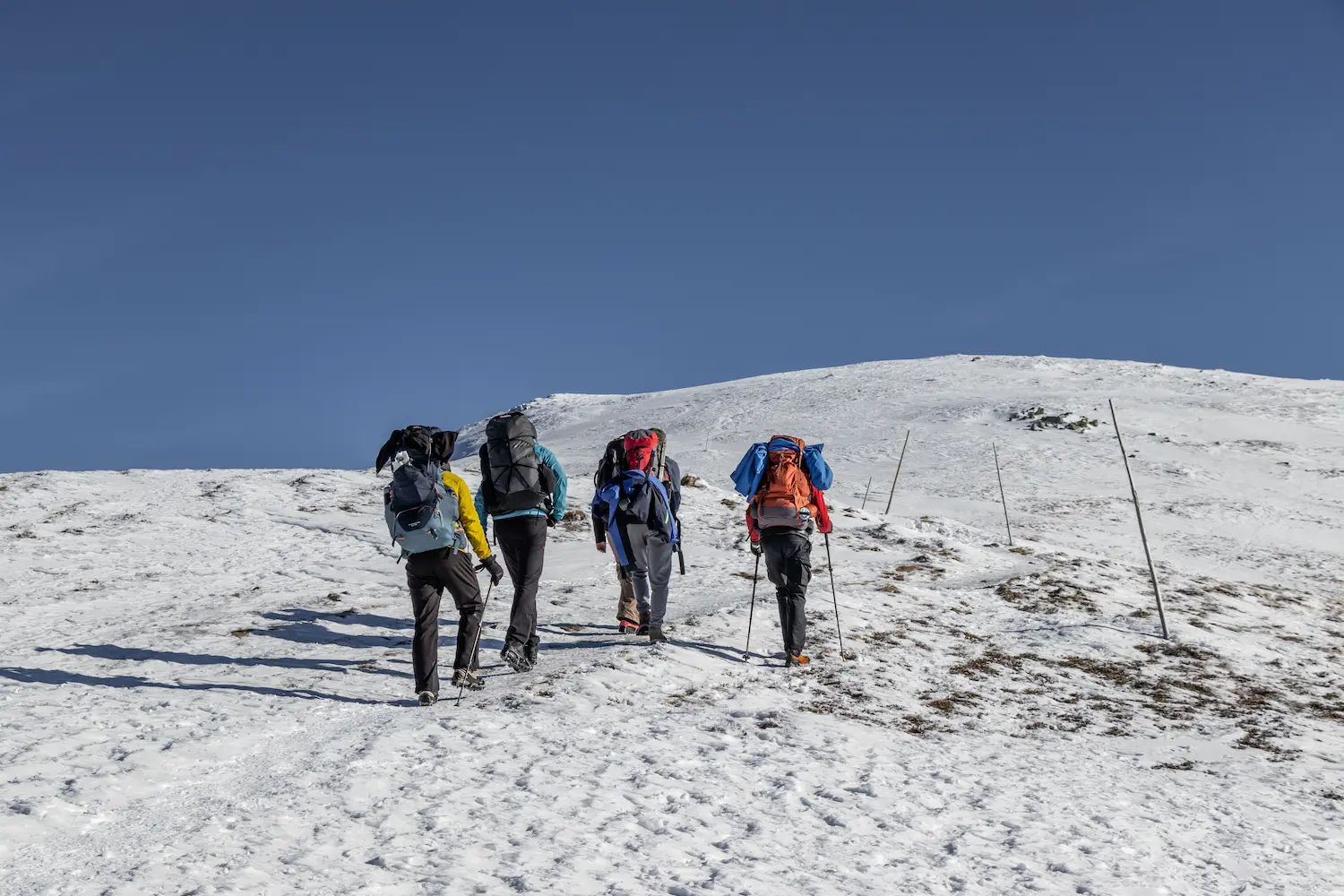
| Adventure & Outdoor Activities | Tandem paragliding over alpine valleys, white-water river rafting along mountain rivers, skiing and snowboarding on snow slopes, high-altitude pass trekking, and quad biking in snow valleys. | Bir Billing, Solang Valley (Manali), Beas River (Kullu), Triund (McLeod Ganj), Hampta Pass, Jalori Pass |
| Wildlife & Safari Experiences | Tracking rare snow leopards in cold deserts, spotting Himalayan brown bears and ibex, birdwatching in oak forests, exploring high-altitude alpine flora, and visiting Himalayan nature parks. | Great Himalayan National Park (Tirthan Valley), Pin Valley National Park (Spiti), Kalatop Wildlife Sanctuary (Dalhousie), Kufri Nature Park |
| Offbeat & Nature Escapes | Walking through sprawling pine forests and apple orchards, camping beside turquoise alpine lakes, relaxing in lush green mountain meadows, stargazing in clear high-altitude skies, and exploring traditional Kath-Kuni wooden villages. | Chandratal Lake, Shangarh Meadows (Sainj Valley), Jibhi, Kinnaur (Kalpa & Chitkul), Barot Valley, Shoja |
| Cultural & Heritage Experiences | Riding the historic UNESCO Kalka-Shimla Toy Train, exploring century-old Tibetan monasteries, attending vibrant mountain Dussehra pageants, walking colonial heritage circuits, and visiting sacred wooden Kath-Kuni temples. | Shimla (Mall Road & Ridge), Key Monastery (Spiti), McLeod Ganj (Tsuglagkhang Complex), Kullu (Kullu Dussehra), Bhimakali Temple (Sarahan) |
| Food & Culinary Experiences | Sampling traditional Dham (festive thali served on leaf plates), savoring steamed Siddu with ghee, tasting authentic Tibetan Thukpa and Momos, relishing pan-fried Himalayan Trout fish, and sipping warm herbal Kangra tea. | Old Manali Cafes, McLeod Ganj & Dharamshala, Kullu & Tirthan River Dhabas, Kangra Valley Tea Estates, Kasol Cafes |
| Spiritual & Wellness Experiences | Bathing in natural geothermal sulfur hot springs, attending Buddhist meditation and chantings at monasteries, practicing yoga in peaceful mountain retreats, and visiting ancient Shakti Peeth temples. | Manikaran Sahib, Vashisht (Manali), Tattapani, Namgyal Monastery (McLeod Ganj), Jwala Ji & Kangra Temples, Dharamkot |
| Shopping & Craft Experiences | Shopping for authentic GI-tagged Kullu and Kinnauri woollen shawls, buying hand-woven Himachali caps (Topi), Tibetan handicrafts and prayer wheels, Kangra miniature paintings, fresh apple products, and Kangra tea. | Kullu Shawl Factories, Shimla Mall Road & Lakkar Bazaar, Tibetan Handicraft Market (McLeod Ganj), Kangra Valley Outlets |
Famous Attractions & Landmarks in Himachal Pradesh
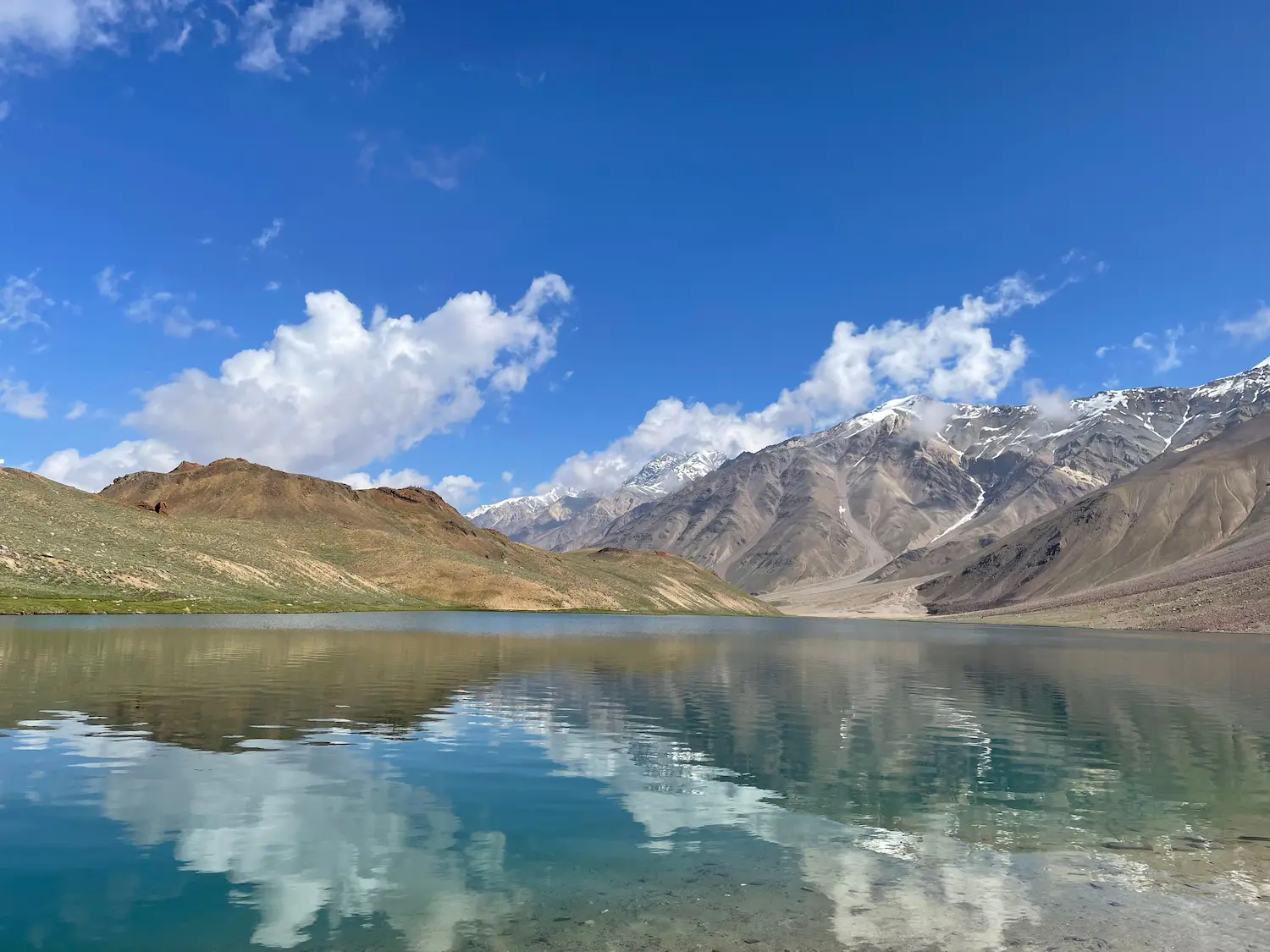
Himachal Pradesh’s attractions reflect its colonial history, Buddhist heritage, Hindu traditions, and dramatic mountain landscapes. Shimla’s Ridge, Christ Church, and Viceregal Lodge reveal the character of the former summer capital, while Manali’s Hadimba Temple and Old Manali offer a mix of culture and mountain-town life. Dharamshala and McLeod Ganj are known for monasteries, Tibetan institutions, and views towards the Dhauladhar range. Further north, Key Monastery and the villages of Spiti introduce a quieter high-altitude landscape, while Rohtang Pass, Khajjiar, Chitkul, and the Great Himalayan National Park represent the state’s varied natural scenery. Access and opening conditions can change seasonally.
Iconic Attractions & Landmarks of Himachal Pradesh
| Destination / Attraction | Region / Location | Category & Significance |
|---|---|---|
| Atal Tunnel & Solang Valley | Manali (Kullu District) | Engineering marvel at 10,040 feet connecting Kullu Valley to Lahaul; hub for skiing, snowboarding, and ropeway rides. |
| Shimla Mall Road & Ridge | Shimla (Capital Region) | Historic pedestrian promenade featuring British colonial architecture, Scandal Point, Christ Church, and panoramic valley views. |
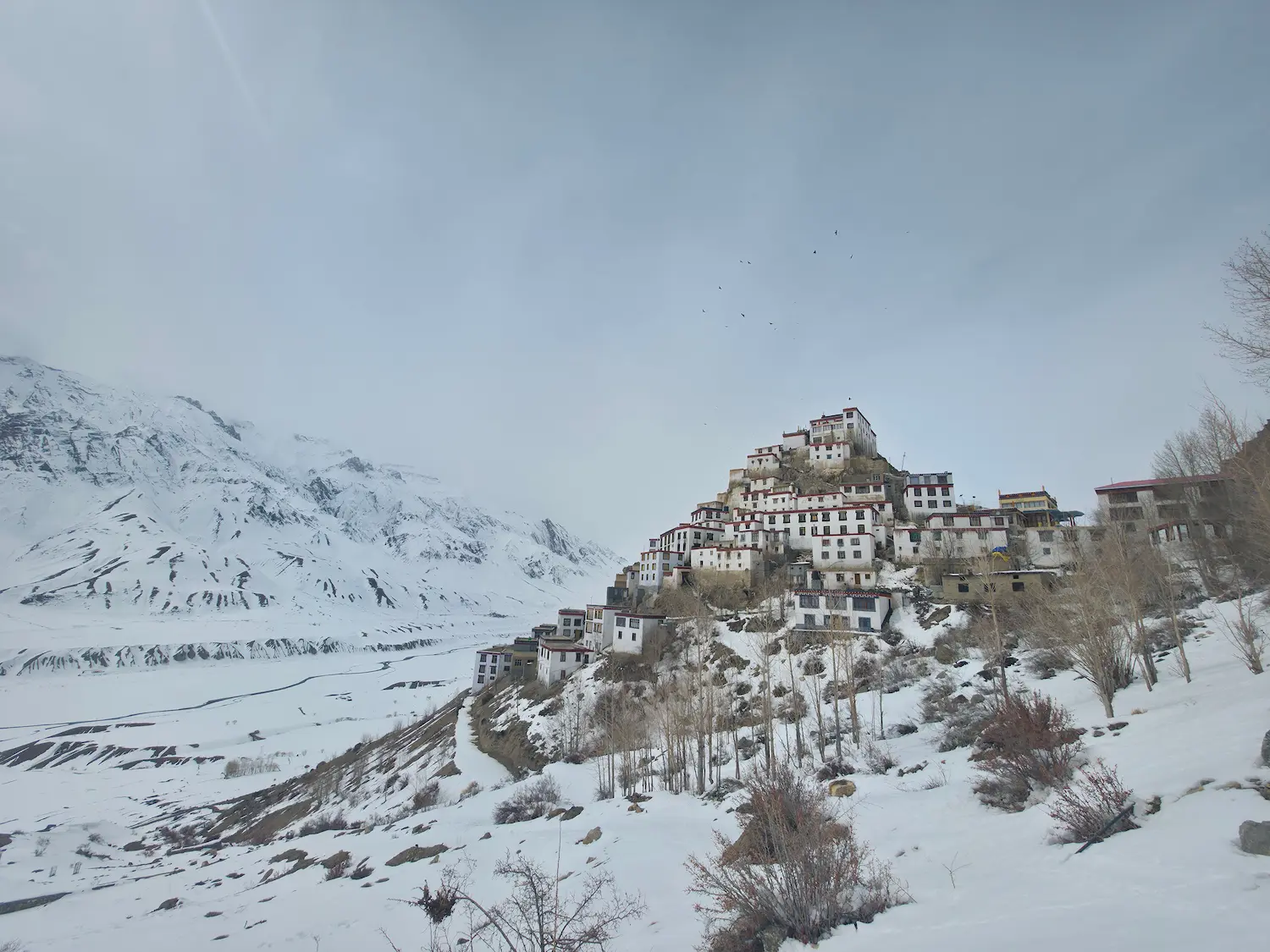
| Key Monastery (Ki Gompa) | Spiti Valley (Lahaul & Spiti) | Iconic 11th-century Tibetan Buddhist monastery perched on a hill at 13,668 feet, housing ancient murals and manuscripts. |
| Bir Billing Paragliding Takeoff Point | Kangra Valley | World-famous tandem paragliding site recognized as Asia’s highest, offering tandem flights over tea gardens and Tibetan monasteries. |
| Chandratal Lake (Moon Lake) | Spiti Valley / Lahaul | Crescent-shaped high-altitude alpine lake (14,100 feet) set against snow-capped peaks, popular for wilderness camping and photography. |
| Tsuglagkhang Complex & Dalai Lama Temple | McLeod Ganj (Dharamshala) | Spiritual seat of His Holiness the 14th Dalai Lama, featuring prayer wheels, Buddhist monk chanting, and the Tibet Museum. |
| Great Himalayan National Park | Tirthan Valley (Kullu District) | UNESCO World Heritage site protecting rare Himalayan wildlife including snow leopards, brown bears, and blue sheep. |
| Khajjiar (“Mini Switzerland of India”) | Chamba / Dalhousie Region | Picturesque saucer-shaped alpine meadow surrounded by dense cedar forests with a small central lake and mountain views. |
| Kalka-Shimla Toy Train | Shimla District | UNESCO World Heritage mountain railway built in 1903, crossing 102 tunnels and 864 bridges through pine-forested hills. |
| Shangarh Meadows & Sainj Valley | Sainj Valley (Kullu District) | Vast pristine alpine turf meadow featuring the ancient wooden Kath-Kuni style Shangchul Mahadev Temple. |
| Bhimakali Temple | Sarahan (Kinnaur District) | Architectural marvel of wood-and-stone Kath-Kuni construction, reverence as one of the 51 sacred Shakti Peethas. |
| Chitkul (Last Village of India) | Sangla Valley (Kinnaur) | Scenic frontier hamlet on the Baspa River, famous for apple orchards, wooden architecture, and Indo-Tibetan border views. |
How to Travel Around Himachal Pradesh
Getting around Himachal Pradesh involves navigating dramatic Himalayan river valleys, steep mountain passes, pin-drop quiet pine forests, and high-altitude cold deserts rather than coastal plains or water canals. The state relies heavily on a robust mountain road network, specialized air corridors, and heritage narrow-gauge rail lines. While intercity highway driving offers breathtaking views of rushing rivers and snow-peaked ridges, mountain transit requires realistic travel timing, and road trips often serve as both a practical mode of transport and the core highlight of the journey.
Long-Distance Travel
By Air: Himachal Pradesh is served by three domestic airports: Kullu-Manali Airport at Bhuntar (KUU) for central valleys, Kangra Airport at Gaggal/Dharamshala (DHM) for western regions, and Shimla Airport at Jubbarhatti (SLV). Flights into these regional airports are subject to mountain weather conditions. Alternatively, many travelers fly into Chandigarh International Airport (IXC) or Indira Gandhi International Airport in Delhi (DEL) and proceed by road via four-lane expressways or luxury Volvo coaches.
By Train: Railway connectivity inside the state consists primarily of two iconic UNESCO World Heritage narrow-gauge heritage lines: the historic Kalka-Shimla Toy Train and the Kangra Valley Railway (connecting Pathankot to Joginder Nagar). Mainline broad-gauge railway lines reach the border foothills at Una Himachal (UHL) and Pathankot Junction (PTK), connected by daily express trains (including Vande Bharat Express services) from Delhi and Chandigarh.
By Road: Major national highways form the primary lifelines of the state, including NH 21 (Chandigarh–Manali Highway), NH 5 (Shimla–Kinnaur Highway), and NH 154 (Pathankot–Mandi). HRTC (Himachal Road Transport Corporation) operates an extensive fleet of Volvo/Scania AC luxury sleeper coaches, Himmani AC buses, and sturdy local ordinary buses connecting main cities, remote mountain villages, and high-altitude passes.
Local & Intra-State Travel
Private Taxis & Rental Cabs: Hiring a chauffeur-driven private SUV or 4×4 vehicle is the most comfortable and reliable way to navigate multi-stop itineraries—especially for tackling steep hairpin curves, high-altitude passes like Rohtang La or Kunzum La, and remote valleys where train lines do not reach. Local taxi union vehicles are commonly required for specific internal sightseeing legs in zones like Manali, Spiti, and Leh routes.
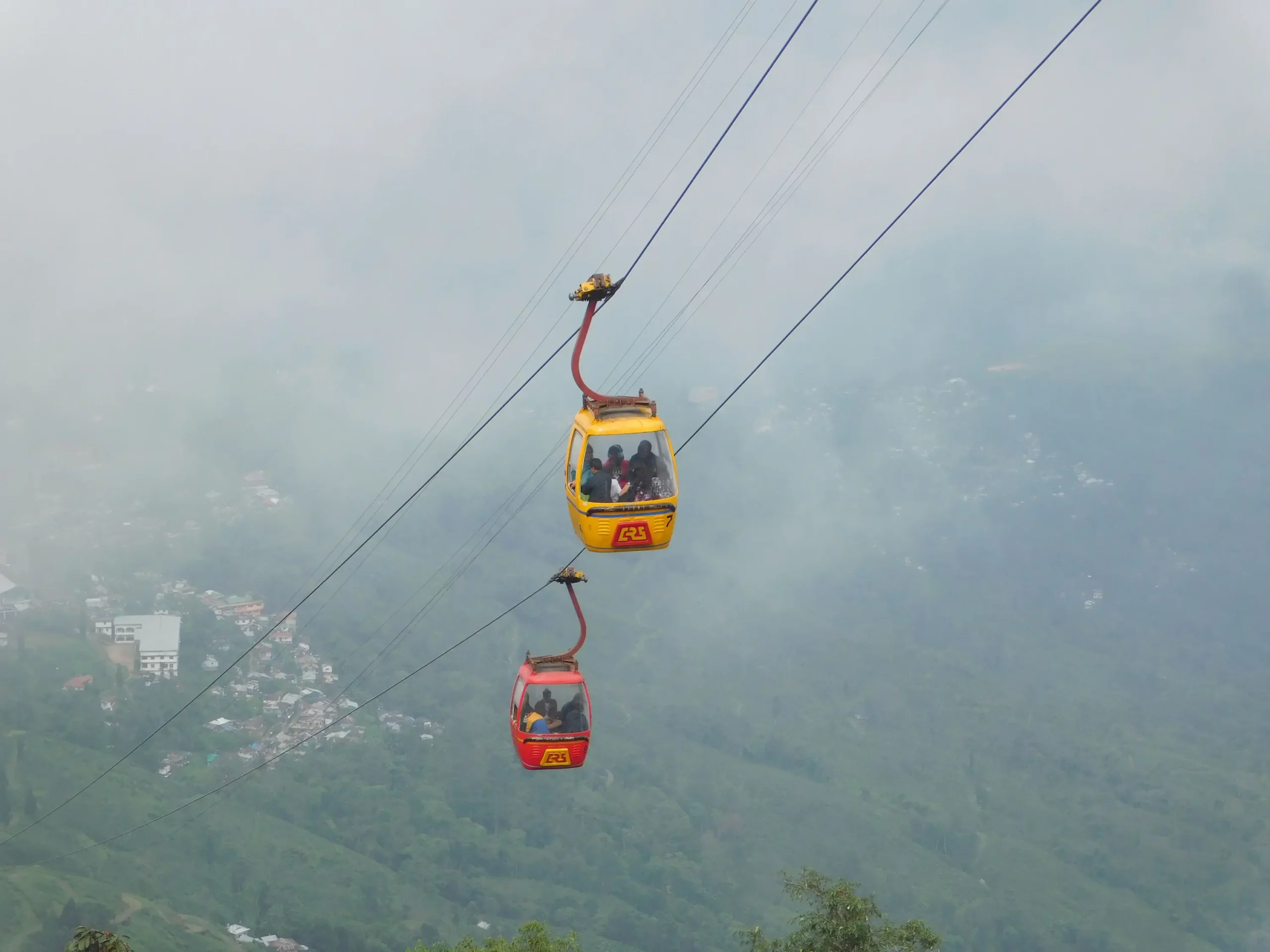
Ropeways & Cable Cars: Aerial ropeways are both a scenic tourist experience and an efficient way to bypass mountain road traffic. Popular transit cable cars operate in Solang Valley, Jakhu Hill (Shimla), Dharamshala–McLeod Ganj Skyway, Timber Trail (Parwanoo), and Naina Devi.
Auto-Rickshaws & Local Taxis: Auto-rickshaws and small local hatchback cabs operate frequently in lower-elevation valley hubs like Dharamshala, Kangra, Mandi, and Solan. In pedestrianized ridge areas such as Shimla Mall Road, vehicles are restricted, making walking promenades and public passenger lifts the primary way to move between upper and lower town tiers.
Shared Sumos & Local Mountain Vans: For budget travelers exploring high-altitude corridors (such as the Spiti Valley circuit, Kinnaur, or Pangi Valley), shared Tata Sumos and Tempo Travellers run fixed-route daily services between mountain hubs like Kaza, Reckong Peo, Rampur, and Kullu.
Where to Stay in Himachal Pradesh
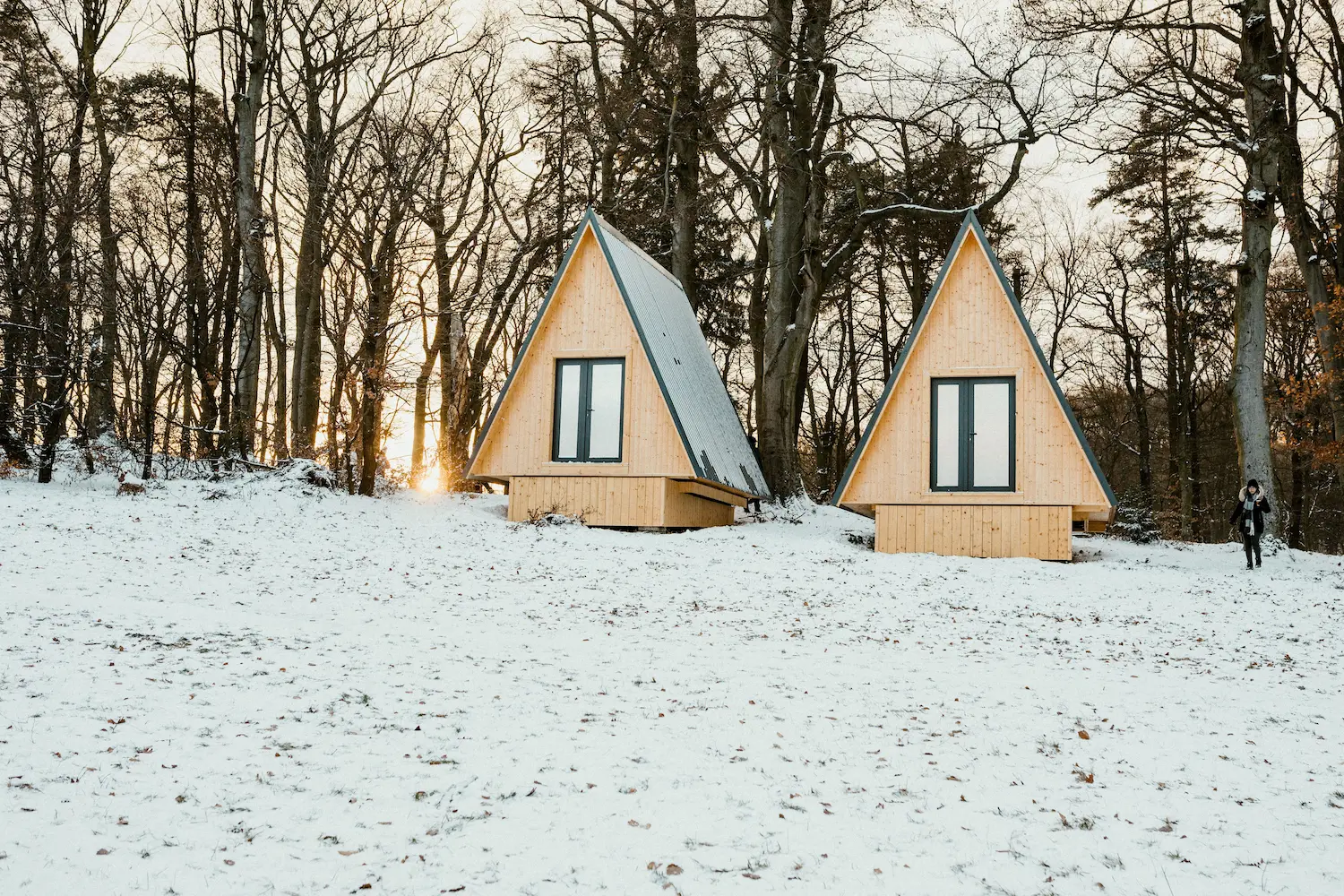
Himachal Pradesh offers accommodation options ranging from social backpacker hostels and traditional wooden homestays to heritage colonial manors, apple orchard retreats, luxury mountain resorts, and high-altitude riverside camps. Where you stay shapes your journey as much as the mountains themselves—a night in a traditional Kath-Kuni wooden cottage in a quiet valley feels entirely different from a stay in a luxury ridge resort or a starry camp along a cold desert river. Choosing accommodation close to key hubs minimizes transit on steep mountain bends, while rural and wilderness stays offer deeper immersion into Himalayan nature.
Types of Accommodation
Heritage Hotels & Colonial Manors: Located in historic hill stations like Shimla, Dalhousie, and Subathu. Restored British-era estates, Victorian mansions, and former royal residences offer cozy fireplaces, classic wooden architecture, manicured lawns, and panoramic views of mountain ridges.
Kath-Kuni Homestays & Village Stays: Himachal is famous for its warm mountain hospitality and traditional timber-and-stone architecture (Kath-Kuni). Staying with a local family in offbeat valleys like Tirthan, Sainj, Jibhi, or Kinnaur provides home-cooked Himachali meals (Siddu and local curries), apple orchard walks, and authentic cultural insights.
Orchard Bungalows & Forest Cottages: Set among sprawling apple, plum, and cherry orchards across Manali, Naggar, Kotgarh, and Sangla Valley. These peaceful wooden chalets and pine-clad cottages offer crisp alpine air, private balconies facing snow-capped peaks, and tranquil nature trails.
Backpacker Hostels & Co-Working Hubs: Concentrated in bohemian and youth-centric hubs like McLeod Ganj, Old Manali, Bir Billing, Kasol, and Jibhi. Vibrant hostel networks (such as Zostel, Hosteller, and Alt Life) cater to solo travelers and digital nomads with high-speed Wi-Fi, shared dorms, lively social cafes, and daily group day-hikes.
High-Altitude Campsites & Glamping: Situated along trekking routes and high-altitude landscapes like Chandratal Lake, Spiti Valley, Baralacha La, Kasol, and Solang Valley. Options range from budget dome tents for trekkers to luxury Swiss glamping tents with attached baths, heated bedding, and starlit bonfires along roaring mountain rivers.
Monastery Guesthouses & Tibetan Stays: Found in spiritual corridors like McLeod Ganj, Dharamkot, Bir, and high-altitude Spiti Valley (Key, Tabo, Dhankar). These modest, serene accommodations cater to mindfulness seekers, offering peaceful monk-led surroundings, vegetarian Tibetan meals, and proximity to ancient chanting halls.
Himachal Pradesh Travel Tips
Travelling through Himachal Pradesh requires more planning than simply choosing a hill town and booking a room. Distances that look short on a map can take several hours because of narrow roads, traffic, weather, and mountain terrain. A realistic itinerary should leave space for delayed buses, road repairs, rain, and unplanned overnight stops.
Plan Around the Region
Himachal Pradesh is not one uniform destination. Shimla, Manali, Dharamshala, Kinnaur, Spiti, Lahaul, and Tirthan each have different road conditions, altitudes, weather patterns, and travel rhythms. Choose one region for a short trip rather than trying to cover the entire state. Combining distant valleys often results in spending more time in vehicles than at the destination.
Check Seasonal Access
Weather changes quickly in the mountains. Monsoon rain can bring landslides and road closures, while winter snow may affect access to high passes and remote villages. Before leaving, check local road updates, weather forecasts, and advice from your accommodation. Keep one flexible day in the itinerary, especially when travelling to high-altitude areas.
Travel Carefully at Altitude
If your route includes places such as Spiti, Kinnaur, or Lahaul, allow time to adjust rather than moving rapidly between high-altitude locations. Stay hydrated, avoid strenuous activity immediately after arrival, and take symptoms such as severe headache, dizziness, nausea, or unusual breathlessness seriously. Descending is important if symptoms worsen.
Choose Transport Wisely
Buses are economical and useful on established routes, but services may be infrequent in remote areas. Shared taxis reduce costs, while private taxis provide greater flexibility. Confirm the total fare, inclusions, waiting charges, and sightseeing arrangements before starting a journey. Avoid driving unfamiliar mountain roads after dark.
Pack for Changeable Conditions
Carry warm layers even in warmer months, along with sturdy footwear, rain protection, sunscreen, personal medication, and a reusable water bottle. Mobile connectivity and ATMs may be unreliable outside major towns, so keep some cash and download essential maps or travel information in advance.
Travel Responsibly
Use refillable bottles, avoid single-use plastic, respect local customs, and ask before photographing people or religious spaces. Stay on marked trails, do not disturb wildlife, and choose locally owned homestays, cafés, guides, and transport providers where possible. In the mountains, responsible travel is also a practical way to protect the places that make the journey worthwhile.
Responsible Travel in Himachal Pradesh
Responsible travel in Himachal Pradesh means paying attention to how your visit affects mountain ecosystems, local communities, and limited resources. The state’s popular valleys already experience pressure from traffic, construction, waste, and seasonal crowding, so small decisions can make a practical difference.
Reduce Waste: Carry a reusable bottle, cloth bag, and basic personal items instead of relying on disposable products. Himachal Pradesh Tourism advises visitors not to leave non-biodegradable waste behind and notes that polythene is banned in the state. Keep wrappers and other rubbish with you until you find an authorised collection point. Do not throw plastic or disposable crockery into rivers, valleys, or roadside areas.
Support Local Businesses: Choose locally owned homestays, cafés, shops, guides, and transport providers where possible. This keeps more of your spending within the destination and creates a more direct connection with local life. Eat regional food, buy practical handmade products, and ask about the origin of souvenirs rather than purchasing items made from protected plants, wildlife products, or cultural artefacts.
Respect Communities: Villages, monasteries, temples, and family homes are not simply backdrops for photographs. Dress appropriately, follow local customs, and ask permission before photographing residents, religious ceremonies, or private property. Keep noise low, especially in rural areas and near monasteries. A homestay should be treated as someone’s home, not as a hotel without formal rules.
Protect Nature: Stay on established trails, avoid picking flowers or plants, and never feed or chase wildlife. In the Great Himalayan National Park, visitors need prior permission, and trekking routes must be approved with the relevant park authorities. The park also prohibits disturbing animals, collecting plants, leaving non-biodegradable litter, and lighting open fires.
Use Resources Carefully: Water, electricity, and waste-management facilities can be limited in remote mountain communities. Take shorter showers, avoid unnecessary laundry, switch off heating and lights when not needed, and refill bottles through safe sources. Travel with realistic expectations: sustainable accommodation may involve fewer facilities but stronger local connections.
Responsible travel is not about avoiding Himachal Pradesh; it is about visiting with enough care that its landscapes, communities, and local character are not treated as expendable.