
Karnataka doesn’t announce itself with a single postcard image. It unfolds in layers: the energy of Bengaluru giving way to the monumental ruins of Hampi, the coffee-covered hills of Coorg, the temple towns of the Deccan, and the beaches of Gokarna and coastal Karnataka. Its landscapes, history, food and travel experiences vary considerably from one region to another.
I’ve come to think of Karnataka as a state best explored by connecting these different experiences rather than treating its famous destinations as isolated stops. You can explore Hampi’s Vijayanagara heritage, walk through the Western Ghats around Coorg or Chikmagalur, experience Mysuru’s royal traditions, or head towards Bandipur and Nagarhole for wildlife. Each part of Karnataka calls for a slightly different pace and approach.
This Karnataka travel guide brings those experiences together with practical information on the best places to visit, the best time to travel, itineraries, travel circuits, things to do, attractions, accommodation, budgets and getting around. The aim is to help you plan a trip that fits your time, interests and travel style while understanding what makes each region different.
Table of Contents
Karnataka Travel at a Glance
| Travel Detail | Karnataka |
|---|---|
| Location | Southern India, stretching from the Western Ghats to the Arabian Sea |
| Capital | Bengaluru |
| Known For | Heritage, temples, wildlife, coffee country, beaches and diverse landscapes |
| Top Destinations | Bengaluru, Mysuru, Hampi, Coorg, Chikkamagaluru, Gokarna and Udupi |
| Best Time to Visit | October to February for generally pleasant weather across many regions |
| Ideal Trip Duration | 7–14 days for exploring multiple regions |
| Getting Around | Trains, buses, taxis, rental vehicles and domestic flights |
| Best For | Heritage, nature, wildlife, beaches, road trips, food and cultural travel |
Hill Station Retreat: Practical Field Notes & Lessons from the Road (4–5 Days | Bengaluru → Chikmagalur → Coorg)
Among the short mountain getaways across the Western Ghats, this Bengaluru–Chikmagalur–Coorg loop remains my most balanced recommendation for families, couples, and first-time hill-station travelers from South Karnataka. It layers coffee-country serenity, high-point sunrises, and Kodava culture into a drive that feels restorative rather than exhausting.
1. Personal Experience & Route Strategy: Let the Ghats Set the Pace
The route is simple on paper, but the quality of the trip depends on how you handle the hill sections. I leave Bengaluru before 6:00 AM via NH75 to beat city traffic at the Nelamangala toll gate. The 240–250 km drive to Chikmagalur takes roughly 4.5–5.5 hours, with an optional 1-hour heritage detour at Hassan to visit Belur’s Chennakesava Temple.
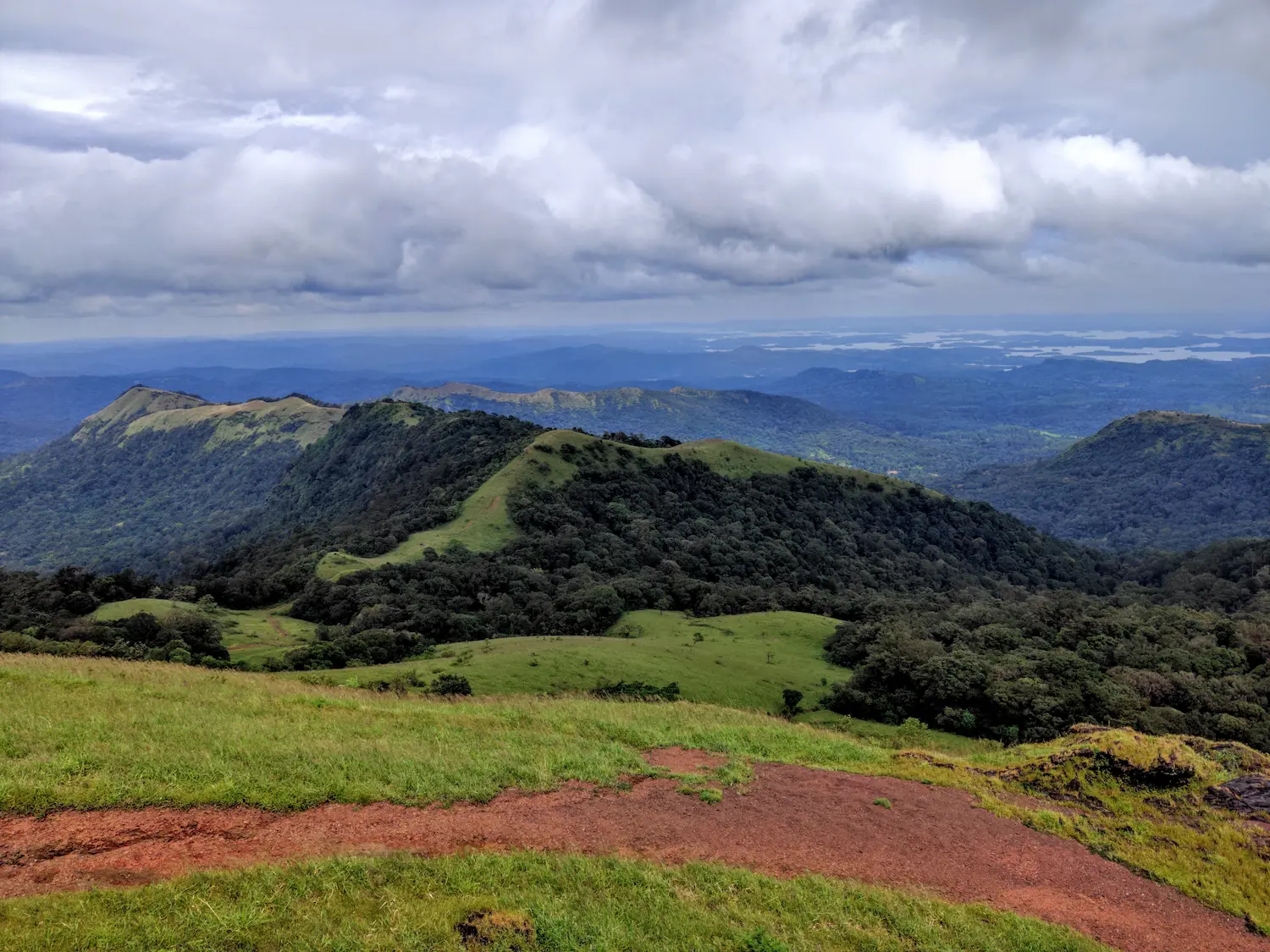
In Chikmagalur, plan Mullayanagiri and Baba Budangiri for an early morning. Reaching the Mullayanagiri base check post before 6:30 AM makes a massive difference: mountain roads are clear, mist rolls over the peaks rather than blocking visibility, parking at the base steps is manageable, and you avoid the narrow-lane bottlenecks that build by 9:00 AM.
On Day 3, shift to Coorg (Madikeri)—a 140–150 km drive taking 3.5–4.5 hours depending on state highway conditions via Mudigere or Hassan. My preferred Coorg rhythm is slow mornings at viewpoints or waterfalls, afternoons inside coffee estates or local heritage sites, and evenings at Raja’s Seat. Never squeeze Dubare Elephant Camp into a late afternoon; it operates in fixed morning and afternoon windows and feels rushed if you arrive close to session close.
2. Ground-Level Budgeting & Daily Costs
This circuit offers flexible accommodation and transit choices for various budget tiers:
Accommodation Spend
- Bengaluru (Transit Corridor): ₹2,000–4,000/night for a clean mid-range hotel near the highway or airport corridor.
- Chikmagalur: ₹1,500–3,500/night for a central town hotel or basic homestay; experiential coffee-estate stays with meals typically range from ₹2,500 to ₹6,000 per person per night.
- Coorg (Madikeri & Environs): ₹1,800–4,500/night for budget/mid-range homestays; premium estate villas and luxury resorts range from ₹8,000 to ₹18,000+ per night.
Transport Spend Estimates
- Bengaluru to Chikmagalur Cab (One-Way): ₹5,000–7,000 depending on vehicle size (Sedan vs. SUV).
- Chikmagalur to Coorg Transfer: ₹3,500–5,000.
- Full 5-Day Dedicated Cab Circuit: Bengaluru–Chikmagalur–Coorg–Bengaluru (~650–700 km total) costs ₹13,000–19,000 including driver allowances and fuel (excluding tolls/state taxes).
- Local Mountain Transfers: Off-road sites like Jhari Waterfalls require local 4×4 jeeps, costing ₹700–1,200 per vehicle.
3. Road Rhythm & 5-Day Circuit Itinerary
This circuit flows smoothly when structured with early departures to handle the Western Ghats terrain:
- Day 1 (Bengaluru → Belur → Chikmagalur): 240–250 km | 4.5–5.5 hrs. Leave early; optional heritage stop at Belur; evening at Hirekolale Lake or Chikmagalur market.
- Day 2 (Chikmagalur High Points): Mullayanagiri Peak sunrise (~1,930 m altitude), Baba Budangiri ridge, and Jhari Waterfalls via local jeep transfer; afternoon coffee estate tour.
- Day 3 (Chikmagalur → Coorg / Madikeri): 140–150 km | 3.5–4.5 hrs. Drive to Kodagu district; visit Abbey Falls, Madikeri Fort, Omkareshwara Temple; sunset at Raja’s Seat.
- Day 4 (Coorg Heritage & River Arc): Morning session at Dubare Elephant Camp along the Cauvery River; mid-day at Cauvery Nisargadhama and Bylakuppe Tibetan Settlement (Golden Temple).
- Day 5 (Coorg → Bengaluru): 250–270 km | 5.5–6.5 hrs. Morning spice/coffee shopping; return drive via Mysore Expressway (NH275) or Channarayapatna.
4. Ground-Fact Verification: Site Access, Fees & Entry Rules
- Mullayanagiri & Baba Budangiri Pass Rules: The Chikkamagaluru district administration enforces an online vehicle toll and entry pass system for the Chandradrona Hill Range to manage ecology and traffic. Passes are issued per vehicle (Bikes ~₹50, Cars ~₹100, TT ~₹200) across two slots: Morning (6:00 AM–12:00 PM) and Afternoon (1:00 PM–6:00 PM). Book ahead via the official district tourism gate (
pgbiz.omniware.in/chikkamagalurutourism) and screenshot your pass before losing mobile network on the mountain. - Abbey Falls (Madikeri): Open 8:00 AM–5:30 PM. Entry fee is ~₹15–30 per person plus parking. Requires a short walk down ~200 concrete steps (slippery in monsoon; wear sturdy shoes). Swimming in the falls pool is strictly prohibited.
- Raja’s Seat (Madikeri): Open 5:30 AM–8:00 PM. Entry fee is ~₹5–10 per person; separate charges apply for the toy train and musical fountain. Arrive 45 minutes before sunset for prime views.
- Dubare Elephant Camp: Operates strictly in two slots: Morning (9:00 AM–11:00 AM) and Afternoon (4:30 PM–5:30 PM). Entry fee is ~₹20–50; additional charges apply for river boat crossings, elephant bathing, and feeding sessions. Arrive 30–45 minutes prior to session start.
- Namdroling Monastery (Bylakuppe): Open daily 9:00 AM–6:00 PM. Free entry. Maintain quiet inside prayer halls; photography of golden statues is permitted without flash.
This 4–5 day hill-station arc delivers Karnataka’s rich coffee-country atmosphere and Kodava traditions without excessive transit fatigue. With updated online pass systems, transparent driver rates, and distinct regional stops, it provides a well-organized and memorable journey through South India’s Western Ghats.
Best Places to Visit in Karnataka
Karnataka’s best places reveal themselves to travellers who trade rush for rhythm. Hampi’s Vijayanagara ruins sprawl across a boulder landscape that feels older than memory—cycle past rice fields to hidden shrines, climb at dawn, and let the silence do the talking. Mysuru’s palace draws crowds, yet the city’s pulse beats stronger in Devaraja Market’s spice stacks and heritage cafés serving the state’s finest filter coffee.
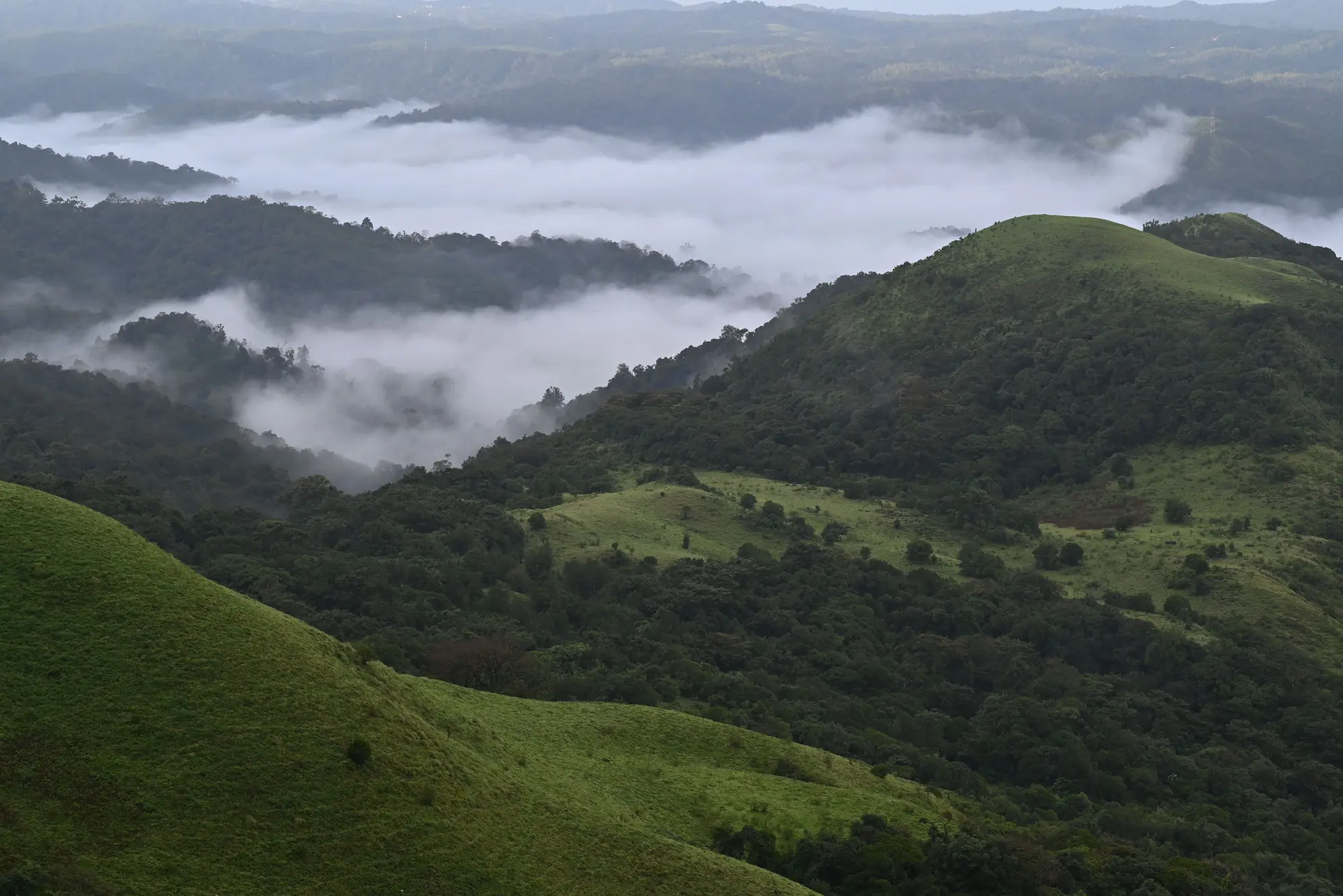
Westward, the Western Ghats rise in misted tiers: Coorg and Chikkamagaluru offer coffee-estate homestays, waterfall treks, and cool-air respite. The coast tempers expectation with substance—Gokarna’s temple-town calm, Udupi’s monastic heritage and coastal cuisine. For wildlife, Bandipur–Nagarhole and Kabini remain among India’s most reliable tiger-and-elephant corridors, where dry teak forests give way to riverine grasslands at golden hour.
Popular Destinations in Karnataka
| Category | Top Destinations | Key Highlights & Attractions |
|---|---|---|
| Cities & Urban Hubs | Bengaluru • Mysuru (Mysore) • Mangaluru • Hubballi-Dharwad | Silicon Valley vibes, pub culture, Cubbon Park, Lalbagh, and Bengaluru Palace • Cultural capital, grand Mysore Palace, Chamundi Hill, Devaraja Market, and Dasara • Coastal port city, famous Mangalorean seafood, St. Aloysius Chapel, and beaches • Commercial hub of North Karnataka, rich Hindustani musical heritage, and Unkal Lake |
| Heritage & Ancient Ruins | Hampi • Badami, Aihole & Pattadakal • Belur & Halebidu • Bijapur (Vijayapura) | UNESCO site of Vijayanagara Empire ruins, Virupaksha Temple, and boulder landscapes • Chalukyan rock-cut cave temples, sandstone cliffs, and early temple architecture • Masterpiece Hoysala stone carvings, Chennakesava Temple, and Hoysaleswara Temple • Deccan Sultanate architecture, monumental Gol Gumbaz, and Ibrahim Rauza |
| Hill Stations & Coffee Estates | Coorg (Madikeri) • Chikmagalur • Sakleshpur • Nandi Hills | Coffee plantations, Kodava heritage, Abbey Falls, Raja’s Seat, and Namdroling Monastery • Mullayanagiri peak (highest in Karnataka), Baba Budangiri, and lush coffee trails • Scenic railway treks, green hills, Star Fort (Manjarabad), and cardamom estates • Historic hilltop fort, sunrise views, fog-covered valley vistas near Bengaluru |
| Beaches & Coastal Escapes | Gokarna • Udupi & Malpe • Murudeshwar • Karwar | Cliffside beach trekking, Om Beach, Kudle Beach, and Mahabaleshwar Temple • Krishna Temple, St. Mary’s basaltic rock island, Malpe sea walk, and Udupi cuisine • World’s second-tallest Shiva statue, soaring beachside Rajagopuram, and water sports • Secluded beaches, Kali River estuary, Tagore Beach, and coastal seafood trails |
| Wildlife & Nature Reserves | Kabini (Nagarhole) • Bandipur • Dandeli • BR Hills & Ranganathittu | Kabini River boat safaris, black panther sightings, and wild Asian elephant herds • Project Tiger reserve, dry deciduous teak forests, and Nilgiri Biosphere reserve • Kali River white-water rafting, dense jungle stays, hornbills, and Kavala Caves • Where Eastern & Western Ghats meet, plus riverine bird sanctuary boating tours |
| Waterfalls & Scenic Landscapes | Jog Falls • Shivanasamudra • Agumbe • Gokak Falls | India’s second-highest plunge waterfall created by the Sharavathi River • Twin Kaveri River drops (Gaganachukki and Bharachukki) in dramatic monsoon glory • “Cherrapunji of the South”, rainforest biodiversity center, and sunset viewpoints • Horseshoe-shaped waterfall dropping over sandstone cliffs on the Ghataprabha River |
Best Time to Visit Karnataka
Karnataka’s calendar splits cleanly by region, not just by month. October to February brings dry, cool air across most of the state—ideal for Hampi’s boulder fields, Mysuru’s palace circuits, and wildlife safaris in Bandipur–Nagarhole, when animals gather at shrinking waterholes. Coastal belts turn pleasant from November onward, with Gokarna and Udupi shedding monsoon humidity for walkable beaches and temple visits.
The Western Ghats—Coorg, Chikkamagaluru, Sakleshpur—stay green and cool through monsoon (June–September), rewarding trekkers and coffee-estate visitors with misted ridges and full waterfalls, though road conditions demand caution. Summer (March–May) heats the plains but keeps hill stations comfortable; it’s also prime time for wildlife viewing as heat concentrates animals near water.
Karnataka Weather & Travel Seasons
| Season | Months | Typical Conditions | Highlights & Best Activities | Travel Status |
|---|---|---|---|---|
| Winter (Peak Season) | October–February | Crisp, cool, and dry weather across the state (15°C to 28°C), with chilly mornings in Western Ghats hill stations. | Exploring Hampi & Badami ruins, Mysore Dasara celebrations, wildlife safaris at Kabini & Bandipur, beach trekking in Gokarna. | Peak Season — Ideal weather state-wide; high tourist footprint and advance bookings recommended |
| Summer | March–May | Hot and dry in inland plains & Northern heritage sites (up to 40°C), warm on the coast, mild in hill stations. | Escaping to Coorg & Chikmagalur coffee plantations, early morning wildlife sightings, beach breaks in Udupi & Karwar. | Shoulder / Off-Peak — Hot in heritage hubs like Hampi, but popular for Western Ghats hill retreats |
| South-West Monsoon | June–September | Heavy downpours along the Karavali coast and Western Ghats, mist-shrouded hills, and swollen rivers. | Witnessing Jog Falls & Shivanasamudra in full force, white-water rafting in Dandeli, Agumbe rainforest treks. | Monsoon Season — Great for waterfall chasing and nature lovers; discounts on luxury stays |
| Post-Monsoon Retreat | September–October | Receding rains, lush green countryside, comfortable temperatures, and clear skies returning. | Photography at Belur & Halebidu temples, coffee blossom/harvest season start, birdwatching at Ranganathittu. | Shoulder Season — Prime time for lush green views before the main winter crowd arrives |
Karnataka Travel Itineraries
Karnataka rewards itineraries built around themes, not just checklists. A first-time heritage run anchors on Hampi’s Vijayanagara sprawl and Mysuru’s palace city, with Hoysala temples at Belur–Halebidu as a sculptural detour. Add two nights in Coorg or Chikkamagaluru for coffee-estate air and waterfall walks, and the state’s classic triangle clicks into place.
Wildlife-focused routes thread Bengaluru–Mysuru–Kabini–Bandipur, where dry forests and river edges deliver reliable tiger and elephant sightings in winter. Coastal travellers can string Udupi’s temple cuisine, Murudeshwar’s shoreline shrine, and Gokarna’s beach–temple calm into a four-day arc. Ten days opens a fuller loop: Bengaluru, Mysuru, the hills, the coast, then Hampi—minimising backtracking while capturing Karnataka’s distinct regional rhythms.
Karnataka Trip Ideas by Duration
| Itinerary Name | Target Duration | Route Covered | Key Highlights | Best Suited For |
|---|---|---|---|---|
| Royal Heritage & Culture Express | 3–4 Days | Bengaluru → Mysuru → Seringapatam | Bangalore Palace, Mysuru Palace light show, Chamundi Hill, Tipu Sultan’s Summer Palace, and Devaraja Market. | Weekend travelers, history buffs, and first-time visitors looking for a quick getaway. |
| Coffee County & Hill Station Retreat | 4–5 Days | Bengaluru → Chikmagalur → Coorg (Madikeri) | Coffee estate walks, Mullayanagiri peak views, Abbey Falls, Raja’s Seat sunset, and Namdroling Tibetan Monastery. | Couples, nature lovers, photographers, and leisure travelers seeking mountain climate. |
| Ancient Empires Heritage Circuit | 5–6 Days | Hubballi / Hospet → Hampi → Badami → Aihole → Pattadakal | UNESCO ruins of Vijayanagara, Virupaksha Temple, coracle river rides, Chalukyan cave temples, and stone architecture. | Heritage enthusiasts, architectural historians, backpackers, and culture explorers. |
| Classic South Karnataka Highlights | 6–7 Days | Bengaluru → Mysuru → Kabini → Coorg → Belur & Halebidu | Mysore heritage, Kabini River wildlife safaris, coffee plantation stays, and intricate Hoysala temple stone carvings. | Families, wildlife lovers, and first-time Karnataka travelers wanting a balanced route. |
| Karavali Coastal & Beach Explorer | 4–5 Days | Mangaluru → Udupi → Murudeshwar → Gokarna | Mangalorean seafood trail, St. Mary’s basaltic rock island, towering Murudeshwar Shiva statue, and Gokarna cliff beach treks. | Beach lovers, seafood foodies, backpackers, and coastal road-trippers. |
| Wild Karnataka & Rainforest Trail | 5–6 Days | Bengaluru → Bandipur → Kabini → Nagarhole → BR Hills | Jeep and boat safaris, wild elephant sightings, black panther tracking, jungle lodges, and birdwatching tours. | Wildlife photographers, safari enthusiasts, and eco-tourists. |
| Western Ghats & Waterfall Adventure | 4–5 Days | Bengaluru → Shivanasamudra → Jog Falls → Dandeli | Twin Kaveri river drops, Sharavathi Valley views, Kali River white-water rafting, and rainforest jungle camping. | Adventure seekers, trekkers, and monsoon travelers chasing waterfalls. |
| North Karnataka Sultanate Trail | 4–5 Days | Kalaburagi (Gulbarga) → Vijayapura (Bijapur) → Bidar | Gol Gumbaz whispering gallery, Ibrahim Rauza, Bidar Fort architecture, and Deccan Sultanate heritage structures. | Offbeat history explorers, arch-architecture lovers, and solo travelers. |
| Grand Karnataka Panorama | 10–12 Days | Bengaluru → Mysuru → Kabini → Coorg → Hassan → Hampi → Gokarna | Comprehensive state tour: urban hubs, royal palaces, tiger reserves, hill coffee estates, Hoysala temples, Hampi ruins, and coastal beaches. | Long-vacation travelers, international tourists, and complete travel guide readers. |
Karnataka by Budget
Karnataka accommodates every travel style without forcing compromise. The state’s infrastructure—reliable KSRTC buses, widespread homestays, and a mature hospitality sector—means budget choices feel practical, not punitive, while luxury stays deliver substance over spectacle.
Budget Travel
(₹1,500–2,500 per day)
Backpackers and cost-conscious travellers can move comfortably on ₹1,500–2,500 daily. Hostels and budget guesthouses in Bengaluru, Mysuru, and Hampi run ₹500–1,200 per night; homestays in Coorg or Chikkamagaluru often include meals for ₹800–1,500. KSRTC buses connect major hubs at a fraction of private taxi costs, while local autorickshaws and app-based cabs handle short hops. Street food—idli-vada sets, Mangalorean buns, Hampi’s thali plates—keeps meal costs under ₹200 without sacrificing flavour or hygiene.
Mid-Range Travel
(₹3,500–6,000 per day)
Mid-range travellers gain comfort and flexibility: 3-star hotels or boutique homestays (₹1,500–3,000), hired taxis for day trips, and guided heritage walks in Mysuru or Hampi. This bracket opens experiences like private wildlife safaris in Kabini, coffee-estate tours with tasting sessions, and coastal stays in Udupi or Gokarna that balance location and amenity. Meals shift to sit-down restaurants without price anxiety, and domestic flights become viable for time-pressed itineraries.
Luxury Travel
(₹8,000–18,000+ per day)
Luxury in Karnataka leans toward heritage and nature: palace conversions in Mysuru, jungle lodges along the Kabini River, and plantation bungalows in Coorg. Properties like Evolve Back, Taj, and The Oterra command ₹8,000–20,000+ per night but deliver curated experiences—private naturalist-led safaris, chef-driven regional menus, spa treatments rooted in local traditions. Private SUVs with driver-guides eliminate transit friction, while bespoke itineraries weave UNESCO sites, wildlife corridors, and coastal interludes at an unhurried pace.
Karnataka by Travel Type
Karnataka works well for travellers who want to mix different experiences rather than follow a fixed travel style. A single trip can bring together heritage sites, lively cities, coffee-growing hills, beaches, wildlife areas, local food, and quieter towns. You can keep the pace relaxed with homestays and regional experiences or plan a more active journey around road trips, trekking, temples, and nature. The right combination depends on your interests, travel time, budget, and how much of the state you want to cover.
Karnataka for Couples
Couples enjoy misty mountain sunrises in Chikmagalur, private coffee estate villas in Coorg, candlelit riverside dining in Kabini, and secluded beach walks along Gokarna’s coast. Experiential homestays, Kodava heritage walks, tranquil boat rides along the Cauvery River, and boutique luxury stays create a balanced blend of romance, nature, and quiet privacy.
Karnataka for Families
Families benefit from broad multi-lane highways, rich royal palaces in Mysuru, gentle elephant interactions at Dubare, accessible forest safaris in Nagarhole, and family-friendly beach resorts in Udupi or Mangaluru. Interactive heritage sites, scenic waterfalls, and well-managed sanctuaries make multi-generational road travel easy and educational.
Karnataka for Solo Travellers
Solo travelers will find a welcoming culture, an extensive network of backpacker hostels (Zostel, Hosteller, and local hubs in Hampi, Gokarna, and Coorg), reliable public KSRTC buses, and easy walkability. Exploring ancient Vijayanagara ruins in Hampi by bicycle, cliffside cafes in Gokarna, or trekking Western Ghats trails makes independent exploration straightforward and rewarding.
Karnataka for Backpackers
Backpackers can explore Karnataka affordably by using Karnataka State Road Transport Corporation (KSRTC) Ordinary and Sarige buses, passenger trains, local South Indian thalis at mess eateries, and budget guesthouses. From bouldering across Hampi’s surreal landscapes to coastal camping in Gokarna, Karnataka offers vast historical and coastal depth on a modest daily budget.
Karnataka for Wildlife & Adventure Seekers
Thrill-seekers and nature lovers can trek to Mullayanagiri and Kudremukh peaks, raft white-water rapids along the Kali River in Dandeli, spot leopards and tigers in Kabini or Bandipur, and go scuba diving near Netrani Island off Murdeshwar. Diverse habitats ranging from evergreen rainforests to riverine jungles deliver unmatched outdoor action.
Karnataka for First-Time Visitors
First-time visitors should start with the classic Coffee, Heritage & Royals Arc: Bengaluru (tech capital & gardens), Mysuru (royal palaces & silk markets), Coorg (coffee estates & Kodava culture), and Chikmagalur (misty mountains & Hoysala temples). Connected by high-speed expressways and scenic state highways, this loop offers the ideal introduction to South Karnataka.
Things to Do in Karnataka
Karnataka’s activities unfold across distinct landscapes, each demanding its own pace. Hampi rewards slow exploration—cycle through boulder fields to hidden shrines, climb Matanga Hill at dawn, trace Vijayanagara’s royal quarters on foot. Mysuru’s palace draws crowds, yet the city’s deeper pleasures lie in Devaraja Market’s spice stacks, heritage café hops, and Dasara-season illuminations.
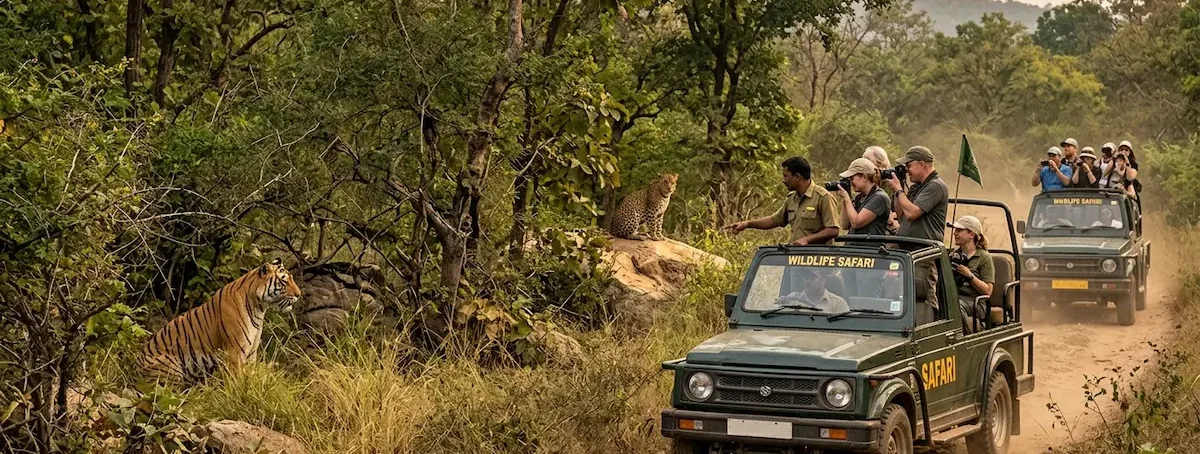
Head west for Western Ghats treks: Tadiandamol, Brahmagiri, and Kodachadri offer ridge walks through coffee-scented mist and monsoon-fed waterfalls. Wildlife enthusiasts find reliable tiger and elephant sightings in Kabini, Bandipur, and Nagarhole, where jeep safaris and coracle rides along river edges sharpen the experience. Coastal travellers can temple-hop in Udupi, beach-walk Gokarna’s Om and Kudle shores, or try river rafting in Dandeli’s Kali reserve.
Popular Activities & Experiences in Karnataka
| Experience Category | Top Things to Do | Best Locations |
|---|---|---|
| Adventure & Outdoor Activities | Trekking to misty peak summits, white-water rafting on the Kali River, bouldering across surreal landscapes, scuba diving near Netrani Island, and surfing along coastal beaches. | Chikmagalur (Mullayanagiri), Kudremukh, Dandeli, Hampi, Gokarna, Netrani Island (Murdeshwar) |
| Wildlife & Safari Experiences | Open-jeep safaris tracking wild leopards and tigers, coracle boat rides along riverine forests, observing wild elephant herds, birdwatching in rainforest canopies, and jungle stays. | Kabini (Nagarhole), Bandipur Tiger Reserve, BR Hills, Dandeli-Anshi, Ranganathittu Bird Sanctuary |
| Offbeat & Nature Escapes | Walking through lush coffee and spice plantations, exploring limestone caves, visiting towering waterfalls, camping along riverbanks, and discovering hidden Western Ghats valleys. | Coorg (Madikeri), Sakleshpur, Yana Rocks & Caves, Jog Falls, Shivamogga, Agumbe Rainforest |
| Cultural & Heritage Experiences | Exploring UNESCO World Heritage boulder-ruins, marveling at intricate Hoysala stone carvings, witnessing grand royal palace illuminations, and experiencing traditional Yakshagana theatrical performances. | Hampi, Mysuru Palace, Belur & Halebidu, Badami, Pattadakal, Aihole, Coastal Malnad (Yakshagana) |
| Food & Culinary Experiences | Relishing authentic Udupi breakfast thalis, savoring traditional Kodava Pandi Curry and Kadambuttu, tasting spicy Mangalorean Ghee Roast, Bisi Bele Bath, Davanagere Benne Dosa, and fresh coastal seafood. | Udupi, Mangaluru, Coorg, Mysuru, Davanagere, Bengaluru (Vidyarthi Bhavan & CTR) |
| Spiritual & Heritage Pilgrimages | Visiting ancient sea-facing Shiva shrines, climbing the monolithic Gommateshwara statue steps, seeking blessings at Krishna temples, and exploring cliffside cave temples. | Gokarna (Mahabaleshwar), Shravanabelagola, Udupi Sri Krishna Matha, Murdeshwar, Dharmasthala, Kukke Subramanya |
| Shopping & Craft Experiences | Buying GI-tagged Channapatna wooden toys, Mysore Silk sarees, freshly roasted Arabica/Robusta coffee beans, authentic Sandalwood oil, Bidriware metal crafts, and aromatic regional spices. | Mysuru (Devaraja Market), Channapatna, Coorg spice markets, Chikmagalur coffee outlets, Bidar |
Famous Attractions & Landmarks in Karnataka
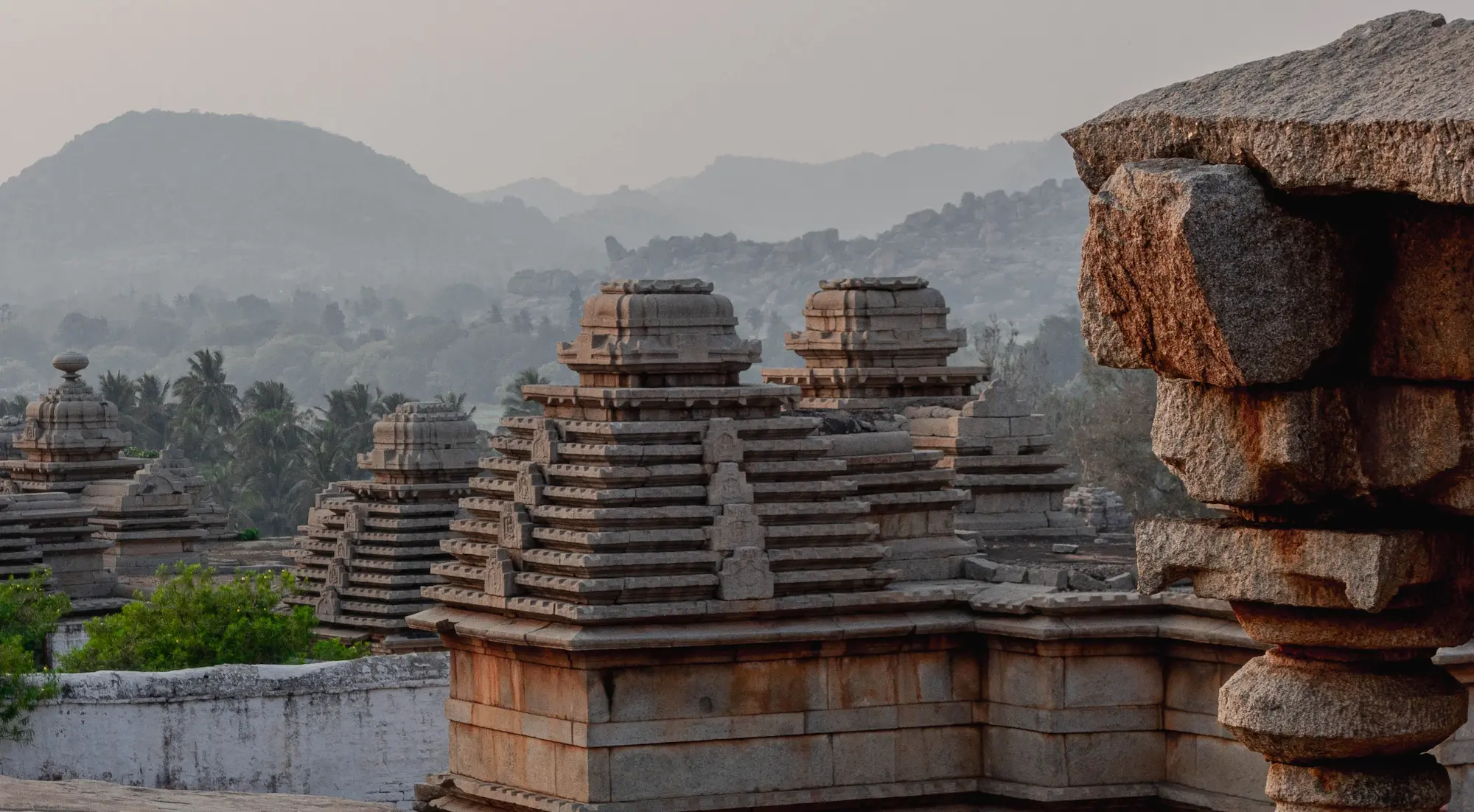
Karnataka’s landmarks read like a timeline carved in stone. Hampi’s Vijayanagara ruins—Virupaksha’s working shrine, Vittala’s stone chariot and musical pillars—spread across a boulder landscape that feels suspended between myth and memory. Mysuru Palace anchors the state’s royal narrative, its Indo-Saracenic façades lit for Dasara, yet the city’s deeper heritage lives in Devaraja Market’s spice lanes and the Wadiyar legacy’s living rituals.
Hoysala temples at Belur, Halebidu, and Somnathpur represent a sculptural peak: soapstone surfaces dense with deities, dancers, and celestial motifs, now recognised as UNESCO World Heritage Sites. Badami’s cave temples and Pattadakal’s Chalukyan complexes trace earlier dynastic ambition along the Malaprabha River. Bijapur’s Gol Gumbaz, with its near-whispering dome, and Srirangapatna’s island fort—home to Tipu Sultan’s palace and the Ranganathaswamy Temple—complete a heritage arc that rewards slow, attentive travel.
Iconic Attractions & Landmarks of Karnataka
| Destination / Attraction | Region / Location | Category & Significance |
|---|---|---|
| Hampi UNESCO World Heritage Site | Vijayanagara District (Central Karnataka) | Sprawling open-air museum of 14th-century Vijayanagara Empire ruins, boulder-strewn landscapes, and iconic stone chariot monoliths. |
| Mullayanagiri & Baba Budangiri | Chikmagalur (Western Ghats) | Highest peak in Karnataka (~1,930 m) surrounded by coffee plantations, misty trekking ridges, and sacred mountain shrines. |
| Mysuru Palace (Amba Vilas) | Mysuru (South Karnataka) | Indo-Saracenic royal palace famous for opulent interiors, historical artifacts, and spectacular Sunday evening illuminations. |
| Abbey Falls & Raja’s Seat | Madikeri, Coorg (Kodagu District) | Picturesque waterfall surrounded by spice plantations paired with a historic hilltop garden offering valley sunset views. |
| Nagarhole National Park (Kabini) | Kodagu & Mysuru Border | Premier tiger and leopard reserve along the Kabini River, world-famous for open-jeep safaris and riverine wildlife sightings. |
| Belur & Halebidu Hoysala Temples | Hassan District (Central Karnataka) | UNESCO World Heritage 12th-century Hoysala architectural masterpieces renowned for unmatched star-shaped stone carvings. |
| Gokarna Beaches & Kudle Beach | Uttara Kannada (Central Coast) | Relaxed coastal town blending sacred Shiva pilgrimage sites with scenic cliffside beach treks and sunset bay views. |
| Jog Falls | Shivamogga District (Malnad Region) | One of India’s highest plunge waterfalls, formed by the Sharavathi River dropping 253 meters (830 feet) down steep cliffs. |
| Badami Cave Temples | Bagalkote District (North Karnataka) | 6th-century Chalukyan rock-cut cave temples carved into red sandstone cliffs overlooking Agastya Lake. |
| Dandeli Wildlife & Kali River | Uttara Kannada (North Western Ghats) | Adventure hotspot offering white-water river rafting, hornbill birdwatching, kayaking, and jungle safaris. |
| Shravanabelagola Gommateshwara | Hassan District (South Karnataka) | Historic Jain pilgrimage center featuring the world’s tallest monolithic stone statue (57 feet tall Bahubali carved in 981 CE). |
| Murdeshwar Temple & Beach | Uttara Kannada Coast | Coastal landmark featuring the world’s second-tallest Shiva statue (123 feet) and twenty-story Gopura alongside Netrani Island scuba diving. |
How to Travel Around Karnataka
Getting around Karnataka involves navigating a vast and geographically diverse landscape—stretching from the bustling tech corridors of Bengaluru and the heritage plains of Mysuru and Hampi, up through the misty coffee-clad peaks of the Western Ghats, down to the palm-fringed Arabian Sea coastline. The state features a well-developed transit network that includes multiple domestic and international airports, extensive rail corridors, high-speed expressways, and an expansive state bus network. While long-distance highway travel is smooth, hill-station routes require careful time buffering, and coastal or jungle transit often adds an experiential element to the journey.
Long-Distance Travel
By Air: Karnataka is anchored by Kempegowda International Airport (BLR) in Bengaluru, one of South India’s busiest aviation hubs. For inter-district and regional travel, the state is served by active airports at Mangaluru (IXE) for the coast, Belagavi (IXG) and Hubballi (HBX) for North Karnataka, Mysuru (MYQ) for the southern royal circuit, and Shivamogga (RQY) and Kalaburagi (GBI) for interior destinations. Open-jaw flights (e.g., flying into Bengaluru and departing from Mangaluru) save significant road transit time.
By Train: Indian Railways operates a dense network across Karnataka. Primary rail corridors connect Bengaluru to Mysuru (serviced by multiple daily express trains including the Vande Bharat Express), as well as northern heritage hubs like Hosapete (for Hampi), Badami, Hubballi, and Belagavi. Along the west coast, the scenic Konkan Railway line links coastal stops like Mangaluru, Udupi, Murdeshwar, and Gokarna.
By Road: Karnataka boasts an impressive highway grid. The Mysore Expressway (NH 275) connects Bengaluru to Mysuru in under two hours, while NH 75 provides a vital link west toward Hassan, Belur, Chikmagalur, and Mangaluru. NH 48 connects Bengaluru to North Karnataka cities like Hubballi and Belagavi. The state-run KSRTC (Karnataka State Road Transport Corporation) operates an exceptional fleet—ranging from premium AC multi-axle Airavatha and FlyBus coaches to sturdy Rajahamsa and Sarige buses that connect major cities, rural towns, and high-altitude Western Ghats regions like Coorg, Chikmagalur, and Sakleshpur.
Local & Intra-State Travel
Private Taxis & Rental Cabs: Hiring a chauffeur-driven vehicle is the most comfortable way to manage multi-stop itineraries—especially when navigating steep hairpin bends along the Western Ghats toward Chikmagalur, Coorg, or Kodachadri, or exploring dispersed historical ruins across Hampi, Badami, Pattadakal, and Aihole where train access between individual sites is limited.
Jungle Safaris & Local Mountain Jeeps: In ecological reserves and off-road mountain areas, local transport takes specialized forms. Private cars are restricted on steep tracks like Jhari Waterfalls in Chikmagalur, requiring transfers to local 4×4 mountain jeeps. In protected wildlife hubs like Nagarhole (Kabini), Bandipur, and BR Hills, forest safaris are operated via official open-top jeeps and canopy buses through the Forest Department or Jungle Lodges & Resorts (JLR).
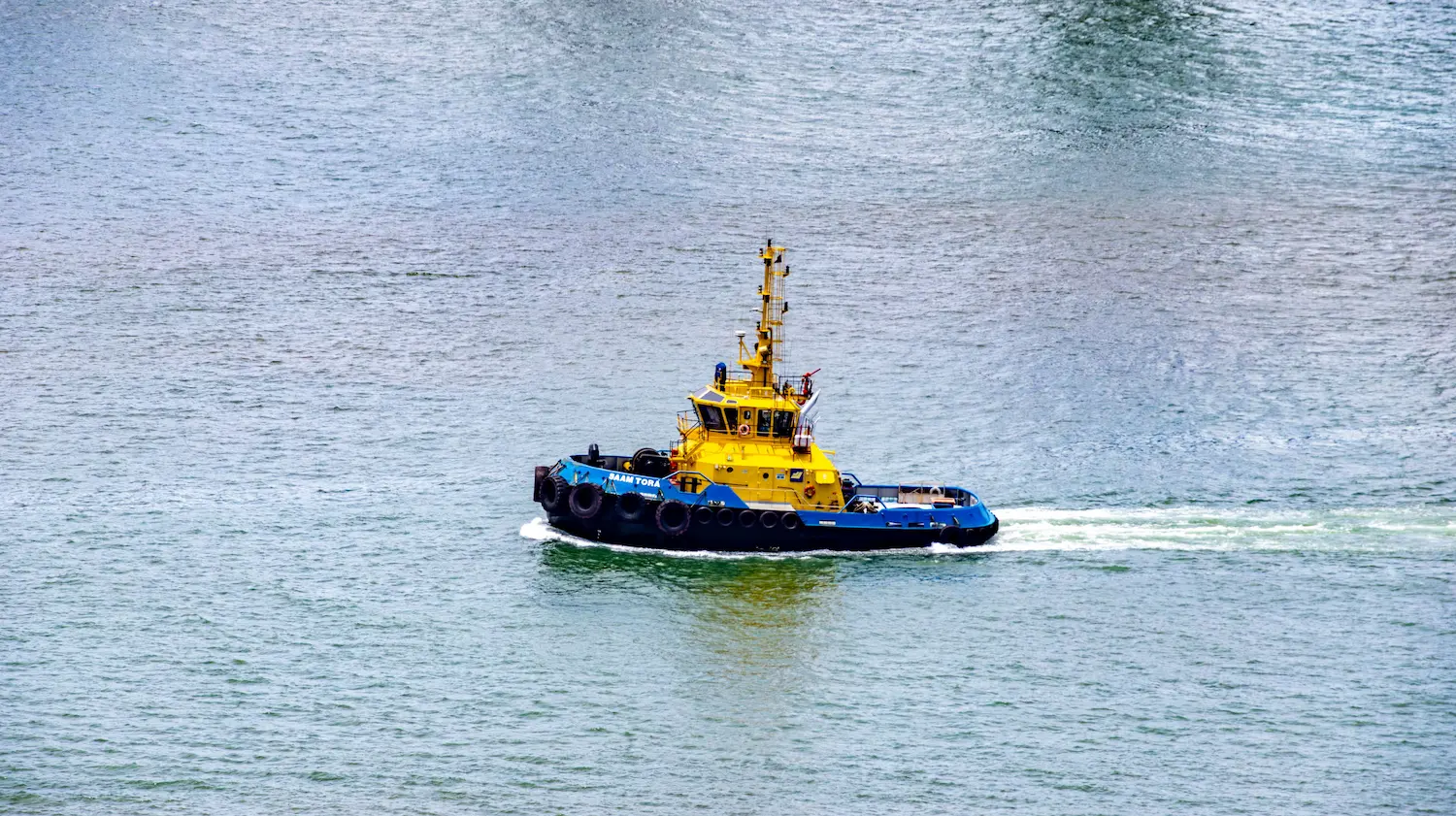
Coracles & Coastal Boats: Traditional round woven boats known as coracles (parasal) are widely used for river crossings and scenic rides along the Tungabhadra River in Hampi and the Cauvery River in Kabini and Shivanasamudra. Along the coast, motorized ferry boats connect mainland sites to island destinations, such as the ferry from Malpe Beach to St. Mary’s Island or boat shuttles to Netrani Island for scuba diving off Murdeshwar.
Auto-Rickshaws & City Metro: Auto-rickshaws are ubiquitous across all towns and cities in Karnataka for short point-to-point hops, railway transfers, and local market visits. In Bengaluru, the Namma Metro elevated rail network provides a fast, air-conditioned way to bypass severe urban traffic congestion between key commercial, residential, and transport hubs.
Where to Stay in Karnataka
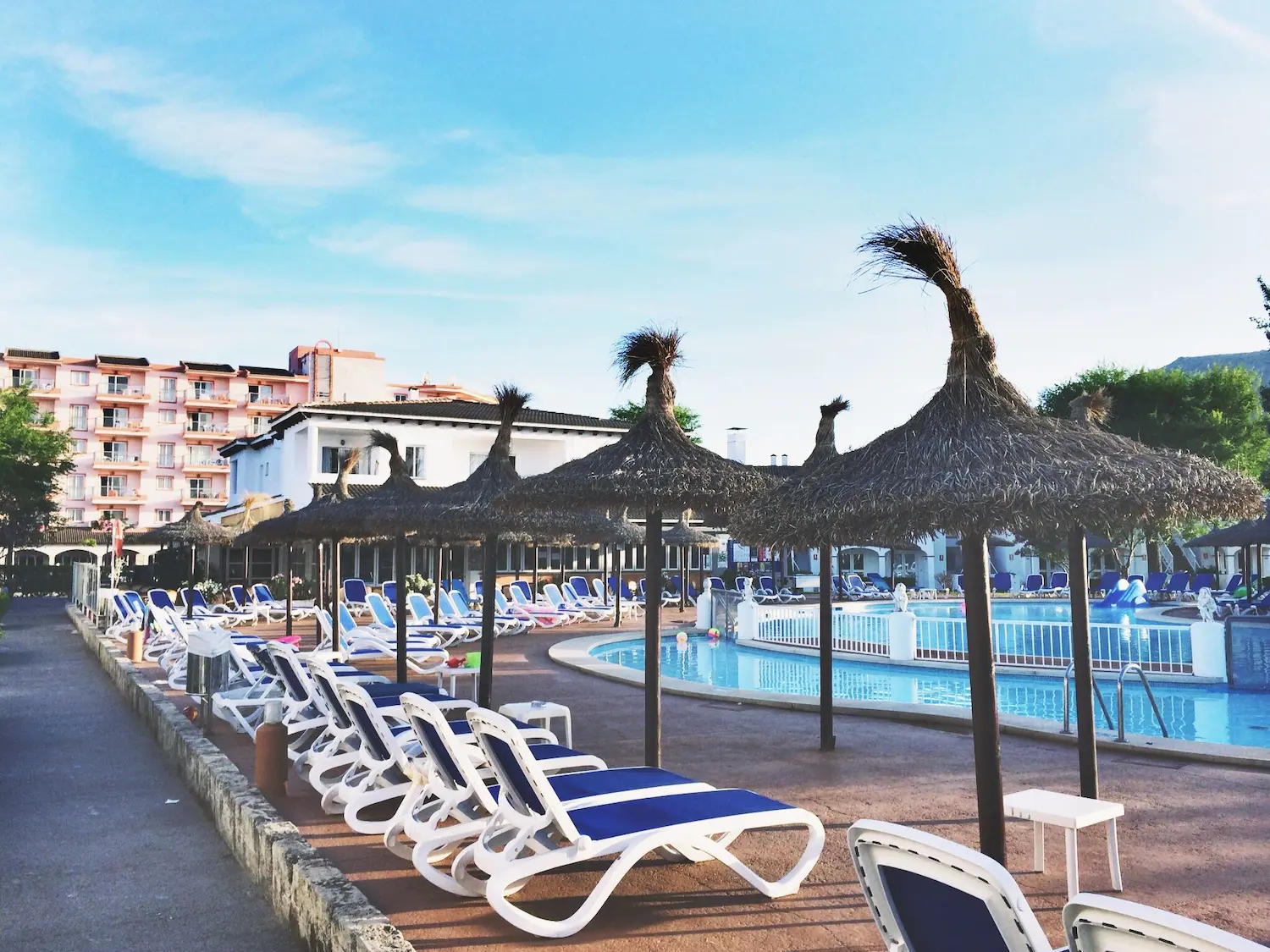
Karnataka offers a remarkably diverse spectrum of accommodations—from restored royal palaces and historic coffee estate bungalows to riverside jungle lodges, cliffside beach stays, and eco-conscious heritage homes. Where you stay shapes your journey as much as the landscapes themselves: a night in a 19th-century planter’s bungalow in Coorg feels entirely different from staying in a boulder-surrounded camp in Hampi or a beachfront retreat along the Arabian Sea. Selecting locations close to key regions minimizes travel time along winding mountain roads and sprawling heritage circuits.
Types of Accommodation
Heritage Plantation Bungalows & Treehouses: Concentrated in the misty Western Ghats regions of Coorg (Kodagu), Chikmagalur, and Sakleshpur. These restored colonial-era tea and coffee estate bungalows offer cool mountain climates, guided coffee walks, home-cooked Kodava or Malnad cuisine, and canopy treehouses overlooking lush forest valleys.
Jungle Lodges & Wildlife Resorts: Pioneered by the state’s acclaimed Jungle Lodges & Resorts (JLR) network alongside private luxury safari lodges. Located on the fringes of Nagarhole (Kabini), Bandipur, BR Hills, and Dandeli, these retreats cater to wildlife enthusiasts with guided open-jeep safaris, boat cruises, river rafting, and expert naturalist walks.
Heritage Palaces & Royal Homestays: Centered around Mysuru and surrounding historic districts. Travelers can experience royal South Indian grandeur by staying in heritage palace hotels, converted aristocratic mansions, or traditional family-run ancestral homes (Mane) serving authentic regional cuisine.
Boulder Camps & Heritage Resorts: Clustered around the UNESCO World Heritage site of Hampi, as well as Badami and Pattadakal. Options range from bohemian riverside cottages and tented eco-camps across the Tungabhadra River to luxury heritage resorts designed around Vijayanagara architectural themes.
Coastal & Beach Resorts: Strung along Karnataka’s 320-kilometer coastline in Gokarna, Udupi, Malpe, and Murdeshwar. Accommodation options span cliffside eco-huts and yoga retreats overlooking Kudle and Om beaches in Gokarna to sprawling beachfront resorts and quiet seaside homestays along the coast.
Urban & Business Luxury Hotels: Situated in the bustling metropolitan hubs of Bengaluru and Mangaluru. These include international five-star luxury chains, sleek business hotels, tech-district boutique stays, and restored heritage properties near city cultural centers.
Karnataka Travel Tips
Karnataka is a large and geographically varied state, so a comfortable trip depends as much on route planning and timing as on choosing places to visit. Bengaluru, Hampi, Coorg, Chikkamagaluru, Gokarna, Mysuru and the coastal towns can feel like very different destinations. Avoid trying to cover too much in one trip; grouping destinations by region usually saves time and makes the journey more manageable.
Plan around the season. October to February is generally comfortable for sightseeing across many parts of Karnataka, while summer can be hot, particularly in inland areas. The monsoon brings heavier rainfall to the coast and Western Ghats but can also make these landscapes especially green. Check local weather conditions before travelling to hill areas, waterfalls and wildlife destinations.
Allow more time for road journeys than the map suggests. Distances between Karnataka’s attractions can be substantial, and roads through the Western Ghats may be winding. If you are driving, avoid building an itinerary around tightly timed arrivals. For longer routes, trains and buses can be practical alternatives, while taxis or private vehicles provide greater flexibility in areas with limited public transport.
Choose accommodation according to the destination. Hotels are widely available in major cities and tourist centres, while homestays can be useful in places such as Coorg and Chikkamagaluru. In smaller towns and rural areas, confirm facilities, location and transport arrangements before booking.
Carry suitable clothing and footwear. Lightweight clothing works well for warmer areas, while hill destinations can be cooler. Comfortable walking shoes are particularly useful for heritage sites, temples, trails and uneven terrain. During the monsoon, add a compact rain jacket or umbrella.
Keep some cash available. Digital payments are widely used in cities and established tourist areas, but smaller establishments, rural locations and some local transport services may not always accept them.
Finally, respect local customs and natural surroundings. Dress appropriately when visiting religious sites, follow photography restrictions, avoid littering, and use marked trails around forests, waterfalls and protected areas. A flexible itinerary, realistic travel times and attention to local conditions can make exploring Karnataka considerably easier.
Responsible Travel in Karnataka
Responsible travel in Karnataka means enjoying its heritage, landscapes, wildlife and local communities without placing unnecessary pressure on the places you visit. The state includes busy cities, protected forests, coastal ecosystems, historic monuments, hill regions and rural communities, so responsible choices can look different from one destination to another.
Respect religious and cultural places. Karnataka has numerous temples, monasteries, churches and other places of worship. Follow local dress expectations, remove footwear where required, observe photography restrictions and avoid interrupting rituals or ceremonies. At heritage sites, do not climb monuments, touch carvings or enter restricted areas simply for photographs.
Be careful around wildlife and forests. Destinations such as Nagarhole, Bandipur and other forest areas have specific rules intended to protect animals and visitors. Stay on designated routes, follow safari instructions, maintain a reasonable distance from wildlife and never feed or attempt to attract animals. Avoid loud behaviour that can disturb wildlife and other visitors.
Reduce waste, particularly in natural areas. Carry a reusable water bottle and avoid unnecessary single-use plastic. Keep food wrappers and other waste with you when proper disposal facilities are unavailable. Waterfalls, beaches, trekking routes and hill areas can accumulate litter quickly during busy periods, so leaving no waste behind is especially important.
Support local businesses. Homestays, locally owned restaurants, guides, handicraft sellers and small businesses can provide more direct benefits to communities. Buy locally made products where possible and pay fair prices rather than aggressively bargaining over small amounts.
Travel thoughtfully through rural and coastal areas. Ask before photographing local people, private homes or community activities. Keep noise levels low and avoid treating villages as photographic backdrops. On beaches and around sensitive natural areas, do not remove shells, plants or other natural materials.
Use resources responsibly. Water can be limited in some hill and rural destinations, while electricity demand can rise during peak tourist seasons. Use only what you need and avoid unnecessary consumption.
Finally, travel according to local conditions. Follow forest, trekking, beach and monument regulations, and respect temporary closures or restrictions. Responsible travel is ultimately about leaving Karnataka’s natural and cultural places in a condition that allows residents and future travellers to enjoy them too.