
India doesn’t have one “best time” to visit—it has different ideal travel periods depending on the region and month. From the Himalayan mountains to the tropical south, India’s climate varies dramatically throughout the year, so choosing the right month can make a significant difference to your travel experience. A period that’s comfortable in Rajasthan, for example, may be rainy in Kerala or extremely cold in the high Himalayas.
This guide breaks down the best time to visit India month by month and season by season, covering temperature, rainfall, weather conditions, and regional differences that broad travel guides often overlook. You’ll see when the Himalayas are generally accessible, when Rajasthan’s temperatures become more comfortable, when different parts of the country experience their monsoon, and how conditions change from one month to the next. Use this guide as a practical planning reference rather than a rigid rulebook: India’s climate is highly diverse, and there is usually a region with favourable conditions at any time of year.
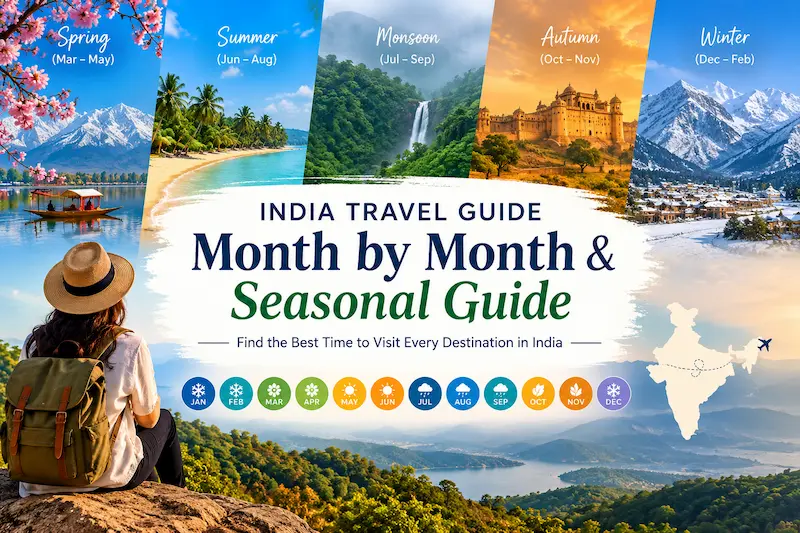
India Travel Seasons at a Glance
| Season | Months | General Conditions |
|---|---|---|
| Spring / Pre-summer | March | Temperatures rise rapidly across the plains; northern hills and higher altitudes remain pleasant. |
| Peak Summer | April–May | Very hot across plains and interior regions. Localized pre-monsoon showers occur in the East and South. |
| Summer / Monsoon Transition | June | Humidity surges; Southwest Monsoon hits Kerala in early June and advances northward. |
| Peak Monsoon | July–August | Heavy, frequent rainfall across Western Ghats, Central, and Eastern India; landscapes turn lush green. |
| Monsoon Retreat | September | Rainfall tapers off in Northwest India, though Central and Southern areas still see lingering showers. |
| Post-monsoon / Autumn | October–November | Clear, pleasant weather across most of India; Tamil Nadu and the Southeast coast receive major rainfall. |
| Winter | December–February | Dry and cool across plains; severe cold and snow in higher northern altitudes; mild in Southern India. |
Winter in India: November to February
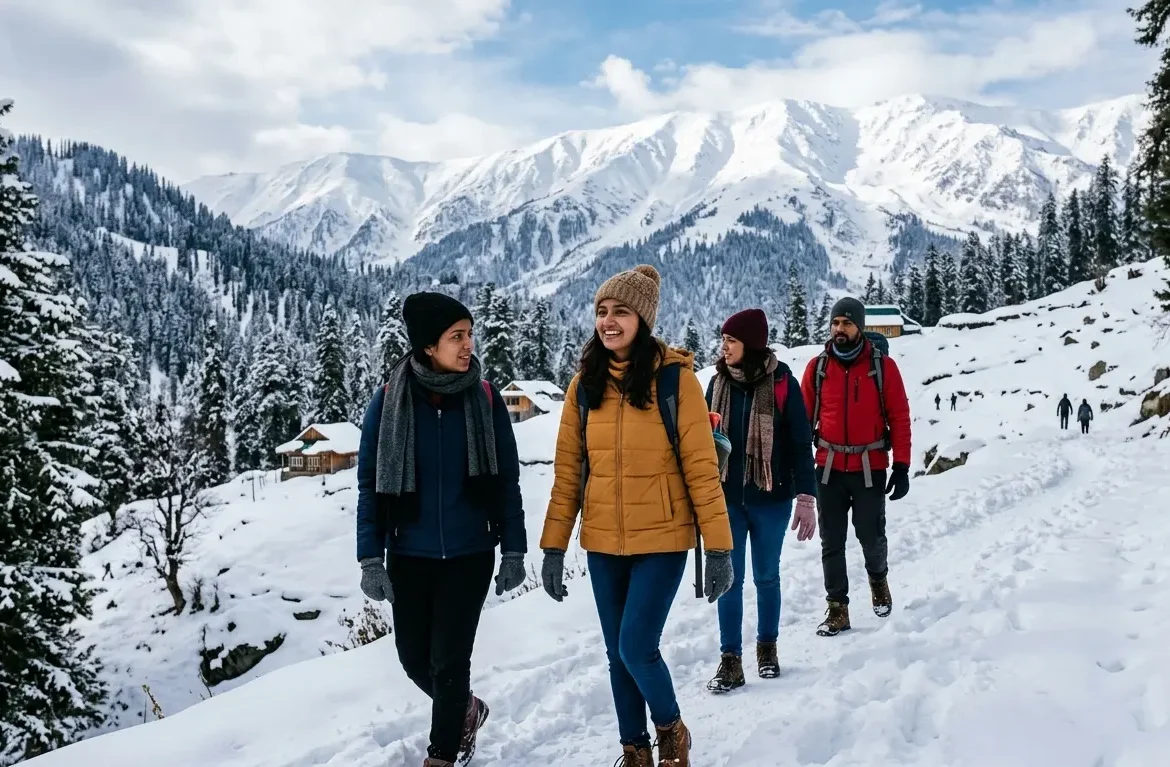
Winter, from November to February, generally offers some of the most favorable weather for visiting many parts of India, although conditions vary considerably by region. Northern destinations such as Delhi, Agra and Rajasthan usually experience pleasant daytime temperatures, while December and January can bring colder mornings, dense fog and occasional disruptions to visibility.
In South and West India, winter is typically warm, comfortable and relatively dry, making November to February a favorable period for destinations such as Kerala, Goa and Karnataka. However, parts of the southeast, particularly Tamil Nadu, can still experience northeast monsoon rainfall during November and December.
The Himalayan region follows a much colder pattern, with snow and freezing temperatures affecting high-altitude areas and many mountain passes during winter. Lower-altitude destinations may remain accessible, but conditions become increasingly severe with elevation.
Featured Destinations in Winter
| # | Destination | Primary Character | Places to Visit | What to Experience |
|---|---|---|---|---|
| 1 | Rann of Kutch Gujarat | White Salt Desert & Festival | Dhordo Tent City, Kala Dungar, Mandvi Beach, Dholavira | Full moon night desert walks, Rann Utsav cultural performances, handicraft shopping, and sunset views |
| 2 | Gulmarg Jammu & Kashmir | Snow Wonderland & Skiing | Apharwat Peak, Gulmarg Gondola, Tangmarg, St. Mary’s Church | Powder snow skiing, high-altitude gondola rides, snowmobiling, and cozying up in wooden chalets |
| 3 | Jaisalmer Rajasthan | Golden Desert & Forts | Jaisalmer Fort, Sam Sand Dunes, Patwon Ki Haveli, Bada Bagh | Overnight desert camping, camel safari rides, folk dance by campfires, and golden fort exploration |
| 4 | Auli Uttarakhand | Alpine Snow Slopes | Auli Artificial Lake, Gurso Bugyal, Joshimath, Chattrakund | Skiing courses, panoramic Himalayan snow peak views, cable car rides, and winter snow walks |
| 5 | Goa Goa | Tropical Sun & Festivities | Baga Beach, Palolem Beach, Old Goa Churches, Panaji Fontainhas | Pleasant beach weather, water sports, Sunburn & New Year celebrations, and Latin Quarter walks |
| 6 | Manali Himachal Pradesh | Snow Valleys & Pines | Solang Valley, Atal Tunnel, Sethan Valley, Mall Road | Snowboarding in Solang, igloo stays in Sethan, hot spring dips in Vashisht, and winter cafe culture |
| 7 | Alleppey Kerala | Pleasant Backwaters | Vembanad Lake, Marari Beach, Kuttanad, Alappuzha Lighthouse | Cruising cool backwaters on a houseboat, fresh seafood tasting, and serene palm-fringed village tours |
| 8 | Shillong Meghalaya | Cherry Blossoms & Hills | Umiam Lake, Ward’s Lake, Elephant Falls, Shillong Peak | Witnessing pink cherry blossoms, pleasant winter strolls, vibrant live music scenes, and cafe hopping |
| 9 | Jaipur Rajasthan | Royal Heritage & Fairs | Amber Palace, Hawa Mahal, City Palace, Nahargarh Fort | Mild sunny weather heritage walks, shopping in colorful bazaars, fort light shows, and royal dining |
| 10 | Lakshadweep Union Territory | Warm Tropical Lagoons | Bangaram Island, Agatti Island, Kavaratti, Kadmat Island | Escaping the winter cold, snorkeling turquoise lagoons, scuba diving, and private beach relaxation |
Summer in India: March to June
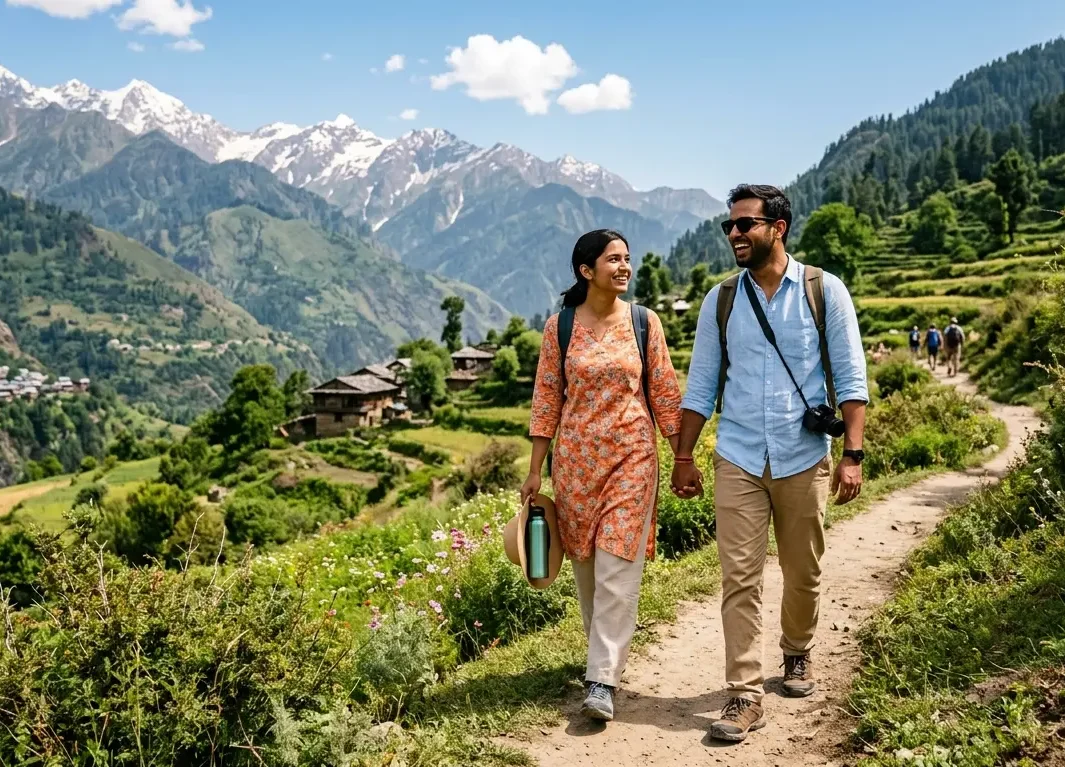
Summer, from March to May, brings increasingly hot conditions across much of India, while higher-altitude Himalayan regions remain considerably cooler. Temperatures rise rapidly across the northern plains and interior regions, with April and May often becoming particularly hot in destinations such as Delhi, Rajasthan and central India. By late spring, daytime temperatures can become uncomfortable across many lowland areas.
The Himalayan region follows a very different seasonal pattern. As winter snow recedes, lower and mid-altitude destinations gradually become more accessible, while higher areas remain cold or snow-covered. Hill regions of Himachal Pradesh, Uttarakhand and other parts of the Himalayas generally offer cooler conditions than the plains.
March is a useful transition month, with several parts of India still experiencing relatively comfortable conditions before the intense heat of April and May. Overall, summer is best understood as a period of strong regional contrast: hotter conditions dominate the plains, while the mountains provide a cooler seasonal alternative.
Featured Destinations in Summer
| # | Destination | Primary Character | Places to Visit | What to Experience |
|---|---|---|---|---|
| 1 | Ladakh Ladakh | High-Altitude Summer Escape | Pangong Lake, Nubra Valley, Zanskar, Khardung La | Road trips through clear high passes, monk festival celebrations, night sky stargazing, and valley camping |
| 2 | Mussoorie Uttarakhand | Colonial Retreat & Waterfalls | Kempty Falls, Mall Road, Lal Tibba, Gun Hill, Cloud’s End | Cool mountain breeze walks, cable car rides, nature trails, and panoramic Himalayan views |
| 3 | Munnar Kerala | Mist-Covered Western Ghats | Mattupetty Dam, Anamudi Peak, Tea Museum, Eravikulam National Park | Escaping the plains’ heat, tea estate walks, refreshing waterfall visits, and trekking cool misty peaks |
| 4 | Spiti Valley Himachal Pradesh | Cold Desert Wilderness | Key Monastery, Kaza, Chandratal Lake, Langza Village | Clear summer pass driving, visiting ancient monasteries, fossil hunting, and glacial lake photography |
| 5 | Kodaikanal Tamil Nadu | Princess of Hill Stations | Kodaikanal Lake, Coaker’s Walk, Pillar Rocks, Bryant Park | Boating on misty lakes, cycling around lake circuits, walking canopy trails, and pine forest exploration |
| 6 | Srinagar Jammu & Kashmir | Lakes & Royal Gardens | Dal Lake, Shalimar Bagh, Nishat Bagh, Pari Mahal | Shikara rides on cool waters, staying in traditional houseboats, garden walks, and floating market visits |
| 7 | Tawang Arunachal Pradesh | Eastern Himalayan Sanctuaries | Tawang Monastery, Sela Pass, Madhuri Lake, Nuranang Falls | Crisp mountain air, visiting India’s largest monastery, high-altitude lake tours, and waterfall views |
| 8 | Coonoor Tamil Nadu | Quiet Nilgiri Tea Hills | Sim’s Park, Dolphin’s Nose, Lamb’s Rock, Highfield Tea Factory | Riding the heritage toy train, escaping crowds in quiet tea gardens, and taking scenic valley walks |
| 9 | Mount Abu Rajasthan | Desert Oasis Hill Station | Nakki Lake, Dilwara Temples, Guru Shikhar, Sunset Point | Boating on Nakki Lake, cool evening walks, exploring exquisite marble temple carvings, and high peak views |
| 10 | Pelling Sikkim | Kanchenjunga Views | Pemayangtse Monastery, Rabdentse Ruins, Skywalk, Khecheopalri Lake | Unobstructed clear summer views of Mount Kanchenjunga, glass skywalk encounters, and heritage walks |
Monsoon in India: July to September
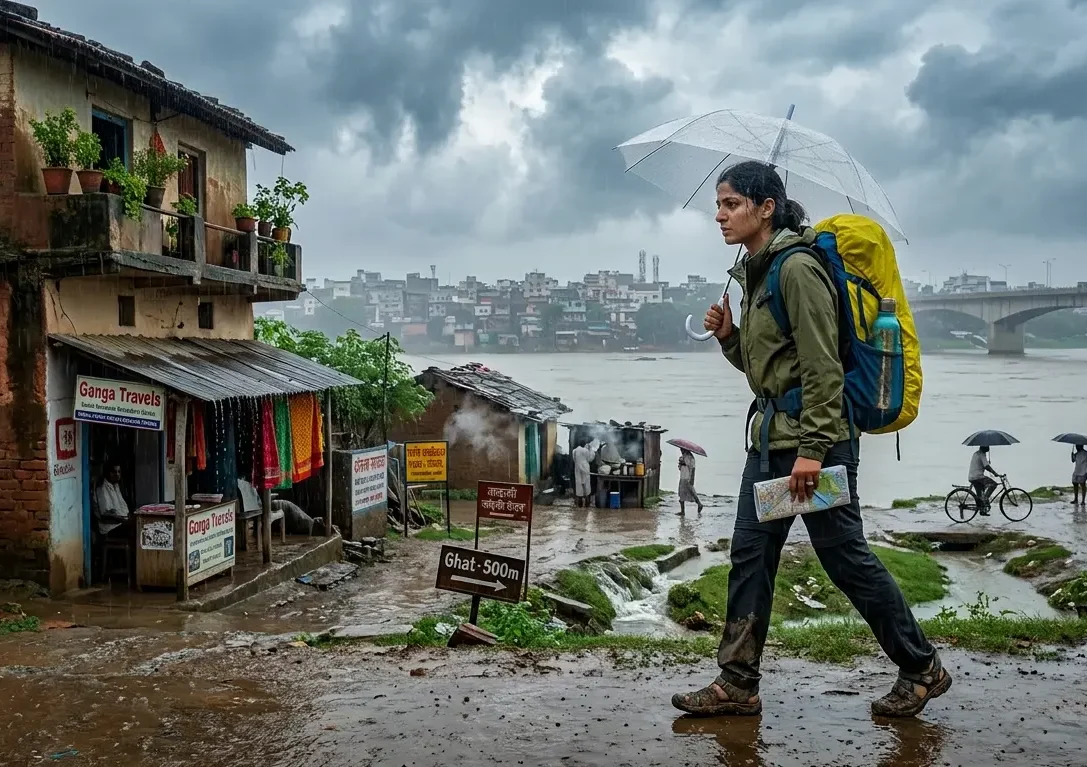
July to September marks the core southwest monsoon period in much of India, bringing frequent rainfall, high humidity and dramatic changes in the landscape. Rainfall is particularly intense along the west coast, the Western Ghats and parts of Northeast India, while central and northern regions also experience widespread monsoon showers. Conditions can vary considerably even within the same state.
July is typically one of the wettest months, with heavy rainfall across many monsoon-affected regions. In August, rainfall generally continues, keeping the Western Ghats, Kerala, Goa and Northeast India exceptionally green. September often marks a gradual transition, as the southwest monsoon begins retreating from northern and western India, although rainfall can remain substantial in several regions.
The season is not uniform across the country. Ladakh and parts of Spiti remain comparatively dry because of the Himalayan rain shadow, making their climate very different from the rain-soaked west coast and Northeast.
Featured Destinations in Monsoon
| # | Destination | Primary Character | Places to Visit | What to Experience |
|---|---|---|---|---|
| 1 | Valley of Flowers Uttarakhand | Alpine Bloom & Valley Trek | Valley Floor, Hemkund Sahib, Ghangaria, Pushpawati River | Trekking through endemic alpine flower blooms, mist-shrouded mountain views, and roaring waterfalls |
| 2 | Cherrapunji Meghalaya | Rain Capital & Living Bridges | Nohkalikai Falls, Seven Sisters Falls, Mawsmai Cave, Nongriat | Chasing monsoon waterfalls at peak volume, trekking to root bridges, and witnessing dramatic rain clouds |
| 3 | Udaipur Rajasthan | Monsoon Lake Palace City | Monsoon Palace (Sajjangarh), Lake Pichola, Fatehsagar Lake, City Palace | Watching rain clouds gather over hilltop palaces, monsoon boat rides, and lush green Aravali views |
| 4 | Lonavala & Khandala Maharashtra | Western Ghats Mist & Falls | Tiger Point, Bhushi Dam, Rajmachi Fort, Karla Caves | Lush green fort treks, cascading roadside waterfalls, fog-covered drives, and hot chai moments |
| 5 | Coorg Karnataka | Rain-Drenched Coffee Hills | Abbey Falls, Iruppu Falls, Brahmagiri Peak, Madikeri Fort | Smelling rain-soaked coffee plantations, visiting swollen waterfalls, and misty rainforest stays |
| 6 | Munnar Kerala | Verdant Tea Valleys | Attukad Waterfall, Anamudi Peak, Mattupetty Lake, Kundala Dam | Exploring rain-kissed green tea gardens, roaring mountain streams, and enjoying offseason tranquility |
| 7 | Orchha Madhya Pradesh | Historic River Heritage | Jahangir Mahal, Betwa River Ghats, Raja Mahal, Chaturbhuj Temple | Swollen Betwa river rafting, heritage palace walks amidst moody rain skies, and peaceful historic exploration |
| 8 | Aagumbe Karnataka | Rainforest & Waterfall Capital | Barkana Falls, Onake Abbi Falls, Sunset Point, Rainforest Research Station | Rainforest trekking, witnessing heavy monsoon waterfalls, wildlife spotting, and dense canopy nature walks |
| 9 | Wayand Kerala | Misty Western Ghats & Lakes | Meenmutty Falls, Banasura Sagar Dam, Chembra Peak, Kuruva Island | Lakeside monsoon walks, bamboo rafting through rain-fed streams, and staying in forest treehouses |
| 10 | Mandu Madhya Pradesh | Monsoon Fort Citadel | Jahaz Mahal (Ship Palace), Roopmati’s Pavilion, Baz Bahadur’s Palace | Exploring ancient romantic palaces surrounded by rain lakes, green plateau views, and historical walks |
India Weather by Month: Seasons, Conditions & Favourable Regions
India’s weather changes considerably throughout the year, with temperature, rainfall and seasonal conditions varying between regions. January and February generally bring cooler conditions, while March marks the transition toward warmer weather across much of the country. April and May are typically the hottest months in many inland areas. The southwest monsoon dominates much of India from June through September, bringing widespread rainfall and greener landscapes. October marks a gradual transition toward drier conditions, followed by the return of winter from November. Regional differences remain important, particularly across the Himalayas, southern India and the Northeast, where seasonal patterns can differ significantly from the national trend.
| Month | Season | General Weather | Favorable Regions |
|---|---|---|---|
| January | Peak winter | Cool to cold in the north; pleasant in central & south | Rajasthan, Goa, Kerala, Tamil Nadu |
| February | Late winter | Pleasant and gradually warming | Rajasthan, Goa, Kerala, Madhya Pradesh |
| March | Spring / Pre-summer | Mild to warm across plains | Himalayan foothills, Northeast, Rishikesh |
| April | Peak summer | Hot across much of the plains | Kashmir, Himachal Pradesh, Uttarakhand |
| May | Peak summer | Very hot in lowland areas | Ladakh, Spiti, Sikkim, Darjeeling |
| June | Summer / Monsoon transition | Hot with onset of rains | Ladakh, Spiti, higher Himalayas |
| July | Peak monsoon | Heavy rainfall across West and Central India | Ladakh, Zanskar, Spiti, Valley of Flowers |
| August | Peak monsoon | Wet and humid across most regions | Ladakh, Spiti, Udaipur, Coorg |
| September | Monsoon retreat | Rainfall decreases in North and West | Ladakh (early), Himachal, Rajasthan, Meghalaya |
| October | Post-monsoon / Autumn | Clear skies, pleasant weather returns | Rajasthan, Delhi, Varanasi, Sikkim, Kerala |
| November | Winter begins | Pleasant, cool, and dry | Rajasthan, Goa, Kerala, Gujarat |
| December | Winter | Cool in south; cold/snowy in north | Rajasthan, Goa, Kerala, Andaman Islands |
Best Time to Visit Different Regions of India
India’s climate varies significantly across regions, so the most favourable travel period is not the same everywhere. Northern plains experience a pronounced winter and summer; southern India remains warmer for much of the year, the Northeast has distinct rainfall patterns, and the Himalayas follow a strongly altitude-dependent seasonal cycle. The broad periods below provide a regional climate overview, while individual destinations may experience important local variations.
North India
Best overall: October to March
Most favourable months: November, February and early March
Weather pattern: Pleasant to cool winter conditions, followed by rapidly increasing temperatures from March and intense heat during April–June.
Seasonal consideration: December and January can bring dense fog and colder conditions across the northern plains.
South India
Best overall: October to March
Most favourable months: November to February
Weather pattern: Generally warm to pleasant during winter, with substantial regional differences in rainfall.
Seasonal consideration: Kerala and parts of the west coast receive southwest monsoon rainfall from June onward, while Tamil Nadu receives significant rainfall from the northeast monsoon later in the year.
East & Central India
Best overall: October to March
Most favourable months: November to February
Weather pattern: Generally cooler and drier during winter, followed by increasingly hot conditions from March through May.
Seasonal consideration: Monsoon rainfall becomes widespread from June to September, while central India’s hotter months can be considerably warmer than its winter period.
West India
Best overall: October to March
Most favourable months: November to February
Weather pattern: Cooler and drier conditions generally dominate winter, while temperatures rise substantially during April and May.
Seasonal consideration: Maharashtra, Goa and the Konkan coast experience substantial southwest monsoon rainfall between June and September.
Northeast India
Best overall: October to April
Most favourable months: October to April, depending on the state
Weather pattern: Conditions vary considerably across the region, with cooler and generally drier periods during the winter and substantial rainfall during the monsoon.
Seasonal consideration: Meghalaya and other northeastern areas can receive exceptionally heavy rainfall, while higher-elevation destinations such as Sikkim experience colder winter conditions.
Himalayan India
Best overall: Highly seasonal and altitude-dependent
Lower & mid-altitudes: March to June and September to November generally offer more favourable conditions.
High-altitude areas: Late spring through early autumn is generally the principal travel season.
Winter: December to February brings freezing temperatures and snow to many high-altitude areas, with conditions becoming increasingly severe with elevation.