
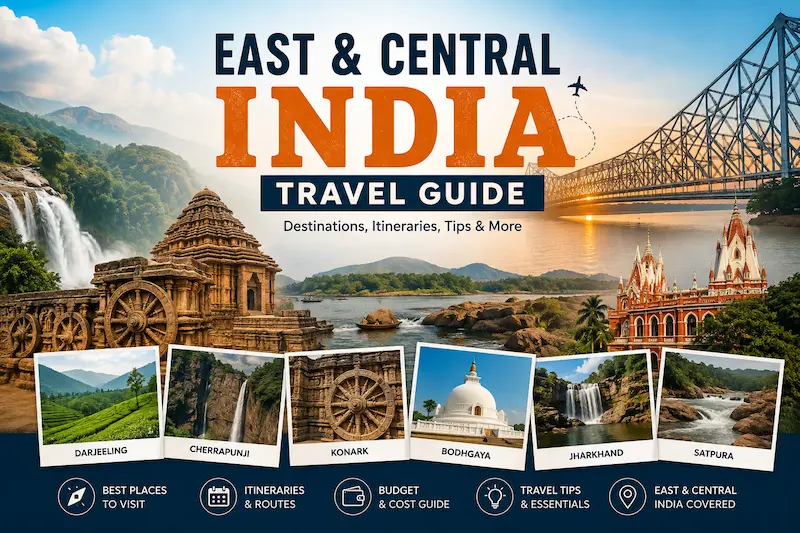
East and Central India bring together a remarkably varied mix of landscapes, cultures and travel experiences, from the Buddhist and temple heritage of Bihar and Odisha to the forests and waterfalls of Jharkhand and Chhattisgarh, the wildlife and historic sites of Madhya Pradesh, and the cultural richness of West Bengal. Yet travelling across this part of India requires some planning, as the states are spread across a large area and not every destination fits naturally into the same itinerary.
The key is deciding where to focus your time, which destinations can be combined realistically, and which experiences are worth building a trip around. Whether you are interested in tiger safaris, temples, Buddhist sites, tribal culture, beaches, waterfalls, forests, food or historic cities, the right route depends on your interests, available time and preferred travel style.
This guide covers the major states, destinations, travel circuits, costs, seasons, transport options and practical tips to help you build an East and Central India itinerary without trying to cover everything in one trip.
Table of Contents
Why East & Central India Matters for Travellers
East and Central India brings together some of the country’s most varied travel experiences, from tiger reserves and forests to Buddhist and temple heritage, tribal traditions, waterfalls, beaches and historic cities. Madhya Pradesh and Chhattisgarh are particularly valuable for wildlife and nature-focused trips, while also offering ancient temples, archaeological sites and cultural landscapes that can be combined into focused itineraries.
Further east, Bihar, Jharkhand, Odisha and West Bengal add a different mix of experiences. Buddhist and Jain pilgrimage sites, Odisha’s temple and coastal heritage, Jharkhand’s waterfalls and forests, and West Bengal’s cities, mountains, food and cultural traditions give the region considerable variety. The advantage for travellers is that you can build a trip around a specific interest rather than trying to experience everything at once.
This makes East and Central India especially interesting for travellers who prefer depth over checklist tourism. You can plan around themes such as tiger safaris, Buddhist trails, temple architecture, tribal culture, waterfalls and forests, or historic and cultural cities. Some destinations require more planning and longer journeys than India’s better-known tourist circuits, but that is also part of the region’s appeal. With the right route, you can spend more time experiencing a destination and less time trying to cover too much ground.
East & Central India at a Glance
| State / Union Territory | Major Destinations | What It Is Known For | Best Suited For |
|---|---|---|---|
| West Bengal | Kolkata, Darjeeling, Kalimpong, Sundarbans, Digha, Shantiniketan | Colonial architecture, tea gardens, Royal Bengal tigers, rich literature, and art heritage | Culture, heritage, hill station breaks, wildlife, literary tours |
| Odisha | Puri, Bhubaneswar, Konark, Chilika Lake, Gopalpur, Simlipal | Sun Temple at Konark, Jagannath Puri pilgrimage, classical Odissi dance, and coastal lagoons | Spiritual travel, UNESCO heritage, wildlife, beach getaways |
| Bihar | Bodh Gaya, Nalanda, Rajgir, Vaishali, Patna | Mahabodhi Temple, ancient ruins of Nalanda University, spiritual roots of Buddhism and Jainism | Spiritual tourism, ancient history, heritage, pilgrimage |
| Jharkhand | Ranchi, Jamshedpur, Netarhat, Deoghar, Betla National Park | Scenic waterfalls, lush green forests, Baidyanath Jyotirlinga, and industrial heritage | Nature tours, spiritual travel, offbeat breaks, eco-tourism |
| Madhya Pradesh | Bhopal, Khajuraho, Gwalior, Pachmarhi, Kanha, Bandhavgarh | Heart of India, UNESCO temples, majestic forts, world-famous tiger reserves, and tribal culture | Wildlife safaris, history, architecture, heritage, nature |
| Chhattisgarh | Raipur, Jagdalpur (Bastar), Chitrakote Falls, Mainpat, Sirpur | Chitrakote (Niagara of India), indigenous tribal heritage, dense forests, and ancient Buddhist ruins | Eco-tourism, tribal culture, waterfalls, offbeat exploration |
Best Places to Visit in East & Central India
With such a wide range of destinations, choosing where to go depends largely on the kind of experience you want from your trip. A beach-focused holiday, a first introduction to the region, a mountain escape or a wildlife adventure can lead to very different choices. The comparison below groups notable destinations by travel experience, making it easier to weigh factors such as cost, accessibility, scenery, activities and ideal trip length before deciding where to include in your itinerary.
Best for First-Time Travel
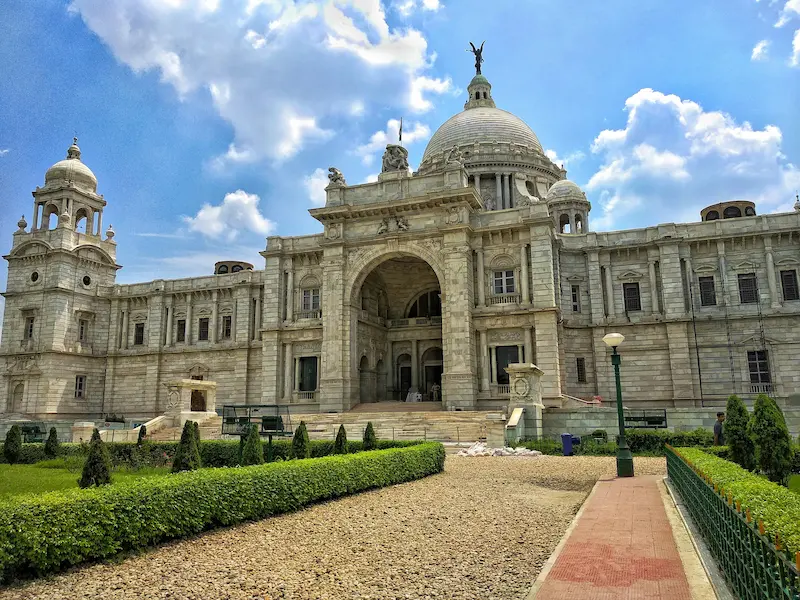
East and Central India offer rich gateway circuits that balance smooth transport infrastructure with iconic experiences. Combining vibrant metropolitan hubs like Kolkata with central fort cities like Gwalior and UNESCO spiritual hubs like Bodh Gaya guarantees seamless travel, diverse landscapes, and high-quality hospitality.
| Destination | Best suited for |
|---|---|
| Kolkata | Colonial history, culinary culture, and literary arts |
| Bhopal | Lakes, UNESCO heritage sites, and museum trails |
| Puri & Konark | Sun temple architecture, coastal drives, and spirituality |
| Bodh Gaya | Buddhist monasteries, peace pagodas, and spiritual history |
| Gwalior | Hilltop fort complexes, palaces, and classical music heritage |
Best for Coastal & Water Experiences
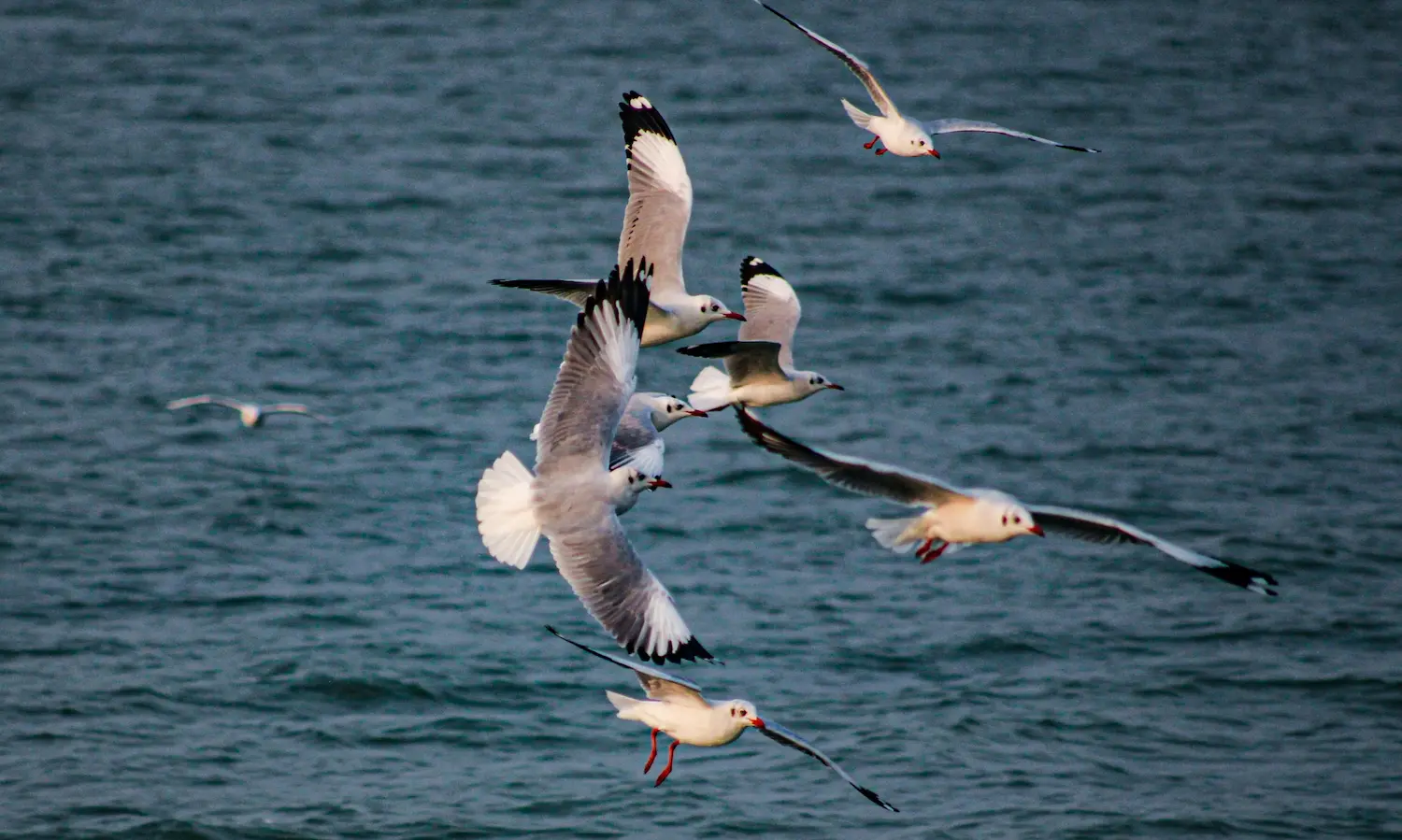
Stretching along the Bay of Bengal and deep into central river valleys, this region features golden beaches, mangrove deltas, and expansive lakes. From marine sanctuaries and quiet coastal stretches in Odisha and West Bengal to massive lake islands in Madhya Pradesh, water escapes here are serene and wild.
| Destination | Water / landscape experience |
|---|---|
| Chilika Lake | Asia’s largest brackish lagoon with Irrawaddy dolphins |
| Gopalpur-on-Sea | Tranquil, uncrowded golden sand beaches and old port ruins |
| Digha & Mandarmani | Drive-in long sandy beaches and lively seaside promenades |
| Hanaswanti Island | Indira Sagar reservoir watersports and eco-island resorts |
| Chandipur | Unique disappearing sea beach where tides recede up to 5 km |
Best for Mountains & Hill Stations
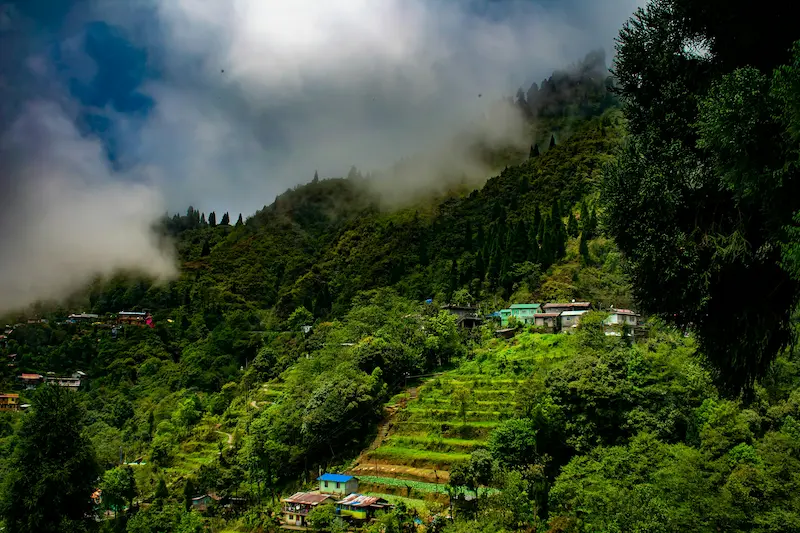
From the majestic snow-peaked Himalayan ridges in West Bengal to the rolling plateaus of Chota Nagpur and the central Satpura ranges, the landscape varies dramatically. Cool high-altitude pine ridges, misty tea estates, and forested valleys provide scenic retreats across these states.
| Destination | Best suited for |
|---|---|
| Darjeeling | Tea gardens, UNESCO toy train, and Kanchenjunga views |
| Pachmarhi | Madhya Pradesh’s hill resort with caves, waterfalls, and pine trails |
| Netarhat | Jharkhand’s “Queen of Chhotanagpur” known for sunrise points |
| Mainpat | Chhattisgarh’s high plateau with waterfalls and Tibetan settlements |
| Kalimpong | Quiet Himalayan ridge walks, orchids, and monastery views |
Best for Culture & Royal Heritage
Central and Eastern India are packed with historic empires, ancient rock shelters, medieval forts, and magnificent temple architecture. Exploring this region highlights everything from ancient Maurya and Gupta dynasties to Bundela forts, terracotta temples, and pre-historic cave art.
| Destination | Heritage focus |
|---|---|
| Khajuraho | UNESCO Nagara-style temples with exquisite stone carvings |
| Orchha | Bundela palaces, cenotaphs along Betwa River, and murals |
| Bishnupur | Distinctive 17th-century terracotta temples and Baluchari silk |
| Nalanda & Rajgir | Ancient university ruins and historic Magadha capital sites |
| Mandu | Afghani architecture, romantic palaces, and hilltop fort walls |
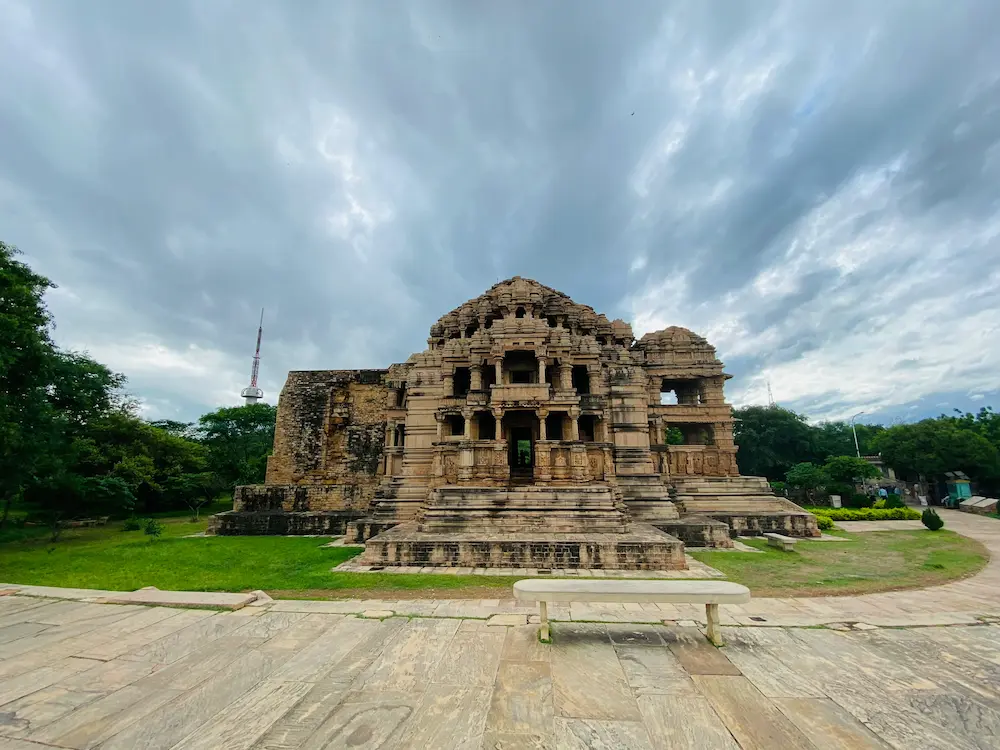
Best for Pilgrimage & Sacred Sites
This region represents the spiritual heartland of Hinduism, Buddhism, and Jainism. Pilgrims travel here to visit holy rivers, ancient Jyotirlingas, revered Shakti Peethas, and sacred Jain hills that have drawn seekers for millennia.
| Destination | Best suited for |
|---|---|
| Ujjain | Mahakaleshwar Jyotirlinga and Mahakal Lok Corridor |
| Puri | Char Dham Jagannath Temple and annual Ratha Yatra |
| Bodh Gaya & Deoghar | Mahabodhi Tree and Baidyanath Dham Jyotirlinga |
| Shikharji | Sacred Jain mountain pilgrimage site for 20 Tirthankaras |
| Amarkantak | Source of the holy Narmada River and ancient temple complex |
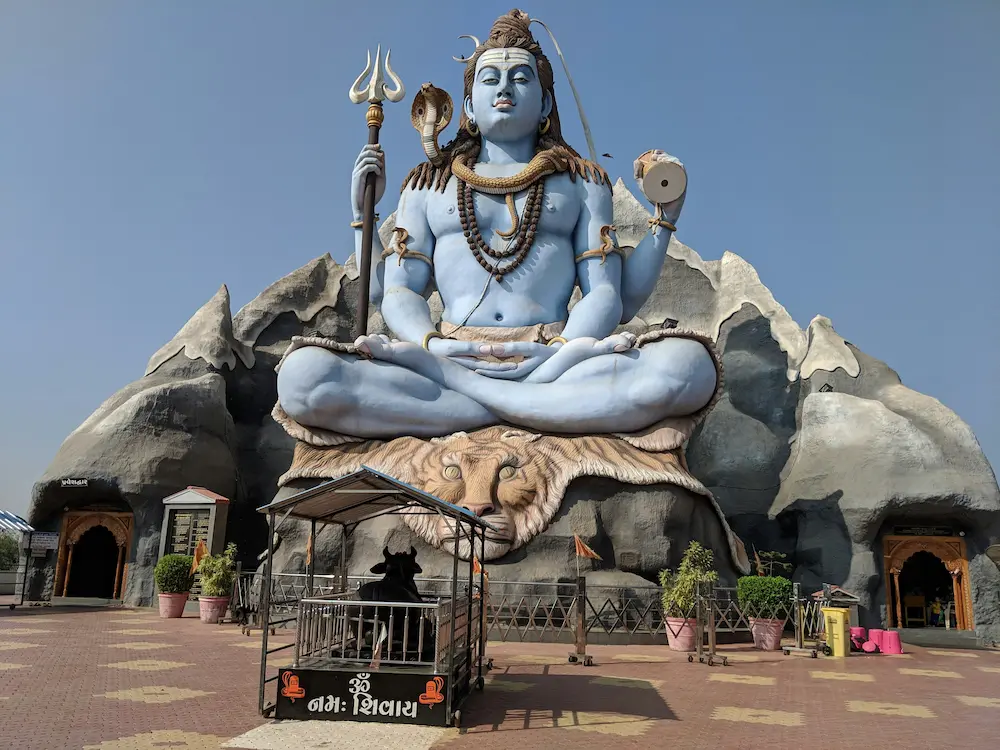
Best for Nature & Wildlife
Home to India’s most famous tiger reserves, dense sal forests, mangrove deltas, and dramatic gorge systems, Central and Eastern states are ecological wonderlands. Safe habitats support Royal Bengal tigers, leopards, wild buffaloes, and vast migratory bird flocks.
| Destination | Best suited for |
|---|---|
| Bandhavgarh & Kanha | High-density tiger safaris and bamboo forest landscapes |
| Sundarbans NP | World’s largest mangrove forest and swimming tigers |
| Similipal NP | Mayurbhanj biosphere reserve, waterfalls, and wild elephants |
| Kanger Valley | Limestone caves, subterranean streams, and dense Chhattisgarh jungles |
| Pench NP | Teak forests that inspired Rudyard Kipling’s The Jungle Book |
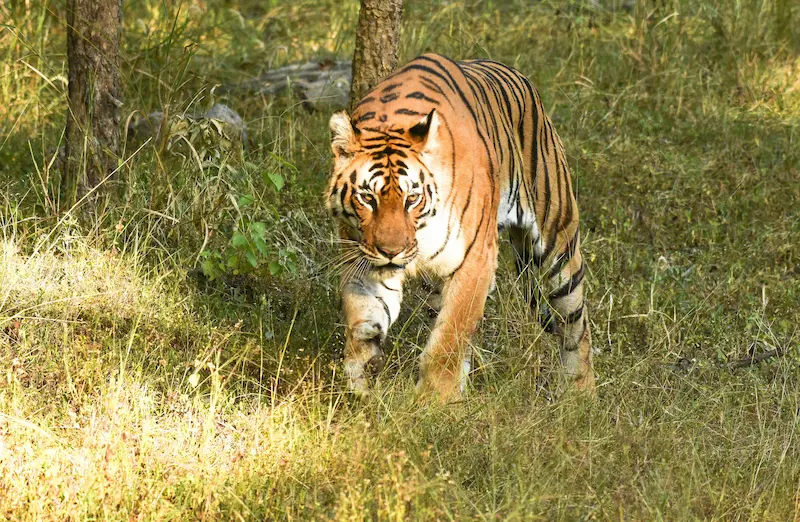
Best for Slower Travel & Offbeat Stays
Step off the mainstream tourist radar into tranquil artisan craft villages, tribal homestays, eco-resorts, and heritage rural hamlets. Slow travel across these states highlights authentic indigenous art, serene tea estates, and sustainable local living.
| Destination | Travel style |
|---|---|
| Raghurajpur | Heritage crafts village famous for Pattachitra painters |
| Shantiniketan | Tagore’s open-air cultural town, Baul music, and terracotta art |
| McCluskieganj | Quaint Anglo-Indian colonial village nestled in forest hills |
| Bastar Villages | Tribal market stays, bell-metal crafts, and local homestays |
| Chanderi | Fort town known for handloom weaving and historic stepwells |
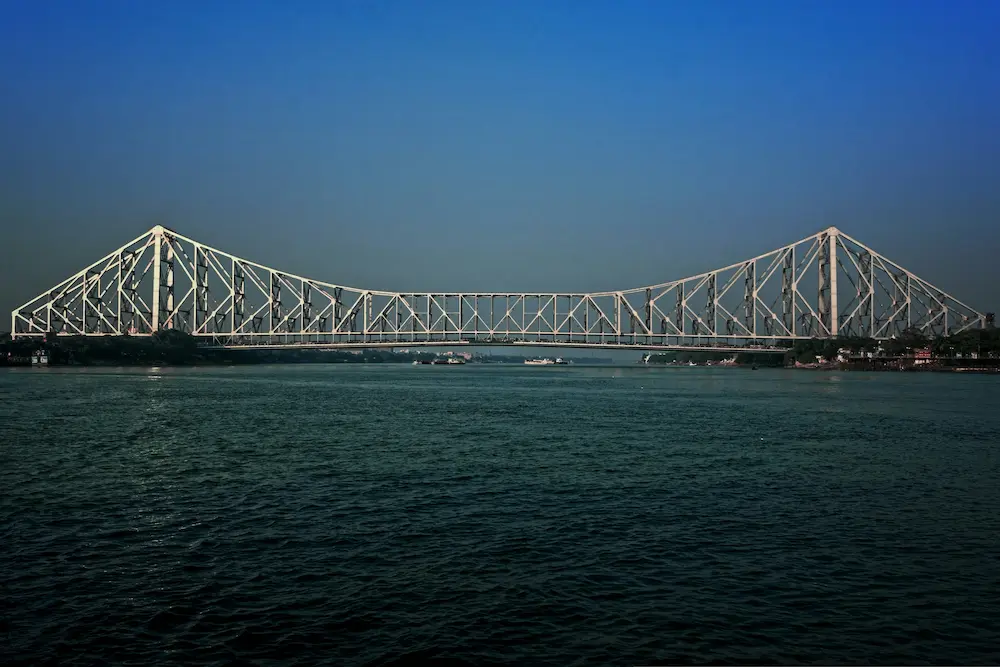
Best for Adventure & Outdoor Sports
From high-altitude Himalayan trekking and whitewater rafting to waterfall rappelling, canyoning, and jungle safaris, East and Central India offer thrill-seekers diverse terrains. Rugged gorges, limestone cave systems, and fast-flowing rivers create perfect natural arenas.
| Destination | Adventure focus |
|---|---|
| Sandakphu Trek | Highest peak in West Bengal with views of 4 of world’s 5 highest mountains |
| Teesta River | White-water rafting and river kayaking near Kalimpong |
| Chitrakote Falls | Boating near India’s widest waterfall and gorge trekking |
| Pachmarhi Valleys | Canyon trekking, rappelling, and zip-lining over gorge terrain |
| Deomali Peak | Highest mountain peak in Odisha, popular for trekking and paragliding |
Best Time to Visit East & Central India
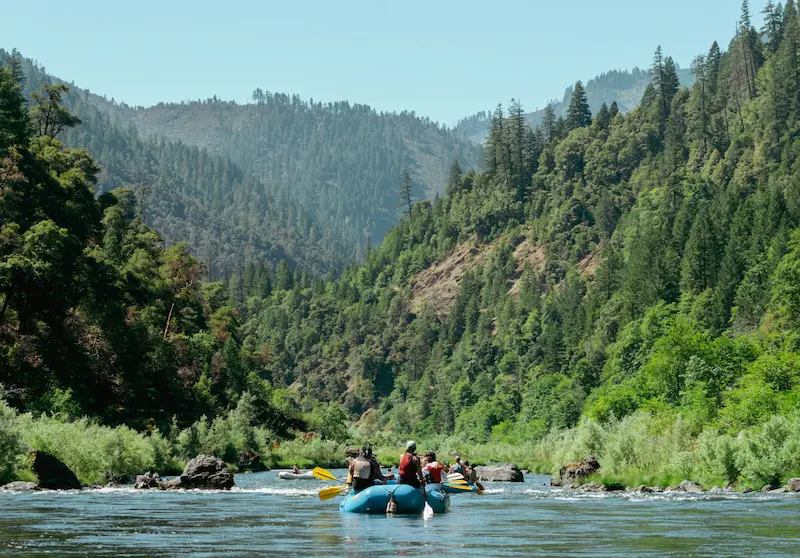
East and Central India covers a varied landscape, from the humid Bay of Bengal coast and Gangetic plains to Madhya Pradesh’s tiger reserves, the Chota Nagpur Plateau, and North Bengal’s Himalayan tea country. West Bengal and Odisha remain warm and humid, while Darjeeling, Kalimpong, Pachmarhi, and Mainpat offer cooler conditions. The best time to visit depends on whether your priority is wildlife, heritage, pilgrimage, or mountain travel.
Winter (October to February) — Best for Wildlife, Heritage, and Pilgrimage
Winter is the main travel season across East and Central India. The plains and coastal areas, including Kolkata, Puri, Bhubaneswar, Bodh Gaya, Patna, and Raipur, generally experience pleasant and dry weather. It is also a key season for tiger safaris in Kanha, Bandhavgarh, Pench, and the Sundarbans. In higher areas such as Darjeeling, Netarhat, and Pachmarhi, mornings and evenings can be crisp, with clearer mountain views.
Summer (March to June) — Ideal for Hill Stations and Wildlife
Temperatures rise sharply across the Gangetic plains and central regions from March, with April and May often bringing intense heat. Travellers looking for cooler conditions can head to Darjeeling, Kalimpong, Pachmarhi, or Mainpat. Despite the heat, April and May can also be productive months for wildlife viewing, as animals increasingly gather around limited water sources in Central India’s national parks.
Monsoon (July to September) — Waterfalls, Green Landscapes, and Eco-Tourism
The Southwest Monsoon brings widespread rainfall, turning forests, plateaus, and countryside into lush green landscapes. Chitrakote Falls in Chhattisgarh and the waterfalls around Ranchi are particularly impressive during this period. Many national parks and tiger reserves close or restrict safari operations during the monsoon, but the season remains suitable for scenic drives, selected eco-tourism experiences, and exploring the greener landscapes of Bengal, Odisha, and the Bastar region.
Post-Monsoon / Autumn (October to November) — Festivals and Cultural Experiences
As the monsoon withdraws, clearer skies and more comfortable weather return across the region. October and November also coincide with major cultural celebrations, including Durga Puja in West Bengal and Chhath Puja across Bihar and Jharkhand. The period suits heritage walks, river cruises on the Hooghly, and outdoor sightseeing before the colder winter months begin.
| Season | Months | Plains & Coastal Belts | Plateaus & Eastern Hills | Travel Considerations |
|---|---|---|---|---|
| Winter | October–February | Pleasant, dry, and mild conditions across Kolkata, Odisha coast, Bodh Gaya, and Patna | Cool to chilly days with crisp, misty mornings in Darjeeling, Netarhat, Pachmarhi, and Mainpat | Peak travel season; ideal for wildlife safaris in MP, temple tours in Odisha/Bihar, and cultural sightseeing |
| Summer | March–May | Hot to severe heat conditions across inland Bihar, Jharkhand, and Central India plains | Warm during mid-day but pleasantly cool retreats in Darjeeling, Kalimpong, and Pachmarhi | Best time to visit Himalayan hill stations; high tiger sightings in MP wildlife reserves during early mornings |
| Southwest Monsoon | June–September | Heavy rainfall across coastal Odisha and Bengal; moderate to high rainfall in Bihar plains | Lush green forests, swollen waterfalls like Chitrakote, and mist-covered plateaus across Chota Nagpur & Bastar | Great for eco-tourism and waterfall visits; national parks remain closed for tiger breeding season (July–Sept) |
| Post-Monsoon / Autumn | October–November | Clear skies and comfortable weather setting in across Eastern plains and coastal stretches | Refreshing climate, vibrant landscapes, and crystal-clear Himalayan views in North Bengal | Festive peak season (Durga Puja, Chhath Puja); ideal for heritage walks, nature photography, and river cruises |
10 Practical East & Central India Travel Circuits & Routes
Covering this region efficiently requires more than simply connecting popular destinations on a map. Distances, transport availability, seasonal conditions and the time needed at major attractions can significantly affect how much you actually experience. The circuits below bring together destinations that work well geographically and thematically, while showing the approximate duration, key stops, ideal travel period and type of traveller each route suits. Use the comparison to identify a realistic circuit that matches your schedule, interests and preferred pace.
| # | Travel Circuit | Route / Itinerary | Suitable For | Trip Duration | Best Months |
|---|---|---|---|---|---|
| 1 | Classic Bengal & Tea Gardens Circuit | Kolkata → Murshidabad → Siliguri → Darjeeling → Kalimpong | Heritage & literary buffs, tea garden lovers, mountain landscape enthusiasts | 7 – 9 Days | October to April |
| 2 | Odisha Golden Triangle & Coastal Trail | Bhubaneswar → Puri → Konark → Chilika Lake (Satapada) → Gopalpur-on-Sea | Temple architecture lovers, beachgoers, dolphin watching, first-timers | 5 – 7 Days | October to March |
| 3 | Buddhist Circuit (Bihar & UP border) | Patna → Nalanda → Rajgir → Bodh Gaya → Vaishali | Pilgrims, ancient history buffs, peace seekers, UNESCO site visitors | 5 – 6 Days | October to March |
| 4 | Central India Royal Heritage & Temples | Gwalior → Jhansi → Orchha → Khajuraho → Panna → Bhopal | Fort lovers, UNESCO stone art enthusiasts, history road-trippers | 6 – 8 Days | October to March |
| 5 | Tiger & Wildlife Trail (Madhya Pradesh) | Jabalpur → Bandhavgarh NP → Kanha NP → Pench NP → Jabalpur/Nagpur | Wildlife photographers, tiger safari enthusiasts, jungle lovers | 6 – 8 Days | October to June (Peak tiger sightings: Mar–May) |
| 6 | Chota Nagpur Plateau & Waterfalls | Ranchi → Hundru/Dassam Falls → Netarhat → Betla National Park → Ranchi | Sunset chasers, waterfall explorers, nature lovers, offbeat travelers | 4 – 6 Days | September to March |
| 7 | Chhattisgarh Tribal & Waterfalls Trail | Raipur → Kanger Valley NP → Jagdalpur → Chitrakote Falls → Mainpat | Offbeat explorers, tribal culture enthusiasts, waterfall lovers, nature seekers | 5 – 7 Days | October to March |
| 8 | Central Heritage & Mandu Romance | Indore → Ujjain → Omkareshwar → Mandu → Maheshwar | Spiritual pilgrims, romantic palace explorers, handloom weaving enthusiasts | 5 – 6 Days | October to March |
| 9 | Sundarbans & Delta Wildlife Eco-Trail | Kolkata → Godkhali → Sundarbans National Park → Sajnekhali → Canning → Kolkata | Mangrove delta explorers, birdwatchers, river cruise enthusiasts, tiger tracking | 3 – 4 Days | November to March |
| 10 | High Himalayan Trek & Vista Trail | Siliguri/NJP → Manebhanjan → Sandakphu → Phalut → Mirik → NJP | Trekkers, mountain photographers, Kanchenjunga & Everest view seekers | 6 – 8 Days | October to December / March to May |
East & Central India Destinations by Travel Style
Choosing where to travel in East and Central India also depends on how you prefer to experience a destination. A solo journey may prioritise flexibility and easy transport, while families often need greater convenience, couples may look for memorable stays and experiences, and budget travellers may focus on keeping daily expenses manageable. Mid-range and luxury trips allow greater comfort and more personalised arrangements. The comparison below highlights destinations and experiences that work particularly well for each travel preference, helping you plan with greater clarity.
| Travel Style | Ideal Destinations & Circuits | Accommodation | Transportation | Key Experiences & Focus |
|---|---|---|---|---|
| Solo | Shantiniketan, Darjeeling, Bodh Gaya, Orchha, Puri–Gopalpur coast | Backpacker hostels, monastery guesthouses, eco-homestays, budget lodges | Shared cabs, local trains, state transport buses, rented scooters | Heritage walks, tea garden strolls, meditation & peace pagodas, street food tasting, art workshops |
| Family | Kolkata–Sundarbans, Bhopal–Pachmarhi, Gwalior–Orchha–Khajuraho, Puri–Konark | Family-friendly 3–4★ hotels, jungle resorts, comfortable heritage stays | Private AC SUVs, direct intercity trains, comfortable tourist cabs | Fort tours, wildlife safaris, lake boating, beach relaxation, light and sound shows |
| Couple | Darjeeling–Kalimpong, Mandu–Maheshwar, Orchha, Digha–Mandarmani | Boutique heritage palaces, cliffside tea estate bungalows, luxury tented camps | Private sedan cabs, scenic rail journeys, direct flights to major hubs | Sunrise over Kanchenjunga, Narmada river ghat boat rides, romantic fort ruins, secluded coastal drives |
| Budget | Bodh Gaya, Rajgir, Varanasi–Deoghar, Netarhat, Bishnupur | Youth hostels, basic guesthouses, dharamshalas, simple village homestays | Express trains (SL class), shared auto-rickshaws, intercity sleeper buses | Free temple walks, terracotta art exploration, public beach access, local street food trails |
| Mid-Range / Comfort | Central MP Tiger Trail (Kanha/Bandhavgarh), Odisha Golden Triangle, Bengal Heritage Circuit | 3–4★ heritage hotels, eco-resorts near national parks, premium homestays | Private AC sedans/SUVs, comfortable intercity tourist taxis | Guided temple & palace tours, tiger safaris, artisan village visits, river boat cruises |
| Luxury | Ahilya Fort (Maheshwar), Oberoi Grand Kolkata, Glenburn Tea Estate (Darjeeling), Kanha/Pench Luxury Lodges | 5★ heritage forts, ultra-luxury jungle safari lodges, luxury tea estate villas | Chauffeur-driven premium SUVs, first-class train cabins, flight charters | Private river cruises, exclusive wildlife safaris, fine dining in historic palaces, private tea-tasting sessions |
How Much Does an East & Central India Trip Cost?
East and Central India can accommodate very different travel budgets, depending on where you go, how you move around and the level of comfort you prefer. A budget trip built around trains, local transport and simple accommodation can be relatively affordable, while private vehicles, boutique hotels, wildlife safaris and premium stays can increase the cost considerably. The figures below are best treated as practical planning ranges rather than fixed prices, since accommodation, transport and activity costs change by destination and season.
| Expense Category | Budget Traveller | Mid-Range Traveller | Luxury Traveller |
|---|---|---|---|
| Accommodation | ₹600–₹1,500 | ₹2,500–₹5,500 | ₹12,000–₹35,000+ |
| Typical options | Hostels, dharamshalas, basic guesthouses, homestays | 3–4★ hotels, heritage properties, comfortable jungle lodges | Luxury resorts, heritage properties, premium safari lodges |
| Food & Dining | ₹300–₹600 | ₹800–₹1,800 | ₹3,000–₹7,000 |
| Typical options | Local thalis, street food, small restaurants | Regional restaurants, cafés, mid-range dining | Fine dining, resort restaurants, private dining |
| Local Transport | ₹200–₹500 | ₹1,200–₹2,500 | ₹3,500–₹7,000 |
| Typical options | Buses, shared autos, trains | AC trains, private taxis, tourist vehicles | Chauffeur-driven SUVs, private transfers |
| Activities & Sightseeing | ₹100–₹400 | ₹500–₹1,500 | ₹2,500–₹8,000+ |
| Typical options | Temple visits, museums, basic entry fees | Guides, boat rides, organised experiences | Private experiences, premium safaris, specialised guides |
| Estimated Daily Cost | ₹1,200–₹3,000 | ₹5,000–₹11,400 | ₹21,000–₹57,000+ |
Estimated Cost for a 7-Day Trip
Budget Travel: ₹10,000–₹20,000 per person
A budget trip works best when you rely primarily on trains and public transport, choose simple accommodation and keep paid activities selective. This approach can suit travellers exploring places such as Bodh Gaya, Ujjain, Shantiniketan or other cultural and heritage destinations at a slower pace.
Your main expenses will generally be accommodation, intercity transport and food, with additional costs depending on sightseeing and the number of destinations covered.
Mid-Range Travel: ₹35,000–₹75,000 per person
For travellers who want greater comfort without moving into luxury pricing, a mid-range budget allows better hotels, AC transportation, private transfers on selected legs and organised sightseeing.
This level works particularly well for multi-destination trips such as Gwalior–Orchha–Khajuraho, Odisha’s temple and heritage circuit, or a Central India itinerary combining wildlife with heritage.
Luxury Travel: ₹1,50,000–₹3,80,000+ per person
Luxury travel in East and Central India can vary considerably depending on the property and experiences included. Premium safari lodges, heritage hotels, private vehicles, naturalist-led wildlife experiences and personalised dining can quickly become the largest components of the budget.
For travellers seeking this level of comfort, the experience is less about covering numerous destinations and more about spending several nights at carefully chosen properties and building the trip around wildlife, heritage, food or wellness.
East & Central India Travel Tips: What to Know Before You Go
Best Time to Visit
October to March is generally the most comfortable period for travelling across much of East and Central India, although the ideal months vary by destination and travel purpose. Odisha and West Bengal are particularly pleasant during the cooler months, while the winter and early summer periods can work well for wildlife-focused trips in Madhya Pradesh and Chhattisgarh. April to June can be very hot across the plains, while the monsoon can make some road journeys and outdoor activities less predictable.
Getting Around the Region
For longer journeys, trains are usually the most practical option, with flights useful when you need to cover large distances quickly. Buses and private vehicles become more useful for shorter state-level journeys and destinations away from major railway stations. Kolkata, Patna, Bhubaneswar, Ranchi, Raipur, Bhopal and Jabalpur can serve as useful transport hubs, although reaching wildlife areas, smaller towns and remote attractions will often require additional local transport.
Train vs Bus vs Flight
Train: Usually the best-value option for longer journeys, particularly overnight routes. Book AC classes in advance when travelling during busy periods.
Flight: Useful when time is limited or when a long rail journey would take too much of your trip. Factor in airport transfers when comparing the total journey time.
Bus: Practical for shorter routes where rail connections are limited. Check the operator, departure point and journey duration before booking.
Booking Accommodation
Book your first night in each major destination in advance, particularly when arriving late or travelling during peak periods. Accommodation choices become more limited around wildlife gates, smaller towns and some remote destinations, so check the property’s location rather than relying only on its city name. Recent guest reviews can also reveal useful details about cleanliness, transport access, power supply and check-in arrangements.
Food & Drinking Water
If you are unsure about local water quality, choose sealed bottled water or properly filtered water. When eating outside your accommodation, look for places with good customer turnover, clean preparation areas and food that is cooked fresh and served hot. Local restaurants and regional dishes can be an important part of the experience, but travellers with sensitive stomachs should introduce unfamiliar foods gradually.
Safety & Common Travel Mistakes
Road safety deserves particular attention, especially when travelling by private vehicle or taxi over long distances. Use reputable transport providers and avoid accepting unsolicited offers from touts around stations and major attractions. If someone claims that a monument, hotel or transport service is closed, verify the information through the official counter or your accommodation before changing your plans. Keep digital copies of important documents and avoid displaying expensive belongings unnecessarily in crowded areas.
Cash, ATMs & Digital Payments
Carry a combination of cash, cards and whatever digital payment options are available to you. ATMs are widely available in larger cities but can be less convenient in smaller towns and rural areas. Keep some smaller denominations for local transport, small shops and other situations where card or digital payments may not be accepted. International travellers should check their payment options before arrival rather than assuming every merchant will accept the same method.
Local Transport
Within major cities, app-based cabs, prepaid taxis and established local operators can make getting around easier. For wildlife, heritage and multi-day circuits, a reliable private driver can be worthwhile, particularly when several attractions are spread across different towns. Where possible, arrange such transport through your accommodation or a reputable operator rather than choosing solely on the basis of the lowest quoted price.
Connectivity
Mobile connectivity is generally reliable in major towns and along many highways, but coverage can become weaker inside forests, wildlife areas and remote tribal regions. Download offline maps, tickets, accommodation details and important contact information before leaving areas with reliable internet access. If you are heading into a remote area for several days, let someone know your planned route and expected return.
Weather & Seasonal Considerations
Winter fog can occasionally affect trains and flights across the northern plains, particularly during December and January, so avoid making tightly connected bookings when possible. During the monsoon, heavy rain can affect road conditions, train schedules and some outdoor activities, while certain wildlife areas may have seasonal restrictions or closures. Keep some flexibility in your itinerary if travelling during periods of heavy rain or extreme weather.
East & Central India Travel Essentials: What to Pack & Carry
Packing for East and Central India depends heavily on the season, destination and type of trip you are planning. A wildlife-focused journey through Madhya Pradesh will require different gear from a temple circuit in Odisha or a winter trip through Bihar and West Bengal. Rather than carrying everything, focus on versatile clothing, comfortable footwear, essential documents, basic medicines, weather protection and a few reliable travel accessories. If your itinerary includes forests, remote areas or long train journeys, a little extra preparation can make the trip considerably easier.
Clothing
Choose lightweight, breathable clothing for warmer months and comfortable layers for winter travel. Temperatures can vary considerably between daytime and evening, particularly in inland destinations. Carry modest clothing for temples and religious sites, along with a light jacket or sweater for cooler mornings and evenings during winter.
Footwear
Comfortable walking shoes are more useful than carrying several pairs of footwear. Consider adding sandals or lightweight slip-on footwear for hotels, temples and short outings. If your itinerary includes waterfalls, forests or uneven trails, choose footwear with adequate grip.
Travel Documents
Keep your identification, tickets, accommodation confirmations and other important documents easily accessible. International travellers should also carry their passport, visa or entry documents and copies of important information. Store digital copies securely on your phone or cloud storage as a backup.
Sun, Rain & Weather Protection
Carry sunglasses, sunscreen, a hat or cap and a reusable water bottle for hot-weather travel. During the monsoon, a compact umbrella or lightweight rain jacket can be useful. Winter travellers should add a warm layer, particularly for early-morning trains, safaris and destinations across the northern plains.
Electronics & Connectivity
A phone, charging cable and power bank are useful for navigation, tickets, communication and digital payments. If you are travelling through remote areas, download offline maps and important booking information before leaving reliable network coverage. An appropriate plug adapter is also useful for international visitors carrying multiple devices.
Personal Medicines & Health Essentials
Carry any regular medicines you need, along with basic personal-care items and a small first-aid kit. Useful additions can include bandages, antiseptic wipes, personal hygiene products and medication for common travel discomforts. If you have specific medical requirements, carry sufficient supplies for the duration of the trip rather than relying on finding them at every destination.
Daypack
A small daypack is useful for sightseeing, temple visits, train journeys and wildlife excursions. Keep frequently needed items such as water, identification, sunscreen, a phone, power bank and basic medicines within easy reach. For longer journeys, separate your day-use items from your main luggage so you do not need to open your larger bag repeatedly.
Wildlife & Nature Trips
If your itinerary includes tiger reserves, national parks, waterfalls or forest areas, consider carrying binoculars, a reusable water bottle, neutral-coloured comfortable clothing and a light jacket for early-morning excursions. Avoid overpacking specialist equipment unless you are specifically travelling for photography or wildlife observation.
Travel Gear Worth Carrying
A few simple items can make multi-destination travel easier:
Reusable water bottle
Power bank
Small flashlight
Compact umbrella or rain jacket
Travel-size toiletries
Small combination lock
Daypack
Offline maps
Copies of important documents
Lightweight laundry bag
What Not to Overpack
East and Central India can involve frequent changes between trains, taxis, hotels and local transport, so heavy luggage can quickly become inconvenient. Avoid carrying excessive clothing, multiple pairs of shoes or equipment that you are unlikely to use. A versatile wardrobe and compact luggage are usually more useful than packing for every possible situation.
For longer trips, pack according to the season and route, then add only the equipment required for specific experiences such as wildlife safaris, trekking, beaches or remote-area travel.
Frequently Asked Questions
What is the best time to visit East and Central India?
Which states are included in East and Central India?
What are the best places to visit in East and Central India?
How many days are enough for an East and Central India trip?
Is East and Central India suitable for first-time travellers?
How much does an East and Central India trip cost?
What is the best way to travel around East and Central India?
What should I pack for an East and Central India trip?
Is East and Central India good for wildlife tourism?
Can East and Central India be travelled on a budget?
One Last Thought
East and Central India is not a region that needs to be rushed. Its appeal lies in the contrast between wildlife and heritage, busy cities and quieter landscapes, celebrated attractions and places that receive far fewer visitors. Rather than trying to connect every major destination, choose a route that reflects what you genuinely want from the journey.
A well-planned trip here can be deeply rewarding precisely because it leaves room to slow down, spend longer in meaningful places and experience the region beyond its headline attractions. Whether your journey revolves around temples, tigers, forests, food, culture or history, travelling with a clear focus will usually give you more than simply covering more ground.