
India is best experienced through the activities and experiences that bring its culture, landscapes, traditions, and everyday life closer to travellers. A trek in the Himalayas, a jeep safari through a forest, or an offbeat village experience can offer a very different way to experience the country beyond its well-known landmarks. Cultural festivals bring traditions and local celebrations into focus, while food experiences introduce travellers to regional ingredients, cooking methods, and culinary traditions. Others may choose to spend time at a temple, join a yoga or meditation experience, explore a craft market, or learn directly from local artisans.
This guide brings together India’s major travel activities and experiences across adventure, wildlife, offbeat travel, culture and festivals, food and culinary experiences, spiritual and wellness activities, and shopping and crafts. Rather than presenting a simple checklist of things to do, it explains the different kinds of experiences available and points you towards dedicated guides for exploring each category in greater depth.
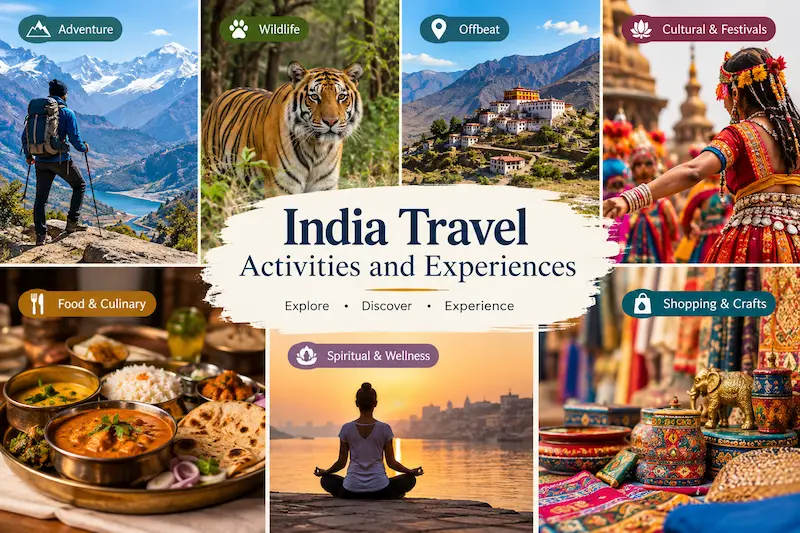
India Travel Activities & Experiences at a Glance
| Category | What You Can Experience |
|---|---|
| Adventure | Trekking, rafting, diving, paragliding, skiing, camping and other outdoor activities |
| Wildlife | Safaris, birdwatching, wildlife photography and nature-based experiences |
| Offbeat | Village experiences, local activities, lesser-known cultural encounters and unusual experiences |
| Cultural & Festivals | Heritage experiences, traditional performances, festivals, arts and local customs |
| Food & Culinary | Street food, food walks, cooking classes, regional cuisine, markets and culinary experiences |
| Spiritual & Wellness | Yoga, meditation, Ayurveda, retreats, pilgrimage experiences and traditional practices |
| Shopping & Crafts | Handloom, handicrafts, textiles, jewellery, local markets and craft experiences |
Adventure Activities & Experiences
India offers adventure experiences ranging from demanding mountain journeys and river activities to accessible outdoor pursuits and water-based experiences. Trekking can take travellers through mountain landscapes and remote trails, while rafting, kayaking, surfing and scuba diving offer different ways to experience India’s rivers and coastline. Cycling, camping, rock climbing, caving, paragliding, skiing, camel safaris and jeep-based outdoor experiences add further variety for travellers looking to spend more time actively exploring their surroundings.
Adventure travel is not limited to physically demanding activities. Some experiences involve technical skills and considerable preparation, while others are relatively accessible to beginners. What makes these activities distinctive is the opportunity to engage more directly with India’s mountains, rivers, forests, deserts and coastlines rather than simply viewing them as scenery. Safety remains an important part of the experience, particularly for activities involving altitude, fast-moving water, difficult terrain or specialist equipment. Choosing reputable operators, following local guidance and understanding the requirements of an activity can help make the experience both enjoyable and responsible.
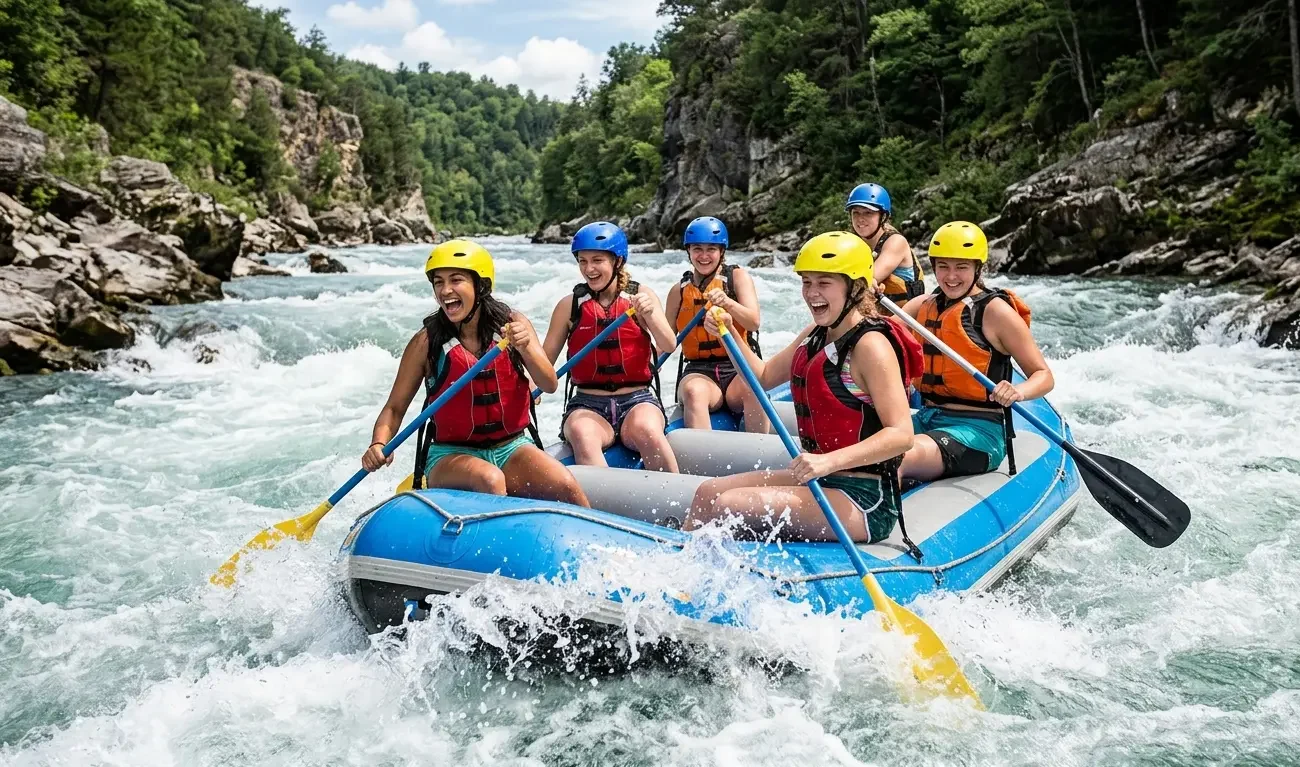
Adventure Experiences in India
| Adventure Experience | What the Experience Involves |
|---|---|
| Trekking & Hiking | Walking through mountain trails, forests, valleys and varied landscapes, from shorter hikes to demanding multi-day treks. |
| Whitewater Rafting | Navigating river rapids by inflatable raft, combining active river adventure with changing landscapes along the route. |
| Kayaking | Paddling through rivers, lakes, backwaters or coastal waters, either independently or with a guide. |
| Scuba Diving | Exploring underwater environments and observing marine life, reefs and other aquatic landscapes beneath the surface. |
| Snorkelling | Swimming near the surface while observing underwater surroundings and marine life with a mask and snorkel. |
| Surfing | Learning to ride waves and experiencing the coastline through an active water sport. |
| Paragliding | Flying beneath a paraglider, commonly as a tandem experience or through trained solo flying. |
| Rock Climbing | Climbing natural rock faces or purpose-built routes using specialist equipment and established safety systems. |
| Caving | Exploring caves, underground passages and natural formations, sometimes involving walking, climbing or crawling. |
| Mountaineering | Undertaking mountain ascents that may involve climbing techniques, specialist equipment and technical skills. |
| Skiing & Snow Activities | Experiencing snow-covered terrain through skiing, snowboarding and other winter outdoor activities. |
| Mountain Biking | Riding bicycles through trails, steep routes and challenging terrain while actively exploring the surrounding landscape. |
| Camping & Outdoor Adventures | Spending time outdoors through camping, wilderness stays and other overnight or activity-based outdoor experiences. |
| Desert Adventures | Exploring desert landscapes through camel rides, jeep excursions, dune activities and other desert-based adventures. |
Wildlife Activities & Experiences
Wildlife experiences in India are centred on observing animals in their natural habitats, often with patience and close attention rather than guaranteed sightings. Safari drives provide opportunities to explore forests and grasslands in search of tigers, elephants, rhinos, deer and other wildlife. Birdwatching introduces travellers to resident and migratory species across wetlands, forests and open landscapes, while guided nature walks offer a closer look at smaller animals, plants, tracks and other signs of wildlife.
Other experiences include exploring mangrove ecosystems, observing crocodiles and reptiles, looking for snow leopards in high-altitude landscapes, and discovering marine life through responsible coastal and underwater activities. Wildlife travel is not simply about seeing a particular animal; it is also about understanding habitats, observing animal behaviour and experiencing natural environments with minimal disturbance. Responsible wildlife experiences should follow local rules, maintain appropriate distances, avoid feeding or disturbing animals, and respect the guidance of trained naturalists and guides.
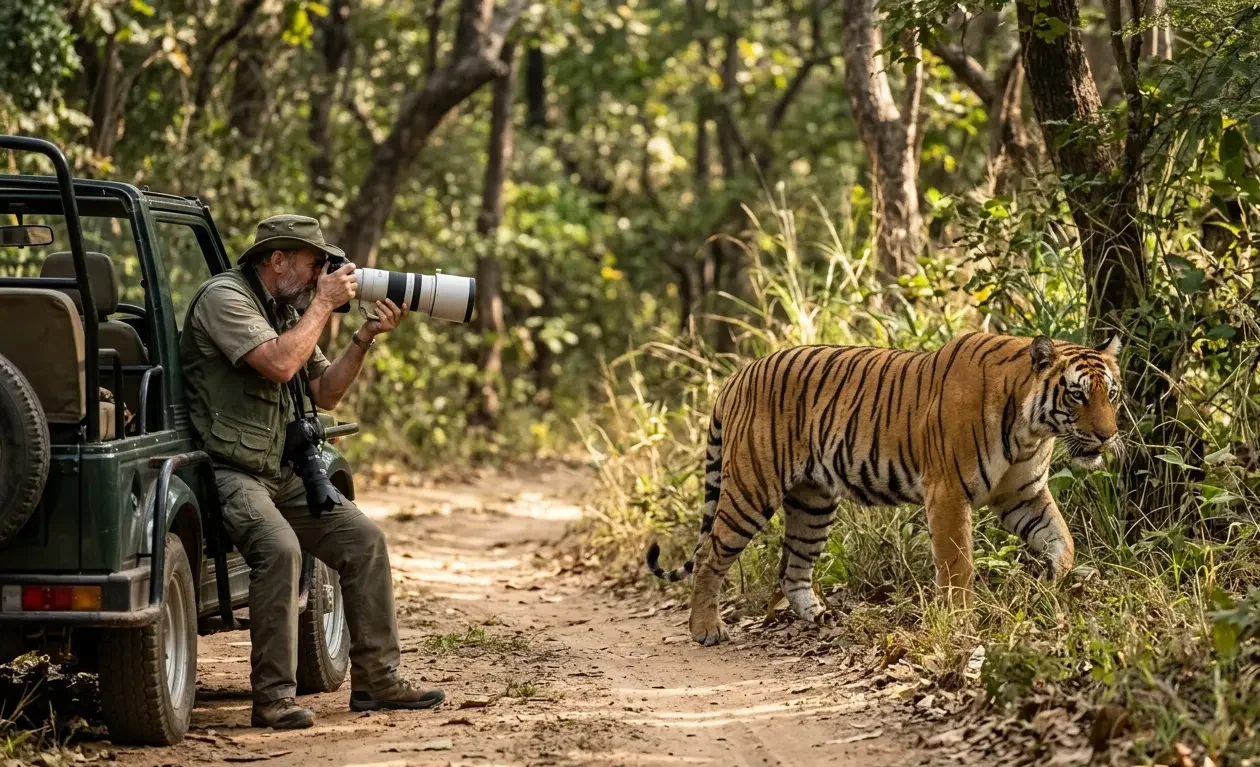
Wildlife Experiences in India
| Wildlife Experience | What the Experience Involves |
|---|---|
| Wildlife Safari | Exploring forests and grasslands by safari vehicle to observe animals, birds and other wildlife in their natural habitats. |
| Tiger Safari | Searching for wild tigers while observing the wider forest ecosystem and other animals encountered during the experience. |
| Elephant & Rhino Watching | Observing large herbivores in their natural surroundings while learning about their behaviour, habitats and conservation. |
| Birdwatching & Birding | Identifying resident and migratory birds through patient observation, often using binoculars and field guides. |
| Guided Nature Walks | Exploring natural habitats on foot while looking for birds, insects, plants, animal tracks and other signs of wildlife. |
| Reptile & Crocodile Experiences | Observing crocodiles, snakes, turtles and other reptiles in suitable natural or conservation-focused environments. |
| Snow Leopard Tracking | Searching for the elusive snow leopard while learning to recognise tracks, habitat features and other signs of its presence. |
| Mangrove Wildlife Exploration | Exploring mangrove ecosystems and observing the birds, reptiles, fish and other species that depend on these habitats. |
| Marine Wildlife Experiences | Observing marine animals and underwater ecosystems through responsible activities such as diving, snorkelling or guided excursions. |
| Butterfly & Insect Watching | Looking for butterflies, insects and other smaller species while learning about their role within local ecosystems. |
| Wildlife Photography | Photographing animals and birds in their natural habitats while following responsible wildlife-viewing practices. |
| Conservation & Wildlife Experiences | Learning about habitats, species protection and conservation work through responsible visits, guided activities or educational experiences. |
Offbeat & Unique Experiences
Offbeat travel in India offers experiences that go beyond conventional sightseeing, often focusing on local communities, lesser-known places, traditional practices, and everyday life. Travellers might explore a village on foot, stay with a local family, visit an old trading settlement, discover historic stepwells, learn a regional craft, or follow a food tradition that has remained closely connected to a particular community.
These experiences are often less about ticking off unusual attractions and more about seeing how people live, work, create, eat, and preserve local traditions. Homestays, village experiences, artisan workshops, heritage walks, local food encounters, traditional markets, and visits to lesser-known cultural sites can all form part of an offbeat journey. The value comes from the interaction and context surrounding the experience rather than simply finding somewhere that receives fewer visitors.
Respect is particularly important in community-based experiences. Asking permission before photographing people or private spaces, supporting local businesses, and approaching traditions with genuine interest can help ensure that offbeat travel remains respectful rather than turning local communities into attractions.
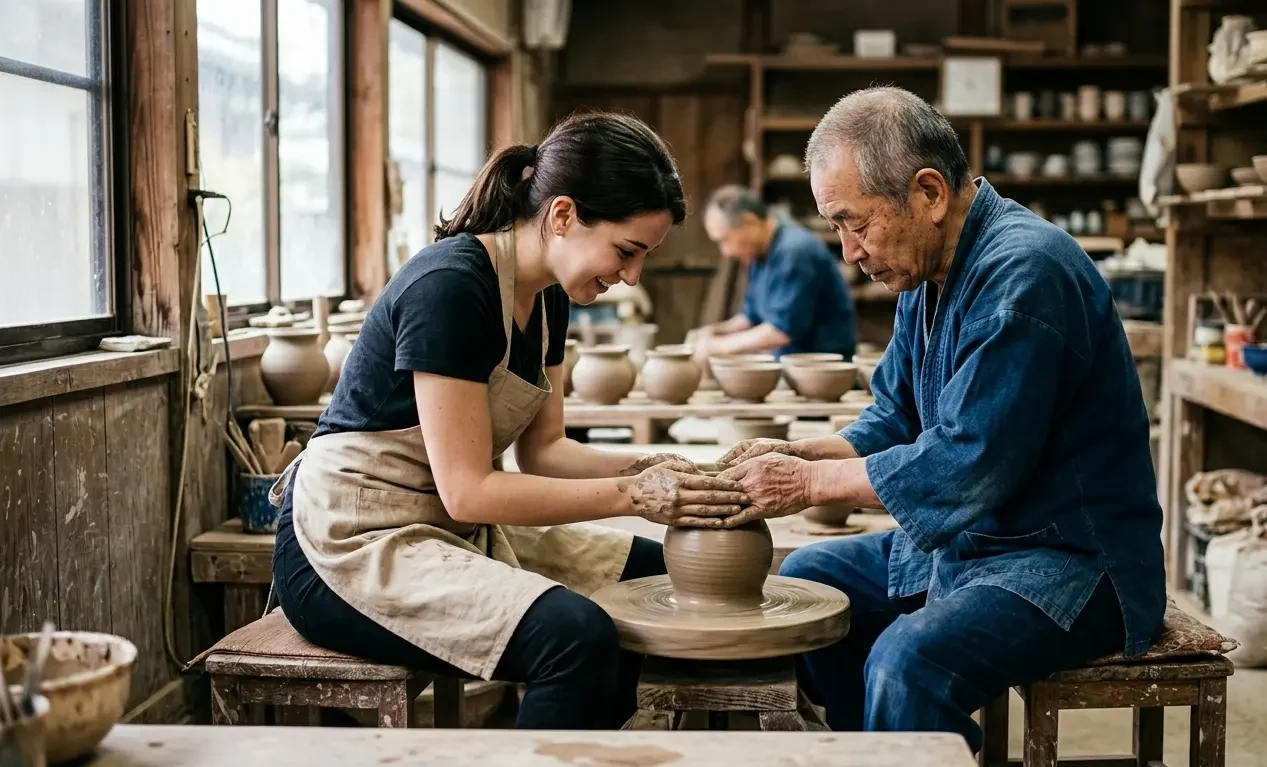
Offbeat & Unique Experiences in India
| Offbeat Experience | What the Experience Involves |
|---|---|
| Village Walks & Rural Experiences | Walking through villages and rural communities while observing local homes, agriculture, daily routines and traditional ways of life. |
| Homestay Experiences | Staying with local families and experiencing everyday life, home-cooked food, local customs and community interactions. |
| Heritage & Old Town Walks | Exploring historic neighbourhoods, old trading towns, traditional markets, lanes, buildings and lesser-known heritage sites. |
| Artisan & Craft Workshops | Learning traditional skills such as pottery, weaving, painting, woodwork, metalwork or other regional crafts directly from artisans. |
| Traditional Food Experiences | Discovering local dishes, cooking methods, ingredients and food traditions through homes, neighbourhoods, markets or community-led experiences. |
| Local Market Experiences | Exploring traditional bazaars and community markets to discover regional products, crafts, food and everyday commerce. |
| Stepwell & Hidden Heritage Exploration | Discovering historic stepwells, old structures, forgotten monuments and architectural sites that receive less attention than major landmarks. |
| Community-Based Experiences | Spending time with local communities through cultural activities, workshops, meals, storytelling and other locally organised experiences. |
| Traditional Village Stay | Spending longer within a rural setting to experience local surroundings, customs, food, crafts and everyday community life. |
| Local Storytelling Experiences | Learning about regional history, folklore, traditions and community stories through local guides, storytellers or residents. |
| Traditional Music & Performing Arts | Experiencing regional music, dance, theatre and other performing traditions in local or community settings. |
| Offbeat Culinary Experiences | Exploring lesser-known regional foods, family recipes, neighbourhood eateries and traditional preparation methods. |
| Heritage Home & Haveli Experiences | Experiencing historic homes, traditional architecture and local heritage through stays, visits or cultural activities. |
| Local Festival Experiences | Taking part in smaller community celebrations and local traditions beyond major tourist-oriented festivals. |
Cultural & Festival Experiences
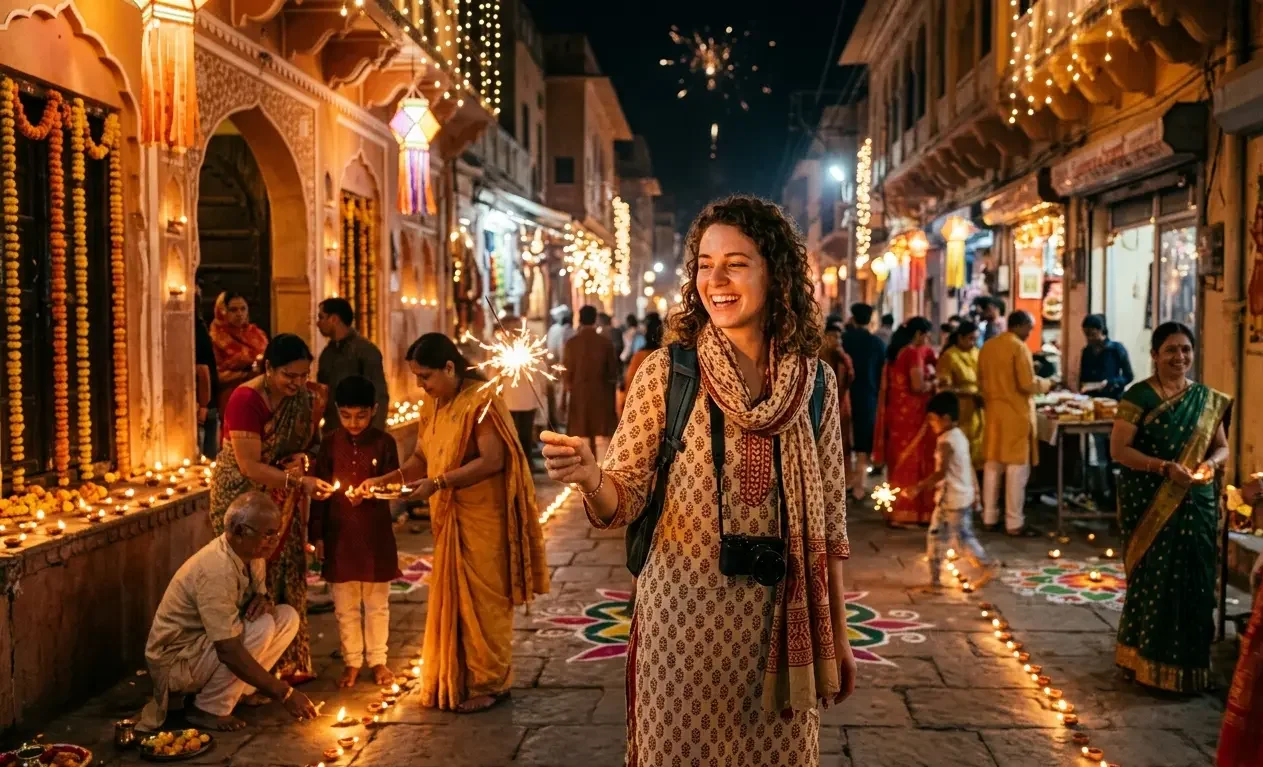
Cultural experiences in India offer opportunities to engage with the traditions, arts, celebrations, food, music and everyday practices that shape local communities. A festival procession, classical music performance, village fair, traditional dance, temple ceremony, or regional celebration can provide a closer understanding of a place beyond its monuments and attractions.
Travellers can also explore India’s cultural heritage through heritage walks, museums, craft demonstrations, storytelling, traditional performances, local celebrations and interactions with artists, artisans and community guides. Festivals range from major religious and harvest celebrations to regional new year traditions, tribal gatherings and community events rooted in particular towns and cultural traditions.
These are lived traditions rather than experiences created solely for visitors. Respectful participation matters: observe ceremonies without interrupting them, follow local customs, ask before photographing people, and treat cultural practices as something to understand rather than simply photograph. The most meaningful cultural experiences often come from paying attention to the people, traditions and context surrounding the event.
Cultural & Festival Experiences in India
| Cultural & Festival Experience | What the Experience Involves |
|---|---|
| Festival Celebrations | Experiencing regional festivals through processions, decorations, music, food, ceremonies and community celebrations. |
| Traditional & Folk Festivals | Discovering local celebrations connected with regional traditions, seasonal customs, harvests and community life. |
| Classical Music Experiences | Listening to traditional Indian classical music and learning about its instruments, styles and performance traditions. |
| Traditional Dance Performances | Watching or learning about classical and folk dance forms that express regional stories, traditions and cultural heritage. |
| Village Fairs & Community Events | Experiencing local fairs featuring traditional performances, food, crafts, markets, games and community gatherings. |
| Heritage Walks | Exploring historic neighbourhoods, buildings, streets and cultural landmarks while learning about their local history and traditions. |
| Museum & Cultural Experiences | Exploring museums and cultural institutions that preserve art, artefacts, traditions, historical objects and regional heritage. |
| Traditional Theatre & Storytelling | Experiencing folk theatre, oral storytelling, mythology, local legends and other traditional forms of cultural expression. |
| Artisan & Craft Demonstrations | Watching traditional crafts being created and learning about the techniques, materials and cultural traditions behind them. |
| Temple & Cultural Ceremonies | Observing traditional ceremonies and rituals as cultural experiences while respecting the practices and spaces involved. |
| Regional New Year Celebrations | Experiencing local new year traditions through community gatherings, rituals, food, music and cultural customs. |
| Tribal Cultural Experiences | Learning about indigenous traditions through art, music, dance, crafts, food and community-led cultural activities. |
| Traditional Clothing & Textile Experiences | Discovering regional textiles, traditional clothing, weaving techniques, embroidery and the cultural meaning attached to them. |
| Cultural Food Experiences | Exploring traditional dishes, cooking practices, food customs and regional culinary traditions as part of local culture. |
| Local Music & Folk Performances | Experiencing regional songs, instruments and folk performances that reflect local stories, traditions and community life. |
Food & Culinary Experiences
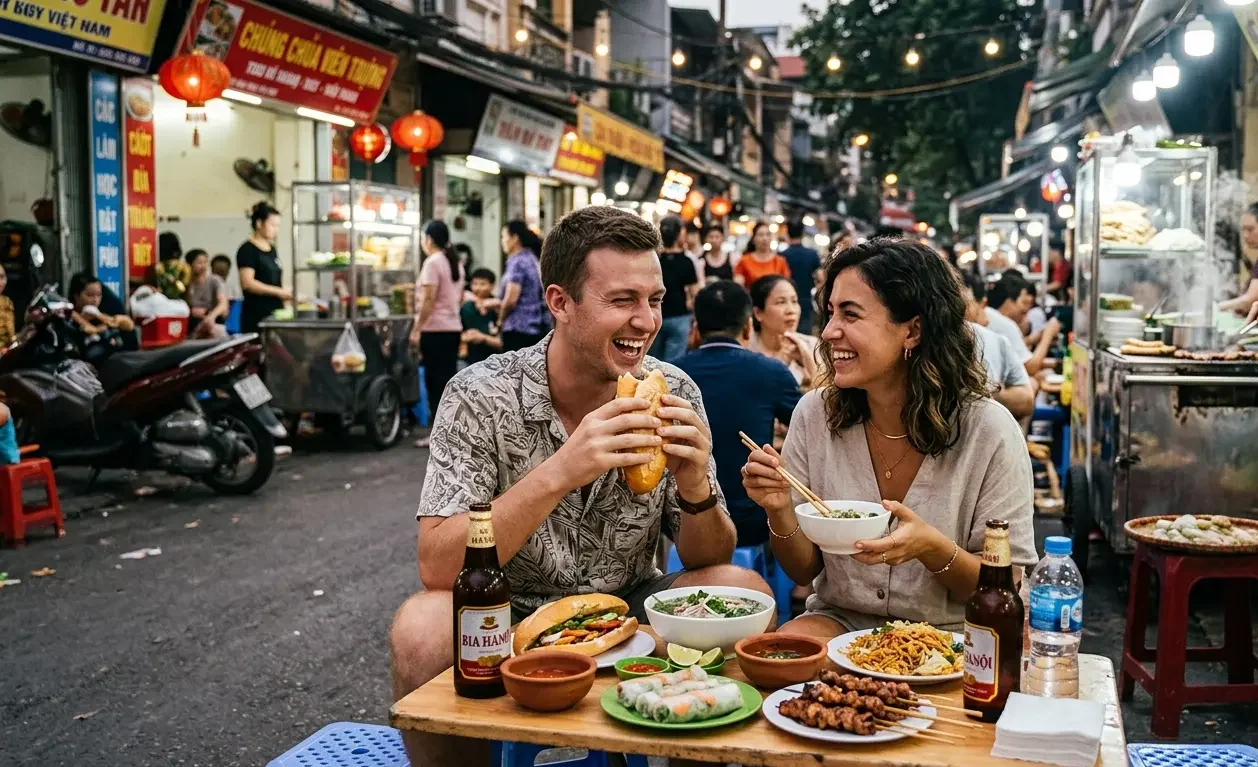
Food experiences in India offer a direct way to explore regional ingredients, cooking techniques, eating habits, and culinary traditions. Travellers can experience Indian cuisine through street-food walks, traditional meals, cooking classes, local markets, farm visits, food tours and meals prepared by local families. Regional thalis, traditional snacks, sweets, breads, fermented foods, seafood, spices and home-style dishes reveal the variety of ingredients and cooking traditions found across the country.
Food experiences can also go beyond eating. A market visit can introduce local ingredients, a cooking class can explain traditional preparation methods, and a meal with a local family can provide insight into how food is prepared and shared at home. Heritage cafés, traditional eateries, spice experiences, farm-to-table activities and local food workshops offer other ways to understand culinary traditions.
The most interesting culinary experiences often include the story behind the food—where the ingredients come from, how a recipe developed, and why particular dishes remain important to a community. Approaching local food with curiosity while respecting household traditions, preparation practices and dietary requirements can make these experiences more meaningful.
Food & Culinary Experiences in India
| Food & Culinary Experience | What the Experience Involves |
|---|---|
| Street Food Experiences | Exploring local street foods, snacks, sweets and regional specialities through markets, stalls and traditional food streets. |
| Regional Food Tours | Discovering a selection of local dishes and culinary traditions while learning about the food culture surrounding them. |
| Cooking Classes | Learning how traditional dishes are prepared, including ingredients, cooking techniques, spices and regional methods. |
| Local Market Experiences | Exploring food markets to discover fresh produce, spices, grains, sweets, snacks and other regional ingredients. |
| Home-Cooked Meal Experiences | Sharing traditional meals prepared in local homes and learning about household recipes and food customs. |
| Traditional Thali Experiences | Exploring multiple regional dishes served together to understand different flavours, ingredients and preparation styles. |
| Farm & Food Experiences | Visiting farms or food-producing communities to learn about ingredients, cultivation and their journey from production to the plate. |
| Spice Experiences | Discovering Indian spices through markets, demonstrations, cooking activities and traditional preparation methods. |
| Food & Heritage Experiences | Exploring dishes, cafés, eateries and culinary traditions connected with the history and cultural development of a place. |
| Traditional Sweets & Dessert Experiences | Discovering regional sweets, desserts, festive preparations and traditional methods of making them. |
| Tea & Coffee Experiences | Learning about tea and coffee through tastings, preparation methods, local traditions and the culture surrounding these beverages. |
| Food Workshops & Demonstrations | Watching or participating in demonstrations focused on traditional recipes, ingredients, preservation methods or cooking techniques. |
| Festival Food Experiences | Discovering special dishes, sweets and preparation traditions associated with cultural and community celebrations. |
| Food & Artisan Experiences | Exploring traditional food products made by local producers, including handmade ingredients, snacks, preserves and regional specialities. |
Spiritual & Wellness Experiences
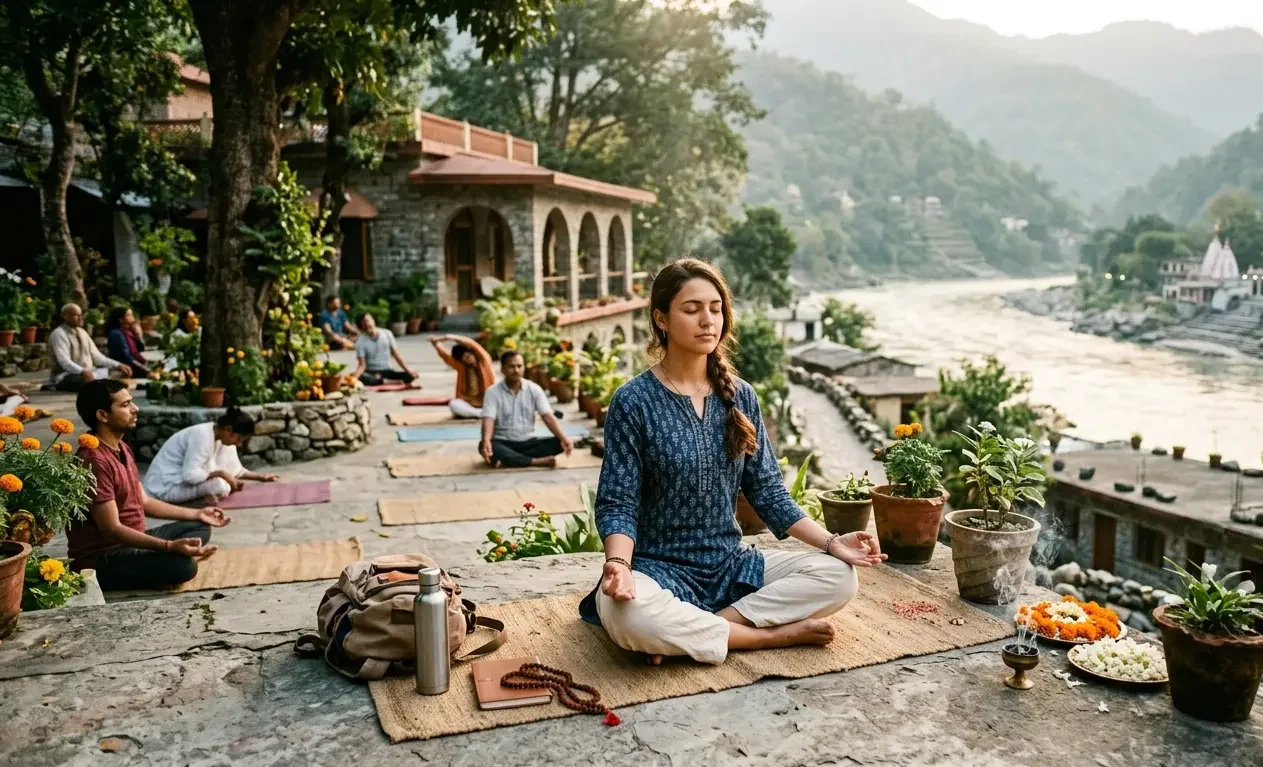
Spiritual and wellness experiences in India range from yoga and meditation to pilgrimage, Ayurveda, traditional wellness practices and structured retreats. Travellers may join a yoga programme, practise meditation, spend time in an ashram, explore traditional Ayurvedic practices, participate in a spiritual retreat, or experience the daily rhythm of a pilgrimage centre.
These experiences can have very different purposes. Some focus on physical practice and relaxation, while others centre on meditation, silence, prayer, traditional therapies, reflection or personal discipline. Spiritual experiences can also involve observing ceremonies, visiting sacred spaces, joining devotional activities, or learning about traditions without necessarily adopting their beliefs.
Wellness experiences may include yoga, meditation, Ayurveda, massage and traditional therapies, while retreat-based experiences can combine several practices within a structured programme. The value of these experiences often comes from slowing down, creating space for reflection, learning about traditional practices, or developing a more focused daily routine. Approaching religious spaces and spiritual traditions with respect is an important part of the experience.
Spiritual & Wellness Experiences in India
| Spiritual & Wellness Experience | What the Experience Involves |
|---|---|
| Yoga Experiences | Practising traditional or contemporary yoga through classes, workshops, retreats or structured programmes. |
| Meditation Experiences | Learning or practising meditation through guided sessions, silent practice, retreats or dedicated meditation programmes. |
| Ashram Experiences | Spending time in an ashram and experiencing structured routines that may include yoga, meditation, study, service or spiritual practice. |
| Pilgrimage Experiences | Visiting sacred places and participating in devotional practices, ceremonies or other aspects of pilgrimage traditions. |
| Ayurveda Experiences | Learning about Ayurvedic principles and experiencing traditional wellness practices, therapies, treatments or consultations. |
| Wellness Retreats | Taking part in structured programmes combining practices such as yoga, meditation, relaxation, wellness therapies or mindful routines. |
| Spiritual Retreats | Spending dedicated time in reflection, meditation, silence, prayer, study or other forms of spiritual practice. |
| Temple & Sacred Space Experiences | Visiting temples and other sacred spaces to observe architecture, rituals, ceremonies, traditions and devotional practices. |
| Ganga & River Spiritual Experiences | Experiencing riverside rituals, devotional ceremonies, meditation and other spiritual practices connected with sacred rivers. |
| Traditional Wellness Therapies | Experiencing traditional Indian approaches to relaxation and wellbeing, including recognised forms of massage and wellness treatments. |
| Silence & Mindfulness Experiences | Spending time in quiet settings through silent retreats, mindful activities, meditation and reduced daily distractions. |
| Spiritual Learning Experiences | Learning about Indian philosophical traditions, meditation practices, yoga philosophy or spiritual teachings through talks, courses and guided programmes. |
| Devotional Music & Chanting | Experiencing bhajans, devotional singing, chanting, traditional instruments and other forms of spiritual musical practice. |
| Wellness & Mindful Living Experiences | Exploring practices involving mindful routines, traditional food, movement, meditation, relaxation and conscious daily living. |
Shopping & Craft Experiences
Shopping in India can be an experience in itself when it introduces travellers to regional crafts, materials, techniques and the people who make them. Traditional markets, craft villages, handloom centres, artisan workshops and cooperatives offer opportunities to see how textiles, pottery, metalwork, woodwork, baskets, jewellery and other products are created and used.
Travellers can go beyond browsing shops by watching artisans at work, learning traditional techniques, visiting craft workshops, exploring handloom traditions, or speaking with makers about the materials and methods behind their products. Markets also provide a closer look at regional styles, everyday objects, traditional clothing, decorative arts and locally produced goods.
The experience becomes more meaningful when the purchase has a connection to the craft itself. Buying from artisans, established cooperatives or reputable craft organisations can provide greater context about the product and the tradition behind it. Asking about materials, production methods and care can also help distinguish handmade work from mass-produced products. Respectful bargaining is appropriate in many markets, but the skill and labour involved in traditional crafts should remain part of the value of the purchase.

Shopping & Craft Experiences in India
| Shopping & Craft Experience | What the Experience Involves |
|---|---|
| Traditional Market Experiences | Exploring local markets to discover regional crafts, textiles, jewellery, food products, household goods and everyday items. |
| Artisan Workshop Visits | Visiting workshops to observe artisans creating traditional products and learn about their tools, materials and techniques. |
| Handloom Experiences | Discovering traditional weaving through loom demonstrations, textile workshops, handloom centres and interactions with weavers. |
| Textile & Embroidery Experiences | Exploring regional fabrics, printing, dyeing, embroidery and other textile-making traditions. |
| Pottery & Ceramic Experiences | Watching or learning traditional pottery techniques, including shaping, decorating, glazing and firing. |
| Wood & Bamboo Craft Experiences | Discovering traditional carving, basketry, bamboo work and other crafts made from locally used natural materials. |
| Metal Craft Experiences | Exploring traditional metalworking, including the making of utensils, decorative objects, sculptures and other regional products. |
| Jewellery Craft Experiences | Learning about traditional jewellery-making techniques, designs, materials and regional ornament traditions. |
| Craft Demonstrations & Workshops | Watching skilled makers demonstrate traditional techniques or taking part in supervised hands-on craft activities. |
| Craft Village Experiences | Visiting communities or organised craft villages where several traditional crafts can be observed, explored and purchased. |
| Cooperative & Artisan Collective Experiences | Exploring products through handloom cooperatives, artisan groups and community-based craft organisations. |
| Traditional Clothing Experiences | Discovering regional garments, fabrics, weaving traditions, embroidery and the cultural practices associated with traditional dress. |
| Folk Art Experiences | Exploring regional painting, illustration, decorative arts and other traditional visual-art forms through artists and workshops. |
| Local Souvenir & Handicraft Experiences | Finding locally made objects that represent regional materials, designs, techniques and craft traditions. |