
Tamil Nadu is one of India’s most varied travel destinations, combining historic temples, ancient towns, hill stations, beaches, wildlife, distinctive regional cuisines and a strong living cultural tradition. The Great Living Chola Temples and the towering gopurams of Madurai are among its best-known sights, but the state offers much more—from the heritage streets of Kanchipuram and the coastal landscapes of the Coromandel Coast to the tea-covered hills of the Nilgiris and the distinctive food traditions of Chettinad and Kongunadu.
Choosing where to go depends largely on the kind of trip you want. Chennai works well as a gateway to Tamil Nadu’s cultural and coastal attractions, while Thanjavur, Madurai, Kanchipuram and Chettinad offer different perspectives on the state’s history and traditions. Ooty, Coonoor and other Nilgiri destinations provide a cooler mountain escape, while Rameswaram, Kanyakumari and the southern coast add pilgrimage, beaches and dramatic coastal scenery.
This Tamil Nadu travel guide brings those choices together in one place. Explore the best places to visit, the best time to travel, suggested itineraries, things to do, famous attractions and landmarks, travel options, accommodation, budgets and practical tips. Whether you are planning a short city break, a temple-focused journey, a family holiday or a longer Tamil Nadu circuit, the guide is designed to help you build a trip around your interests and available time.
Table of Contents
Tamil Nadu at a Glance
| Key Attribute | Details |
|---|---|
| Capital | Chennai |
| Official Language | Tamil |
| Best Time to Visit | October to March — generally favourable for sightseeing, temple visits and coastal travel |
| Summer Getaways | April to June — hill stations such as Ooty, Kodaikanal and Yercaud offer a cooler alternative |
| Famous For | Dravidian temples, UNESCO World Heritage sites, Nilgiri Mountain Railway, Chettinad cuisine and Bharatanatyam |
| Key Airport Hubs | Chennai (MAA), Coimbatore (CJB), Madurai (IXM), Tiruchirappalli (TRZ) |
| Major Tourism Regions | Heritage: Madurai, Thanjavur, Mahabalipuram • Hills: Ooty, Kodaikanal • Coastal & Pilgrimage: Rameswaram, Kanyakumari |
| Local Cuisine Highlights | Idli, dosa, Chettinad dishes, filter coffee and Jigarthanda |
Coromandel Coastal Express: Practical Field Notes & Lessons from the Road (2–3 Days | Chennai → Kanchipuram → Mahabalipuram)
Among the short heritage routes I have covered in South India, this is one I return to when I want a trip that moves quickly without feeling rushed. It begins with Chennai’s urban energy, turns inward toward Kanchipuram’s temple town rhythm, and ends beside the Bay of Bengal among Pallava-era stone monuments.
1. Personal Experience: Plan Around Temple Hours, Not Distance
The route looks easy on a map, but timing determines whether it feels effortless or frustrating. I leave Chennai before 6:30 AM for Kanchipuram, because the city’s main temples operate on strict split schedules: most open early in the morning (5:30–6:00 AM), close around 12:00–12:30 PM, and reopen in the late afternoon around 4:00 PM.
My preferred sequence is Ekambareswarar Temple first, then Kamakshi Amman Temple, followed by Varadaraja Perumal Temple if time allows. Morning darshan is vastly calmer, while Kanchipuram’s silk weaving quarters and co-operative saree stores are ideal for filling the hot afternoon closure period (12:30 PM–4:00 PM). Look for official Silk Mark certification to ensure authenticity when buying directly from local weavers.
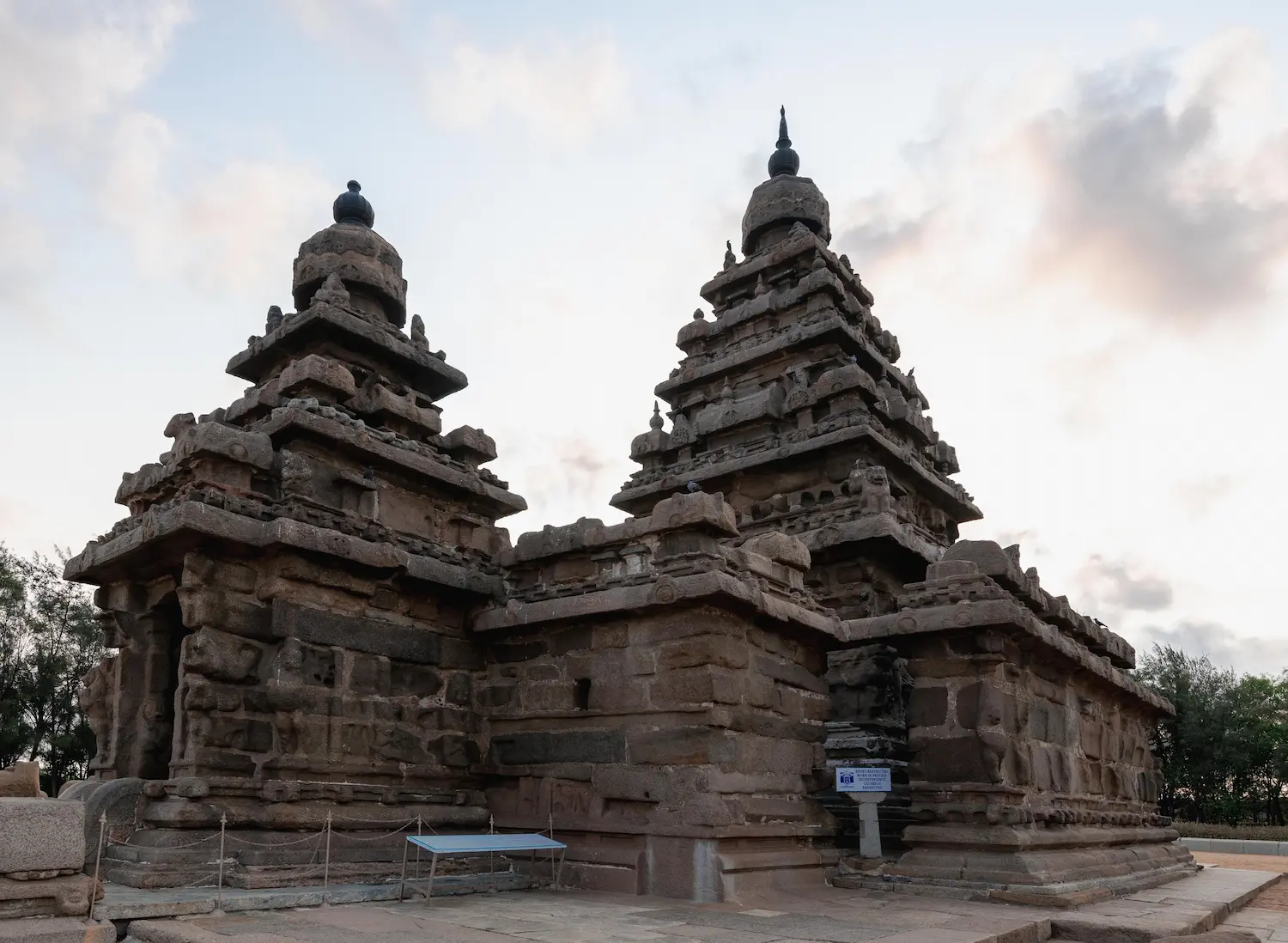
I do not try to combine Kanchipuram and Mahabalipuram in one rushed day; although it is possible, it turns nearly 200 km of driving into a sightseeing checklist rather than a cultural journey. I save Mahabalipuram for the next morning. Reaching Shore Temple around 6:00 AM changes the experience completely: the sea air is cooler, the stone paths are cool underfoot, and the monuments are easier to photograph before daytime tour buses arrive.
2. Ground-Level Budgeting & Daily Costs
This is a practical circuit for weekend travelers, families, and first-time visitors to Tamil Nadu:
Daily Accommodation & Food Costs
- Chennai: ₹1,500–3,000/day for a clean mid-range stay, auto-rickshaws/app-cabs, filter coffee, South Indian meals, and heritage stops.
- Kanchipuram: ₹1,000–2,000/day for a simple temple-town lodge, traditional vegetarian tiffin, autos, and minor temple offerings.
- Mahabalipuram: ₹1,800–3,500/day for a beachside guesthouse or hotel, seafood or vegetarian cafés, ASI monument tickets, and local transport.
Transit & Taxi Fares
- Chennai → Kanchipuram (Bus): ₹100–250 per person via SETC/TNSTC ordinary or express buses.
- Chennai → Kanchipuram (Private Cab): ₹2,000–3,000 one-way.
- Kanchipuram → Mahabalipuram (~72 km via SH-58): ₹1,700–2,500 by private cab depending on vehicle type.
- Chennai → Mahabalipuram (via ECR): ₹2,000–3,500 for a private day transfer or drop.
3. Road Rhythm & Transit Mechanics
Chennai to Kanchipuram is approximately 70–75 km and typically takes 1.5–2.5 hours via NH-48 (Bengaluru Highway). Kanchipuram to Mahabalipuram is around 72 km (1.5–2 hours via SH-58 through Chengalpattu), while Chennai to Mahabalipuram via the East Coast Road (ECR) is roughly 60 km.
Recommended 3-Day Itinerary Format
- Day 1: Arrive in Chennai; explore Kapaleeshwarar Temple in Mylapore, take an evening walk on Marina Beach, and sample local street food.
- Day 2: Early morning drive from Chennai to Kanchipuram; temple visits, silk quarters, then taxi to Mahabalipuram for an overnight coastal stay.
- Day 3: Shore Temple at sunrise, Pancha Rathas, Arjuna’s Penance, Krishna’s Butter Ball; enjoy a beach lunch, then return to Chennai.
The ECR drive is smooth and scenic. However, return traffic to Chennai builds up heavily on Sunday evenings—leaving Mahabalipuram by 4:00–5:00 PM avoids the worst urban congestion.
4. Temple Etiquette, Monument Tickets & Access Rules
- Kanchipuram Active Temples: General darshan is free. Special quick-entry lines are available at major temples like Kamakshi Amman for ₹50–100. Dress modestly (trousers/shirts or dhotis for men; sarees, salwar suits, or long skirts for women; no shorts or sleeveless tops). Remove footwear outside temple gates. Photography inside sanctums is strictly prohibited.
- Kanchi Kailasanathar Temple: Maintained by the ASI (open ~6:00 AM–12:00 PM and 4:00 PM–7:00 PM). Entry is free for all domestic and international visitors.
- Mahabalipuram UNESCO Sites: A single composite ASI ticket covers both the Shore Temple and Pancha Rathas on the same day (₹40 for Indian, SAARC, and BIMSTEC visitors; ₹600 for foreign visitors; children under 15 enter free). Open daily 6:00 AM–6:00 PM. Digital ticket booking via QR code at the gate is standard.
- Free Open-Air Stops: Arjuna’s Penance, Krishna’s Butter Ball, and nearby cave temples sit in an open park area with no entry fee. Carry water, a hat, and wear comfortable slip-on footwear for walking across sun-baked granite rock.
This compact coastal route works because every stop has a distinct personality: Chennai offers living city culture, Kanchipuram brings ritual and craftsmanship, and Mahabalipuram closes the journey with sea-facing architecture that feels especially memorable at first light.
Best Places to Visit in Tamil Nadu
Tamil Nadu offers a wide range of places to visit, from historic temple cities and heritage towns to hill stations, wildlife areas and coastal destinations. Chennai provides a major urban and cultural gateway, while Madurai, Thanjavur and Kanchipuram showcase the state’s distinctive temple architecture and traditions. Mahabalipuram adds UNESCO-listed heritage along the Coromandel Coast, while Ooty, Coonoor and Kodaikanal offer cooler mountain landscapes.
The choice of destination depends on the kind of trip you want. Madurai and Thanjavur suit heritage-focused journeys, Chettinad combines distinctive architecture with regional cuisine, and the Nilgiris are well suited to hill escapes and outdoor activities. Rameswaram and Kanyakumari add pilgrimage and coastal experiences, while Tamil Nadu’s smaller towns offer food, crafts and local culture. The table below highlights key destinations and what each is best known for.
Popular Destinations in Tamil Nadu
| Category | Top Destinations | Key Highlights & Attractions |
|---|---|---|
| Cities & Urban Places | Chennai • Coimbatore • Madurai | Marina Beach, Kapaleeshwarar Temple, and heritage architecture in Chennai • Textile hub, Marudamalai Temple, and gateway to Nilgiris in Coimbatore • Vibrant street markets, Meenakshi Temple, and rich Tamil cultural heritage in Madurai |
| Coastal & Beach Places | Mahabalipuram • Kanyakumari • Pondicherry (Near TN) • Rameswaram | Shore Temple, beachside relief carvings, and surfing spots • Triveni Sangam confluence, Vivekananda Rock Memorial, and sunrise/sunset views • Promenade Beach, French Colony architecture, and beach retreats • Dhanushkodi ghost town, Pamban Bridge views, and calm coastal waters |
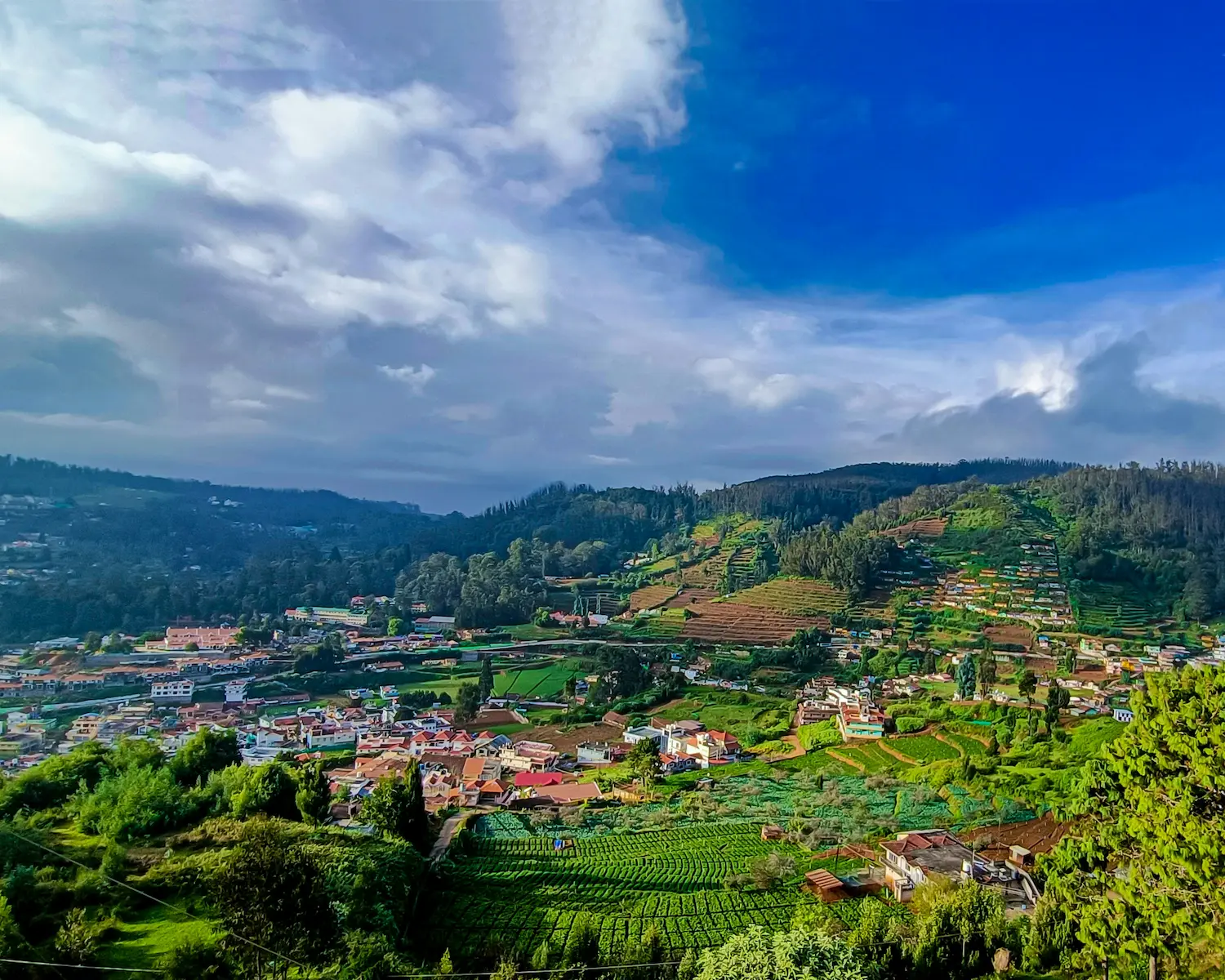
| Hills, Valleys & Scenic Landscapes | Ooty • Kodaikanal • Yercaud • Valparai | Botanical Gardens, Doddabetta Peak, and Nilgiri Mountain Railway tea estates • Kodaikanal Lake, Coaker’s Walk, and Pillar Rocks lookout points • Yercaud Lake, Killiyur Falls, and peaceful Shevaroy hills landscape • Tea plantations, lion-tailed macaque sightings, and pristine Western Ghats views |
| Heritage & Historic Places | Thanjavur • Mahabalipuram • Chettinad (Karaikudi) • Gangaikonda Cholapuram | Brihadeeswarar Temple (Great Living Chola Temple) and Royal Palace • 7th-century Pallava rock-cut monuments and cave temples • Palatial heritage mansions, tile craft, and vintage architecture • Chola dynasty architectural marvels and historical monuments |
| Pilgrimage & Spiritual Places | Madurai • Rameswaram • Tiruvannamalai • Kanchipuram | Meenakshi Amman Temple and Thirumalai Nayakkar Mahal • Ramanathaswamy Temple and sacred teerthams bathing rituals • Arunachaleswarar Temple, Annamalaiyar Hill, and Ramana Maharshi Ashram • City of Thousand Temples, Varadharaja Perumal Temple, and silk weavers |
| Nature & Wildlife | Mudumalai National Park • Anamalai Tiger Reserve • Point Calimere Sanctuary • Pichavaram Mangrove Forest | Elephants, tigers, and Nilgiri biosphere reserve safaris • Biodiversity hotspot, Valparai forest ranges, and wildlife trails • Flamingos, migratory birds, and coastal wetland habitats • World’s second largest mangrove forest with boat canopy tours |
| Adventure & Outdoor Experiences | Covelong (Kovalam) • Yelagiri • Kourtallam (Courtallam) | Surfing lessons, stand-up paddling, and water sports • Trekking, zip-lining, paragliding, and nature trails • Natural waterfall baths, rejuvenation, and mountain treks |
Best Time to Visit Tamil Nadu
Tamil Nadu can be visited throughout the year, but the best time depends on the destinations and activities in your itinerary. October to March is generally the most comfortable period for exploring temple towns, heritage sites and coastal destinations such as Madurai, Thanjavur, Mahabalipuram and Chennai, although parts of the east coast can receive heavy rain during the northeast monsoon.
April to June is particularly popular for hill stations such as Ooty, Kodaikanal and Yercaud, where temperatures are generally more pleasant than in the plains. Summer can be hot in inland cities, while the monsoon months bring varying rainfall across the state. Travellers planning outdoor activities, long sightseeing days or multi-city circuits should consider regional weather conditions when choosing their travel dates. The table below provides a month- and season-wise overview to help plan your Tamil Nadu trip.
Tamil Nadu Weather & Travel Seasons
| Season | Months | Typical Conditions | Highlights & Best Activities | Travel Status |
|---|---|---|---|---|
| Winter / Best Time | November–February | Pleasant, warm days and cool, breezy nights across plains and coastal belts. | Pongal festival, Chennai Music Season, temple hopping in Madurai & Thanjavur, beach getaways. | Peak Season — Ideal for heritage, cultural & coastal tours |
| Summer | March–May | Hot and humid in the plains (35°C–40°C+); pleasant and cool in the hill stations. | Ooty Summer Festival, flower shows in Kodaikanal, tea plantation walks, escaping the heat. | Peak Season for Hill Stations / Off-Peak for Plains |
| South-West Monsoon | June–August | Moderate showers in Western Ghats regions; light rains across central and coastal plains. | Cascading waterfalls in Courtallam, lush green landscapes in Valparai, wildlife sightings. | Shoulder Season — Great for nature & hill station retreats |
| North-East Monsoon | September–October | Heavy rainfall and thunderstorms, particularly along the eastern coastal regions. | Lush scenery, birdwatching at Point Calimere, indoor heritage museum visits. | Low Season — Rainy weather with localized travel delays |
Tamil Nadu Travel Itineraries
Tamil Nadu works well for both short breaks and longer journeys, with good transport connections between its temple towns, heritage sites, hill stations and coastal destinations. A trip can combine Chennai and Mahabalipuram, follow the historic towns of the Kaveri delta, explore the Nilgiris, or connect southern destinations such as Madurai, Rameswaram and Kanyakumari.
Rather than trying to cover the entire state in one trip, it is better to build an itinerary around available time, interests and preferred pace. Short trips can focus on one region, while 7- to 14-day journeys allow travellers to combine several destinations without spending too much time in transit. Weekend escapes, 3- and 5-day holidays, week-long circuits and longer Tamil Nadu journeys each offer different ways to experience the state’s temples, heritage, landscapes, food and coastal scenery.
Tamil Nadu Trip Ideas by Duration
| Itinerary Name | Target Duration | Route Covered | Key Highlights | Best Suited For |
|---|---|---|---|---|
| Coromandel Coastal Express | 2–3 Days | Chennai → Kanchipuram → Mahabalipuram | Kapaleeshwarar Temple, Marina Beach, Kanchipuram silk weavers, Shore Temple, and Pancha Rathas. | Quick weekenders, culture lovers, and first-time tourists. |
| Spiritual Heart of Madurai & Rameswaram | 3–4 Days | Madurai → Rameswaram → Dhanushkodi | Meenakshi Amman Temple, Thirumalai Nayakkar Mahal, Pamban Bridge, and Dhanushkodi ghost town. | Pilgrims, photography enthusiasts, and coastal explorers. |
| Great Chola Dynasty Heritage Trail | 3–4 Days | Tiruchirappalli → Thanjavur → Gangaikonda Cholapuram | Srirangam Ranganathaswamy Temple, Rockfort, Brihadeeswarar Temple, and Chola architectural wonders. | History buffs, architecture lovers, and heritage seekers. |
| Nilgiri Hill Station Escape | 4–5 Days | Coimbatore → Ooty → Coonoor | Nilgiri Mountain Railway toy train, Botanical Gardens, Sim’s Park, and lush tea plantation walks. | Honeymooners, families, and nature lovers seeking cool weather. |
| Western Ghats & Wildlife Retreat | 4–5 Days | Coimbatore → Pollachi → Valparai → Anamalai / Mudumalai | Tea estates, lion-tailed macaque sightings, jungle safaris, and pristine mountain viewpoints. | Wildlife photographers, road-trippers, and offbeat nature lovers. |
| Arupadai Veedu (6 Abodes of Murugan) | 5–6 Days | Thiruthani → Swamimalai → Palani → Thirupparamkunram → Pazhamudhircholai → Tiruchendur | Complete pilgrimage circuit visiting all six sacred abodes of Lord Murugan across Tamil Nadu. | Devotees, family groups, and spiritual tours. |
| Chettinad Mansions & Culinary Trail | 3–4 Days | Madurai → Karaikudi (Chettinad) → Pudukkottai | Palatial 19th-century mansions, Athangudi tile-making workshops, and authentic Chettinad feast tours. | Foodies, culture enthusiasts, and luxury heritage travelers. |
| Southern Tip & Waterfall Route | 4–5 Days | Kanyakumari → Courtallam (Kourtallam) → Tirunelveli | Vivekananda Rock Memorial, Triveni Sangam sunrise, Courtallam waterfalls, and Tirunelveli Halwa walk. | Families, road-trippers, and leisure travelers. |
| Grand Tamil Nadu Temple & Heritage Circuit | 10–12 Days | Chennai → Mahabalipuram → Thanjavur → Chettinad → Madurai → Rameswaram → Kanyakumari | Comprehensive state tour: Dravidian architecture, UNESCO World Heritage sites, coastal tips, and local cuisine. | Long-vacation travelers, international tourists, and complete state guides. |
Tamil Nadu by Budget
Tamil Nadu works well across a wide range of travel budgets, but the difference between a budget, mid-range and luxury trip is not simply the amount spent each day. Accommodation, transportation, dining and the number of paid experiences can change the character and cost of a journey considerably. A traveller staying in simple accommodation and using trains may spend far less than someone moving between cities by private car and choosing heritage hotels.
Budget Travel
Budget travel in Tamil Nadu is practical for travellers who are comfortable keeping accommodation and transportation simple. Trains and state or private buses can be useful for moving between major cities and towns, while local buses, autos and app-based cabs can cover shorter journeys. Guesthouses, hostels, basic hotels and family-run stays provide alternatives to larger properties.
Food is another area where costs can remain manageable. Local restaurants, vegetarian eateries and smaller cafés often provide filling meals without the prices associated with tourist-oriented restaurants. Budget travellers should still allow extra money for occasional entrance fees, local transport and longer transfers between destinations. Travelling outside major holiday periods can also make accommodation easier to find at reasonable rates.
Mid-Range Travel
Mid-range travel offers a useful balance between comfort and cost. Three- and four-star hotels, well-rated boutique properties and comfortable guesthouses provide more amenities without moving into luxury pricing. Travellers can combine trains for longer journeys with private taxis or app-based cabs when convenience matters more.
This budget also allows greater flexibility with dining and sightseeing. You can include better restaurants, guided visits, occasional private transfers and paid cultural or outdoor experiences while still keeping the overall trip controlled. For a multi-city itinerary, spending more on a convenient transfer between destinations can sometimes be worthwhile if it saves several hours of travel.
Luxury Travel
Luxury travel in Tamil Nadu is less about spending heavily at every stop and more about selecting where premium services add value. Heritage hotels, upscale resorts and high-end city properties can provide distinctive accommodation in destinations such as Chennai, Madurai, Thanjavur, Chettinad and the Nilgiris.
Private cars with drivers make longer circuits considerably more flexible, particularly when combining several smaller destinations. Fine dining, private cultural experiences, spa treatments and personalised sightseeing can also form part of a higher-end itinerary. Luxury travellers may prefer fewer destinations and longer stays, allowing more time to enjoy the accommodation and surrounding area rather than continually moving between hotels.
Tamil Nadu by Travel Style
Tamil Nadu suits different travel styles because its destinations range from major cities and temple towns to hill stations, beaches, wildlife areas and quieter heritage centres. You can build independent routes around well-connected cities and established tourist destinations, while you may prefer shorter journeys, comfortable accommodation and destinations with a mix of sightseeing and relaxed activities.
Tamil Nadu for Couples
Couples will find a captivating blend of coastal charm, imperial heritage, and cool mountain escapes. From sunrise walks along Mahabalipuram’s shore temples and candlelit seafood dinners on the East Coast Road (ECR) to romantic heritage stays in Chettinad mansions and mist-shrouded tea gardens in Ooty or Kodaikanal, Tamil Nadu balances coastal beauty with tranquil hill-station luxury.
Tamil Nadu for Families
Families benefit from well-paved national highways, accessible UNESCO World Heritage monuments, interactive craft villages, and safe hill retreats. Kids and adults alike enjoy exploring Mahabalipuram’s open-air rock relief sculptures, taking steam train rides on the Nilgiri Mountain Railway, watching traditional silk weaving in Kanchipuram, and boating on Kodaikanal Lake.
Tamil Nadu for Solo Travellers
Solo travellers will appreciate Tamil Nadu’s exceptional safety, deep-rooted culture, and incredibly efficient public transit networks. Exploring the historic French quarter of Puducherry by bicycle, taking self-guided heritage walks through Mylapore in Chennai, catching coastal views in Kanyakumari, or visiting peaceful ashrams provides a deeply enriching and safe independent journey.
Tamil Nadu for Backpackers
Backpackers can traverse Tamil Nadu affordably using state express buses (TNSTC/SETC), extensive rail networks, and legendary vegetarian mess thalis (*sappadu*). From surfing affordable swells in Covelong (Kovalam) to discovering open-air Pallava sculptures and staying in budget guesthouses along Tiruvannamalai or Varkala-adjacent coastal borders, Tamil Nadu offers massive value for budget travelers.
Tamil Nadu for Wildlife & Outdoor Seekers
Thrill-seekers and wilderness enthusiasts can explore the biodiversity of the Nilgiri Biosphere Reserve. Highlights include tracking wild elephants and tigers in Mudumalai and Anamalai Tiger Reserves, surfing along the Coromandel Coast, trekking through pine forests in Kodaikanal, and birdwatching in Vedanthangal or Point Calimere sanctuaries.
Tamil Nadu for First-Time Visitors
First-time visitors should focus on the **Coromandel Coast & Heritage Triangle Arc**: Chennai (living urban culture & coastal temples), Kanchipuram (thousand-temple town & famous silk weaving), and Mahabalipuram (UNESCO Pallava stone monuments). Connected by short driving distances and smooth highways, this circuit provides the ultimate introduction to South Indian architecture and history.
Things to Do in Tamil Nadu
Things to do in Tamil Nadu range from exploring historic temples and heritage towns to trekking in the hills, watching wildlife and spending time along the coast. Temple architecture and traditional culture remain important parts of the experience, with places such as Madurai, Thanjavur, Kanchipuram and Mahabalipuram offering different perspectives on the state’s history.
Food is equally connected to travel here. Chettinad is known for its distinctive cuisine, Madurai has a strong street-food culture, and traditional meals served on banana leaves remain part of everyday dining across the state. Nature and outdoor activities add another dimension, from birdwatching at Vedanthangal and trekking in the Nilgiris and Kolli Hills to exploring waterfalls, lakes and coastal landscapes.
Travellers can also explore local crafts, classical dance and music, heritage streets, markets and regional festivals. The experience can be shaped around cultural interests, food, wildlife, outdoor activities or a slower combination of several.

Popular Activities & Experiences in Tamil Nadu
| Experience Category | Top Things to Do | Best Locations |
|---|---|---|
| Adventure & Outdoor Activities | Surfing and stand-up paddling along the Coromandel Coast, trekking in the Shevaroy and Nilgiri hills, ziplining, paragliding, and natural waterfall baths. | Covelong (Kovalam), Yelagiri, Ooty, Kodaikanal, Courtallam (Kourtallam) |
| Wildlife & Safari Experiences | Jeep safaris in Nilgiri Biosphere reserves, spotting wild elephants, Bengal tigers, and lion-tailed macaques, birdwatching at coastal lagoons, and boat rides through mangrove forests. | Mudumalai National Park, Anamalai Tiger Reserve, Point Calimere Sanctuary, Pichavaram Mangrove Forest |
| Offbeat & Nature Escapes | Rowboat canopy tours through thick mangrove waterways, exploring secluded tea estates in the Western Ghats, visiting ghost towns, and relaxing in pristine hill valleys. | Pichavaram, Valparai, Dhanushkodi, Megamalai, Kolli Hills |
| Cultural & Festival Experiences | Attending the December Chennai Music Season, witnessing grand Pongal harvest celebrations, watching classical Bharatanatyam dance performances, and touring millennia-old Dravidian temple complexes. | Chennai, Madurai, Thanjavur, Chidambaram, Mahabalipuram |
| Food & Culinary Experiences | Relishing fiery Chettinad spicy curries served on banana leaves, sipping iconic South Indian meter filter coffee, tasting Madurai’s cooling Jigarthanda, and sampling coastal seafood treats. | Chettinad (Karaikudi), Madurai, Chennai, Tirunelveli, Nagapattinam |
| Spiritual & Wellness Experiences | Participating in sacred ritual dips in holy teerthams, meditating at quiet hill ashrams, circumambulating (Girivalam) sacred hills, and attending grand temple car festivals (Rathotsavam). | Rameswaram, Tiruvannamalai, Madurai, Kanchipuram, Palani |
| Shopping & Craft Experiences | Shopping for world-famous handwoven Kanchipuram silk sarees, buying handmade Athangudi floor tiles, acquiring bronze statues, wooden toys, and aromatic tea and spices. | Kanchipuram, Chettinad (Karaikudi), Swamimalai, Tanjore (Thanjavur), Coonoor |
Famous Attractions & Landmarks in Tamil Nadu
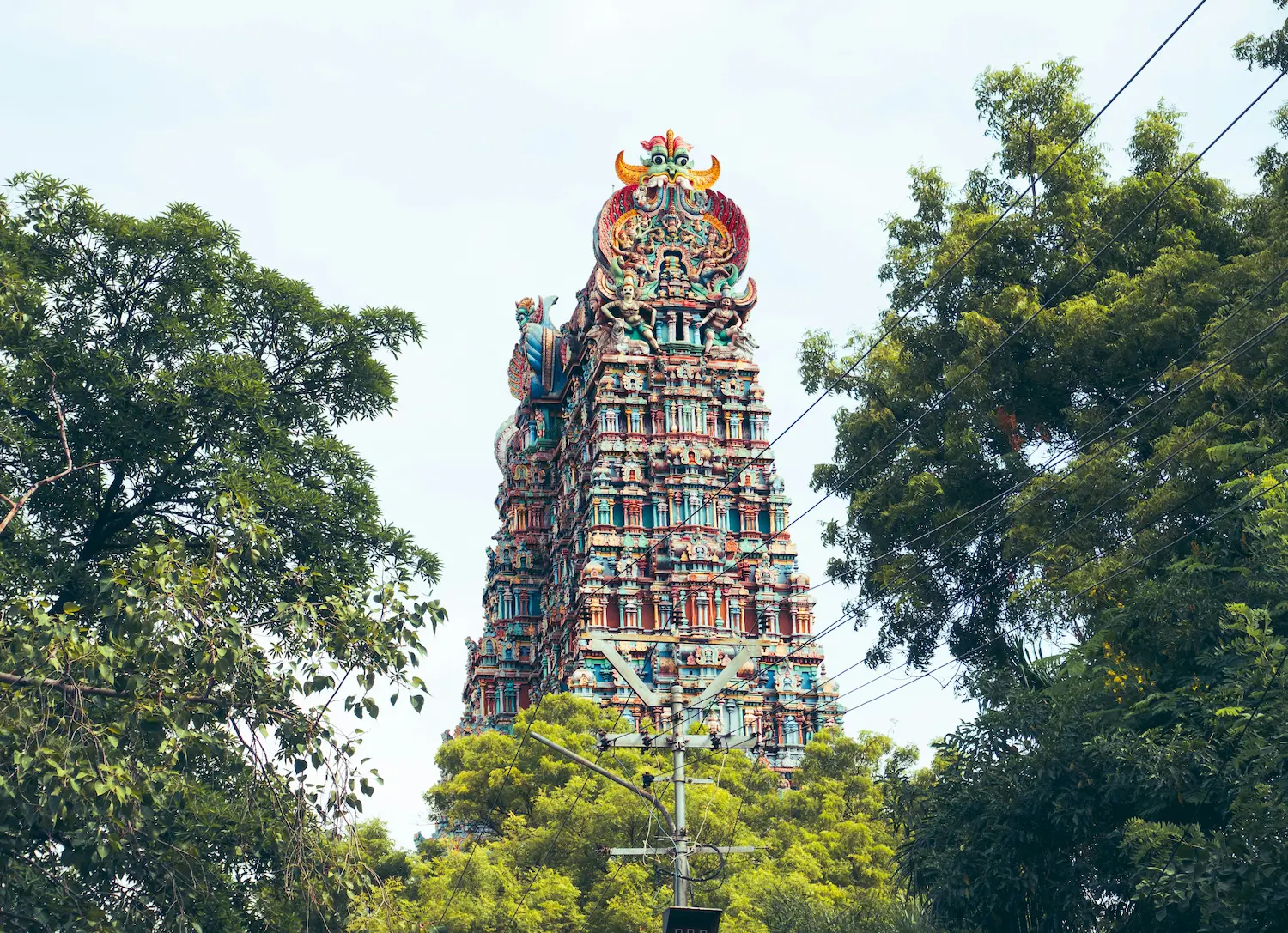
Tamil Nadu’s most famous attractions are closely associated with its temple architecture, historic monuments and UNESCO World Heritage sites. The Great Living Chola Temples—Brihadeeswarar Temple at Thanjavur, the temple at Gangaikonda Cholapuram and Airavatesvara Temple at Darasuram—represent some of the state’s finest examples of Chola architecture. Madurai’s Meenakshi Amman Temple remains an important centre of worship and pilgrimage, as well as one of Tamil Nadu’s most recognisable landmarks.
Along the Coromandel Coast, Mahabalipuram brings together Pallava monuments including the Shore Temple, Pancha Rathas and the famous rock relief of Arjuna’s Penance. Kanchipuram’s historic temples, Chidambaram’s Nataraja Temple and Srirangam’s Ranganathaswamy Temple add further depth to Tamil Nadu’s architectural and religious heritage. Chennai’s Kapaleeshwarar Temple and Marina Beach provide a different urban setting for well-known landmarks.
Iconic Attractions & Landmarks of Tamil Nadu
| Destination / Attraction | Region / Location | Category & Significance |
|---|---|---|
| Meenakshi Amman Temple | Madurai (Pandya Nadu) | Historic Dravidian architecture masterpiece featuring 14 towering gopurams and intricate stone sculptures. |
| Brihadeeswarar Temple | Thanjavur (Cauvery Delta) | UNESCO World Heritage Site; iconic 11th-century Chola granite temple marvel dedicated to Lord Shiva. |
| Group of Monuments (Shore Temple) | Mahabalipuram (Coromandel Coast) | UNESCO World Heritage Site; 7th-century Pallava rock-cut sanctuaries, cave temples, and open-air bas-reliefs. |
| Ramanathaswamy Temple | Rameswaram (Pamban Island) | Sacred Jyotirlinga pilgrimage site famous for holding the longest temple corridor in the world. |
| Nilgiri Mountain Railway | Ooty & Coonoor (Nilgiris) | UNESCO World Heritage toy train navigating scenic mountain passes, tunnels, and lush tea estates. |
| Arunachaleswarar Temple | Tiruvannamalai (Northern TN) | Sprawling Pancha Bhoota Stalam representing the Fire element, situated at the base of sacred Annamalai Hill. |
| Vivekananda Rock Memorial | Kanyakumari (Southernmost Tip) | Monument built on a rocky island off the mainland at the confluence of the Arabian Sea, Bay of Bengal, and Indian Ocean. |
| Kapaleeshwarar Temple | Chennai (Mylapore) | Classic 7th-century Dravidian Shiva temple known for its colorful gopuram and vibrant cultural festivities. |
| Chettinad Mansions | Karaikudi / Chettinad Region | 19th-century palatial merchant mansions celebrated for Burmese teak, Italian marble, and unique regional architecture. |
| Pichavaram Mangrove Forest | Chidambaram / Cuddalore | One of the world’s largest mangrove forests, offering rowboat rides through dense water canopy networks. |
| Mudumalai National Park | Nilgiris District | Protected tiger reserve and biosphere sanctuary harboring Asian elephants, Bengal tigers, and rich wildlife. |
| Dhanushkodi Ghost Town | Rameswaram Peninsula | Historic abandoned coastal town located at the tip of Pamban Island, surrounded by the ocean on both sides. |
How to Travel Around Tamil Nadu
Getting around Tamil Nadu involves traversing diverse landscapes ranging from coastal plains along the Coromandel Coast to winding mountain ghat roads in the Nilgiris and Western Ghats. The state boasts top-tier transport infrastructure, with an extensive rail network, well-paved state and national highways, and multiple international and domestic airports. While highway travel is exceptionally efficient, major metro hubs like Chennai can experience dense urban traffic, so plan accordingly during peak hours.

Long-Distance Travel
By Air: Chennai International Airport (MAA) serves as the primary international gateway to Southern India. Additional international and major domestic airports in Coimbatore (CJB), Madurai (IXM), and Tiruchirappalli (TRZ), along with regional airports like Salem and Tuticorin, ensure excellent air connectivity across every corner of the state.
By Train: Tamil Nadu is integrated into Southern Railway’s dense network. Major rail hubs like Chennai Central (MAS), Chennai Egmore (MS), Coimbatore Junction (CBE), Madurai Junction (MDU), and Tiruchirappalli Junction (TPJ) connect all major districts. High-speed options like Vande Bharat Express and Shatabdi Express make intercity routes (e.g., Chennai–Coimbatore, Chennai–Tirunelveli, and Chennai–Mysuru) swift and comfortable.
By Road: The state features an exceptional network of multi-lane national highways (such as the NH 44 corridor) and well-maintained state highways. SETC (State Express Transport Corporation) and TNSTC (Tamil Nadu State Transport Corporation) run extensive fleets of AC Volvo, sleeper, and express buses connecting every major town, city, and hill station, alongside numerous private luxury bus operators.
Local & Intra-State Travel
Private Taxis & Rental Cabs: Renting a private taxi or utilizing app-based cab services (Uber, Ola) is ideal for exploring circuit routes—such as the coastal drive from Chennai to Mahabalipuram and Pondicherry, or heritage tours across the Chettinad region.
Metro Rail & Suburban Trains: Chennai features a modern Metro Rail system providing fast, air-conditioned transit across city hubs and airports, complemented by an extensive Suburban Railway and MRTS network that handles daily commuter transit across the metropolitan region.
Auto-Rickshaws & Local Buses: Auto-rickshaws and app-based auto services are ubiquitous for short distances and navigating narrow streets around major temple complexes (such as Madurai’s Meenakshi Temple or Mylapore in Chennai). Frequent local city bus networks serve as cheap, accessible transport in almost every town.
Mountain Railways & Waterways: The UNESCO World Heritage Nilgiri Mountain Railway (Toy Train) provides scenic transit between Mettupalayam, Coonoor, and Ooty. For coastal and forest regions like Pichavaram Mangrove Forest, local rowboats and motorboats serve as essential transit for exploring the waterways.
Where to Stay in Tamil Nadu
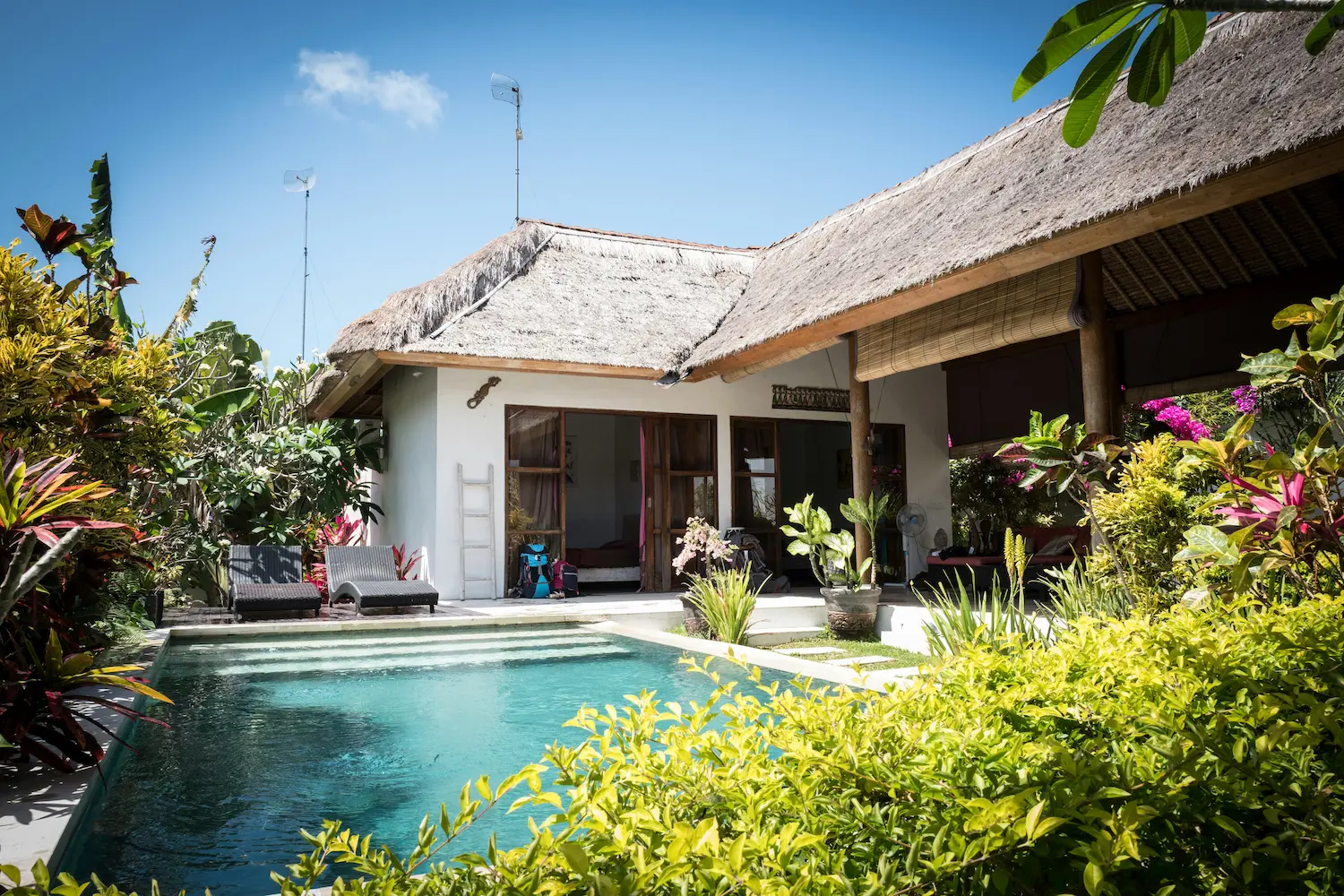
Where you stay in Tamil Nadu can shape the pace and character of a trip as much as the destinations themselves. Accommodation ranges from heritage properties in restored Chettinad mansions and colonial-style stays in the Nilgiris to business hotels in major cities, family-run guesthouses, homestays and simple lodges near temple towns.
Chettinad is particularly suited to heritage stays, with traditional merchant houses converted into intimate properties around Karaikudi, Kanadukathan and nearby villages. Thanjavur, Madurai and Tiruchirappalli offer a broader mix of hotels positioned around major temples, railway stations and city centres. In the Nilgiris, Ooty and Coonoor have everything from practical guesthouses to higher-end hillside properties, while Kodaikanal combines hotels, cottages and homestays around the lake and surrounding hills.
Chennai offers the widest urban choice, with accommodation ranging from international chains to boutique hotels across areas such as Mylapore, T Nagar and the airport corridor. In most destinations, location matters more than star rating: staying close to the places you plan to visit and convenient transport links can save considerable travel time, particularly on multi-stop itineraries.
Tamil Nadu Travel Tips
Tamil Nadu is relatively easy to navigate when you plan around local conditions. Temple visits are often shaped by opening and darshan timings, cities can have heavy traffic during peak hours, and hill stations are more affected by weather. A few practical considerations around clothing, transport, food, money and daily schedules can make a multi-stop trip considerably easier.
Temple etiquette
Dress modestly when visiting temples, with shoulders and knees covered where required, and remove footwear before entering designated areas. Dress codes vary between temples, and some important shrines have additional requirements or restrictions. Photography may also be limited in certain areas. Carrying a light scarf or shawl can be useful when visiting religious sites.
Getting around
Trains and buses connect major cities and many smaller towns, while taxis and auto-rickshaws are useful for local journeys. App-based services are widely available in larger cities, although coverage can vary elsewhere. For temple circuits, Chettinad and rural areas, a private car can provide greater flexibility when several destinations are involved.
Food, water and daily habits
Tamil Nadu offers everything from inexpensive local eateries to specialised regional restaurants. Choose busy food outlets where turnover is high, particularly for freshly prepared dishes, and use safe drinking water. Vegetarian food is widely available, while Chettinad, coastal and other regional cuisines provide plenty of non-vegetarian choices.
Practical precautions
Agree on fares before taking an auto-rickshaw where a meter or app is not being used, and be cautious of unsolicited guides or services around major tourist sites. Keep valuables secure in crowded areas and allow extra time for traffic, temple queues and longer intercity journeys. Weather, opening hours and local transport schedules are worth checking before setting out each day.
Responsible Travel in Tamil Nadu
Responsible travel in Tamil Nadu means being considerate of local communities, religious spaces, wildlife and the environment while keeping tourism benefits within the places you visit. Respect temple customs, dress appropriately where required, follow photography restrictions and avoid treating active places of worship as simply sightseeing stops. Supporting locally owned restaurants, craft shops, guides, homestays and small businesses can also direct more of your spending towards local communities.
Tamil Nadu’s beaches, forests, hill stations and wildlife areas need particular care. Avoid littering, carry reusable water bottles where practical, and do not remove shells, plants, rocks or other natural material from protected areas. When visiting wildlife destinations, maintain distance from animals and follow park regulations rather than seeking close encounters or feeding wildlife.
Water and energy use can also matter, particularly in busy hill stations and during dry periods. Choosing accommodation that manages waste and resources responsibly, using public transport or shared transfers where practical, and avoiding unnecessary single-use plastics are simple ways to reduce the impact of a trip. A slower itinerary can often benefit both the traveller and the destination by allowing more time to explore local businesses, food traditions and communities.