
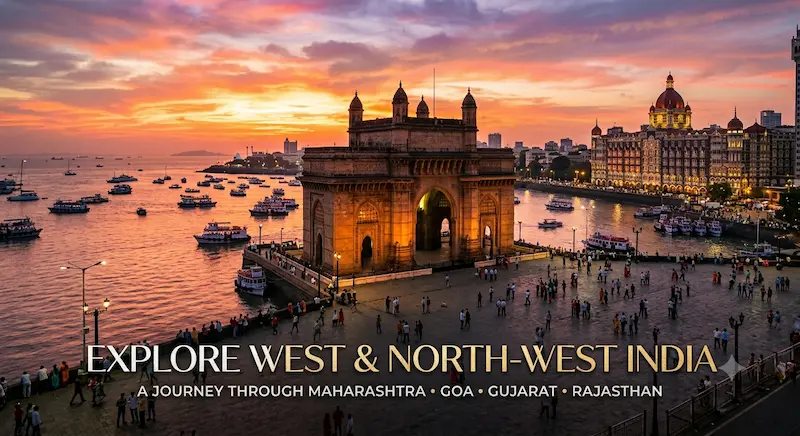
West India rewards planners who move beyond checklists. Rajasthan, Gujarat, Maharashtra and Goa bring together remarkably different landscapes and experiences—from desert forts and historic cities to coastal towns, mountain escapes, wildlife and ancient heritage sites. This guide focuses on practical routing, realistic travel times and season-specific advice for solo travellers, couples and independent explorers who want to build itineraries that work on the ground.
You’ll find guidance on transport between destinations, safety considerations, realistic budget ranges, and the best ways to time your visit around weather, crowds and seasonal conditions. Rather than listing every attraction, the emphasis is on decision-making: which destinations deserve more time, when self-drive or hired cars make sense, how to connect places efficiently, and how to balance heritage, nature and wildlife experiences across the region.
Table of Contents
Why West India Matters for Travellers
West India works as a single region because its contrasts are genuine, not marketing copy. Rajasthan, Gujarat, Maharashtra and Goa bring together desert landscapes, historic forts, wildlife, mountains, beaches, pilgrimage sites and modern cities. For travellers who want variety without constantly crossing the country, the region offers plenty of ways to combine different experiences in one trip.
Landscapes That Shape Different Trip Styles
Rajasthan and Gujarat are ideal for travellers drawn to forts, desert landscapes, road trips, crafts and heritage experiences, from Jaisalmer and Jodhpur to Udaipur and Kutch. Further south, Maharashtra’s Western Ghats and Konkan coast bring hill stations, trekking, caves and beaches, while Goa offers a slower coastal experience with beaches, water activities and Portuguese-era heritage.
Wildlife, Culture and Food
West India also combines wildlife and cultural experiences. Gujarat is home to the Asiatic lion, while Rajasthan offers established tiger-safari destinations such as Ranthambore and Sariska. Pilgrimage centres, historic cities and regional food traditions add another layer, with Mumbai, Ahmedabad and Pune providing modern urban experiences alongside older heritage landscapes.
Food Diversity That Reflects Regional Differences
Food is another reason this region stands out. Rajasthan and Gujarat have distinctive culinary traditions shaped partly by their dry climates, local ingredients and long-established preservation techniques. Maharashtra has considerable regional variation, from coastal Konkan seafood to the distinctive cuisines of inland Maharashtra. Goa adds Portuguese-influenced dishes such as vindaloo and sorpotel alongside seafood curries and local coastal cooking.
Flexible for Different Budgets
The region works for different travel styles, from backpacking and budget road trips to luxury heritage stays and beach resorts. Self-drive and hired-car options can make multi-destination journeys practical, although distances between destinations should be considered carefully.
For travellers choosing between regions, West India stands out for the variety it offers: desert and beach, forts and cities, wildlife and pilgrimage, mountains and coastline—all within one broad travel region.
West India at a Glance
| State / Union Territory | Major Destinations | What It Is Known For | Best Suited For |
|---|---|---|---|
| Maharashtra | Mumbai, Pune, Lonavala, Mahabaleshwar, Ajanta & Ellora Caves, Nashik | Financial capital vibe, UNESCO cave temples, Western Ghat hill stations, wine country, and historic forts | City breaks, heritage, weekend getaways, wine tours, Bollywood culture |
| Gujarat | Ahmedabad, Rann of Kutch, Gir National Park, Dwarka, Somnath, Statue of Unity | Asiatic lions, white salt desert, grand temples, handicraft villages, and rich culinary traditions | Culture, wildlife, spiritual travel, eco-tourism, heritage |
| Rajasthan | Jaipur, Udaipur, Jaisalmer, Jodhpur, Pushkar, Ranthambore | Royal palaces, desert safaris, majestic forts, vibrant festivals, and historic lakes | Royalty & heritage, desert adventure, wildlife, photography, luxury stays |
| Goa | Panaji, North Goa Beaches (Calangute, Baga), South Goa Beaches (Palolem, Colva), Dudhsagar Falls | Sandy coastlines, Portuguese colonial architecture, nightlife, water sports, and laid-back vibe | Beach breaks, nightlife, water sports, relaxation, Portuguese heritage |
| Dadra & Nagar Haveli and Daman & Diu (UT) | Daman, Diu Island, Silvassa, Nagoa Beach | Portuguese forts, serene coastal beaches, tribal heritage, and quiet seaside retreats | Peaceful coastal escapes, history, weekend road trips |
Best Places to Visit in West India
West India offers destinations for almost every kind of traveller, but the right choice depends on what you want from your trip. You might be looking for a beach escape in Goa, a mountain retreat in Maharashtra, a historic fort city in Rajasthan, a wildlife experience in Gujarat, or a spiritual journey through one of the region’s pilgrimage towns. The destinations below are grouped by experience and travel purpose, helping you quickly find the places that best match your interests, time and travel style.
Best for First-Time Travel
For a first visit to West India, well-connected circuits combining royal heritage and coastal energy offer smooth travel infrastructure. Combining Rajasthan’s golden triangle circuits with bustling hubs like Mumbai or North Goa ensures seamless transport, diverse experiences, and easy access to top-tier hospitality.
| Destination | Best suited for |
|---|---|
| Jaipur | Palaces, forts, and bustling markets |
| Udaipur | Romantic lake palaces and heritage stays |
| Mumbai | Colonial architecture, food, and city life |
| North Goa | Beaches, nightlife, and heritage forts |
| Ahmedabad | Heritage walks, food, and textiles |
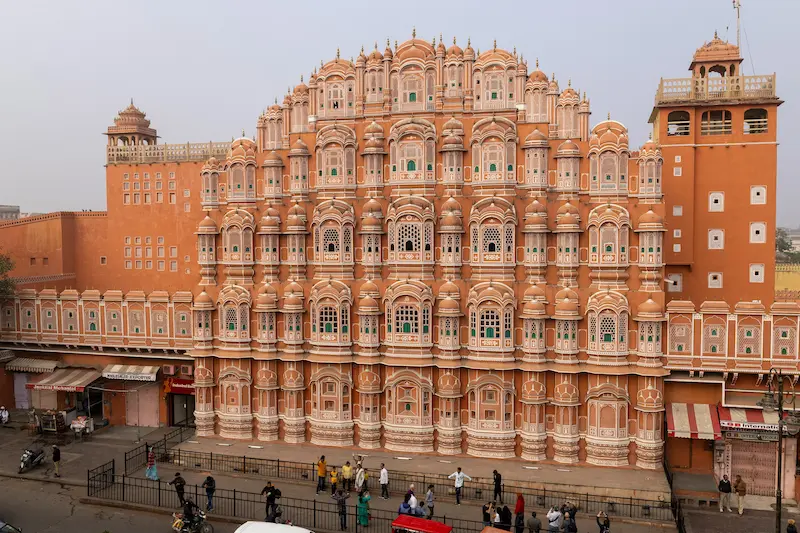
Best for Coastal & Beach Experiences
West India boasts an extensive coastline along the Arabian Sea, featuring everything from bustling sun-soaked shores to serene portuguese-influenced coasts. From watersports in Goa and historic sea forts in Daman & Diu to untouched Konkan shorelines, coastal escapes here are unmatched.
| Destination | Water / landscape experience |
|---|---|
| South Goa | Tranquil white-sand beaches and luxury resorts |
| Diu | Cliffside beaches and historic Portuguese sea forts |
| Daman | Lively coastal promenades and quiet beaches |
| Tarkarli | Scuba diving, clear waters, and backwaters |
| Ganpatipule | Clean shoreline with a famous beachside temple |
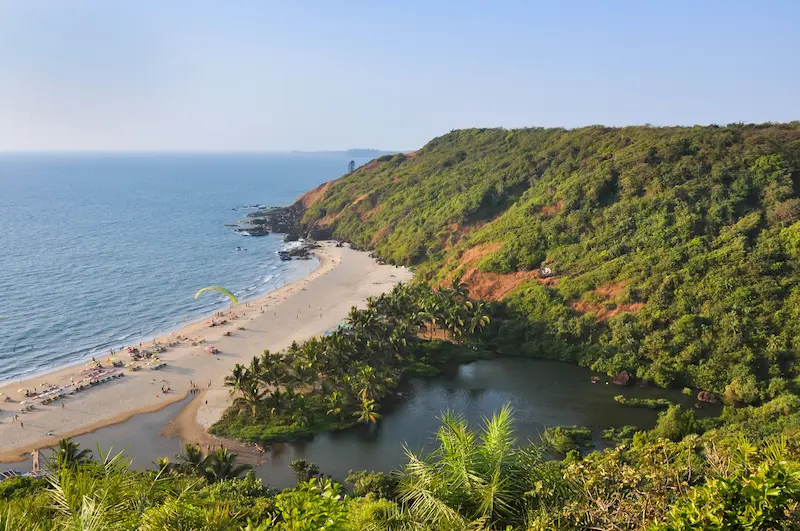
Best for Mountains & Hill Stations
From the lush Western Ghats (Sahyadris) of Maharashtra to Rajasthan’s isolated Aravalli range, the region offers cooler mountain retreats. Monsoon seasons turn Western Ghats into misty green havens filled with cascading waterfalls and dramatic ridge viewpoints.
| Destination | Best suited for |
|---|---|
| Mahabaleshwar | Strawberry farms and valley viewpoints |
| Lonavala & Khandala | Monsoon waterfalls, caves, and fort trails |
| Mount Abu | Rajasthan’s high-altitude lake and Dilwara temples |
| Matheran | Automobile-free Eco-sensitive hill station |
| Saputara | Gujarat’s cool pine-covered Sahyadri retreat |
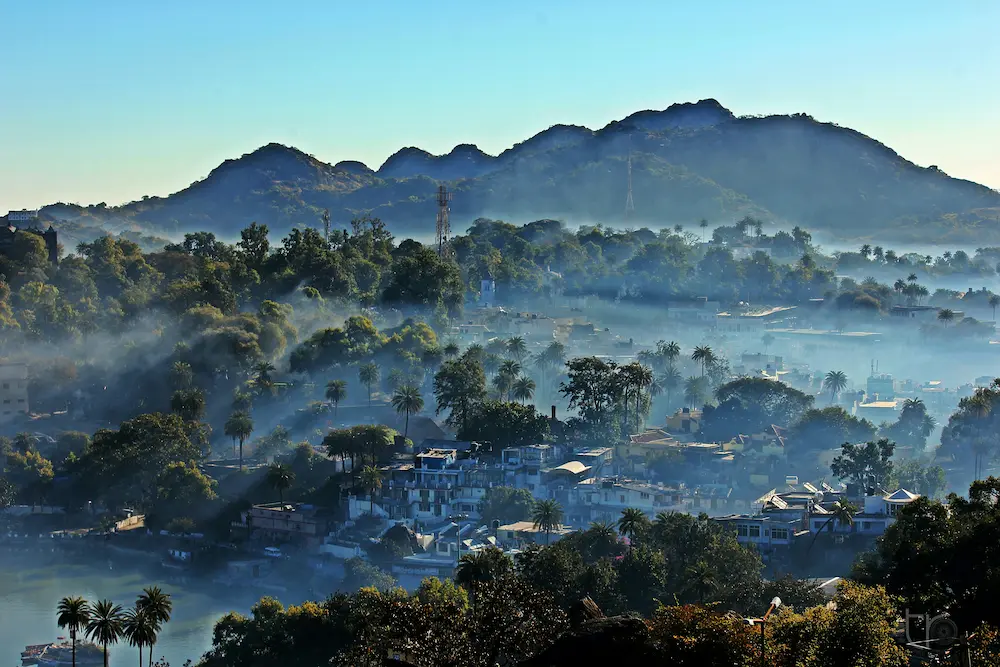
Best for Culture & Royal Heritage
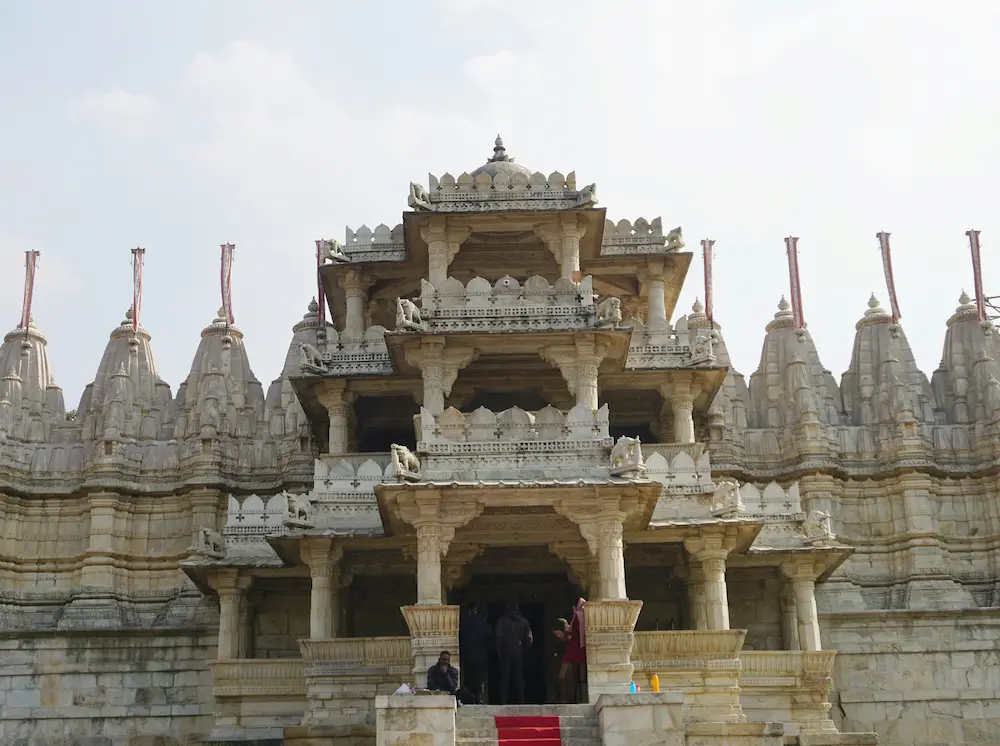
West India is a treasure trove of grand architecture, spanning Maratha hill forts, majestic Rajput palaces, ancient stepwells, and Portuguese colonial monuments. Immersive exploration uncovers rich textile traditions, folk music, and living history across every state.
| Destination | Heritage focus |
|---|---|
| Jodhpur | Mehrangarh Fort and royal Marwar heritage |
| Jaisalmer | Living yellow sandstone fort and desert culture |
| Patan & Modhera | Rani ki Vav stepwell and ancient Sun Temple |
| Old Goa | UNESCO-listed baroque churches and cathedrals |
| Chhatrapati Sambhajinagar | Ajanta & Ellora cave art and Mughal heritage |

Best for Pilgrimage & Sacred Sites
Spiritual travel in West India covers major Jyotirlingas, ancient Jain temple complexes, revered Sufi shrines, and sacred coastal temples. Aligning visits with major festivals like Ganesh Chaturthi or Navratri provides deep insights into regional devotional traditions.
| Destination | Best suited for |
|---|---|
| Somnath & Dwarka | Ancient coastal Jyotirlinga and Krishna temples |
| Shirdi | Global pilgrimage center of Sai Baba |
| Ajmer Sharif | Historic Sufi Dargah of Khwaja Moinuddin Chishti |
| Palitana | Hilltop sacred Jain temple city (Shatrunjaya) |
| Trimbakeshwar | Revered Jyotirlinga near Godavari river source |
Best for Nature & Wildlife
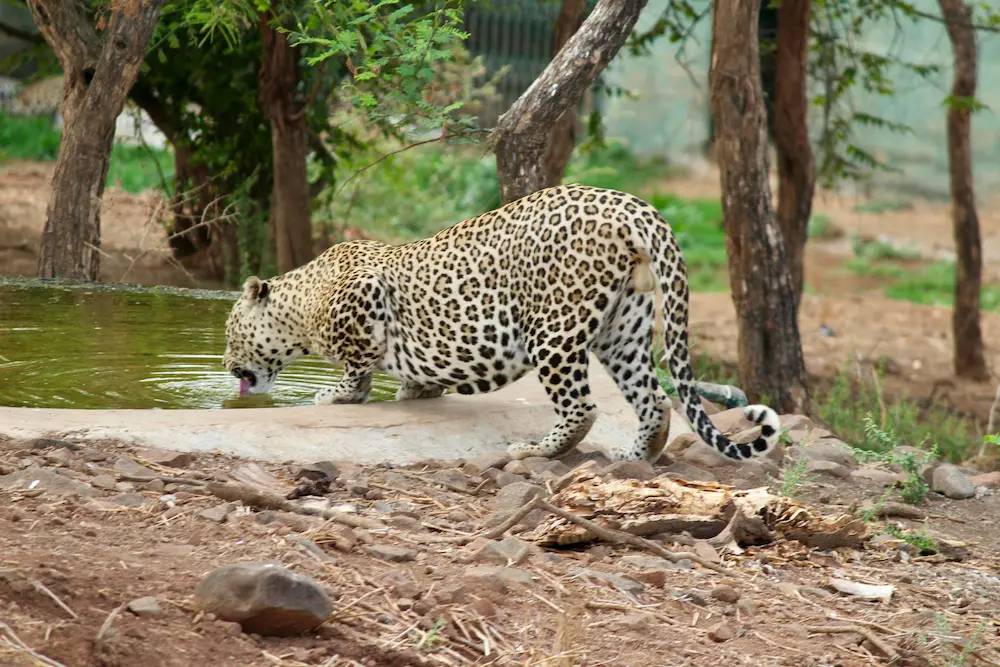
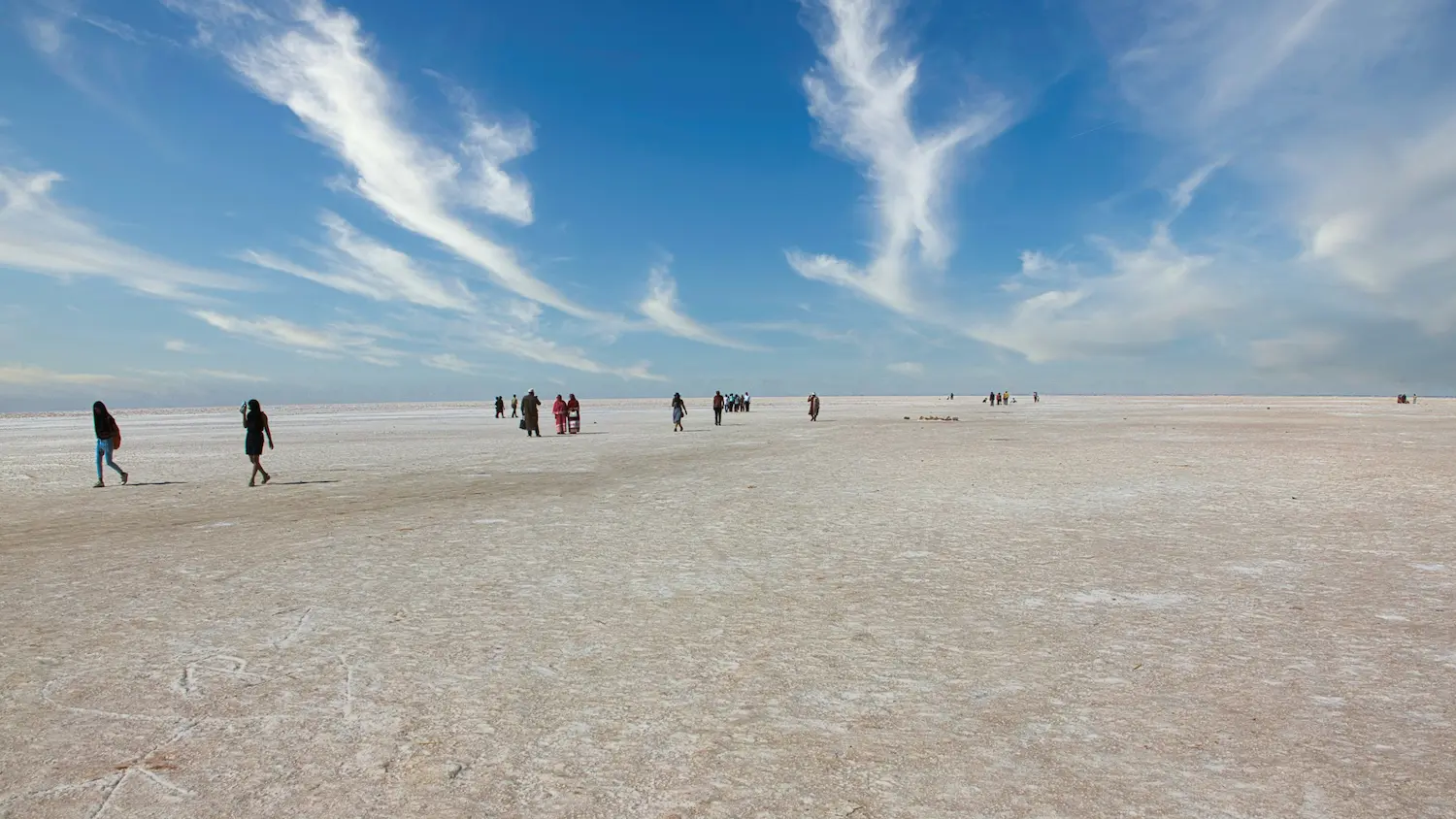
From the arid Thar Desert and white salt marshes to dense teak forests and coastal sanctuaries, West India’s ecosystems are incredibly diverse. Key highlights include spotting Asiatic lions, Royal Bengal tigers, and unique desert species in protected habitats.
| Destination | Best suited for |
|---|---|
| Gir NP | The world’s only home of the Asiatic Lion |
| Ranthambore NP | Tiger safaris around ancient fort ruins |
| Rann of Kutch | White salt desert and wild ass sanctuary |
| Tadoba-Andhari | High-density tiger reserve in Maharashtra |
| Bhagwan Mahavir | Western Ghats biodiversity and Dudhsagar falls |
Best for Slower Travel & Offbeat Stays
Escape the major tourist tracks by staying in peaceful heritage villages, coastal homestays, or artisan colonies. Slower travel in West India lets you enjoy organic farm stays, craft demonstrations, and tranquil beach settlements at an unhurried pace.
| Destination | Travel style |
|---|---|
| Kutch Villages | Artisan handicraft stays and cultural immersion |
| Mandawa | Open-air art galleries and quiet haveli stays |
| Divar Island | Pristine Goan island living and scenic cycling |
| Velas Village | Eco-homestays and turtle conservation tourism |
| Silvassa | Serene nature stays and tribal art heritage |
Best for Adventure & Outdoor Sports
West India offers a dynamic blend of thrill-seeking activities. Choose from paragliding over Sahyadri peaks, dune bashing and quad biking in the Thar Desert, or high-octane ocean sports and waterfall trekking along the western coast.
| Destination | Adventure focus |
|---|---|
| Sam Sand Dunes | Desert dune bashing, quad biking, and camel safaris |
| Kamshet | Paragliding over scenic lakes and valleys |
| Dudhsagar Trek | Railway line jungle treks and waterfall cascades |
| Kolad | Kundalika river white water rafting |
| Calangute / Baga | Parasailing, jet skiing, and windsurfing |

Best Time to Visit West India
West India spans tropical coastlines, central plains, the arid Thar Desert, and the greener heights of the Western Ghats (Sahyadri range). Coastal areas such as Goa, Mumbai, and the Konkan belt remain warm and humid for much of the year, while desert cities like Jaisalmer and Jodhpur experience sharp day-night temperature variations. Hill stations including Mahabaleshwar, Matheran, and Mount Abu provide cooler conditions. Influenced by the Arabian Sea monsoon and desert climate, the best time to visit depends on whether you want beaches, heritage, desert landscapes, or hill retreats.
Winter (October to February) — Best for Deserts, Forts, Beaches, and Festivals
Winter is the main travel season across much of West India. Temperatures become more comfortable in coastal, inland, and desert destinations, including Jaipur, Udaipur, Jaisalmer, Ahmedabad, Mumbai, and Goa. Dry, pleasant weather suits fort visits, desert safaris, beach activities, and events such as the Rann Utsav in Kutch. In the Western Ghats and Aravalli hills, including Mahabaleshwar and Mount Abu, mornings and evenings can be noticeably cool.
Summer (March to May) — Ideal for Hill Stations and Wildlife
Temperatures rise sharply from March, with inland Gujarat, Maharashtra, and Rajasthan experiencing intense heat during April and May. Hill stations such as Mahabaleshwar, Panchgani, Matheran, and Mount Abu offer cooler conditions during this period. Early summer can also be productive for wildlife viewing in parks such as Ranthambore and Gir, as dry vegetation and shrinking water sources can make animals easier to spot around remaining waterholes.
Monsoon (June to September) — Green Landscapes, Waterfalls, and Scenic Drives
The Southwest Monsoon brings heavy rainfall to Goa, coastal Maharashtra, and the Sahyadri range, while inland areas and eastern Rajasthan receive more moderate showers. The far western desert remains comparatively dry. The Western Ghats turn lush during these months, with waterfalls, misty hills, and fuller lakes creating favourable conditions for nature drives and selected treks. Rough seas can limit swimming and beach activities along Goa and the Konkan coast, but the landscape becomes greener and quieter.
West India Travel Seasons at a Glance
| Season | Months | Coasts & Plains | Deserts & Western Ghats | Travel Considerations |
|---|---|---|---|---|
| Winter | October–February | Pleasant, sunny, and comfortable conditions along Konkan Coast (Goa, Mumbai) and Gujarat plains | Cool days and chilly nights across the Thar Desert (Jaisalmer, Jaipur) and hill stations like Mount Abu & Mahabaleshwar | Peak tourism season; ideal for desert safaris, sightseeing, beach activities, wildlife national parks, and cultural festivals (Rann Utsav) |
| Summer | March–May | Hot and humid along the coastal belts of Goa and Maharashtra; intense heat across inland Gujarat | Extreme daytime temperatures in desert regions (often exceeding 40°C); milder conditions in hill stations like Mount Abu, Matheran, and Mahabaleshwar | Best for hill station getaways; desert tours and sightseeing in cities are challenging due to daytime heat |
| Monsoon | June–September | Heavy rainfall along the Konkan coast (Goa, Mumbai); moderate to light showers in Gujarat plains | Western Ghats transform into lush green landscapes with active waterfalls; light scattered rainfall over Rajasthan desert regions | Excellent for nature lovers, monsoon trekking in Sahyadri, and off-season budget travel; water sports in Goa are largely suspended |
| Post-Monsoon / Autumn | September–October | Clearing skies, mild humidity, and pleasant sea breezes as monsoon recedes | Clear desert night skies and vibrant green valleys across Rajasthan and Maharashtra ranges | Great shoulder season for sightseeing before peak winter crowds arrive; excellent for photography and wildlife safaris reopening |
10 Practical West India Travel Circuits & Routes
West India is large enough that choosing a logical sequence can make a major difference to how much time you spend travelling versus exploring. These circuits combine destinations that can reasonably be connected by road or rail, with each route designed around a different pace and purpose. Use the table to compare duration, season and traveller suitability before choosing a route. Some work best as standalone state journeys, while others cross state boundaries for travellers who want a broader regional experience.
| # | Travel Circuit | Route / Itinerary | Suitable For | Trip Duration | Best Months |
|---|---|---|---|---|---|
| 1 | Royal Rajasthan Heritage Classic | Jaipur → Ajmer/Pushkar → Jodhpur → Ranakpur → Udaipur | First-time visitors, royal history lovers, architecture enthusiasts, families | 6 – 8 Days | October to March |
| 2 | Desert & Forts Circuit | Jaipur → Bikaner → Jaisalmer (Sam Dunes) → Jodhpur | Desert lovers, fort explorers, cultural music/dance fans, road trippers | 6 – 8 Days | October to March |
| 3 | Gujarat Heritage & Salt Desert | Ahmedabad → Modhera → Patan → Bhuj → Rann of Kutch (Dhordo) → Little Rann | Culture seekers, textile & craft lovers, white desert explorers, photographers | 6 – 8 Days | November to February |
| 4 | Saurashtra & Wildlife Circuit | Rajkot → Jamnagar → Dwarka → Somnath → Gir National Park → Diu | Pilgrims, wildlife enthusiasts (Asiatic lions), coastal explorers, families | 6 – 8 Days | October to March |
| 5 | Mumbai & Konkan Coastal Trail | Mumbai → Alibaug → Murud-Janjira → Ganpatipule → Tarkarli/Malvan → Goa | Coastal road trippers, beach lovers, sea fort explorers, seafood enthusiasts | 7 – 9 Days | October to March |
| 6 | Maharashtra Hill & Forts (Sahyadri) | Mumbai/Pune → Lonavala → Khandala → Mahabaleshwar → Panchgani → Kaas Plateau | Nature lovers, monsoon trekkers, weekenders, valley & waterfall seekers | 4 – 6 Days | July to September (Monsoon) / October to March |
| 7 | Ancient Caves & Maratha Heritage | Mumbai → Chhatrapati Sambhajinagar (Aurangabad) → Ellora Caves → Ajanta Caves → Pune | UNESCO history buffs, ancient art lovers, architecture enthusiasts | 5 – 7 Days | October to March |
| 8 | North & South Goa Sun & Heritage | Panaji → Old Goa → Calangute/Baga → Palolem → Cabo de Rama → Dudhsagar | Beach lovers, nightlife fans, Portuguese architecture enthusiasts, relaxation seekers | 5 – 7 Days | November to February |
| 9 | Daman, Diu & Coastal Enclaves | Surat/Vapi → Daman → Bhavnagar → Diu → Somnath | Offbeat coastal seekers, colonial fort explorers, relaxed weekend travelers | 4 – 5 Days | October to March |
| 10 | Wildlife & Tiger Trail (Vidarbha) | Nagpur → Tadoba-Andhari Tiger Reserve → Pench National Park → Umred Karhandla → Nagpur | Wildlife photographers, big cat safaris, jungle & nature enthusiasts | 5 – 7 Days | October to June (Peak sightings: Mar–May) |
West India Destinations by Travel Style
Choosing a West India destination becomes easier when you start with the kind of trip you want rather than a fixed list of places. Solo travellers may value flexibility and easy transport, couples may prefer scenic stays and slower experiences, while families often need convenient logistics and varied activities. Budget and luxury travellers also have very different priorities. The table below compares West India through these travel styles, helping you identify destinations and experiences that fit your pace, comfort level and spending preferences.
| Travel Style | Ideal Destinations & Circuits | Accommodation | Transportation | Key Experiences & Focus |
|---|---|---|---|---|
| Solo | South Goa, Mumbai, Udaipur, Pushkar, Hampi/Gokarna border, Ziro-style Kutch art villages | Hostels, backpacker stays, eco-homestays, budget guesthouses | Shared cabs, local trains, state transport buses, rented scooters | Beach hopping, heritage walks, street food exploration, solo trekking, cultural festivals |
| Family | Jaipur–Udaipur Circuit, North Goa, Gir & Diu Circuit, Mahabaleshwar–Lonavala | Comfortable 3–4★ hotels, beach resorts, family-friendly heritage havelis | Private AC cabs, comfortable SUVs, direct trains/flights | Fort & palace tours, wildlife safaris, beach relaxation, lake boat rides, amusement parks |
| Couple | Udaipur, South Goa, Jaisalmer Sand Dunes, Mount Abu, Ganpatipule | Boutique resorts, heritage palaces, luxury tented camps, cliffside stays | Private cabs, luxury sedans, flights to major hubs | Romantic lake dinners, sunset dune safaris, secluded beaches, monsoon mountain retreats |
| Budget | Pushkar, Gokarna–South Goa border, Pune, Daman, Ajmer, Jaipur | Youth hostels, budget guesthouses, dharamshalas, basic homestays | Local trains, sleeper buses, shared autos, rented bikes | Free city walks, local street food, public beach access, self-guided fort hikes |
| Mid-Range / Comfort | Gujarat Heritage (Ahmedabad–Rann of Kutch), Royal Rajasthan, Coastal Maharashtra, Goa | 3–4★ heritage hotels, beachside resorts, premium homestays | Private AC sedans/SUVs, comfortable intercity taxis | Guided palace tours, sunset boat cruises, elephant/jeep safaris, local craft workshops |
| Luxury | Palace Circuit (Udaipur, Jaipur, Jodhpur), Rann of Kutch Tent City, Ranthambore, South Goa | Heritage palace hotels (Taj/Oberoi/Leela), luxury wildlife lodges, 5★ beachfront resorts | Chauffeur-driven luxury SUVs, private charter flights/helipads, first-class trains | Private dining at palaces, exclusive tiger safaris, spa & wellness retreats, fine dining |
How Much Does a West India Trip Cost?
Costs in West India vary more by travel style and state than by season alone. Rajasthan and Goa push budgets higher because of premium heritage hotels and beach resorts, while Gujarat and most of Maharashtra (outside Mumbai and prime hill stations) remain comparatively moderate. The figures below are per-person, per-day estimates for on-ground expenses (accommodation, food, local transport, entry fees), excluding international or long-distance flights.
Budget tier
₹1,200–2,500 per day (roughly $13–26 at ~₹95.7/USD)
Accommodation: Hostels, basic guesthouses, and budget hotels at ₹400–1,200 per night in most cities; Goa and popular Rajasthan towns reach ₹1,000–1,800 in peak season.
Food: Street food, thalis, and local eateries at ₹300–600 per day; Goa and Mumbai skew higher if you include alcohol or beach shacks.
Transport: Public buses, shared autos, local trains, and app-based cabs for short hops; intercity travel by sleeper/second-class trains and non-AC buses.
Activities: Free or low-cost sights (beaches, markets, temple complexes, city walks); selective paid entries to forts, museums, and wildlife sanctuaries.
This tier works for solo travellers and backpackers comfortable with dorms or basic rooms, minimal private transport, and a focus on public experiences rather than curated tours.
Mid-range tier
₹3,500–7,000 per day (roughly $37–73 at ~₹95.7/USD)
Accommodation: 3-star hotels, heritage guesthouses, and decent beach resorts at ₹2,000–4,500 per night in Rajasthan, Goa, and Mumbai; ₹1,500–3,000 in Gujarat and smaller Maharashtra towns.
Food: Regular restaurant meals, some specialty dining, and occasional alcohol at ₹800–1,500 per day; higher in Goa and Mumbai for beachfront or fine-dining spots.
Transport: Mix of app cabs, private taxis for day trips, and AC trains or buses between cities; self-drive or hired cars become viable for couples and small groups, especially in Maharashtra and Gujarat.
Activities: Paid fort and palace entries, guided heritage walks, desert camps in Rajasthan, water sports in Goa, and full-day wildlife safaris in Gir or Ranthambore.
Mid-range budgets suit travellers who want comfort and flexibility—private rooms, reliable transport, and a mix of independent exploring and organised experiences—without luxury pricing.
Luxury tier
₹12,000–30,000+ per day (roughly $125–315+ at ~₹95.7/USD)
Accommodation: Palace hotels and premium heritage properties in Rajasthan, 4–5-star beach resorts in Goa, and top urban hotels in Mumbai and Pune at ₹8,000–25,000+ per night.
Food: Fine dining, hotel restaurants, and curated food experiences at ₹3,000–8,000+ per day, including wine, cocktails, and private dinners.
Transport: Private car with driver for the entire circuit or selective legs, domestic flights between key nodes (e.g., Jaipur–Goa, Mumbai–Ahmedabad), and airport transfers included in hotel packages.
Activities: Private guides at major forts and museums, exclusive desert experiences, luxury wildlife safaris, spa treatments, yacht or catamaran outings in Goa, and bespoke cultural performances.
Luxury costs climb quickly in Rajasthan and Goa, where flagship properties and peak-season rates dominate; Gujarat and most of Maharashtra offer high-end options at slightly lower price points outside Mumbai.
What this means for a multi-state West India circuit
For a 10–14 day trip covering Rajasthan, Gujarat, Goa, and Maharashtra:
Budget travellers can expect roughly ₹15,000–35,000 on ground, depending on how many nights are spent in expensive zones (Goa, key Rajasthan cities) versus cheaper ones (Gujarat, smaller Maharashtra towns).
Mid-range travellers typically spend ₹45,000–90,000 for 10–14 days, with private transport for at least part of the journey and a mix of heritage stays, beach resorts, and city hotels.
Luxury itineraries often cross ₹1.2–3 lakh+ for two weeks, driven by palace hotels, premium Goa resorts, private drivers, and selective domestic flights.
These ranges assume you are mixing states rather than staying in one place; concentrating time in Goa or Rajasthan will push averages up, while longer stays in Gujarat and non-metro Maharashtra bring them down.
Planning note: These figures are broad estimates, not fixed package prices. Remote destinations, peak seasons, private vehicles, wildlife safaris, permit requirements and last-minute bookings can increase the total. For a realistic budget, calculate transport and accommodation for your specific circuit rather than applying a single daily rate across the entire region.
West India Travel Tips: What to Know Before You Go
Travelling across Rajasthan, Gujarat, Maharashtra and Goa requires more than choosing destinations. Weather, distances, transport, accommodation demand and local customs can change considerably between states. A few practical decisions before departure can make a multi-state itinerary much smoother, especially if you are travelling independently. Keep the following points in mind when planning routes, booking stays and moving between destinations.
1. Choose Your Season Carefully
October to March is generally the easiest period for a multi-state West India itinerary, although conditions vary by destination. Rajasthan and Gujarat are more comfortable during the cooler months, while Goa enters its busiest period around Christmas and New Year. Maharashtra’s Western Ghats are particularly attractive during and after the monsoon, while some wildlife and desert experiences operate differently during heavy rains.
Festival periods such as Diwali, Holi, Pushkar Camel Fair, Rann Utsav, Ganesh Chaturthi and Christmas–New Year can bring memorable experiences but also higher prices and heavier crowds. Book early if travelling during major festivals.
2. Don’t Underestimate Travel Distances
West India looks manageable on a map, but journeys between states can take much longer than expected. For longer connections, consider trains or flights, while hired cars and self-drive work better for regional circuits.
Avoid packing too many destinations into a short itinerary. A slower route through two or three states will often be more enjoyable than trying to cover Rajasthan, Gujarat, Maharashtra and Goa in a single rushed trip.
3. Book High-Demand Stays Early
Rajasthan’s heritage destinations and Goa’s popular beach areas become particularly busy during peak season. Jaipur, Udaipur, Jodhpur, Jaisalmer and Goa can see significant increases in accommodation demand around winter holidays and festivals.
For fixed-date trips, book these stays first. Gujarat and smaller Maharashtra destinations generally offer more flexibility, although major events and weekends can change availability.
4. Carry Both Digital Payments and Cash
UPI and cards are widely useful in cities and established tourist areas, but smaller shops, roadside eateries, rural destinations and some remote areas may still depend on cash.
Carry some smaller denominations and withdraw enough before entering remote stretches of Kutch, Rajasthan’s desert areas or rural Maharashtra. Keep a backup payment method separately from your main wallet.
5. Respect Local Dress and Religious Customs
Dress expectations vary considerably between beaches, cities and religious sites. Beachwear is appropriate in designated coastal areas but should be covered when entering towns, markets or places of worship.
At temples, mosques, gurudwaras and other religious sites, follow posted rules, remove footwear where required and dress modestly. A lightweight scarf or shawl is useful when visiting religious and rural areas.
6. Eat Smart and Check Local Rules
West India offers excellent regional food, but basic precautions are worthwhile. Choose busy food stalls with high turnover, prefer freshly cooked dishes and be cautious with uncovered raw food and ice when hygiene is uncertain.
Alcohol regulations also differ significantly between states. Goa, Maharashtra and Rajasthan have different rules from Gujarat, where alcohol is prohibited subject to specific legal exceptions. Check current regulations before travelling or carrying alcohol across state borders.
7. Avoid Common Tourist Traps
Popular forts, pilgrimage centres and beaches can attract unofficial guides, inflated activity prices and aggressive sellers. Check current entrance fees, use recognised ticket counters and confirm prices before accepting transport or activities.
For wildlife experiences, use official booking channels or established operators rather than arranging safaris through unsolicited agents outside park entrances.
Finally, keep some flexibility in your itinerary. A buffer day or two can make a major difference when road journeys, weather, crowds or transport delays disrupt your original plan.
West India Travel Essentials: What to Pack & Carry
Packing for West India is easier when you plan around the destination, season and activities rather than carrying a generic travel kit. Rajasthan and Gujarat can involve strong sun, dry heat and desert conditions, while Maharashtra’s Western Ghats can bring rain, slippery trails and cooler evenings. Goa calls for beachwear, sun protection and lightweight clothing, while wildlife and heritage trips require comfortable footwear and day bags. The essentials below cover the items most travellers should consider when moving between states, whether travelling solo, as a couple or with family.
Clothing & Footwear
Choose lightweight, breathable clothing that can work across different climates. Carry a light jacket or warm layer for winter mornings and evenings, particularly in Rajasthan and Gujarat. For temples and other religious sites, include modest clothing that covers the shoulders and knees.
Comfortable walking shoes are essential for forts, caves, markets and heritage areas. If your itinerary includes beaches, trekking or monsoon travel, add sandals or water-resistant footwear.
Sun & Weather Protection
Strong sun is common across much of West India, particularly during warmer months. Pack:
Sunscreen
Sunglasses
Hat or cap
Lightweight scarf
Reusable water bottle
Lip balm with sun protection
For Maharashtra and Goa during the monsoon, add a compact umbrella, lightweight rain jacket or waterproof cover for your backpack.
Travel Documents & Money
Keep digital and physical copies of important documents, including:
Government ID/passport
Driving licence if self-driving
Hotel and transport confirmations
Travel insurance details
Emergency contact information
Carry at least two payment methods and some cash in smaller denominations. UPI is convenient in many parts of India, but cash remains useful in smaller towns, rural areas, roadside businesses and remote travel destinations.
Electronics & Connectivity
A phone is useful for navigation, bookings, payments and communication, but don’t rely on it alone. Consider carrying:
Power bank
Charging cables
Universal or multi-device charger
Earphones
Offline maps
Backup copies of important bookings
A local SIM or reliable mobile connection can be particularly useful when driving between destinations or travelling through rural areas.
Health & Personal Essentials
Carry your regular personal medicines and a small basic travel kit. Useful items can include:
Prescription medicines
Basic first-aid supplies
Hand sanitiser
Tissues or wet wipes
Insect repellent
Personal hygiene products
For long road journeys and outdoor activities, keep water and a few simple snacks accessible rather than packed deep inside your luggage.
Destination-Specific Essentials
Your packing list should change according to your itinerary:
Rajasthan & Gujarat: Sun protection, breathable clothing, comfortable walking shoes and a warmer layer for winter nights.
Maharashtra: Good walking shoes, a light rain jacket for the Western Ghats and suitable footwear for caves, forts and trails.
Goa: Swimwear, beach sandals, sunscreen, quick-drying clothing and a small day bag.
Wildlife Trips: Neutral, comfortable clothing, binoculars if you use them, sun protection and a light jacket for early-morning safaris.
A Practical Packing Rule
For a multi-state West India trip, pack versatile rather than excessive. A small combination of comfortable clothing, reliable footwear, weather protection, essential electronics and personal items is usually more useful than carrying separate outfits and equipment for every destination. If your itinerary includes different climates, pack layers and use laundry services during longer trips rather than carrying a large suitcase.
Frequently Asked Questions
What is the best time to visit West India?
Which states are included in West India?
How many days are enough for a West India trip?
What are the best places to visit in West India?
How much does a West India trip cost?
Is West India suitable for solo travel?
Is West India good for a family holiday?
What are the best road-trip routes in West India?
How can I travel between states in West India?
Is West India good for couples?
One Last Thought
West India is not a region that needs to be rushed. Its strongest experiences often come from choosing a few destinations that complement each other rather than trying to collect every major attraction in one trip.
Whether you choose Rajasthan’s heritage, Gujarat’s landscapes, Maharashtra’s mountains or Goa’s coast, build your route around the time you actually have. A well-paced journey will usually leave you with better memories than an ambitious itinerary spent mostly on the road.