
September is a transition month for travelling in India, when the monsoon begins to withdraw from some regions while lingering over others. The difference can be significant: Rajasthan and parts of northern India may experience improving weather, while the west coast, Northeast and several hill areas can still see frequent rain. Temperatures also vary widely, from humid afternoons in the plains to cooler conditions in the mountains. This makes September less about finding one universally ideal destination and more about matching your plans to regional weather patterns. Travel costs are often moderate, although festival dates and popular weekend routes can affect prices. With flexible itineraries, sensible packing and realistic expectations about rain, September can be a rewarding time to explore India. This guide covers the best places to visit in India in September, regional weather, travel costs, suggested routes, festivals, travel conditions and practical planning tips.
Table of Contents
Is September a Good Time to Visit India?
September can be a good month to visit India, but the experience depends heavily on where you travel. The month marks a transition from the southwest monsoon towards drier conditions, with rainfall generally reducing first in the northwest while many parts of central, eastern, southern and coastal India can remain wet. The India Meteorological Department typically tracks monsoon withdrawal from northwest India around this period, although the timing varies each year.
For flexible travellers, September can offer a good balance of fewer crowds, moderate costs and improving weather in selected regions. Rajasthan, Delhi, Agra, Punjab, Haryana and parts of Madhya Pradesh can become increasingly suitable as the month progresses. Cultural trips, city breaks, heritage circuits and selected wildlife experiences can work particularly well when planned around local weather conditions.
Where September Works Best
The northwest and parts of northern India are among the more promising choices, especially later in the month. Rajasthan and the Delhi–Agra circuit can become more comfortable for sightseeing as rainfall decreases, although afternoons may still be warm and occasional showers are possible.
September can also work well for wildlife and nature trips, depending on the individual national park or reserve. Opening dates, safari availability and local conditions vary, so check current rules before building an itinerary around a particular park.
The Himalayan regions require more careful planning. Some lower-altitude destinations may be accessible and attractive as the monsoon weakens, but rain, landslides, road closures and poor visibility can still affect parts of Himachal Pradesh, Uttarakhand, Sikkim and the Northeast.
Where to Be More Flexible
The west coast, parts of the south, eastern India and the Northeast can continue to receive significant rainfall in September. Kerala, Goa, coastal Karnataka, Maharashtra, Odisha and several northeastern destinations can still be enjoyable for travellers who are comfortable with wet-weather conditions, but beach days, boat trips, hikes and scenic drives may be interrupted.
September is therefore less suitable for a trip that depends on consistently dry weather or tightly scheduled outdoor activities. It is also worth avoiding overly ambitious multi-region itineraries, since conditions can differ considerably between destinations.
Pros & Cons Overview
| Advantages | Disadvantages |
|---|---|
| Fewer visitors than during the peak winter season. | Rain can still affect many parts of the country. |
| Potentially better accommodation rates outside festival periods. | Humidity may remain uncomfortable in plains and coastal areas. |
| Greener landscapes and fuller waterfalls in many regions. | Mountain roads and trekking routes can be unpredictable. |
| Improving conditions in parts of northwest India later in the month. | Outdoor activities may be changed or cancelled at short notice. |
| Greater flexibility for travellers who can adjust plans around local weather. | Weather conditions can vary significantly between regions. |
Verdict
September is a worthwhile month for travelling in India if you choose your region carefully and keep your itinerary flexible. It is particularly promising for selected northern and northwest destinations, cultural circuits and travellers who prefer fewer crowds. If your trip depends on clear skies, reliable mountain roads or uninterrupted beach weather, other months may be more suitable. For September travel, choose destinations according to local conditions rather than treating the whole country as one climate zone.
Where to Go in India in September
September is best approached by choosing the region first, as weather conditions can vary considerably across India. The northwest may be moving towards clearer conditions, while parts of the west coast, South India and Northeast can still experience regular monsoon rainfall. The table below highlights recommended destinations across India’s five major travel regions, along with the experiences they offer and the conditions to consider. Use it as a starting point for narrowing down your destination, then check the detailed regional guides and current local conditions before finalising your itinerary.
| Region | Recommended Destinations | Best Experiences | September Conditions & Planning |
|---|---|---|---|
| North India | Ladakh, Spiti Valley, Uttarakhand | High-altitude road trips, mountain landscapes, Valley of Flowers, trekking and cultural experiences | Conditions generally improve in parts of the north as the monsoon retreats. High-altitude areas can offer a relatively dry travel window, but mountain roads and routes should be checked locally. |
| West India | Rajasthan, Maharashtra, Goa | Heritage cities and palaces, Ganesh Chaturthi, Western Ghats waterfalls, monsoon landscapes and nature stays | Rajasthan generally becomes more attractive later in the month, while Maharashtra and Goa can remain wet. Coastal activities may be weather-dependent. |
| South India | Kerala, Karnataka, Tamil Nadu | Backwaters, hill stations, waterfalls, wildlife and cultural experiences | Many areas remain green and receive intermittent rain. Hill stations can be particularly attractive, but outdoor plans should allow for showers. |
| East & Central India | Madhya Pradesh, Odisha, Chhattisgarh | Heritage sites, temples, waterfalls, nature and selected wildlife experiences | Rainfall generally begins to ease in parts of the region, although conditions vary. Check individual park and attraction operating schedules before travelling. |
| Northeast India | Meghalaya, Arunachal Pradesh, Sikkim, Assam | Waterfalls, mountains, tribal/cultural experiences, nature and scenic drives | Rain can remain significant, particularly in Meghalaya and other hill areas. Flexible itineraries and local weather checks are advisable. |
Best Places to Visit in India in September
September offers a surprisingly varied range of travel experiences across India, but the best choice depends on what you want from the trip and how comfortable you are with changing weather. Some destinations become more attractive as the monsoon retreats, while others remain firmly in their rainy season. From mountain landscapes and heritage cities to wildlife, waterfalls, festivals and slower countryside stays, there are several ways to experience India this month. The categories below highlight destinations that are particularly suited to different travel styles, helping you choose a September trip that matches your interests and expectations.
Best for First-Time Travel
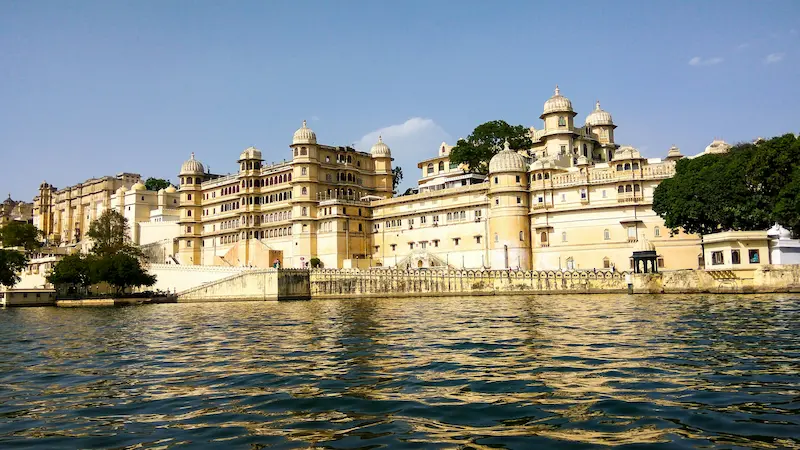
For a first trip to India in September, choose destinations that combine established tourism infrastructure with a strong mix of culture, heritage, food and sightseeing. Delhi, Agra, Rajasthan and Kerala are particularly useful starting points for experiencing India’s diversity.
| Destination | Location | Best Suited For |
|---|---|---|
| Delhi | Delhi | History, food and major landmarks |
| Agra | Uttar Pradesh | Taj Mahal and Mughal heritage |
| Jaipur | Rajasthan | Forts, palaces and culture |
| Udaipur | Rajasthan | Lakes, palaces and couples |
| Varanasi | Uttar Pradesh | Spiritual and cultural experiences |
| Kerala | Kerala | Backwaters, wellness and nature |
| Goa | Goa | Beaches and relaxed holidays |
| Amritsar | Punjab | Golden Temple and Punjabi culture |
| Kochi | Kerala | Colonial heritage and art galleries |
| Jodhpur | Rajasthan | Fort architecture and vibrant markets |
Best for Coastal & Beach Experiences
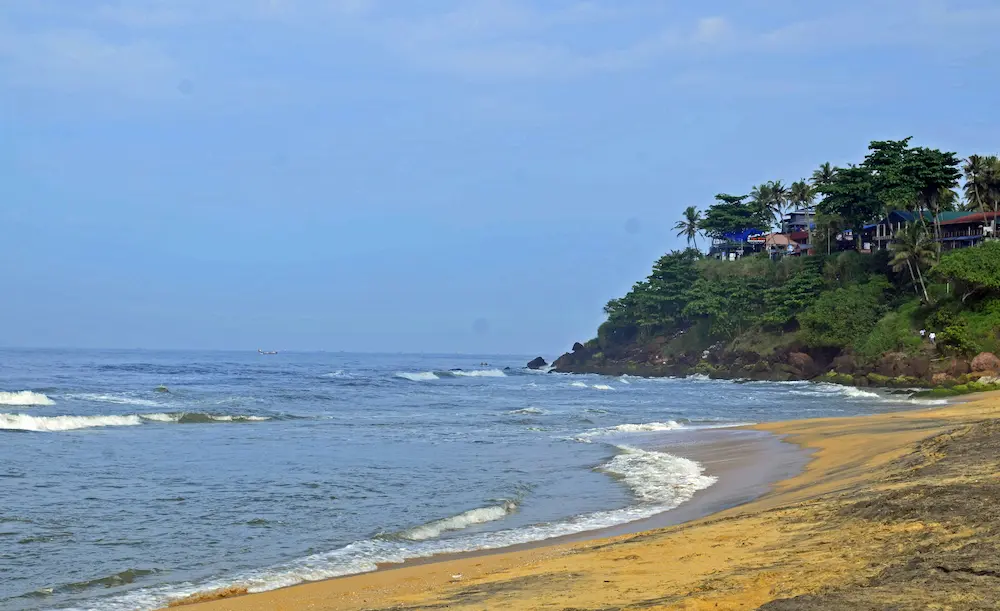
September remains influenced by the monsoon along much of India’s coast, but the landscapes are exceptionally green. This is better suited to travellers who enjoy quieter beaches, tropical scenery and relaxed coastal stays rather than guaranteed sunshine.
| Destination | Location | Best Suited For |
|---|---|---|
| Kerala | Kerala | Backwaters, beaches and wellness |
| Goa | Goa | Beaches and relaxed stays |
| Gokarna | Karnataka | Quiet beaches and backpacking |
| Varkala | Kerala | Cliffs, beaches and wellness |
| Kovalam | Kerala | Beach resorts and Ayurveda |
| Puri | Odisha | Beach and temple experiences |
| Puducherry | Tamil Nadu | Coastal walks and heritage |
| Marari | Kerala | Quiet beach resorts and slow travel |
| Daman | Daman & Diu | Seaside fort visits and quiet coastlines |
| Bekal | Kerala | Coastal forts and luxury resorts |
Best for Mountains & Hill Stations
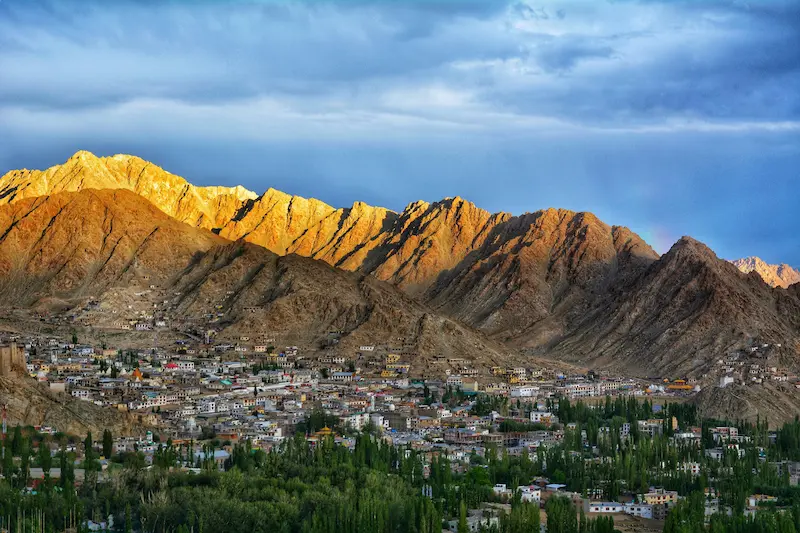
September is a transition period for India’s mountains. Some Himalayan destinations become more attractive as the monsoon retreats, while southern hill stations remain lush and green. Check local weather and road conditions before travelling.
| Destination | Location | Best Suited For |
|---|---|---|
| Ladakh | Ladakh | High-altitude road trips |
| Spiti Valley | Himachal Pradesh | Road trips and trekking |
| Uttarakhand | Uttarakhand | Mountains and nature |
| Kashmir | Jammu & Kashmir | Valleys, lakes and scenic travel |
| Sikkim | Sikkim | Mountains and monasteries |
| Darjeeling | West Bengal | Tea estates and mountain views |
| Munnar | Kerala | Tea plantations and nature |
| Coorg | Karnataka | Coffee estates and greenery |
| Kodaikanal | Tamil Nadu | Lakes, misty hills and pine forests |
| Auli | Uttarakhand | Panoramic Himalayan views and cable cars |
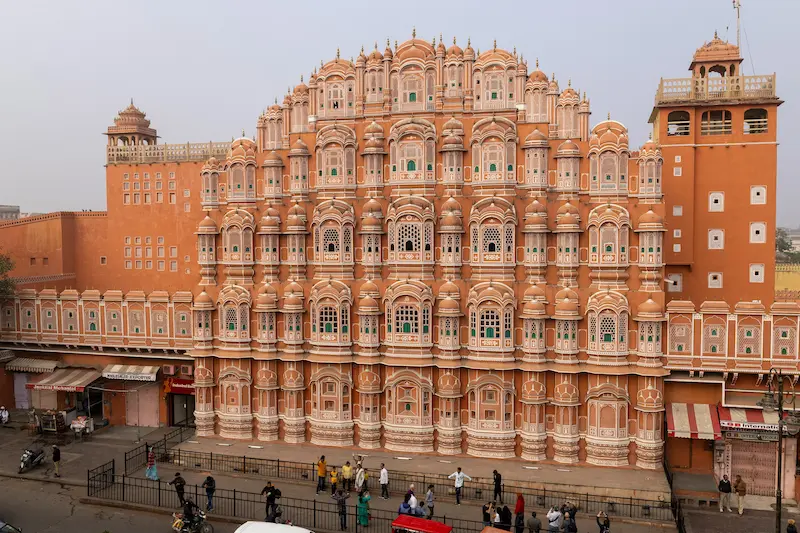
Best for Luxury & Royal Heritage
September works well for heritage-focused travel, particularly when combining historic cities with palace hotels, boutique stays and cultural experiences. Rajasthan is the obvious choice, but several destinations elsewhere in India offer distinctive royal heritage too.
| Destination | Location | Best Suited For |
|---|---|---|
| Udaipur | Rajasthan | Palace hotels and couples |
| Jaipur | Rajasthan | Forts, palaces and luxury |
| Jodhpur | Rajasthan | Forts and heritage stays |
| Jaisalmer | Rajasthan | Desert heritage |
| Agra | Uttar Pradesh | Mughal heritage |
| Delhi | Delhi | Heritage and luxury hotels |
| Orchha | Madhya Pradesh | Palaces and slow travel |
| Mysuru | Karnataka | Palace heritage and culture |
| Gwalior | Madhya Pradesh | Hill fort architecture and royal history |
| Bikaner | Rajasthan | Heritage Haveli stays and desert culture |
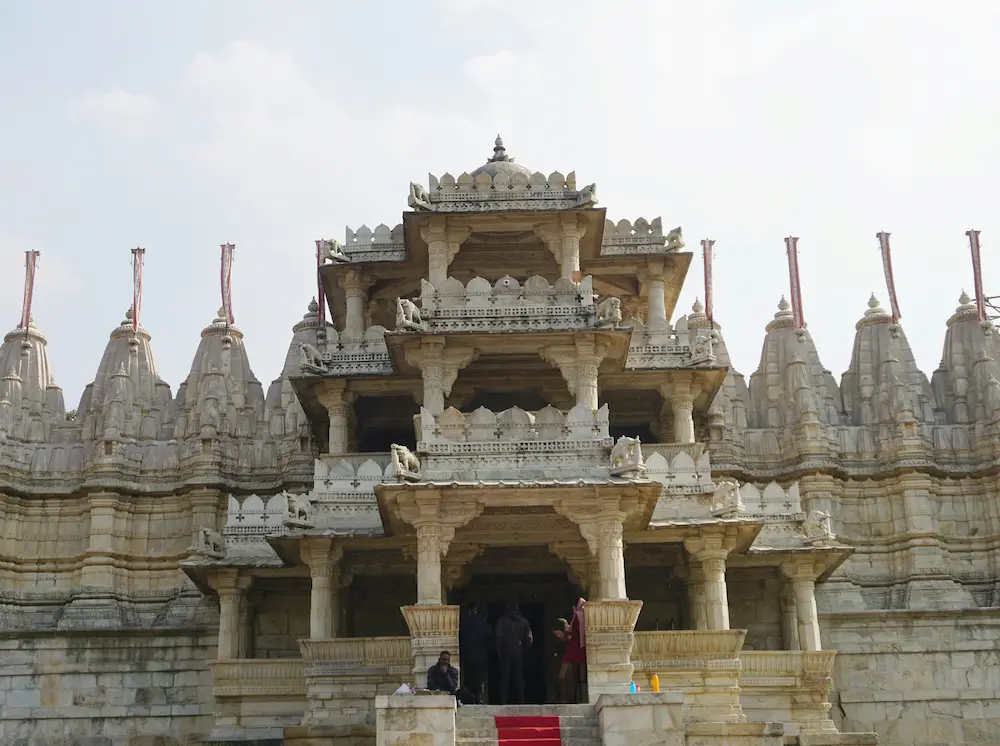
Best for Pilgrimage & Sacred Sites
September offers opportunities to combine pilgrimage with cultural exploration across India’s temple towns, sacred rivers and Buddhist sites. For Himalayan pilgrimage routes, check weather and road conditions before departure.
| Destination | Location | Best Suited For |
|---|---|---|
| Varanasi | Uttar Pradesh | Spiritual experiences |
| Haridwar | Uttarakhand | Ganga rituals and pilgrimage |
| Rishikesh | Uttarakhand | Yoga and spirituality |
| Bodh Gaya | Bihar | Buddhist pilgrimage |
| Puri | Odisha | Temple pilgrimage |
| Tirupati | Andhra Pradesh | Temple pilgrimage |
| Madurai | Tamil Nadu | Temple architecture |
| Amritsar | Punjab | Sacred sites and culture |
| Rameswaram | Tamil Nadu | Dham pilgrimage and coastal temples |
| Ujjain | Madhya Pradesh | Mahakaleshwar temple and river ghats |
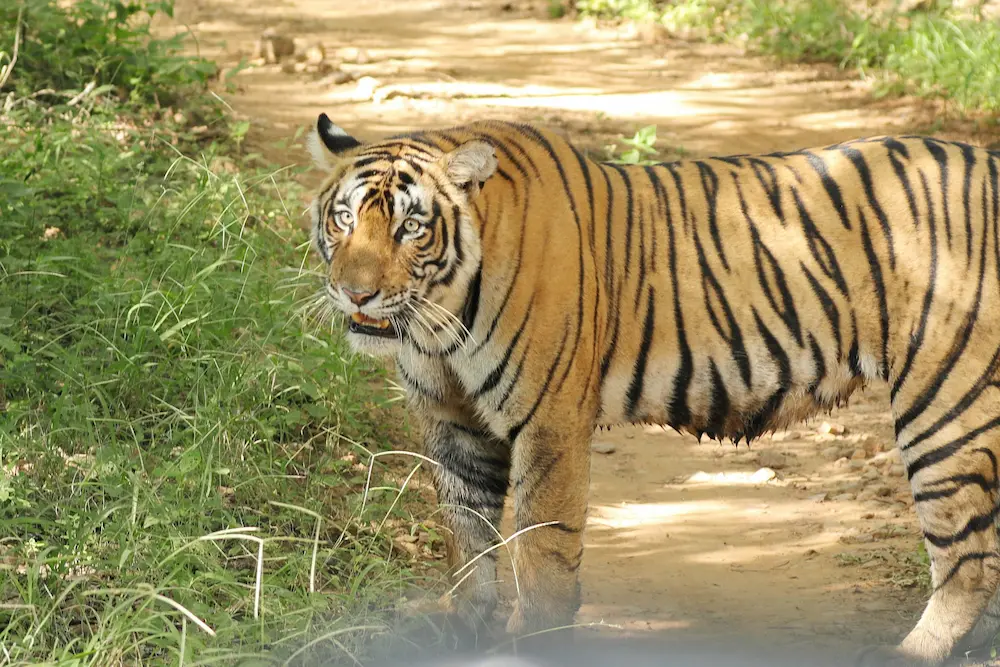
Best for Nature & Wildlife
India’s post-monsoon landscape can be particularly green in September, making it appealing for nature-focused travel. Wildlife conditions vary by park, so check opening dates and safari availability before planning a specific national park visit.
| Destination | Location | Best Suited For |
|---|---|---|
| Kaziranga | Assam | Wildlife and grasslands |
| Periyar | Kerala | Forest and wildlife |
| Bandipur | Karnataka | Wildlife safaris |
| Kanha | Madhya Pradesh | Tiger country |
| Tadoba | Maharashtra | Wildlife safaris |
| Satpura | Madhya Pradesh | Forests and nature |
| Wayanad | Kerala | Forests and waterfalls |
| Sundarbans | West Bengal | Mangroves and boat trips |
| Kabini | Karnataka | Riverfront wildlife and birdwatching |
| Gir National Park | Gujarat | Asiatic lions and dry deciduous forests |
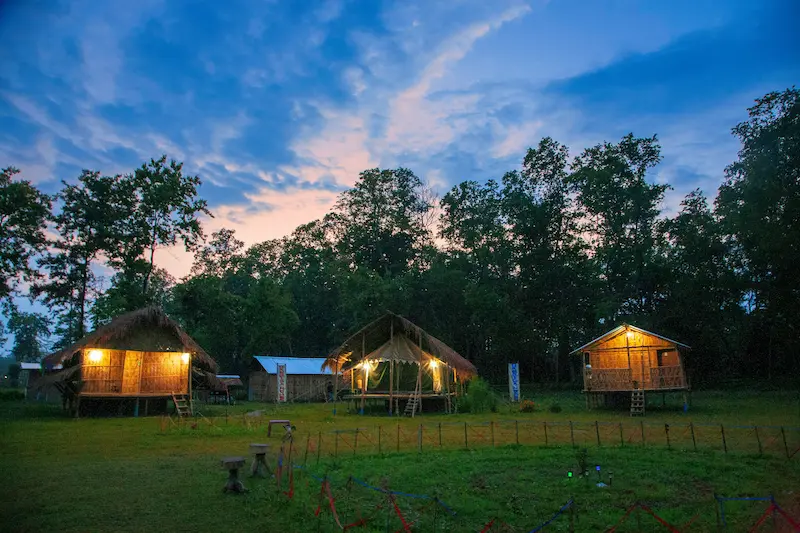
Best for Slow Travel & Offbeat Stays
September is rewarding for travellers who prefer greenery, quiet surroundings and fewer crowds over packed sightseeing schedules. Smaller towns, countryside stays and nature-focused destinations can offer a slower way to experience India.
| Destination | Location | Best Suited For |
|---|---|---|
| Orchha | Madhya Pradesh | Heritage and slow travel |
| Gokarna | Karnataka | Quiet beaches |
| Marari | Kerala | Beach resorts |
| Majuli | Assam | Island culture |
| Kalimpong | West Bengal | Mountain stays |
| Chettinad | Tamil Nadu | Heritage homes and food |
| Chikmagalur | Karnataka | Coffee estates |
| Ziro | Arunachal Pradesh | Valley landscapes and culture |
| Landour | Uttarakhand | Quiet colonial hamlets and forest walks |
| Tawang | Arunachal Pradesh | Remote high-altitude monasteries and valley views |
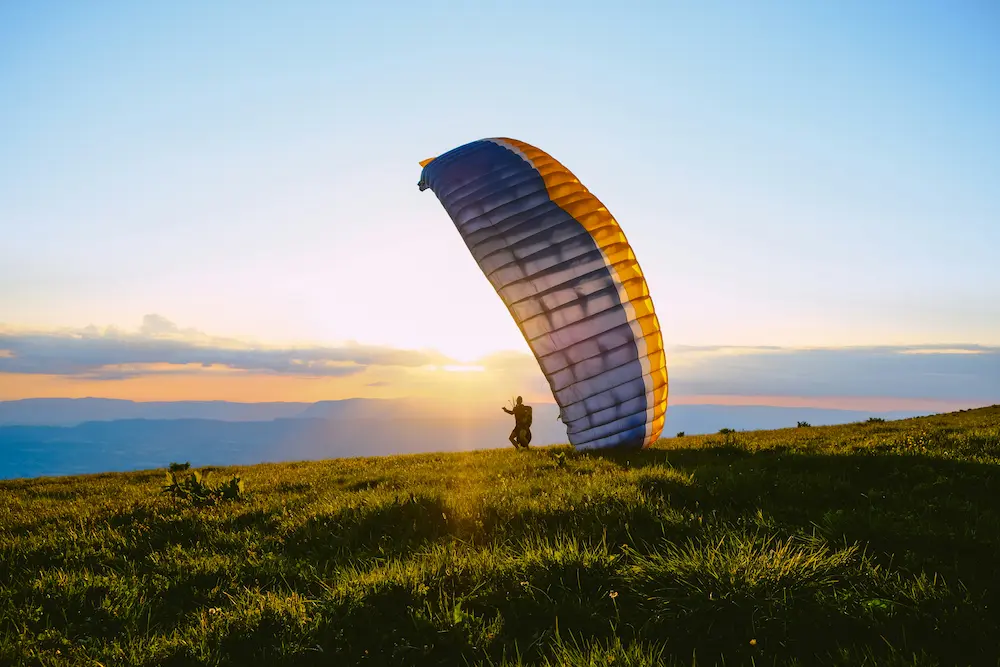
Best for Adventure & Outdoor Experiences
Adventure conditions vary widely across India in September. High altitude regions can offer excellent road-trip opportunities, while trekking, river and outdoor activities in monsoon-affected areas require greater caution and flexibility.
| Destination | Location | Best Suited For |
|---|---|---|
| Ladakh | Ladakh | Road trips and biking |
| Spiti Valley | Himachal Pradesh | Trekking and road trips |
| Rishikesh | Uttarakhand | River and outdoor activities |
| Manali | Himachal Pradesh | Trekking and mountains |
| Bir | Himachal Pradesh | Paragliding |
| Meghalaya | Northeast India | Caves and trekking |
| Wayanad | Kerala | Trekking and exploration |
| Andaman Islands | Andaman & Nicobar | Diving and water activities |
| Dandeli | Karnataka | White water rafting and jungle treks |
| Gulmarg | Jammu & Kashmir | Gondola rides and mountain trekking |
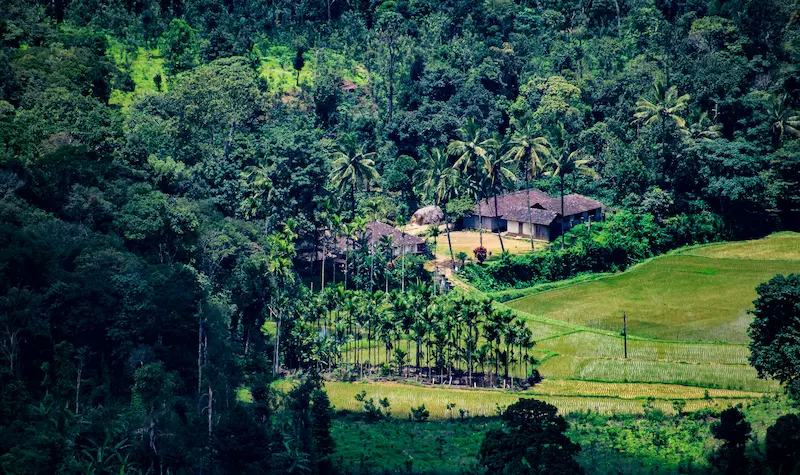
Best for Monsoon Waterfalls & Nature Trails
September can be one of the most atmospheric months for exploring India’s monsoon landscapes. Waterfalls are often dramatic and the countryside remains lush, although trails and roads may be slippery and local conditions can change quickly.
| Destination | Location | Best Suited For |
|---|---|---|
| Meghalaya | Northeast India | Waterfalls and rainforest |
| Cherrapunji | Meghalaya | Waterfalls and monsoon scenery |
| Mawsynram | Meghalaya | Rainy landscapes |
| Coorg | Karnataka | Waterfalls and greenery |
| Wayanad | Kerala | Waterfalls and forests |
| Jog Falls | Karnataka | Waterfall views |
| Lonavala | Maharashtra | Waterfalls and viewpoints |
| Mahabaleshwar | Maharashtra | Green valleys and waterfalls |
| Dudhsagar | Goa / Karnataka border | Multi-tiered waterfall views and trekking |
| Athirappilly | Kerala | Expansive waterfall scenery and forest walks |
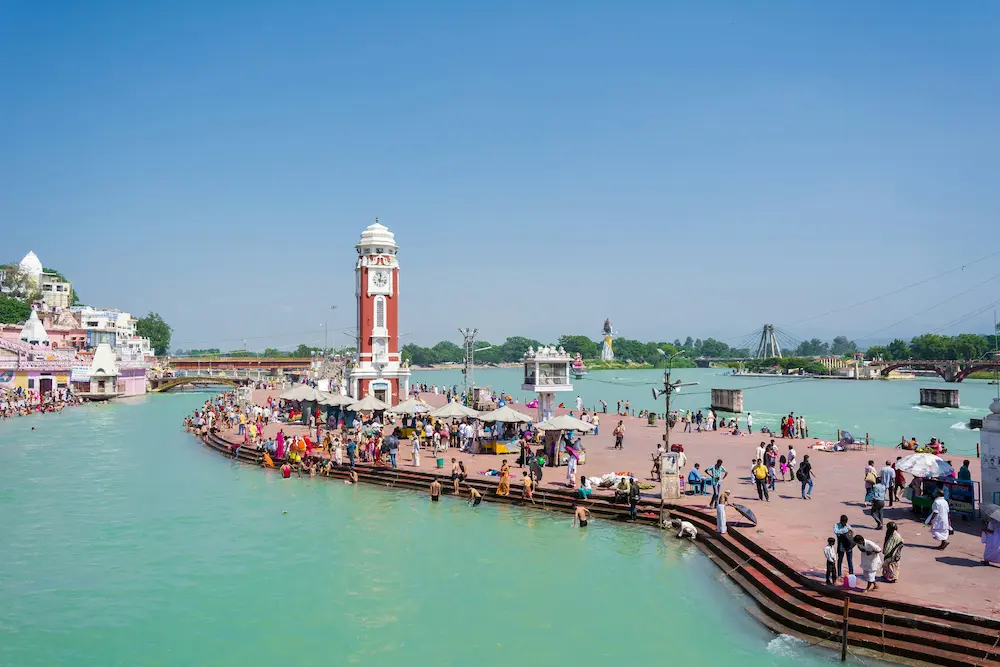
Best for Festivals & Cultural Experiences
September can be a culturally rich month, with religious celebrations, local festivals and traditional events taking place across different parts of India. Festival dates vary each year, so verify exact dates before booking your trip.
| Destination | Location | Best Suited For |
|---|---|---|
| Mumbai | Maharashtra | Ganesh Chaturthi and culture |
| Jaipur | Rajasthan | Heritage and crafts |
| Varanasi | Uttar Pradesh | Religious traditions |
| Kolkata | West Bengal | Bengali culture and food |
| Amritsar | Punjab | Sikh heritage and culture |
| Mysuru | Karnataka | Palaces and traditions |
| Madurai | Tamil Nadu | Temple culture |
| Puri | Odisha | Temple traditions |
| Thrissur | Kerala | Onam festivities and boat races |
| Ladakh (Leh) | Ladakh | Monastery festivals and masked dances |
Best September Travel Routes in India
September is best approached with region-focused itineraries, as monsoon conditions can vary significantly across India. The routes below are designed for different travel styles and budgets while spreading the recommendations across India’s major regions. Rather than trying to cover several distant parts of the country in one trip, each route focuses on destinations that can reasonably be combined and allows some flexibility for changing weather. Use these as starting points and adjust the number of nights according to your interests, transport connections and local conditions.
1. Solo Travel Route
Delhi → Rishikesh → Mussoorie → Haridwar
Ideal duration: 6–8 days
Best for: Solo travellers, culture, spirituality and mountain scenery
A manageable introduction to North India, combining Delhi’s history with Rishikesh’s riverside atmosphere, Mussoorie’s mountain setting and Haridwar’s spiritual character.
September tip: Keep the Himalayan portion flexible because rain can still affect mountain roads and outdoor activities.
2. Couple’s Destination Route
Kochi → Munnar → Thekkady → Alleppey
Ideal duration: 7–9 days
Best for: Couples, nature, wellness, scenic stays and slower travel
This Kerala route combines colonial heritage in Kochi, misty hills in Munnar, wildlife and spice plantations around Thekkady, and a relaxed backwater experience in Alleppey.
September tip: Expect occasional rain, but the landscape is particularly lush. Plan outdoor activities around weather windows rather than expecting completely dry days.
3. Friends & Family Route
Delhi → Agra → Jaipur → Ranthambore
Ideal duration: 7–9 days
Best for: Families and groups, heritage, wildlife and first-time visitors
This classic circuit combines Delhi’s major attractions, the Taj Mahal, Jaipur’s forts and palaces, and a wildlife experience at Ranthambore.
September tip: Keep the schedule comfortable rather than packing too many attractions into each day, especially if travelling with children or older family members.
4. Budget / Backpacking Route
Kolkata → Bodh Gaya → Varanasi → Prayagraj
Ideal duration: 8–10 days
Best for: Backpackers, solo travellers, culture and spirituality
This East India route works well for budget-conscious travellers using trains and buses. It combines Kolkata’s colonial and cultural heritage with Bodh Gaya’s Buddhist significance and Varanasi’s riverside traditions.
September tip: Public transport keeps costs manageable, but allow extra time for journeys because rain can occasionally affect road travel.
5. Mid-Range / Comfort Route
Mumbai → Nashik → Aurangabad → Goa
Ideal duration: 8–10 days
Best for: Comfortable travel, food, heritage and scenic landscapes
This West India route combines Mumbai’s urban energy with Nashik’s vineyards and temples, Aurangabad’s historic attractions and a slower stay in Goa.
September tip: Maharashtra and Goa can still receive substantial monsoon rainfall. Build the itinerary around cultural and nature experiences rather than relying entirely on beach weather.
6. Luxury Travel Route
Guwahati → Kaziranga → Shillong → Cherrapunji
Ideal duration: 8–10 days
Best for: Luxury nature travel, wildlife, landscapes and personalised experiences
A Northeast-focused journey combining Assam’s wildlife with Meghalaya’s dramatic landscapes. A comfortable itinerary can include premium accommodation, private transfers and guided nature experiences.
September tip: The Northeast can remain very wet in September, particularly Meghalaya. Choose accommodation and transport with flexibility in mind, and check local road conditions before moving between destinations.
Festivals & Events in India in September
September can be an interesting month for cultural travel because several major festivals and regional events take place as the monsoon season begins to change. For travellers, these occasions can add a strong local dimension to a trip, but they can also increase demand for accommodation and transport in popular destinations. The dates below are for 2026 and should be rechecked when planning future trips, as many Indian festivals follow lunar or regional calendars.
Ganesh Chaturthi — September 14–25, 2026
Focus: Mumbai, Pune and Maharashtra
Ganesh Chaturthi is one of Maharashtra’s most important festivals, with elaborate public pandals, music, processions and the eventual immersion of Ganesha idols. In 2026, the main festival begins on September 14, with major immersion celebrations taking place later in the festival period.
Travel tip: Mumbai and Pune can become particularly busy around major celebrations and immersion days. Book accommodation and transport early if the festival is a central part of your itinerary.
Krishna Janmashtami & Dahi Handi — September 4–5, 2026
Focus: Mathura, Vrindavan and Mumbai
Krishna Janmashtami celebrates the birth of Lord Krishna and is particularly significant in Mathura and Vrindavan, while Maharashtra is known for its energetic Dahi Handi celebrations. In 2026, Janmashtami falls on September 4, followed by Dahi Handi on September 5.
Travel tip: Expect large crowds around major temples and celebration areas. If visiting Mathura or Vrindavan, allow extra time for local movement and temple visits.
Ladakh Marathon & Ladakh Festival — September 10–23, 2026
Focus: Leh and Ladakh
September is an especially interesting time to visit Ladakh for travellers interested in both adventure and culture. The Ladakh Marathon takes place September 10–13, while the official Ladakh tourism calendar lists the Ladakh Festival for September 21–23 in Leh, featuring traditional performances, processions, archery, mask dances and polo.
Travel tip: These events can make Leh busier than usual. If you are travelling during the festival period, book accommodation in advance and allow time to acclimatise before high-altitude activities.
Onam & Kerala’s Cultural Season — Late August to September
Focus: Kerala
Onam is one of Kerala’s most important cultural celebrations, associated with traditional feasts, floral decorations, performances and boat-racing traditions. The exact timing varies each year; Kerala Tourism’s 2026 calendar places Thiruvonam on August 26, while several related cultural and religious events continue into September.
Travel tip: If your September trip overlaps with major Onam-related events, expect increased demand around popular cultural and tourist areas. Check the local event calendar rather than assuming that all Onam activities occur in September.
Ziro Festival of Music — September 24–27, 2026
Focus: Ziro Valley, Arunachal Pradesh
The Ziro Festival combines independent music with the landscapes and cultural setting of Ziro Valley. The 2026 edition is scheduled for September 24–27, making it one of the more distinctive September events for travellers interested in music, nature and Northeast India.
Travel tip: Ziro is a relatively remote destination, so accommodation, transport and any required permits should be arranged well in advance.
Vishwakarma Puja — September 17, 2026
Focus: Eastern and parts of northern India
Vishwakarma Puja is associated with Lord Vishwakarma, traditionally regarded as the divine architect and craftsman. It has particular visibility in industrial areas and among artisan and working communities, especially across parts of West Bengal, Bihar, Odisha and eastern India.
Travel tip: This is more of a regional cultural observance than a conventional tourist festival. It can nevertheless be an interesting opportunity to experience local traditions if your September itinerary passes through eastern India.
Travel Tips for September: Plan Your Trip to India
Plan September around a region rather than a long list of states. A short itinerary within one climatic zone is easier to manage than combining Rajasthan, Kerala, the Northeast and the Himalayas while weather patterns are still changing. For heritage and city sightseeing, consider Delhi–Agra–Jaipur or a Rajasthan circuit. For nature-focused trips, check individual park and sanctuary schedules before booking, as access and safari operations vary between destinations.
Choose Dates Carefully
The first and last weeks of September can feel different, so don’t assume conditions will improve steadily throughout the month. Check the forecast for each overnight stop rather than relying only on your arrival city. Festival dates can also affect crowds, transport and hotel availability, particularly around major celebrations.
Book with Flexibility
Choose accommodation with free cancellation where possible, particularly in hill stations and smaller towns. Avoid scheduling a flight immediately after a long road journey through a rain-affected area. For trains and intercity buses, leave a buffer before important connections. During September, a spare day can be more valuable than a tightly packed itinerary.
Pack for India in September
Pack for warm, humid conditions with the possibility of sudden rain. Quick-drying clothes, a lightweight rain jacket, waterproof footwear and a compact umbrella are useful for most itineraries. Keep phones, passports, cash and camera equipment in waterproof pouches or bags. A light layer is useful for air-conditioned trains, buses and hotels, while breathable clothing works better in humid plains and coastal areas.
For mountain destinations, add a warmer layer, sturdy shoes and weather-resistant outerwear, particularly if your itinerary includes trekking or higher elevations. If travelling to wildlife areas, comfortable walking shoes and quick-drying clothing are more practical than heavy luggage.
Check Roads and Trails
Before travelling to a remote destination, ask your hotel or local driver about current road conditions. This is particularly important for mountain routes, forest roads, ferry crossings and waterfall areas. Don’t rely solely on map applications; a route may appear open while traffic restrictions or repairs are in place. For treks, confirm permits, guides, trail conditions and return transport before setting out.
Plan Days Sensibly
Schedule outdoor sightseeing earlier in the day and keep indoor alternatives for wet afternoons. Avoid building an itinerary around a single viewpoint, boat ride or outdoor activity. In smaller towns, carry some cash because connectivity and card acceptance can be less reliable during bad weather.
Travel insurance covering delays, cancellations and medical care can also be worth considering, particularly for trips involving remote roads, trekking or other outdoor activities.
The most reliable September plan is one with a regional focus, flexible bookings, realistic travel times, weather-appropriate packing and enough room to change direction when local conditions demand it.
My Take: Is September Worth Visiting India?
My honest view is that September is worth considering, but I would not recommend it as a default month for every kind of India trip. I would choose it when the destination matters more than perfectly dependable weather, and when I have enough flexibility to change plans if a journey is delayed.
What I like about September is its less pressured feel. Many well-known places are less tiring to explore than during the busier winter months, and accommodation can be easier to find outside festivals and long weekends. The landscape is often at its freshest after weeks of rain, particularly in greener parts of the country. For photographers, culture-focused travellers and people who prefer a slower pace, those are meaningful advantages rather than minor bonuses.
However, I would be selective. I would feel comfortable planning a heritage or food-focused trip through cities where there are reliable indoor alternatives. I would also consider a wildlife itinerary only after checking whether the particular reserve is open and whether safaris are operating normally. I would be more cautious about a trip built around mountain roads, high-altitude walks, beaches, boat rides or a sequence of tightly timed transfers.
September also demands a different attitude to planning. I would book cancellable rooms, avoid placing important flights immediately after long road journeys, and keep at least one uncommitted day in a multi-stop itinerary. A rain jacket, waterproof protection for electronics and patience with altered plans are more useful than an overfilled sightseeing schedule.
So, is September worth it? Yes, for adaptable travellers choosing the right region. It is less suitable if your priority is guaranteed sunshine, smooth mountain access or a fixed day-by-day route. I would treat September as a month for informed choices—not a reason to postpone India altogether, but certainly a reason to plan with care.
Frequently Asked Questions
Is September a good time to visit India?
Which are the best places to visit in India in September?
Where in India has the best weather in September?
Is September a good time to visit Rajasthan?
Is September a good time to visit Kerala and Goa?
Is September a good time for a Himalayan trip in India?
Does it rain a lot in India in September?
What should I pack for India in September?
One Last Thought
September is not India’s most predictable travel month, but that is not necessarily a reason to avoid it. Choose your region carefully, allow some flexibility, and let local weather shape your plans rather than trying to force a fixed itinerary across the country.
If I were planning a September trip, I would focus on one region, keep important connections flexible, and choose experiences that can still work when the weather changes. With realistic expectations, September can offer fewer crowds, greener landscapes, cultural experiences, and a quieter side of India that the peak season does not always provide.