
Uttarakhand is best approached as a state of changing landscapes rather than a single destination. The foothills around Dehradun and Rishikesh quickly give way to river valleys, forested slopes, pilgrimage towns, high-altitude meadows, and Himalayan villages shaped by the seasons. A journey here can be as relaxed as a few days beside the Ganga or as demanding as a trek into Garhwal or Kumaon.
The contrast also means that different parts of Uttarakhand require different kinds of planning. Mornings may begin in a busy market or temple town and end in a quiet hillside stay, with mountain views that can depend entirely on the weather. Road journeys take time, rainfall can alter plans, and altitude deserves respect. Understanding these factors can make a significant difference to how you plan a trip through the state.
This guide brings together the practical information you need to plan Uttarakhand travel: the best places to visit, when to go, transport options, accommodation, budgets, safety, trekking considerations, and ways to travel responsibly while respecting local communities and fragile mountain landscapes.
Table of Contents
Uttarakhand at a Glance
| Attribute | Quick Facts |
|---|---|
| Capital | Dehradun (winter), Gairsain/Bhararisain (summer capital) |
| Statehood | 9 November 2000 (27th state of India) |
| Regions | Garhwal Division & Kumaon Division |
| Major Tourism Hubs | Rishikesh, Haridwar, Mussoorie, Nainital, Auli, Jim Corbett |
| Key Attractions | Char Dham, Valley of Flowers, Naini Lake, Hemkund Sahib, Panch Kedar |
| Best Time to Visit | March–June: Hill stations & outdoor travel September–November: Clear weather & trekking December–February: Snow destinations & winter activities |
| Primary Airports | Jolly Grant Airport (Dehradun), Pantnagar Airport |
| Major Railway Hubs | Haridwar, Dehradun, Rishikesh, Kathgodam |
| Popular Activities | Trekking, river rafting, skiing, wildlife safaris, camping, pilgrimage & yoga |
Spiritual & Adventure Circuit: A First-Hand Guide to Haridwar & Rishikesh (3–4 Days)
Having traced pilgrimage trails from Kashi to Kedarnath and adventure routes across Himachal and Ladakh, this Haridwar–Rishikesh stretch remains my most revisited circuit in Uttarakhand. It packs intense spirituality, Himalayan energy, and white-water adrenaline into a tight, well-connected loop that works year-round.
1. Personal Experience: Reading the River & the Rituals
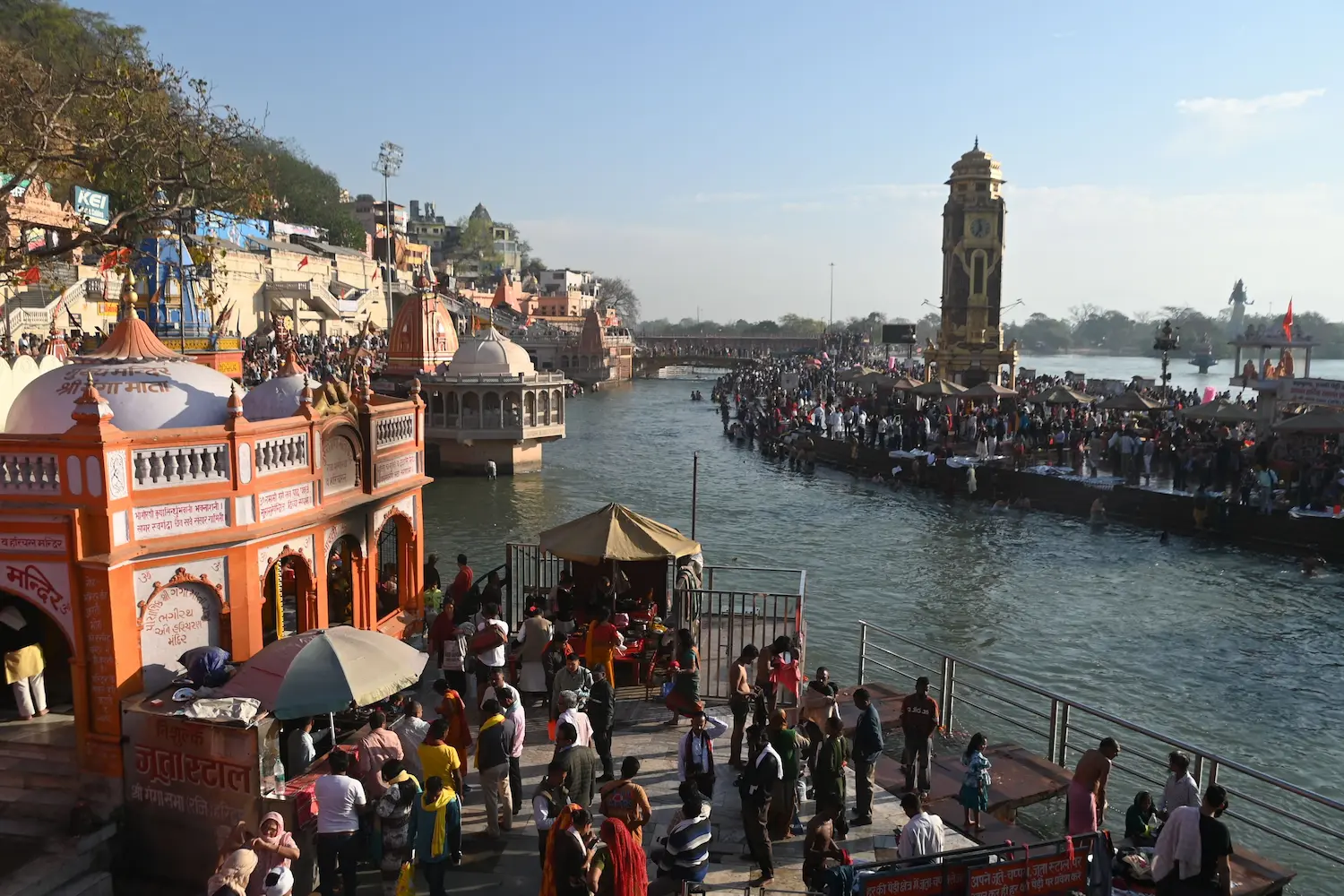
I always begin in Haridwar by late afternoon. The evening Ganga Aarti at Har Ki Pauri is the anchor—arrive 45–60 minutes early on regular weekdays, 90 minutes on weekends or festival days, and claim a spot on the upper steps facing Malviya Island or on the bridge for an unobstructed view. The morning aarti (5:30–6:00 AM summer, 6:00–6:30 AM winter) is quieter and far more contemplative if you can wake up for it. For an even quieter experience away from the main crowd, Gau Ghat or Laddhawala Ghat offer peaceful morning alternatives.
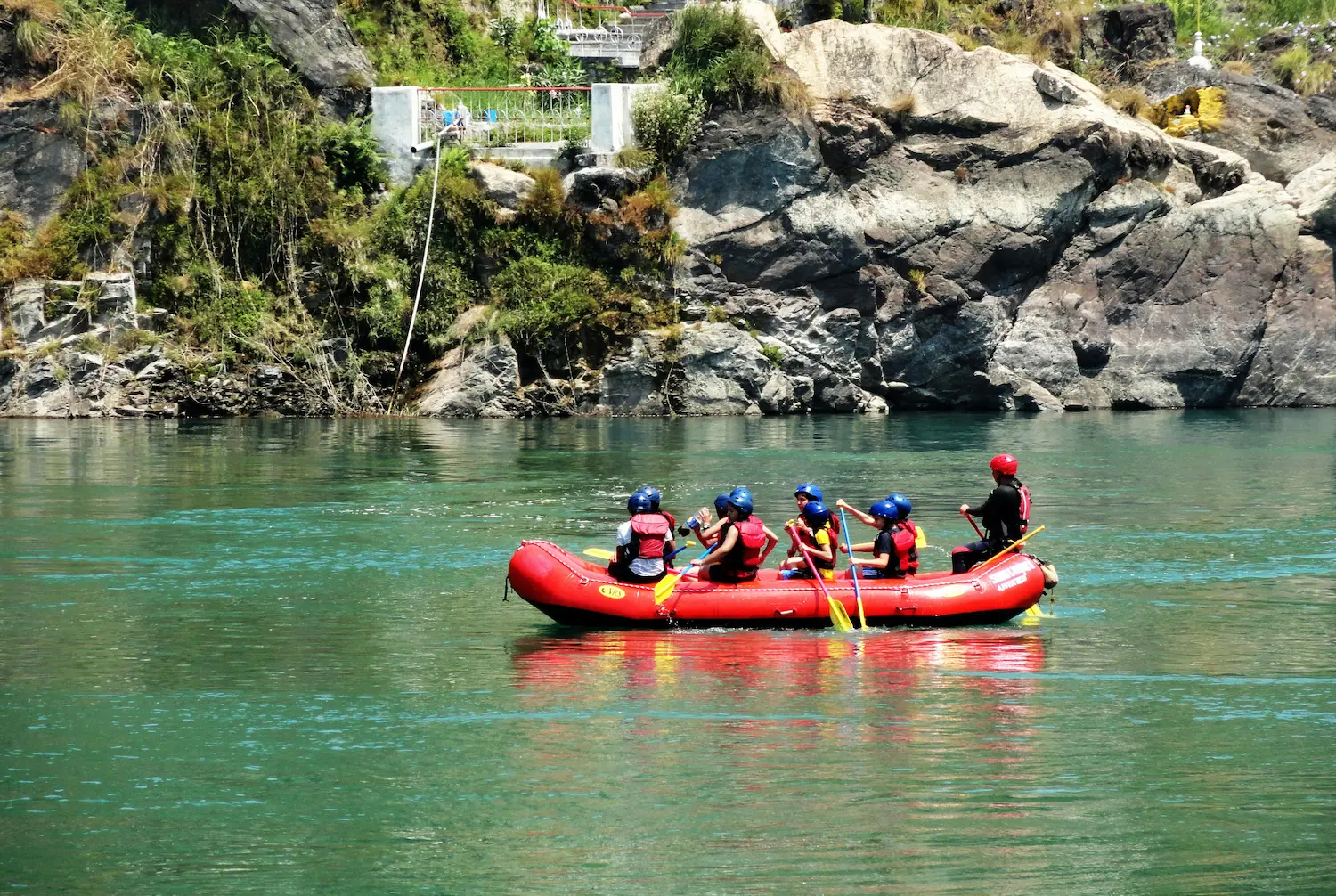
Shift to Rishikesh by mid-morning the next day. Spend the first afternoon exploring Triveni Ghat, the Beatles Ashram (Chaurasi Kutia), and walking across Janki Jhula or Ram Jhula—note that the historic Laxman Jhula is permanently closed to pedestrian traffic, with pedestrian flow re-routed to adjacent bridges. Hit the river the following morning. Rafting season runs from 15 September to 30 June:
- Brahmpuri (9 km): Gentle Grade I–II rapids; ideal for families, young kids, or hesitant swimmers.
- Shivpuri (16 km): The classic stretch offering the best mix of scenic gorges and Grade II–III rapids (Roller Coaster, Golf Course) for first-timers and regular paddlers.
- Marine Drive to Kaudiyala (26–36 km): Demands strong physical fitness for heavy Grade III+ to IV action (including The Wall).
2. Ground-Level Budgeting & Daily Costs
This circuit is highly flexible across different budgets:
Daily Expenditure
- Haridwar: ₹800–1,500/day (budget guesthouse near Har Ki Pauri or railway station, street food + simple thalis, local auto rickshaws). Mid-range hotels near Ranipur More run ₹2,500–4,500/day.
- Rishikesh: ₹1,200–2,200/day (budget stay/hostel in Tapovan or Ram Jhula area, café meals, scooter rental). Mid-range boutique stays run ₹3,000–6,000/day.
Activity & Site Costs
- River Rafting (16 km Shivpuri): ₹1,000–1,500 per person walk-in; ₹1,500–2,000 via online platforms with certified safety kayakers included.
- Bungee Jump (Jumpin Heights, Mohan Chatti): ₹3,700–3,900 for the jump, plus a ₹400–500 entry and transport pass from Rishikesh.
- Ropeway to Mansa Devi / Chandi Devi (Haridwar): ₹200–300 round-trip for single temple; combo tickets run ₹350–500.
- Beatles Ashram Entry: ₹150 for Indian nationals; ₹600 for foreign nationals.
- Inter-City Transit: Private taxi Haridwar–Rishikesh (25–30 km) costs ₹900–1,400 one-way; shared sumo/jeep or electric bus from Haridwar ISBT runs ₹50–80 per person.
3. Road Connectivity & High-Speed Transit Mechanics
Haridwar and Rishikesh sit 25–30 km apart—about 45 to 60 minutes by road via NH-7. The highway is smooth, four-laned, and well-signposted, with frequent shared jeeps and electric buses running from Haridwar ISBT to Rishikesh ISBT every 10–15 minutes until 8:30 PM.
Transit Points & Distances
- Air Connectivity: Dehradun’s Jolly Grant Airport (DED) is located in Bhaniawala, making it significantly closer to Rishikesh (~21 km / 35–45 minutes) than to Haridwar (~38 km / 1 hour).
- Rail Connectivity: Haridwar Junction (HW) remains the primary railway hub with direct, high-speed connections to Delhi, Mumbai, and Kolkata (including Vande Bharat and Shatabdi expresses). However, Rishikesh now houses the new Yoga Nagari Rishikesh Railway Station (YNRK), which connects directly to major national routes, allowing you to arrive straight into Rishikesh if you wish to skip Haridwar on the way in.
4. Temple Access, Activity Permits & Safety Protocols
- Har Ki Pauri (Haridwar): Free entry. Dress modestly (covering shoulders and knees); remove footwear at designated shoe stands before stepping onto the ghats. Lockers and cloakrooms are available near the upper entrance (₹20–50).
- Mansa Devi & Chandi Devi (Haridwar): Free entry; cable car tickets purchased on-site or online. Footwear must be left outside temple sanctums. Expect longer queues during Navratri and summer weekends.
- Neelkanth Mahadev Temple: Located 32 km from Rishikesh (~1.5 hours on winding ghat roads). Open 6:00 AM–8:00 PM; shared taxis operate regularly from the Laxman Jhula taxi stand.
- Rafting Permits & Certification: Book through Uttarakhand Tourism Development Board (UTDB)-certified operators. Reserve 1–2 weeks ahead in peak season (March–May, September–November) with a partial advance deposit. Always carry valid government photo ID; operators register all participants at river check-posts.
- Safety Protocols & Limits: Minimum age for 16 km rafting is 14 years (12 years for Brahmpuri); maximum age is generally 60–65 based on fitness. Certified operators provide life jackets, helmets, and a dedicated safety kayaker for Grade III+ stretches. Listen carefully to the safety briefing—post-monsoon river flow in late September and October carries higher water volume, making Grade III rapids feel like Grade III+/IV. Avoid swimming outside marked calm zones; the Ganga’s current remains deceptively fast beneath the surface.
This 3–4 day loop delivers the full spectrum of Uttarakhand’s spiritual and adventure identity without requiring multi-day treks or high-altitude acclimatization. With upgraded rail infrastructure, clear activity protocols, and costs that scale seamlessly to any travel style, it remains my top recommendation for travelers seeking both quiet reflection and white-water adrenaline in a single compact journey.
Best Places to Visit in Uttarakhand
Uttarakhand’s best destinations are spread across two distinct mountain regions: Garhwal, known for river valleys, pilgrimage routes and high-altitude trails, and Kumaon, where lake towns, forests and quieter hill stations offer a different style of mountain travel. Rishikesh and Haridwar suit travellers drawn to the Ganga and spiritual traditions, while Mussoorie, Nainital and Kausani work well for relaxed mountain breaks. For snow and alpine landscapes, consider Auli or Munsiyari; for wildlife, Jim Corbett National Park remains a practical choice. Trekkers can look towards Chopta, the Valley of Flowers and routes around Kedarnath. The right place depends less on popularity than on your travel season, available time and comfort with mountain roads.
Top Places to Visit in Uttarakhand
| Destination | Best For | Ideal Duration |
|---|---|---|
| Rishikesh | River rafting, yoga retreats, cafe culture, and spiritual Ganga Aarti ceremonies. | 2–3 Days |
| Haridwar | Hindu pilgrimages, holy bathing ghats (Har Ki Pauri), and ancient temple visits. | 1–2 Days |
| Mussoorie | Scenic ridge viewpoints, Mall Road strolls, colonial history, and family getaways. | 2–3 Days |
| Nainital | Lakefront boating, cable car rides, temperate climate, and weekend trips. | 2–3 Days |
| Auli | Professional skiing, cable car rides, and panoramic views of Nanda Devi. | 3–4 Days |
| Badrinath / Kedarnath | Sacred Char Dham pilgrimages, high-altitude alpine trekking, and mountain spirituality. | 4–6 Days |
| Almora | Kumaoni cultural heritage, traditional handicrafts, historic temples, and scenic ridge vistas. | 2 Days |
| Ranikhet | Quiet pine-forest walks, golf courses, old-world tranquility, and views of the Himalayan range. | 2 Days |
| Jim Corbett | Bengal tiger safaris, bird watching, and wilderness jungle stays in India’s oldest national park. | 2–3 Days |
| Mukteshwar | Fruit orchards, rock climbing (Chauli Ki Jali), stargazing, and panoramic mountain views. | 2 Days |
| Munsiyari | High-altitude treks (Khaliya Top), base for Himalayan glaciers, and views of the Panchachuli peaks. | 3–4 Days |
| Valley of Flowers | UNESCO-listed monsoon treks, rare alpine blooms, and endemic flora species. | 4–5 Days |
Best Time to Visit Uttarakhand
The best time to visit Uttarakhand depends on where you are going and how you want to travel. March to June is generally suited to hill stations, sightseeing and lower-altitude walks, although popular towns can become busy during school holidays. July to September brings monsoon rain, greener landscapes and potential disruption on mountain roads, making flexible plans essential. October and November generally offer clearer mountain views and comfortable conditions for many road trips and treks. December to February suits travellers looking for cold weather and snowfall in places such as Auli, Munsiyari and the higher reaches of Kumaon and Garhwal. Weather conditions can vary considerably with altitude, so check local forecasts and road conditions before travelling.
Uttarakhand Weather & Travel Seasons
| Season | Months | Typical Conditions | Highlights & Best Activities | Travel Status |
|---|---|---|---|---|
| Spring & Summer | March–June | Pleasant to warm in lower areas; cooler in the hills and higher elevations. | Hill stations, sightseeing, trekking at suitable elevations, river rafting, pilgrimage travel. | Peak Season in many popular destinations |
| Monsoon | July–September | Warm, humid in lower areas with frequent rain; cooler in the hills. | Lush landscapes, waterfalls, Valley of Flowers in suitable conditions. | Caution Season — rain can affect mountain roads and travel plans. |
| Post-Monsoon / Autumn | October–November | Generally clearer skies and cooler temperatures. | Himalayan views, trekking, photography, road trips. | Shoulder Season in many destinations |
| Winter | December–February | Cold in the hills; snowfall in higher areas. | Snow experiences, skiing in Auli, winter landscapes and selected winter treks. | Snow Season — conditions vary by destination |
Uttarakhand Travel Itineraries
Uttarakhand itineraries work best when built around one region rather than trying to cover the entire state in a single trip. A short break can combine Rishikesh, Mussoorie and Dehradun, while a week allows time for a Kumaon circuit through Nainital, Bhimtal, Almora and Kausani. Travellers seeking mountain walks can plan around Chopta, Tungnath and Auli, allowing extra time for road journeys and changing weather. Pilgrimage routes, including Char Dham, need a more measured schedule because of altitude, distances and seasonal access. Keep arrival and departure points practical—Dehradun, Haridwar and Kathgodam are useful gateways—and avoid packing every day with sightseeing.
Uttarakhand Trip Ideas by Duration
| Itinerary Name | Target Duration | Route Covered | Key Highlights | Best Suited For |
|---|---|---|---|---|
| Spiritual & Adventure Circuit | 3–4 Days | Haridwar → Rishikesh | Ganga Aarti, river rafting, cliff jumping, Triveni Ghat, Beatles Ashram. | Quick weekenders, youth groups, and spiritual seekers. |
| Garhwal Queen Hill Retreat | 4–5 Days | Dehradun → Mussoorie → Dhanaulti → Kanatal | Kempty Falls, Mall Road, Lal Tibba, Eco Park, Surkanda Devi Temple. | Families, honeymooners, and short weekend breaks. |
| Kumaon Lake & Wildlife Circuit | 5–6 Days | Nainital → Bhimtal → Sattal → Jim Corbett | Boating on Naini Lake, lake hopping, Jeep safari in Corbett. | Nature lovers, families, and wildlife enthusiasts. |
| High Himalayan Snow & Ski Route | 5–6 Days | Rishikesh → Devprayag → Joshimath → Auli | Auli Cable Car, snow sports, Nanda Devi views, Gorson Bugyal trek. | Winter snow seekers, couples, and adventure travelers. |
| Monsoon Alpine Trek Circuit | 6–7 Days | Haridwar → Govindghat → Ghangaria → Valley of Flowers → Hemkund Sahib | Rare alpine flora, UNESCO World Heritage trek, high-altitude lake. | Trekking enthusiasts, botanists, and nature photographers. |
| Classic Garhwal Highlights | 7–8 Days | Rishikesh → Mussoorie → Chopta → Tungnath → Chandrashila | Rafting, hill views, world’s highest Shiva temple trek, 360° summit vistas. | First-time visitors, active travelers, and trekkers. |
| Peaceful Kumaon Offbeat Escape | 7–8 Days | Nainital → Mukteshwar → Binsar → Kausani → Ranikhet | Orchards, Binsar Wildlife Sanctuary, panoramic Himalayan sunset views. | Solo travelers, peace seekers, and slow-travel bloggers. |
| Do Dham Yatra (Sacred Pilgrimage) | 8–9 Days | Haridwar → Guptkashi → Kedarnath → Badrinath → Dehradun | Holy temple darshans, Mandakini Valley trek, Mana village. | Religious pilgrims and spiritual family trips. |
| Grand Uttarakhand Circuit (Garhwal + Kumaon) | 10–12 Days | Rishikesh → Mussoorie → Chopta → Kausani → Nainital → Jim Corbett | Complete state coverage: adventure, snow peaks, tranquil lakes, jungle safari. | Comprehensive travel guides, long-vacation travelers, and road-trippers. |
Uttarakhand by Budget
Uttarakhand can suit very different spending levels, but mountain travel rewards realistic planning. Costs rise with private transport, peak-season stays and remote locations, while shared travel and longer stays usually make a trip more affordable. The key is choosing a pace that matches both your budget and the terrain.
Budget Travel
Budget travellers can build a practical trip around public buses, shared jeeps and short taxi rides for the last stretch. Haridwar, Rishikesh, Dehradun, Nainital and Mussoorie generally offer more choices of hostels, simple guesthouses and homestays; smaller towns may have fewer low-cost options, especially during holidays.
Meals are easiest to manage at local cafés, dhabas and small family-run restaurants. Focus on walks, riverside time, temples, local markets and self-guided sightseeing rather than paid activities every day. This style works best for travellers who can accept basic rooms, early departures and occasional changes to the plan.
Mid-Range Travel
Mid-range travel offers a more comfortable balance: private cab transfers for selected routes, reliable hotels or well-reviewed homestays, and enough flexibility to stay an extra night when weather or fatigue calls for it. It is particularly practical for couples, families and first-time mountain travellers.
Food can include a mix of local dining and hotel meals, while the activity budget may stretch to rafting in Rishikesh, guided hikes, wildlife safaris or ski-related experiences in Auli. This approach also gives travellers more flexibility when weather, road conditions or fatigue affect the original plan.
Luxury Travel
Luxury in Uttarakhand is often about privacy, setting and service rather than flashy excess. Expect private vehicles, boutique mountain retreats, heritage-style properties, premium resorts and carefully arranged transfers. This approach is especially useful in destinations where long drives can otherwise become tiring.
Dining may centre on property-led experiences, regional ingredients and tailored meals, while activities can include private nature walks, wellness sessions, curated village visits or specialist guides. A luxury stay can offer greater privacy and comfort, but it is worth checking how the property manages waste, water and local employment before booking.
Uttarakhand by Travel Type
Uttarakhand suits many travel styles, but the best route depends on how much time you have, your comfort with mountain roads and the kind of stay you prefer. Instead of treating the state as one long circuit, choose a region and travel at a pace that leaves room for weather, rest and unexpected delays.
Uttarakhand for Couples
Couples often seek cozy mountain retreats, scenic lake walks, and romantic heritage stays across Mussoorie, Nainital, and Kausani. Sunset views over the snow-capped Himalayan ranges, private dining at boutique hillside resorts, peaceful boat rides on Naini Lake, and quiet pine-forest walks in Landour offer an ideal mix of intimacy, fresh alpine air, and natural beauty.
Uttarakhand for Families
Families benefit from well-connected hill stations with accessible roads, cable cars, gentle walks, and varied recreational options. Destinations like Nainital, Bhimtal, Mussoorie, and Haridwar provide smooth transit options alongside family-friendly resorts. Balance your itinerary with scenic lake boating, ropeway rides, cable-car viewpoints, and gentle spiritual visits.
Uttarakhand for Solo Travellers
Solo travellers will find an inviting atmosphere, thriving hostel cultures, and reliable public transit across Tapovan (Rishikesh), Kasar Devi (Almora), Old Mussoorie, and Dharamshala-style spiritual hubs. Vibrant cafes, yoga ashrams, shared hiking groups, and co-working spaces make it effortless to travel independently while connecting with fellow nomads.
Uttarakhand for Backpackers
Backpackers can explore the state affordably using Uttarakhand Transport Corporation (UTC) Ordinary and Volvo buses, shared local Sumos, and budget homestays. From trekking basecamps like Sankri and Joshimath to budget hostel hubs in Rishikesh and Nagtibba, Uttarakhand delivers high-altitude adventure on modest budgets with extensive street food and thali options.
Uttarakhand for Adventure & Nature Seekers
Thill-seekers and wildlife enthusiasts can focus on white-water rafting in Rishikesh, tiger safaris in Jim Corbett National Park, skiing in Auli, and multi-day Himalayan treks like Kedarkantha, Valley of Flowers, or Roopkund. Pristine alpine meadows (bugyals) and rich forest reserves deliver world-class outdoor expeditions.
Uttarakhand for First-Time Visitors
First-time visitors should start with the classic spiritual and mountain gateway circuit: Haridwar (evening Ganga Aarti), Rishikesh (cafes & white-water rafting), and Mussoorie/Landour (Himalayan views and colonial history). Connected by smooth highways and direct trains, this circuit provides a seamless introduction to Uttarakhand’s culture and geography.
Things to Do in Uttarakhand
Things to do in Uttarakhand extend well beyond visiting hill stations. The state allows travellers to choose their own pace: attend an evening aarti in Haridwar, spend time beside the Ganga in Rishikesh, follow village trails in Kumaon, or take a wildlife safari around Corbett. More active trips can include river rafting, skiing, trekking, camping and mountain biking, with conditions shaped by season, altitude and local weather.
There is also room for quieter experiences, including local food, temple visits, lake walks, village exploration and unhurried stays in the hills. Choose activities according to the season, road access and your fitness level rather than trying to fit everything into one trip.
Popular Activities & Experiences in Uttarakhand
| Experience Category | Top Things to Do | Best Locations |
|---|---|---|
| Adventure Activities | White-water rafting, cliff jumping, high-altitude trekking (Tungnath, Valley of Flowers, Har Ki Dun), winter skiing, riverside camping, and mountain biking trails. | Rishikesh, Auli, Chopta, Dhanaulti, Dayara Bugyal |
| Wildlife Activities | Jeep & elephant safaris, royal Bengal tiger tracking, high-altitude birdwatching, and nature walks through pine and oak reserves. | Jim Corbett National Park, Rajaji National Park, Binsar Wildlife Sanctuary, Pangot |
| Offbeat & Unique Experiences | Himalayan village stays, quiet forest nature trails, exploring historic cantonment towns, and stargazing in pollution-free high ridges. | Landour, Peora, Kanatal, Pangot, Munsiyari, Khirsu |
| Cultural & Festival Experiences | Witnessing evening Ganga Aarti, exploring ancient hill architecture, attending local fairs (Nanda Devi Raj Jat, Uttarayani), and learning Pahadi traditions. | Haridwar, Rishikesh, Almora, Jageshwar Dham, Devprayag |
| Food & Culinary Experiences | Tasting Garhwali & Kumaoni cuisine (Aloo ke Gutke, Kafuli, Bhatt ki Churkani, Chainsoo), sweet delicacies (Bal Mithai, Singori), and mountain café hoppings. | Rishikesh (cafés), Landour, Nainital, Almora, local village dhabas |
| Spiritual & Wellness Experiences | Attending yoga & meditation retreats, Ayurvedic treatments, ashram stays, and sacred pilgrimages across the Char Dham circuit. | Rishikesh, Haridwar, Badrinath, Kedarnath, Hemkund Sahib |
| Shopping & Craft Experiences | Buying handwoven Panchachuli & Merino woollens, local spices (Jakhiya, Lakhori chilli), Ringal bamboo crafts, Aipan art souvenirs, and Pahadi caps. | Dehradun (Paltan Bazaar), Mussoorie (Mall Road), Nainital, Almora, Kumaon Earthcrafts (Kilmora) |
Famous Attractions & Landmarks
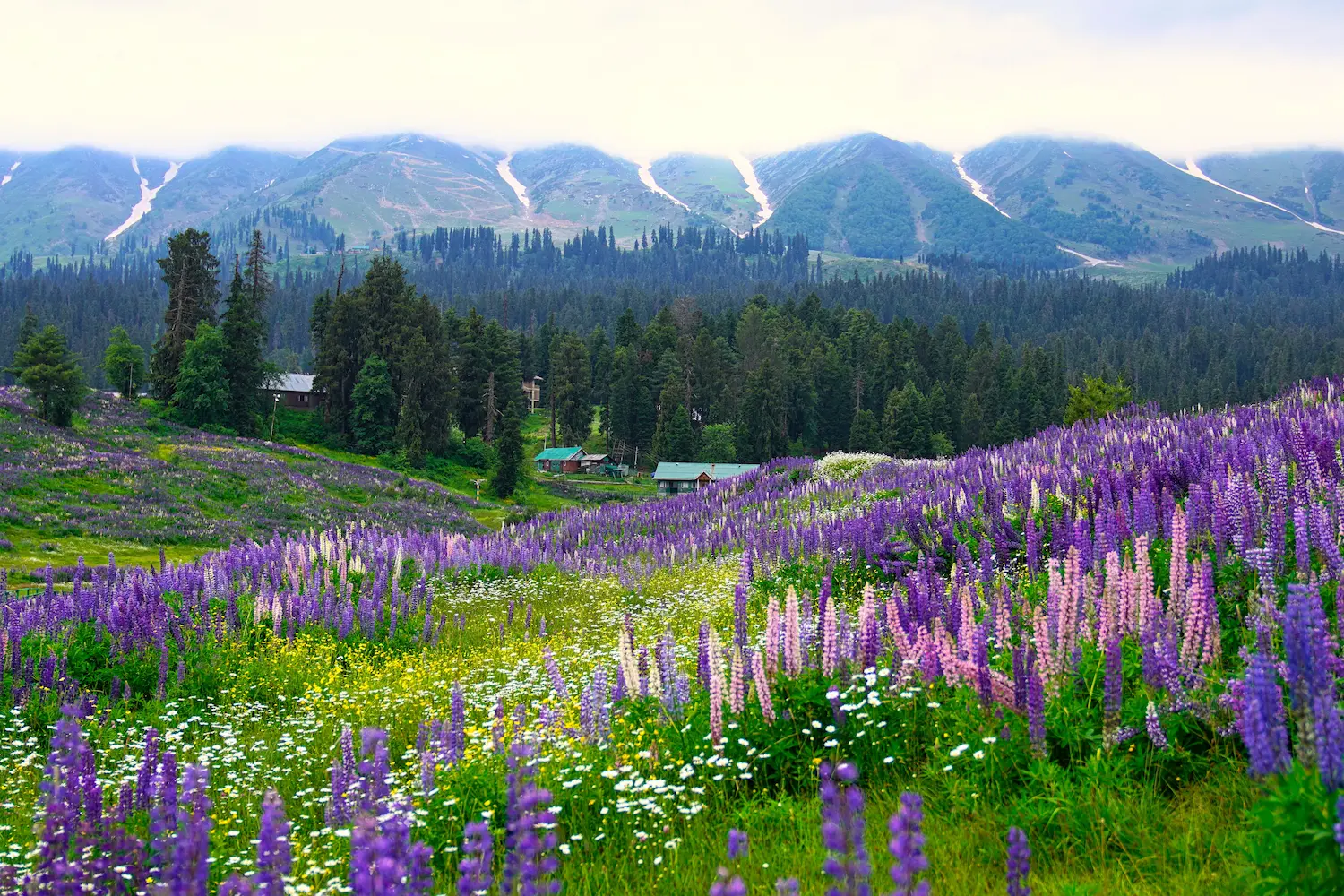
Uttarakhand’s landmarks are closely tied to its landscapes, faith and mountain history. Some are immediately recognisable—Har Ki Pauri in Haridwar, the suspension bridges of Rishikesh, Naini Lake and Kedarnath Temple—while others reward a slower detour. Colonial-era promenades in Mussoorie, old Kumaoni temples, high-altitude shrines and protected forests each reveal a different side of the state.
Rather than treating every landmark as a quick photo stop, allow time to understand its setting: riverfront rituals follow a daily rhythm, mountain temples depend on seasonal access, and viewpoints are shaped by weather. A well-planned route can combine famous sights with less hurried local experiences.
Iconic Attractions & Landmarks of Uttarakhand
| Destination / Attraction | Region / Location | Category & Significance |
|---|---|---|
| Kedarnath Temple | Rudraprayag (Garhwal) | Hindu temple dedicated to Shiva and one of the 12 Jyotirlingas, set in the high Himalayas. |
| Badrinath Temple | Chamoli (Garhwal) | Major Vishnu temple and an important pilgrimage site in both the Char Dham and Chota Char Dham traditions. |
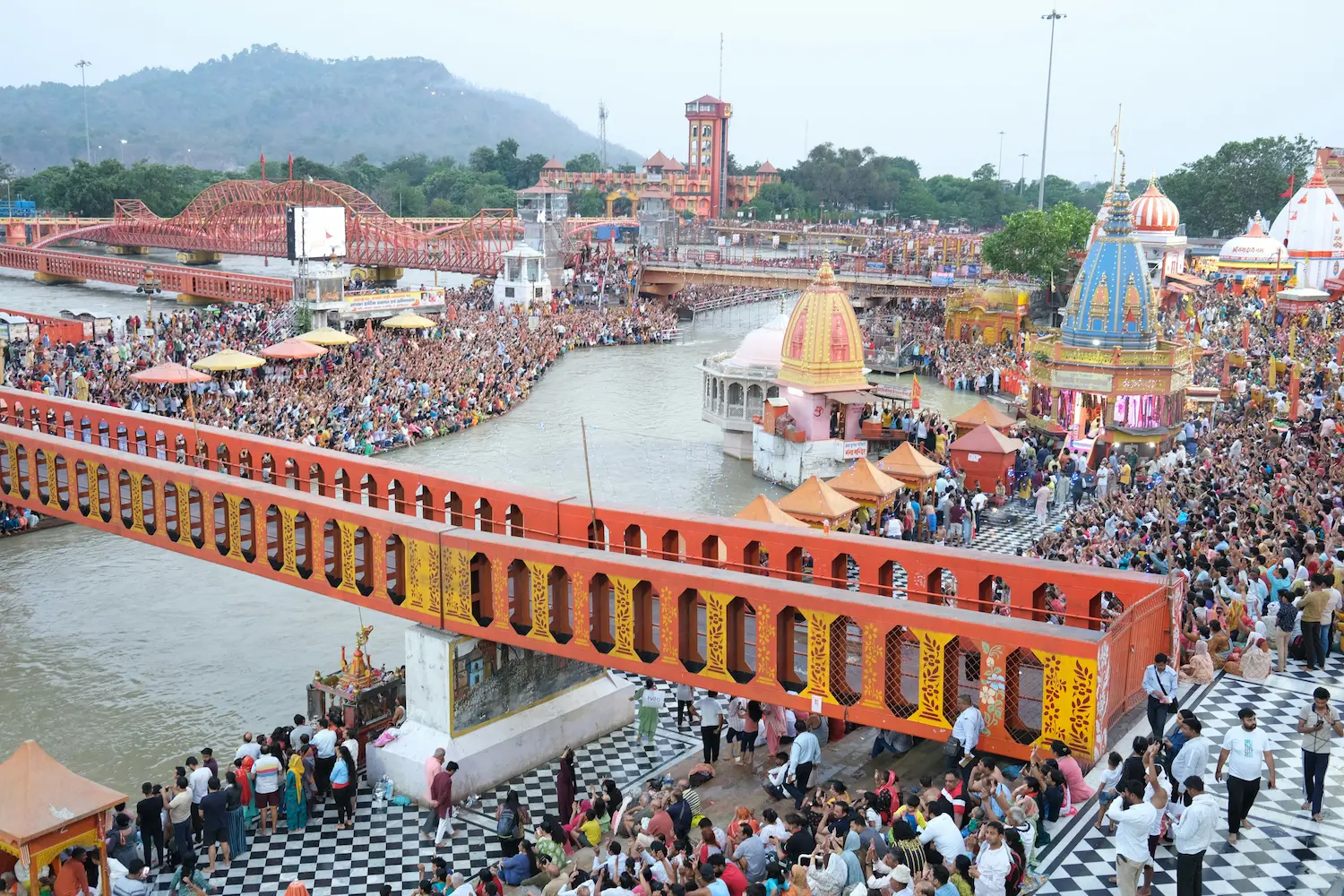
| Har Ki Pauri | Haridwar (Garhwal) | Historic riverfront on the Ganga, known for its evening Ganga Aarti and pilgrimage significance. |
| Lakshman Jhula & Ram Jhula | Rishikesh (Garhwal) | Landmark suspension bridges associated with Rishikesh’s riverfront, ashrams and pilgrimage landscape. |
| Beatles Ashram (Chaurasi Kutia) | Rishikesh (Garhwal) | Former ashram associated with The Beatles’ 1968 visit, now known for its meditation centre and murals. |
| Naini Lake | Nainital (Kumaon) | Natural lake at the centre of Nainital, closely associated with the town’s landscape and boating tradition. |
| Tungnath Temple & Chandrashila | Chopta (Garhwal) | High-altitude Shiva temple and mountain summit reached by a popular trekking route from Chopta. |
| Valley of Flowers | Chamoli (Garhwal) | UNESCO World Heritage Site known for its alpine meadows, seasonal flowers and Himalayan landscape. |
| Auli Ropeway (Cable Car) | Auli (Garhwal) | Mountain cable-car route connecting Joshimath and Auli, with views of the surrounding Himalayan peaks. |
| Kempty Falls | Mussoorie (Garhwal) | Well-known waterfall near Mussoorie and one of the area’s established tourist attractions. |
| Jageshwar Dham | Almora (Kumaon) | Historic temple complex of more than 100 stone temples surrounded by deodar forests. |
| Kainchi Dham | Nainital District (Kumaon) | Ashram and temple complex associated with Neem Karoli Baba, visited by pilgrims and spiritual seekers. |
How to Travel Around Uttarakhand
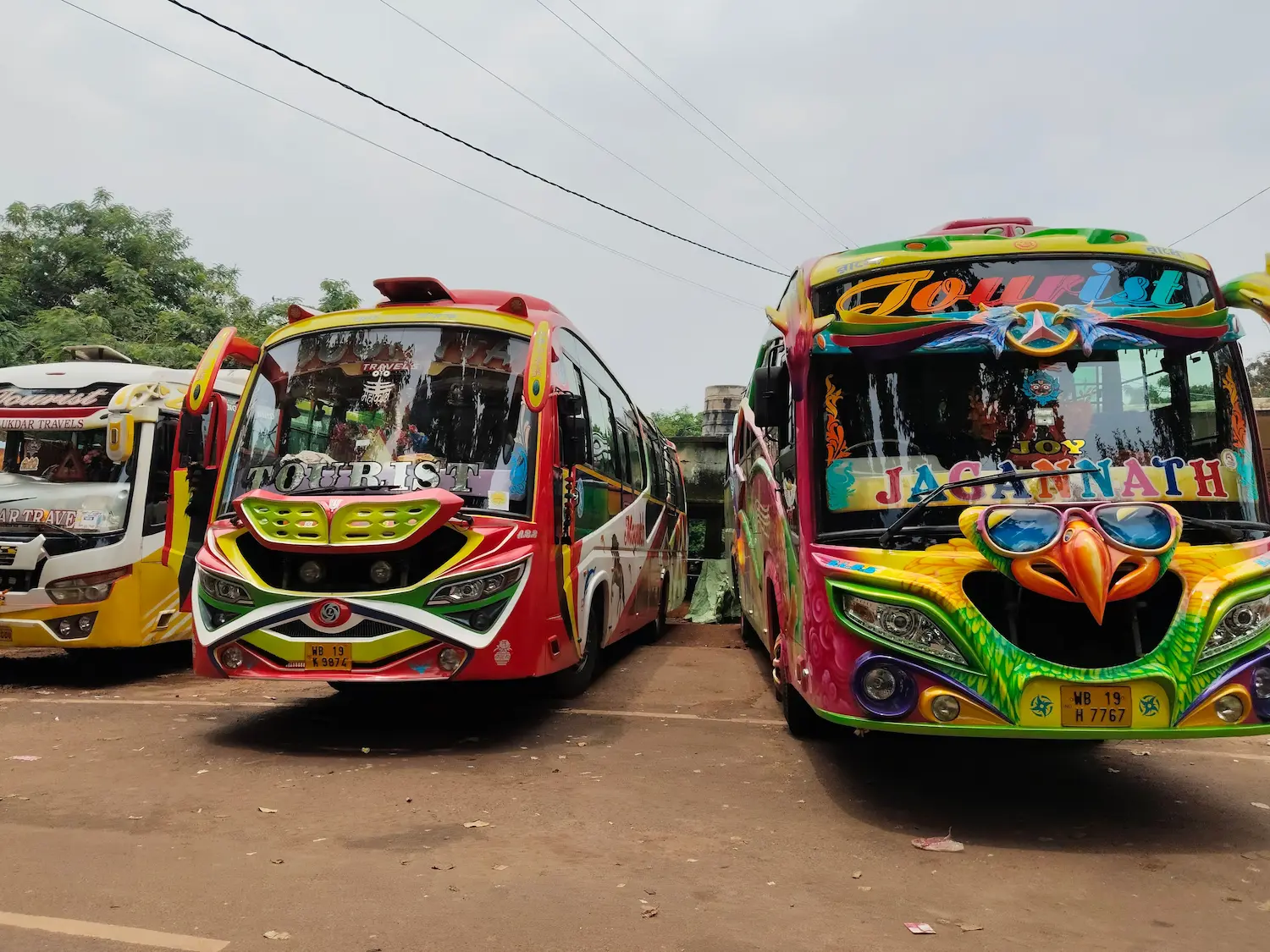
Getting around Uttarakhand requires choosing transport according to the terrain and your route. Rail and air connections are concentrated around the foothills, while buses, shared jeeps and taxis become increasingly important as you travel deeper into Garhwal and Kumaon. Mountain journeys also take longer than the distance on a map suggests, so avoid planning tightly connected transfers.
Long-Distance Travel
By Air: Jolly Grant Airport in Dehradun is the main airport for Garhwal and provides convenient access to Dehradun, Rishikesh, Haridwar and Mussoorie. Pantnagar Airport is the main airport serving the Kumaon side, although flight options are more limited.
By Train: Haridwar, Dehradun and Yog Nagari Rishikesh are useful rail gateways for Garhwal, while Kathgodam is the main railhead for Kumaon. From these points, onward travel usually involves buses, shared vehicles or taxis.
By Road: Road travel is the main way to reach most hill destinations. UTC buses, local buses, shared vehicles and private taxis connect the major towns and mountain routes. Self-driving is possible, but steep, narrow and winding roads require confidence and careful driving.
Local & Intra-State Travel
Private Taxis: A private cab with a local driver is convenient for multi-destination trips, particularly when travelling with family or carrying luggage. It also allows greater flexibility when road conditions or weather change.
Shared Jeeps & Local Buses: Shared jeeps and local buses are among the most practical options for reaching smaller mountain towns and villages. Services may be less frequent in remote areas, so check the return options before setting out.
Within Hill Towns: Walking is often the easiest way to explore compact hill areas such as Mussoorie, Landour and parts of Nainital. Autos and e-rickshaws are more common in lower-altitude towns such as Haridwar and Rishikesh.
Where to Stay in Uttarakhand
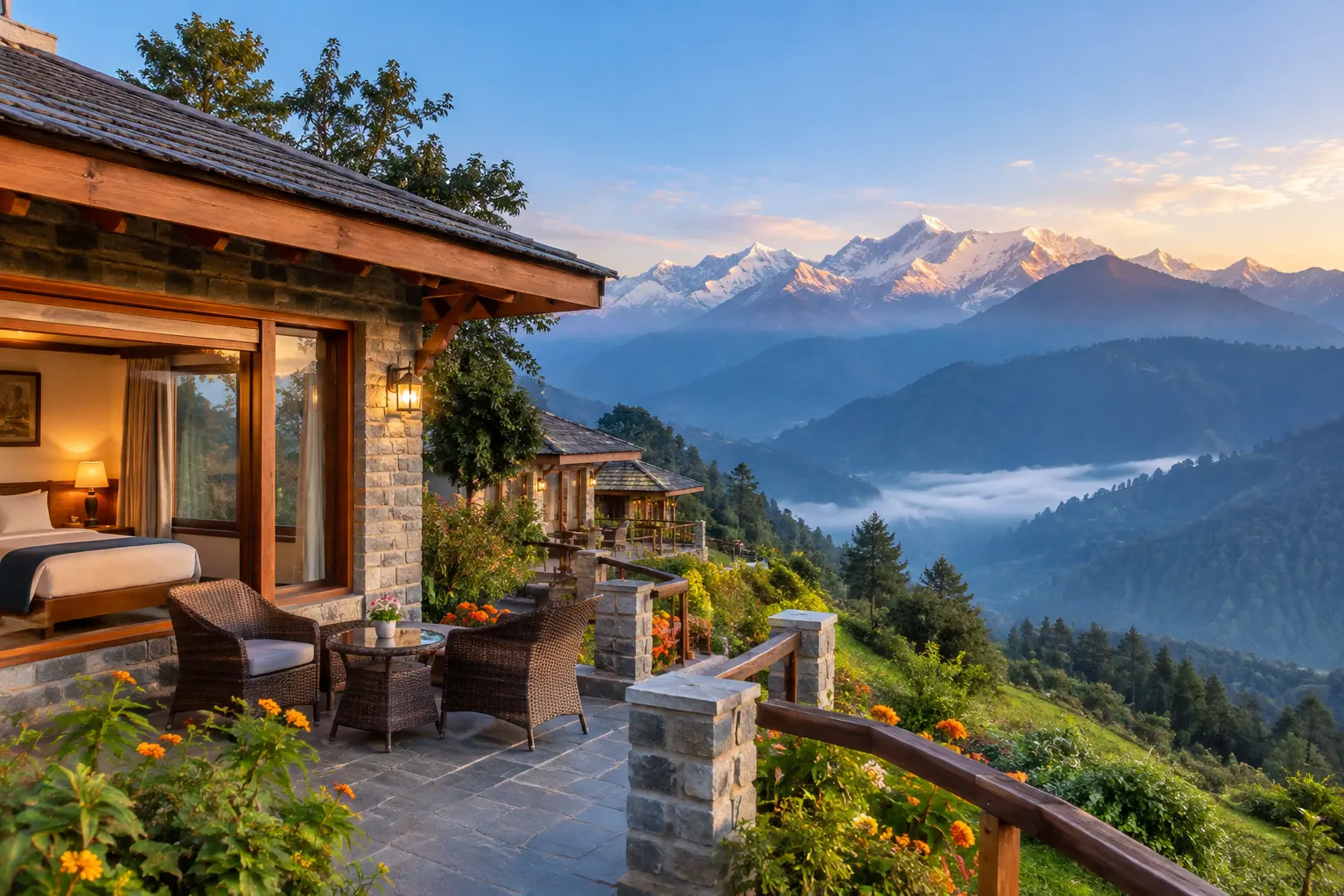
Where you stay in Uttarakhand should depend on your route, travel style and how much time you want to spend on the road. Accommodation ranges from budget guesthouses and government rest houses to homestays, heritage properties, camps and luxury resorts. Choices also change considerably between busy hill stations, pilgrimage routes, remote mountain areas and wildlife destinations.
Accommodation Options at a Glance
Hotels & Boutique Stays: Hill stations such as Mussoorie, Nainital, Ranikhet and Almora offer everything from simple hotels to boutique properties. These are convenient for travellers who want easier access to restaurants, markets and sightseeing.
Homestays: Particularly useful in smaller towns and rural areas, homestays can provide a quieter stay and an opportunity to experience local food and village life.
Resorts & Wellness Retreats: Rishikesh, Narendra Nagar and the areas around Jim Corbett have a range of higher-end resorts, including properties focused on wellness, nature and longer stays.
Camps & Eco-Stays: Camps are available around destinations such as Rishikesh, Chopta and parts of Chamoli, although availability and operating seasons vary considerably by location.
Government Tourist Rest Houses: GMVN and KMVN properties provide practical accommodation at various locations across Garhwal and Kumaon, including some remote travel routes.
Where to Stay by Region
Garhwal: Rishikesh, Mussoorie and other established destinations offer the widest range of accommodation. As you travel towards Chopta, Joshimath and higher pilgrimage routes, choices generally become simpler, with guesthouses, camps and government accommodation becoming more common.
Kumaon: Nainital has the broadest range of stays, while nearby areas such as Bhimtal, Mukteshwar, Almora, Ranikhet and Binsar offer hotels, homestays, cottages and quieter retreat-style properties.
Remote & High-Altitude Areas: Accommodation becomes more basic as you move towards trekking bases, high-altitude villages and pilgrimage routes. Availability can also be seasonal, so advance planning is important during peak travel periods.
Uttarakhand Travel Tips
Uttarakhand is easier to enjoy when your itinerary respects mountain geography. Distances on a map can be misleading: a 100-kilometre journey may take several hours because of winding roads, traffic, road repairs, weather and frequent stops. Where possible, plan one major transfer per day, especially when travelling with children, elderly family members or anyone unaccustomed to mountain roads.
Avoid covering too many towns in one trip. Fewer bases—such as Rishikesh and Mussoorie, or Nainital and Mukteshwar—often make for a more comfortable journey than changing hotels every night. Keep a buffer day on longer mountain itineraries, particularly during monsoon months or when travelling to higher elevations.
Before travelling to Auli, Munsiyari, Kedarnath, Badrinath, the Valley of Flowers or remote villages, check current weather, road conditions and seasonal access locally. High-altitude routes and trekking areas may not be accessible throughout the year.
Book accommodation early for weekends, school holidays, long weekends, Char Dham season and peak summer periods. In smaller destinations, accommodation choices can be limited. Before booking, confirm parking, heating, hot water, accessibility and the final road approach.
Pack for changing temperatures rather than the weather in your departure city. Layers, a waterproof outer layer, comfortable walking shoes, sun protection, essential medicines and a refillable water bottle are useful additions. Keep some cash for smaller towns, roadside eateries and shared transport where digital payments may not always be reliable.
Download offline maps, carry identification and share your route with someone when travelling into remote areas. Most importantly, leave room for the journey itself. In Uttarakhand, a flexible itinerary is often more useful than one packed with destinations.
Responsible Travel in Uttarakhand
Uttarakhand’s landscapes and communities are not a backdrop for hurried travel. Small choices—where you stay, what you carry and how you behave on trails—can have a visible impact in mountain regions where waste disposal, water access and road connectivity may be limited.
- Carry reusable bottles and bags, and take litter back to a proper disposal point. Avoid single-use plastic wherever practical.
- Stay on marked trekking trails. Shortcuts can damage fragile slopes, disturb grazing areas and increase the risk of getting lost.
- Watch wildlife quietly and from a safe distance. Do not feed animals, play loud music near forests or pressure drivers to get closer for photographs.
- Dress and behave respectfully at temples, villages and other cultural sites. Ask before photographing people, homes or ceremonies.
- Choose locally run homestays, guides, cafés and shops where possible. Local spending can help tourism income reach mountain communities more directly.
- Be mindful of water and electricity use, particularly in remote stays. Avoid unnecessary laundry and excessive water use where resources are limited.
- Treat residents as hosts and community members rather than simply as service providers. Mountain communities manage the everyday realities of tourism, weather and limited infrastructure year-round.
Responsible travel is not about making a trip less enjoyable. It is about leaving places usable and welcoming for the people who live there and the travellers who come next.