
West Bengal doesn’t announce itself with postcard-perfect certainty; it unfolds in layers. Kolkata brings colonial-era architecture, trams, crowded markets and one of India’s richest food and cultural scenes, while the landscape changes dramatically as you travel north toward the tea gardens and mountain towns of Darjeeling and Kalimpong. Beyond the hills, the forests of the Dooars offer wildlife and quieter rural landscapes, while the Sundarbans stretches across tidal waterways and mangrove forests in the south. Heritage towns such as Murshidabad and Bishnupur add another dimension, with palaces, temples and traditions shaped by centuries of Bengal’s history.
West Bengal is therefore best planned by region rather than as a single destination. Whether you’re considering a short Kolkata break, a Himalayan trip, a wildlife-focused journey through the Sundarbans, or a longer cultural and heritage circuit, the right season and route can make a significant difference. This guide covers the best places to visit in West Bengal, the best time to travel, itineraries, budgets, things to do, transport, accommodation and practical travel tips to help you plan the trip around your interests and available time.
Table of Contents
West Bengal at a Glance
| Travel Factor | Key Information |
|---|---|
| Capital | Kolkata |
| Best Places | Kolkata, Darjeeling, Kalimpong, Dooars, Sundarbans, Shantiniketan, Bishnupur |
| Best Time to Visit | October to March for most destinations |
| Landscape | Himalayas, tea gardens, forests, plains, rivers, mangroves and coastline |
| Top Experiences | Heritage, culture, food, mountains, wildlife, beaches and festivals |
| Ideal Duration | 5–10 days for combining major destinations |
| Major Airports | Kolkata and Bagdogra |
| Travel Highlights | Darjeeling Himalayan landscapes, Sundarbans, Bengali culture, Durga Puja and historic towns |
Kolkata Heritage & Food Trail: Practical Field Notes & Lessons from the Road (3–4 Days | Central, North, & South Kolkata)
Among the city-breaks I have mapped across eastern India, this Kolkata circuit remains my most layered recommendation for travelers who want history, living culture, and serious street food in one compact plan. It moves from the colonial core through the old Bengali north and finishes with the temple-town energy of South Kolkata and the Hooghly riverfront.
1. Personal Experience: Read the City by Neighbourhood, Not by Checklist
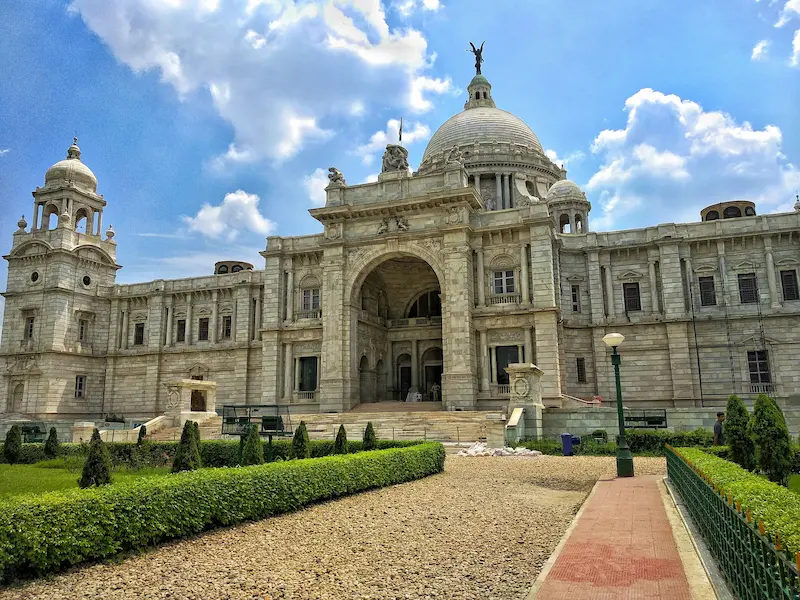
I treat Kolkata as three distinct geographic zones rather than a single chaotic sightseeing list. Day 1 is Central Kolkata: Victoria Memorial for orientation (gardens open at 5:30 AM; museum galleries open at 10:00 AM), then a slow walk through the Maidan toward the Indian Museum or New Market area, finishing with an evening along the Hooghly at Prinsep Ghat. Slot in a Park Street food crawl—old heritage dining rooms, Chinese-Indian classics, and legendary confectionery stops—because the area is dense and easy to cover on foot.
Day 2 belongs to North Kolkata. Start at Kumartuli, the 300-year-old potters’ quarter, between 8:00 AM and 11:00 AM when the lanes are active but not overly congested. Take a short rickshaw or taxi ride to Jorasanko Thakur Bari (Tagore’s ancestral home), then move to College Street for lunch at the historic Indian Coffee House and a browse through the endless used book stalls. If time permits, explore the lanes around Marble Palace (requires advance permission pass from West Bengal Tourism).
Day 3 bridges South Kolkata and the Northern Temple Node. Start early at Kalighat Kali Temple in South Kolkata, followed by Gariahat or Rashbehari Avenue for handloom sarees and street snacks. Instead of fighting surface traffic across the city, take the North-South Metro Line directly from Kalighat to Dakshineswar (the terminal station). After visiting Dakshineswar Kali Temple, board the local ferry across the Hooghly River to Belur Math on the opposite bank to complete the spiritual arc.
2. Ground-Level Budgeting & Daily Costs
Kolkata remains one of India’s most budget-friendly metropolises for heritage and food travel:
Accommodation
- Budget Guesthouse / Hostel (Central or South Kolkata): ₹800–1,800 per night.
- Mid-Range Heritage Hotel / Boutique Stay: ₹2,500–5,000 per night.
Food & Dining
- Street Breakfast (phuchka, kachori-sabzi, jhalmuri): ₹40–120 per person.
- Kathi Roll (Nizam’s, Kusum, or Zaika): ₹80–180 depending on filling.
- Park Street & Heritage Dining (Main + Drink + Dessert): ₹400–800 per person; a street-food-only crawl easily runs under ₹250–350.
Local Transport & Entry Fees
- Metro Rides (North-South Blue Line): ₹5–25 per trip.
- App-Based Cab or Yellow Taxi (Half-Day): ₹600–1,200 depending on distance and waiting time.
- Hooghly River Ferry (Dakshineswar → Belur Math): ₹10–20 per person.
- Per-Person 3–4 Day Trip Budget: ₹8,000–15,000 (excluding long-distance trains/flights).
3. Transit Mechanics & Neighbourhood Flow
Planning by geographic clusters is essential to avoid getting bogged down in peak-hour traffic:
Cluster Operations & Route Logistics
- Central Cluster: Victoria Memorial, Maidan, Indian Museum, New Market, Park Street, Prinsep Ghat. Highly walkable, connected by 5–10 minute cab rides or short metro hops (Esplanade / Park Street stations).
- North Cluster: Kumartuli, Jorasanko Thakur Bari, College Street, Marble Palace, Shobhabazar. Take the metro to Shobhabazar Sutanuti or Girish Park, then use hand-pulled or auto-rickshaws for narrow lanes.
- South to North Temple Connect: Start at Kalighat (Kalighat Metro Station). Ride the direct North-South Metro Line straight to Dakshineswar Station in the far north, then cross to Belur Math via the river ferry.
4. Site Access, Entry Protocols & Visitor Rules
- Victoria Memorial: Gardens are open daily (Mon–Sun) 5:30 AM–6:00 PM (entry ticket ~₹20). Museum galleries open Tuesday–Sunday 10:00 AM–5:00 PM (Closed Mondays & national holidays; tickets ~₹50 Indian / ₹500 Foreign).
- Kumartuli (Potters’ Quarter): Working residential neighbourhood with no ticketed entry; best visited 8:00 AM–5:00 PM. Peak activity runs July–October before Durga Puja. Request permission before photographing artisans and do not touch unbaked clay idols.
- Kalighat Kali Temple: Free entry; general Darshan hours run 5:00 AM–1:30 PM & 5:00 PM–10:30 PM. Mobile phones are restricted inside the inner sanctum. Watch out for unauthorized local priests (“pandas”) offering fake priority access.
- Dakshineswar Kali Temple & Belur Math: Free entry for both. Dakshineswar hours: ~6:00 AM–12:30 PM & 3:30 PM–8:30 PM. Footwear must be deposited at counters outside. Cameras and mobile phones are strictly prohibited inside the main Dakshineswar courtyard. Belur Math hours are strictly enforced (6:00 AM–11:30 AM & 3:30 PM–8:00 PM); maintain quiet on campus and refrain from photographing inside the main temple.
- Heritage Tram Status Note: City tram routes have been drastically scaled back and suspended across almost all traditional corridors due to metro construction and traffic limits. Treat any running tram stretch near Gariahat or Esplanade as an optional novelty ride rather than a core transit method.
This 3–4 day city arc works because each zone has a distinct personality: the colonial core, the intellectual and artisan north, and the riverfront temple belt. With clear neighbourhood clusters, affordable food, and straightforward metro routes, it is one of the most rewarding urban heritage circuits in eastern India.
Best Places to Visit in West Bengal
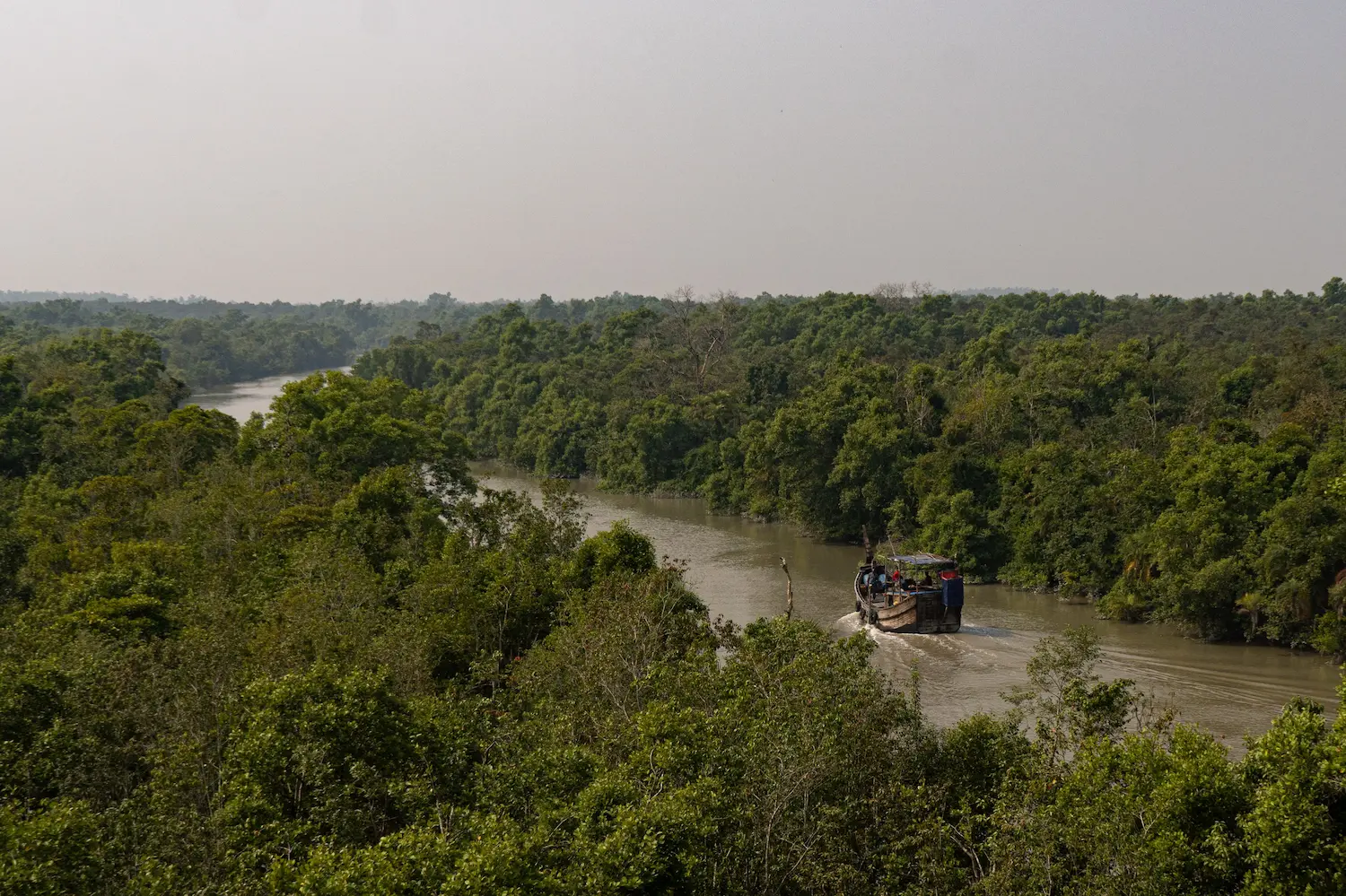
West Bengal’s most rewarding destinations unfold across distinct landscapes, each carrying its own rhythm and history. Kolkata anchors the experience with colonial architecture, tram lines, and cultural institutions, but the state’s depth emerges beyond the capital. In the north, Darjeeling and Kalimpong offer cool hill stations framed by tea gardens and Kanchenjunga views, with the Darjeeling Himalayan Railway still moving through town. The Sundarbans present a mangrove delta where waterways replace roads and tigers roam unseen. Cultural circuits lead to Bishnupur’s terracotta temples, Shantiniketan’s Tagore-linked legacy, and Murshidabad’s Nawabi palaces. Coastal breaks at Digha and forest corridors in the Dooars round out a map built on heritage, nature, and everyday life
Popular Destinations in West Bengal
| Category | Top Destinations | Key Highlights & Attractions |
|---|---|---|
| Cities & Urban Culture | Kolkata • Siliguri • Howrah • Durgapur | Colonial architecture, Victoria Memorial, iconic street food, tram rides, and grand Durga Puja celebrations • Gateway to North Bengal & Northeast, vibrant markets, and junction for hill station travel • Historic Howrah Bridge, Howrah Station heritage, and scenic Hooghly River views • Steel city hub featuring lush parks, Barrage views, and modern urban infrastructure |
| Hills & Tea Gardens | Darjeeling • Kalimpong • Kurseong • Mirik | UNESCO Toy Train, Tiger Hill sunrise over Kanchenjunga, world-famous tea gardens, and Mall Road • Buddhist monasteries, orchid nurseries, colonial bungalows, and views of the Teesta River valley • “Land of White Orchids”, tranquil tea estates, Eagle’s Crag viewpoint, and historic boarding schools • Picturesque Sumendu Lake, pine forests, floating boating rides, and lush orange orchards |
| Wildlife & Mangroves | Sundarbans • Jaldapara • Gorumara • Buxa & Jayanti | UNESCO World Heritage mangrove forest, Royal Bengal Tiger safaris, river boat cruises, and estuary ecosystems • One-horned rhinoceros protection area, elephant safaris, and dense riverine grassland trails • Wildlife watchtowers, Indian bison (Gaur) spotting, and lush Dooars forest canopy safaris • Buxa Tiger Reserve, historic Buxa Fort, riverbed trekking in Jayanti, and rich birdwatching spots |
| Beaches & Coastal Escapes | Digha • Mandarmani • Bakkhali • Tajpur | Popular beach resort town, shallow seas, marine aquarium, and lively seaside promenades • Long drivable beach stretch, water sports, luxury resorts, and red crab colonies • Quiet crescent-shaped beach, wind farm, Henry’s Island mangroves, and tranquil island vibes • Secluded virgin beach, eucalyptus groves, relaxed atmosphere, and fresh seafood shacks |
| Heritage, Art & Culture | Santiniketan • Bishnupur • Murshidabad • Cooch Behar | Rabindranath Tagore’s Visva-Bharati University, Baul music, Sonajhuri Haat market, and Poush Mela • 17th-century terracotta temples, Baluchari silk weaving centers, and classical musical heritage • Nawab-era history, grand Hazarduari Palace, Katra Mosque, and historic Hooghly-side ruins • Majestic Cooch Behar Palace modeled after Buckingham Palace, royal temples, and heritage architecture |
| Spiritual & Pilgrim Sites | Dakshineswar & Belur Math • Mayapur • Tarapith • Gangasagar | Bhavatarini Kali Temple, Ramakrishna Mission headquarters, and serene Hooghly riverfront ghats • Global headquarters of ISKCON, Vedic Planetarium temple, and devotional spiritual ambiance • Major Tantric temple dedicated to Goddess Tara and historic cremation grounds spiritual site • Sacred confluence where the Ganges meets the Bay of Bengal, venue of the massive Makar Sankranti fair |
Best Time to Visit West Bengal
West Bengal’s climate shifts sharply between its plains, hills, and delta, so timing depends on where you plan to go. Across Kolkata, Bishnupur, Murshidabad and the Sundarbans, the window from October to March brings dry, comfortable days and cooler nights, making it the most practical period for sightseeing and wildlife trips. In Darjeeling and Kalimpong, March to May offers clear skies and mild temperatures, while monsoon months (June to September) often bring heavy rain and travel disruptions. Winter remains the safest all-round choice for a first visit, with moderate temperatures, lower humidity and the added draw of Durga Puja and other festivals in the autumn months.
West Bengal Weather & Travel Seasons
| Season | Months | Typical Conditions | Highlights & Best Activities | Travel Status |
|---|---|---|---|---|
| Peak Winter | October–March | Crisp, pleasant, and cool (12°C to 25°C in plains; freezing/snow in high Darjeeling hills). | Kolkata heritage walking tours, Sundarbans river cruises & tiger safaris, Bishnupur terracotta exploration, and Poush Mela at Santiniketan. | Peak Season — Best weather state-wide; high tourist rush and festival crowds |
| Summer | April–June | Hot and humid in plains and coastal areas (35°C to 42°C), but clear and cool in the northern hills. | Escape to Darjeeling, Kalimpong, & Kurseong hill stations; view Kanchenjunga peaks; tea plantation stays and orchid nursery visits. | Plains: Off-Peak / Hills: Peak Season — Hot in South Bengal, ideal for North Bengal hill trips |
| Monsoon | July–September | Heavy rainfall across plains and forests; misty mountain showers with landslide risks in high hills. | Lush green Dooars forest views, swollen river landscapes, seasonal Bengali hilsa fish delicacies, and peaceful off-season coastal stays. | Low Season — Wildlife sanctuaries closed (Jun 16–Sep 16); great for budget luxury stays |
| Autumn Festival Season | September–October | Warm during the day, comfortable evenings, pleasant autumn breeze with bright sunny skies. | UNESCO-recognized Durga Puja pandal hopping in Kolkata, grand illuminations, cultural shows, and vibrant festive street food trails. | Festive Peak — Major cultural spectacle; book accommodation and transport far in advance |
West Bengal Travel Itineraries
West Bengal unfolds as a state of striking contrasts: the colonial grandeur and intellectual energy of Kolkata, the mangrove wilderness of the Sundarbans, the tea-garden hills of Darjeeling and Kalimpong, and the temple towns and riverine landscapes of the plains. Its itineraries can be shaped around heritage walks and food trails in the capital, wildlife-focused safaris in the delta, or slow mountain journeys through the Eastern Himalayas. Whether you have three days for Kolkata’s core or a week to combine hills, forests, and heritage, the state rewards travelers who move beyond single destinations and explore its cultural and ecological diversity through focused regional circuits.
West Bengal Trip Ideas by Duration
| Itinerary Name | Target Duration | Route Covered | Key Highlights | Best Suited For |
|---|---|---|---|---|
| Kolkata Heritage & Food Trail | 3–4 Days | Kolkata (Central, North, & South) | Victoria Memorial, Howrah Bridge, iconic street food tours, tram rides, Kumartuli idol-makers alley, and Belur Math sunset. | City break travelers, culture lovers, foodies, and first-time visitors. |
| Darjeeling Hill & Tea Retreat | 4–5 Days | Siliguri → Kurseong → Darjeeling → Mirik | UNESCO World Heritage Toy Train ride, Tiger Hill sunrise over Kanchenjunga, tea plantation stays, and lake strolls. | Honeymooners, couples, mountain lovers, and tea enthusiasts. |
| Sundarbans Wild Mangrove Safari | 3–4 Days | Kolkata → Canning / Gadkhali → Sundarbans | Riverboat cruises through dense mangroves, Dobanki & Sajnekhali watchtowers, Royal Bengal Tiger spotting, and village walks. | Wildlife enthusiasts, nature lovers, photographers, and adventure seekers. |
| Cultural Heritage & Terracotta Trail | 4–5 Days | Kolkata → Santiniketan → Bishnupur → Kamarpukur | Visva-Bharati University, Sonajhuri Haat local craft market, 17th-century terracotta temples, and Baluchari saree shopping. | Art lovers, history buffs, craft shoppers, and spiritual travelers. |
| Dooars Wildlife & Jungle Circuit | 5–6 Days | Siliguri → Gorumara → Jaldapara → Buxa & Jayanti | One-horned rhino elephant safari, forest watchtower wildlife spotting, Jayanti riverbed trek, and Buxa Fort historical trail. | Eco-tourists, families, wildlife photographers, and offbeat explorers. |
| Nawabi History & Royal Palaces | 3–4 Days | Kolkata → Plassey → Murshidabad → Cooch Behar | Hazarduari Palace museum, Katra Mosque, colonial-era ruins along the Hooghly, and the European-style Cooch Behar Palace. | History enthusiasts, architecture lovers, and heritage travelers. |
| Coastal Escapes & Beach Hopping | 3–4 Days | Kolkata → Digha → Mandarmani → Tajpur | Driving along long sandy beaches, fresh seafood beach shacks, water sports, red crab colonies, and tranquil coastal sunsets. | Weekend getaways, groups of friends, budget travelers, and beach lovers. |
| Silk & Weaving Heritage Tour | 4–5 Days | Kolkata → Phulia / Shantipur → Bishnupur → Murshidabad | Master weavers crafting Taant & Jamdani sarees, Baluchari silk looms, traditional silk yarn processing, and artisan village interaction. | Textile buyers, fashion researchers, craft enthusiasts, and cultural tourists. |
| Grand West Bengal Panorama | 10–12 Days | Kolkata → Sundarbans → Murshidabad → Santiniketan → Siliguri → Darjeeling → Kalimpong | Complete state overview: colonial heritage, mangrove tiger reserves, royal palace ruins, cultural arts, tea gardens, and Himalayan peaks. | Long-vacation travelers, international tourists, and comprehensive travel guides. |
West Bengal by Budget: Smart Spending Across Three Travel Styles
West Bengal can work for a wide range of travel budgets, particularly for travellers interested in heritage, food, culture and nature. The easiest way to control costs is to build your trip around Kolkata and one or two regional circuits—such as the hills, Sundarbans or heritage towns—then adjust accommodation, transport and activities to your comfort level. Prices vary significantly by destination, season and travel style, so the figures below should be treated as indicative planning ranges.
Budget travel is practical for solo travellers, backpackers and students who are comfortable with basic accommodation and public transport. In Kolkata, hostels, dormitories and simple guesthouses can keep accommodation costs relatively low, while local food such as puchka, jhalmuri, kathi rolls and Bengali snacks makes inexpensive meals easy to find. Trains, government buses and shared transport can also reduce the cost of regional travel. For a 5–7 day trip covering Kolkata and one additional region, a carefully planned budget can remain considerably lower than a private-cab-based itinerary.
Mid-range travel provides a useful balance between comfort and cost. You can choose well-rated hotels, homestays and boutique properties, use a combination of trains and private transfers, and include restaurant meals and selected guided experiences. Kolkata, Darjeeling, Kalimpong and the Sundarbans offer a broad range of mid-range accommodation. A 6–8 day itinerary combining Kolkata with a hill or wildlife destination can provide a comfortable experience without moving into luxury pricing.
Luxury travel in West Bengal centres on heritage hotels, boutique properties, private transfers, curated food and cultural experiences, and premium stays in the hills or Sundarbans region. Kolkata has several upscale heritage-style hotels, while Darjeeling and Kalimpong offer high-end resorts and boutique stays. In the Sundarbans, premium jungle lodges and curated river-based experiences can significantly increase the overall cost. For luxury trips, the final price depends heavily on accommodation category, private transport, season and the experiences included
West Bengal by Travel Type
West Bengal works well for different travel styles without requiring every trip to follow the same route. You can explore independently through local markets, cafés, heritage neighbourhoods, homestays, and slower-paced towns, while also planning more structured trips around the Himalayan hills, wildlife, beaches, river landscapes, and cultural attractions. The best approach depends on your preferred pace, interests, comfort level, and the time available for exploring the state.
West Bengal for Couples
Couples will find a blend of colonial nostalgia, romantic mountain mist, and tranquil riverfronts. Enjoy cozy tea plantation bungalow stays in Darjeeling, panoramic views of Mt. Kanchenjunga, sunset boat rides on the Hooghly River, and peaceful walks through Santiniketan’s Sonajhuri forest. Bengal offers an enriching mix of royal heritage, cool mountain air, and intimate cultural charm.
West Bengal for Families
Families can enjoy educational museum visits, wildlife safaris, and beach fun. Kids love the Science City and Planetarium in Kolkata, boat cruises in the Sundarbans mangrove forests, rhino spotting in Jaldapara National Park, and riding the famous Darjeeling Ropeway. The state offers diverse geography that keeps every family member engaged.
West Bengal for Solo Travellers
West Bengal is welcoming and easy to navigate independently. Solo travelers can explore Kolkata’s street food hubs, ride historic wooden trams, wander through the Kumartuli clay-sculptor colony, or attend Baul music gatherings in Santiniketan. Safe local public transport and a hospitable culture make budget traveling seamless and inspiring.
West Bengal for Backpackers
Backpackers can explore West Bengal on low budgets using Indian Railways, local ferries across the Hooghly River, and budget homestays. From trekking along the Sandakphu trail for views of Everest and Kanchenjunga to camping near beach shacks in Mandarmani or Tajpur, Bengal offers diverse terrains without high travel expenses.
West Bengal for Wildlife & Adventure Seekers
Nature and thrill-seekers can track Royal Bengal Tigers in the UNESCO-listed Sundarbans mangroves, spot one-horned rhinoceroses in Jaldapara and Gorumara, or undertake the high-altitude Sandakphu-Phalut trek. Riverbed hiking in Jayanti, white-water rafting in the Teesta River, and birdwatching in Buxa Tiger Reserve make Bengal an outdoor paradise.
West Bengal for First-Time Visitors
First-time visitors should focus on the **Cultural & Hill Golden Triangle**: Kolkata (Victoria Memorial, Howrah Bridge, iconic street food, and heritage), Santiniketan (Tagore’s university town and handicraft village), and Darjeeling (Kanchenjunga vistas, Himalayan railway, and tea gardens). This loop showcases Bengal’s core spirit.
Things to Do in West Bengal
West Bengal rewards travellers who move beyond single destinations. In Kolkata, trace colonial architecture, museum corridors, and street-food lanes through Central, North, and South neighbourhoods. Head north to the Eastern Himalayas for tea-garden walks, toy-train rides, and sunrise viewpoints around Darjeeling, Kalimpong, and Kurseong. Eastward, the Sundarbans offer boat-based wildlife safaris through mangrove forests and tiger country. In the plains, explore temple towns like Bishnupur and Bolpur’s Shantiniketan for art, music, and craft traditions. Whether you have three days for the capital or a week to combine hills, forests, and heritage, the state’s best experiences emerge when you layer culture, cuisine, and landscape through focused regional circuits.
Popular Activities & Experiences in West Bengal
| Experience Category | Top Things to Do | Best Locations |
|---|---|---|
| Adventure & Outdoor Activities | Trekking high-altitude Himalayan ridges to view Mount Everest and Kanchenjunga, white-water rafting on the Teesta River, riding the UNESCO Heritage Toy Train, beach ATV driving, and riverbed hiking. | Sandakphu & Phalut, Teesta River (Kalimpong), Darjeeling Himalayan Railway, Mandarmani Beach, Jayanti Riverbed |
| Wildlife & Safari Experiences | Cruising mangrove estuaries to spot Royal Bengal Tigers, jeep and elephant safaris for Indian one-horned rhinos, watchtower wildlife spotting for Gaurs and wild elephants, and birdwatching in sub-Himalayan forests. | Sundarbans National Park, Jaldapara National Park, Gorumara National Park, Buxa Tiger Reserve, Mahananda Wildlife Sanctuary |
| Offbeat & Nature Escapes | Walking through pristine tea gardens, staying in colonial tea estate bungalows, exploring orange orchards, discovering pine forest trails, and relaxing along secluded eucalyptus-lined virgin beaches. | Kurseong, Mirik, Takdah & Tinchuley, Lava & Lolegaon, Tajpur Beach, Henry’s Island (Bakkhali) |
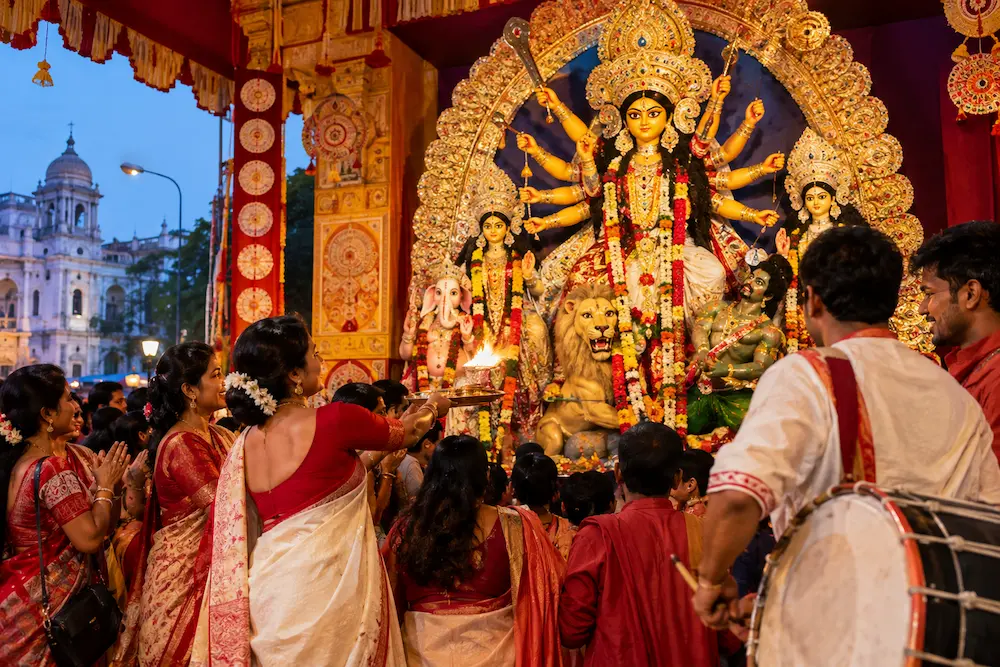
| Cultural & Festival Experiences | Pandal hopping during UNESCO-listed Durga Puja, listening to soul-stirring Baul mystic music, attending Rabindra Jayanti and Poush Mela, witnessing Chou mask dance performances, and watching clay idol-making at Kumartuli. | Kolkata (Durga Puja & Kumartuli), Santiniketan (Bolpur), Purulia (Chhou Dance), Bishnupur, Nabadwip |
| Food & Culinary Experiences | Savoring Kolkata Biryani with potato and egg, traditional Bengali fish curry (Ilish & Chingri Malai Curry), street snacks like Puchka and Kathi Rolls, Darjeeling steamed momos, and iconic sweets like Rosogolla and Mishti Doi. | Kolkata (Park Street, Dacres Lane, & College Street), Darjeeling Mall Road, Murshidabad, Digha seafood stalls |
| Spiritual & Wellness Experiences | Attending evening Ganga Aarti on Hooghly river ghats, meditating at ISKCON global temple, visiting historical Kali temples, exploring Sri Ramakrishna’s legacy, and attending the massive Gangasagar holy dip. | Dakshineswar Kali Temple, Belur Math, Mayapur (ISKCON), Tarapith, Gangasagar (Sagar Island) |
| Shopping & Craft Experiences | Buying GI-tagged Baluchari and Jamdani silk sarees, famous Darjeeling orthodox black tea, handmade terracotta horses and pottery, Dokra brass metal crafts, Solapith handicrafts, and Date Palm Jaggery (Nolen Gur). | Bishnupur (Terracotta & Baluchari), Santiniketan Sonajhuri Haat, Kolkata (New Market & College Street), Darjeeling Tea Outlets |
Famous Attractions & Landmarks in West Bengal
West Bengal’s most recognizable landmarks span colonial heritage, Himalayan vistas, and unique ecosystems. Kolkata anchors the list with Victoria Memorial, Howrah Bridge, Dakshineswar and Kalighat Kali temples, and the intellectual corridors of Jorasanko and College Street. In the hills, Darjeeling’s Ghoom Monastery, Tiger Hill sunrise point, and the UNESCO-listed Darjeeling Himalayan Railway define the classic mountain experience. Eastward, the Sundarbans mangrove forest—home to the Royal Bengal tiger—stands as a globally significant wildlife landmark. Temple towns like Bishnupur with its terracotta architecture and Bolpur’s Shantiniketan add cultural depth. Together, these sites form the core icons that shape most first-time itineraries across the state.
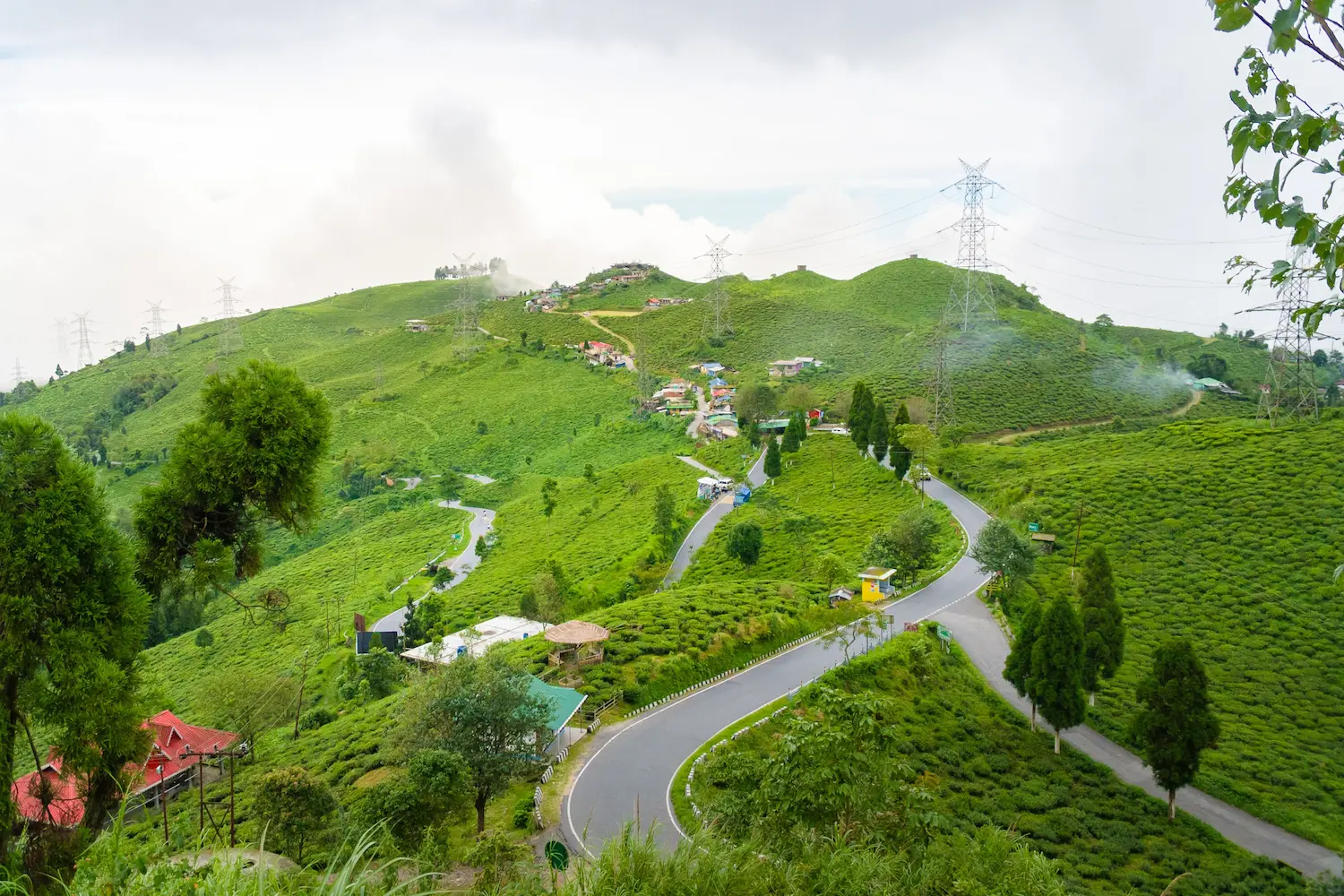
Iconic Attractions & Landmarks of West Bengal
| Destination / Attraction | Region / Location | Category & Significance |
|---|---|---|
| Sundarbans National Park | South 24 Parganas (Coastal Delta) | UNESCO World Heritage site and largest mangrove forest globally; home to the elusive Royal Bengal Tiger and estuarine crocodiles. |
| Darjeeling Himalayan Railway (Toy Train) | Darjeeling Hills (North Bengal) | UNESCO World Heritage narrow-gauge steam railway operational since 1881, winding through picturesque Himalayan mountain passes. |
| Victoria Memorial & Park Street | Kolkata (Central District) | Grand colonial-era white marble monument set in sprawling gardens, alongside the city’s historic dining and culture avenue. |
| Santiniketan (Visva-Bharati) | Birbhum District | UNESCO World Heritage town established by Nobel Laureate Rabindranath Tagore, famed for open-air education, Baul music, and Sonajhuri Haat. |
| Howrah Bridge & Hooghly Riverfront | Kolkata / Howrah | Iconic cantilevered steel bridge over the Hooghly River, serving as the landmark gateway to Kolkata alongside historical river ghats. |
| Tiger Hill Sunrise Viewpoint | Darjeeling (Himalayan Range) | Panoramic mountain viewpoint offering spectacular sunrise vistas over Mt. Kanchenjunga and distant peaks of Mt. Everest. |
| Terracotta Temples of Bishnupur | Bankura District | 17th-century Malla dynasty temples crafted from carved terracotta clay bricks, celebrating classical Vaishnava architectural heritage. |
| Jaldapara & Gorumara National Parks | Dooars Region (Sub-Himalayan Plains) | Dense riverine forests and grasslands famous for protection of the Indian one-horned rhinoceros, wild Asian elephants, and Gaurs. |
| Hazarduari Palace & Grounds | Murshidabad (Central Bengal) | Nawab-era palace museum featuring 1,000 doors (real and false), royal weapons, rare manuscripts, and historical art collections. |
| Dakshineswar Kali Temple & Belur Math | Kolkata Metropolitan Area | Historic 19th-century temple complex dedicated to Goddess Bhavatarini, across the river from Ramakrishna Mission’s global headquarters. |
| Sandakphu Peak & Ridge Trek | Singalila Ridge (Darjeeling District) | Highest peak in West Bengal (3,636 m / 11,930 ft) offering views of four of the world’s five highest mountains (Everest, Kanchenjunga, Lhotse, Makalu). |
| Mayapur ISKCON Temple | Nadia District (Gangetic Delta) | Global headquarters of ISKCON situated along the Holy Ganges, home to the sprawling Temple of the Vedic Planetarium. |
How to Travel Around West Bengal
Getting around West Bengal involves navigating diverse landscapes—spanning the Gangetic plains, UNESCO-listed mangrove deltas, historical river corridors, and steep Himalayan ridge passes. The state features a major transport network including two primary airport hubs, one of India’s busiest rail networks, and an extensive system of river ferries and hill road syndicates. While intercity train travel remains the most efficient way to bridge South and North Bengal, mountain routes require additional drive time, and river transit across the Hooghly and Sundarbans serves as both everyday commuting and a major highlight experience.

Long-Distance Travel
By Air: West Bengal’s primary air hub is Netaji Subhash Chandra Bose International Airport (CCU) in Kolkata, offering extensive domestic and international connections. For trips to North Bengal, the Himalayan hills, or the Dooars forests, Bagdogra International Airport (IXB) near Siliguri serves as the northern gateway. Flying between Kolkata and Bagdogra (approx. 1 hour) cuts out a 10–12 hour overland journey.
By Train: Indian Railways forms the backbone of transit across West Bengal. Major terminal hubs like Howrah (HWH), Sealdah (SDAH), and Kolkata (KOAA) connect the capital to historical centers like Murshidabad, Bolpur (Santiniketan), and Bankura (Bishnupur). Premium high-speed services like the Vande Bharat Express, Shatabdi Express, and overnight trains (Darjeeling Mail, Padatik Express) connect Kolkata with New Jalpaiguri (NJP), the main railhead for North Bengal.
By Road: Key national highways such as NH 12 (connecting Kolkata to Siliguri) and NH 19 (connecting Kolkata to Durgapur and Asansol) handle major intercity traffic. Long-distance buses operated by the WBTC (West Bengal Transport Corporation), NBSTC (North Bengal State Transport Corporation), and SBSTC connect urban centers, coastal beach towns like Digha, and hill destinations.
Local & Intra-State Travel
Private Taxis, Cabs & Shared Jeeps: Hiring a private cab or booking app-based rides (Uber, Ola, Yatri Sathi) is ideal for exploring Kolkata and coastal routes. In the northern hills (Darjeeling, Kalimpong, Kurseong), shared jeeps/SUVs (Syndicates) are the primary and most cost-effective mode of mountain transit, navigating steep winding climbs where train lines do not reach.
River Ferries & Sundarbans Waterways: Waterways play a vital role across the state. Public passenger ferries operated by the WBTC provide cheap, scenic crossings over the Hooghly River in Kolkata (connecting Howrah Ghat to Millennium Park and Fairlie Place). In the Sundarbans delta, motorized riverboats (launch boats) are the sole means of navigating between island villages, watchtowers, and mangrove channels.
Trams, Metro & City Buses: Kolkata features India’s oldest operating Metro Rail network (including the underwater East-West Metro corridor crossing beneath the Hooghly River) and historic electric trams in selected heritage pockets. City buses, yellow metered taxis, auto-rickshaws, and hand-pulled or electric rickshaws (Toto) handle neighborhood navigation.
Heritage Mountain Rail (Darjeeling Toy Train): For travel within the Darjeeling hills, the UNESCO-listed Darjeeling Himalayan Railway (DHR) offers iconic narrow-gauge steam and diesel rides between New Jalpaiguri, Kurseong, Ghoom, and Darjeeling, serving as both local heritage transit and a primary sightseeing activity.
Where to Stay in West Bengal
West Bengal offers accommodation options ranging from colonial tea estate bungalows and heritage mansions (Rajbaris) to island eco-lodges, riverside resorts, mountain homestays, and bohemian beach guesthouses. Where you stay shapes your journey as much as the landscapes themselves—a night in a misty Himalayan tea garden feels entirely different from a riverboat stay in the Sundarbans or a heritage room in old Kolkata. Choosing accommodation aligned with regional hubs minimizes transit time while providing authentic cultural and geographical immersion.
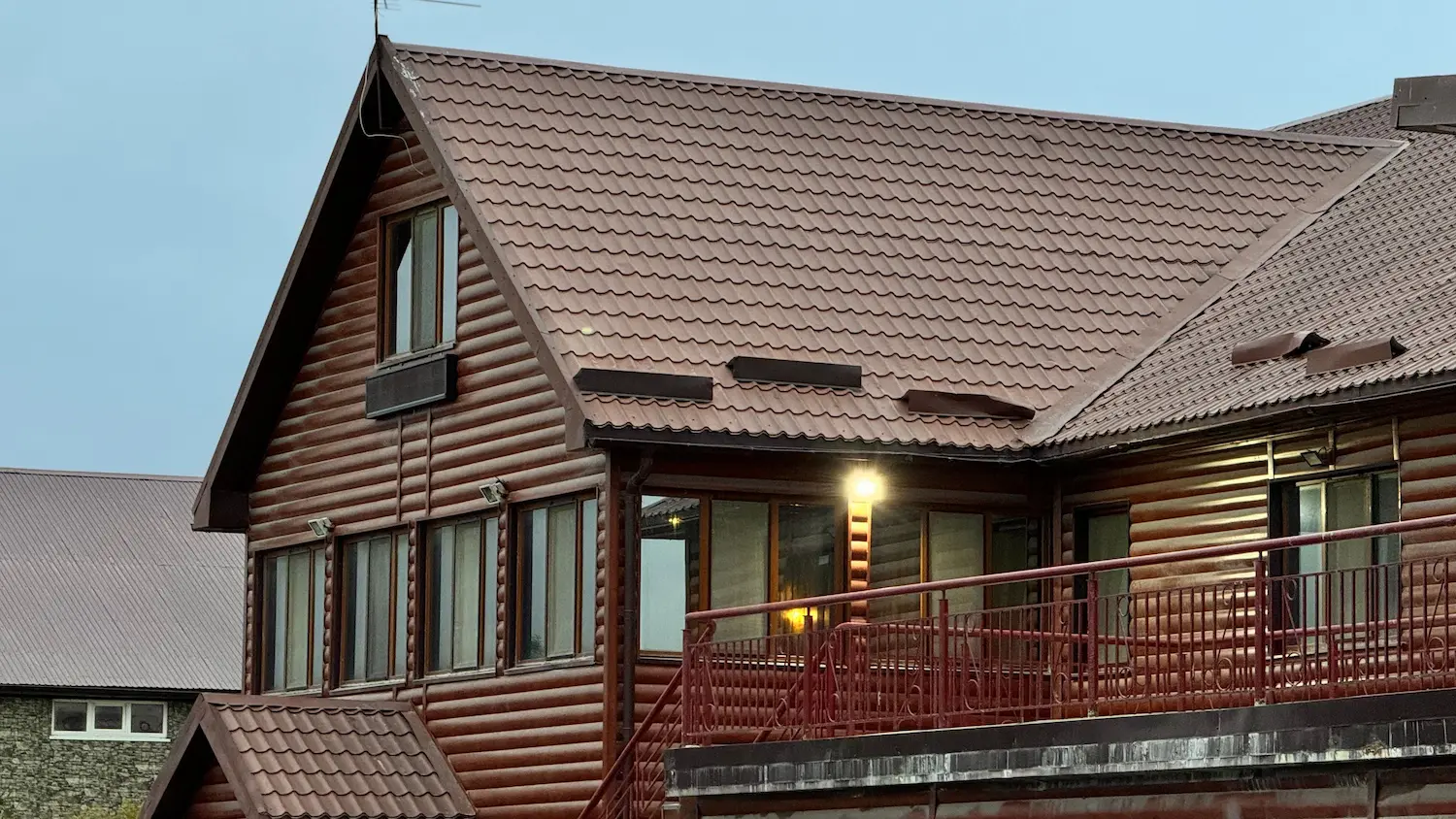
Types of Accommodation
Tea Estate Bungalows & Himalayan Homestays: Located across Darjeeling, Kalimpong, and Kurseong, restored colonial-era tea plantation bungalows offer manicured gardens, fireplace evenings, and views of Mt. Kanchenjunga. In mountain villages like Tinchuley, Takdah, and Lava, family-run Himalayan homestays provide warm hospitality, organic local meals, and guided nature walks.
Heritage Rajbaris & Colonial Mansions: West Bengal is famous for its restored aristocratic palaces (Rajbaris) and European-style heritage properties. Stays in places like Bawali, Belgadia, Itachuna, or North Kolkata allow travelers to experience classical zamindari architecture, courtyard dining, traditional Bengali thalis, and cultural heritage tours.
Sundarbans Jungle Lodges & Eco-Resorts: Situated on islands bordering the mangrove forest (such as Gosaba, Dayapur, and Bali Island), these eco-resorts and bamboo huts cater to wildlife enthusiasts. Stays feature guided boat safaris, village walks, folk performances (like Bonbibi theater), and local seafood cuisine.
Artisanal & Cultural Stays: Concentrated in artistic hubs like Santiniketan (Bolpur) and Bishnupur. Mud-and-thatch eco-resorts and boutique guesthouses near the Sonajhuri forest host live Baul music sessions, pottery workshops, and direct access to local artisan markets.
Beach & Coastal Resorts: Located along the Bay of Bengal coastline in Digha, Mandarmani, Tajpur, and Bakkhali. Options range from luxury beachfront resorts with pool villas and private beach access in Mandarmani to eco-cottages tucked inside eucalyptus groves near Tajpur.
Forest Rest Houses & Dooars Nature Lodges: Situated on the fringes of Jaldapara, Gorumara, and Buxa Tiger Reserve. Managed by state tourism boards and private eco-operators, these lodges put safari-goers close to watchtowers, elephant corridors, and jungle trekking trails.
West Bengal Travel Tips
West Bengal is easier to travel when you treat it as several distinct regions rather than one compact destination. Kolkata, the Himalayan north, the Dooars, the Sundarbans and the southern coast all have different travel rhythms, transport patterns and weather conditions. A few practical decisions can make the trip considerably smoother.
Plan around geography, not just the number of days. Kolkata can be combined with nearby heritage destinations such as Bishnupur or Shantiniketan, while Darjeeling, Kalimpong and the Dooars deserve their own North Bengal itinerary. Trying to fit Kolkata, Darjeeling and the Sundarbans into a short trip can leave more time spent in transit than exploring.
Choose the season according to the region. Winter is comfortable for Kolkata, heritage towns and much of South Bengal, while the Himalayan region has a colder climate and different conditions. Monsoon changes the character of the state considerably, particularly in the hills, forests and Sundarbans. Check local weather before fixing a multi-region route rather than relying only on a statewide forecast.
Book hill accommodation and transport carefully during peak periods. Darjeeling and other popular North Bengal destinations can become busy around holidays and festival periods. A property that looks close on a map may still involve steep roads or limited vehicle access, so check the exact location before booking.
Give Kolkata more than a quick transit stop. The city rewards slower exploration. Instead of trying to cover every attraction in one day, group neighbourhoods and experiences together—heritage areas, markets, museums, food streets and riverside sights—so that you spend less time crossing the city.
Use trains strategically. Railways are particularly useful for connecting Kolkata with destinations such as Bolpur, Murshidabad and Malda, while New Jalpaiguri is an important gateway for North Bengal. For the hills and more remote areas, road travel becomes increasingly important.
Treat the Sundarbans as a planned excursion, not a casual day trip. Boat-based exploration, tides, accommodation location and local permissions can affect the experience. Check what your package actually includes before paying, particularly boat transfers, meals, permits and wildlife excursions.
Keep some flexibility in the itinerary. Mountain weather, road conditions, train delays and seasonal water levels can affect travel times. Leaving a little buffer between major connections is more practical than building an itinerary where every transfer has to run perfectly.
Eat locally, but explore beyond Kolkata. Bengali cuisine changes across the state, and regional dishes are part of the travel experience. Try local specialities at established eateries and ask about ingredients when unfamiliar dishes are served, particularly if you have dietary restrictions.
Carry cash for smaller destinations. UPI is widely useful in urban areas, but connectivity and digital-payment acceptance can vary in remote villages, forest areas and smaller establishments. Keeping some cash as a backup is sensible, especially when travelling outside major towns.
Responsible Travel in West Bengal
Responsible travel in West Bengal is largely about adapting to the places you visit rather than treating the entire state as one tourism landscape. Kolkata, the Himalayan towns, tea-growing areas, forests, villages and the Sundarbans each face different pressures, so small choices can have a meaningful practical impact.
Respect wildlife boundaries. In the Sundarbans and Dooars, wildlife encounters should remain at a safe distance. Follow forest and boat-operator instructions, never feed animals, and avoid loud behaviour around wildlife. Do not treat tiger sightings or other animal encounters as something that requires getting closer for a photograph.
Be careful with the fragile Himalayan environment. Darjeeling, Kalimpong and surrounding mountain areas have limited space and infrastructure in many locations. Carry reusable water bottles where practical, avoid leaving plastic or food waste behind, and use designated waste facilities rather than disposing of rubbish along roads, viewpoints or trails.
Support local businesses. Staying at locally operated homestays, eating at independent restaurants and buying regional products directly from artisans can keep more tourism spending within the communities you visit. In craft centres such as Bishnupur, buying directly from recognised local makers also gives you an opportunity to understand the work behind the product.
Treat religious and cultural spaces as living places. Temples, monasteries, mosques and other religious sites are not simply tourist attractions. Dress appropriately where requested, follow photography restrictions, remove footwear when required and avoid disrupting ceremonies or worship.
Be thoughtful during festivals. Durga Puja is one of West Bengal’s defining cultural experiences, but enormous crowds can put pressure on neighbourhoods and public spaces. Follow local crowd-management arrangements, avoid blocking entrances or processions for photographs, and dispose of food and other waste responsibly.
Choose transport according to the destination. Trains and shared public transport can be practical alternatives to private cars on many routes. In the hills, avoiding unnecessary vehicle movement can also reduce congestion on already busy roads.
Respect local communities and landscapes. Ask before photographing people, particularly in rural communities, and avoid turning poverty or everyday life into a spectacle. Travel with curiosity, but allow local residents to decide how much of their lives they want to share.
Leave places as you found them—or better. Whether walking through a Kolkata neighbourhood, visiting a heritage temple in Bishnupur or travelling through a forest landscape, the simplest rule remains useful: take your waste with you, follow local rules and leave the destination undisturbed for the next traveller.