
Maharashtra is a state that rewards the traveller who lingers. Mumbai commands attention with its relentless energy, colonial-era architecture and dense cultural life, but the character of Maharashtra unfolds much further afield — along the Konkan coast, around the cave temples of Ajanta and Ellora, and across the misty ridges of the Sahyadris.
This is a land shaped by forts, rock-cut heritage and landscapes that change dramatically with the seasons. You can trace Buddhist murals at Ajanta, explore historic forts in the Sahyadris, eat fresh seafood and kokum in Malvan, or watch the light fade over Raigad. Geography matters when planning: Mumbai and Pune suit short breaks, while the Konkan, hill country and interior require more time.
Whether you are planning a weekend escape, a longer road trip or a focused journey around food, history, wildlife or the coast, timing, routes, budget and transport all shape the experience. This Maharashtra travel guide brings together places to visit, itineraries, seasonal advice, things to do, stays, budgets and practical travel tips.
Table of Contents
Maharashtra At a Glance
| Travel Factor | Maharashtra |
|---|---|
| Capital | Mumbai |
| Best Places to Visit | Mumbai, Pune, Mahabaleshwar, Lonavala, Nashik, Aurangabad (Chhatrapati Sambhajinagar), Ajanta & Ellora, Konkan Coast, Alibaug, Ratnagiri, Tarkarli, Tadoba |
| Best Time to Visit | October to March for most destinations; monsoon is ideal for waterfalls, lush landscapes and Sahyadri treks |
| Ideal Trip Duration | 5–10 days for a broad Maharashtra experience; 2–4 days for focused regional trips |
| Main Experiences | Forts, caves, beaches, hill stations, wildlife, trekking, food, heritage and pilgrimage |
| Travel Styles | Weekend trips, road trips, family holidays, solo travel, adventure, heritage and slow travel |
| Typical Budget | Budget: ₹1,500–₹2,500/day; Mid-range: ₹3,000–₹6,000/day; Luxury: ₹8,000+/day |
| Getting Around | Trains, flights, state/private buses, taxis and self-drive; road travel is useful for Konkan and hill destinations |
| Major Attractions | Gateway of India, Ajanta Caves, Ellora Caves, Raigad Fort, Elephanta Caves, Shirdi, Tadoba and Western Ghats |
From the Traveler’s Notebook: Practical Field Notes & Lessons from the Road (UNESCO Heritage & Fort Circuit | 4–5 Days | Chhatrapati Sambhaji Nagar → Ajanta & Ellora Caves)
Among the heritage circuits I have traced across the Deccan, this Chhatrapati Sambhaji Nagar (Aurangabad)–Ajanta–Ellora axis remains my most focused recommendation for travelers who want rock-cut art, fort architecture, and Mughal history in one tight loop. It layers two UNESCO World Heritage cave complexes with a formidable hill fort and a “Mini Taj” mausoleum into a route that works year-round except during peak summer heat (May–June).
1. Personal Experience: Sequence the Caves by Closure Days
The single most important planning detail is the weekly closure pattern: Ajanta Caves close every Monday, while Ellora Caves close every Tuesday. I always build the itinerary around these fixed days rather than trying to force both caves into a single rushed outing.
My preferred 4–5 day rhythm is: arrive in Chhatrapati Sambhaji Nagar by late afternoon on Day 1, spend the evening at Bibi Ka Maqbara or local markets. Use Day 2 for Ajanta Caves (if not Monday)—departing early by 6:30 AM to cover the 100 km drive, reaching the Fardapur eco-park parking by 9:00 AM to board the mandatory ASI green shuttle before queue density peaks at popular painted caves (Caves 1, 2, and 17).
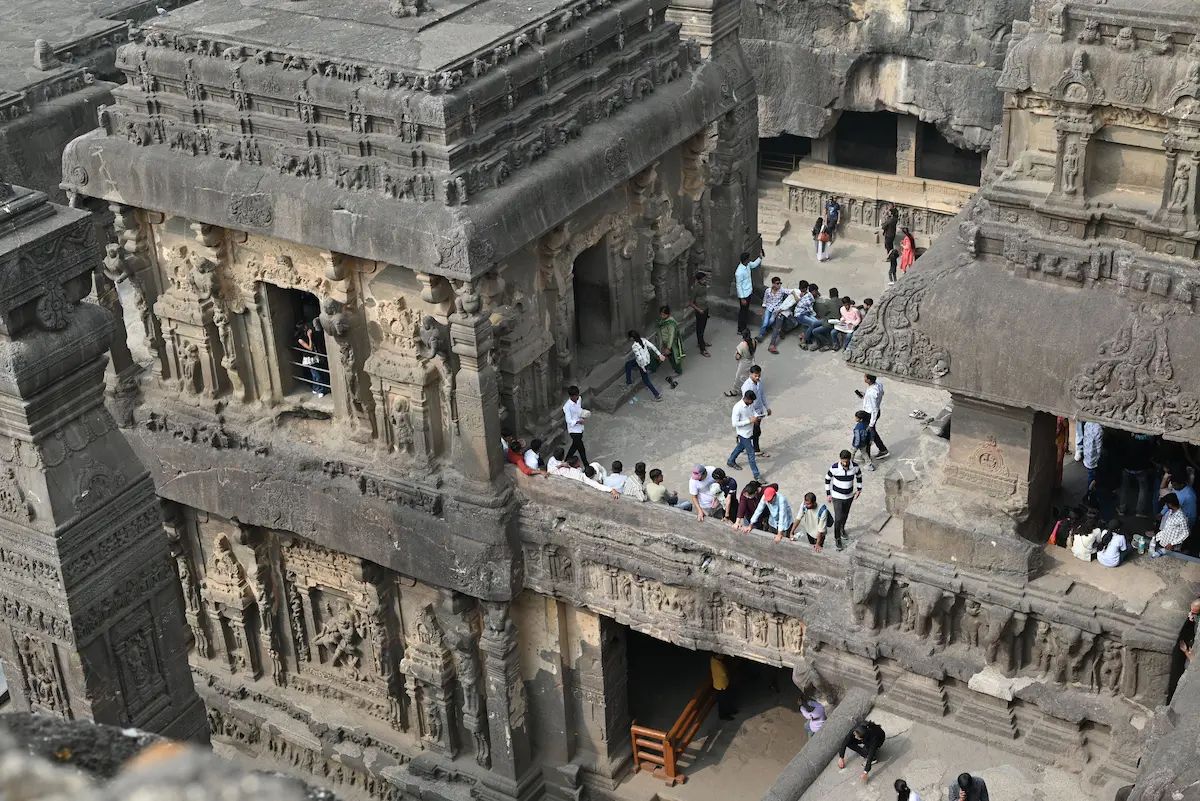
Use Day 3 for Ellora Caves (if not Tuesday), which opens early at 6:00 AM (Sunrise). I allocate the first 2 hours exclusively to Kailasa Temple (Cave 16) before moving through the Hindu, Buddhist, and Jain cave sequences without rushing. Dedicate the afternoon to Daulatabad Fort and Grishneshwar Jyotirlinga Temple. Days 4–5 cover city heritage: Aurangabad Caves, Panchakki, Himroo weaving centers, or an optional buffer trip to the ancient Pitalkhora Caves.
2. Ground-Level Budgeting & Daily Costs
This circuit is moderately priced, with costs driven more by private transport than entry fees or accommodation:
Accommodation (Chhatrapati Sambhaji Nagar)
- Budget hotel / guesthouse: ₹1,000–₹2,000 per night
- Mid-range 3–4 star hotel: ₹2,500–₹5,000 per night
Food & Dining
- Local thalis, street food (Naan Qalia, Misal Pav, Biryani): ₹150–₹300 per meal
- Mid-range restaurant meals: ₹300–₹600 per person
Monument Entry Fees (ASI, 2026 Rates)
- Ajanta Caves: ₹35 (Online) / ₹40 (Counter) for Indian/SAARC/BIMSTEC; ₹600 for Foreigners; Free for under 15. Mandatory eco-shuttle: ~₹20–₹25 per person each way.
- Ellora Caves: ₹40 for Indian/SAARC citizens; ₹600 for Foreigners; Free for under 15.
- Aurangabad Caves: ₹25 for Indians; ₹300 for Foreigners (100% digital payment/QR system at gate).
- Daulatabad Fort: ₹25 for Indians; ₹300 for Foreigners.
- Bibi Ka Maqbara: ₹25 for Indians; ₹300 for Foreigners (open 8:00 AM–8:00 PM).
Transport & Cab Rates
- Ajanta Day Trip Private Cab: ₹3,000–₹4,500 round-trip (sedan/SUV including driver allowance).
- Ellora + Daulatabad Cab: ₹1,500–₹2,200 round-trip.
- Full 4–5 Day Dedicated Car & Driver: ₹8,000–₹12,000 (city + Ajanta + Ellora + Daulatabad).
- Total Mid-Range Estimate: ₹12,000–₹20,000 per person excluding flights or long-distance trains.
3. Road Rhythm & Transit Mechanics
The geography is straightforward: Ellora sits roughly 30 km northwest of Chhatrapati Sambhaji Nagar (45–60 mins via NH52), while Ajanta is about 100 km northeast via Sillod (2.5 to 3 hours). Direct Ajanta to Ellora distance across the plateau is around 110–130 km, but doing both on the same day is not recommended due to physical exertion and monument timings.
Practical Travel Tips from the Road
- Ajanta Eco-Zone Shuttle: Private vehicles must stop at Fardapur parking. Pollution-free electric/CNG buses shuttle visitors 4 km up the gorge. Keep small cash or UPI ready for shuttle tickets.
- Flash Photography Prohibition: Flash photography is strictly forbidden inside Ajanta Caves to protect ancient vegetable dyes and pigments. Carry a small torch or rely on camera low-light settings. Tripods require advance written permission from ASI.
- Terrain & Footwear: Expect continuous walking on uneven basalt rock and steps. Wear supportive slip-on walking shoes or sandals, as footwear must be removed outside active sanctums and select painted caves.
4. Detailed Site Access, Protocols & Highlights
- Ajanta Caves: Open Tuesday to Sunday, 9:00 AM–5:30 PM. Closed Mondays. Key highlights: Cave 1 (Padmapani and Vajrapani murals), Cave 2 (frescoes), and Caves 19 & 26 (Chaitya halls with reclining Buddha).
- Ellora Caves: Open Wednesday to Monday, 6:00 AM–6:00 PM (Sunrise to Sunset). Closed Tuesdays. Features 34 caves across Hindu, Buddhist, and Jain traditions. Arrive at 6:00 AM to explore Cave 16 (Kailasa) peacefully.
- Daulatabad Fort: Open daily, 6:00 AM–6:00 PM. Involves a steep climb and navigating the famous Andhari (unlit defense maze). Wear sturdy footwear and carry a small flashlight.
- Bibi Ka Maqbara: Open daily, 8:00 AM–8:00 PM. Framed by Mughal charbagh gardens; best visited late afternoon for soft golden-hour lighting on the marble facade.
This 4–5 day UNESCO and fort arc works because each site has a distinct character: Ajanta offers intimate Buddhist painting and sculpture, Ellora presents a multi-faith rock-cut panorama capped by Kailasa, and the Chhatrapati Sambhaji Nagar city monuments add Mughal and medieval layers that round out the Deccan narrative.
Best Places to Visit in Maharashtra
Maharashtra’s best places to visit stretch far beyond the usual Mumbai–Pune–Lonavala circuit. From the rock-cut Buddhist caves of Ajanta and Ellora to the quiet beaches of the Konkan coast, the state offers a mix of history, nature, and everyday culture that changes with every region. The Western Ghats bring cool hill stations and monsoon treks, while the Deccan plateau holds forts, temples, and small towns where time seems to move slower. Whether you have a long weekend or two weeks, the options range from quick escapes near the cities to slower journeys through forts, forests, and coastal villages.
Popular Destinations in Maharashtra
| Category | Top Destinations | Key Highlights & Attractions |
|---|---|---|
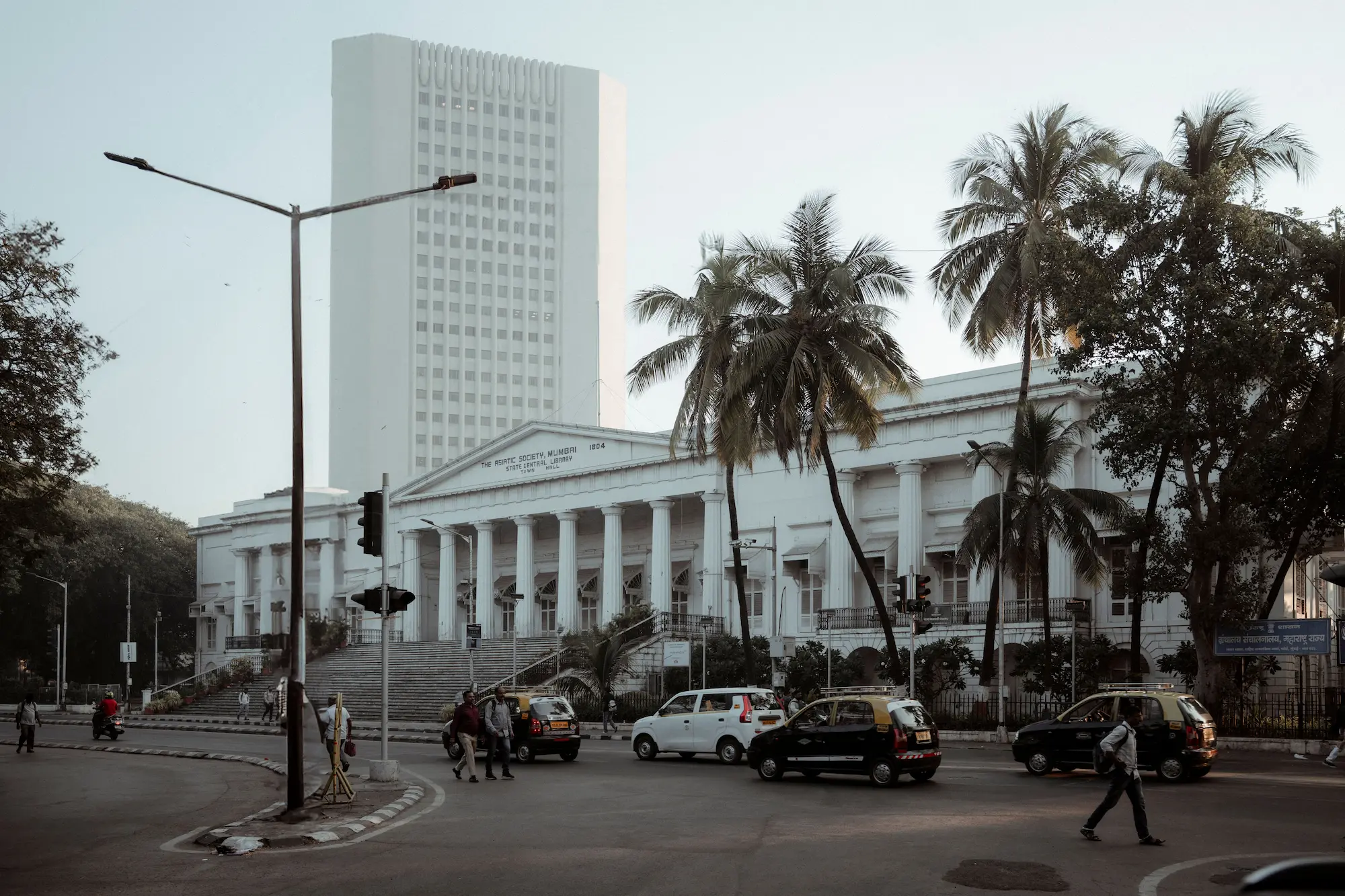
| Cities & Urban Hubs | Mumbai • Pune • Nagpur • Nashik | Gateway of India, Marine Drive, Chhatrapati Shivaji Maharaj Terminus, and vibrant street food • Cultural capital of Maharashtra, Shaniwar Wada, Aga Khan Palace, and bustling IT hubs • Tiger gateway city, famous orange orchards, and Deekshabhoomi historic monument • Wine capital of India, Sula Vineyards, Panchavati temple precinct, and Godavari river ghats |
| Heritage & UNESCO Sites | Chhatrapati Sambhaji Nagar (Aurangabad) • Ajanta & Ellora Caves • Elephanta Island • Raigad Fort | Gateway to rock-cut architectural wonders, Bibi Ka Maqbara, and Daulatabad Fort • Ancient Buddhist rock-cut mural paintings and monolithic Kailasa Temple cut from single rock • 5th-century rock-cut Shiva cave temples accessible by ferry from Mumbai coast • Capital of Maratha Empire, scenic ropeway, and historical fort structures of Chhatrapati Shivaji Maharaj |
| Hill Stations & Western Ghats | Mahabaleshwar • Lonavala & Khandala • Matheran • Panchgani | Strawberry farms, Arthur’s Seat viewpoint, Venna Lake, and lush Sahyadri forest trails • Monsoon waterfalls, Tiger’s Leap, Bhaja & Karla Caves, and famous chikki sweets • Automobile-free eco-sensitive hill town, heritage toy train, and scenic viewpoints • Tableland volcanic plateau, panoramic valley views, and pleasant round-the-year climate |
| Beaches & Konkan Coast | Alibaug • Tarkarli • Ganpatipule • Murud-Janjira | Quick getaway from Mumbai with Kolaba Fort, Varsoli Beach, and water sports • White sand beaches, pristine clear waters, scuba diving, and Malvani seafood delicacies • Beachfront sway sway temples dedicated to Lord Ganesha and serene uncrowded coastlines • Impregnable sea fort built inside Arabian Sea accessible via local sailboat ferry |
| Wildlife & Nature Reserves | Tadoba-Andhari Reserve • Sanjay Gandhi National Park • Pench Tiger Reserve • Kaas Plateau | Premier tiger reserve in Central India, high predator density, and jungle open-jeep safaris • Sprawling forest inside Mumbai city limits featuring ancient Kanheri Buddhist caves • Teak forest tiger habitat bordering Madhya Pradesh with rich birdlife • UNESCO World Natural Heritage Site famous for seasonal wildflower blooms post-monsoon |
| Culture, Heritage & Spiritual Sites | Shirdi • Trimbakeshwar • Bhimashankar • Kolhapur | Global pilgrimage center home to the shrine complex of Sai Baba • Ancient Jyotirlinga temple near Nashik at the source of Godavari River • Revered Jyotirlinga shrine set deep in dense Sahyadri forests and wildlife sanctuary • Mahalakshmi Temple, historic New Palace, Kolhapuri chappals, and spicy cuisine |
Best Time to Visit Maharashtra
Maharashtra spans coast, mountains, and plateau, so the “best” time to visit depends on what you want to see and how you like to travel. For most sightseeing, fort treks, and city trips, the window from October to February offers comfortable temperatures and clear skies across the state. The monsoon, from June to September, turns the Western Ghats and Konkan into a green, waterfall-filled landscape, ideal for nature lovers and photographers willing to work around heavy rain. Summers, especially March to May, can be harsh in the interior and plains, but remain manageable in hill stations and higher elevations.
Maharashtra Weather & Travel Seasons
| Season | Months | Typical Conditions | Highlights & Best Activities | Travel Status |
|---|---|---|---|---|
| Winter (Peak) | October–February | Pleasant, crisp, and comfortable weather (12°C to 28°C); cooler in Western Ghats hill stations. | Ajanta & Ellora cave tours, Konkan coastal beach trips (Alibaug, Tarkarli), Mumbai sightseeing, Sula Vineyards wine tasting in Nashik. | Peak Season — Best weather state-wide; high tourist rush across heritage, city, and coastal spots |
| Monsoon | June–September | Heavy rainfall across Western Ghats and Konkan, turning hill stations, forts, and valleys lush green. | Lonavala, Khandala & Mahabaleshwar drives, Kaas Plateau wildflower valley bloom, monsoon fort trekking (Raigad, Sinhagad), roaring waterfalls. | Monsoon Peak / Shoulder — Huge weekend crowds in Sahyadri hill stations; water sports closed |
| Summer | March–May | Hot and dry inland (35°C to 42°C+), warm and humid along the Konkan coast; cooler up in high-altitude hills. | Tadoba & Pench tiger safaris (best wildlife sightings near waterholes), hill station escapes (Matheran, Panchgani), strawberry tasting. | Off-Peak / Shoulder — Ideal for wildlife open-jeep safaris & budget hotel deals |
Maharashtra Travel Itineraries
Maharashtra’s size and variety make it ideal for itineraries built around regions rather than a single city. A long weekend from Mumbai or Pune can cover hill stations, forts, and coastal escapes without feeling rushed, while a week or more opens up routes through the cave temples of Aurangabad, the beaches of the Konkan, and the forests of the Sahyadris. Routes are structured to fit realistic drive times and train connections, with options for slow travel through small towns as well as focused trips built around history, food, or nature.
Maharashtra Trip Ideas by Duration
| Itinerary Name | Target Duration | Route Covered | Key Highlights | Best Suited For |
|---|---|---|---|---|
| Mumbai City & Island Express | 2–3 Days | Mumbai → Elephanta Island | Gateway of India, Marine Drive, CSMT architecture, street food walk, and Elephanta Cave ferry tour. | Weekend travelers, quick transit visitors, and city break explorers. |
| UNESCO Heritage & Fort Circuit | 4–5 Days | Chhatrapati Sambhaji Nagar (Aurangabad) → Ajanta & Ellora Caves | Monolithic Kailasa Temple, Ajanta Buddhist rock paintings, Bibi Ka Maqbara, and Daulatabad Fort. | History buffs, art lovers, architecture enthusiasts, and international travelers. |
| Sahyadri Hill Station Escape | 3–4 Days | Mumbai / Pune → Lonavala → Khandala → Mahabaleshwar | Monsoon viewpoints, Bhaja Caves, strawberry garden tours, Venna Lake boating, and sunset points. | Couples, families, nature lovers, and quick weekend road trippers. |
| Konkan Coastal & Water Sports Trail | 4–5 Days | Alibaug → Ganpatipule → Malvan → Tarkarli | Murud-Janjira sea fort, white sand beaches, scuba diving in Tarkarli, and authentic Malvani seafood. | Beach lovers, adventure seekers, seafood foodies, and coastal road trip fans. |
| Central India Tiger Safari Trail | 4–5 Days | Nagpur → Tadoba-Andhari → Pench Tiger Reserve | Jeep safaris in premier tiger habitats, teak forest biodiversity, birdwatching, and jungle eco-lodges. | Wildlife enthusiasts, wildlife photographers, and nature adventurers. |
| Wine & Spiritual Triangle | 3–4 Days | Nashik → Trimbakeshwar → Shirdi | Sula Vineyards wine tasting & tour, Godavari River ghats, Trimbakeshwar Jyotirlinga, and Shirdi Sai Baba Temple. | Pilgrims, wine tourists, families, and leisure weekenders. |
| Monsoon Fort Trekking Trail | 3–4 Days | Pune → Sinhagad → Raigad → Torna | Chhatrapati Shivaji Maharaj historic forts, mist-covered mountain passes, roaring waterfalls, and trekking routes. | Trekkers, adventure groups, history lovers, and monsoon travelers. |
| Ashtavinayak Pilgrimage Circuit | 4–5 Days | Pune → Morgaon → Siddhatek → Pali → Mahad → Theur → Lenyadri → Ozar → Ranjangaon | Sacred pilgrimage visiting 8 ancient swayambhu (self-manifested) Ganesha temples across Maharashtra. | Devotees, family groups, and spiritual heritage travelers. |
| Grand Maharashtra Panorama | 10–12 Days | Mumbai → Nashik → Chhatrapati Sambhaji Nagar → Mahabaleshwar → Tarkarli → Pune | Comprehensive state tour combining heritage caves, wine yards, hill stations, Konkan beaches, and Maratha history. | Long-vacation travelers, road-trippers, and first-time comprehensive visitors. |
Maharashtra by Budget
Maharashtra is one of the few Indian states where you can travel comfortably on a tight budget or spend freely without feeling like you are missing the “real” experience. The range of accommodation, transport, and dining options means your budget shapes the style of your trip more than the destinations you can reach
Budget travel
Maharashtra is forgiving for travellers watching every rupee, as long as you are willing to use public transport and eat where locals eat. In Mumbai and Pune, dorm beds and basic guesthouses in areas like Andheri, Dadar, Shivajinagar, and near railway stations keep accommodation costs low without putting you far from main routes. State buses, local trains, and shared autos cover most popular destinations—hill stations, forts, and coastal towns—at a fraction of private cab prices. Street food and small eateries handle meals economically: vada pav, misal pav, thalis, and coastal fish thalis fill you up for a modest amount, especially if you avoid tourist-heavy lanes and hotel restaurants. Budget travel here works best when you accept slower journeys, simple rooms, and a focus on free or low-cost experiences: fort treks, public beaches, temple visits, and wandering through old quarters.
Mid-range travel
Mid-range travel is where Maharashtra becomes particularly comfortable. MTDC properties, small boutique hotels, and homestays in places like Matheran, Bhandardara, Alibaug, and along the Konkan offer clean private rooms, often with views or garden space, at prices that remain reasonable outside peak holidays. Hiring a car with a driver for day trips or short circuits—say, Pune to Lonavala and nearby forts, or a Konkan coastal loop—adds convenience without tipping into luxury territory. Meals shift toward sit-down restaurants, beach shacks, and farm stays where you can try regional specialities without worrying about every bill. This band suits couples, families, and solo travellers who want privacy, predictable comfort, and the flexibility to adjust plans without constantly recalculating costs.
Luxury travel
Luxury travel in Maharashtra centres on a few key pockets: Mumbai’s international hotel strip, Pune’s business-class properties, select hill stations, wine regions near Nashik, and wildlife lodges around Tadoba. Five-star hotels and heritage properties offer spa facilities, fine dining, curated city tours, and seamless airport transfers, making sense when the stay itself is part of the experience—romantic breaks, milestone trips, or wildlife safaris where comfort after a long day matters. Prices reflect not just the room but the service layer: private drivers, guided experiences, and access to exclusive dining or event spaces. For travellers who prioritise time, privacy, and polished service over squeezing maximum destinations into a trip, these options provide a controlled, high-comfort way to experience the state.
Maharashtra by Travel Type
Maharashtra works well for different travel styles without making every trip feel the same. You can explore independently through historic neighbourhoods, local markets, cafés, food spots, and quieter towns, or build a more comfortable journey around heritage sites, hill stations, beaches, wildlife and scenic road trips. The best way to experience the state depends on your preferred pace, interests, comfort level, budget, and the time you have available.
Maharashtra for Couples
Couples can enjoy romantic vineyard stays in Nashik, mist-covered mountain valleys in Mahabaleshwar and Matheran, sunset drives along the Konkan coastline, and sea-view boutique resorts in Alibaug. Strawberry picking, candlelight wine tasting dinners, heritage villa stays in Panchgani, and serene beach strolls near Tarkarli offer a refined mix of natural beauty, romance, and luxury relaxation.
Maharashtra for Families
Families benefit from excellent road networks, historical Maratha fort excursions, wildlife jungle safaris, and family-friendly beach resorts. Cities like Mumbai and Pune offer interactive science museums, heritage architecture tours, and amusement parks, while hill stations like Lonavala and Mahabaleshwar provide pleasant weather, boating lakes, and local sweet markets.
Maharashtra for Solo Travellers
Solo travellers will find a safe, welcoming culture, efficient public transit networks, and an abundance of backpacker hostels in Mumbai, Pune, and Alibaug. Heritage city walks in Old Pune, street food crawls along Marine Drive, monsoon fort trekking groups in the Sahyadri ranges, and scuba diving camps in Tarkarli make independent travel social and easy to navigate.
Maharashtra for Backpackers
Backpackers can explore Maharashtra affordably by utilizing Maharashtra State Road Transport Corporation (MSRTC “Lal Pari”) state buses, local passenger train networks, budget homestays along the Konkan coast, and street-food hubs. From exploring ancient UNESCO rock-cut caves to beach camping in Revdanda, the state offers rich cultural experiences on small budgets.
Maharashtra for Wildlife & Adventure Seekers
Thrill-seekers can track Royal Bengal Tigers in Tadoba-Andhari and Pench Tiger Reserves, go scuba diving and parasailing in Tarkarli, trek Maharashtra’s highest peak (Kalsubai), or scale monsoon fort trails like Raigad and Harishchandragad. Western Ghats biodiversity and deep teak forests offer unmatched outdoor opportunities.
Maharashtra for First-Time Visitors
First-time visitors should focus on the classic **Heritage, City & Hill Arc**: Mumbai (Gateway of India & CSMT architecture), Chhatrapati Sambhaji Nagar (Ajanta & Ellora Caves), and Lonavala/Mahabaleshwar (Sahyadri hill vistas). Connected by expressways and high-speed rail, this corridor provides an ideal introduction to Maharashtra’s history, food, and landscapes.
Things to Do in Maharashtra
Maharashtra’s size and history mean there is no single “must-do” list that fits every traveller. Some come for the rock-cut caves of Ajanta, Ellora, and Elephanta, others for long drives along the Konkan coast, treks to hill forts, or weekends in colonial-era hill stations. The state’s cultural calendar—Ganesh Chaturthi in Mumbai and Pune, rural festivals in Vidarbha, and temple processions across the Deccan—adds another layer of things to do beyond standard sightseeing. Whether you prefer active days on trails and beaches or slower time in museums, markets, and small towns, the options stretch well beyond the usual city attractions.
Popular Activities & Experiences in Maharashtra
| Experience Category | Top Things to Do | Best Locations |
|---|---|---|
| Adventure & Outdoor Activities | Trekking historic Sahyadri mountain forts, scuba diving and parasailing in clear coastal waters, white-water river rafting, camping on high plateaus, and paragliding over valley curves. | Tarkarli, Kalsubai Peak, Raigad Fort, Kolad (Kundalika River), Panchgani, Bhandardara |
| Wildlife & Safari Experiences | Open-jeep tiger tracking safaris in dense teak forests, spotting leopards in urban fringe wilderness, birdwatching around reservoir wetlands, and seasonal wildflower walks on volcanic plateaus. | Tadoba-Andhari Tiger Reserve, Pench Reserve, Sanjay Gandhi National Park, Kaas Plateau, Bhigwan Bird Sanctuary |
| Offbeat & Nature Escapes | Exploring ancient monolithic cave temples, driving through mist-covered mountain passes during monsoon, picking fresh strawberries in high valleys, and taking sea ferries to island sea fortresses. | Ajanta & Ellora Caves, Mahabaleshwar strawberry farms, Murud-Janjira Sea Fort, Matheran eco-town, Tamhini Ghat |
| Cultural & Festival Experiences | Witnessing grand Ganesh Chaturthi street processions, energetic Lavani folk dance performances, historic Dahi Handi celebrations, Marathi natak theater culture, and Maratha coronation re-enactments. | Mumbai (Lalbaugcha Raja), Pune (Dagdusheth Halwai), Kolhapur, Raigad Fort, Nashik |
| Food & Culinary Experiences | Relishing iconic street snacks like Vada Pav and Pav Bhaji, fiery Kolhapuri mutton and Tambe Rassa, authentic coastal Malvani fish thalis, Misal Pav spice bowls, Puran Poli sweets, and local vineyard wine pairings. | Mumbai street food hubs, Kolhapur, Malvan coastal eateries, Nashik wine yards, Pune street food lanes |
| Spiritual & Pilgrimage Experiences | Visiting ancient Jyotirlinga shrines, performing holy dips in Godavari river ghats, completing the sacred Ashtavinayak Ganesha temple pilgrimage, and paying homage at world-famous saint shrines. | Trimbakeshwar, Shirdi, Bhimashankar, Grishneshwar, Kolhapur (Mahalakshmi Temple), Pandharpur |
| Shopping & Craft Experiences | Buying authentic Paithani silk sarees with zari borders, handcrafted Kolhapuri chappals (leather footwear), Sawantwadi wooden toys, premium Mahabaleshwar strawberry preserves, Maharashtrian chikki sweets, and fresh Alphonso mangoes. | Paithan, Kolhapur (Chhatrapati Road), Sawantwadi, Lonavala, Mahabaleshwar Market, Ratnagiri |
Famous Attractions & Landmarks in Maharashtra
Maharashtra’s most recognised landmarks span colonial monuments, ancient cave temples, and hill forts that defined the Maratha Empire. In Mumbai, the Gateway of India and the Victorian Gothic and Art Deco precincts frame the city’s harbour and central districts, while the Elephanta Caves sit just offshore as a quieter counterpart to the urban rush. Further inland, the Ajanta and Ellora caves near Aurangabad stand as the state’s cultural anchors, with Ajanta’s Buddhist murals and Ellora’s multi-faith rock-cut temples, including the monolithic Kailasa temple.
Iconic Attractions & Landmarks of Maharashtra
| Destination / Attraction | Region / Location | Category & Significance |
|---|---|---|
| Ajanta & Ellora Caves | Chhatrapati Sambhaji Nagar (Aurangabad Region) | World-renowned UNESCO World Heritage Sites showcasing ancient Buddhist rock murals and the monolithic Kailasa Temple carved out of a single rock face. |
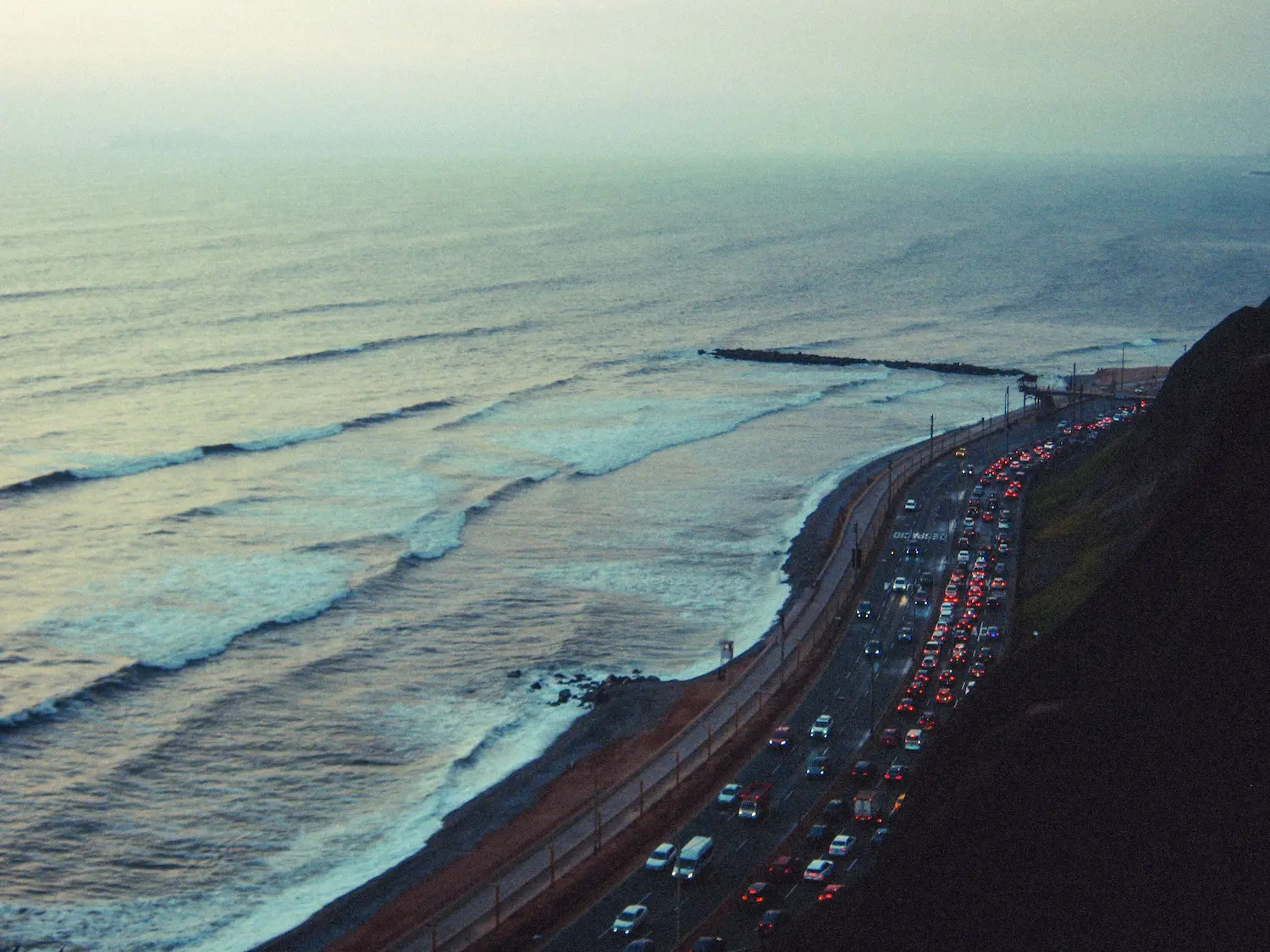
| Gateway of India & Marine Drive | Mumbai (Konkan Coast) | Iconic waterfront landmark built during British colonial rule alongside the famous C-shaped seafront boulevard dubbed the “Queen’s Necklace.’ |
| Mahabaleshwar & Panchgani | Satara District (Western Ghats) | Premier hill station region famous for vast strawberry plantations, dramatic Sahyadri cliff viewpoints, Venna Lake boating, and volcanic plateaus. |
| Tadoba-Andhari Tiger Reserve | Chandrapur District (Vidarbha Region) | Maharashtra’s oldest and largest national park, globally recognized for exceptional Royal Bengal Tiger sighting frequencies on open-jeep safaris. |
| Lonavala & Khandala | Pune District (Sahyadri Mountains) | Popular mountain getaway known for monsoon mist, roaring waterfalls, Karla & Bhaja Buddhist caves, Rajmachi Fort treks, and traditional chikki sweets. |
| Kaas Plateau (Kaas Pathar) | Satara District (Sahyadri Range) | UNESCO World Natural Heritage Site famously known as Maharashtra’s “Valley of Flowers,” carpeting into colorful endemic wildflowers post-monsoon. |
| Sula Vineyards & Estate | Nashik (North Maharashtra) | Heart of India’s wine capital, offering grape vineyard tours, wine-tasting sessions, luxury estate stays, and annual harvest festivals. |
| Shree Siddhivinayak & Shirdi Sai Baba Temples | Mumbai / Ahmednagar District | Revered spiritual sanctuaries attracting millions of global pilgrims annually for divine blessings and grand temple festivals. |
| Murud-Janjira Sea Fort | Raigad District (Konkan Coast) | Impregnable 15th-century marine fortress standing inside the Arabian Sea, accessible only via traditional sailboat ferries from Murud. |
| Tarkarli & Malvan Beach Coast | Sindhudurg District (South Konkan) | Pristine white sand coastline offering clear ocean waters for scuba diving, snorkeling, sea fort tours, and authentic Malvani seafood dining. |
| Raigad Fort | Raigad District (Western Ghats) | Historic mountain capital of the Maratha Empire under Chhatrapati Shivaji Maharaj, accessible via steep hill trails or a scenic cable ropeway. |
| Matheran Eco-Hill Station | Raigad District (Western Ghats) | Asia’s only automobile-free hill station, accessible via a narrow-gauge heritage toy train and preserved for its red-soil walking paths and valley views. |
How to Travel Around Maharashtra
Getting around Maharashtra involves navigating a vast and diverse terrain—ranging from the bustling urban sprawl of Mumbai and Pune, through the steep mountain passes (ghats) of the Sahyadri range, to the fertile plains of Vidarbha and the scenic coastal belt of the Konkan. The state boasts one of India’s most extensive transport networks, including multiple international airports, a dense rail grid linking major industrial and heritage hubs, and modern expressways. While high-speed expressways drastically reduce travel times between major cities, mountain ghat roads require careful driving, and coastal ferries offer a practical, scenic shortcut across river creeks along the Konkan shoreline.
Long-Distance Travel
By Air: Maharashtra is well-connected by multiple domestic and international airports across its distinct regions. Chhatrapati Shivaji Maharaj International Airport (BOM) in Mumbai serves as the primary international gateway, complemented by Manohar International Airport (GOX) on the Goa border and Pune Airport (PNQ). Key regional airports in Nashik (ISK), Chhatrapati Sambhaji Nagar (IXU), Nagpur (NAG), Shirdi (SAG), Kolhapur (KLH), and Sindhudurg (OKH) make hopping across distant regions fast and convenient.
By Train: Indian Railways operates an extensive network throughout Maharashtra, with major junctions at Mumbai (CSMT/LTT), Pune, Nagpur, Nashik, and Solapur. The iconic Konkan Railway route cuts through tunnels and over high viaducts along the Western Ghats to link Mumbai with coastal South Konkan. High-speed options like the Vande Bharat Express connect Mumbai to Pune, Solapur, Shirdi, and Goa, offering fast, comfortable intercity journeys.
By Road: High-speed corridors like the Mumbai–Pune Expressway and the Samruddhi Mahamarg (Mumbai–Nagpur Expressway) have revolutionized road travel across the state. National Highway 66 (NH 66) runs along the Konkan coast, while state highways wind through steep mountain passes (Tamhini, Varandha, and Amba Ghats) into hill stations like Mahabaleshwar and Lonavala. MSRTC (State Transport or ST buses) operates a massive fleet—ranging from basic Lal Pari buses serving remote villages to premium AC Shivneri buses running frequently between major urban centers.
Local & Intra-State Travel
By Private Taxis & Rental Cabs: Renting a chauffeur-driven cab or booking intercity cabs (via platforms like Ola, Uber, or local taxi stands) is the most efficient option for multi-stop hill station circuits or exploring UNESCO cave sites like Ajanta and Ellora, where direct rail links do not reach.
By Coastal Ferries & Water Transport: Along the Konkan coastline, Ro-Ro (Roll-on/Roll-off) vehicle ferries and passenger speedboats operate across coastal creeks (such as the Mumbai-Mandwa, Jaigad, and Dabhol passages), allowing travelers to bypass lengthy highway detours. Passenger ferries also connect mainland jetties to island monuments like the Murud-Janjira Sea Fort and Elephanta Caves.
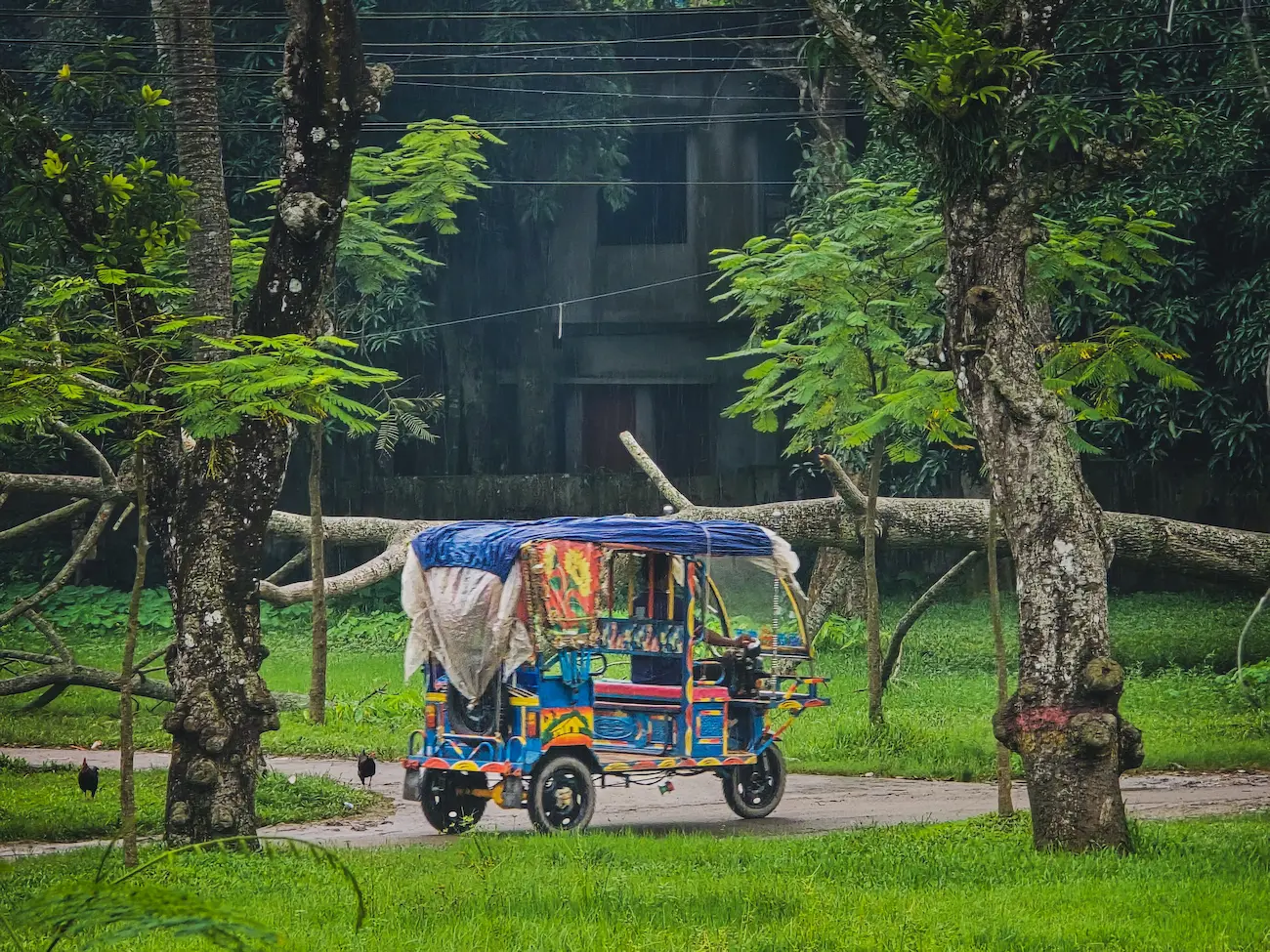
By Auto-Rickshaws & E-Rickshaws: Auto-rickshaws are ubiquitous in virtually every city, town, and hill station across Maharashtra (with the exception of South Mumbai, where they are restricted). They are metered in metropolitan areas like Mumbai and Pune, making them ideal for short urban commutes, railway station transfers, and market runs.
By Urban Transit (Mumbai Suburban Rail & Metro Networks): Mumbai’s famous Suburban Rail (“Local Trains”) serves as the ultimate logistical backbone for traversing the linear city from south to north. Complemented by the expanding Mumbai Metro and Pune Metro networks, as well as Navi Mumbai’s urban transit, fast-track rail travel provides a reliable way to bypass heavy city street traffic.
Where to Stay in Maharashtra
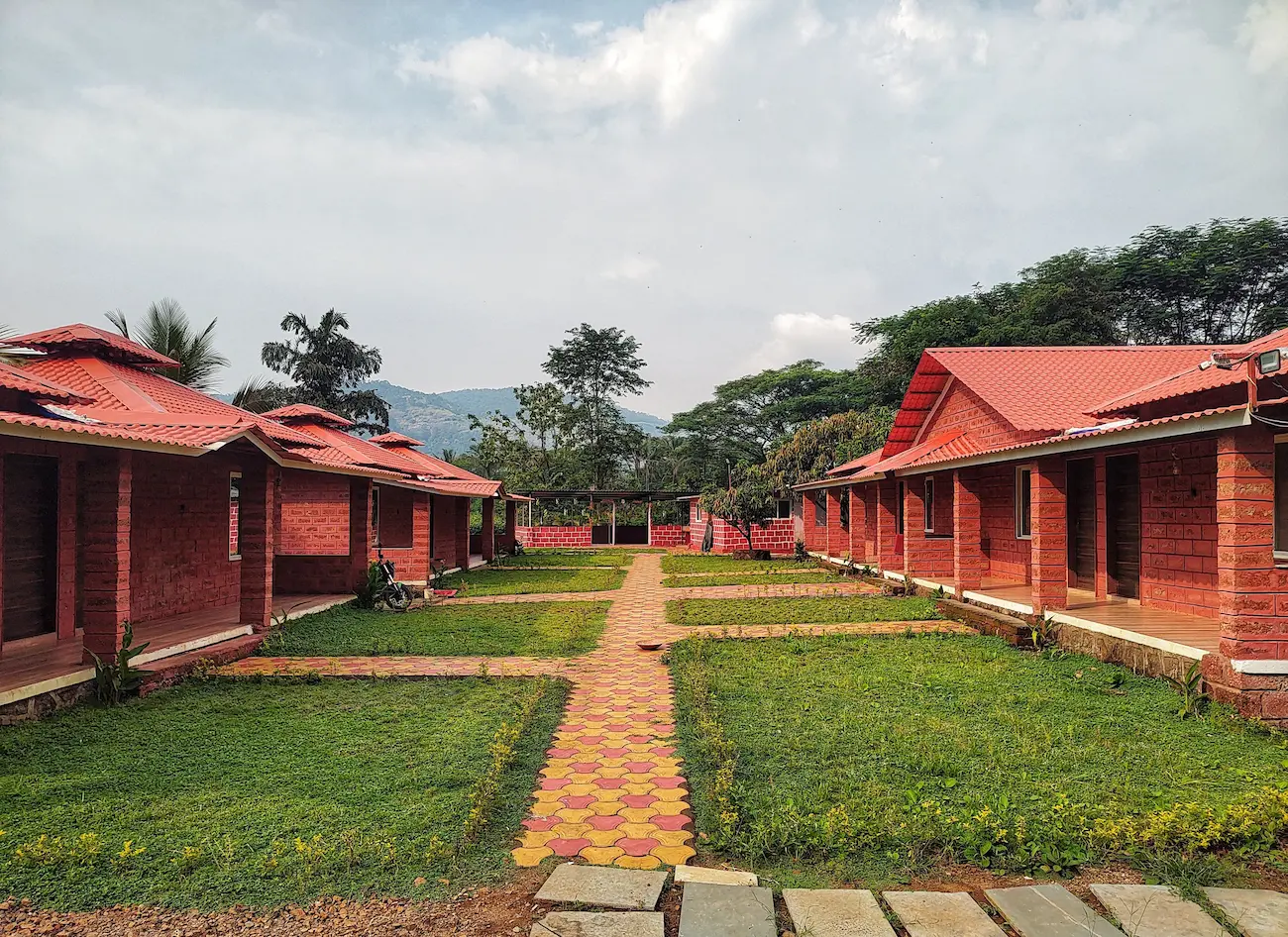
Maharashtra offers diverse accommodation options ranging from heritage fort resorts and colonial-era mountain bungalows to luxury vineyard estates, coastal homestays, tiger safari lodges, and sea-facing luxury hotels. Where you stay shapes your journey as much as the landscapes themselves—a night in a restored Maratha hill fort feels entirely different from a stay in a misty Sahyadri tea or strawberry estate, a vineyard chalet in Nashik, or a beachfront cottage along the Konkan coast. Choosing accommodation strategically minimizes travel through steep mountain passes, while rural and wilderness stays offer deeper immersion into nature and local culture.
Types of Accommodation
Heritage Forts & Palace Hotels: Restored Maratha fortresses and historical royal properties—located in regions like Pune, Satara, and Kolhapur—offer a regal stay. Properties like Fort JadhavGADH provide immersive historical experiences with traditional architecture, stone courtyards, cultural folk performances, and museum tours.
Vineyard Resorts & Winery Estates: Situated primarily around Nashik (India’s wine capital), these modern boutique stays and luxury chalets overlook rolling grape vineyards. Stays typically include guided vineyard walks, wine-tasting sessions, barrel room tours, and gourmet dining overlooking quiet reservoirs.
Colonial Bungalows & Forest Treehouses: Found across popular Sahyadri hill stations such as Mahabaleshwar, Panchgani, Matheran, and Lonavala. Restored British-era stone bungalows and eco-friendly forest treehouses offer cool mountain air, panoramic valley views, and direct access to strawberry farms and nature trails.
Konkan Coastal Resorts & Beach Homestays: Strung along the Konkan shoreline across Alibaug, Murud, Ganpatipule, and Tarkarli. Options range from authentic coastal homestays serving traditional home-cooked Malvani seafood to luxury beachfront resorts and wooden sea-view cottages steps away from the sand.
Jungle Lodges & Wildlife Safari Camps: Located on the fringes of major tiger reserves and national parks in the Vidarbha region—such as Tadoba-Andhari, Pench, and Nagzira. These eco-lodges cater to wildlife enthusiasts, offering open-jeep safari bookings, naturalist-led birdwatching walks, and starlit wilderness dining.
Pilgrimage & Heritage City Hotels: Concentrated around major spiritual hubs like Shirdi, Nashik, Trimbakeshwar, Chhatrapati Sambhaji Nagar, and Pandharpur. Accommodations span modern business hotels, comfortable pilgrim dharamshalas, and heritage boutique stays tailored for seamless visits to ancient temples and UNESCO cave sites.
Maharashtra Travel Tips
Maharashtra is easier to explore when you plan around distance, season and regional geography rather than trying to cover too many places in one trip. Mumbai, Pune, Nashik, the Konkan coast, the Sahyadris and the eastern wildlife regions offer very different travel experiences, so choosing a focused route usually makes the journey more comfortable.
Plan around the season. October to March is generally convenient for sightseeing, heritage trips, city breaks and coastal travel. The monsoon transforms the Sahyadris and parts of the Konkan into lush landscapes, but heavy rain can affect road journeys, trekking conditions and outdoor activities. Check local weather and conditions before travelling to forts, waterfalls and hill areas.
Do not underestimate travel time. Distances on a map can look manageable, but winding mountain roads, traffic around Mumbai and Pune, and slower coastal routes can extend journeys considerably. Avoid packing several distant regions into a short itinerary. For a weekend, focus on one destination or a compact cluster rather than attempting a state-wide trip.
Choose transport according to the route. Trains are particularly useful between major cities and towns, while buses connect many smaller destinations. Taxis or self-drive vehicles offer greater flexibility for the Konkan, Sahyadris and fort circuits. If driving, allow extra time for narrow roads, monsoon conditions and breaks.
Start heritage visits early. Ajanta and Ellora, Elephanta and major forts can become tiring during the warmer parts of the day. Comfortable footwear is important, especially for forts, caves and uneven heritage sites. Some attractions also involve substantial walking or steps.
Keep your itinerary flexible. Maharashtra has plenty of experiences that work better without rushing — a coastal village, a local food stop, a fort trail or a scenic mountain drive can easily take longer than expected.
Carry practical essentials. Keep drinking water, sun protection, comfortable footwear and light rain protection with you. Cash can still be useful in smaller towns and rural areas, although digital payments are widely used.
Finally, respect local communities, heritage sites and natural areas. Avoid littering, follow trekking and wildlife regulations, and use local businesses where practical. A little planning leaves more time to experience Maharashtra rather than simply moving between attractions.
Responsible Travel in Maharashtra
Responsible travel in Maharashtra means being mindful of the places, communities and landscapes you encounter. The state includes busy cities, fragile hill ecosystems, coastal villages, historic forts, caves, forests and wildlife habitats, each requiring a slightly different approach from travellers.
Protect natural areas. The Sahyadris, Konkan coast and wildlife regions are particularly sensitive to litter and uncontrolled tourism. Carry reusable water bottles where practical, avoid leaving plastic or food waste behind, and use designated paths when trekking. Do not disturb plants, animals, nests or other natural features.
Treat forts and heritage sites with care. Maharashtra’s forts, caves, temples and historic structures are important cultural assets. Avoid climbing restricted structures, carving names into walls, touching delicate surfaces or removing stones and artefacts as souvenirs. Follow instructions at protected monuments and archaeological sites.
Respect wildlife. In places such as Tadoba and other protected areas, maintain appropriate distances from animals, remain quiet and follow the instructions of forest officials or guides. Never feed wildlife or attempt to attract animals for photographs.
Support local communities. In smaller destinations, consider locally owned homestays, restaurants, guides, transport providers and shops where they meet your needs. Buying regional food and locally made products can help keep more tourism spending within the destination.
Be considerate in villages and coastal areas. Ask before photographing people, particularly during religious ceremonies or community activities. Dress appropriately for temples and other culturally significant places, and avoid treating local communities simply as photographic subjects.
Travel thoughtfully during the monsoon. Heavy rainfall can make waterfalls, forts, mountain trails and roads hazardous. Stay on marked routes, respect temporary closures and avoid taking unnecessary risks for photographs or viewpoints.
Use resources responsibly. Choose accommodation that manages water, electricity and waste responsibly, especially in areas where local resources are limited. Avoid unnecessary single-use plastics and conserve water during your stay.
The aim is simple: leave Maharashtra’s natural, cultural and historic places in a condition that allows local communities and future travellers to enjoy them too.
Frequently Asked Questions
What are the best places to visit in Maharashtra?
What is the best time to visit Maharashtra?
How many days are enough for Maharashtra?
Is Maharashtra suitable for a road trip?
What are the best things to do in Maharashtra?
Is Maharashtra expensive to travel?
How can I travel around Maharashtra?
What food is Maharashtra famous for?
Is Maharashtra good for a family trip?
Which places are best for a Maharashtra monsoon trip?
About the Author
Pratul Kumar is the Founder & Lead Travel Researcher behind Golden Journey, an independent travel publication focused on practical and detailed travel information across India and beyond.
His writing combines personal travel experiences with experiences shared by friends, family and members of his wider personal circle, alongside independent research and information from relevant official sources. His work focuses on practical travel planning, destinations, itineraries, transport, budgets and other details useful to travellers.
Editorial & Research Approach
Golden Journey aims to provide practical, independently researched travel information rather than generic destination summaries. Articles may draw on first-hand experiences, experiences shared by trusted members of the author’s personal circle, independent research and relevant official sources.
Travel information such as fares, opening hours, regulations, permits and entry requirements can change. Important time-sensitive details should be confirmed with the relevant official authority before travelling.