
Rajasthan is not a place you can understand in a single visit. On my first trip, I arrived expecting forts, desert, and brightly painted havelis—and found all of that, but what stayed with me was the pace of the state: slow mornings in Jodhpur, long drives between towns, conversations over chai, and the sudden quiet of a courtyard after a day spent walking through crowded bazaars.
Planning a Rajasthan trip is less about seeing everything and more about choosing a region and giving it time. Jaipur, Udaipur, Jodhpur, and Jaisalmer each have a distinct character, while places like Bikaner, Bundi, and Pushkar reward travellers willing to step beyond the usual circuit. Where you stay also shapes the experience: a heritage haveli, a simple guesthouse, a desert camp, or a city hotel can change how you relate to a place.
This guide focuses on practical decisions—when to go, how to move between cities, where to base yourself, and how to choose accommodation that suits your budget and travel style. Rajasthan rewards preparation, especially in summer, when daytime heat can disrupt sightseeing plans; winter remains the most comfortable season for most travellers.
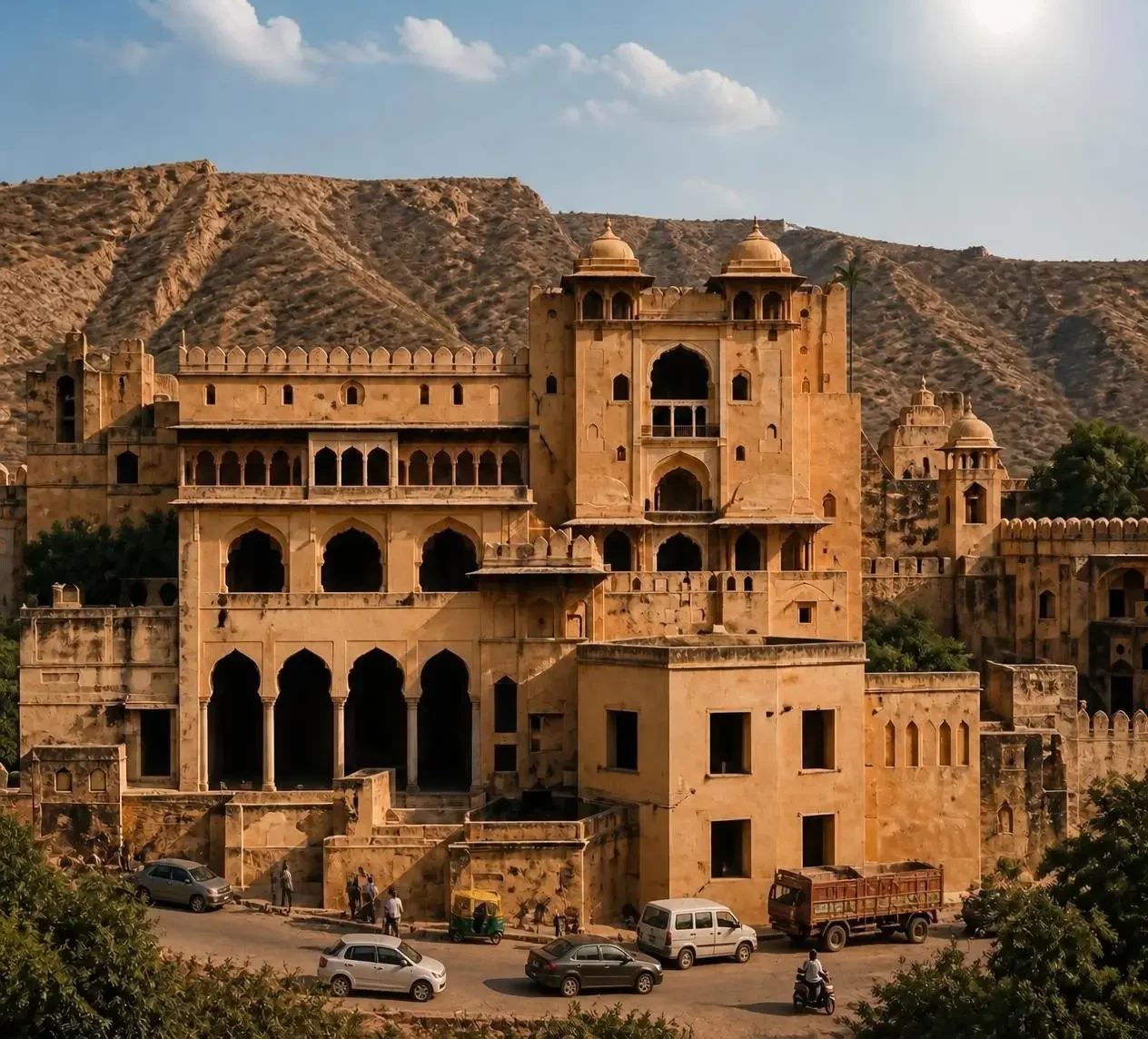
Rajasthan Travel and Stay at a Glance
← Swipe to see more →
| Category | Details |
|---|---|
| Best Ways to Travel | Trains, buses, private cars with drivers, taxis and selected domestic flights |
| Local Transportation | Auto-rickshaws, taxis and app-based services where available |
| Accommodation Options | Budget guesthouses, mid-range hotels, heritage havelis, palace hotels and desert camps |
| Ideal Places to Stay | Choose convenient locations near major attractions, railway stations or city centres, depending on your itinerary |
| Best Time to Book | Book transport and accommodation in advance for the October–March peak travel season, especially around holidays |
| Travel Planning Tip | Compare journey times, total transport costs, hotel locations and cancellation policies before finalizing your itinerary |
| Official Tourism Board | Department of Tourism, Government of Rajasthan |
How to Travel Around Rajasthan: The Ultimate Ground-Reality Guide
Navigating Rajasthan is less about rushing through dense industrial corridors and more about transitioning between open, sun-drenched desert stretches and ancient royal circuits. While the state boasts modern expressways and world-class rail links, navigating the narrow alleys of centuries-old walled towns presents a distinct challenge.
Whether planning a high-speed intercity route or figuring out how to squeeze through the blue lanes of Jodhpur, these insider tips will help ensure a smooth journey.
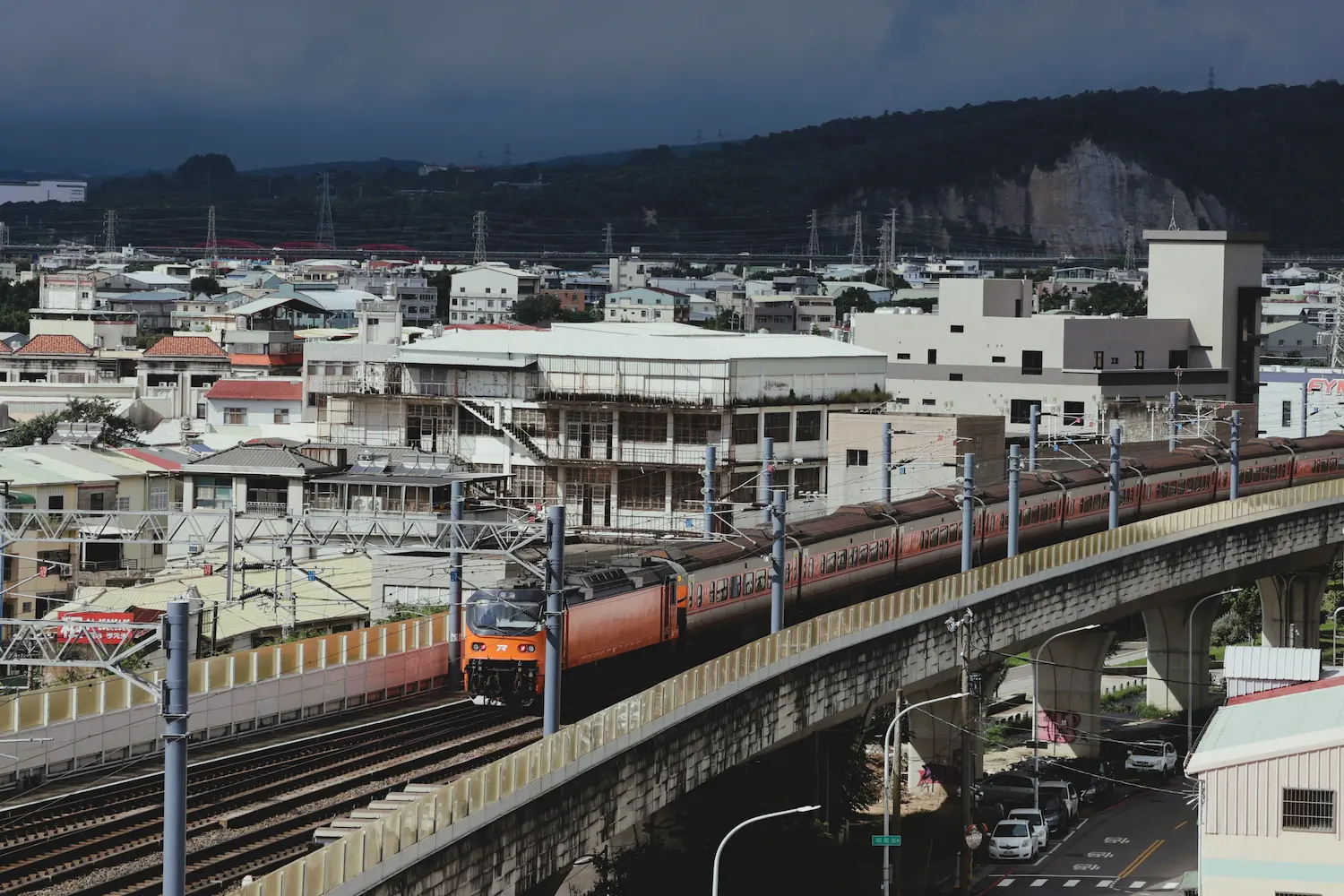
Long-Distance & Intercity Travel
1. By Air: Ideal for Direct Hub-Hopping
For travellers tight on time, flying directly into key hubs bypasses long overland drives.
The Major Gateways: Jaipur International Airport (JAI) serves as the primary international and domestic hub. However, domestic airports at Udaipur (UDR), Jodhpur (JDH), and Jaisalmer (JSA) make short-hop connections simple.
Personal Insight: If travelling during peak winter (December to January), be mindful of early morning flight delays due to heavy desert fog across Northern India. Flying in the early afternoon is often safer.
2. By Train: The Nostalgic, Scenic Favourite
Rajasthan’s rail network is the true lifeline of regional travel, connecting major junctions like Jaipur, Jodhpur, Udaipur, Bikaner, and Kota to Delhi, Mumbai, and Gujarat.
Modern Express Lines: High-speed options like the Vande Bharat Express (e.g., Delhi Cantt to Jaipur and Jodhpur) offer sleek, climate-controlled comfort with large panoramic windows perfect for watching the countryside.
Luxury On Rails: For a bucket-list journey, the legendary Palace on Wheels offers an all-inclusive multi-day royal circuit.
Personal Insight: When booking daytime trains between Jodhpur and Jaisalmer, reserve a seat on the right side of the train—you’ll get stunning views of the terrain shifting into flat, golden desert. Always book IRCTC tickets 30–60 days in advance for winter travel, as sleeper and AC classes fill up quickly.
3. By Road: Expressways & Local Busses
Road trips across Rajasthan offer unmatched freedom, provided you choose the right routes.
Highways: The Delhi–Jaipur Expressway and newly developed legs of the Delhi–Mumbai Expressway provide smooth, high-speed driving.
Public Buses (RSRTC): The Rajasthan State Road Transport Corporation operates an extensive network. Their Goldline and Volvo AC buses are surprisingly comfortable, punctual, and budget-friendly for intercity hops.
Personal Insight: Highway driving during the day is smooth, but avoid driving private cars across desert highways (like Jaisalmer to Longewala) after dark. Stray cattle (Gowans) and unlit tractor-trailers are common night hazards on rural roads.
Local & Intra-State Transit
1. Private Taxis & Rental Cabs: Unmatched Flexibility
Hiring a dedicated, chauffeur-driven car for a multi-day circuit (e.g., Jaipur ⟶ Pushkar ⟶ Jodhpur ⟶ Udaipur) remains the most stress-free option for families and small groups.
App Cabs vs. Local Drivers: Rideshare apps like Uber and Ola work seamlessly in big cities like Jaipur and Udaipur, but are virtually non-existent in smaller heritage towns like Pushkar or interior Jaisalmer.
Personal Insight: When hiring a private driver for a multi-day trip, clarify beforehand whether the daily quote includes toll taxes, state entry taxes, and the driver’s night allowance (Daaka). Having a friendly local driver often doubles as having an informal guide who knows the best roadside dhaba for authentic masala chai.
2. Auto-Rickshaws & E-Rickshaws: Navigating the Old Cities
When entering historic walled districts—like the Pink Bazaars of Jaipur, the Blue Lanes of Jodhpur, or the old lakefront of Udaipur—full-sized cars quickly become a liability.
The Narrow Lane Kings: Battery-operated e-rickshaws and classic auto-rickshaws easily squeeze through tight alleys where cars get hopelessly stuck.
Personal Insight: In tourist hubs like Jodhpur’s Stepwell area or Udaipur’s Jagdish Temple Road, auto-drivers rarely use meters. Negotiate and fix the price before stepping inside. (A quick tip: ask your hotel desk beforehand what a fair rate to the city centre should be so you have a realistic benchmark).
3. Jaipur Metro: Fast Urban Transit
Jaipur is currently the only city in Rajasthan with an operational metro system (Jaipur Metro). It is clean, air-conditioned, and ideal for cutting directly through dense urban traffic between the main railway station and the edge of the historic walled city.
4. Terrain-Specific Transport: Dunes & Lakes
Some iconic Rajasthani experiences require specialized regional transport:
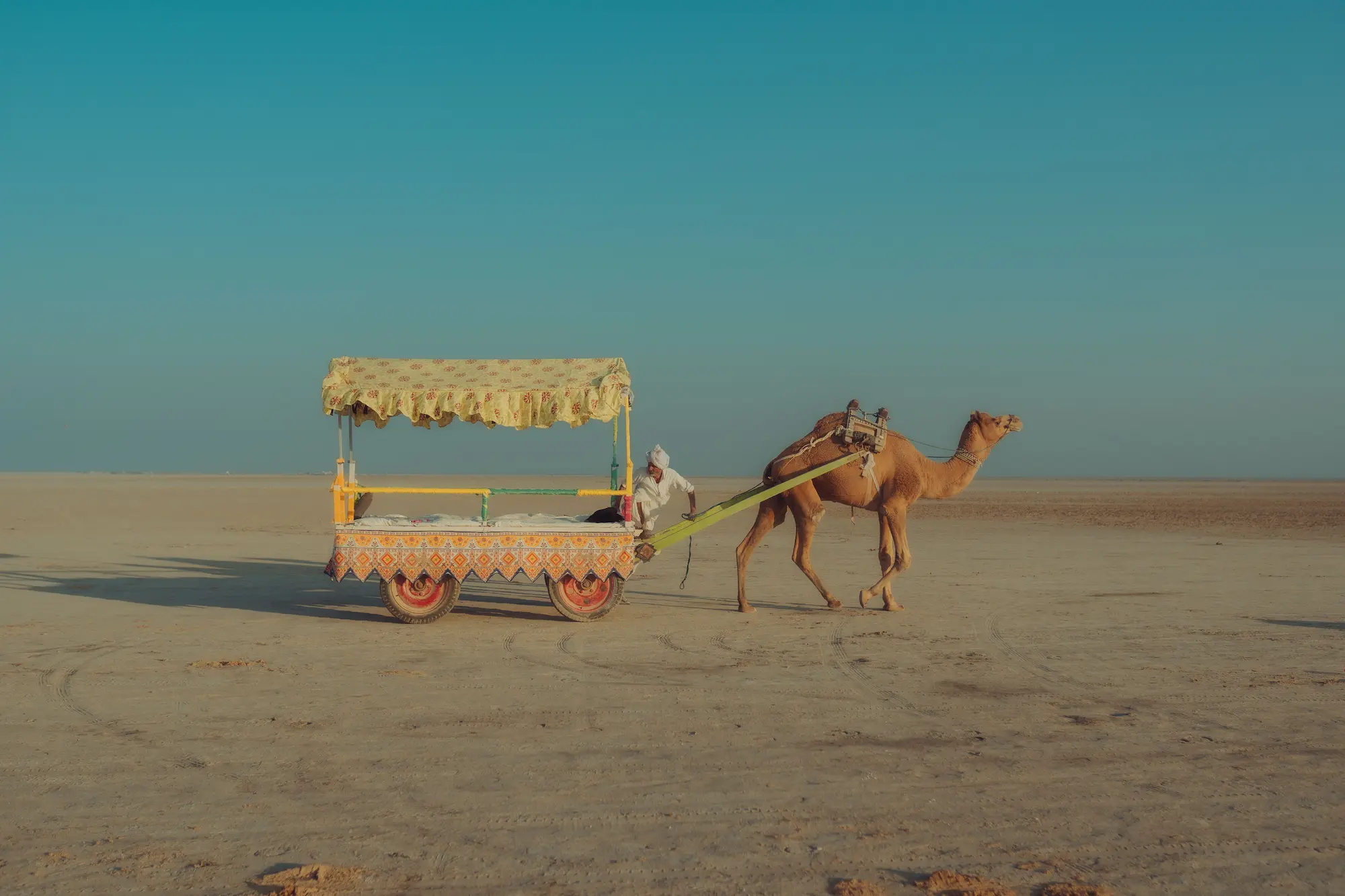
4×4 Jeeps & Camel Carts: Essential for dune bashing, sunset runs, and desert safari camps in Sam Dunes (Jaisalmer) or Osian (Jodhpur).
Lake Boats: In Udaipur, rowboats and motorboats operating from Preshram Ghat or Lal Ghat are not just scenic tour rides—they are the only way to reach island palaces like Jagmandir or Lake Palace.
Personal Insight: When booking a dune jeep in Jaisalmer, opt for late-afternoon slots (around 4:30 PM). This gets you out into the dunes right as the scorching desert sun cools down to a deep golden glow.
Where to Stay in Rajasthan: The Ultimate Accommodation & Vibe Guide
Choosing where to lay your head in Rajasthan is rarely just about a clean bed; it often shapes your entire travel experience. Staying inside a centuries-old courtyard haveli in Jodhpur or waking up in a tented desert camp under the stars in Jaisalmer feels completely different from checking into a modern concrete hotel.
Because the state spans royal capitals, winding old cities, and quiet desert dunes, your choice of stay should balance your budget, your route, and—most importantly—how much time you want to spend fighting local traffic.
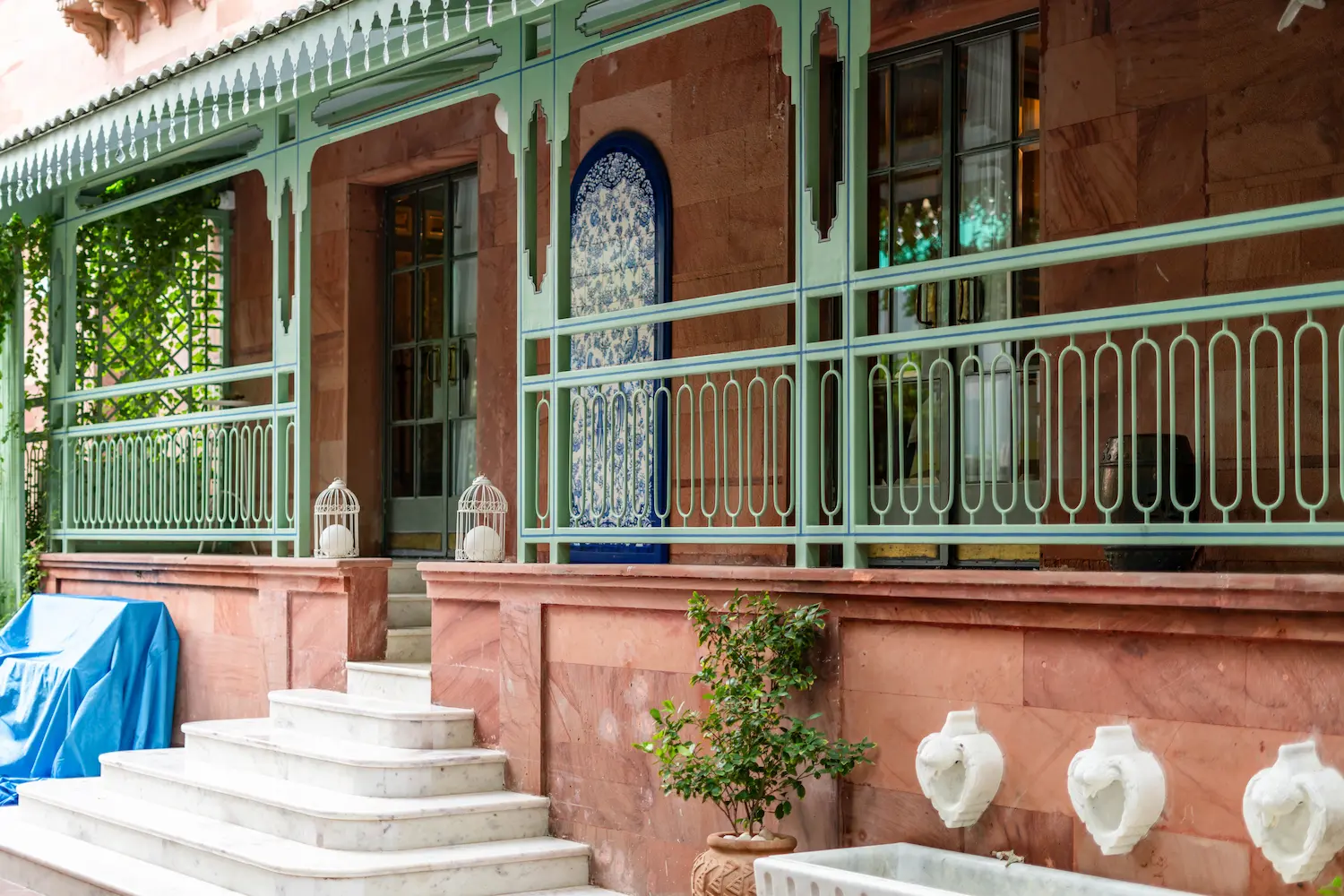
The 6 Main Types of Accommodation in Rajasthan
1. Budget Hostels & Guesthouses: Community & Affordability
Best For: Backpackers, solo travellers, and long-term explorers looking to keep costs low while meeting fellow travellers.
Where to Find Them: Thriving social networks exist in Jaipur (near MI Road), Jodhpur (around the clock tower), Udaipur (near Lal Ghat), Pushkar, and Jaisalmer.
Personal Insight: If you choose a budget hostel in the historic walled cities, expect narrow pedestrian lanes where cars cannot enter. You may have to roll your luggage down a 200-meter sandy or cobblestone alleyway on arrival. Always check if the hostel has a rooftop cafe—sitting on a rooftop overlooking Jodhpur’s Blue City at sunrise sipping chai is an unbeatable budget perk.
2. Heritage Havelis: Character, Carved Stone & History
Best For: Couples, culture enthusiasts, and anyone wanting to step back in time without paying palace-level prices.
What to Expect: These are former merchant or noble homes (havelis) featuring central courtyards, hand-carved sandstone jharokhas (balconies), and antique wooden furniture.
Personal Insight: Many heritage havelis are family-run. The hospitality here feels deeply personal, often featuring home-cooked Rajasthani breakfasts. A minor trade-off: Because these are historic buildings, rooms can occasionally be quirky—some might have compact bathrooms or winding stone staircases instead of elevators. Pack light if staying in an old haveli!
3. Palace & Heritage Hotels: Living Like Royalty
Best For: Milestone celebrations, luxury seekers, and travellers wanting to experience Rajasthan’s opulent architectural history.
What to Expect: Run either by major hospitality groups (like Taj, Welcomheritage, or HRH Group) or royal families themselves, these converted forts and palaces (such as Umaid Bhawan in Jodhpur or Neemrana Fort-Palace) offer sprawling courtyards, manicured lawns, royal dining rooms, and high-end service.
Personal Insight: Even if you aren’t staying overnight at a legendary royal palace like Udaipur’s Taj Lake Palace, many heritage properties offer non-resident high tea or evening dining. However, if you do splurge for a night, plan to spend at least half a day just enjoying the property rather than rushing out to tourist sites.
4. Resorts & Luxury Hotels: Family Comfort & Space
Best For: Multi-generational families, travellers wanting modern resort amenities (pools, spas, massive lawns), and those seeking predictable, consistent comfort.
Where to Find Them: Mostly concentrated on the outskirts of major cities like Jaipur and Udaipur.
Personal Insight: While they lack the gritty, atmospheric charm of an old city haveli, staying at a resort on the outer ring road saves you from terrible traffic jams and parking hassles when arriving by car.
5. Desert Camps: Sleeping Under the Thar Stars
Best For: Immersive desert landscapes, stargazing, and cultural evenings featuring local folk music and Kalbelia dance performances.
Where to Find Them: Sam Dunes and Khuri outside Jaisalmer, as well as Osian near Jodhpur.
Personal Insight: Not all desert camps are created equal. Commercialised camps close to the main highway can be loud, crowded, and packed with blaring generators. If you want peace and quiet, look for boutique luxury camps located deeper into the dunes that limit their tent capacity and offer eco-friendly setups. Bring warm layers—desert nights from November to January drop sharply in temperature.
6. Wildlife Lodges: Safari Bases
Best For: Wildlife enthusiasts targeting tiger sightings in Ranthambore or leopard tracking in Jawai.
What to Expect: Forest lodges and tented wilderness camps designed for early-morning departures.
Personal Insight: Location is everything here. Choose a lodge close to your assigned safari gate (e.g., Zones 1–5 vs. outer zones in Ranthambore). Also, confirm whether your lodge package includes park safari jeep bookings, as securing official forest department permits last-minute can be notoriously difficult.
Estimating Your Accommodation & Transport Expenses
Budgeting for a trip to Rajasthan involves balancing two major cost drivers: your style of accommodation and your mode of intercity transit. Because the state spans sprawling desert routes and dense, historic city centres, prices can fluctuate dramatically depending on whether you choose backpacker hostels and public express trains or luxury heritage palaces and private chauffeur-driven SUVs. To help you plan effectively, the breakdown below outlines realistic daily expenditures for stay and transit across three distinct travel tiers—budget, mid-range comfort, and high-end royal luxury.
← Swipe to view more →
| Travel Style | Accommodation Type & Cost (per night) | Local & Intercity Transit Cost (per day) | Key Features & Trade-offs |
|---|---|---|---|
|
Budget / Backpacker
|
₹600–₹1,500
Accommodation options
|
₹400–₹1,000
Intercity travel
|
Pros
High value for money and a vibrant community feel.
Cons
Narrow historic alleys may require walking with luggage, and public transport can mean longer journey times.
|
|
Mid-Range / Comfort
|
₹3,500–₹7,500
Accommodation options
|
₹1,800–₹3,500
Intercity travel
|
Pros
Comfortable stays, heritage character and convenient door-to-door transport.
Cons
Private drivers should be booked in advance during the peak winter season.
|
|
Luxury / Royal Heritage
|
₹15,000–₹45,000+
Accommodation options
|
₹3,500–₹8,000
Private transport
|
Pros
Royal hospitality, premium amenities, flexibility and convenient travel.
Cons
Booking 2–3 months ahead is advisable for the high season (November–February).
|