
Table of Contents (Click here for quick access)
Why I Love Adventure & Outdoor Travel
✅ Adventure travel helps me slow down. When I walk through a quiet forest or sit beside a river, I stop checking my phone and start noticing the small things around me.
✅ I enjoy simple outdoor moments. Making tea at a campsite, drying clothes in the sun, or sharing a quiet meal outdoors can sometimes feel better than sitting in an expensive restaurant.
✅ Outdoor activities keep me active without feeling like exercise. Hiking, cycling, swimming, and climbing make me use my body while I enjoy the landscape around me.
✅ I like seeing places beyond busy tourist areas. A local trail, village road, or small lake can show me a quieter side of a destination that I might otherwise miss.
✅ Adventure teaches me to handle small problems. A missed turn, sudden rain, or tiring walk reminds me to stay patient, adapt to the situation, and make practical choices.
✅ I value the memories adventure creates. I often remember funny mistakes, kind strangers, unexpected moments, and quiet views more clearly than many ordinary days spent at home.
Quick List of Adventure & Outdoor Experiences
Adventure travel covers a wide range of activities, from trekking and scuba diving to safaris, road trips, skiing, and rock climbing. Each experience has different requirements related to fitness, weather, equipment, safety, and travel time. Some activities are suitable for beginners, while others require training or previous experience. The following list highlights popular adventure experiences from different regions and explains where they are commonly enjoyed, who they are best suited for, and the general level of difficulty involved.
| Experience | Best Regions | Best For | Difficulty |
|---|---|---|---|
| Trekking | Asia, Europe, South America | Active travellers | Easy–Hard |
| Scuba Diving | Asia, Caribbean, Oceania | Ocean lovers | Moderate |
| Safari | Africa | Wildlife | Easy–Moderate |
| Rafting | Asia, Europe, Americas | Groups | Moderate |
| Skiing | Europe, North America, Asia | Winter travel | Moderate–Hard |
| Camping | Worldwide | Nature lovers | Easy–Moderate |
| Road Trips | Americas, Europe, Oceania | Explorers | Easy |
| Paragliding | Asia, Europe | Thrill seekers | Moderate |
| Cycling | Europe, Asia | Active travellers | Easy–Hard |
| Rock Climbing | Europe, Americas, Asia | Experienced adventurers | Hard |
Top adventure activities you must try
Adventure travel offers alternatives to traditional sightseeing through activities such as mountain trekking, kayaking, cycling, camping, surfing, wildlife safaris, and desert trips. Each activity has different requirements related to fitness, equipment, weather, safety, budget, and experience. Some options are suitable for beginners, while others require training or professional guidance. Choosing the right activity depends on personal interests, available time, and comfort level. Here are the top 10 adventure activities you can consider for your next trip, along with key details to help you plan them safely and realistically.
1. Trekking & Hiking
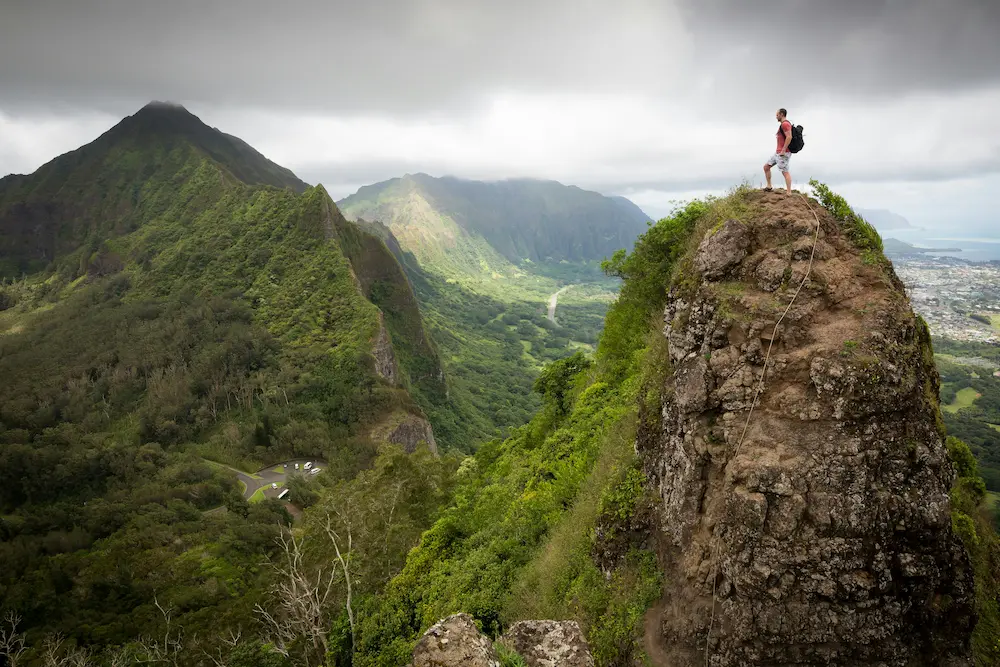
Trekking is one of the easiest adventure activities to fit into a travel plan because trails range from short walks to demanding multi-day routes. I like it for the simple way it lets me explore landscapes at a slower pace. Popular trekking regions include the Himalayas, the Alps, Patagonia, and the Andes. Beginners can start with well-marked trails, while longer routes may require better fitness, proper footwear, weather planning, and sometimes a guide.
2. Scuba Diving
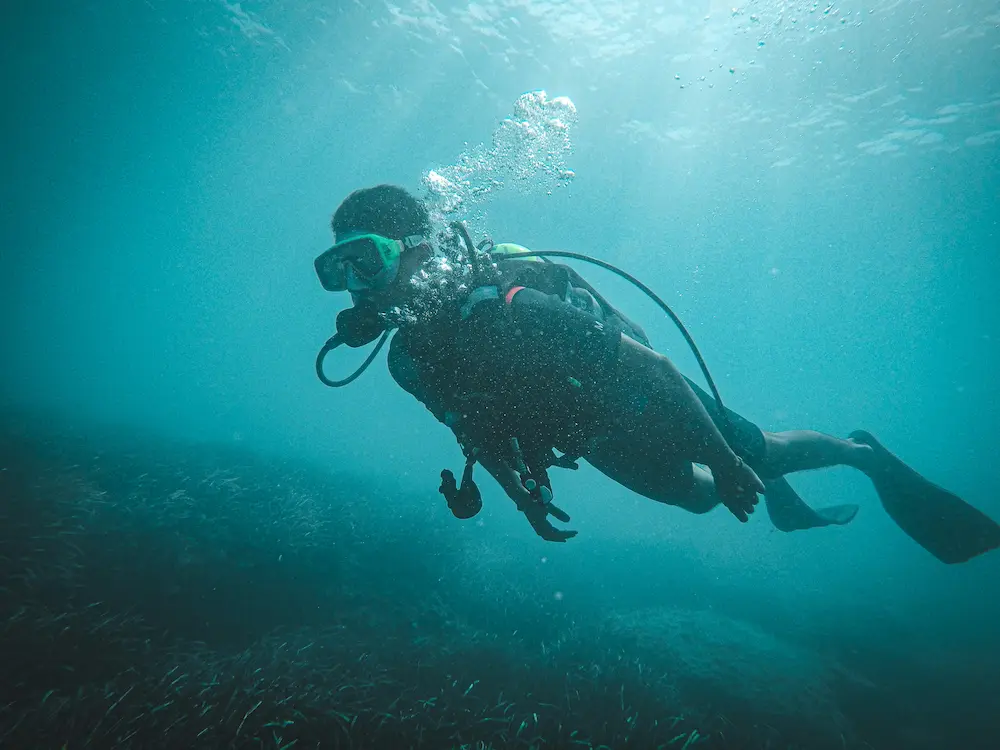
Scuba diving gives travellers a chance to explore marine life, reefs, underwater caves, and other coastal environments. Southeast Asia, the Caribbean, the Great Barrier Reef region, and parts of the Pacific are well known for diving. A basic introductory dive can suit beginners, but certified dives require proper training. Water conditions, visibility, currents, depth, and local regulations are important factors to check before booking a dive.
3. Wildlife Safari
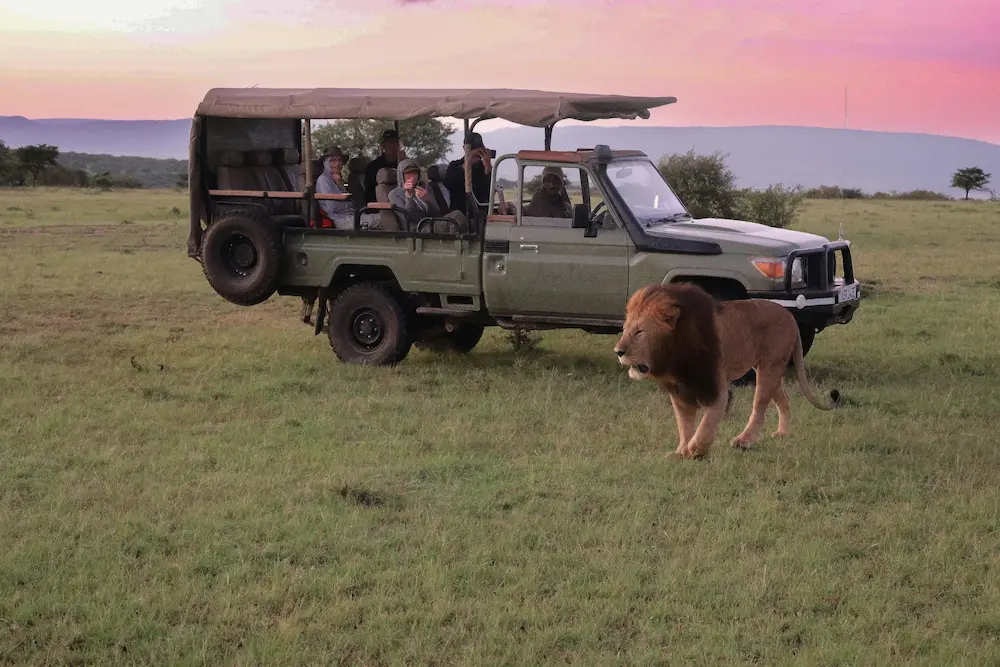
A wildlife safari combines outdoor travel with the chance to observe animals in their natural habitat. Africa offers some of the best-known safari regions, including Kenya, Tanzania, Botswana, and South Africa. The experience can range from comfortable lodge stays to more basic camps. I would check the season carefully because animal movements, rainfall, road conditions, and park access can affect what you see and how easily you can move around.
4. Whitewater Rafting
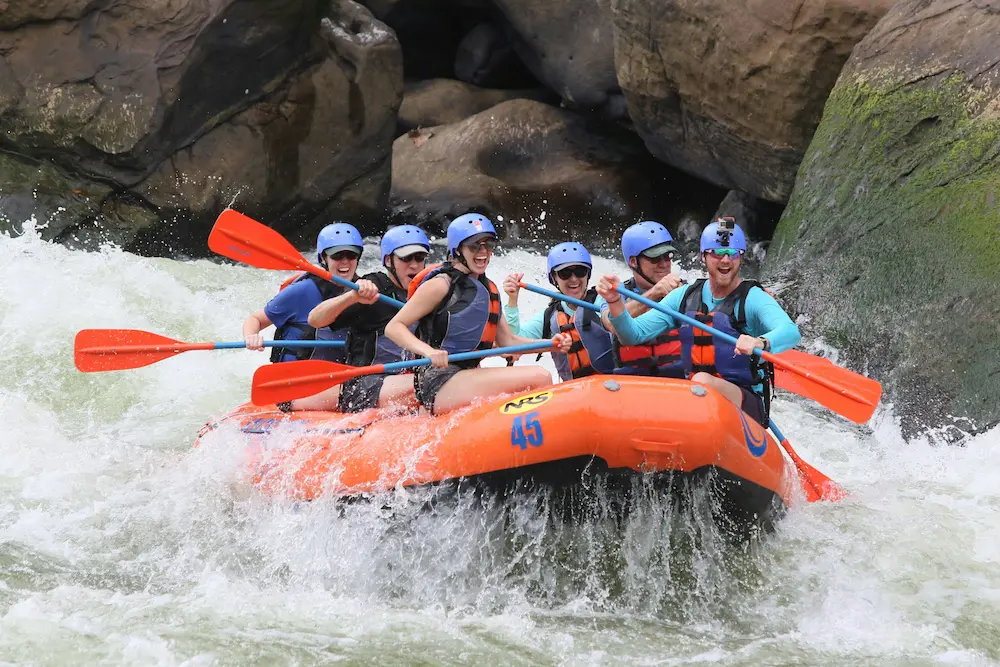
Whitewater rafting is a group activity that uses inflatable rafts to travel through sections of moving river water. Rivers in the Himalayas, European Alps, North and South America, and other mountain regions offer different levels of rapids. Beginners can choose lower-grade routes with trained operators, while advanced routes demand stronger swimming ability and experience. River levels can change with the season, so local conditions matter when choosing a trip.
5. Skiing
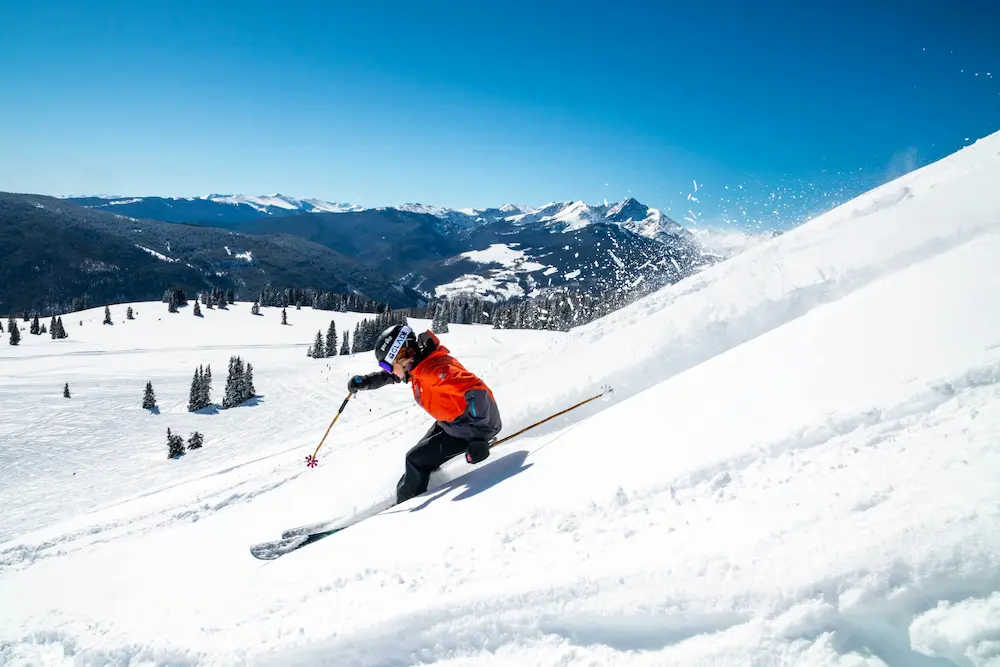
Skiing works well for travellers who want an active winter holiday. The Alps, Rockies, Japan, and parts of the Himalayas have established ski areas with slopes for different skill levels. First-time skiers can take lessons and stay on beginner runs before moving to steeper terrain. I would also compare snow conditions, lift access, equipment rental, accommodation, and insurance because these can make a noticeable difference to the total cost of a ski trip.
6. Camping
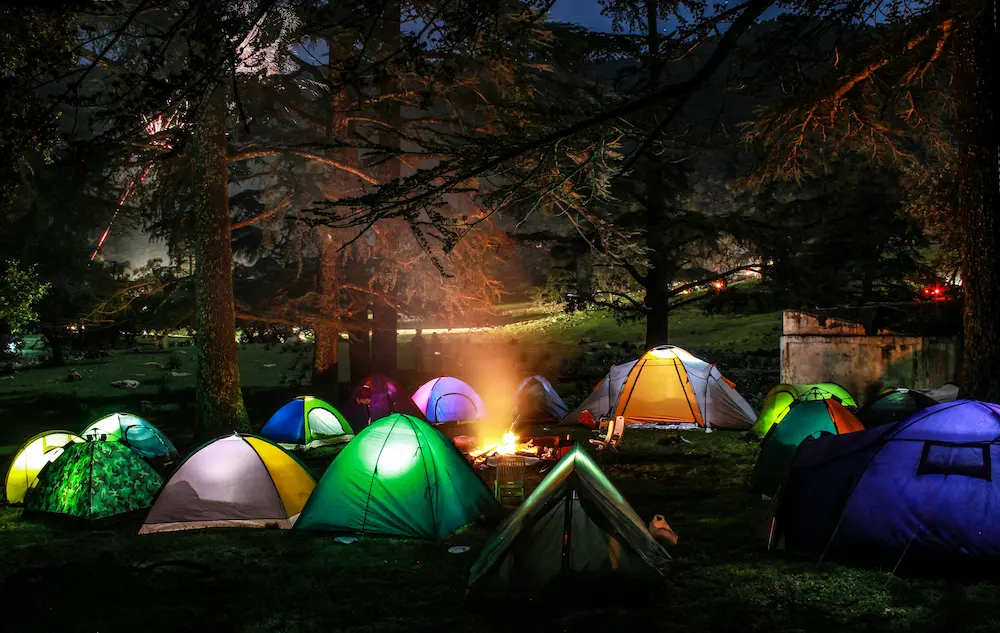
Camping can be as simple as staying at an organised campsite or as remote as carrying equipment into the wilderness. It is available in almost every region, from forests and mountains to deserts and coastal areas. For a first trip, I would choose a managed campsite with basic facilities rather than an isolated location. Weather, water availability, fire rules, wildlife, permits, and local camping regulations should always be checked before setting up a tent.
7. Road Trips
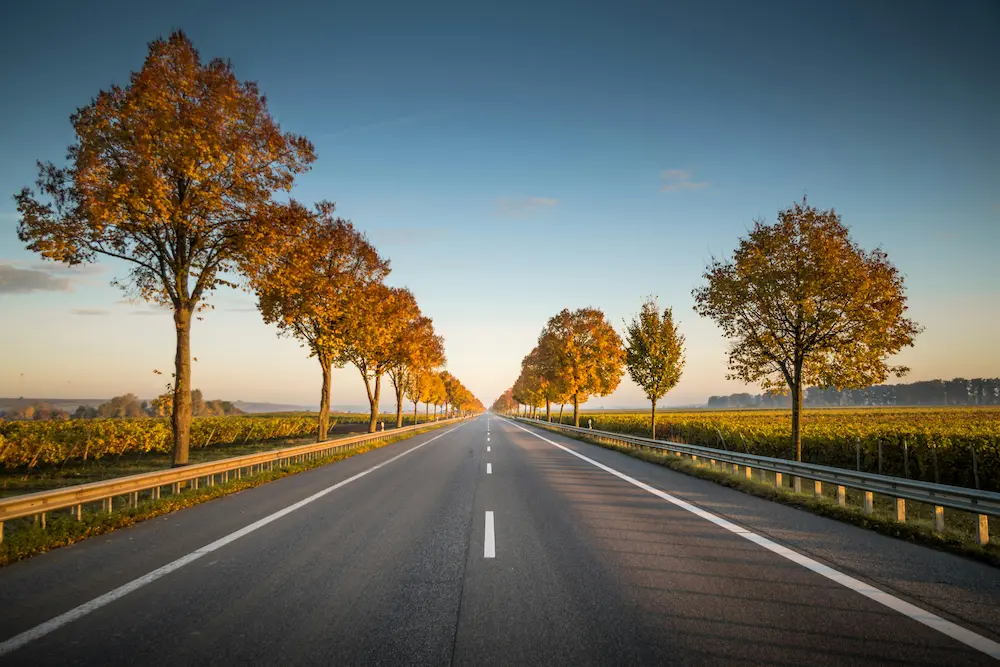
A road trip gives travellers more control over the route and makes it easier to stop at smaller towns, viewpoints, and natural attractions. The Americas, Europe, Australia, and New Zealand offer many routes suited to self-drive travel. Before starting, I would plan fuel stops, driving distances, accommodation, road conditions, and vehicle insurance. Some routes look short on a map but take much longer because of mountain roads, traffic, weather, or limited services.
8. Paragliding
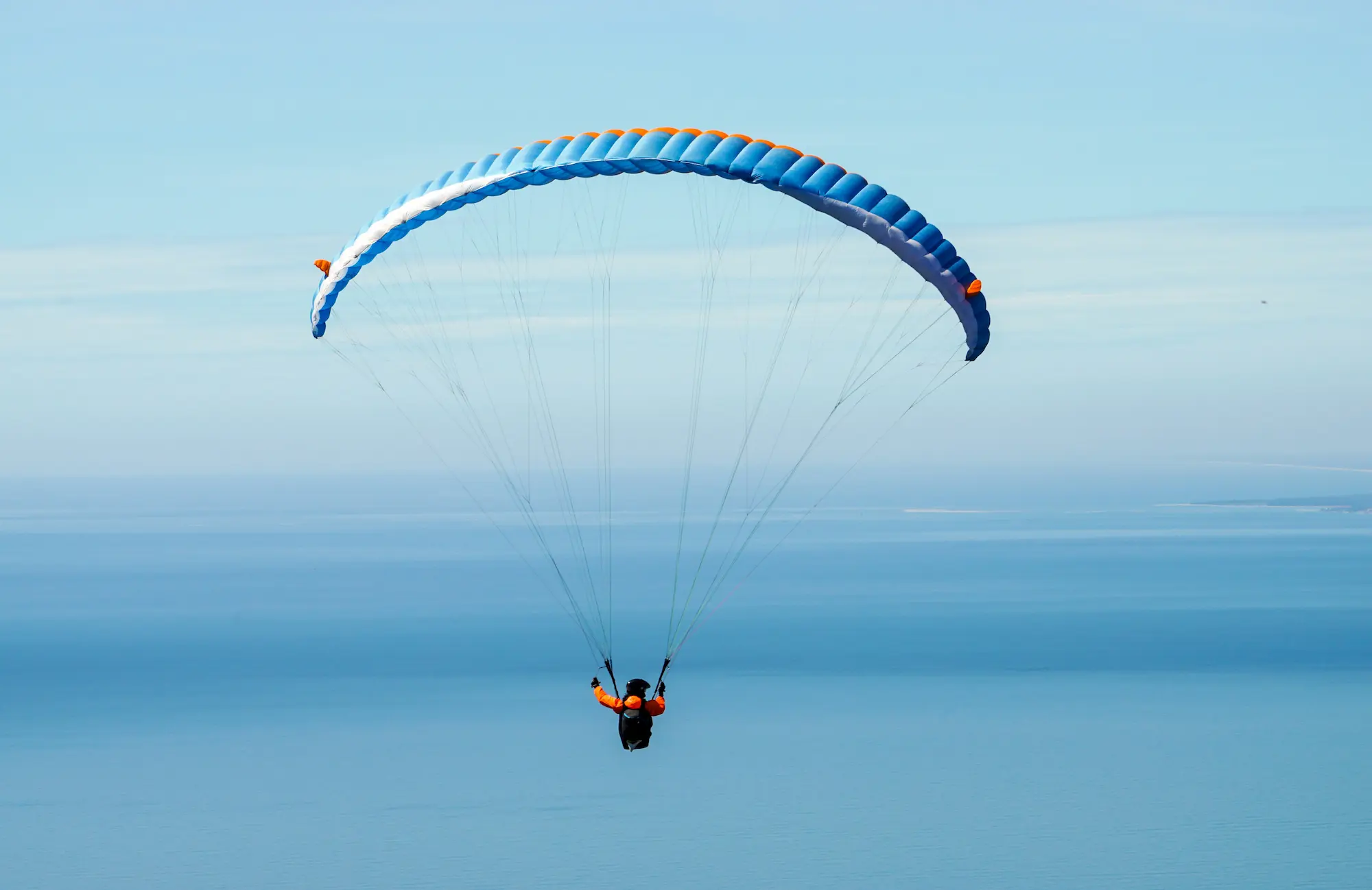
Paragliding is usually experienced by travellers through tandem flights with a qualified pilot, making it accessible even without previous flying experience. Mountain and coastal areas in Asia and Europe are popular locations because of their terrain and suitable flying conditions. Weather is a major factor, and flights may be delayed or cancelled when conditions are unsuitable. I would always choose a licensed operator and check the flight details, safety arrangements, age limits, and insurance requirements beforehand.
9. Desert Safari
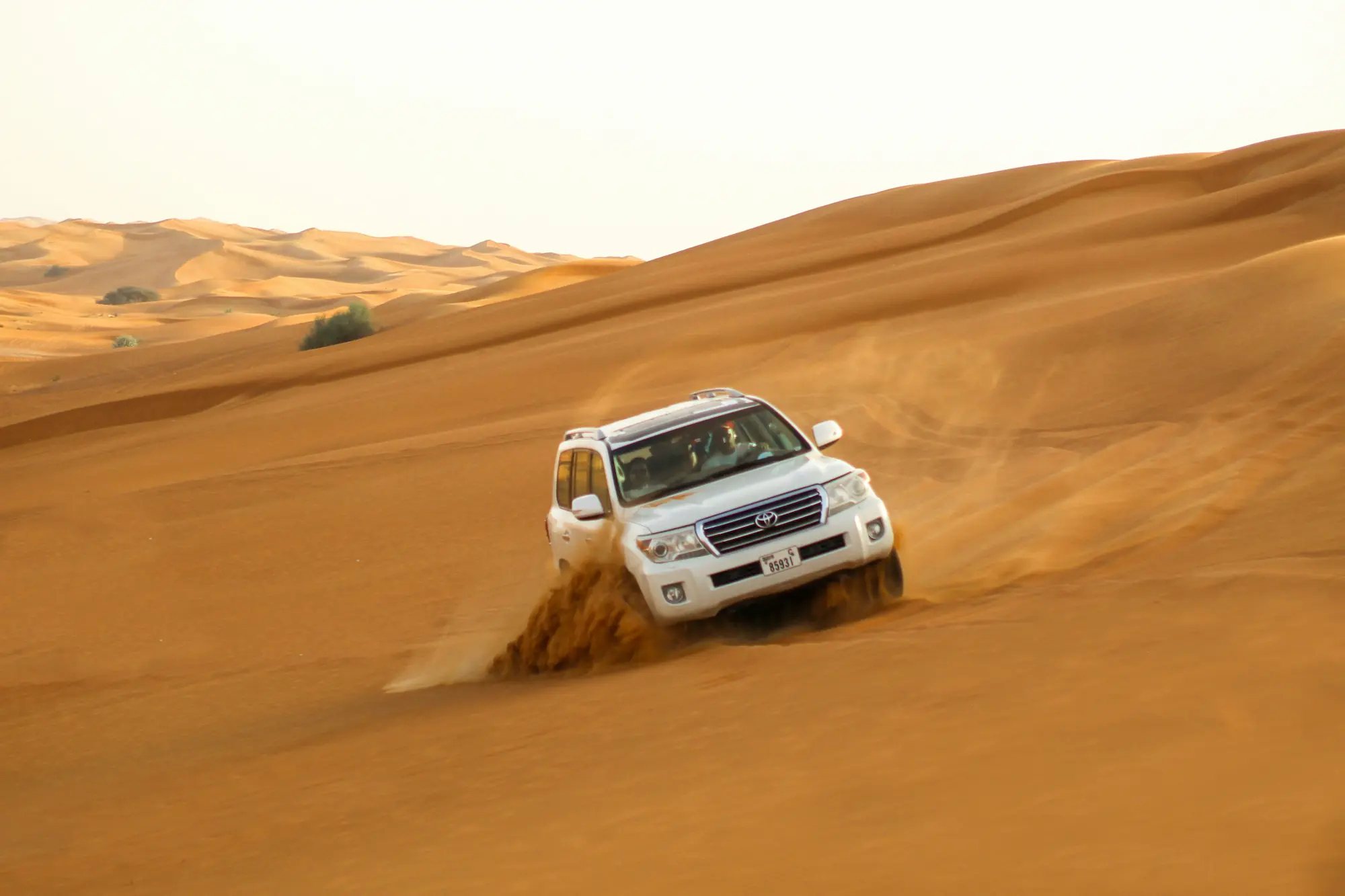
A desert safari combines outdoor travel with activities such as dune drives, sandboarding, camel rides, and visits to desert camps. The Arabian Desert, Rajasthan, Morocco, and parts of Namibia offer different types of desert experiences. Most organised safaris are suitable for beginners, although dune driving can be physically demanding. I would check the season, travel distance, activity options, and what the package includes before booking, especially if the trip involves long hours in hot and dry conditions.
10. Rock Climbing
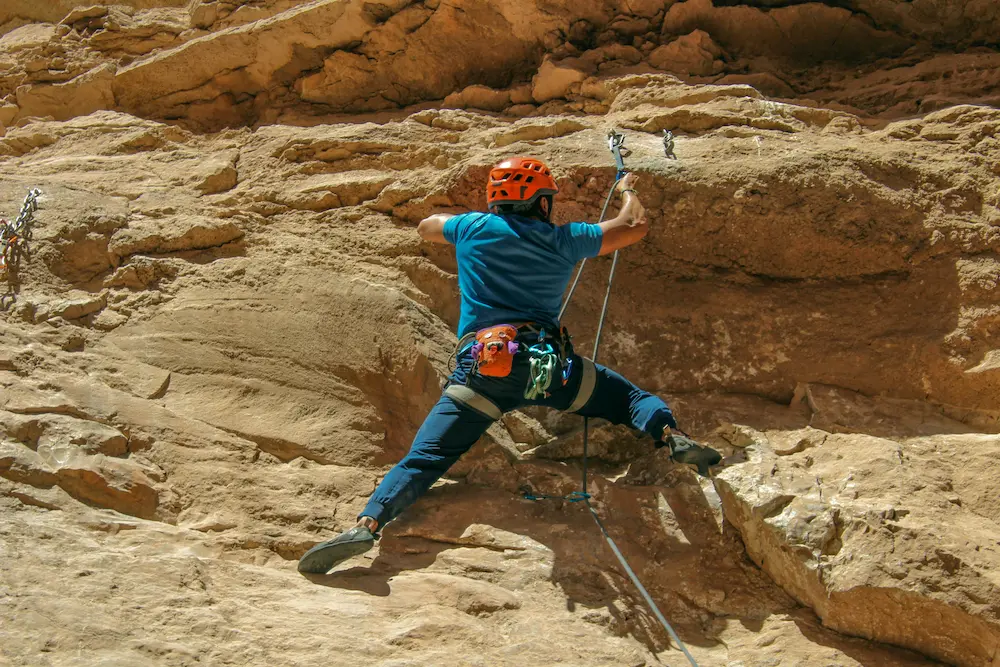
Rock climbing requires more preparation than many entry-level outdoor activities because technique, equipment, and safety systems are important. Popular climbing areas can be found across Europe, the Americas, and Asia, with routes ranging from beginner-friendly walls to technically demanding climbs. New climbers can start at an indoor climbing centre or join a guided outdoor session. Experience, weather, equipment, route difficulty, and local climbing rules should be considered before choosing an outdoor route.
Adventure Travel by Budget
Adventure travel can be planned across different budgets. The main cost differences usually come from accommodation, transport, activity fees, equipment, and the level of service included. Budget travellers can reduce expenses by using hostels, campsites, public transport, local operators, and shared tours. Mid-range trips offer more comfort without relying on premium services, while luxury travel may include private guides, high-end accommodation, exclusive activities, and convenient transfers. The table below gives a simple comparison of what you can generally expect at each budget level.
| Travel Style | Approx. Budget Per Person/Day | Typical Activities | Accommodation | Best For |
|---|---|---|---|---|
| Budget Adventure | $25–$60 | Trekking, Camping, Cycling, Local Rafting | Hostels, Campsites, Budget Hotels | Backpackers and cost-conscious travellers |
| Mid-Range Adventure | $60–$150 | Safari, Diving, Rafting, Road Trips | Comfortable Hotels, Lodges | Travellers seeking comfort and value |
| Luxury Adventure | $150–$500+ | Private Safaris, Guided Treks, Luxury Diving | Luxury Hotels, Resorts, Private Lodges | Travellers seeking comfort and personalised service |
How I Planned an Adventure Trip
Planning an adventure trip needs more preparation than a simple sightseeing holiday. I usually plan around the activity first and then choose the destination, season, budget, and other details.
1. Choosing the Adventure: I start by deciding what I actually want to do, such as trekking, rafting, scuba diving, skiing, safari, or a desert trip. This gives the rest of the planning a clear direction.
2. Selecting the Destination: I look for places where the activity is well established and suitable for my experience level. I compare transport, local facilities, costs, and the time needed to reach the activity area.
3. Checking the Best Season: Weather can affect many adventure activities. I check temperatures, rainfall, snow, water conditions, and other seasonal factors before fixing my travel dates.
4. Assessing the Difficulty Level: I consider my fitness and previous experience. Beginner routes and guided activities are usually better starting points than demanding routes that require specialist skills.
5. Setting a Realistic Budget: I calculate transport, accommodation, food, activity fees, equipment, permits, and insurance. I also keep some extra money aside for unexpected expenses.
6. Researching Activity Operators: For activities that need professional guidance, I compare operators based on safety arrangements, equipment, experience, reviews, inclusions, and cancellation policies rather than price alone.
7. Planning Transport and Accommodation: I choose accommodation with reasonable access to the activity. For remote destinations, I also check food, fuel, mobile connectivity, and nearby medical facilities.
8. Preparing the Right Equipment: I make a simple packing list based on the activity. I carry essential clothing, footwear, water, sun protection, and safety items, while renting specialist equipment when practical.
9. Keeping the Itinerary Flexible: I avoid making the itinerary too tight. Weather, delays, or cancellations can change an adventure plan, so I leave some spare time.
10. Checking the Final Details: Before leaving, I confirm bookings, weather, permits, timings, documents, and local rules. This final check helps reduce avoidable problems during the trip.
Adventure Travel Safety Tips
Adventure travel requires careful planning because conditions can change quickly and activities may involve unfamiliar terrain, water, heights, wildlife, or physical effort. Before starting, check the weather, local conditions, trail or road status, and any activity restrictions. Choose an experience that matches your fitness and previous experience rather than selecting a difficult option without preparation. Use proper equipment and check rented gear before use. For activities such as rafting, scuba diving, climbing, or paragliding, choose a reputable operator and follow the guide’s instructions.
Carry enough water, suitable clothing, sun protection, and basic personal supplies, especially when travelling through remote or hot areas. It is also useful to share your itinerary and expected return time with someone you trust. Keep important documents, insurance details, accommodation information, and emergency contacts accessible during the trip. Mobile coverage may be limited in remote locations, so do not depend on your phone alone.
Follow local rules, stay on marked routes, and maintain a safe distance from wildlife. Most importantly, pay attention to changing conditions and your own physical limits. If the weather becomes unsafe, equipment develops a problem, or you feel unable to continue, stop and reassess the situation rather than taking unnecessary risks.
Essential Adventure Travel Gear
The gear you need depends on the activity, destination, weather, and trip length. For trekking, hiking, and cycling, consider comfortable footwear, a lightweight backpack, quick-dry clothing, a water bottle, rain jacket, sun protection, and basic navigation tools. A headlamp and first-aid kit can be useful for longer or remote trips.
For water activities, carry or use appropriate life jackets, helmets, water shoes, dry bags, and protective clothing. Skiing and winter activities may require thermal layers, gloves, goggles, and waterproof outerwear. If you are new to an activity, renting specialist equipment can save money and reduce unnecessary luggage.
I also suggest carrying a small universal travel kit with a first-aid kit, sunscreen, insect repellent, power bank, charging cables, important documents, and emergency cash. Check the destination and activity requirements before packing so you carry only what you actually need.
| Category | Essential Gear | Useful For |
|---|---|---|
| Clothing | Quick-dry clothes, warm layer, rain jacket, comfortable socks | Trekking, camping, cycling, road trips |
| Footwear | Hiking shoes, walking shoes, sandals or water shoes | Hiking, trekking, water activities |
| Backpack | Daypack, dry bag, packing cubes | Outdoor activities and day trips |
| Hydration | Reusable water bottle, hydration bladder | Trekking, cycling, camping, desert travel |
| Sun Protection | Sunscreen, sunglasses, hat or cap | Beach, desert, trekking and outdoor activities |
| Safety | First-aid kit, headlamp, whistle, emergency supplies | Remote trips, trekking and camping |
| Navigation | Offline maps, GPS device or phone, power bank | Road trips, trekking and remote areas |
| Personal Items | Toiletries, personal medicines, insect repellent | All types of adventure travel |
| Documents | ID, passport, permits, insurance details, booking copies | Domestic and international trips |
| Activity Gear | Helmet, life jacket, harness, goggles or specialist equipment | Activity-specific adventures |
Frequently Asked Questions
What is adventure travel?
What are the best adventure activities for beginners?
How do I choose an adventure destination?
What should I pack for an adventure trip?
Is adventure travel expensive?
What is the best season for adventure travel?
How can I stay safe during adventure activities?
Do I need travel insurance for adventure activities?
Final Thought
Adventure travel does not have to mean choosing the most difficult or expensive activity. The better approach is to choose an experience that matches your interests, fitness, budget, and comfort level. Whether it is a short trek, a road trip, a wildlife safari, or a more demanding outdoor activity, proper planning can make the trip easier and safer. Check the season, prepare the right gear, follow local rules, and give yourself enough time to enjoy the experience without rushing.
The best adventure trips are often the ones that fit naturally into your travel plans. You do not need a packed itinerary to make a trip active and interesting. Start with one or two activities, understand what they require, and build the rest of the journey around them. With realistic planning and a little flexibility, adventure travel can add a different perspective to a destination while keeping the experience practical and manageable.