
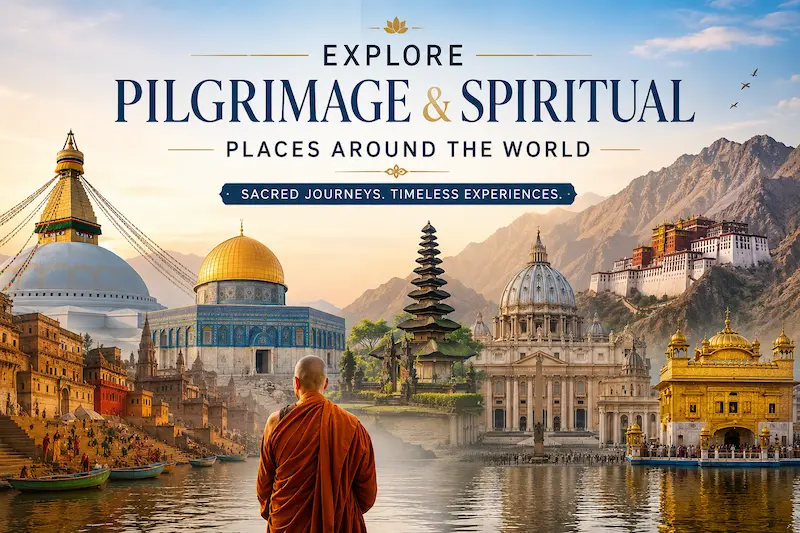
What Makes a Place Spiritually Important?
A place becomes spiritually important for many reasons. It may be connected to the life of a religious figure, an important event, an ancient tradition, or a natural feature considered sacred. Some places have attracted pilgrims for centuries, while others have become centres for meditation, prayer, reflection, or religious study. I find the most interesting aspect is that spiritual importance is not always visible in architecture or monuments. Sometimes it comes from the rituals performed there, the stories associated with the place, or the relationship local communities have maintained with it over generations. For travelers, understanding this context can make a visit more respectful and meaningful.
Sacred Places and Pilgrimage Destinations You Should Visit
Some places invite people to pray, some encourage quiet reflection, and others carry traditions that have continued for centuries. From ancient temples and historic churches to mosques, shrines and sacred landscapes, each destination offers a different way to understand how religion shapes people, communities and travel. Some are deeply connected with pilgrimage, while others also attract travellers interested in history, architecture and local culture. Here are ten pilgrimage and spiritual destinations around the world that offer something meaningful to explore beyond the usual sightseeing experience.
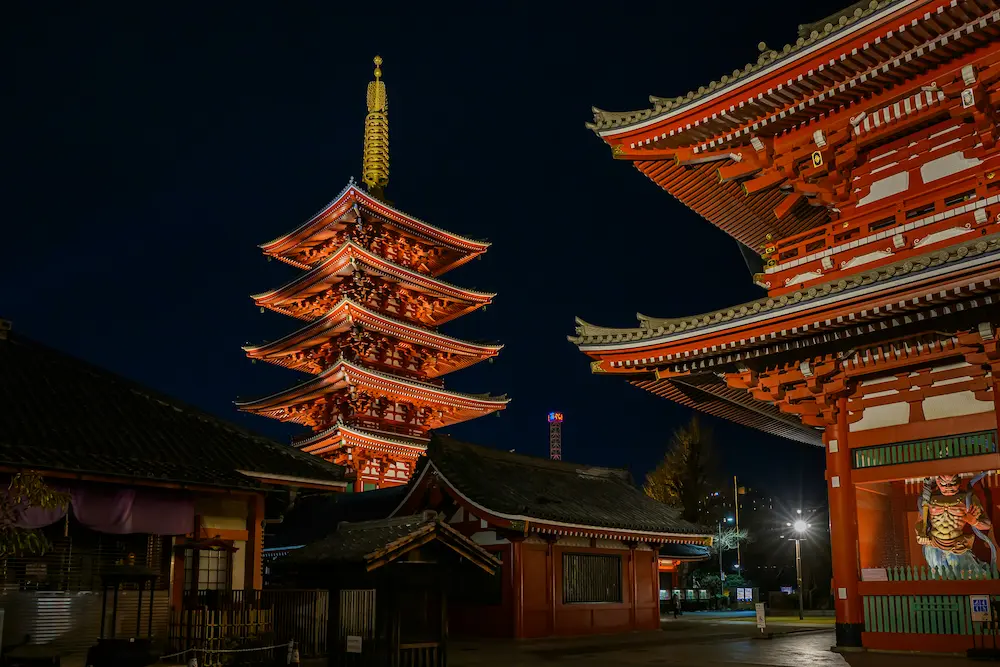
1. Senso-ji Temple
Tokyo, JapanSenso-ji is one of those places where Tokyo’s modern pace feels noticeably different. Located in Asakusa, the temple sits among busy streets, small shops and traditional lanes, yet the atmosphere changes as I move toward the temple grounds. Visitors come to pray, draw fortunes, make offerings and take part in familiar Buddhist practices rather than simply admire the architecture.
I would include Senso-ji on a spiritual itinerary for the way it connects everyday Tokyo with an older religious tradition. Early morning is particularly useful if you want some quiet time before the surrounding area becomes busy.
2. Kashi Vishwanath Temple & Ghats of Varanasi
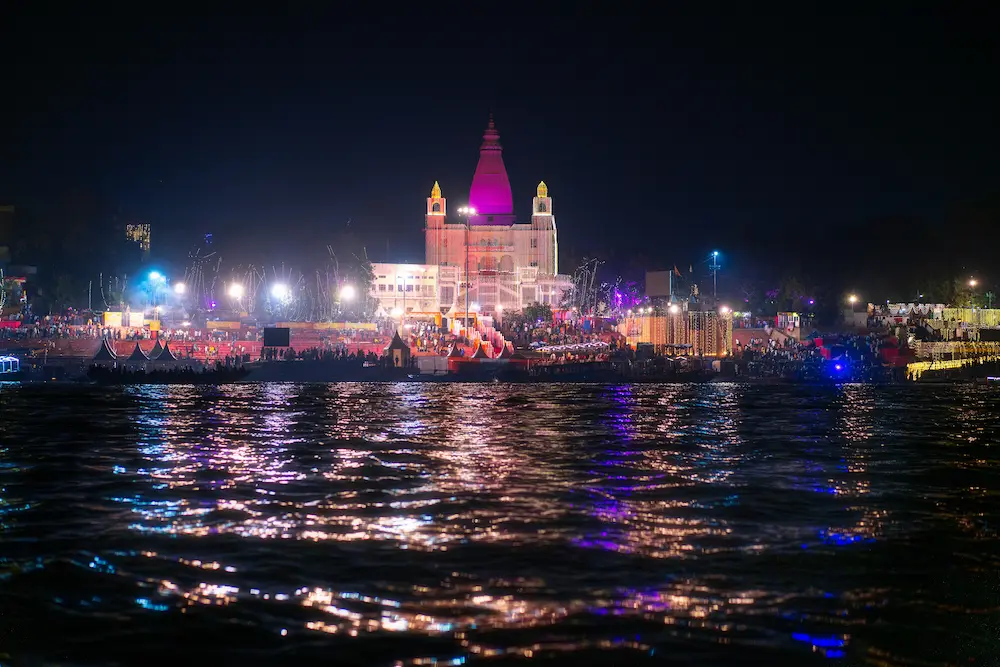
Varanasi, IndiaVaranasi is best understood through its daily rhythm rather than through one monument. The Kashi Vishwanath Temple is an important Hindu pilgrimage site, while the ghats along the Ganges bring together prayer, rituals, cremation ceremonies and ordinary riverside life. Walking through the old lanes and later spending time beside the river gives a much better sense of the city’s spiritual character.
If I were planning a visit, I would leave enough time for both the temple area and the ghats. They offer different perspectives on the same living tradition, and rushing through Varanasi can make the experience feel like a checklist.
3. Golden Temple — Harmandir Sahib
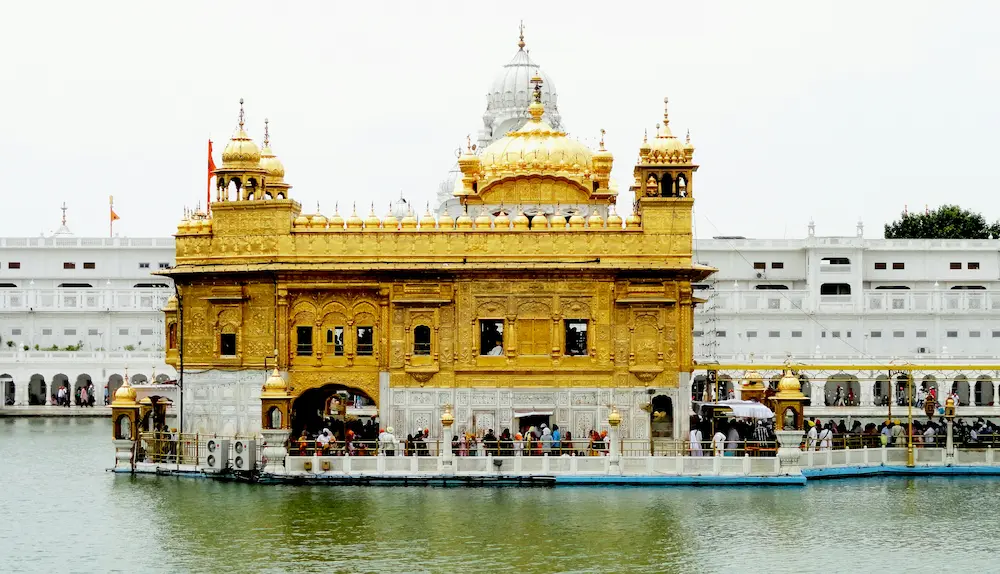
Amritsar, IndiaHarmandir Sahib, commonly known as the Golden Temple, is the spiritual centre of Sikhism and one of the most distinctive pilgrimage sites in India. What stands out to me is not only the gilded shrine in the middle of the Amrit Sarovar, but the way prayer, music, service and community activity continue around it throughout the day.
The langar is an important part of the experience. People from different backgrounds sit together for a simple communal meal, while volunteers handle much of the work. I would set aside more time here than needed for photographs because the character of the complex becomes clearer when you simply sit and observe.
4. Masjid al-Haram & Kaaba
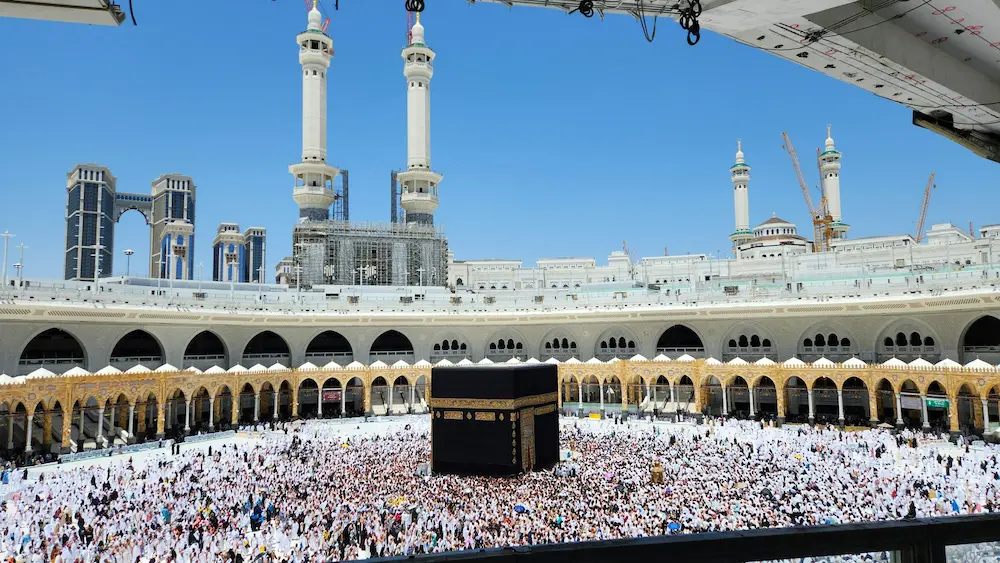
Mecca, Saudi ArabiaMasjid al-Haram in Mecca is the central pilgrimage destination of Islam and surrounds the Kaaba, toward which Muslims around the world face during prayer. The Hajj pilgrimage takes place here each year, while Umrah can be performed at other times. For Muslims, the significance of Mecca comes from its central place in Islamic worship and pilgrimage.
Travel here is different from visiting a conventional tourist attraction. Access to Mecca is restricted to Muslims, and pilgrimage involves specific religious requirements and procedures. Anyone planning Hajj or Umrah should therefore research current official rules, permits and arrangements before travelling.
5. Basilica of Our Lady of Guadalupe
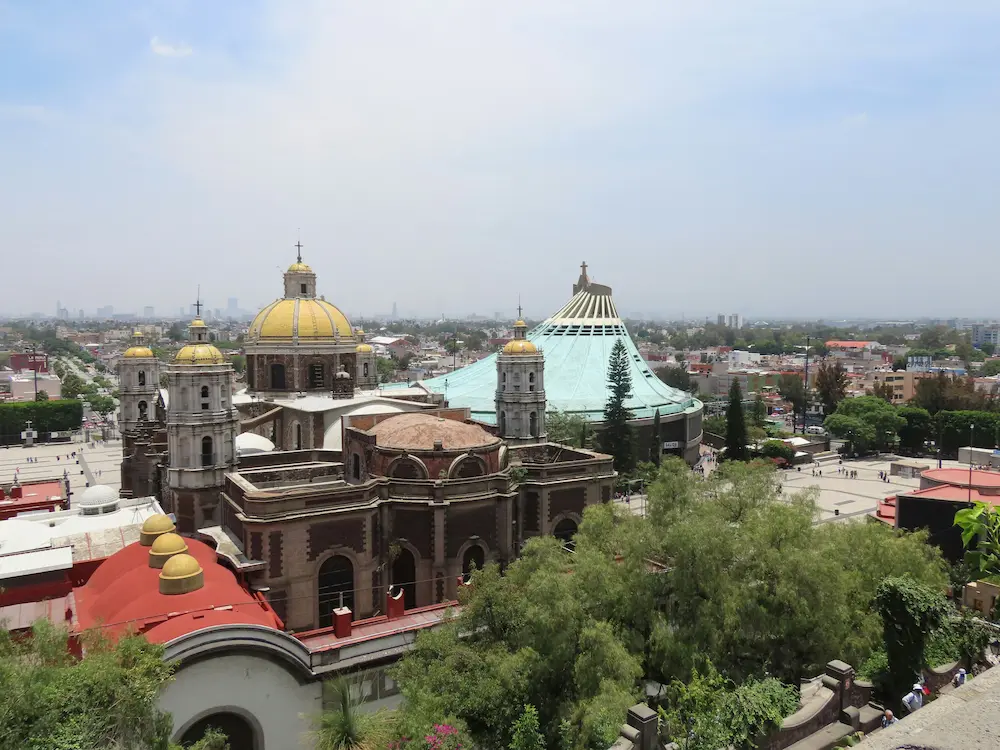
Mexico City, MexicoThe Basilica of Our Lady of Guadalupe is one of the most important Catholic pilgrimage destinations in the Americas. The site is associated with the devotion to Our Lady of Guadalupe and receives large numbers of pilgrims, particularly around her feast day in December.
What makes a visit interesting is the combination of religious devotion and Mexican cultural identity. Pilgrims arrive in different ways, including on foot, and the surrounding complex functions as an active place of worship rather than simply a historical church. If you visit, allow time to observe the pilgrims themselves instead of focusing only on the buildings.
6. Vatican City & St. Peter’s Basilica
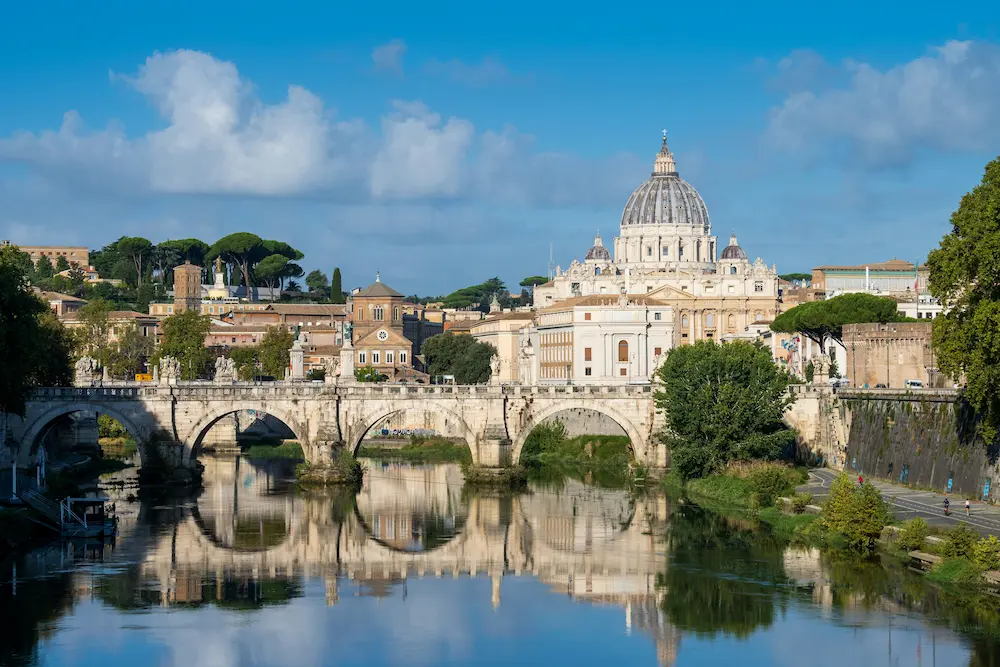
Vatican CityVatican City is the spiritual and administrative centre of the Catholic Church, while St. Peter’s Basilica is its most recognisable religious landmark. For me, the interesting part of visiting is the contrast between its role as a place of worship and its enormous artistic and architectural importance.
St. Peter’s Square, the basilica and the Vatican Museums can easily occupy a substantial part of a day. If your interest is primarily spiritual, check the schedule of Masses and other religious services rather than treating the Vatican only as a museum stop.
7. Tirumala Venkateswara Temple
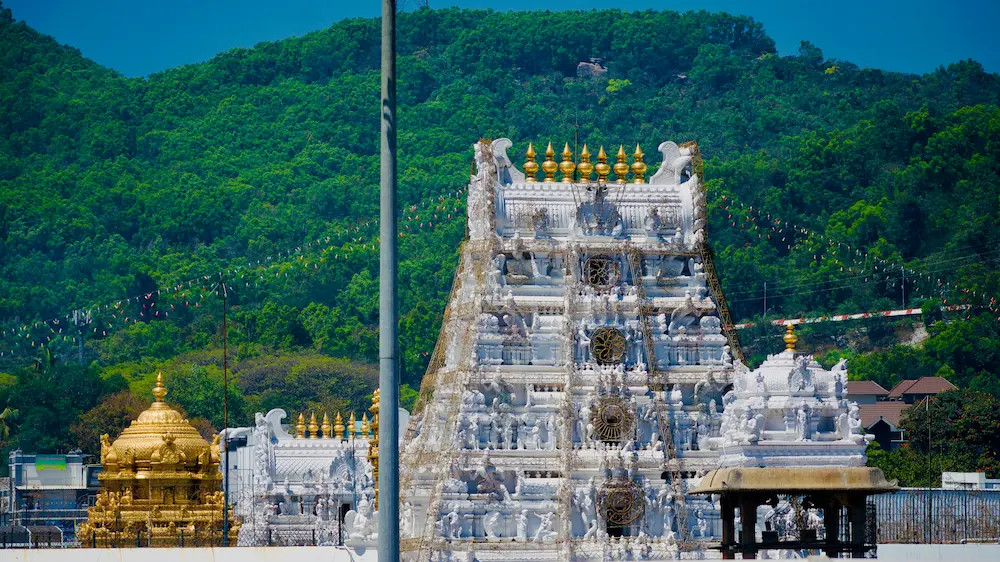
Tirupati, IndiaThe Tirumala Venkateswara Temple is one of India’s major Hindu pilgrimage destinations and is dedicated to Lord Venkateswara. The experience is closely connected with pilgrimage itself: people travel to the hill town, follow temple procedures, wait for darshan and then continue their journey.
This is not a place I would approach like an ordinary sightseeing stop. Crowd management, darshan arrangements and accommodation can significantly affect the visit. Planning ahead is especially useful if you want a smoother experience, particularly during busy religious periods.
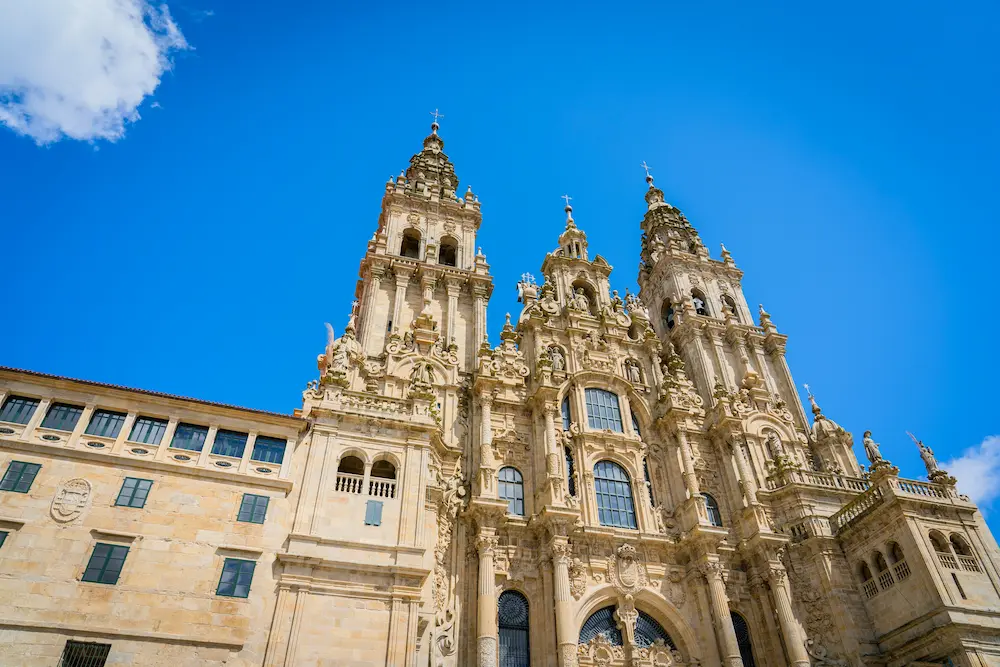
8. Santiago de Compostela
Cathedral, SpainSantiago de Compostela Cathedral is closely connected with the Camino de Santiago, a network of Christian pilgrimage routes that lead to the city in northwestern Spain. The journey is an important part of the experience, with pilgrims arriving after walking routes that can take days or weeks.
If you are interested in pilgrimage travel rather than simply visiting religious landmarks, I would consider spending some time in Santiago after completing the route. The old city, cathedral square and surrounding streets give you space to slow down after the journey.
9. Western Wall
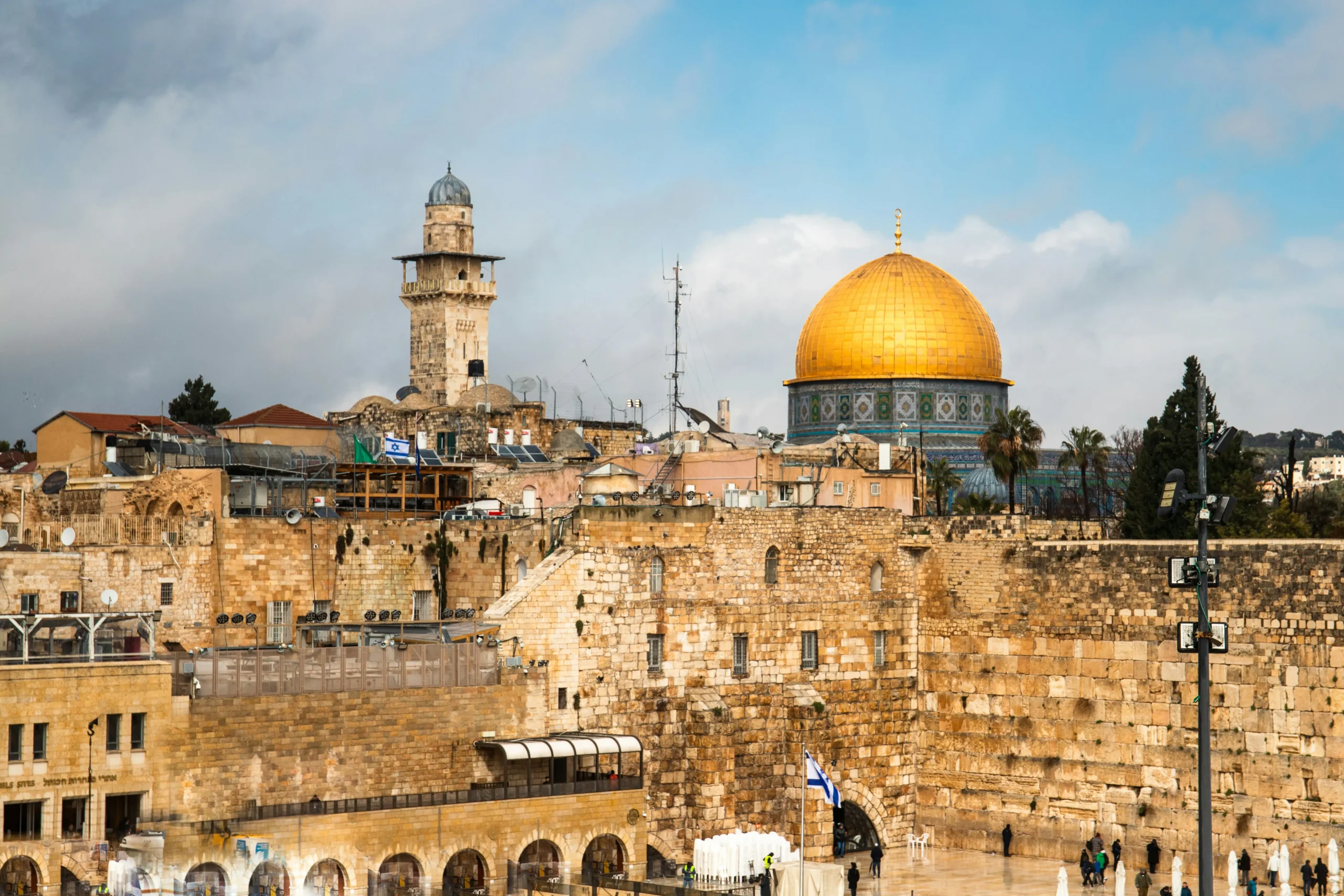
JerusalemThe Western Wall is one of the most important Jewish places of prayer in Jerusalem. Located in the Old City, it is a remaining section of the retaining wall associated with the ancient Temple complex. Visitors can see people praying, reading religious texts and placing written notes in the cracks of the wall.
The setting also makes the experience different from visiting an isolated religious monument. The Western Wall sits within a historic and religiously significant part of Jerusalem where several faith traditions have shaped the city over many centuries. Dress respectfully and check current access arrangements before visiting.
10. Angkor Wat
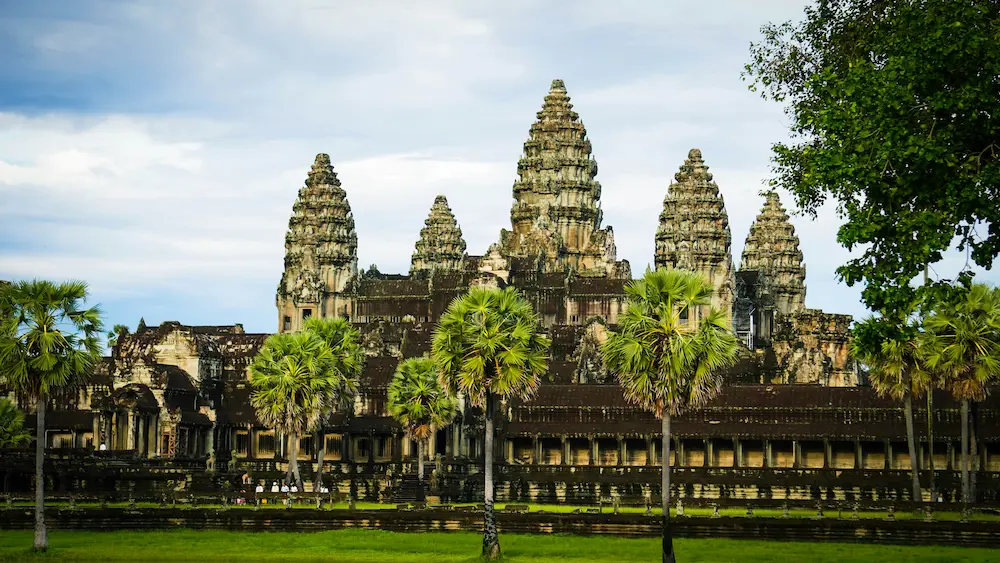
Siem Reap, CambodiaAngkor Wat is often presented mainly as an architectural attraction, but its origins as a Hindu temple and its later Buddhist use give the site a deeper religious dimension. Carved galleries, towers and long corridors make the scale of the complex immediately apparent, but I find the quieter details more interesting when exploring it slowly.
Angkor Wat is part of the larger Angkor archaeological landscape, so it makes sense to see it as more than a single temple. Starting early can help you avoid the strongest heat and gives you more time to explore the surrounding temples without rushing from one viewpoint to another.
Top Pilgrimage Travel Circuits Around the World
Pilgrimage travel can take many forms, from visiting a temple before sunrise to sitting quietly at a historic shrine or joining a centuries-old religious ceremony. I find these journeys interesting because they reveal how faith is woven into daily life, architecture, food, customs and local communities. A spiritual travel circuit also lets you experience several sacred places in one journey rather than treating each destination as an isolated stop. Here are some practical circuits to consider, depending on your interests, time and travel style
| Travel Circuit | Countries / Places | Ideal For | Suggested Duration |
|---|---|---|---|
| India Spiritual Circuit | Varanasi → Amritsar → Tirupati | Hindu & Sikh pilgrimage | 10–14 days |
| Japan Spiritual Circuit | Tokyo → Kyoto → Nara | Buddhist & traditional Japanese culture | 7–10 days |
| Catholic Pilgrimage Circuit | Vatican City → Lourdes → Mexico City | Catholic pilgrimage | 10–14 days |
| Holy Land Circuit | Jerusalem → Bethlehem → Nazareth | Christian & Jewish heritage | 5–8 days |
| Southeast Asia Spiritual Circuit | Siem Reap → Bangkok → Luang Prabang | Buddhist temples & culture | 8–12 days |
| Islamic Pilgrimage Circuit | Mecca → Medina | Hajj & Umrah pilgrims | 5–10 days |
Pilgrimage & Sacred Places Travel Tips
When planning a pilgrimage, I’d suggest treating the journey differently from a regular sightseeing trip. Start by learning a little about the customs of the place you’re visiting, especially dress codes, footwear rules, photography and appropriate behaviour. You may also want to check prayer times, ceremonies and entry arrangements before you arrive.
Try to avoid building a packed itinerary around a sacred site. Give yourself enough time to walk around without rushing, attend a service if appropriate, or simply spend some quiet time there. If you’re visiting during a major religious festival, expect larger crowds and longer queues, but if you prefer a calmer experience, consider travelling outside the busiest period.
It’s also worth checking whether visitors need permits, advance bookings or specific documentation. Some sacred destinations have access restrictions that you should understand before booking your trip. Carry comfortable clothing and footwear, particularly if your journey involves walking or standing for long periods.
Most importantly, follow the practices of the place rather than expecting it to operate like a tourist attraction. Ask before taking photographs, keep your voice low where appropriate, respect worshippers and follow instructions from staff or religious authorities. A little preparation can make your pilgrimage more comfortable while helping you experience the destination with the respect it deserves.
| Tip | What to Keep in Mind |
|---|---|
| Learn the customs | Check dress codes, prayer practices, footwear rules and other local customs before visiting. |
| Check access rules | Some sacred places have restrictions based on religion, gender, timing, permits or special occasions. |
| Choose your timing | Religious festivals can bring very large crowds. Consider whether you want to experience the festival or travel at a quieter time. |
| Allow extra time | Queues, security checks, ceremonies and prayer schedules can make visits take longer than expected. |
| Dress respectfully | Carry clothing that meets the requirements of the destination, especially when visiting temples, churches, mosques and shrines. |
| Be careful with photography | Follow signs and local instructions. Avoid photographing people during private prayers or religious ceremonies without permission. |
| Keep your itinerary flexible | Leave some free time instead of planning every hour around sightseeing stops. |
| Research local transport | Some pilgrimage centres become crowded around major sites, so understand walking routes, public transport and local transfers beforehand. |
Frequently Asked Questions
What are some of the most significant pilgrimage sites in the world?
Which country is best for a pilgrimage?
What are some of the most important spiritual places in the world?
Which pilgrimage site receives the most visitors?
What is the largest pilgrimage site in the world?
Can I take photographs inside sacred places?
Do pilgrimage destinations require advance booking or permits?
Which pilgrimage destination is suitable for a first-time traveller?
Final Thoughts
Pilgrimage travel is not simply about visiting a famous temple, church, mosque or shrine. Each destination has its own traditions, customs and way of welcoming pilgrims and visitors. I would suggest choosing a place that genuinely interests you rather than trying to cover several sacred sites in one rushed trip. Take time to understand the local practices, respect people who are there to worship and leave some space in your itinerary for quiet moments. Whether your journey is religious, cultural or simply reflective, travelling thoughtfully can make a pilgrimage feel more meaningful and respectful.