India is best experienced as a collection of distinct journeys rather than a single destination. A travel bucket list here might begin with the quiet backwaters of Kerala, continue through the forts and desert towns of Rajasthan, and end among the high-altitude landscapes of Ladakh or the beaches of the Andaman Islands. Along the way, the country offers contrasts that are geographical as much as cultural: crowded bazaars and remote villages, ancient pilgrimage routes and modern cities, tropical forests and snow-covered passes.
This guide brings together 20 of the best places to visit in India, selected for the character of the experience they offer rather than popularity alone. Some destinations are ideal for architecture and history, while others suit wildlife, trekking, food, photography, or slow travel. For each place, I’ll highlight what makes it worth considering, who it suits, what you can experience there, and the practical details to help you decide. Use the list as a starting point, then shape your route around the season, available time, budget, and the kind of journey you want to remember.
Leh-Ladakh – India’s Ultimate Himalayan Adventure
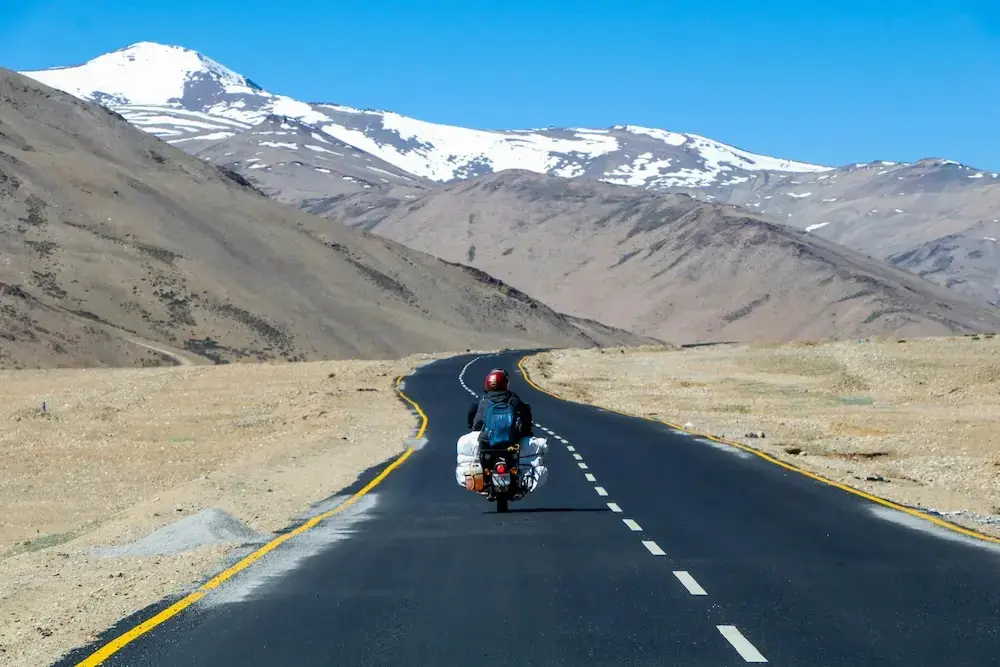
Leh-Ladakh is a destination for travellers who value open landscapes,
long roads, and a slower relationship with distance. The journey moves
through stark mountain passes, high-altitude villages, turquoise lakes,
and monasteries shaped by Tibetan Buddhist traditions. Leh works as the
practical base, while the wider region rewards time on the road, whether
you travel towards Nubra Valley, Pangong Lake, or remote settlements
beyond the main circuit. Plan carefully for altitude, changing weather,
limited connectivity, and the physical demands of travelling at high
altitude.
Leh–Ladakh at a Glance
| Travel Factor |
Details |
| Best for |
High-altitude mountain passes, ancient Tibetan Buddhist monasteries, stark cold-desert landscapes, high-altitude alpine lakes, road trips, astrophotography |
| Things to do |
Visit Pangong Tso & Tso Moriri lakes, explore Nubra Valley (Hunder sand dunes & Diskit Monastery), drive across Khardung La & Chang La passes, visit Leh Palace & Shanti Stupa, explore Hemis, Thiksey & Lamayuru monasteries, drive to Sangam (Confluence of Indus & Zanskar) |
| Experiences |
Double-humped Bactrian camel rides in Hunder, magnetic hill phenomenon, stargazing in Hanle (Dark Sky Reserve), river rafting on the Zanskar, attending monastic festivals (Hemis Tsechu) |
| How to reach |
Air: Direct flights to Kushok Bakula Rimpochee Airport (IXL) in Leh from Delhi, Mumbai, Jammu, and Srinagar. Road: Accessible via the Srinagar–Leh Highway (NH1 via Zoji La) or the Manali–Leh Highway (via Atal Tunnel & Baralacha La), open seasonally |
| Ideal duration |
7–10 days (requires a mandatory 48-hour acclimatization period upon arrival) |
| Best time |
May–September for open highways, pleasant weather, and accessible lakes; January–February for winter Chadar (frozen river) trek / Snow Leopard expeditions |
| Nearby places |
Zanskar Valley, Kargil (215 km), Drass, Spiti Valley (via Manali route), Srinagar (420 km), Manali (425 km) |
Is Leh–Ladakh Right for You?
↔
Swipe to view the full table
Agra, Uttar Pradesh – Home to the Iconic Taj Mahal
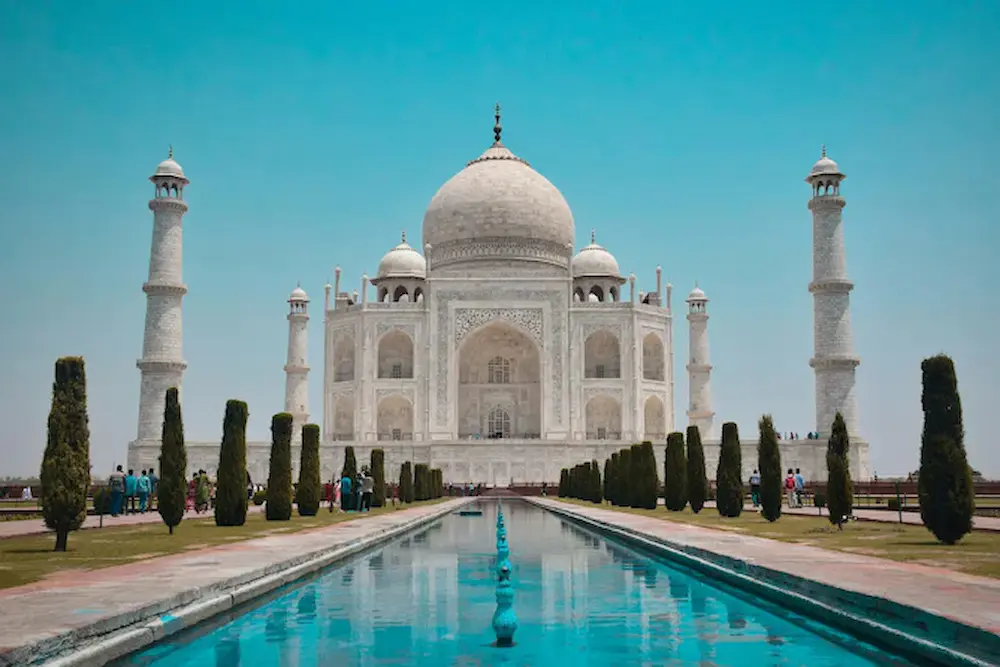
Agra is best known for the Taj Mahal, but the city offers more than a
single monument. Its Mughal heritage can be explored through Agra Fort,
Itmad-ud-Daulah, Mehtab Bagh, and the historic areas around the old city.
Agra is also an easy addition to the Golden Triangle with Delhi and
Jaipur, making it particularly useful for first-time visitors to India.
I would allow at least a full day here rather than treating the Taj Mahal
as a quick stop. Plan around crowds, heat, and early morning visits.
Agra at a Glance
| Travel Factor |
Details |
| Best for |
Mughal architecture, history, photography, heritage, culture |
| Things to do |
Visit Taj Mahal, Agra Fort, Itmad-ud-Daulah, Mehtab Bagh, Akbar’s Tomb (Sikandra), Kinari Bazar |
| Experiences |
Sunrise at Taj Mahal (closed Fridays), heritage walks, petha sampling, street food trails including Bedai-Jalebi |
| How to reach |
Express trains such as Vande Bharat and Gatimaan or the Yamuna Expressway (around 3–3.5 hours) from Delhi; Agra Airport (AGR) has select domestic flights |
| Ideal duration |
1–2 days |
| Best time |
October–March |
| Nearby places |
Fatehpur Sikri (37 km), Mathura (55 km), Vrindavan (70 km), Delhi and Jaipur as part of the Golden Triangle circuit |
Is Agra Right for You?
↔
Swipe to view the full table
Alleppey & Munnar, Kerala – Backwaters, Tea Gardens & Natural Beauty
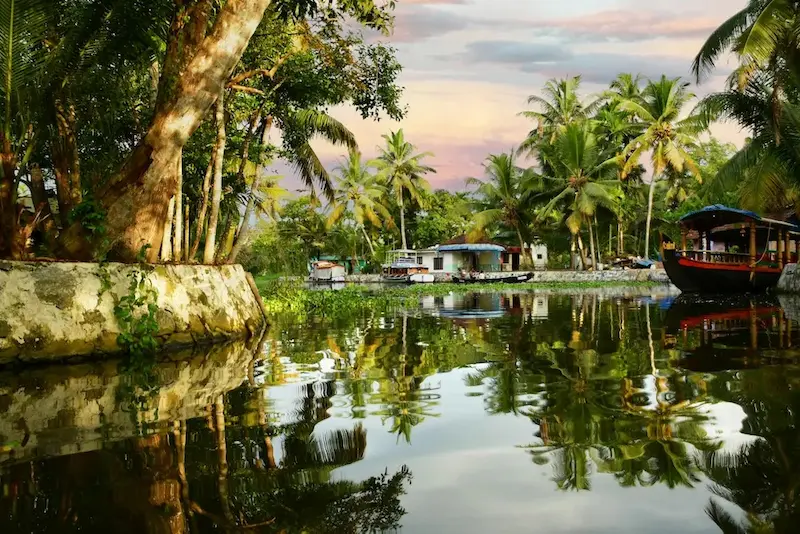
Alleppey and Munnar offer two very different sides of Kerala that work
especially well when combined in one trip. Alleppey is about slow days
on the backwaters, village scenery, houseboat journeys, and life along
the waterways, while Munnar moves into the Western Ghats with rolling
tea plantations, cool weather, waterfalls, and mountain viewpoints. I
would combine the two if you want a balanced Kerala experience rather
than staying entirely on the coast. Allow enough time for both, as the
journey between them is part of the experience.
Alleppey & Munnar at a Glance
| Travel Factor |
Details |
| Best for |
Backwaters, tea plantations, hill stations, nature, relaxation, couples, family holidays |
| Things to do |
Houseboat or shikara cruise in Alleppey, Marari Beach, Munnar tea gardens, Eravikulam National Park, Mattupetty Dam, Attukad Waterfalls |
| Experiences |
Backwater overnight stays, village canoe tours, tea factory tours, scenic mountain driving along Gap Road, Kerala Sadya and Karimeen Fry |
| How to reach |
Fly to Kochi (COK); road transit to Munnar (about 4 hours, 130 km) and Alleppey (about 2 hours, 60 km). The inter-city route between Alleppey and Munnar takes around 4.5–5 hours by road (175 km). |
| Ideal duration |
4–6 days (for example, 2 nights in Munnar + 1–2 nights in Alleppey) |
| Best time |
September–March for pleasant weather; June–August for the monsoon experience |
| Nearby places |
Kochi, Thekkady (Periyar Tiger Reserve), Kumarakom, Vagamon, Varkala, Kovalam |
Is Alleppey & Munnar Right for You?
↔
Swipe to view the full table
Jaipur & Udaipur, Rajasthan – Royal Palaces, Forts & Timeless Heritage
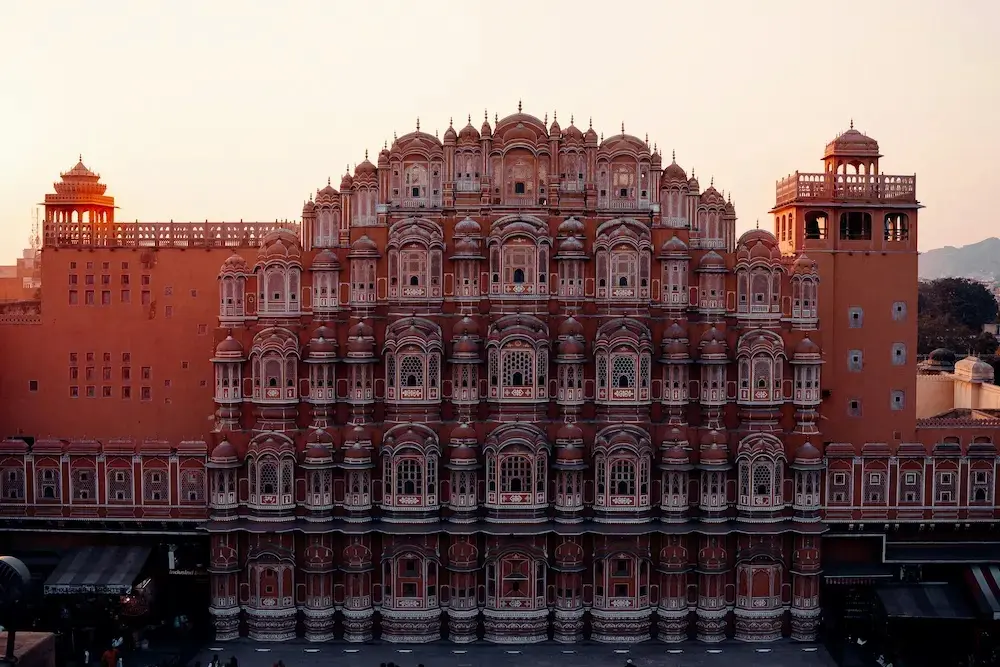
Jaipur and Udaipur offer two contrasting ways to experience Rajasthan’s
royal heritage. Jaipur is energetic and architectural, with grand forts,
palaces, bazaars, and the distinctive streets of the Pink City, while
Udaipur is more relaxed, centred around lakes, palaces, and scenic
viewpoints. I would combine them if you want both the cultural energy
and slower atmosphere of Rajasthan rather than focusing on one city
alone. Together, they work particularly well for first-time visitors,
couples, photography enthusiasts, and travellers interested in history
and architecture.
Jaipur & Udaipur at a Glance
| Travel Factor |
Details |
| Best for |
Royal heritage, forts, lake palaces, architecture, handicrafts shopping, culture, photography |
| Things to do |
Explore Amber Fort, City Palace, Hawa Mahal, Jantar Mantar and Nahargarh in Jaipur; visit City Palace, Lake Pichola, Jag Mandir, Sajjangarh (Monsoon Palace) and Saheliyon-ki-Bari in Udaipur |
| Experiences |
Sunset lake cruises on Lake Pichola, heritage walks, vibrant bazaars such as Johari and Bapu Bazar, cultural shows at Bagore Ki Haveli, and authentic Rajasthani Thali including Dal Baati Churma |
| How to reach |
Both cities have domestic airports, with Jaipur also offering international connections (JAI & UDR); direct Vande Bharat and other express trains are available, while NH48 connects the cities by road (approximately 395 km / 6–7 hours) |
| Ideal duration |
4–6 days (around 2–3 days per city) |
| Best time |
October–March |
| Nearby places |
Pushkar, Ajmer, Chittorgarh, Ranthambore National Park, Kumbhalgarh and Jodhpur |
Is Jaipur & Udaipur Right for You?
↔
Swipe to view the full table
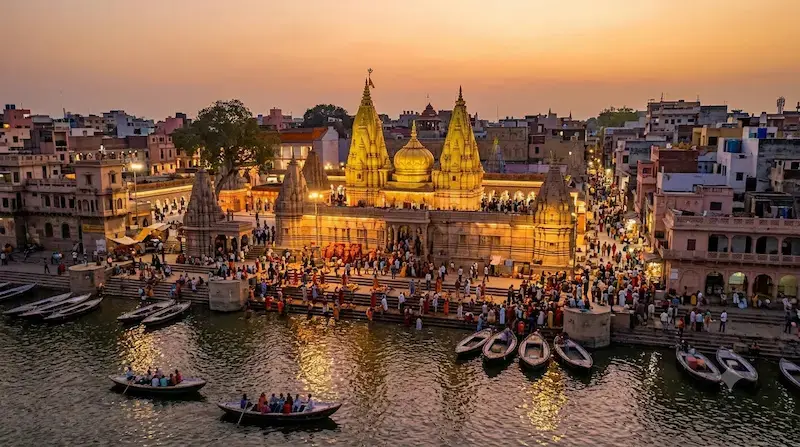
Varanasi, Uttar Pradesh – India’s Spiritual Capital
Varanasi is one of India’s most distinctive cities, shaped by centuries
of pilgrimage, ritual, music, learning, and life along the Ganges. The
experience is less about ticking off monuments and more about observing
the city’s ghats, narrow lanes, temples, markets, and daily rhythms. I
would give Varanasi at least two full days, especially if you want to
experience the river at different times of day rather than rushing
through the main sights. It can feel intense, but that is also part of
what makes the city memorable.
Varanasi at a Glance
| Travel Factor |
Details |
| Best for |
Spirituality, culture, ancient history, photography, street food, river experiences |
| Things to do |
Explore the ghats including Dashashwamedh, Manikarnika and Assi, attend the Ganga Aarti, visit Kashi Vishwanath Temple and its Corridor, Sarnath and Ramnagar Fort |
| Experiences |
Sunrise boat ride on the Ganges, evening Ganga Aarti, exploring narrow galiyan (lanes), Banarasi silk shopping, and tasting Malaiyyo, Kachori-Sabzi and Banarasi Paan |
| How to reach |
Lal Bahadur Shastri International Airport (VNS); major rail hubs including Varanasi Junction, Banaras and Pt. Deen Dayal Upadhyaya Junction; well connected by national highways |
| Ideal duration |
2–3 days |
| Best time |
October–March, with Dev Deepawali in November as a major seasonal highlight |
| Nearby places |
Sarnath (10 km), Prayagraj (120 km), Ayodhya (200 km), Vindhyachal (70 km) and Bodh Gaya (250 km) |
Is Varanasi Right for You?
↔
Swipe to view the full table
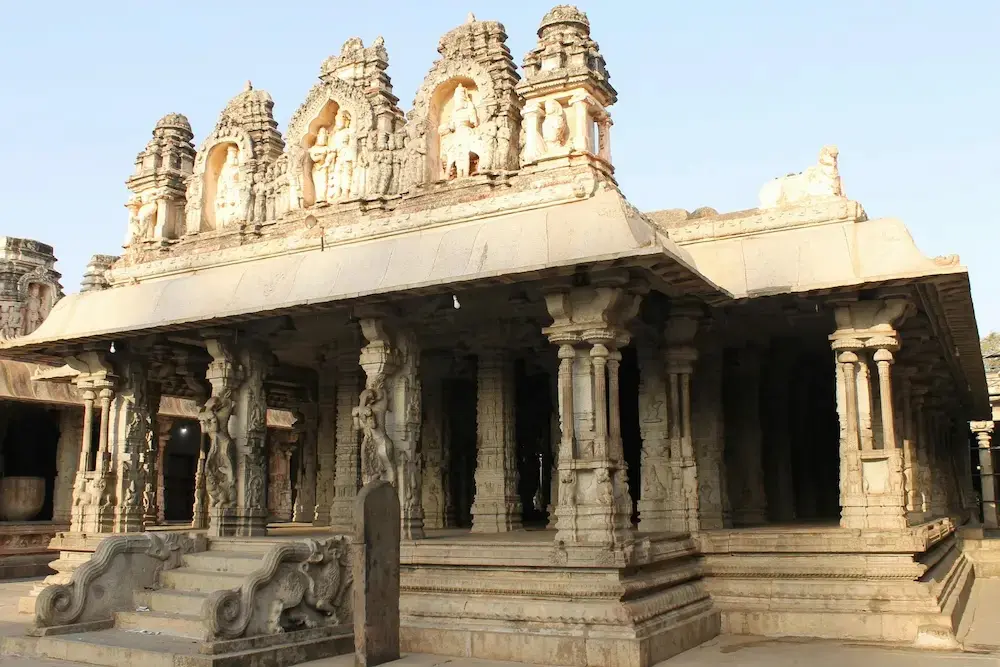
Hampi, Karnataka – The Timeless City of Ancient Ruins
Hampi is a destination where history and landscape are inseparable. The
ruins of the Vijayanagara Empire spread across a dramatic setting of
boulder-strewn hills, temples, ancient markets, and the Tungabhadra River,
making exploration feel less like a conventional monument tour and more
like discovering a lost city. I would allow at least two full days here,
particularly if you want to explore beyond the most famous temples. Hampi
suits travellers who enjoy archaeology, photography, cycling, walking,
and places where the landscape is as memorable as the heritage.
Hampi at a Glance
| Travel Factor |
Details |
| Best for |
Ancient history, UNESCO heritage ruins, Vijayanagara architecture, bouldering landscapes, photography |
| Things to do |
Explore Virupaksha Temple, Vittala Temple and its Stone Chariot, Royal Enclosure, Lotus Mahal and Elephant Stables; enjoy a coracle ride on the Tungabhadra River and visit Sanapur Lake |
| Experiences |
Sunrise or sunset views from Matanga Hill or Hemakuta Hill, bouldering, cycling through banana plantations and exploring Anegundi village |
| How to reach |
Nearest railhead is Hospet Junction (13 km); Jindal Vijaynagar Airport (VDY) at Toranagallu (about 40 km) offers regional flights from Bengaluru; Hubballi Airport (165 km) is another option |
| Ideal duration |
2–3 days |
| Best time |
October–February |
| Nearby places |
Badami (140 km), Aihole (130 km), Pattadakal (135 km), Hospet (13 km) and Dandeli (240 km) |
Is Hampi Right for You?
↔
Swipe to view the full table
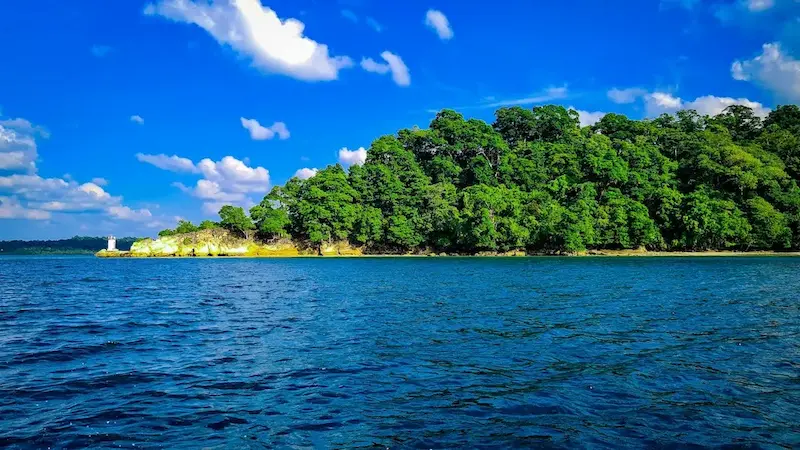
Andaman & Nicobar Islands – India’s Tropical Island Paradise
The Andaman & Nicobar Islands offer a very different side of India,
centred on clear waters, tropical forests, beaches, coral reefs, and a
slower island pace. Most visitors base their trip around Port Blair,
Swaraj Dweep (Havelock), and Shaheed Dweep (Neil), with time for beaches
and marine activities. I would choose the islands when you want a
dedicated coastal escape rather than trying to combine them with a packed
mainland itinerary. Plan around ferry schedules, weather, and the limited
transport options between islands.
Andaman & Nicobar Islands at a Glance
| Travel Factor |
Details |
| Best for |
Coral reefs, white-sand beaches, island hopping, scuba diving, water sports, romantic escapes |
| Things to do |
Visit Radhanagar Beach and Elephant Beach on Swaraj Dweep, explore Cellular Jail and its Light & Sound Show, go scuba diving or snorkelling, watch the sunset at Chidiya Tapu and explore the Baratang limestone caves |
| Experiences |
Bioluminescence night kayaking on Havelock, private catamaran trips between islands, scuba diving, glass-bottom boat tours and local seafood trails |
| How to reach |
Direct flights to Veer Savarkar International Airport (IXZ) in Port Blair from major hubs including Chennai, Kolkata, Bengaluru and Delhi; private inter-island catamarans such as Makruzz and Nautika, along with government ferries, connect Port Blair with Havelock and Neil |
| Ideal duration |
5–7 days |
| Best time |
October–May, with dry weather and generally good water visibility |
| Nearby places |
Swaraj Dweep (Havelock), Shaheed Dweep (Neil), Ross Island (Netaji Subhash Chandra Bose Dweep), Baratang and Diglipur (North Andaman) |
Is Andaman & Nicobar Islands Right for You?
↔
Swipe to view the full table
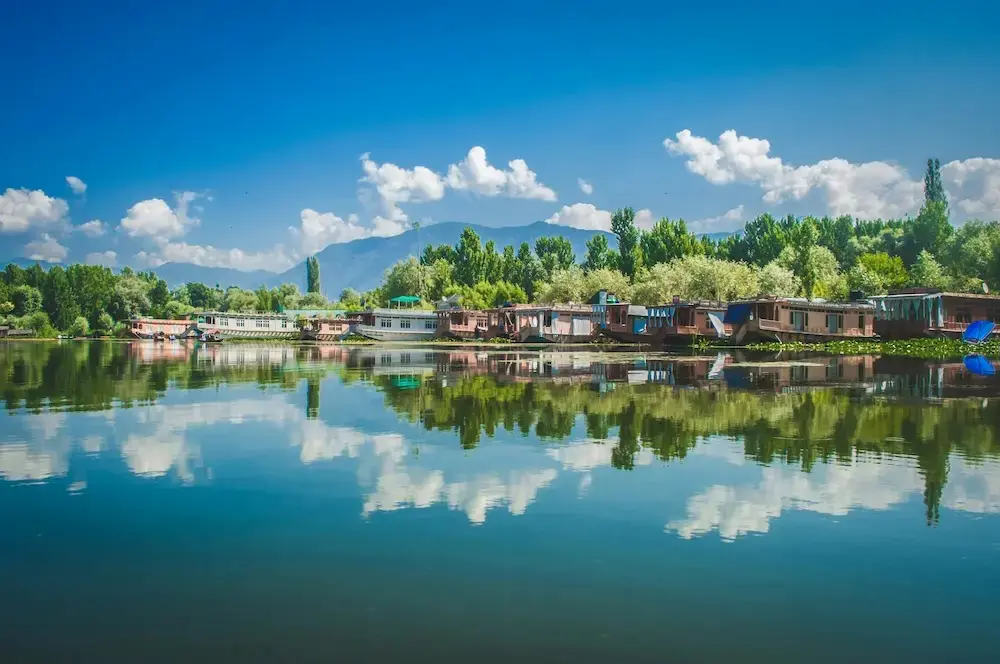
Srinagar & Gulmarg – Paradise of Lakes, Gardens & Snow-Capped Mountains
Srinagar and Gulmarg showcase two complementary sides of Kashmir: Srinagar
brings lakes, Mughal gardens, houseboats, and the cultural life of the
Kashmir Valley, while Gulmarg offers alpine scenery, meadows, and
snow-based experiences in winter. I would combine them if you want both
cultural exploration and mountain landscapes without moving between too
many places. The experience changes significantly by season, so plan
according to what you want to do—spring gardens, summer mountain scenery,
autumn colours, or winter snow.
Srinagar & Gulmarg at a Glance
| Travel Factor |
Details |
| Best for |
Lakes, snow-capped mountains, Mughal gardens, photography, alpine scenery, nature lovers, couples |
| Things to do |
Take a shikara ride on Dal Lake, stay in a heritage houseboat, explore Nishat, Shalimar and Chashme Shahi Mughal Gardens, ride the Gulmarg Gondola (Phases 1 & 2), visit Pari Mahal and Hazratbal, and explore Drung Waterfall near Tangmarg |
| Experiences |
Watch the floating vegetable market at dawn, taste authentic Wazwan and Kahwa, enjoy alpine skiing and snowboarding in winter, try heli-skiing, and take a heritage walk through Old Srinagar |
| How to reach |
Fly to Sheikh ul-Alam International Airport in Srinagar (SXR); Gulmarg is approximately 50–56 km from Srinagar by road, taking around 2 hours via Tangmarg |
| Ideal duration |
4–5 days (2–3 days in Srinagar and 1–2 days in Gulmarg) |
| Best time |
March–October for sightseeing, green meadows and flowers; December–February for snow activities and skiing |
| Nearby places |
Pahalgam (90 km from Srinagar), Sonamarg (80 km from Srinagar), Doodhpathri (42 km) and Yusmarg (47 km) |
Is Srinagar & Gulmarg Right for You?
↔
Swipe to view the full table
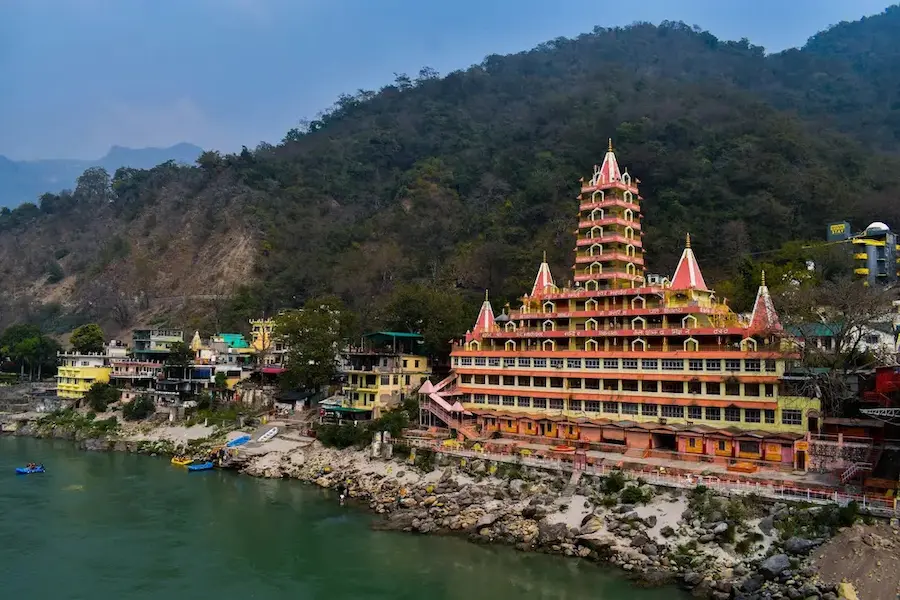
Rishikesh, Uttarakhand – Yoga & Spiritual Hub of India
Rishikesh brings together yoga, spirituality, river landscapes, and
outdoor adventure in a setting along the Ganges at the foothills of the
Himalayas. The city is known for ashrams, temples, suspension bridges,
meditation centres, and the evening Ganga Aarti, while its surroundings
offer rafting, trekking, and other active experiences. I would choose
Rishikesh if you want a destination where spiritual practice and
adventure can comfortably sit within the same itinerary. The atmosphere
varies considerably between the quieter ashram areas and the busier
riverside streets.
Rishikesh at a Glance
| Travel Factor |
Details |
| Best for |
Yoga, meditation, spiritual retreats, river rafting, adventure sports, café culture |
| Things to do |
Attend Ganga Aarti at Triveni Ghat or Parmarth Niketan, visit The Beatles Ashram (Chaurasi Kutia), explore Ram and Laxman Jhula suspension bridges, visit Neer Garh and Patna Waterfalls, and enjoy river rafting and bungee jumping |
| Experiences |
Riverside meditation, yoga courses, white-water rafting on the Ganges, cliff jumping, café hopping in Tapovan and around Laxman Jhula, and ashram stays |
| How to reach |
Dehradun’s Jolly Grant Airport (DED) is approximately 21 km away; direct train access is available via Yog Nagari Rishikesh (YNRK); good road connectivity from Delhi via NH907 and the Delhi–Dehradun Expressway |
| Ideal duration |
3–4 days |
| Best time |
September–November and February–May for pleasant weather and generally favourable conditions for water sports |
| Nearby places |
Haridwar (30 km), Shivpuri (16 km), Devprayag (74 km), Dehradun (45 km) and Mussoorie (75 km) |
Is Rishikesh Right for You?
↔
Swipe to view the full table
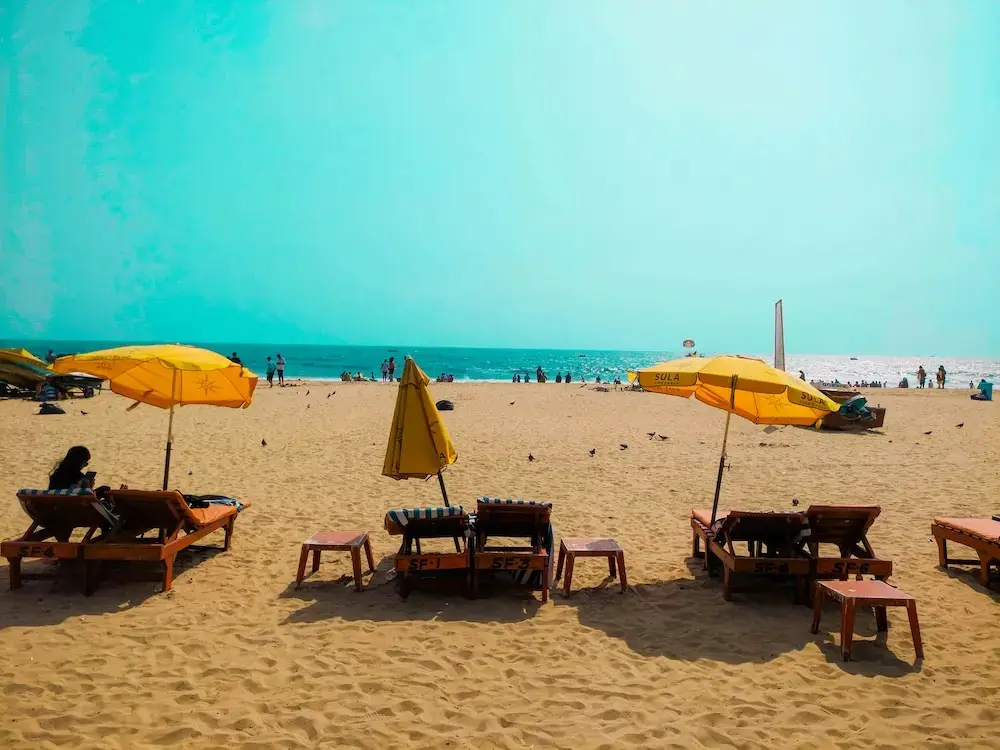
Goa (North & South) – India’s Ultimate Beach Paradise
Goa works best when you treat North and South Goa as two different sides
of the same destination. North Goa is livelier, with busier beaches,
nightlife, markets, and a wider choice of cafés and activities, while
South Goa generally feels quieter, with more space, relaxed beaches, and
resort-style stays. I would choose between them based on the kind of
holiday you want rather than trying to see every beach. Beyond the
coastline, Goa also offers Portuguese-influenced heritage, local food,
waterfalls, and a distinctive coastal culture.
Goa (North & South) at a Glance
| Travel Factor |
Details |
| Best for |
Beaches, nightlife, Portuguese heritage, seafood, water sports, relaxation, nature escapes |
| Things to do |
Explore North Goa beaches such as Anjuna, Baga and Morjim and South Goa beaches including Palolem, Agonda and Colva; visit the Basilica of Bom Jesus and Sé Cathedral in Old Goa; see Dudhsagar Waterfalls; explore Aguada and Chapora Forts; and take a Mandovi River cruise |
| Experiences |
Sunset beach sessions, Goan-Portuguese food trails featuring Vindaloo, Xacuti and Bebinca, nightlife and night markets in Arpora, water sports, e-bike or cycling tours on Divar and Chorao Islands, and spice plantation tours around Ponda |
| How to reach |
Connected by Manohar International Airport (GOX) at Mopa in North Goa and Goa International Airport (GOI) at Dabolim in Central/South Goa; major railway hubs include Madgaon (MAO) and Thivim (THVM) |
| Ideal duration |
4–6 days, ideally split between North and South Goa |
| Best time |
November–February for pleasant weather and peak festivities; October and March–April for fewer crowds |
| Nearby places |
Gokarna (135 km), Dudhsagar Waterfalls (60 km), Dandeli (100 km), Karwar (80 km) and Netravali Wildlife Sanctuary |
Is Goa (North & South) Right for You?
↔
Swipe to view the full table
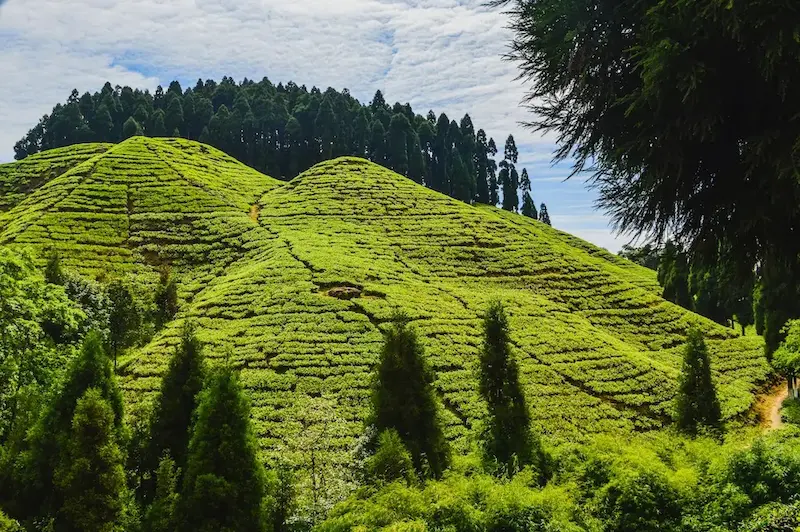
Darjeeling, West Bengal – The Queen of the Hills
Darjeeling combines Himalayan views, colonial-era character, tea estates,
and a distinctive hill-town atmosphere. On clear mornings, views towards
Kanchenjunga can be the highlight, while the Darjeeling Himalayan Railway,
tea gardens, monasteries, and surrounding viewpoints add depth beyond the
main town. I would choose Darjeeling if you want a classic mountain escape
with culture and scenery rather than a purely adventure-focused trip. The
weather can change quickly, and cloud cover is common, so keep some
flexibility in your itinerary rather than planning every day around
mountain views.
Darjeeling at a Glance
| Travel Factor |
Details |
| Best for |
Himalayan mountain views, including Mt. Kanchenjunga, tea plantations, colonial heritage, photography and hill culture |
| Things to do |
Watch sunrise at Tiger Hill, ride the UNESCO-listed Darjeeling Himalayan Railway (Toy Train), explore Happy Valley Tea Estate, visit Padmaja Naidu Himalayan Zoological Park and the Himalayan Mountaineering Institute (HMI), see the Japanese Peace Pagoda and explore Mall Road (Chowrasta) |
| Experiences |
Tea tasting sessions, sunrise views of Kanchenjunga, heritage steam train rides, sampling Tibetan and Nepali cuisine such as Momos, Thukpa and Churpee, and café hopping |
| How to reach |
Fly to Bagdogra Airport (IXB), approximately 68 km away, or take a train to New Jalpaiguri Junction (NJP), approximately 70 km away; continue to Darjeeling by private or shared taxi (around 3–3.5 hours) or the Toy Train |
| Ideal duration |
3–4 days |
| Best time |
March–May for clearer skies and rhododendrons; October–December for crisp autumn weather and clearer mountain views |
| Nearby places |
Kalimpong (50 km), Kurseong (30 km), Mirik (49 km), Sandakphu (Singalila Ridge trek base), and Gangtok in Sikkim |
Is Darjeeling Right for You?
↔
Swipe to view the full table
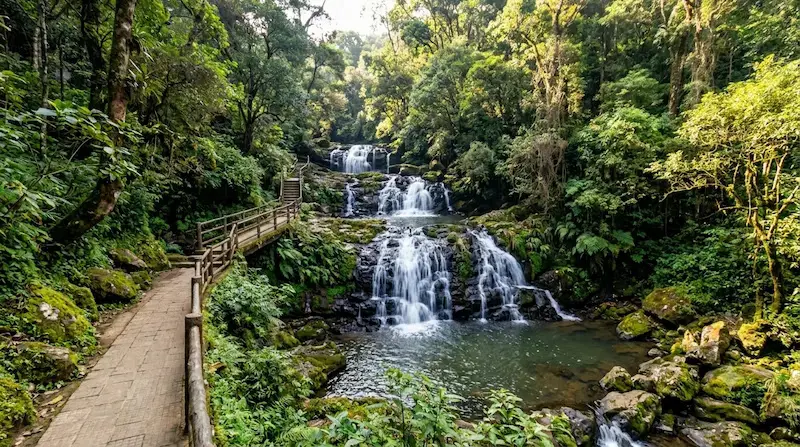
Shillong & Cherrapunji, Meghalaya – Land of Waterfalls, Living Root Bridges & Clouds
Shillong and Cherrapunji offer one of India’s most distinctive
combinations of hill landscapes, waterfalls, forests, caves, and living
root bridges. Shillong brings a relaxed hill-city atmosphere with cafés,
viewpoints, and local Khasi culture, while Cherrapunji—better known
locally as Sohra—takes you deeper into Meghalaya’s dramatic natural
scenery. I would combine the two if you want to experience Meghalaya
beyond a quick sightseeing trip. The landscape changes with the seasons,
and monsoon brings exceptional greenery and waterfalls but also heavier
rain and more challenging travel conditions.
Shillong & Cherrapunji at a Glance
| Travel Factor |
Details |
| Best for |
Waterfalls, rain-forested landscapes, living root bridges, cave exploration, Khasi cultural heritage and hill scenery |
| Things to do |
Visit Nohkalikai, Wei Sawdong and Seven Sisters Falls; trek to the Double Decker Living Root Bridge at Nongriat; explore Mawsmai and Arwah Caves; relax at Umiam Lake; visit Don Bosco Museum and Elephant Falls |
| Experiences |
Trek through jungle trails, explore limestone caves, experience Khasi village life in Mawlynnong, go boating at Dawki on the Umngot River, and sample Jadoh and other local Khasi dishes |
| How to reach |
Fly to Shillong Airport (SHL) at Umroi, which has limited flights, or fly to Guwahati Airport (GAU), approximately 120 km or 3.5 hours by road; Guwahati (GHY) is the nearest major rail hub |
| Ideal duration |
4–5 days (2 days in Shillong and 2–3 days in Sohra/Cherrapunji) |
| Best time |
October–April for dry, pleasant weather and easier cave trails; June–September for the full monsoon experience and powerful waterfalls |
| Nearby places |
Dawki (85 km), Mawlynnong (78 km), Nongriat (Double Decker Bridge), Mawsynram (60 km) and Jowai (65 km) |
Is Shillong & Cherrapunji Right for You?
↔
Swipe to view the full table
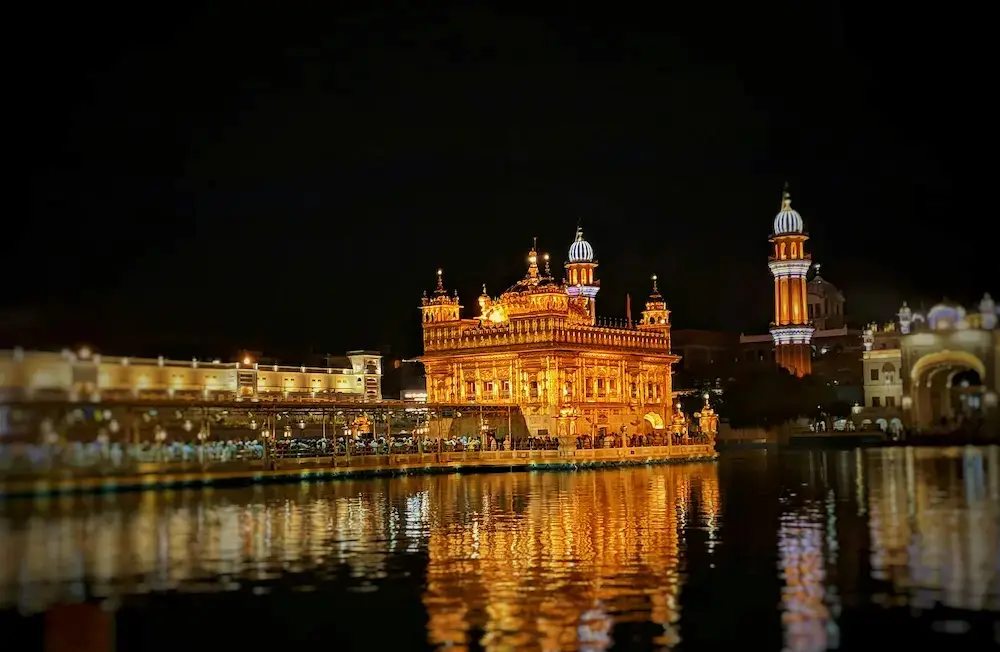
Amritsar, Punjab – Home to the Golden Temple
Amritsar is one of India’s most rewarding destinations for experiencing
Sikh heritage, architecture, food, and living culture in one place. The
Golden Temple is naturally the centrepiece, but the experience extends
to the surrounding old city, Jallianwala Bagh, local markets, and the
Wagah–Attari border ceremony. I would spend at least two days here rather
than treating Amritsar as only a Golden Temple stop. Early mornings
around the temple can be especially atmospheric, while the city’s food
culture gives you another reason to stay beyond the main sights.
Amritsar at a Glance
| Travel Factor |
Details |
| Best for |
Sikh heritage, spiritual solace, historic monuments, authentic Punjabi cuisine and border ceremonies |
| Things to do |
Pay respects at Sri Harmandir Sahib (Golden Temple), visit Jallianwala Bagh Memorial, walk through Heritage Street, witness the Attari–Wagah Border Beating Retreat Ceremony, and explore the Partition Museum and Gobindgarh Fort |
| Experiences |
See the Pavitra Sarovar at sunrise or night, participate in or observe the Langar (free community kitchen), enjoy authentic food walks featuring Amritsari Kulcha, Makhan Fish and Lassi, and explore heritage bazaars such as Katra Jaimal Singh |
| How to reach |
Fly to Sri Guru Ram Dass Jee International Airport (ATQ); Amritsar Junction (ASR) is the major railway hub; road connections include NH44 and the Delhi–Amritsar–Katra Expressway |
| Ideal duration |
2–3 days |
| Best time |
October–March for pleasant winter weather |
| Nearby places |
Attari–Wagah Border (30 km), Tarn Taran Sahib (25 km), Anandpur Sahib (190 km), Kapurthala (75 km) and Dharamshala / McLeod Ganj (200 km) |
Is Amritsar Right for You?
↔
Swipe to view the full table
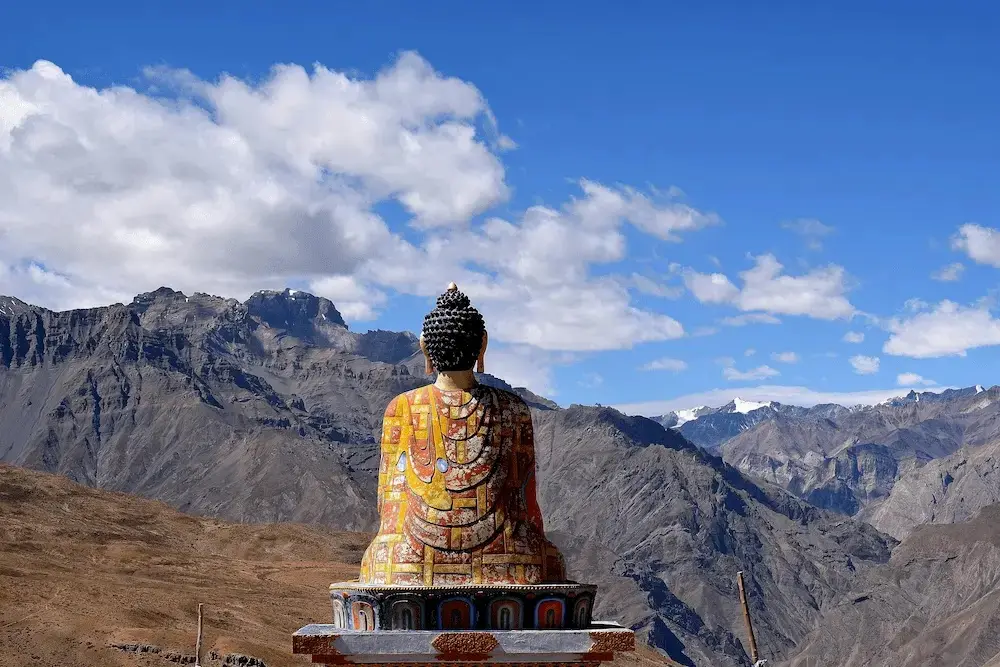
Spiti Valley, Himachal Pradesh – India’s High-Altitude Desert Wonderland
Spiti Valley is for travellers drawn to remote mountain landscapes,
high-altitude villages, ancient monasteries, and long road journeys
rather than conventional hill-station holidays. The landscape is stark
and dramatic, with barren mountains, deep valleys, rivers, and
settlements shaped by Tibetan Buddhist traditions. I would treat Spiti
as a dedicated journey rather than adding it to a crowded Himachal
itinerary, especially if you want time for places such as Kaza, Key,
Langza, Hikkim, and Dhankar. Altitude, road conditions, weather, and
limited connectivity all require careful planning.
Spiti Valley at a Glance
| Travel Factor |
Details |
| Best for |
High-altitude cold desert landscapes, road trips, ancient Tibetan monasteries, stargazing, rugged adventure |
| Things to do |
Visit Key & Dhankar Monasteries, explore Tabo Monastery (1000+ years old), visit Hikkim (World’s Highest Post Office), see Langza (fossil village) & Komic, drive across Chicham Bridge (Asia’s highest), trek to Chandratal Lake |
| Experiences |
Off-roading through Himalayan passes, homestays in remote villages, astrophotography/stargazing, sending a postcard from Hikkim, sampling local Spitian cuisine (Thukpa, Butter Tea, Seabuckthorn tea) |
| How to reach |
Accessible by road via Shimla–Kinnaur route (all-weather route, ideal for acclimatization) or Manali–Atal Tunnel–Kunzum Pass route (shorter, seasonal open June–October); nearest airport is Bhuntar (Kullu, ~245 km) |
| Ideal duration |
7–10 days |
| Best time |
June–October for open roads and pleasant conditions; January–March for winter expedition (snow leopard tours, frozen river treks) |
| Nearby places |
Kinnaur (Kalpa/Sangla), Lahaul Valley, Pin Valley National Park, Chandratal Lake, Manali |
Is Spiti Valley Right for You?
↔
Swipe to view the full table
Puducherry – The French Riviera of India
Puducherry offers a distinctive blend of Tamil culture, French colonial
heritage, seaside promenades, cafés, and a slower coastal rhythm. The
White Town area is the visual centre of the experience, with colourful
colonial buildings and quiet streets, while the wider city brings
temples, local markets, beaches, and the influence of Sri Aurobindo
Ashram and Auroville nearby. I would choose Puducherry for a relaxed
cultural break rather than a conventional beach holiday. It works
particularly well when you want a few unhurried days of walking, eating,
exploring, and enjoying the coast.
Puducherry at a Glance
| Travel Factor |
Details |
| Best for |
French colonial architecture, café culture, coastal relaxation, spiritual retreats, heritage photography |
| Things to do |
Explore French Quarter (White Town), visit Sri Aurobindo Ashram, walk along Promenade Beach (Rock Beach), explore Matrimandir at Auroville, visit Paradise Beach & Chunnambar Boat House, explore Arulmigu Manakula Vinayagar Temple |
| Experiences |
Heritage walking/cycling tours, café hopping (French bakeries/pastries), sunrise/sunset at Rock Beach, scuba diving/kayaking, exploring the contrast between French and Tamil (Heritage) quarters |
| How to reach |
Connected via East Coast Road (ECR) / NH332 from Chennai (~150 km / 3 hrs); Puducherry Railway Station (PDY) links directly to major cities; Puducherry Airport (PNY) has select regional domestic flights (e.g., Bengaluru, Hyderabad) |
| Ideal duration |
2–3 days |
| Best time |
October–March (cool, pleasant coastal weather) |
| Nearby places |
Auroville (12 km), Mahabalipuram (95 km), Chennai (150 km), Pichavaram Mangrove Forest (75 km), Chidambaram (65 km) |
Is Puducherry Right for You?
↔
Swipe to view the full table
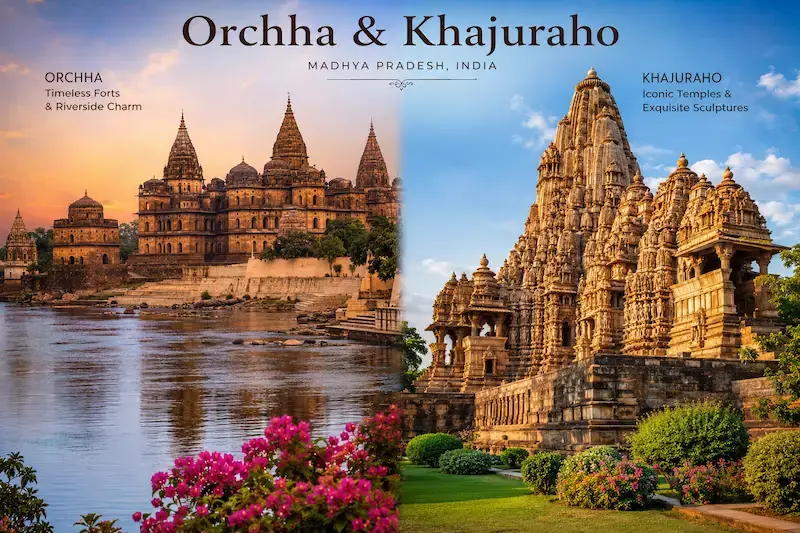
Orchha & Khajuraho, Madhya Pradesh – A Journey Through India’s Architectural Heritage
Orchha and Khajuraho reveal two very different chapters of India’s
architectural history. Orchha feels like a medieval town shaped by
palaces, temples, cenotaphs, and the Betwa River, while Khajuraho is
known for its intricately carved temple complexes built under the
Chandela dynasty. I would combine them if you are interested in heritage
beyond India’s better-known Golden Triangle, especially if architecture
and history matter more to you than nightlife or modern attractions.
Both destinations reward unhurried exploration, photography, and time
spent looking closely at the details.
Orchha & Khajuraho at a Glance
| Travel Factor |
Details |
| Best for |
Medieval Bundela architecture, Chandela temple sculpture, ancient history, heritage photography, quiet countryside escapes |
| Things to do |
Explore Orchha Fort Complex (Raja Mahal, Jahangir Mahal), Ram Raja Temple, Laxmi Narayan Temple, Chhatris (cenotaphs along Betwa River); visit Khajuraho’s UNESCO Western Group of Temples, Eastern & Southern Groups, Sound & Light Show, Raneh Falls |
| Experiences |
Sunset boat rides/kayaking on Betwa River, light and sound show at Orchha Fort, temple sculpture tours, village heritage walks, watching evening Aarti at Ram Raja Temple |
| How to reach |
Orchha is 18 km from Virangana Lakshmibai Jhansi Junction (major rail hub, ~4.5 hrs from Delhi via Shatabdi/Vande Bharat); Khajuraho has its own railway station (KURJ) and airport (HJR) with seasonal flight links to Delhi/Varanasi; connect Orchha–Khajuraho via NH39 road drive (~170 km / 3.5–4 hrs) |
| Ideal duration |
3–4 days (1–2 days Orchha, 2 days Khajuraho) |
| Best time |
October–March (cool, pleasant weather; Khajuraho Dance Festival held annually in February) |
| Nearby places |
Panna National Park (25 km from Khajuraho), Jhansi (18 km from Orchha), Datia (30 km), Gwalior (120 km) |
Is Orchha & Khajuraho Right for You?
↔
Swipe to view the full table
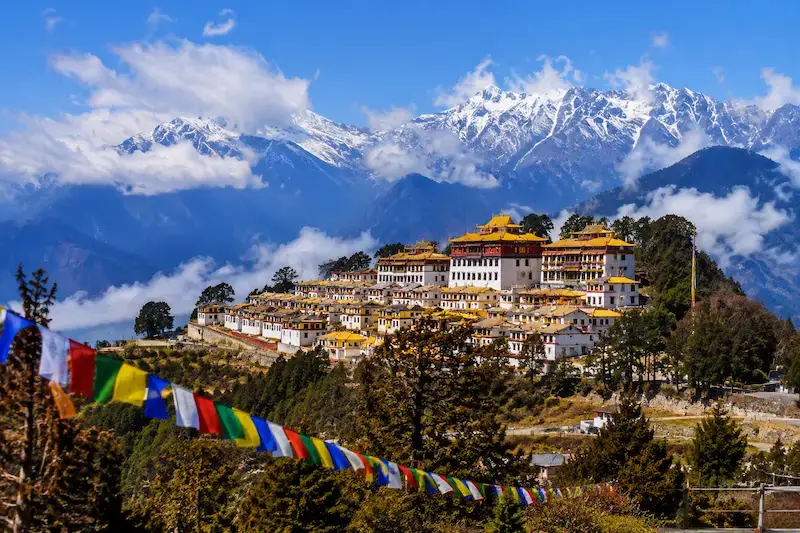
Tawang, Arunachal Pradesh – The Land of Monasteries & Himalayan Beauty
Tawang is one of the most rewarding destinations in Arunachal Pradesh
for travellers drawn to dramatic Himalayan landscapes, Buddhist culture,
and remote mountain journeys. The town is best known for
Tawang Monastery, but the surrounding region offers much
more: high mountain passes, glacial lakes, waterfalls, valleys, and
villages influenced by Monpa traditions. I would choose Tawang if you
want a Himalayan experience that feels quieter and less commercial than
many popular hill stations. The journey itself is part of the attraction,
although altitude, weather, road conditions, and permit requirements need
careful planning.
Tawang at a Glance
| Travel Factor |
Details |
| Best for |
Buddhist monasteries, Himalayan landscapes, road trips, photography, culture, nature |
| Things to do |
Visit Tawang Monastery, explore Sela Pass, see Bum La Pass and high-altitude lakes, visit waterfalls and villages |
| Experiences |
Monastery visits, mountain drives, Himalayan viewpoints, Buddhist culture, local Monpa traditions, scenic photography |
| How to reach |
Fly to Guwahati, Tezpur, or Itanagar (Donyi Polo Airport) and continue by road; Tawang is reached through a long Himalayan road journey |
| Ideal duration |
5–7 days |
| Best time |
March–June and September–October; winter for snow if road conditions permit |
| Nearby places |
Dirang, Bomdila, Sela Pass, Bum La Pass, Madhuri Lake, Zemithang |
Is Tawang Right for You?
↔
Swipe to view the full table
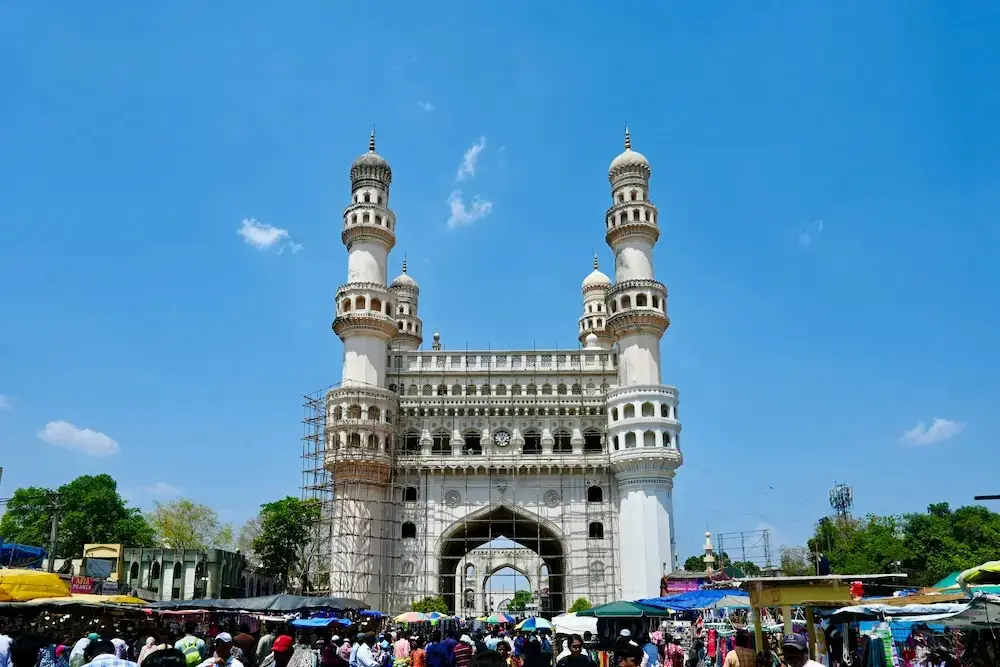
Hyderabad, Telangana – The City of Pearls & Nizams
Hyderabad brings together centuries of Deccan history, Nizami heritage,
distinctive architecture, and one of India’s most celebrated food
cultures. The Old City around Charminar provides the strongest sense of
Hyderabad’s historical character, while landmarks such as Golconda Fort,
Chowmahalla Palace, and Qutb Shahi Tombs reveal different layers of its
past. I would choose Hyderabad if you enjoy heritage, architecture,
street food, and cities where traditional and modern India exist side by
side. Give yourself enough time to explore beyond Charminar, particularly
if you want to understand the city’s history rather than simply
photograph its famous landmarks.
Hyderabad at a Glance
| Travel Factor |
Details |
| Best for |
Nizami heritage, Islamic architecture, ancient fortresses, pearl markets, authentic Hyderabadi cuisine, photography, vibrant bazaars |
| Things to do |
Visit Charminar, explore Golconda Fort (sound & light show), see Chowmahalla Palace & Qutb Shahi Tombs, explore Salar Jung Museum, stroll around Hussain Sagar Lake, tour Ramoji Film City |
| Experiences |
Heritage walks in Old City, savouring Hyderabadi Biryani & Haleem, sampling Irani Chai & Osmania biscuits, shopping at Laad Bazaar (pearls/bangles), evening walks around Durgam Cheruvu cable bridge |
| How to reach |
Connected globally via Rajiv Gandhi International Airport (HYD); direct rail links through Secunderabad (SC), Hyderabad Deccan (Nampally / HYB), and Kacheguda (KCG) stations; accessible via major national highways (NH44, NH65) |
| Ideal duration |
2–3 days |
| Best time |
October–February (pleasant winter weather) |
| Nearby places |
Ananthagiri Hills (80 km), Bidar (140 km), Nagarjuna Sagar (150 km), Warangal (150 km), Srisailam (210 km) |
Is Hyderabad Right for You?
↔
Swipe to view the full table
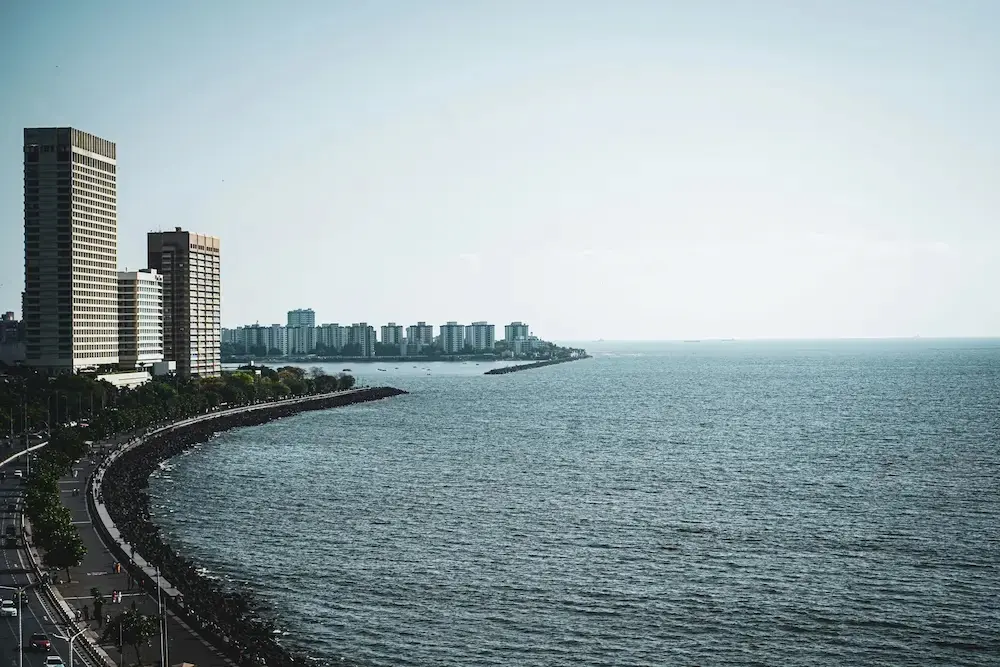
Mumbai, Maharashtra – The City of Dreams
Mumbai is a city of contrasts, where colonial-era landmarks, Art Deco
buildings, crowded markets, waterfront promenades, Bollywood, and modern
business districts exist within the same urban landscape. The Gateway of
India and Chhatrapati Shivaji Maharaj Terminus provide obvious starting
points, but I would also make time for neighbourhoods such as Colaba,
Fort, Bandra, and the city’s historic markets. Mumbai suits travellers
who enjoy energetic cities, architecture, food, and people-watching more
than conventional sightseeing. It can feel overwhelming at first, but
using local trains, metro services, and walking routes makes the city
much easier to experience.
Mumbai at a Glance
| Travel Factor |
Details |
| Best for |
Colonial & Art Deco architecture, street food, Bollywood culture, coastal promenades, bustling markets, urban heritage |
| Things to do |
Visit Gateway of India, explore UNESCO-listed CSMT station, walk Marine Drive (Queen’s Necklace), ferry to Elephanta Caves, drive Bandra-Worli Sea Link, visit Haji Ali Dargah & Siddhivinayak Temple |
| Experiences |
Sunset walks along Girgaon Chowpatty or Juhu Beach, street food tours (Vada Pav, Pav Bhaji, Bhel Puri), Kala Ghoda heritage walks, sampling Bun Maska at historic Irani cafés, shopping at Colaba Causeway & Chor Bazaar |
| How to reach |
Connected globally via Chhatrapati Shivaji Maharaj International Airport (BOM); major rail hubs at CSMT, Mumbai Central (MMCT), and Dadar; well connected via National Highways (NH48, NH66, Mumbai-Pune Expressway) |
| Ideal duration |
3–4 days |
| Best time |
November–February (dry, pleasant weather) |
| Nearby places |
Elephanta Island (1-hr ferry), Alibaug (20 km sea route/100 km road), Lonavala & Khandala (85 km), Matheran (80 km), Nashik (165 km) |
Is Mumbai Right for You?
↔
Swipe to view the full table
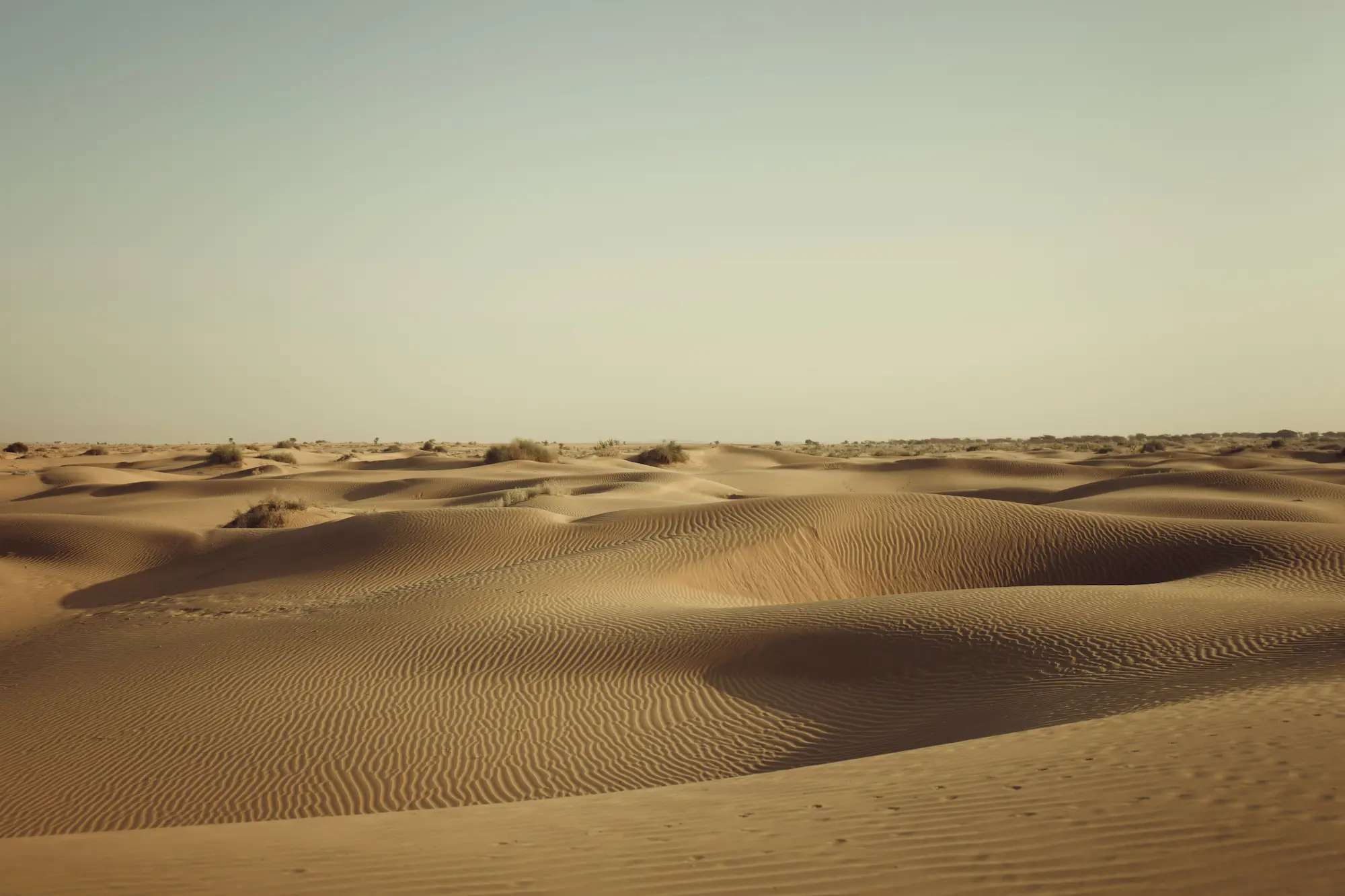
Jaisalmer, Rajasthan – The Golden City of the Thar Desert
Jaisalmer offers a very different experience of Rajasthan, built around
a living sandstone fort, desert landscapes, historic havelis, and the
culture of the Thar. The city’s golden appearance is especially striking
around sunrise and sunset, while the surrounding desert provides
opportunities for camel rides, jeep safaris, and overnight camps. I
would choose Jaisalmer if you want to combine architecture with a
genuine desert experience rather than focusing only on palaces and
forts. Allow enough time to explore beyond the fort, particularly if you
want to experience village life and spend a night in the dunes.
Jaisalmer at a Glance
| Travel Factor |
Details |
| Best for |
Golden sandstone architecture, living fort heritage, Thar Desert landscapes, stargazing, photography, camel/jeep safaris |
| Things to do |
Explore UNESCO-listed Jaisalmer Fort (Sonar Qila), visit Patwon Ki Haveli, Nathmal Ki Haveli & Salim Singh Ki Haveli, view sunset at Gadisar Lake, visit the abandoned village of Kuldhara, experience dune camping at Sam/Khuri |
| Experiences |
Sunset camel safari, dune bashing in 4x4s, overnight camping under desert stars, watching Rajasthani Manganiyar folk music and Kalbelia dance, heritage walks inside the living fort |
| How to reach |
Air: Jaisalmer Airport (JSA) has direct domestic seasonal/regular flights connecting Delhi, Mumbai, and Jaipur. Rail: Jaisalmer Railway Station (JSM) connects directly to Delhi, Jaipur, and Jodhpur. Road: Accessible via NH11 & NH68 |
| Ideal duration |
2–3 days |
| Best time |
October–March (pleasant winter weather; ideal for desert outdoor activities and the annual Jaisalmer Desert Festival in February) |
| Nearby places |
Sam Sand Dunes (45 km), Khuri Sand Dunes (50 km), Kuldhara Heritage Village (18 km), Pokhran (110 km), Jodhpur (280 km), Barmer (160 km) |
Is Jaisalmer Right for You?
↔
Swipe to view the full table
Final Thoughts: Choosing Your India
India is not a country I would recommend trying to experience all at once. The distances are large, the landscapes change dramatically, and even two places in the same state can feel completely different. That is what makes planning an India trip exciting, but it can also make choosing where to go surprisingly difficult.
If this is your first trip, I would resist the temptation to collect as many destinations as possible. Instead, think about what you actually want from your journey. If you are drawn to history and architecture, Rajasthan, Agra, Delhi, Hampi, and Khajuraho offer very different experiences. If mountains are your priority, Ladakh, Kashmir, Tawang, Himachal Pradesh, Uttarakhand, Sikkim, and Meghalaya each have their own character. For beaches and slower days, Kerala, Goa, Puducherry, or the Andaman Islands may be a better fit.
I also recommend choosing your destinations around the season. A place that looks perfect on a bucket list may not be the right choice during the month you are travelling. Weather, accessibility, local festivals, crowds, and road conditions can all change the experience considerably.
Most importantly, don’t measure your trip by how many places you manage to tick off. I would rather spend four meaningful days in one destination than rush through three places simply to say I visited them.
Use this list to discover the places that appeal to you, then explore the detailed guides to plan the practical side of your journey. Once you know what kind of India you want to experience, building the right itinerary becomes much easier.