
India is home to an extraordinary range of attractions and landmarks, from world-famous monuments and historic cities to ancient temples, dramatic landscapes and remarkable heritage sites. This guide brings together 50 must-see attractions across North India, South India, Northeast India, West India, and East & Central India, highlighting places that stand out for their historical, cultural, architectural or natural significance.
The list includes internationally recognized icons such as the Taj Mahal, Varanasi’s ghats and Kerala’s backwaters, alongside less widely known attractions such as the frescoed havelis of Shekhawati, the ruins of Hampi, Meghalaya’s living root bridges and the monasteries of Spiti. Each attraction is included for what makes the place distinctive and worth seeing, rather than simply for its popularity.
The attractions are organized regionally to make it easier to explore India’s landmarks across different parts of the country. Whether you are looking for famous monuments, iconic landmarks, historic sites or remarkable natural attractions, these 50 places provide a focused starting point for discovering some of India’s most notable sights.
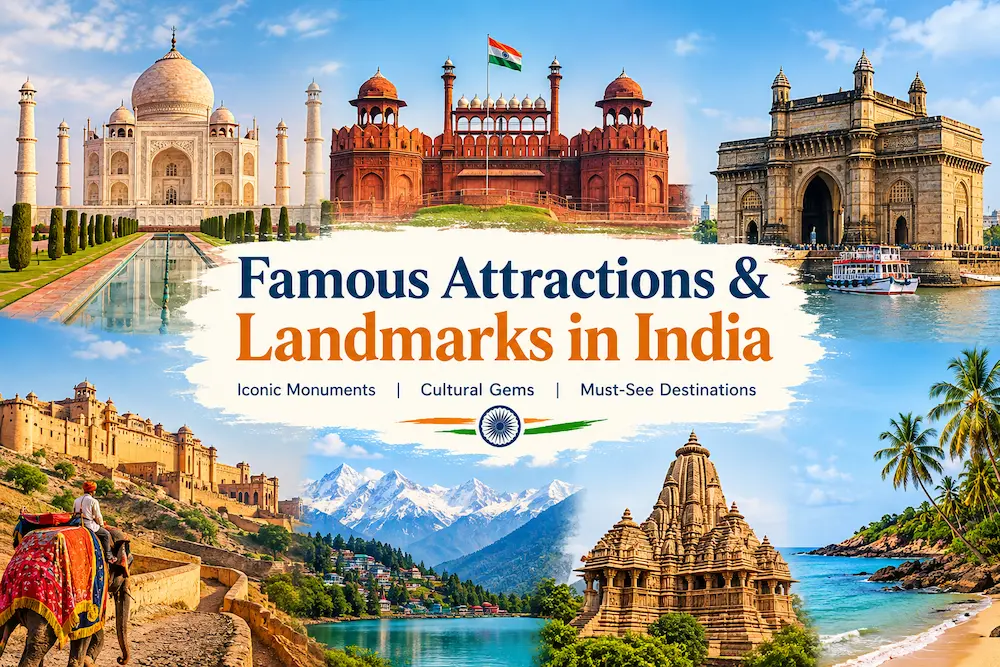
Must-See Attractions in North India
North India is home to some of the country’s most important attractions and landmarks, ranging from Mughal monuments in Delhi and Agra to Rajput forts and palaces in Rajasthan, Himalayan landscapes in Himachal Pradesh and Uttarakhand, and historic and spiritual sites along the Ganga. Together, these attractions represent the region’s diverse architectural, historical, cultural and natural heritage.
This selection highlights notable places that stand out for their historical significance, architectural character, cultural importance or distinctive landscapes. It includes internationally recognized landmarks as well as major heritage and natural attractions, providing a focused overview of the places that define North India’s sightseeing landscape.
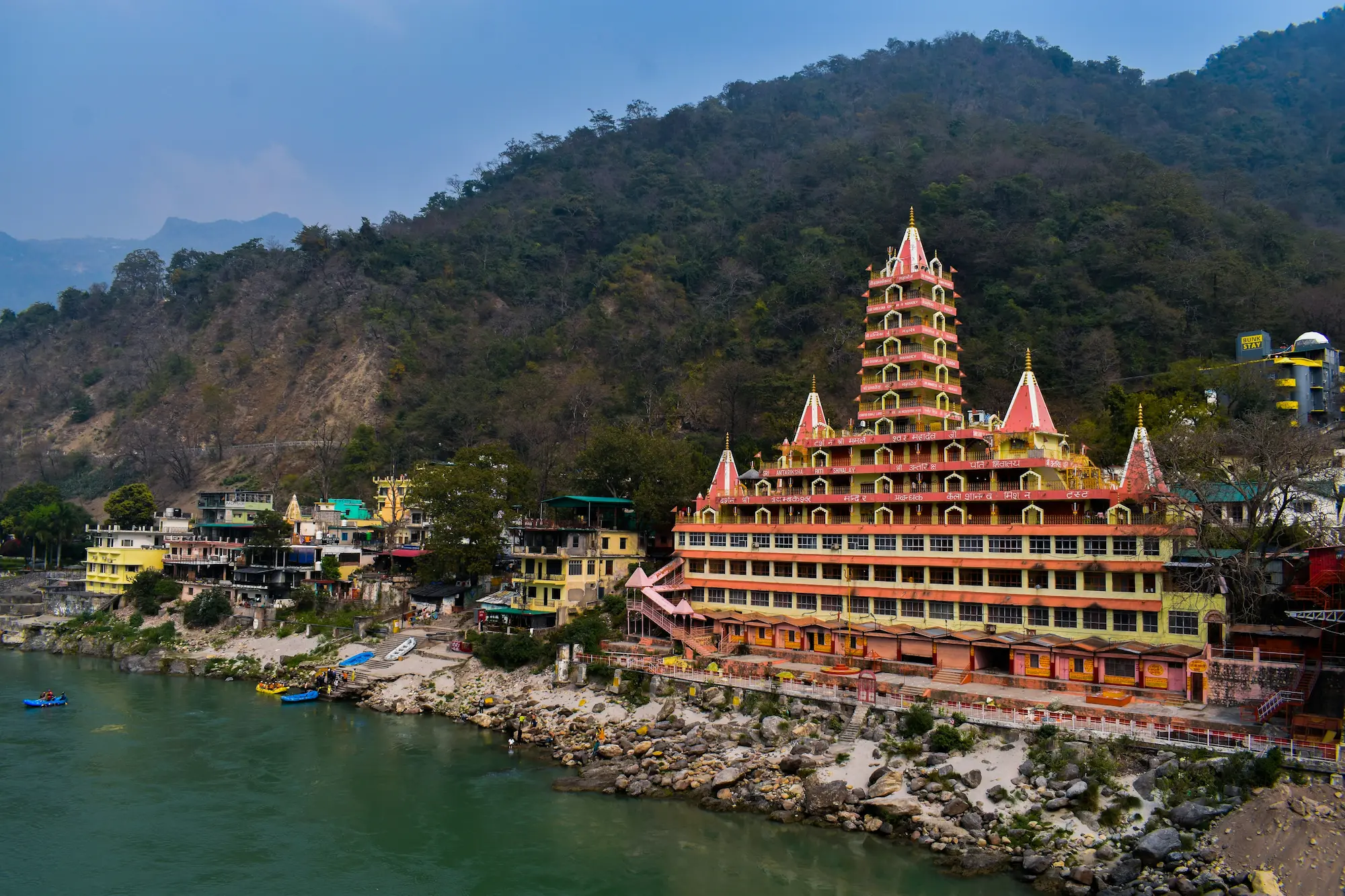
Top Attractions & Landmarks in North India
| Attraction & Location | Why Visit |
|---|---|
| Taj Mahal Agra, Uttar Pradesh | UNESCO World Heritage site and one of the New Seven Wonders of the World; renowned for its white marble Mughal architecture and history as a monument to love. |
|
The Golden Temple
Harmandir Sahib Amritsar, Punjab |
The holiest shrine of Sikhism, famous for its gilded architecture, peaceful sacred pool, and community kitchen (Langar) feeding thousands daily. |
| Ghats of Varanasi Varanasi, Uttar Pradesh | One of the world’s oldest living cities; famous for riverfront steps along the Ganges, spiritual rituals, boat rides, and the evening Ganga Aarti. |
| Red Fort & Qutub Minar New Delhi | Highlights India’s capital history; Red Fort showcases Mughal royal heritage, while Qutub Minar is the world’s tallest brick minaret. |
| Pangong Lake & Nubra Valley Ladakh | High-altitude Himalayan landscape featuring color-changing brackish lakes, mountain passes, and sand dunes with double-humped Bactrian camels. |
| Dal Lake & Houseboats Srinagar, Jammu & Kashmir | Iconic high-altitude lake famous for traditional wooden shikara boat rides, floating markets, and historic houseboats set against snow-capped peaks. |
| Rishikesh & Haridwar Uttarakhand | The spiritual capital along the Ganges at the foothills of the Himalayas, popular for yoga retreats, river rafting, and mountain pilgrimage trails. |
| Shimla & Manali Himachal Pradesh | Mountain hill stations featuring pine-forested valleys, snow-capped peaks, colonial-era architecture, and mountain sports like paragliding and skiing. |
| Valley of Flowers & Hemkund Sahib Uttarakhand | A UNESCO World Heritage high-altitude alpine park famous for endemic flower meadows, backdrop peaks, and a sacred Sikh pilgrimage site. |
| Wagah Border & Jallianwala Bagh Amritsar, Punjab | Key cultural and historical landmarks featuring the daily retreat ceremony at the international border and a memorial to India’s freedom movement. |
Must-See Attractions in South India
South India is home to a remarkable range of attractions and landmarks, from Kerala’s backwaters and hill landscapes to Tamil Nadu’s magnificent Dravidian temples, Karnataka’s historic ruins and Andhra Pradesh and Telangana’s important monuments and heritage sites. The region also features distinctive coastal landscapes and cultural attractions that reflect the diverse history and traditions of southern India.
This selection highlights notable attractions for their historical significance, architectural character, cultural importance or distinctive natural features. From the monumental temples of Tamil Nadu and the ancient ruins of Hampi to Kerala’s backwaters and the historic landmarks of Hyderabad, these places represent some of the most significant and memorable sights across South India.
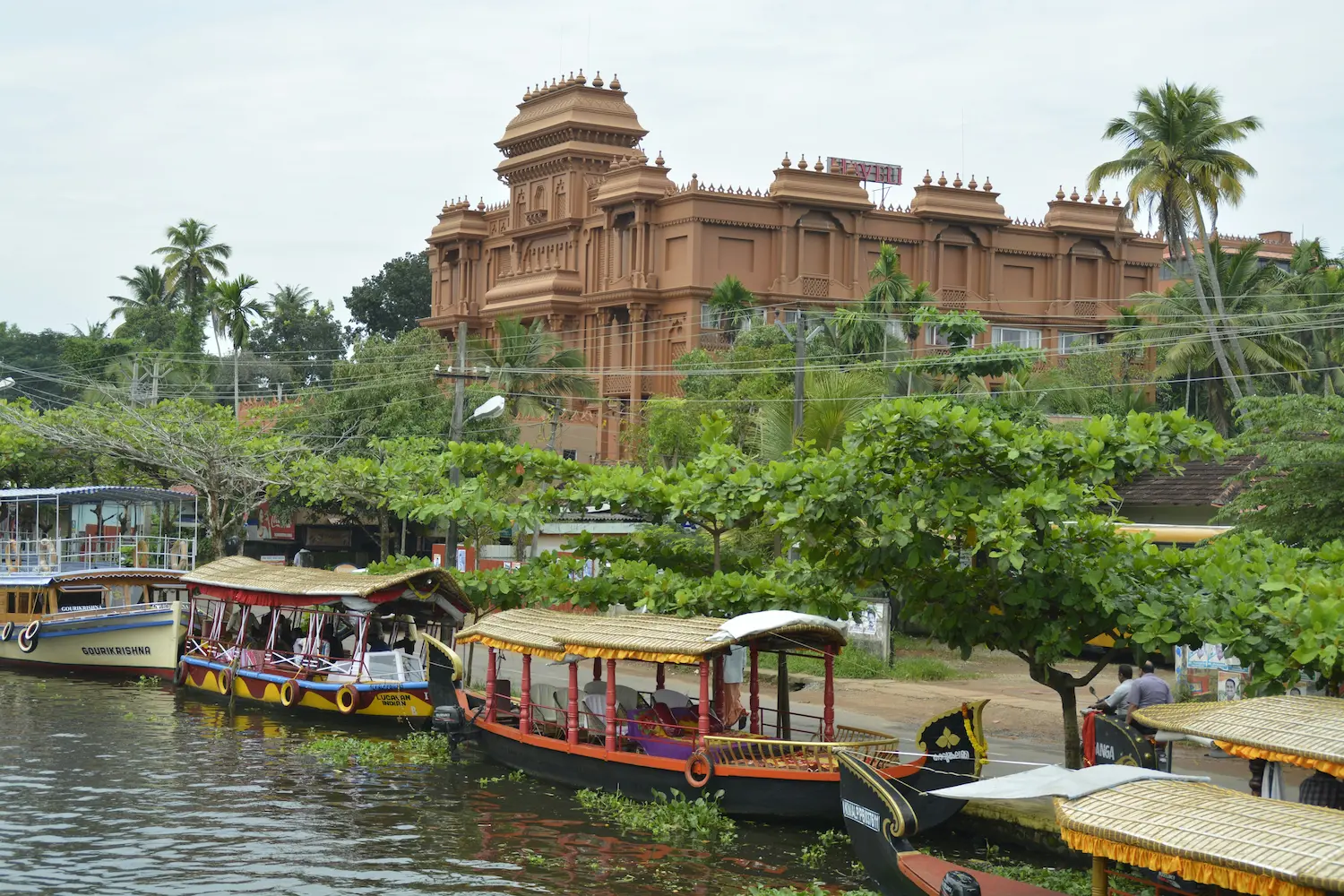
Top Attractions & Landmarks in South India
| Attraction & Location | Why Visit |
|---|---|
| Kerala Backwaters Alleppey & Kumarakom, Kerala | A serene network of brackish lagoons, rivers, and canals best explored on traditional overnight houseboats (kettuvallams). |
| Mysore Palace Mysuru, Karnataka | The grand seat of the Wadiyar dynasty, famous for Indo-Saracenic architecture and its evening illumination by nearly 100,000 light bulbs. |
| Meenakshi Amman Temple Madurai, Tamil Nadu | A masterpiece of Dravidian architecture featuring 14 towering gopurams (gateway towers) covered in thousands of colorful mythological figures. |
| Monuments of Hampi Vijayanagara District, Karnataka | A UNESCO World Heritage Site set amidst a boulder-strewn landscape, showcasing the magnificent 14th-century ruins of the Vijayanagara Empire. |
| Tirumala Venkateswara Temple Tirupati, Andhra Pradesh | One of the world’s most visited and wealthiest pilgrimage destinations, situated atop the scenic Seshachalam Hills. |
| Charminar & Golconda Fort Hyderabad, Telangana | The defining iconic 16th-century mosque with four grand arches, paired with a nearby medieval fortress famed for its acoustic design and diamond history. |
| Munnar Tea Gardens Idukki District, Kerala | Rolling green hill station covered in manicured tea plantations, misty valleys, waterfalls, and home to the endangered Nilgiri Tahr. |
| Group of Monuments at Mahabalipuram Chengalpattu District, Tamil Nadu | UNESCO World Heritage coastal site featuring 7th-century rock-cut relief sculptures, monolithic cave temples, and the oceanfront Shore Temple. |
| Coorg (Kodagu) Karnataka | Known as the “Scotland of India,” popular for sprawling coffee plantations, lush forests, waterfalls, and distinct local Kodava culture. |
| Ooty & Coonoor Nilgiris District, Tamil Nadu | Classic Southern hill stations linked by the heritage Nilgiri Mountain Railway toy train, offering cool weather, botanical gardens, and mountain views. |
Must-See Attractions in West India
West India is home to a diverse collection of attractions and landmarks, from Rajasthan’s magnificent forts and palaces to Goa’s historic Portuguese-era sites, Gujarat’s distinctive landscapes and Maharashtra’s ancient caves and heritage monuments. The region combines historic architecture, archaeological sites, cultural landmarks and remarkable natural attractions, reflecting the varied heritage and landscapes of western India.
This selection highlights notable attractions for their historical significance, architectural character, cultural importance or distinctive natural features. From the grand forts of Rajasthan and the rock-cut caves of Maharashtra to the historic quarters of Goa and the unique landscapes of Gujarat, these places represent some of the most significant sights across West India.
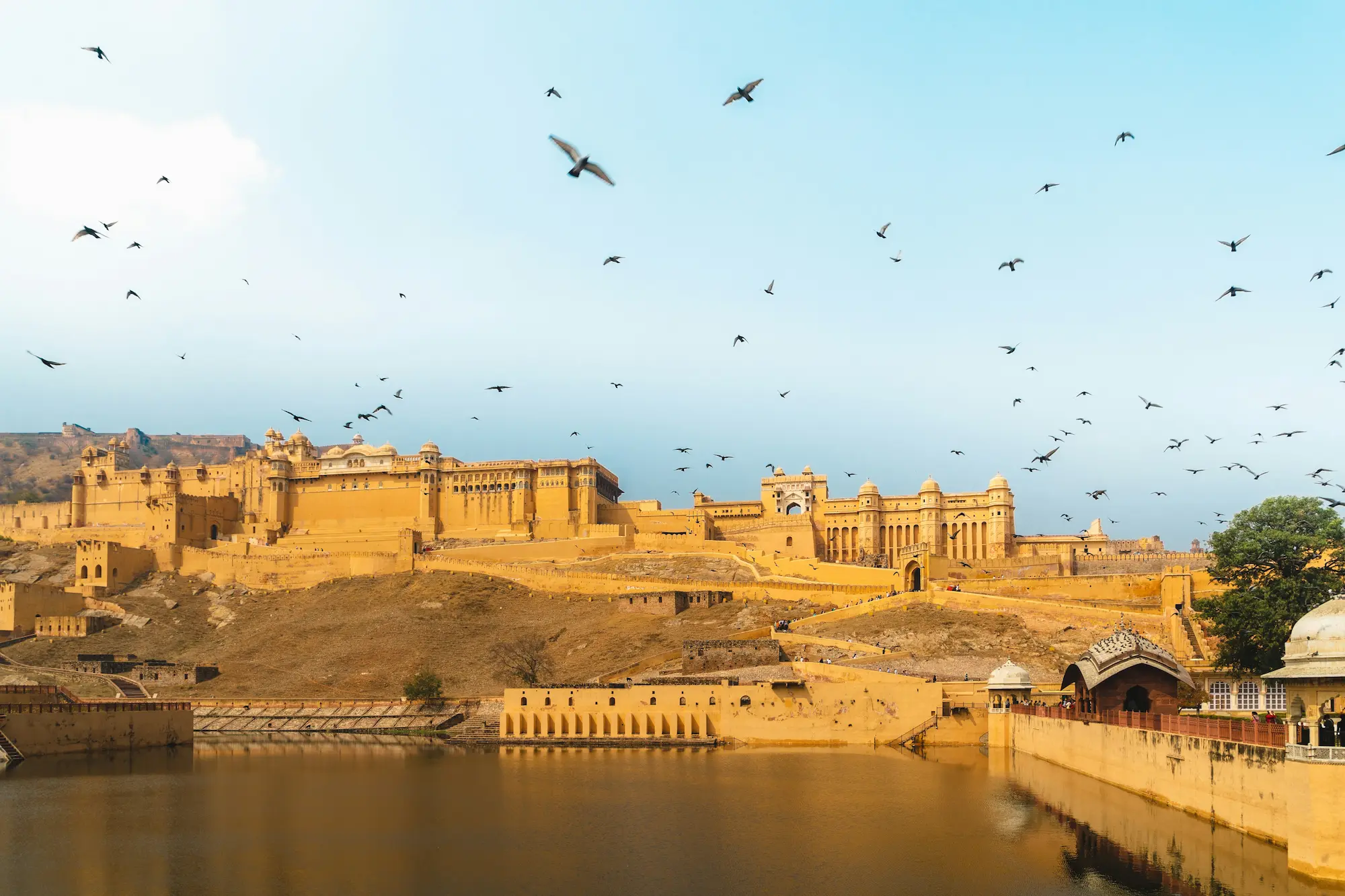
Top Attractions & Landmarks in West India
| Attraction & Location | Why Visit |
|---|---|
| Amber Fort & Palace Jaipur, Rajasthan | Hilltop fortress showcasing Rajput and Mughal architectural styles, featuring mirror-studded palaces (Sheesh Mahal) and scenic courtyard gardens. |
| City Palace & Lake Pichola Udaipur, Rajasthan | Known as the “City of Lakes,” offering boat cruises past island palaces alongside a sprawling lakeside palace complex built over four centuries. |
| Rann of Kutch Kutch District, Gujarat | One of the world’s largest salt deserts, famous for its vast white landscape during full moon nights and the vibrant cultural Rann Utsav winter festival. |
| Statue of Unity Kevadia, Gujarat | The world’s tallest statue standing at 182 meters (597 ft), dedicated to Sardar Vallabhbhai Patel with high-tech viewing galleries and surrounding eco-parks. |
| Gateway of India & Marine Drive Mumbai, Maharashtra | The coastal emblem of India’s commercial capital, featuring 20th-century colonial architecture overlooking the Arabian Sea and the iconic “Queen’s Necklace” promenade. |
| Ajanta & Ellora Caves Chhatrapati Sambhajinagar, Maharashtra | UNESCO World Heritage rock-cut cave monuments; features Ellora’s Kailash Temple, the world’s largest monolithic stone excavation. |
| Baga & Palolem Beaches Goa | India’s premier beach retreat, popular for sun-kissed coastlines, water sports, vibrant nightlife, and Portuguese-era architecture. |
| Gir National Park Junagadh District, Gujarat | The sole sanctuary and natural habitat in the world for the endangered Asiatic lion, alongside leopards and diverse wildlife safari routes. |
| Diu Fort & Naida Caves Diu (UT of Dadra & Nagar Haveli and Daman & Diu) | A coastal Portuguese-era fortress overlooking the sea, paired with unique rock formations and light-dappled cavernous passages nearby. |
| Jaisalmer Fort & Thar Desert Jaisalmer, Rajasthan | Known as the “Golden City,” featuring a living sandstone fort housing local families, surrounded by rolling desert sand dunes and camel safaris. |
Must-See Attractions in East & Central India
East and Central India are home to a remarkable range of attractions and landmarks, from Kolkata’s historic colonial architecture and Odisha’s renowned temple complexes to the mangrove landscapes of the Sundarbans and the Himalayan scenery of Darjeeling and Sikkim. Central India, particularly Madhya Pradesh, is known for important heritage sites, ancient temples, archaeological remains, rock art and nationally significant natural attractions.
This selection highlights notable attractions for their historical significance, architectural character, cultural importance, archaeological value or distinctive natural features. From the temples of Khajuraho and the Buddhist monuments of Sanchi to the rock art of Bhimbetka, the landscapes of the Sundarbans and the Himalayan attractions of Darjeeling and Sikkim, these places represent some of the most significant sights across East and Central India.
Top Attractions & Landmarks in East & Central India
| Attraction & Location | Why Visit |
|---|---|
| Mahabodhi Temple & Nalanda Ruins Bodh Gaya & Nalanda, Bihar | UNESCO World Heritage sites comprising the holy sanctuary where Lord Buddha attained enlightenment, alongside the ancient 5th-century residential university complex. |
| Khajuraho Group of Monuments Chhatarpur, Madhya Pradesh | UNESCO-listed medieval Hindu and Jain temples world-famous for their intricate Nagara-style architecture and expressive erotic stone carvings. |
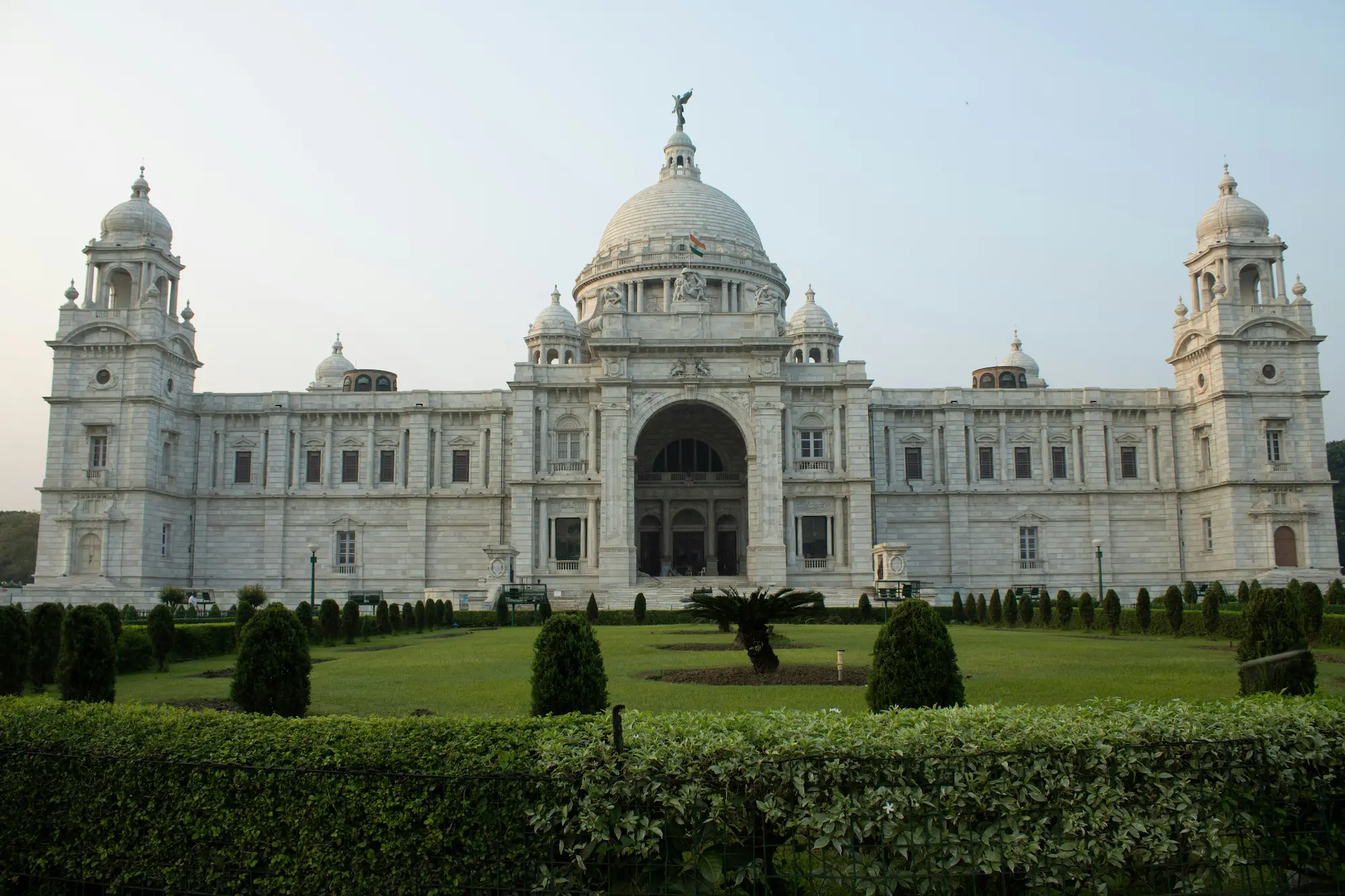
| Victoria Memorial & Howrah Bridge Kolkata, West Bengal | Colonial-era white marble architecture housed inside sprawling gardens, paired with the iconic cantilever bridge over the Hooghly River. |
| Jagannath Temple & Konark Sun Temple Puri & Konark, Odisha | Major pilgrimage destinations featuring the sacred Puri temple complex and the 13th-century UNESCO World Heritage Sun Temple designed as a giant stone chariot. |
| Sundarbans National Park South 24 Parganas, West Bengal | The world’s largest mangrove forest and UNESCO biosphere reserve, famous for Royal Bengal tigers, estuarine crocodiles, and boat safaris. |
| Darjeeling Himalayan Railway & Hills Darjeeling, West Bengal | Panoramic Himalayan hill station offering views of Mount Kanchenjunga, historic tea gardens, and the famous UNESCO “Toy Train”. |
| Baidyanath Dham & Parasnath Hill Deoghar & Giridih, Jharkhand | Key spiritual hubs featuring the sacred Baidyanath Jyotirlinga shrine alongside Shikharji on Parasnath Hill, the most revered pilgrimage site in Jainism. |
| Kanha & Bandhavgarh National Parks Madhya Pradesh | Premier tiger reserves in central India, offering dense sal forests, rich biodiversity, and high tiger sightings during open-jeep safaris. |
| Sanchi Stupa & Bhimbetka Rock Shelters Raisen District, Madhya Pradesh | UNESCO World Heritage sites showcasing Emperor Ashoka’s 3rd-century BCE Buddhist stupas and prehistoric cave paintings dating back over 10,000 years. |
| Chitrakote Waterfalls & Bhoramdeo Temple Bastar & Kabirdham, Chhattisgarh | Features the broad “Niagara of India” horseshoe waterfall on the Indravati River, paired with an 11th-century carved stone temple complex. |
Must-See Attractions in Northeast India
Northeast India is home to a distinctive collection of attractions and landmarks, ranging from Assam’s wildlife and riverine landscapes to Meghalaya’s living root bridges and extensive cave systems. Sikkim and Arunachal Pradesh feature dramatic Himalayan scenery, historic monasteries and high-altitude lakes, while Nagaland, Manipur and Mizoram offer distinctive cultural landmarks, traditional heritage and scenic hill landscapes.
This selection highlights notable attractions for their cultural significance, historical importance, distinctive natural features or architectural and heritage value. From Kaziranga’s renowned wildlife landscape and Meghalaya’s living root bridges to Sikkim’s Himalayan monasteries and Arunachal Pradesh’s mountain attractions, these places represent some of the most remarkable sights across Northeast India.
Top Attractions & Landmarks in Northeast India
| Attraction & Location | Why Visit |
|---|---|
| Kaziranga National Park Golaghat & Nagaon, Assam | UNESCO World Heritage sanctuary hosting two-thirds of the world’s great one-horned rhinoceros population alongside tigers and wild elephants. |
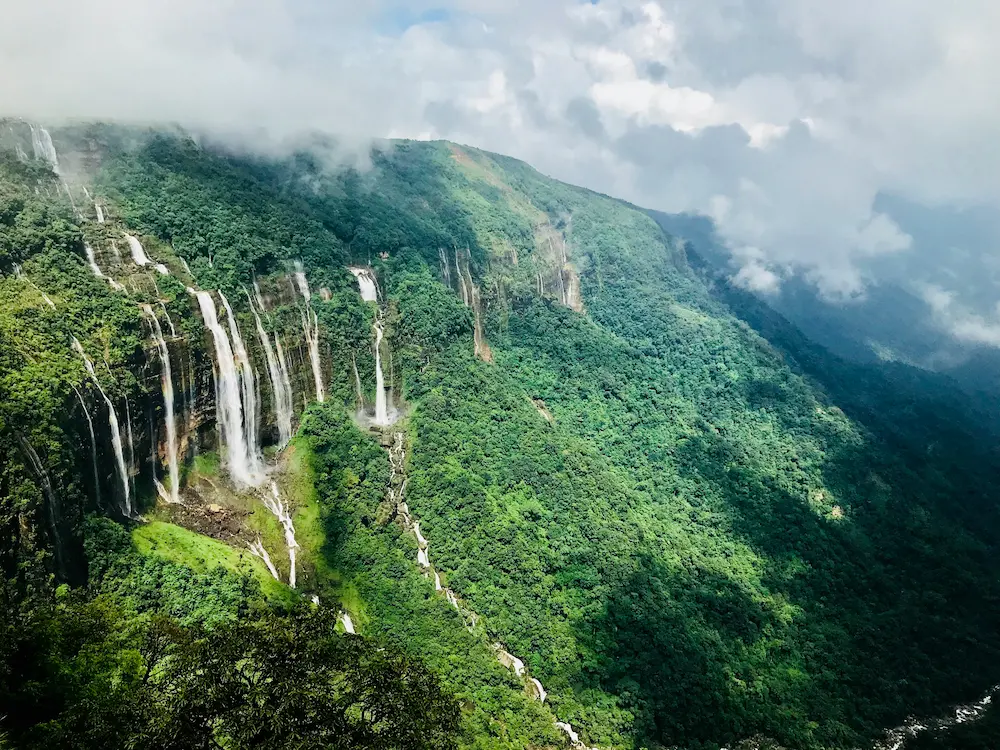
| Cherrapunji & Living Root Bridges Sohra, Meghalaya | Famous for rain-drenched mist, towering Nohkalikai Falls, and bio-engineered living root bridges grown by indigenous Khasi tribes over centuries. |
| Tawang Monastery & Sela Pass Tawang, Arunachal Pradesh | Perched high in the Himalayas, it is the largest Buddhist monastery in India, accessed via the snow-covered Sela Pass at 13,700 feet. |
| Loktai Lake & Keibul Lamjao Bishnupur District, Manipur | The world’s only floating national park, famous for phumdis (floating biomass islands) and the endangered Sangai (dancing deer). |
| Nathula Pass & Tsomgo Lake Gangtok, Sikkim | A high-altitude glacial lake set against steep mountain slopes, leading to the historic Silk Route trade pass at the India-China border. |
| Hornbill Festival & Dzukou Valley Kohima District, Nagaland | Showcases the rich cultural heritage of Nagaland’s tribes every December, paired with treks into the emerald-green Dzukou Valley. |
| Dawki River & Mawlynnong West Jaintia Hills, Meghalaya | Famous for the crystal-clear Umngot River where boats appear to float in mid-air, alongside Asia’s cleanest village (Mawlynnong). |
| Majuli Island Brahmaputra River, Assam | The world’s largest river island and the cultural hub of Assamese Neo-Vaishnavite traditions, famous for historic Satras (monasteries) and mask-making. |
| Unakoti Rock Carvings Unakoti District, Tripura | A heritage pilgrimage site featuring massive 8th–9th century rock-cut bas-relief carvings of Hindu deities sculpted directly into a jungle hillside. |
| Ziro Valley Lower Subansiri, Arunachal Pradesh | UNESCO-tentative paddy-and-pine valley inhabited by the Apatani tribe, renowned for unique sustainable farming and the annual Ziro Music Festival. |
Most Visited Tourist Spots in India
India’s most visited tourist spots include some of the country’s best-known monuments, heritage sites and historic attractions. The Taj Mahal in Agra consistently ranks among India’s most popular centrally protected ticketed monuments, recording approximately 6.26 million domestic visitors and 645,000 foreign visitors in FY 2024–25. Other major sites also attracted millions of visitors during the same period, including the Sun Temple at Konark, with approximately 3.57 million domestic visits, and Qutub Minar, with approximately 3.20 million domestic visits. Alongside these leading attractions, the Red Fort, Ellora Caves, Charminar and Golkonda Fort are also among India’s widely visited historic and architectural landmarks. Their popularity reflects a combination of historical importance, architectural significance, cultural value and accessibility.
Visitor numbers can vary considerably between attractions and from year to year, and official figures are not consistently available for every tourist site. For this reason, this section focuses on widely recognized and heavily visited attractions rather than presenting an exact nationwide ranking. Where official visitor data is available, it provides useful context for understanding the popularity of major monuments. The selection includes important sights that have a strong presence in India’s tourism landscape and remain significant attractions for both domestic and international visitors.