
Table of Contents (Click here for quick access)
What Nature & Wildlife Travel Means to Me
☑️ Nature travel helps me slow down, notice small details, and experience a place without rushing between attractions or busy schedules. I enjoy having enough time to walk, look around, and understand the character of a landscape.
☑️ I value quiet moments, such as bird calls, moving leaves, and distant animal sounds, more than entertainment or guaranteed sightings. These simple moments often make a place feel more real and allow me to appreciate nature.
☑️ Wildlife encounters teach me patience because the most memorable sightings often happen after waiting, observing, and accepting uncertainty in silence. An animal may appear for only a few seconds, or I may not see it at all, but the process of watching and waiting is still part of the experience.
☑️ Every destination feels different to me, shaped by its landscape, weather, local people, and wildlife found there over the seasons. A forest, wetland, mountain valley, or grassland has its own character, and I prefer to understand those differences instead of treating every wildlife trip as the same kind of experience.
☑️ Responsible travel matters because enjoying nature should never mean disturbing habitats, feeding animals, or ignoring the needs of local communities. I believe visitors should follow local rules, maintain a safe distance from wildlife, and choose experiences that respect both the environment and the people who live around these natural areas.
☑️ I travel to return with questions, respect, and memories formed through observation. A good nature trip may give me photographs, but it also leaves me with a better understanding of the landscape, the animals that live there, and the importance of protecting these places for the future.
The Best Nature & Wildlife Experiences
Nature and wildlife travel can take many forms, and you do not have to visit a famous safari park to experience it. A safari may be ideal if you want to look for large mammals, while birdwatching, rainforest walks, mountain trips, and marine excursions offer very different ways to experience the natural world. The right choice depends on what you want to see, your travel style, budget, fitness, and the time of year.
| Experience | What You May See | Best For | Consider |
|---|---|---|---|
| Wildlife Safaris | Tigers, lions, elephants, rhinos, giraffes, antelope | First-time wildlife travellers, photographers | Guided safaris, early starts, patience |
| Birdwatching | Eagles, owls, parrots, migratory birds, waterbirds | Slow travel, bird lovers, photographers | Season, habitat, binoculars |
| Rainforests & Jungles | Primates, birds, reptiles, insects, amphibians | Explorers and hikers | Humidity, walking conditions, local guides |
| Mountains & Alpine Landscapes | Mountain goats, deer, bears, birds of prey | Hikers and landscape lovers | Altitude, weather, fitness |
| Deserts & Grasslands | Big cats, herbivores, reptiles, desert birds | Landscape and wildlife travellers | Heat, distances, seasonal conditions |
| Wetlands & Lakes | Waterbirds, reptiles, amphibians, fish | Birdwatchers and photographers | Water levels, migration seasons |
| Marine & Coastal Wildlife | Whales, dolphins, turtles, seals, seabirds | Ocean lovers and families | Season, weather, responsible operators |
Wildlife safaris are a good choice when seeing larger animals is your main goal. I would choose the destination based on the species you hope to see rather than its popularity alone. Birdwatching offers a quieter experience, especially around forests, wetlands, lakes, and coastal areas. Rainforests and jungles are better suited to travellers who enjoy walking and discovering smaller forms of wildlife. Mountain and alpine trips combine wildlife with hiking and changing landscapes, while deserts and grasslands offer wide-open environments and species adapted to dry conditions. Wetlands and lakes are particularly useful for birdwatching and seasonal migration. For marine and coastal wildlife, activities such as whale watching, snorkelling, and kayaking can bring you closer to ocean environments. In every case, I recommend following local rules and choosing responsible operators that give wildlife enough space.
Top Nature & Wildlife Destinations Around the World
The world has many places where you can experience wildlife in its natural surroundings, from African grasslands and tropical rainforests to wetlands, mountains, and remote islands. Each destination offers a different combination of animals, landscapes, and outdoor activities. In this section, I have selected destinations that offer different types of nature and wildlife experiences. I have also considered the kind of traveller each place may suit, so you can choose destinations based on your interests rather than simply following the most popular names.
1. Serengeti National Park, Tanzania
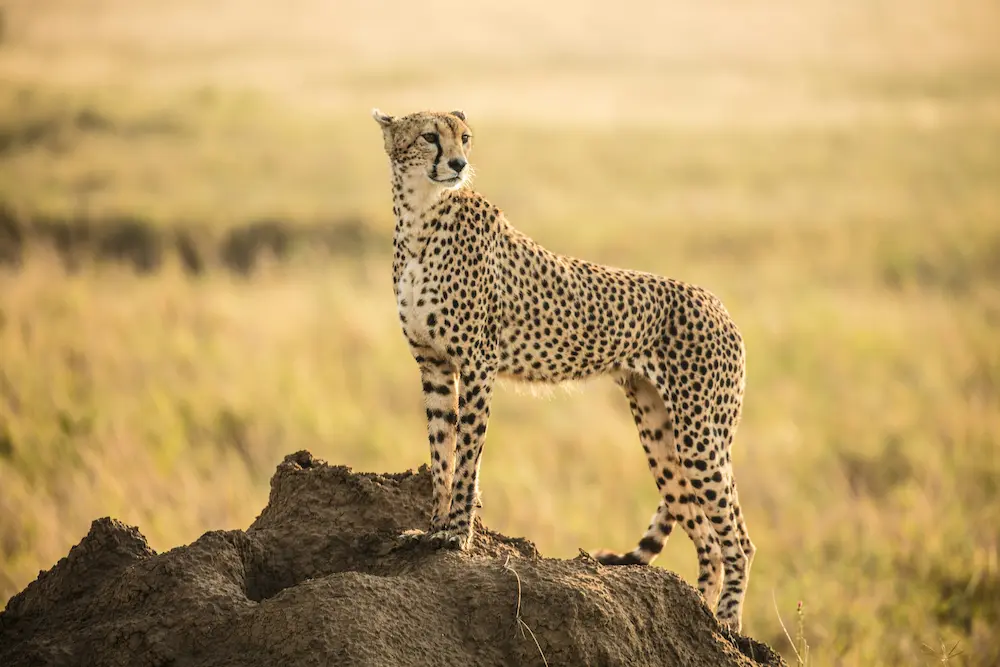
The Serengeti is a good place to start if you want to see wildlife in a large, open landscape. The grasslands make it easier to spot animals from a distance, while different areas of the park offer different wildlife experiences.
I would plan more than one game drive rather than trying to see everything in a single outing. Lions, elephants, giraffes, cheetahs and large herds of wildebeest are among the animals you may encounter. The timing of the wildebeest migration also matters, so check seasonal movements before booking.
2. Yellowstone National Park, USA
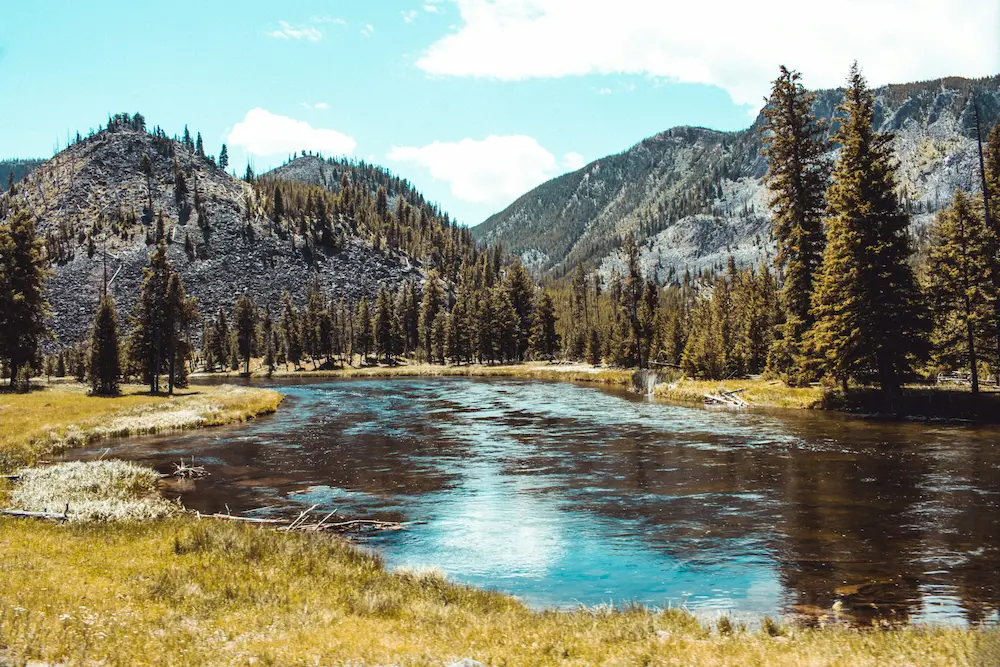
Yellowstone works well for travelers who want wildlife along with forests, rivers and wide mountain landscapes. You do not need to spend every day on a formal safari here. Many wildlife areas can be explored by road and short walks.
Bison are among the easiest animals to notice, while elk, bears, wolves and other species require more patience and careful observation. I would give yourself plenty of time between stops because wildlife sightings can change quickly, especially around the park’s major valleys.
3. Corcovado National Park, Costa Rica
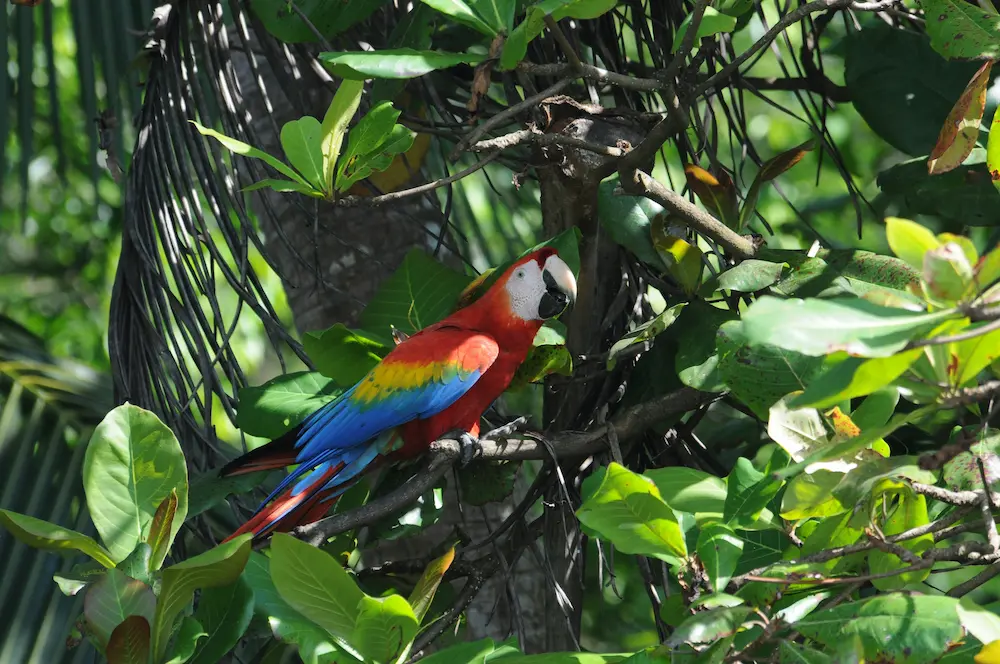
Corcovado offers a different kind of wildlife experience from the open plains of Africa. Much of the park is covered by dense tropical rainforest, so the animals are often harder to spot but the surroundings are part of the experience.
You may see scarlet macaws, monkeys, sloths, tapirs and a wide range of other forest species. A local guide can make a real difference here because experienced guides know where to look and can help you notice animals that are easy to miss among the trees.
4. Kaziranga National Park, India
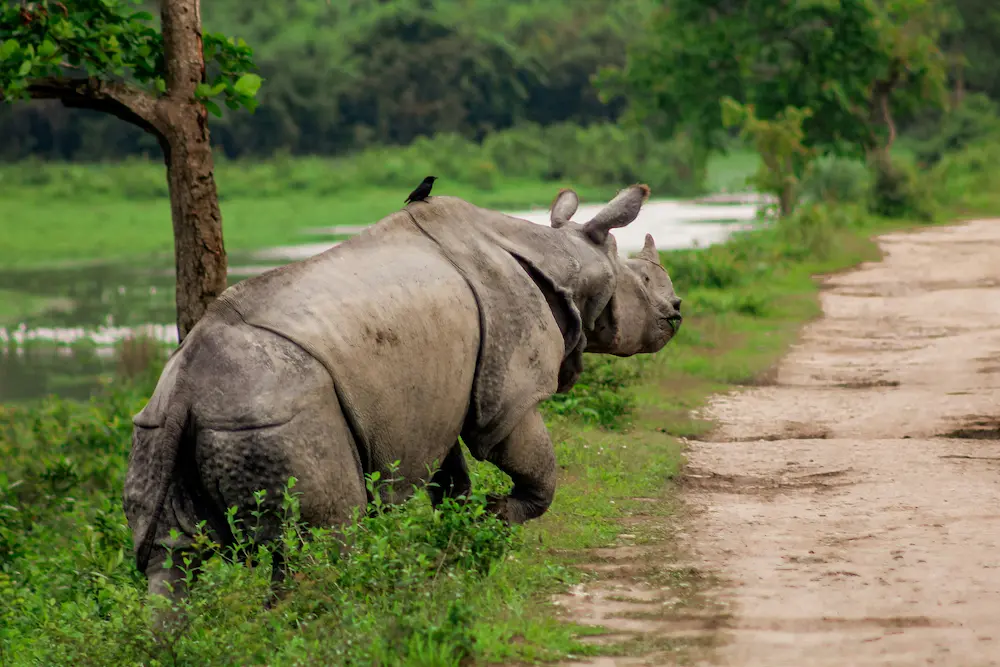
Kaziranga is a good choice for travelers who want to combine India’s wildlife with a quieter natural setting. Its grasslands and wetlands provide habitat for the greater one-horned rhinoceros, elephants, wild water buffalo and several other species.
The park is also known for its tiger population, although seeing a tiger is never something you should treat as guaranteed. Morning and afternoon safaris can feel quite different, so staying for more than one safari gives you a better chance to experience the park properly.
5. Galápagos Islands, Ecuador
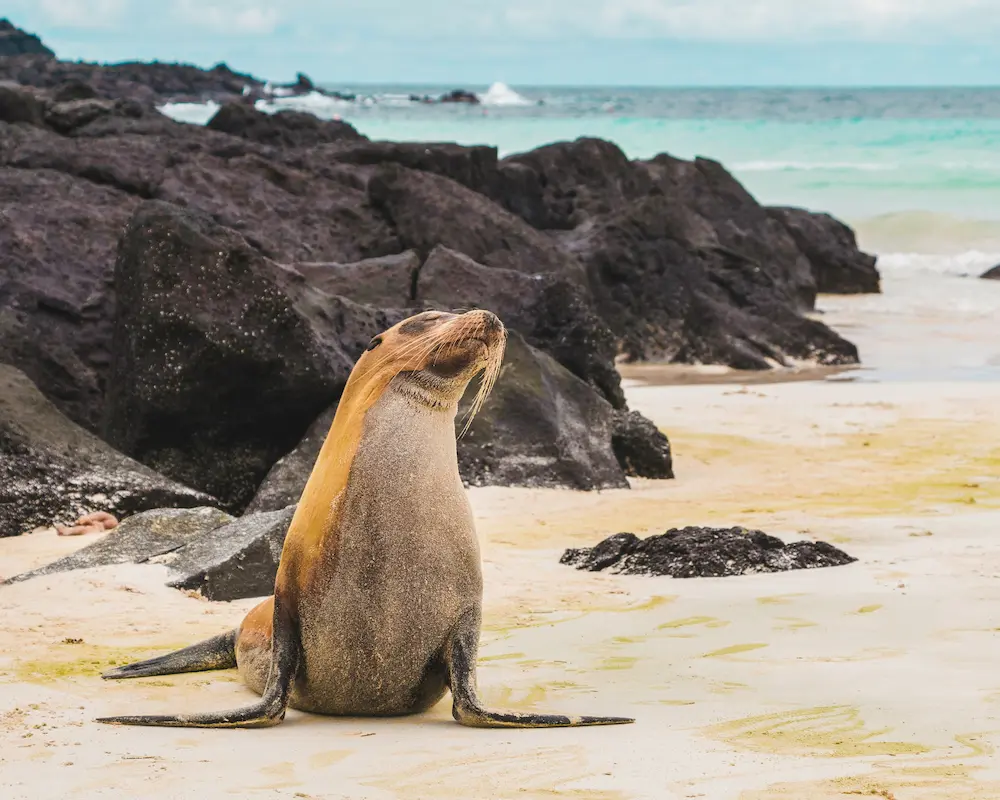
The Galápagos Islands are better suited to travelers who enjoy observing animals in unusual island environments. Wildlife is found both on land and in the surrounding waters, so a trip here can involve walking, snorkeling and boat excursions.
Giant tortoises, marine iguanas, sea lions and many bird species are among the animals visitors may encounter. Each island has its own character, so I would avoid trying to cover too much in a short trip. Choosing a few islands and spending enough time on each usually makes the experience more relaxed.
6. Ranthambore National Park, India
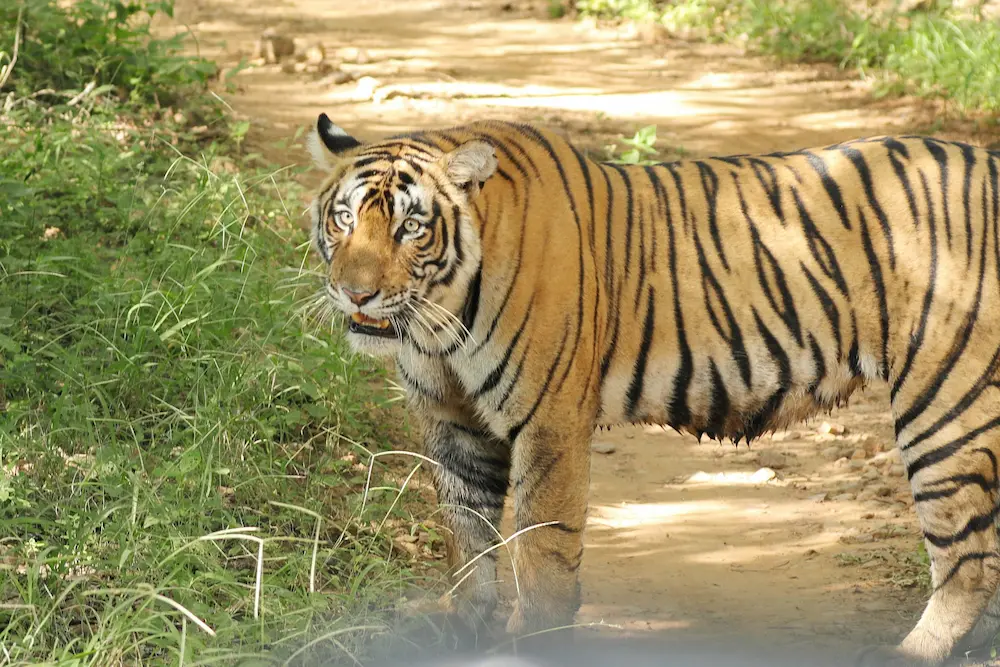
Ranthambore is a practical choice for travelers who want to combine wildlife with history. The old fort and surrounding landscape give the park a character that feels different from many other Indian tiger reserves.
Tigers are the main attraction, but they are only part of the wildlife experience. Leopards, sloth bears, deer, crocodiles and many bird species also live in the area. If seeing a tiger is your main goal, I would plan several safari drives rather than relying on a single outing.
7. Pantanal Wetland, Brazil
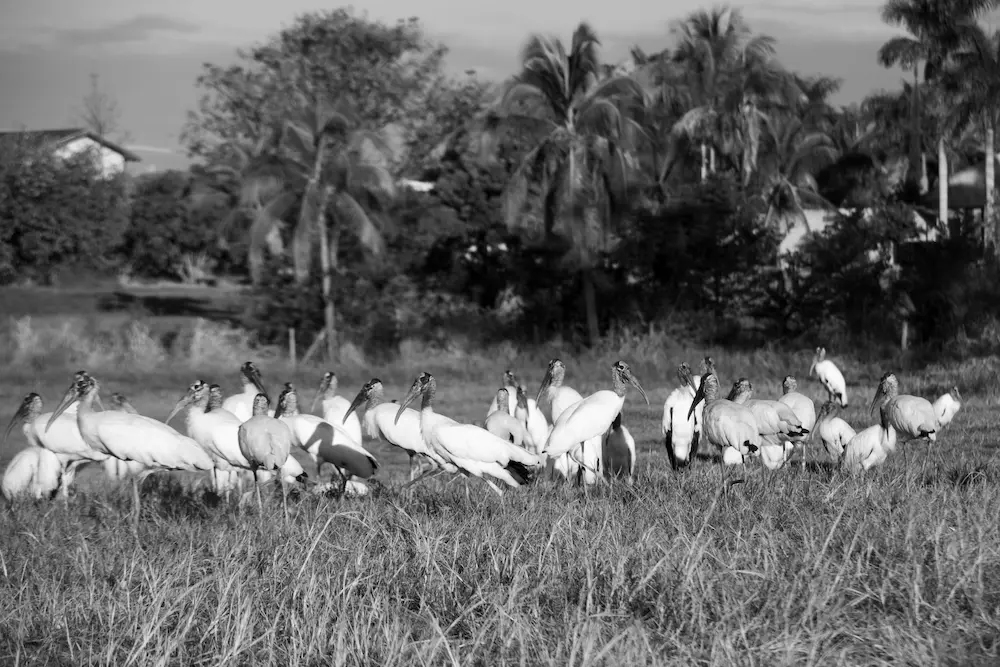
The Pantanal is worth considering if you prefer wetland landscapes and want good opportunities to watch wildlife outside a traditional African safari setting. Its mix of rivers, grasslands and seasonal wetlands supports a wide range of species.
Jaguars are one of the major reasons travelers come here, particularly in areas where boat trips are used for wildlife viewing. Giant otters, caimans, capybaras and many birds add variety to the experience. A boat-based trip can be especially useful when wildlife is concentrated around waterways.
8. Serengeti-Mara Ecosystem, Kenya & Tanzania
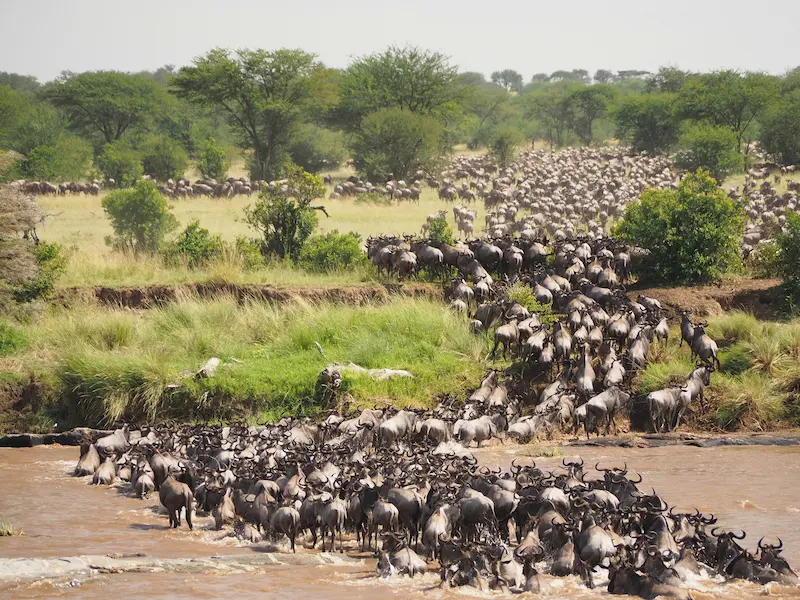
The Serengeti-Mara ecosystem crosses the border between Tanzania and Kenya and is best understood as one connected wildlife landscape rather than two completely separate destinations.
This region is particularly interesting if you want to follow seasonal wildlife movements. The Masai Mara in Kenya and Serengeti in Tanzania each offer their own safari experience, and combining them can give you a broader view of the ecosystem. I would choose the route based on the time of year rather than simply trying to visit both.
9. Borneo Rainforest, Malaysia & Indonesia
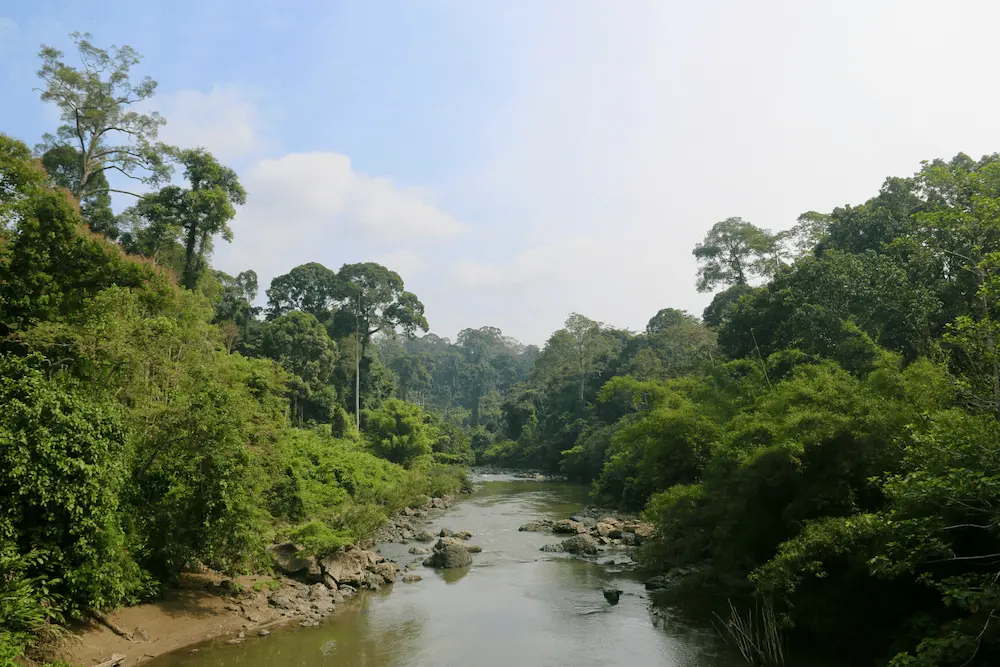
Borneo is a strong option if your idea of wildlife travel involves dense rainforest rather than open safari country. The island’s forests support species that are difficult to find elsewhere, including orangutans and proboscis monkeys.
Wildlife watching here often means moving slowly through forest trails or along rivers. You may not see animals as easily as you would on an open grassland, but that is part of the experience. I would leave room in the itinerary for guided walks, river trips and time in conservation areas.
10. Okavango Delta, Botswana
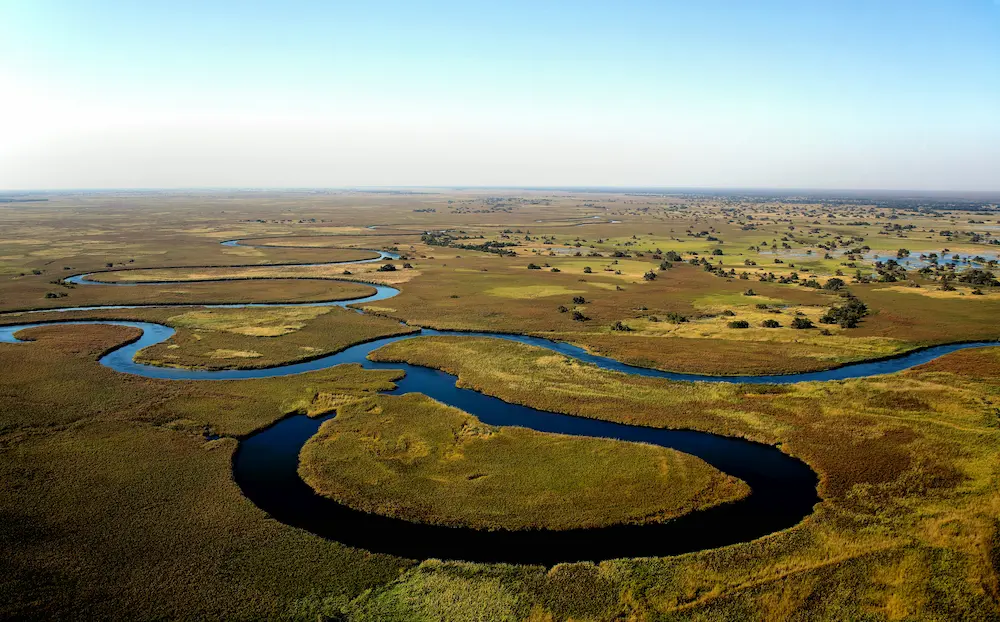
The Okavango Delta offers a safari experience shaped by water. Seasonal flooding creates channels, lagoons and islands where wildlife gathers, making the way you explore the area as important as the animals you hope to see.
Depending on the location and season, you may encounter elephants, hippos, lions, leopards, wild dogs and many bird species. A combination of traditional game drives and water-based excursions gives you a better sense of the delta than relying on roads alone.
Top Global Wildlife Species & Destinations
If you have a particular animal in mind, choosing the destination first can make your trip more focused. Different regions are better suited to different species, and the best time to visit can also vary. The destinations below are good starting points if you are planning a trip around a specific type of wildlife. Keep in mind that wild animals move freely, so no destination can guarantee a sighting.
Tigers
Suggested destinations: India
India has several protected areas where travellers can look for wild tigers. Choose the park based on the season, accessibility, and the type of safari experience you prefer.
Lions
Suggested destinations: Kenya, Tanzania, South Africa
These countries offer different safari environments where you can look for lions along with elephants, giraffes, zebras, and other African wildlife.
Elephants
Suggested destinations: Sri Lanka, India, Botswana
These destinations offer different ways to observe elephants, from national parks and grasslands to wetlands and forest habitats.
Gorillas
Suggested destinations: Uganda, Rwanda
Gorilla trekking in Uganda and Rwanda offers a guided experience in forest habitats. Permits and visitor limits help control the impact of tourism.
Orangutans
Suggested destinations: Indonesia, Malaysia
Borneo and Sumatra are important places to look for wild orangutans. Rainforest walks and river-based trips can provide opportunities to explore their habitat.
Polar Bears
Suggested destinations: Canada
Northern Canada is one of the main destinations for polar bear trips. The timing of a visit is important because bear movements are closely linked to sea ice conditions.
Whales
Suggested destinations: Norway, Iceland, Canada
Whale watching varies by species and season. Research the local migration period and choose operators that maintain appropriate distances from the animals.
Penguins
Suggested destinations: Antarctica, South Africa, New Zealand
Different penguin species live in different regions, so choose your destination based on the species and experience you want rather than assuming every location offers the same wildlife.
Kangaroos
Suggested destinations: Australia
Australia offers many opportunities to see kangaroos in natural environments. They can be found across different habitats, from grasslands and woodlands to coastal areas.
Giant Pandas
Suggested destinations: China
China is the natural home of giant pandas. If seeing pandas is your main goal, look for opportunities to visit protected areas and conservation centres that follow appropriate animal welfare practices.
How Much Does Nature & Wildlife Travel Cost?
Nature and wildlife travel can range from a simple national park visit to a fully guided safari or remote wildlife expedition. Your budget depends on the destination, accommodation, transport, park fees, guides, and the activities you choose. A lower budget can work well for independent trips in affordable destinations, while safaris and specialist wildlife experiences usually require more planning and money. The table below gives a broad idea of what each travel style can offer.
| Travel Style | Accommodation | Food | Local Transport | Wildlife Activities & Entry Fees | Approx. Daily Budget |
|---|---|---|---|---|---|
| Budget | Hostels, guesthouses, simple lodges | Local restaurants, markets, simple meals | Public transport, shared transfers, occasional taxis | Basic park entry, self-guided visits, low-cost local activities | $35–$105 |
| Mid-Range | Comfortable hotels, guesthouses, mid-range lodges | Restaurants and a mix of local and international meals | Private/shared transfers, taxis, rental vehicles | Guided walks, selected safaris, park fees, boat trips | $100–$255 |
| Premium | Quality hotels, private lodges, well-rated safari camps | Better restaurants and lodge dining | Private transfers, rental cars, organised transport | Private or small-group safaris, specialist guides, multiple activities | $220–$555 |
| Luxury Wildlife | Luxury lodges, private camps, high-end safari properties | Full-service dining and premium meals | Private vehicles, transfers, charter flights where needed | Private safaris, expert guides, exclusive experiences, premium park access | $550+ |
These figures are broad estimates rather than fixed prices. Wildlife travel can become expensive when you add flights, permits, specialist guides, private vehicles, or remote accommodation. For example, a safari in a well-connected national park may cost much less than a remote multi-day safari that includes private transport and luxury lodging.
Responsible Wildlife Tourism
For me, responsible wildlife tourism means observing animals without interfering with their natural behaviour. Whether I am watching a tiger from a safari vehicle, photographing birds from a hide, or walking through a forest with a guide, I believe the experience should not put unnecessary pressure on wildlife. Seeing an animal in the wild is a privilege, and our behaviour should reflect that.
I follow a few simple principles:
✔ Keep a safe distance and never chase, surround, touch, or feed an animal.
✔ Avoid tours that offer selfies, close contact, animal performances, or guaranteed sightings.
✔ Keep voices low, stay on authorised routes, and follow the guide’s instructions.
✔ Avoid using flash, recorded calls, drones, or food to attract wildlife.
✔ Carry waste back with you and avoid buying products made from animal parts.
✔ Choose responsible operators that employ local people and support conservation efforts.
I also believe that the people living around wildlife areas should benefit from tourism. Local guides, accommodation providers, drivers, and small businesses can all play an important role in making tourism more useful to local communities.
Wildlife tourism should benefit animals, habitats, and people, not only visitors. I would rather have a short, natural sighting than an experience that disturbs an animal. Responsible travel may require more patience, but it allows us to enjoy wildlife without changing the behaviour we came to see.
Nature & Wildlife Travel Safety Tips
Nature and wildlife trips can take you into forests, mountains, wetlands, deserts, and other areas where conditions may be less predictable than in cities. Good preparation can reduce many common risks. Before visiting a wildlife area, I would check local rules, weather conditions, transport arrangements, and any guidance provided by the park or local authorities.
| Safety Point | What to Do | What to Avoid |
|---|---|---|
| Wild animals | Keep a safe distance and follow your guide’s instructions. | Never approach, touch, chase, or feed animals. |
| Safari vehicles | Stay inside the vehicle unless your guide confirms it is safe to leave. | Do not move toward animals or leave the vehicle without permission. |
| Walking trails | Stay on marked paths and use a guide where required. | Do not enter restricted or unfamiliar areas alone. |
| Weather conditions | Check the forecast and carry suitable clothing, water, and sun protection. | Do not ignore warnings about storms, extreme heat, floods, or cold. |
| Insects & risks | Use suitable insect protection and wear appropriate clothing. | Do not leave food or waste around campsites or trails. |
| Water & food | Carry safe drinking water and follow local advice about food and natural water sources. | Do not assume untreated water is safe to drink. |
| Remote areas | Share your plans, carry basic supplies, and keep a reliable way to communicate. | Do not travel deep into remote areas without preparation. |
| Boats & marine trips | Follow crew instructions and use the required safety equipment. | Do not enter the water or approach marine animals when conditions are unsafe. |
A wildlife trip does not require excessive preparation, but a few sensible precautions can make a big difference. I would check conditions before leaving each day and follow the instructions of local guides and park staff. Keep essential items such as water, sun protection, suitable clothing, basic medicines, and a charged phone with you. Most importantly, remember that you are entering an environment where wild animals live. Keeping your distance, staying on authorised routes, and respecting local rules are usually the safest choices for both you and the wildlife.
Nature & Wildlife Packing List
Packing for a nature or wildlife trip depends on the destination, season, and activities you plan to do. A safari in an open grassland requires different clothing from a rainforest walk or a mountain trek. I prefer to pack practical items that make outdoor travel easier without carrying things I am unlikely to use. The table below covers the basics for most wildlife trips.
- Comfortable walking shoes: Useful for forest trails, nature walks, parks, and uneven ground.
- Lightweight clothing: Helps you stay comfortable during long hours outdoors.
- Warm layer or jacket: Useful for cool mornings, evenings, mountains, and changing weather.
- Sun protection: Carry sunglasses, a hat, and sunscreen for extended time outdoors.
- Insect repellent: Helpful in forests, wetlands, grasslands, and other areas with insects.
- Reusable water bottle: Keeps you hydrated and reduces the need for single-use plastic.
- Binoculars: Useful for watching birds and distant wildlife without getting closer to animals.
- Camera & spare battery: Helpful for wildlife photography, especially when spending long hours away from accommodation.
- Small daypack: Gives you space for water, snacks, clothing layers, and personal items during excursions.
- Basic first-aid & medicines: Useful for minor cuts, blisters, headaches, and other common travel needs.
- Power bank: Helpful when spending long periods away from reliable electricity.
- Rain protection: A lightweight rain jacket or waterproof cover can be useful in wet climates.
Frequently Asked Questions
What are the best nature and wildlife destinations in the world?
Where are the best places to see wildlife in the wild?
What is the best time to go on a wildlife trip?
How much does a nature and wildlife trip cost?
How can I travel responsibly when viewing wildlife?
What should I pack for a wildlife and nature trip?
Are wildlife sightings guaranteed on safari or nature trips?
Is guided wildlife travel better than travelling independently?
Let Nature Set the Pace
Nature and wildlife travel does not have to be about seeing as many animals or visiting as many parks as possible. I find that a better trip starts with choosing a destination that matches what you genuinely want to experience. That could mean tracking tigers in India, exploring the rainforests of Borneo, watching birds in a wetland, or spending time around the waterways of the Okavango Delta.
I would also keep expectations realistic. Wildlife follows its own patterns, and even well-planned trips can end without a particular sighting. That is part of travelling in natural environments rather than visiting a controlled attraction.
For me, the most important part is how we travel. Keeping our distance, following local rules, supporting responsible operators, and respecting communities can make a meaningful difference. If you return with good memories, a better understanding of the place, and respect for the wildlife you observed, the trip has served its purpose.