
Solo travel gives you control over the trip, but it also puts every decision in your hands. You choose the destination, manage the budget, find your way around, and decide when to change your plans. I think that combination of freedom and responsibility is what makes travelling alone different from travelling with others. It also means you need to prepare a little more carefully, especially on your first trip. In this guide, I’ll cover how to choose a suitable destination, plan your itinerary and budget, select accommodation, stay safe, pack sensibly, and handle the practical side of travelling alone without overplanning every part of the journey.
Table of Contents (Click here for quick access)
Why I Think Solo Travel Is Worth Trying
Solo travel has been worth trying for me because it gives me more control over how I spend my time. When I travel alone, I don’t have to adjust every decision around someone else’s interests or schedule. I can spend longer in a local market, take a slower walk through a neighbourhood, or change my plans when a place turns out to be more interesting than I expected.
There is also a practical side to it. Planning routes, managing a budget, finding accommodation, and dealing with small problems on your own makes you more comfortable with making decisions. A delayed train or a change of plans may be inconvenient, but handling it yourself can teach you to stay flexible.
I also find that travelling alone can make everyday interactions easier. When you’re on your own, starting a conversation with a local, another traveller, or someone at your accommodation can feel more natural. A good conversation can also boost your confidence, especially when you’re navigating an unfamiliar place on your own. These don’t have to become memorable stories; sometimes a short conversation is simply a pleasant part of the day.
How to Choose Your First Solo Travel Destination
Choosing your first solo destination is less about following a “top 10” list and more about finding a place that matches your experience and comfort level.
Start with a destination that feels manageable. If you have mostly taken short trips so far, consider a city or region with straightforward navigation, clear transport options, and a relatively simple travel route rather than starting with a complex multi-country itinerary. Transport and connectivity also matter. Direct flights or trains, reliable local transport, and dependable mobile data can make it easier to handle your days independently.
Language is another factor worth considering. For your first solo trip, a destination where you can manage basic communication may make the experience easier. This could mean a place where English is commonly understood or one where you are comfortable learning a few useful local phrases. When choosing accommodation, look beyond price and consider location, reviews, and the type of property that suits you, whether that is a small hotel, guesthouse, or hostel.
| What to consider | What I would look for |
|---|---|
| Getting around | Simple public transport, clear routes and reasonable travel times |
| Connectivity | Reliable mobile data and easy access to maps |
| Communication | English-friendly environment or basic local phrases you can learn |
| Accommodation | Well-reviewed hotels, guesthouses or hostels in practical locations |
| Budget | A cost level that lets you handle unexpected expenses comfortably |
| Trip length | A shorter trip if you’re travelling alone for the first time |
| Your comfort level | A destination that feels manageable rather than overwhelming |
Finally, be realistic about your budget and how comfortable you are travelling alone. A shorter, affordable trip where you feel in control is usually a better starting point than stretching yourself too far on your first attempt.
Best Solo Travel Destinations for Different Types of Travellers
The best solo destination depends on what you want from the trip. A first-time solo traveller may value straightforward transport and easy navigation, while a budget traveller may prioritise affordable accommodation and food. Someone travelling mainly for nature may have different requirements altogether. Instead of treating one destination as the best choice for everyone, it is more useful to compare destinations according to travel style, experience level, budget, and the type of trip you want to have.
First-Time Solo Travel
If this is your first solo trip, start with places that are easy to navigate, have good tourist infrastructure, and don’t require complicated planning.
- Kyoto, Japan — Asia
- Lisbon, Portugal — Europe
- Singapore — Asia
- Melbourne, Australia — Oceania
- Costa Rica — Central America
Budget Solo Travel
These destinations can work well when you want to keep accommodation, food, and local transport costs under control while still having plenty to do.
- Vietnam — Southeast Asia
- Nepal — South Asia
- Thailand — Southeast Asia
- Albania — Europe
- Bolivia — South America
Culture & History
Choose these places if you enjoy historic neighbourhoods, museums, architecture, local traditions, and spending time exploring at your own pace.
- Rome, Italy — Europe
- Istanbul, Türkiye — Europe & Asia
- Kyoto, Japan — Asia
- Cairo, Egypt — Africa
- Mexico City, Mexico — North America
Nature & Wildlife
These destinations suit solo travellers who would rather spend their time around national parks, wildlife, forests, mountains, and natural landscapes.
- Costa Rica — Central America
- Tanzania — East Africa
- New Zealand — Oceania
- Borneo, Malaysia — Southeast Asia
- South Africa — Africa
Sports & Adventure
If you want an active trip, these destinations offer opportunities for hiking, diving, rafting, cycling, surfing, and other outdoor activities.
- Queenstown, New Zealand — Oceania
- Interlaken, Switzerland — Europe
- Pokhara, Nepal — South Asia
- Cape Town, South Africa — Africa
- Bali, Indonesia — Southeast Asia
Mountains & Beaches
For a trip that combines scenery with downtime, these destinations give you options to explore mountains, relax by the sea, or do both on the same trip.
- Madeira, Portugal — Europe
- Oman — Middle East
- Phuket, Thailand — Southeast Asia
- Crete, Greece — Europe
- Hawaii, USA — North America
Top Solo Travel Routes & Itineraries to Consider
If you prefer travelling through several places rather than staying in one destination, a well-planned route can make solo travel easier to organise. The following routes combine practical connections, varied experiences, and established tourism infrastructure, giving you different options for shorter trips, longer backpacking journeys, cultural exploration, nature, and meeting other travellers.
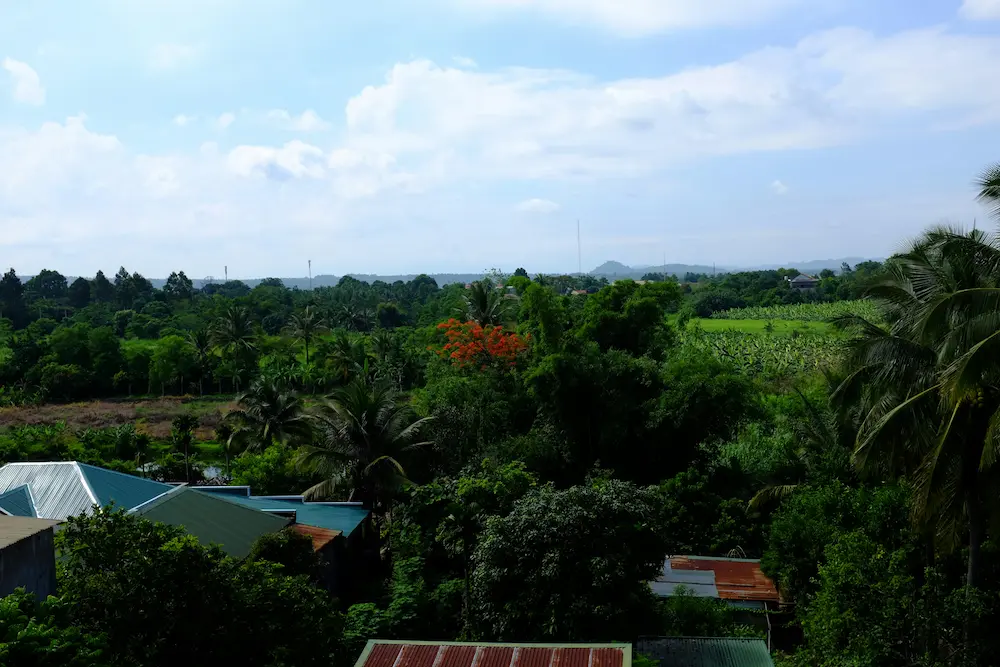
1. Southeast Asia Backpacking Route
Countries: Thailand → Laos → Vietnam → Cambodia
Route: Bangkok → Luang Prabang → Hanoi/Ha Giang → Siem Reap
Ideal duration: 3–6 weeks
Best for: Budget, backpacking and social travel
Southeast Asia offers established tourist infrastructure, a wide range of accommodation, and numerous transport connections between popular destinations, making this route suitable for travellers who want a longer independent trip.
2. Japan’s Golden Route
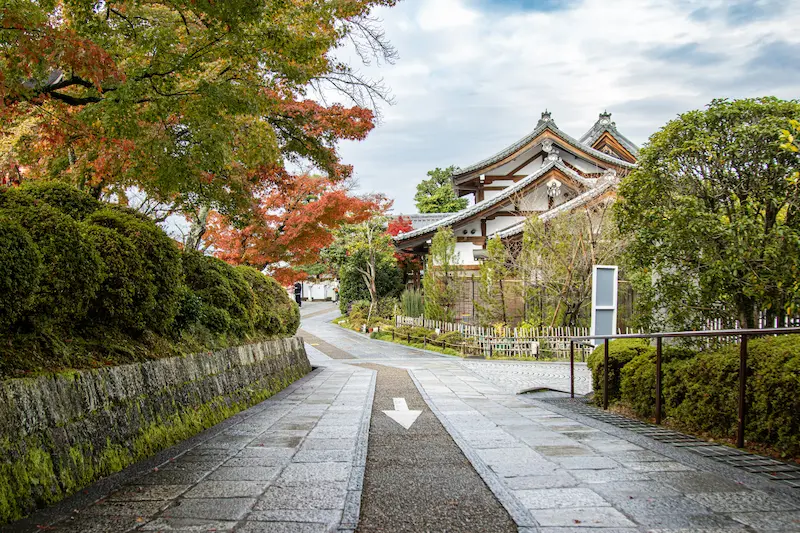
Country: Japan
Route: Tokyo → Hakone → Kyoto → Nara → Osaka
Ideal duration: 10–14 days
Best for: First-time solo travellers, culture and food
Japan’s major cities are connected by an extensive rail network, while solo-friendly dining and accommodation options make independent travel relatively straightforward.
3. Central European Capitals Route
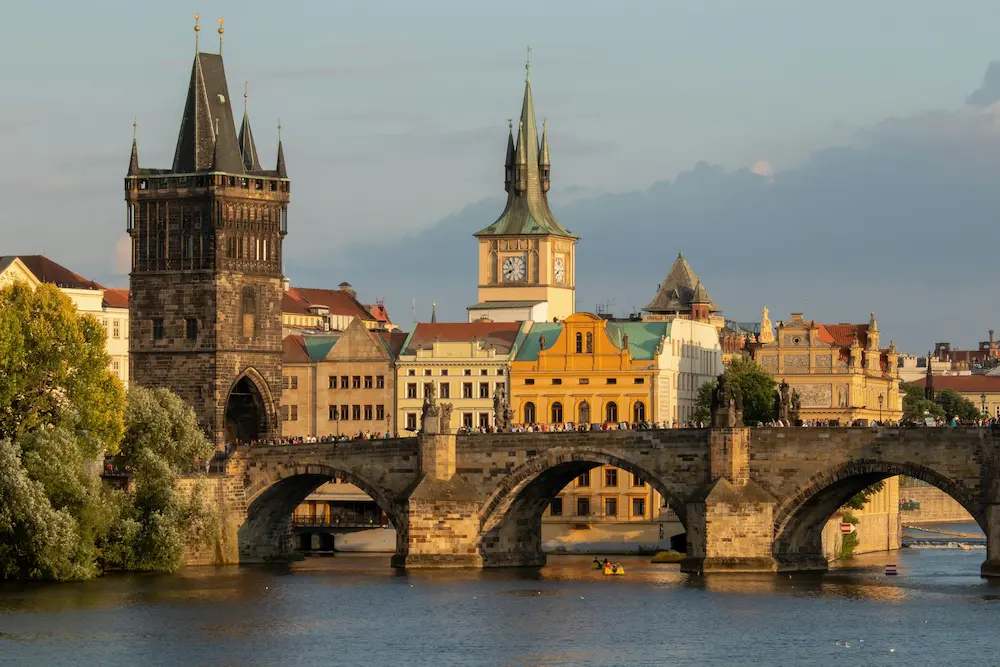
Countries: Czechia → Austria → Slovakia → Hungary
Route: Prague → Vienna → Bratislava → Budapest
Ideal duration: 10–12 days
Best for: History, architecture and city breaks
The four capitals are relatively close to one another and can be combined into one multi-city trip using trains and other public transport.
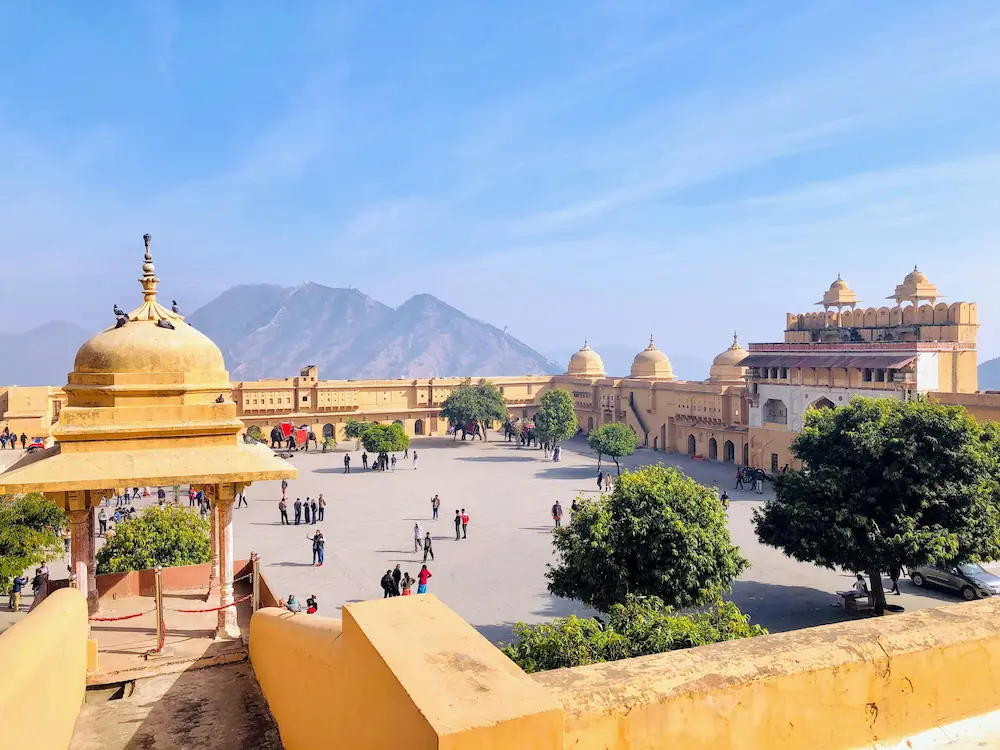
4. Rajasthan Heritage Route
Country: India
Route: Delhi → Agra → Jaipur → Pushkar → Udaipur
Ideal duration: 8–12 days
Best for: History, architecture and culture
This route connects several of Rajasthan and northern India’s major heritage destinations and can be travelled using a combination of rail, bus and other local transport.
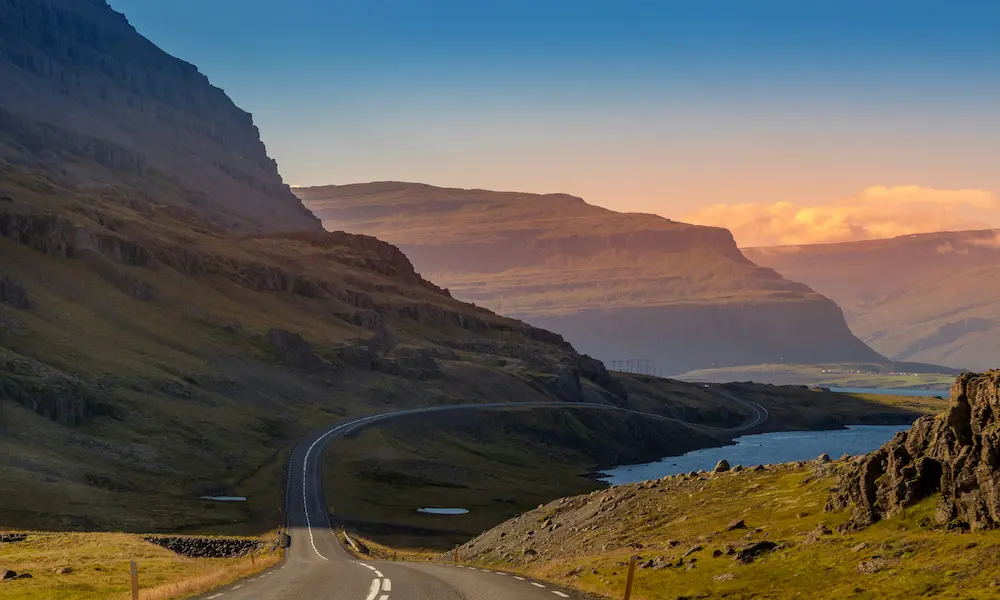
5. Iceland Ring Road
Country: Iceland
Route: Reykjavík → Vík → Höfn → Egilsstaðir → Akureyri → Snæfellsnes → Reykjavík
Ideal duration: 7–10 days
Best for: Landscapes and road trips
The route provides access to many of Iceland’s major natural attractions, although weather and road conditions should be considered when planning driving times.
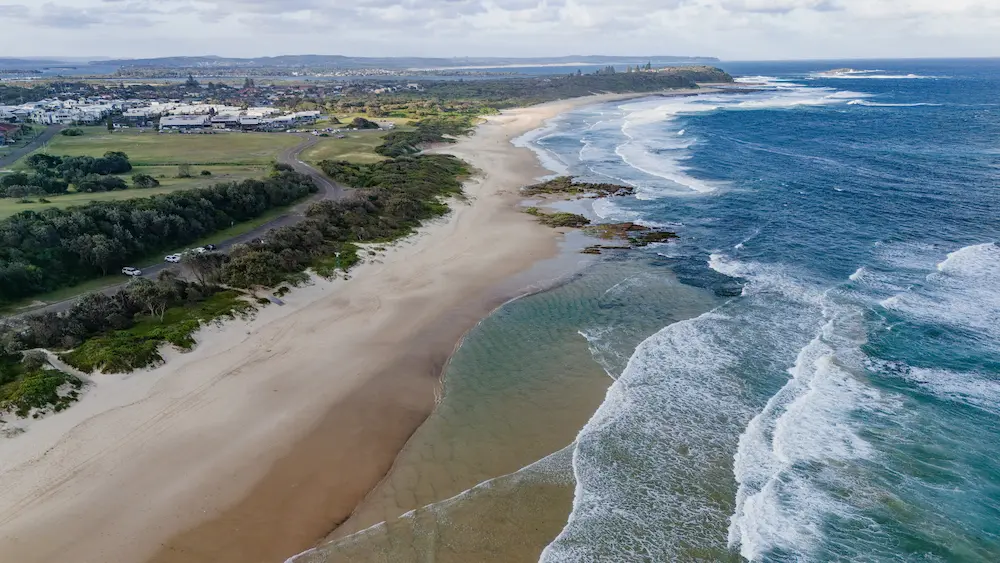
6. Australia’s East Coast Route
Country: Australia
Route: Sydney → Byron Bay → Gold Coast → K’gari → Whitsundays → Cairns
Ideal duration: 2–4 weeks
Best for: Beaches, nature and adventure
The east coast has extensive tourism infrastructure, hostels and organised activities, giving solo travellers plenty of options for independent travel and joining local tours.
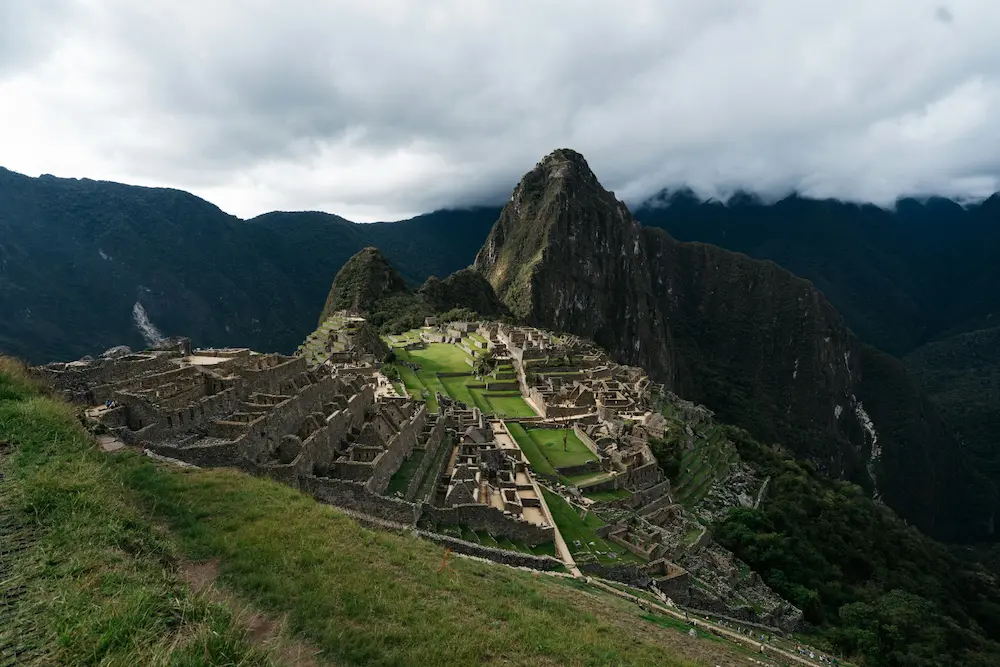
7. Andean South America Route
Countries: Peru → Bolivia
Route: Lima → Paracas → Arequipa → Cusco → Machu Picchu → Lake Titicaca → Uyuni
Ideal duration: 3–4 weeks
Best for: Trekking, history and landscapes
The route combines major archaeological sites, high-altitude landscapes and established tourist destinations across two countries.
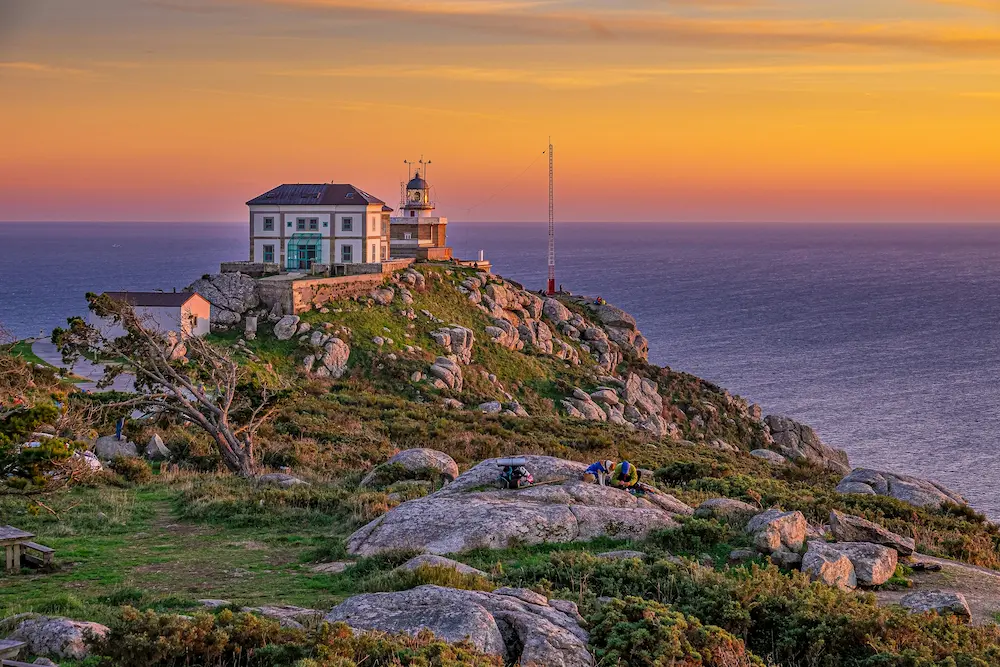
8. Camino de Santiago — French Way
Countries: France → Spain
Route: Saint-Jean-Pied-de-Port → Pamplona → Logroño → Burgos → León → Santiago de Compostela
Ideal duration: Around 30–35 days for the full route
Best for: Hiking, pilgrimage and meeting other travellers
The route has established accommodation, services and a strong walking community, making it particularly suitable for people interested in long-distance solo travel.
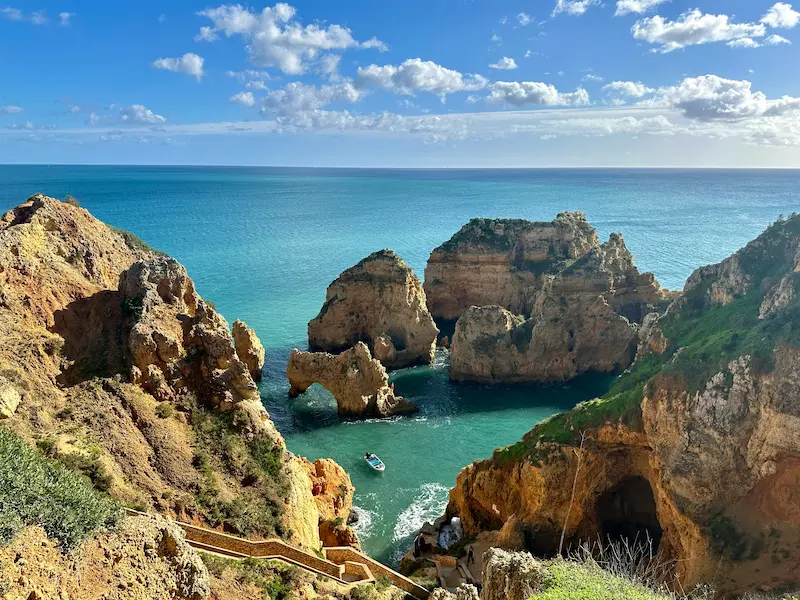
9. Iberian Coastal & Cultural Route
Countries: Portugal → Spain
Route: Porto → Lisbon → Lagos → Seville → Granada
Ideal duration: 12–16 days
Best for: Beaches, food, architecture and culture
This route combines Portugal’s major cities and Algarve coast with several important destinations in southern Spain.
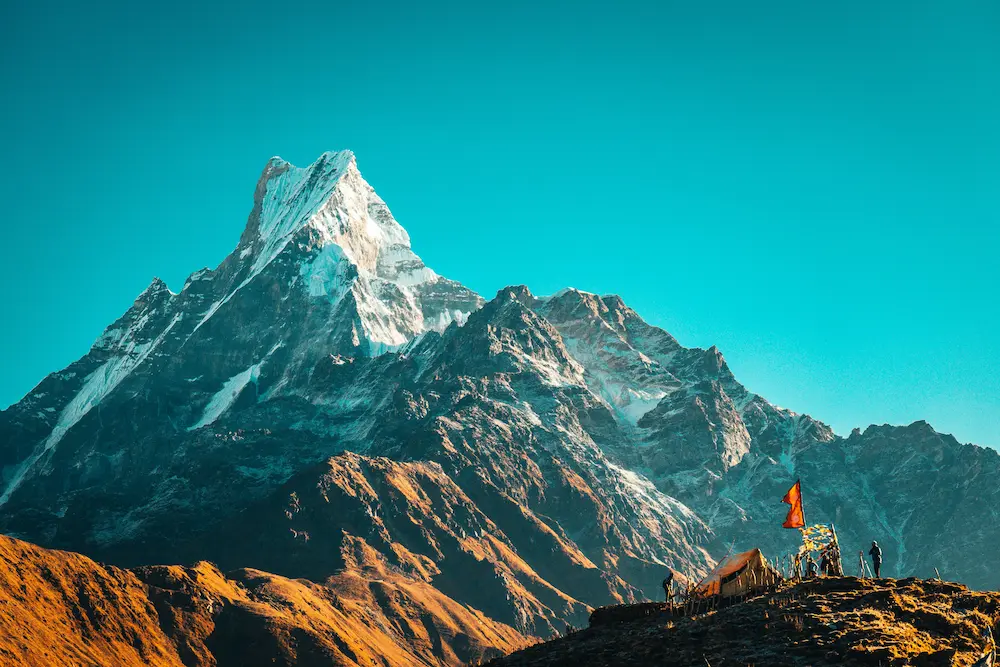
10. Himachal Pradesh Mountain Route
Country: India
Route: Chandigarh → Shimla → Jibhi → Kasol/Tosh → Manali → Dharamshala
Ideal duration: 10–14 days
Best for: Mountains, hiking and slower travel
The route links several popular Himalayan destinations and can work well for travellers interested in mountain scenery, trekking and a slower pace.
Plan Your Solo Trip in 8 Easy Steps
1. Decide How Long You Want to Travel: Start with the number of days you can realistically manage. For a first solo trip, a shorter journey can make planning and navigation easier without making the experience feel overwhelming.
2. Set a Realistic Budget: Estimate your main expenses before booking anything. Include accommodation, food, local transport, activities, travel insurance, and a separate amount for unexpected expenses.
3. Build a Simple Itinerary: Choose the places you genuinely want to see and group activities by location. Avoid filling every hour of the day. Some flexibility is useful when you’re travelling alone.
4. Book Your First Accommodation: For a solo trip, location can be more important than getting the lowest possible room rate. Look for accommodation with good recent reviews, convenient transport, and easy access to the areas you plan to explore.
5. Plan How You’ll Get Around: Research the main transport options before you arrive. Know how you’ll get from the airport or station to your accommodation and how you’ll travel between the main places on your itinerary.
6. Prepare Your Important Documents: Keep your passport, visa if required, travel insurance details, bookings, tickets, and important contact information accessible. Store digital copies separately from the originals.
7. Prepare for Your First Day: Don’t make your arrival day unnecessarily complicated. Know where you’re staying, how you’ll reach it, where you can get food, and what you’ll do if your arrival is delayed.
8. Leave Room to Change Your Plans: A solo itinerary doesn’t need to be rigid. If you discover a place you want to explore longer or something doesn’t work as expected, adjust the plan rather than trying to follow it at all costs.
How Much Does Solo Travel Cost?
Solo travel can fit different budgets, but travelling alone usually means you cannot split accommodation, taxis, or other shared expenses with another person. Your actual cost depends on the destination, trip length, accommodation standard, transport choices, and activities. A useful way to plan is to estimate your daily expenses first and then add major costs such as flights, visas, insurance, and intercity travel.
| Travel Style | Popular Destinations (5 countries each) |
Accommodation (Tips) |
Food & Drinks (Tips) |
Local Transport (Tips) |
Activities & Misc (Tips) |
Per Day Expenses Breakdown | Total Daily Average |
|---|---|---|---|---|---|---|---|
| Budget | Vietnam, Thailand, Nepal, Albania, Colombia | Stay in hostel dorms or family-run guesthouses. Book accommodations that offer free breakfast or communal kitchens to cook basic meals. | Eat local street food, shop at night markets, and eat at local eateries (warungs, tascas, or set-lunch spots). Carry a refillable water bottle with a built-in filter. | Use public buses, subways, shared minibuses (marshrutkas), or walk. Book overnight trains or sleeper buses to combine transport and lodging costs. | Stick to free walking tours, local parks, public beaches, and self-guided nature hikes. Always negotiate prices upfront at local markets. |
Lodging: $10 – $25
Food: $8 – $15
Transport: $3 – $8
Activities: $4 – $12
|
$25 – $60 |
| Mid-Range | Portugal, Czechia, Costa Rica, Turkey, Mexico | Book private rooms in boutique hostels, budget 3-star hotels, or Airbnbs. Travel during the shoulder season for discounted rates. | Mix sit-down restaurant dinners with casual cafe lunches or bakeries. Take advantage of fixed-price lunch menus (menú del día). | Utilize high-speed regional rail, rideshare apps (Uber, Grab), or scooter/car rentals for short trips. Buy multi-day transit passes. | Pre-book popular museum passes, join small group tours, and budget for 1–2 paid flagship experiences per city. |
Lodging: $50 – $100
Food: $25 – $45
Transport: $10 – $25
Activities: $15 – $30
|
$100 – $200 |
| Luxury | Switzerland, Japan, Iceland, Norway, Australia | Stay in 5-star hotels, luxury resorts, or traditional high-end stays (e.g., Japanese ryokans) with personalized concierge services. | Experience fine dining, Michelin-starred restaurants, wine-tasting tours, and private chef experiences. | Hire private airport transfers, private drivers, or book first-class train seats for seamless travel. | Book private guided excursions, helicopter tours, private boat charters, and skip-the-line VIP entry passes. |
Lodging: $250 – $500+
Food: $80 – $180+
Transport: $40 – $100+
Activities: $50 – $150+
|
$420 – $930+ |
These are broad daily planning estimates per person, covering typical accommodation, food, local transportation, and some activities. They don’t include international flights, visas, travel insurance, or major intercity journeys. Actual costs can vary by city, season, accommodation choice, and travel habits.
Solo Travel Safety: Practical Measures to Take
Solo travel safety is mostly about reducing avoidable risks with a few practical habits rather than trying to control everything. Good preparation can make it easier to deal with unfamiliar places, unexpected changes, and situations that require quick decisions.
Before You Go
• Research neighbourhoods, common scams, local emergency numbers, and how people normally get around, such as trains, buses, taxis, or ride-hailing services.
• Check current travel advisories, entry requirements, and local rules before departure.
• Share your itinerary, accommodation details, and approximate arrival or check-in times with someone you trust.
• Keep backups of your passport, ID, tickets, insurance details, and important contacts. Store digital copies separately from your physical documents.
• Save your accommodation address and essential information offline in case you lose mobile data or internet access.
On the Move
• When possible, aim to arrive in a new city during daylight, particularly if you are unfamiliar with the area.
• Use official transport counters, licensed taxis, or reputable ride-hailing services where available.
• Keep money and cards in separate places rather than carrying everything in one wallet.
• Stay reasonably alert, particularly in crowded stations, markets, public transport, and unfamiliar areas.
• Avoid displaying large amounts of cash, expensive electronics, or other valuables unnecessarily.
At Your Accommodation
• Choose well-reviewed accommodation in a practical location with convenient access to transport and the areas you plan to visit.
• Check the door lock when you arrive and use any additional security features provided by the property.
• Keep your passport, cash, cards, and electronics secure when you leave the room.
• Use a room safe or a locked bag where appropriate, but don’t rely on a single security measure for everything.
• Avoid sharing your room number or accommodation details casually with people you have just met.
With Food, Drinks & Social Situations
• Keep an eye on your drink, particularly when you are in an unfamiliar social setting.
• Be sensible about alcohol when you need to navigate an unfamiliar place on your own.
• Don’t feel pressured to accept invitations, rides, food, or drinks if you are uncomfortable.
• If a situation feels wrong, leave rather than worrying about appearing impolite.
Keep Emergency Information Accessible
Before travelling, save the relevant emergency numbers for your destination, along with your accommodation’s contact details and travel insurance assistance number.
Keep these details available offline, not only in an app or email account.
Trust Your Judgement
No checklist can account for every situation. If something feels uncomfortable or unsafe, you don’t need to justify leaving. Move to a busier or familiar place, contact someone you trust, or seek local assistance when necessary.
Is Solo Travel Safe for Women? Practical Tips to Consider
Solo travel can be reasonably safe for women, but much depends on preparation, awareness, and personal comfort rather than any single rule. The more useful question is not “Is it safe everywhere?” but “How can I reduce avoidable risks while still enjoying the trip?”
Before you leave, research local customs, common scams, areas that are more convenient for travellers, and local expectations around dress and behaviour. Choose well-reviewed accommodation in a practical location, try to arrive during daylight when possible, and plan how you will get from the airport or station to your accommodation. Share your itinerary with someone you trust, and keep copies of important documents and emergency contacts separately from your originals.
Once you arrive, stay aware of your surroundings and use licensed transport or reputable ride-hailing services where available. Avoid sharing unnecessary details about being alone or where you are staying with people you have just met. Keep cash and cards in separate places, keep an eye on your drink, and leave any situation that makes you uncomfortable, even if doing so feels awkward.
Rather than trying to prove that solo travel is “safe” in general, focus on whether you feel prepared for the specific destination, accommodation, transport options, and type of trip you have chosen.
My Approach to Making Solo Travel Easier
Making solo travel easier, for me, starts with lowering the pressure rather than trying to create a perfect trip. I don’t plan an “epic” itinerary. Instead, I choose one or two anchors for each day—a walkable area, a café, or a small sight—and leave the rest flexible. If I’m tired or the weather changes, the day can still feel worthwhile.
I also deal with a few boring-but-useful tasks in advance. I save offline maps, pin my accommodation and important bus or railway points, and note at least one reliable way to get back, whether that’s a trusted cab app, a metro line, or a familiar route. It sounds basic, but knowing how I’ll get back makes exploring unfamiliar streets or markets less stressful.
Another small habit is creating simple routines. Having a familiar type of breakfast, taking a short evening walk, or sending a regular check-in message to someone at home can make an unfamiliar destination feel a little more manageable.
Finally, I accept that some moments will feel awkward—eating alone, asking for directions twice, or not knowing exactly what to do next. I don’t see those moments as failures. They’re simply part of travelling somewhere on my own.
The Solo Travel Packing List
Packing for a solo trip is less about carrying everything you might need and more about taking the items that help you stay comfortable, organised, and prepared. When you’re travelling alone, keeping your luggage manageable also makes transfers, public transport, and changes of accommodation easier.
| Category | Essential Items | Practical Tip |
|---|---|---|
| Essential Documents & Money |
|
Keep important documents and payment cards somewhere secure and easily accessible. |
| Clothing |
|
Avoid packing clothes for every possible situation. Check the expected weather and plan to wash clothes during longer trips rather than carrying too much. |
| Electronics |
|
Before leaving, download anything you may need without an internet connection. |
| Personal & Toiletry Items |
|
Keep essential medication and important personal items in your carry-on rather than checked luggage when flying. |
| Small Items That Can Be Useful |
|
Choose small, lightweight items that are useful across different parts of your trip. |
Solo Travel FAQs
Practical answers to common questions before travelling alone.
Is solo travel suitable for women?
How do I choose the right destination for my first solo trip?
What should I do if something goes wrong during a solo trip?
How do I avoid feeling lonely when travelling alone?
What should I pack for a solo trip?
How much money do I need for a solo trip?
How can I manage a language barrier while travelling alone?
How should I deal with large crowds or crowded places alone?
How can I avoid getting sick while travelling alone?
Is solo travel better for short trips or longer journeys?
One Last Thought
“A good solo trip, for me, isn’t the one with the fullest itinerary. It’s the one where I have enough structure to feel prepared and enough freedom to change my plans.”