
Table of Contents (Click here for quick access)
Why Visit Historical Places?
✅ Understand how people lived: Historical places show how people before us lived, worked, fought, traded, and cooperated, making the past feel less like a collection of stories and more like real human experience.
✅ Put history into context: Standing in an old street, fort, or temple gives dates and events a physical setting, making history easier to understand and remember.
✅ See how cultures connected: Historical sites reveal how trade, migration, conflict, and cultural exchange shaped societies and influenced the identities of places we know today.
✅ Reflect on time and change: Walking through preserved buildings and ancient ruins can make you think about how societies change and what remains after centuries have passed.
✅ Travel at a slower pace: Historical destinations often encourage you to look beyond photographs, notice architectural details, listen to local stories, and spend more time understanding your surroundings.
✅ Develop a deeper connection with heritage: Visiting historical places can influence how you view cultural heritage, public spaces, and even your own connection with the places and traditions that shaped you.
Quick List of the Best Historical Places
A long list of historical places can be difficult to navigate, so this table provides a clear and practical overview. It brings together notable sites, their locations, and what each destination is best known for. Whether you are planning a trip or considering options for a future journey, the format makes it easier to compare destinations, create a shortlist, and save ideas. It also helps you choose places based on your interests, whether they include architecture, culture, military history, archaeology, or peaceful heritage walks.
| Historical Place | Country | Historical Period | Best For |
|---|---|---|---|
| Rome | Italy | Ancient Rome | Ancient history |
| Petra | Jordan | Ancient | Archaeology |
| Machu Picchu | Peru | Inca Civilization | Ancient civilizations |
| Angkor Wat | Cambodia | Khmer Empire | Architecture & heritage |
| Istanbul | Türkiye | Byzantine & Ottoman | Empires & architecture |
| Kyoto | Japan | Medieval–Modern | Culture & heritage |
| Great Pyramids of Giza | Egypt | Ancient Egypt | Ancient monuments |
| Acropolis of Athens | Greece | Ancient Greece | Classical history |
| Chichén Itzá | Mexico | Maya Civilization | Archaeology |
| Hampi | India | Vijayanagara Empire | Ruins & heritage |
| Varanasi | India | Ancient–Modern | Culture & spirituality |
| Pompeii | Italy | Ancient Rome | Archaeology & Roman history |
Historical Places You Must Visit Around the World
Historical places help us understand a destination beyond its modern streets, hotels, and attractions. They show how people built cities, shaped societies, developed ideas, and responded to the challenges of their time. Some sites are connected with ancient civilisations, while others tell stories of empires, religion, architecture, or technological change. These places become more meaningful when we look beyond their famous names and explore the history behind them. Here are ten historical places worth including in your travel plans if you want to connect your journey with the past.
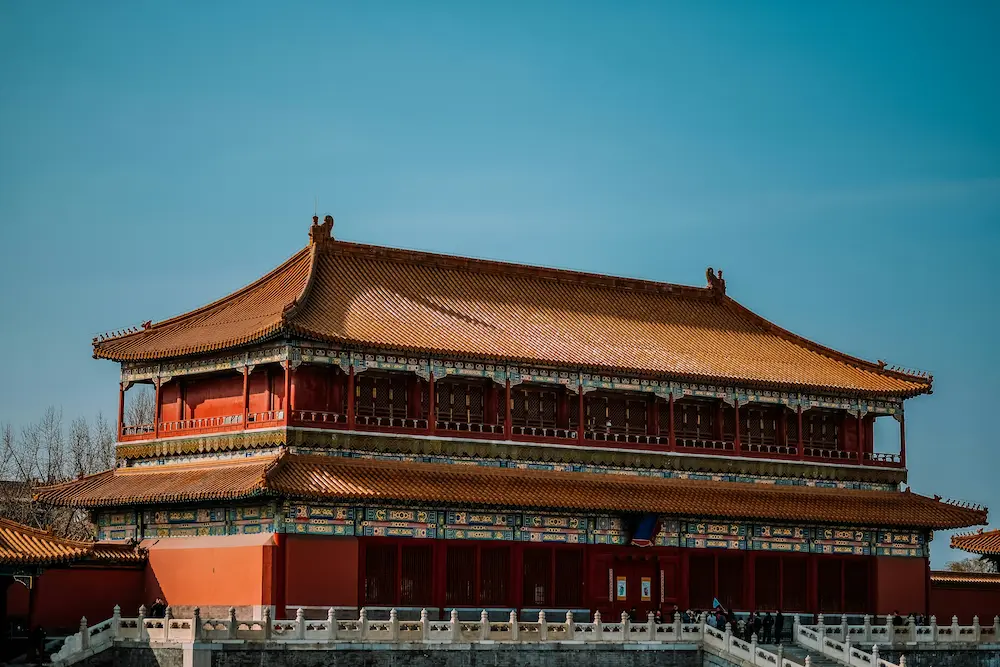
1. The Forbidden City, Beijing, China
The Forbidden City is a good place to begin if you want to understand the scale and organisation of imperial China. It served as the main imperial palace for centuries, with courtyards, gates and halls arranged according to a carefully planned design. I find the smaller details particularly interesting, from the roof decorations to the stone carvings. Walking through the courtyards also gives you a better sense of how palace life was organised than photographs usually can.
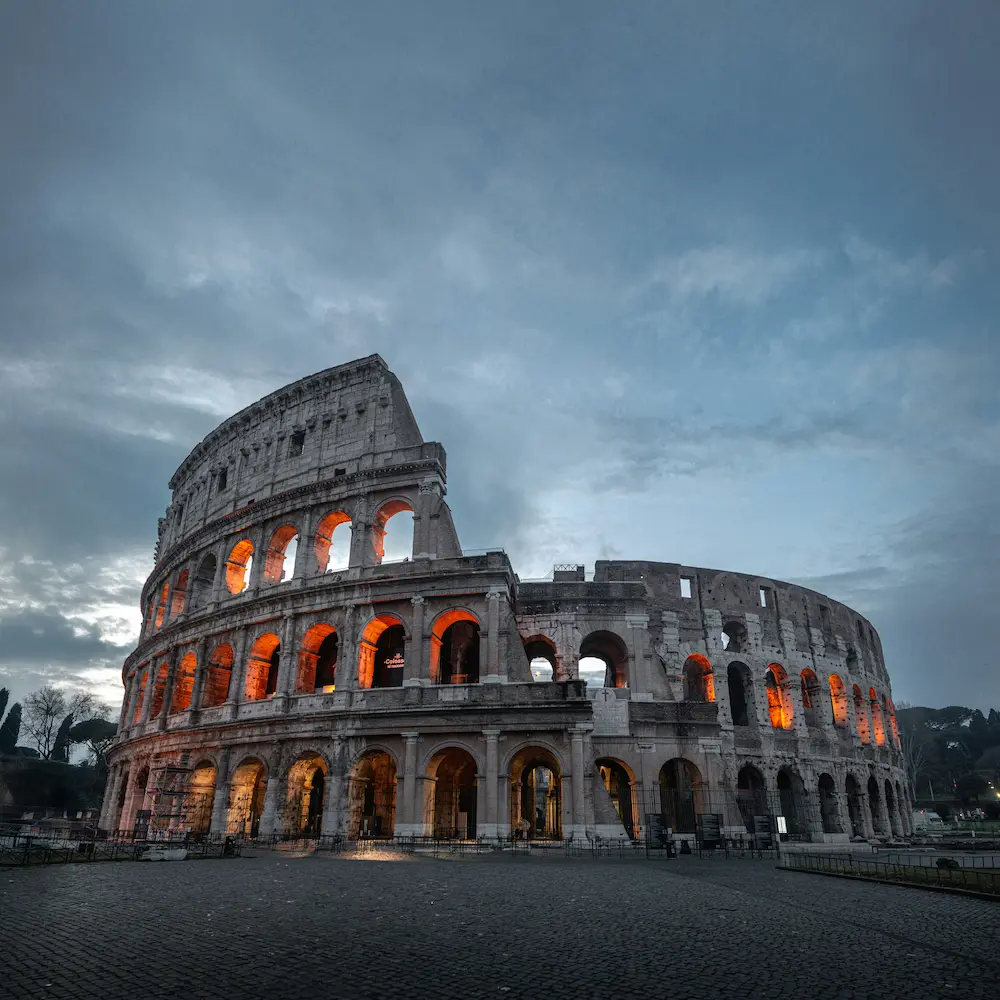
2. The Colosseum, Rome, Italy
The Colosseum is one of Rome’s clearest reminders of the Roman Empire. Built as a large amphitheatre, it hosted public spectacles including gladiatorial contests. What makes a visit useful is being able to see how the different levels and entrances were arranged to handle large crowds. I would spend some time looking at the surviving structure rather than rushing through for a photograph. The ruins make the scale of Roman public entertainment easier to understand.
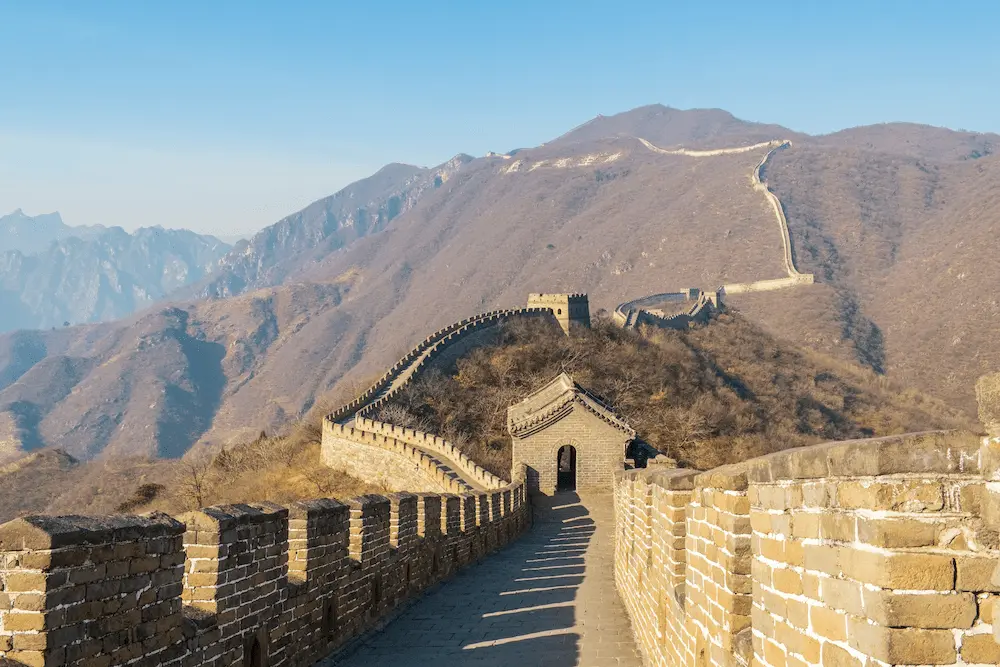
3. The Great Wall of China
The Great Wall is not a single wall built during one period. Different sections were constructed, rebuilt and extended over many centuries. The best-known sections show defensive walls, watchtowers and pathways following difficult mountain terrain. I would choose the section you visit based on how much walking you want to do rather than trying to see everything. Once you are on the wall, its position across hills and valleys makes its defensive purpose much easier to understand.
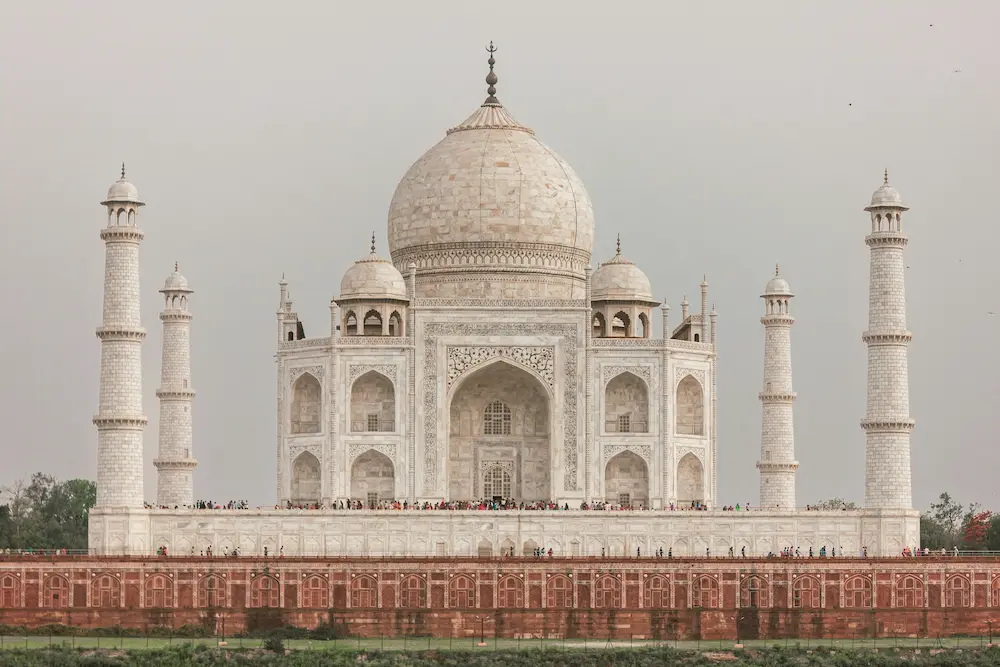
4. The Taj Mahal, Agra, India
The Taj Mahal is best understood as more than a famous white marble monument. Built by Mughal emperor Shah Jahan as a mausoleum for Mumtaz Mahal, the complex combines architecture, gardens, water channels and detailed stonework. I would take time to look at the smaller patterns and carved details around the main structure. The symmetry of the complex is also easier to appreciate when you walk through the gardens rather than viewing the monument from only one position.
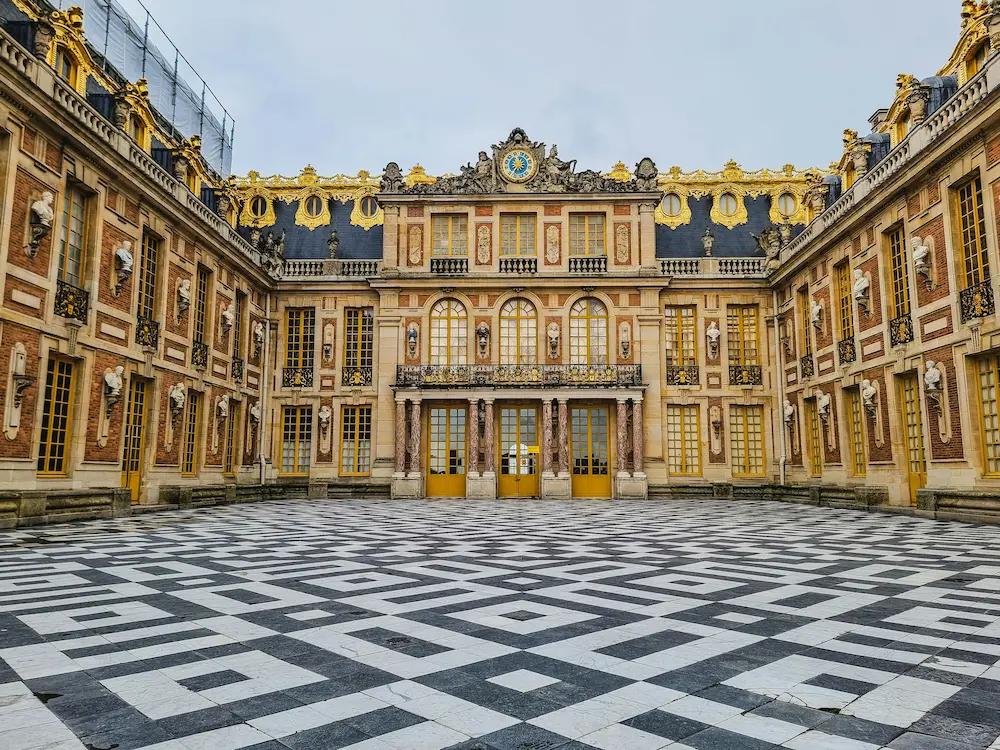
5. The Palace of Versailles, Versailles, France
The Palace of Versailles offers a useful look at the wealth and political power of the French monarchy. The palace is known for its elaborate rooms, the Hall of Mirrors and its extensive formal gardens. I would not limit the visit to the interior. The gardens and the carefully planned layout show how architecture and landscape were used together to represent royal authority. The palace later became closely connected with the events surrounding the French Revolution.
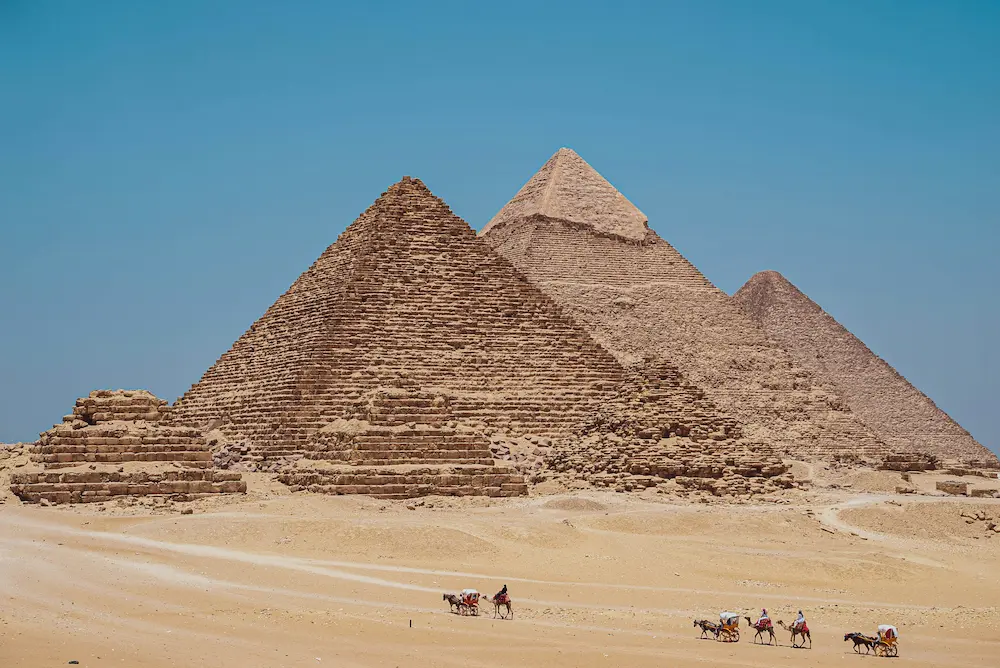
6. The Pyramids of Giza, Giza, Egypt
The Pyramids of Giza are among the most important surviving monuments of ancient Egypt. The complex includes the Great Pyramid, the pyramids of Khafre and Menkaure, the Great Sphinx and other structures linked to ancient Egyptian burial practices. What I find most useful about visiting the site is seeing the pyramids as part of a larger complex. The surrounding structures and the position of the monuments help explain the amount of planning, engineering and labour involved in their construction.
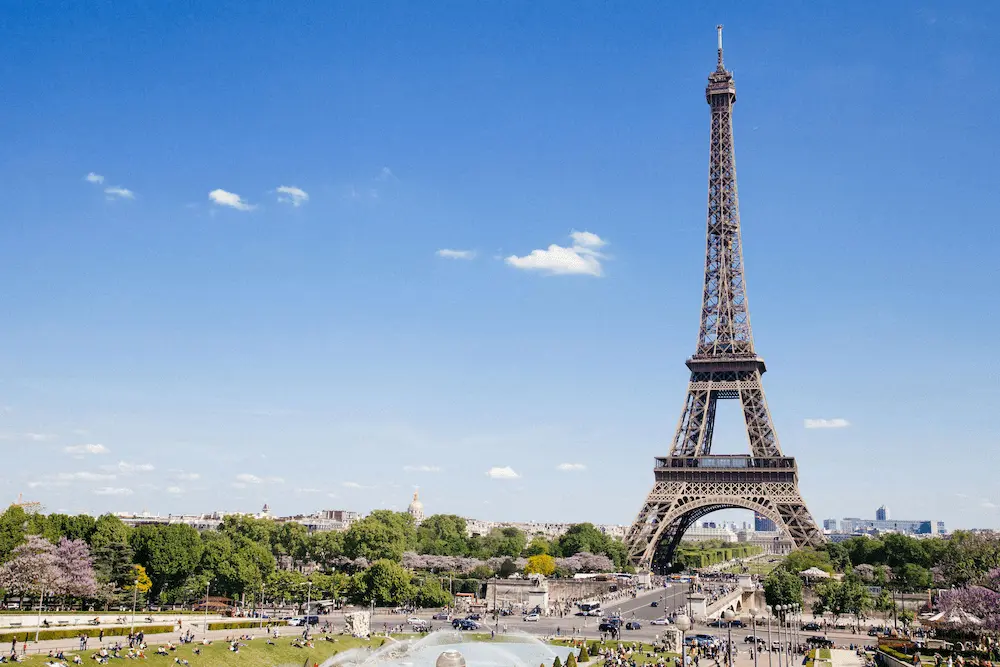
7. The Eiffel Tower, Paris, France
The Eiffel Tower is much younger than most of the places on this list, but it represents an important period in modern architectural history. It was built for the 1889 Exposition Universelle and became a notable example of large-scale iron construction. Its history is interesting because the tower was originally intended to be temporary. When you look closely at its framework, you can see how engineering and industrial manufacturing influenced the architecture of the period. That makes it different from the ancient monuments elsewhere on this list.
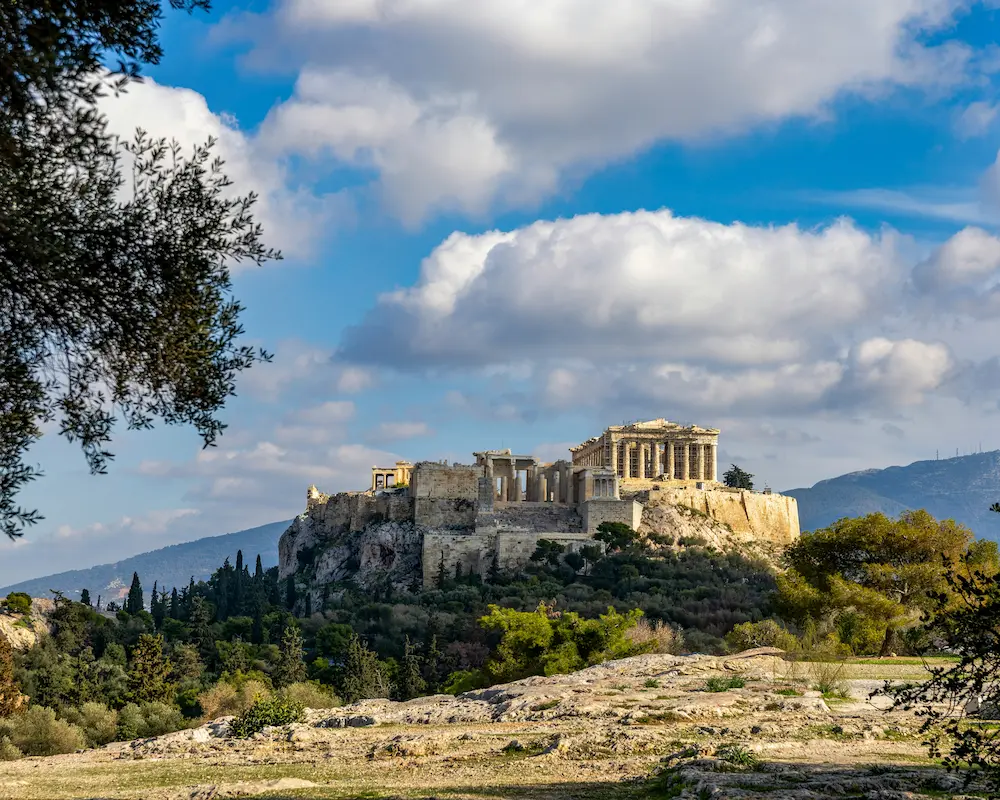
8. The Acropolis of Athens, Athens, Greece
The Acropolis stands on a rocky hill above Athens and contains several important ancient Greek monuments, including the Parthenon. The site offers a useful introduction to ancient Greek architecture, religion and public life. I would pay attention to the location as much as the buildings themselves. The elevated position helped make the Acropolis an important landmark in ancient Athens and also gives you a clear view of how the historic site relates to the modern city below.
9. Hagia Sophia, Istanbul, Türkiye
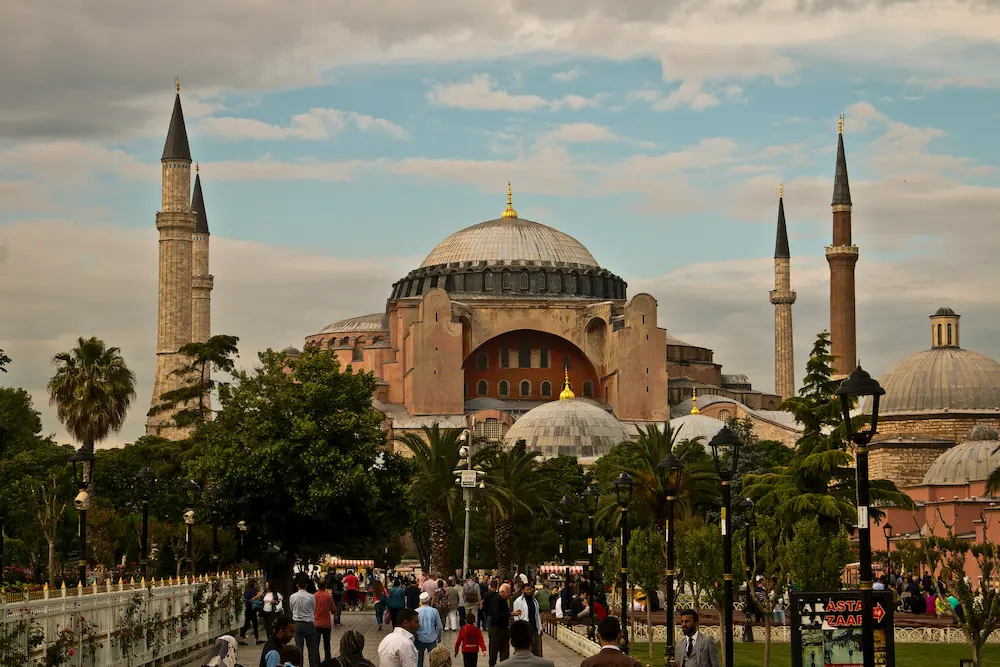
Hagia Sophia brings together several important periods in Istanbul’s history. It was built as a Byzantine cathedral under Emperor Justinian I and later became an imperial mosque. It also served as a museum and today functions as a mosque. Its huge dome, mosaics and interior details reflect the different periods that shaped the building. For me, this layered history is what makes Hagia Sophia especially interesting. The building allows you to see how the same place can take on different roles as a city changes.
10. Machu Picchu, Cusco Region, Peru
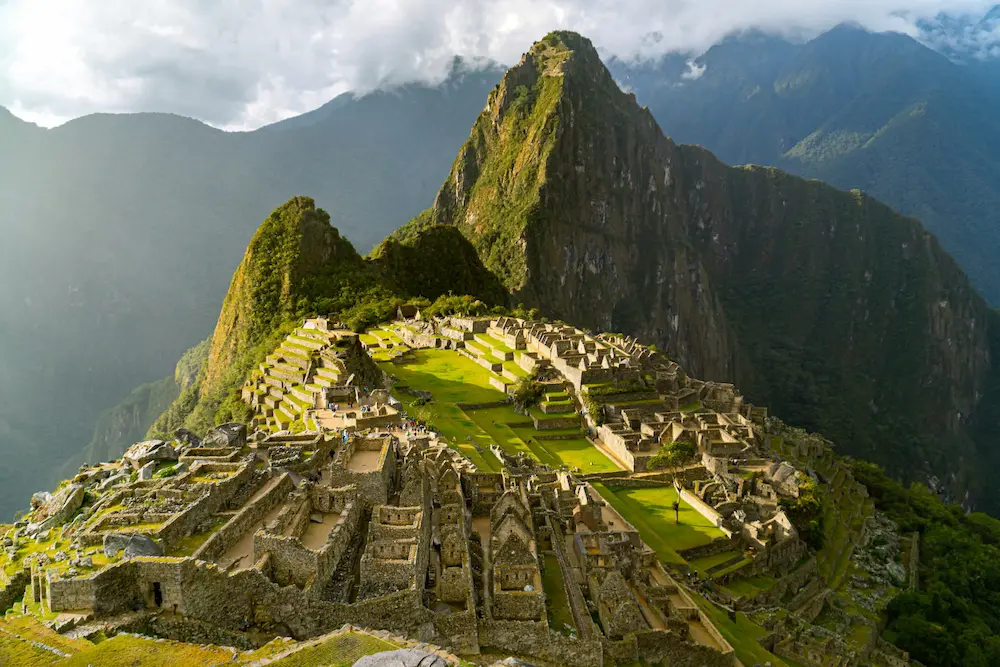
Machu Picchu is an Inca site set high in the Andes, and its mountain setting is an important part of understanding the place. The site contains stone buildings, terraces, pathways and agricultural areas that were carefully adapted to steep terrain. The exact purpose of Machu Picchu is still debated, but its layout shows the skill of Inca builders and planners. I would take time to look at the terraces and stonework rather than treating the visit as simply a viewpoint stop.
Types of Historical Places to Explore
Historical places can be grouped into different types based on what they tell us about the past. Ancient cities show how earlier communities lived and developed, while forts and castles reflect defence and royal rule. Temples and religious sites highlight faith, art, and architecture. Archaeological sites preserve remains of older settlements and civilisations. Historic cities combine heritage with modern life, while important monuments represent major periods, events, or achievements. These categories make it easier to understand different types of historical destinations and choose places that match your interests.
🏛️ Ancient Cities
Explore cities where ancient societies developed trade, government, architecture, and urban life.
- Rome, Italy – Ancient centre of the Roman Empire, known for its ruins and historic streets.
- Athens, Greece – A major centre of ancient Greek culture, philosophy, and democracy.
- Petra, Jordan – An ancient Nabataean city carved into sandstone cliffs.
- Ephesus, Türkiye – Well-preserved ruins of an important ancient Greek and Roman city.
- Pompeii, Italy – Roman city preserved by the eruption of Mount Vesuvius.
🏰 Forts and Castles
These defensive structures reveal how rulers protected territory, controlled routes, and displayed political power.
- Edinburgh Castle, Scotland – Historic fortress overlooking the Scottish capital.
- Mehrangarh Fort, India – Massive hilltop fort overlooking Jodhpur in Rajasthan.
- Krak des Chevaliers, Syria – A well-preserved medieval castle associated with the Crusader period.
- Prague Castle, Czech Republic – A historic castle complex at the heart of Prague.
🛕 Temples & Religious Sites
Religious heritage sites combine architecture, craftsmanship, spiritual traditions, and centuries of cultural history.
- Angkor Wat, Cambodia – Vast temple complex and one of the most important monuments of Khmer civilisation.
- Borobudur, Indonesia – Large Buddhist monument known for its terraces and carved reliefs.
- Bagan, Myanmar – Historic landscape filled with thousands of Buddhist temples and pagodas.
- Kashi Vishwanath, India – Important Hindu temple associated with the sacred city of Varanasi.
🏺 Archaeological Sites
Archaeological sites preserve physical evidence of societies, settlements, and cultures from earlier periods.
- Machu Picchu, Peru – Inca site built among the mountains of the Andes.
- Chichén Itzá, Mexico – Major Maya archaeological site known for its monumental architecture.
- Göbekli Tepe, Türkiye – Ancient archaeological site with monumental stone structures.
- Pompeii, Italy – Archaeological site offering an unusually detailed view of Roman urban life.
🏙️ Historic Cities
Historic cities allow you to experience heritage through old neighbourhoods, buildings, markets, traditions, and daily life.
- Istanbul, Türkiye – City shaped by Byzantine and Ottoman history across Europe and Asia.
- Kyoto, Japan – Former imperial capital known for temples, traditional districts, and gardens.
- Cairo, Egypt – Historic city surrounded by important Islamic, Coptic, and ancient Egyptian heritage.
- Varanasi, India – One of India’s oldest living cities, closely connected with the Ganges and Hindu traditions.
- Jerusalem – Historic city with major religious and cultural significance for several faiths.
🗿 Historic Monuments & Landmarks
These landmarks represent important periods of architecture, engineering, politics, culture, or national history.
- Taj Mahal, India – Mughal-era mausoleum renowned for its marble architecture and symmetry.
- Colosseum, Italy – Ancient Roman amphitheatre built for large public spectacles.
- Great Wall of China, China – Network of defensive walls and fortifications built over centuries.
- Eiffel Tower, France – Landmark of modern engineering built for the 1889 World’s Fair.
- Statue of Liberty, United States – 19th-century monument and enduring symbol of New York Harbor.
How Much Does a Historical Places Trip Cost?
The cost of a historical places trip depends mainly on the destination, length of the trip, accommodation, transport, and entrance fees. A short trip within your own country can be relatively affordable, while visiting several international heritage sites can require a larger budget. I would keep some extra money for local transport, guided tours, and entry tickets, as these costs can add up quickly. The table below gives a general estimate for one person, excluding international flights.
| Travel Style | Accommodation | Daily Food | Local Transport | Entry Fees & Activities | Approx. Daily Budget |
|---|---|---|---|---|---|
| Budget | $15–$35 | $10–$20 | $5–$15 | $5–$15 | $35–$85 |
| Mid-Range | $40–$90 | $20–$40 | $10–$30 | $10–$30 | $80–$190 |
| Comfortable | $90–$180 | $35–$60 | $20–$45 | $15–$40 | $160–$325 |
| Luxury | $200+ | $60+ | $40+ | $30+ | $330+ |
Historical Destinations by Budget
Your choice of destination can make a noticeable difference to the overall cost of a historical trip. Some heritage destinations are relatively affordable because accommodation, food, and local transport are inexpensive, while others require a larger budget because of higher living costs or expensive attractions. These are broad suggestions rather than fixed price categories, since your actual spending will depend on travel style and season.
| Budget Level | Historical Place | Country | Why It Can Fit the Budget |
|---|---|---|---|
| Budget | Varanasi | India | Affordable stays, food, and local transport |
| Cairo | Egypt | Budget accommodation and relatively low daily costs | |
| Hoi An | Vietnam | Reasonable accommodation and food costs | |
| Istanbul | Türkiye | Good range of budget accommodation and local transport | |
| Kathmandu | Nepal | Affordable stays, food, and access to heritage sites | |
| Mid-Range | Rome | Italy | Moderate accommodation and sightseeing costs with planning |
| Athens | Greece | Good choice of mid-range hotels and public transport | |
| Kyoto | Japan | More expensive than many Asian destinations, but manageable with planning | |
| Prague | Czech Republic | Good public transport and a wide range of accommodation | |
| Agra | India | Moderate hotel options and relatively affordable local travel | |
| Luxury | Paris | France | Luxury hotels, private tours, fine dining, and premium experiences |
| Rome | Italy | High-end hotels, private guides, and exclusive experiences | |
| Kyoto | Japan | Luxury ryokans, private tours, and traditional experiences | |
| Istanbul | Türkiye | Luxury hotels, private guides, and Bosphorus experiences | |
| Cairo | Egypt | Luxury hotels, private guides, and customised historical tours |
How to Plan a Historical Places Trip
A historical trip is easier when you plan around a theme, route, and realistic time limit rather than trying to see every famous monument. Choose what interests you—forts, temples, ancient cities, colonial buildings, museums, or archaeological sites—and build the itinerary around it.
Choose a Clear Theme: Group places by a common story or period. You could focus on Mughal architecture, Buddhist heritage, Rajput forts, colonial towns, religious sites, or ancient settlements. For example, Jaipur–Amber–Ajmer creates a focused route around forts, palaces, and religious history.
Plan Places by Route: Mark sites on a map before booking hotels and transport. Group nearby attractions, avoid unnecessary backtracking, and limit yourself to one or two major sites per day. Keep some free time for delays, rest, and unexpected discoveries.
Check Official Details: Before visiting, verify opening hours, weekly closing days, ticket prices, booking requirements, photography rules, dress codes, bag restrictions, accessibility, and restoration work. Use recent visitor reviews for practical information, but rely on official sources for ticket details.
Plan Around Weather and Crowds: Visit outdoor monuments early or late in the day, especially during hot weather. Check forecasts and local festivals before travelling. In India’s summer, outdoor sightseeing is usually more comfortable before 10 a.m. and after 4 p.m.
Decide on a Guide: Guides can add useful context at complex sites. Prefer authorised guides or official audio tours. Ask about their credentials, duration, language, and fees. Focus on evidence rather than dramatic stories presented as historical fact.
Build a Complete Budget: Include transport, accommodation, entry tickets, guides, food, local travel, parking, permits, lockers, and other small charges. Keep some cash for smaller heritage sites where digital payments may not work reliably.
Pack for the Site: Wear comfortable shoes and carry water, sunscreen, a hat, identification, medicines, a power bank, and offline copies of tickets. Avoid large bags where security or storage facilities are limited.
Visit Responsibly: Stay on marked paths, avoid touching or climbing structures, follow photography rules, keep sites clean, and respect religious spaces and local communities. Never remove objects or buy questionable antiquities.
Keep the Schedule Flexible: A practical day might include a morning monument, afternoon museum or rest, and an evening cultural activity. Leave 30–60 minutes between major activities for queues, traffic, parking, and delays.
Historical Places vs. Modern Tourist Attractions
Historical places and modern tourist attractions offer different travel experiences. Historical sites—such as forts, palaces, temples, museums, and old markets—help visitors understand the people, events, and traditions that shaped a destination. Modern attractions, including theme parks, aquariums, shopping areas, and observation decks, focus more on entertainment, comfort, and convenience.
I prefer historical places when I want to understand a destination. Walking through an old fort or neighbourhood can give you a stronger sense of local identity than simply looking at photographs. However, these places may involve long walks, uneven paths, limited shade, and crowds. Reading a little about a site before visiting can make the experience more meaningful.
Modern attractions are usually easier to plan. They often provide clear ticketing systems, restaurants, toilets, seating, and activities for children. They can be a practical choice for families or travellers with limited time. The drawbacks can include higher prices, long queues, and attractions that feel similar to those found in other cities.
The better choice depends on your travel purpose. Choose historical places for culture, architecture, photography, and learning. Choose modern attractions for relaxation, family entertainment, and a more predictable day.
For a balanced trip, combine both. Visit an important historical site in the morning, explore a local market or neighbourhood later, and spend the evening at a modern attraction or food area. This gives you a better view of the destination’s past and present without making the trip unnecessarily tiring.
Historical places explain where a destination came from, while modern attractions show how people experience it today.
Historical Places Travel Tips & Packing Checklist
Historical sites often involve more walking, stairs, queues, and time outdoors than a typical sightseeing stop. Check opening hours, ticket rules, closing days, and photography restrictions before visiting. Start outdoor sightseeing early if the weather is hot, and avoid planning too many major sites in one day. Wear shoes that you can walk in comfortably and carry water, sun protection, and some cash. At religious sites, check local dress requirements in advance. Keep your phone charged for maps and digital tickets, but save important details offline. Leave some space between activities for traffic, queues, parking, or delays. Most importantly, follow site rules and avoid touching, climbing, or damaging historic structures.
| Packing Item | Why You May Need It |
|---|---|
| Comfortable walking shoes | Useful for uneven paths, stone steps, and long walks. |
| Reusable water bottle | Useful when visiting large outdoor sites where water may not be easily available. |
| Hat or cap | Provides protection from direct sunlight during outdoor visits. |
| Sunscreen | Useful when spending several hours outside at exposed sites. |
| Sunglasses | Helpful in bright conditions, particularly at open archaeological sites. |
| Light scarf or shawl | Useful at religious sites where modest clothing may be required. |
| Power bank | Keeps your phone available for maps, tickets, and travel information. |
| Identification | May be required for entry, discounted tickets, or identity checks. |
| Personal medicines | Useful when spending several hours away from your accommodation. |
| Offline maps and tickets | Helpful when mobile data or network coverage is unreliable. |
Frequently Asked Questions
What are the best historical places to visit in the world?
Which country has the most historical places?
What is the oldest historical place in the world?
What are the most famous ancient historical sites?
What is the best time to visit historical places?
What are the must-visit historical places in the world?
Are guided tours worth it when visiting historical sites?
What are some underrated or lesser-known historical places worth visiting?
Let the Places Tell the Story
Historical places are more than old stone buildings, monuments, or ruins. They show us how people lived, built communities, traded, worshipped, governed, and responded to the challenges of their time. A fort can tell us about defence and politics, while an old market, temple, or neighbourhood can reveal something about everyday life. Seeing these places in person also gives you a better sense of their scale, setting, and surroundings than photographs alone.
Visiting historical sites gives us some perspective on the past. Empires, kingdoms, and cities that once seemed permanent eventually changed or disappeared. The people who built these places also had families, work, routines, ambitions, and problems that were not so different from our own.
When you visit a historical site, take some time to understand what you are seeing rather than simply taking photographs and moving on. Read the available information, ask questions when appropriate, and be careful around old structures and objects. Respect local rules and avoid damaging or removing anything.
The best historical trips are not necessarily the ones with the longest list of monuments. They are the ones where you return with a clearer understanding of how a place developed, what happened there, and why it still matters today.