
Travel isn’t one-size-fits-all, and the right way to explore India depends on your travel style, companions, experience and priorities. Whether you’re travelling alone for the first time, planning a trip with your partner, exploring with friends or family, travelling slowly, backpacking, keeping costs low or seeking adventure, your ideal journey can look very different from someone else’s.
This guide covers eight traveller types—Solo Travellers, Couples, Friends & Family, First-Time Travellers, Slow Travellers, Backpackers, Budget Travellers and Adventure Lovers. Each section focuses on the practical considerations that matter to that style of travel, helping you understand what to expect and how to plan accordingly.
Rather than treating every traveller the same, we focus on practical, useful and clearly explained travel guidance. Explore the traveller type that best matches you, or combine different styles to create an India trip that fits your pace, preferences and priorities.
Traveller Type at a Glance
| Traveller Type | Best Suited For | Typical Travel Style | Main Planning Focus |
|---|---|---|---|
| Solo Traveller | Independent travellers who enjoy flexibility | Independent & flexible | Safety, transport, accommodation |
| Couple Traveller | Partners travelling together | Romantic & comfortable | Experiences, stays, pace |
| Friends & Family | Groups, families and multi-person trips | Planned & shared | Group logistics, comfort, activities |
| First-Time Traveller | People visiting India for the first time | Structured & confidence-focused | Routes, practical planning, essentials |
| Slow Traveller | Travellers who prefer depth over rushing | Relaxed & immersive | Longer stays, fewer destinations |
| Backpacker | Independent travellers seeking flexibility | Flexible & economical | Budget, transport, hostels, flexibility |
| Budget Traveller | Travellers focused on controlling trip costs | Affordable & practical | Transport, stays, food, daily expenses |
| Adventure Lover | Travellers seeking active experiences | Active & experience-driven | Activities, preparation, safety |
Choose Your India Travel Style
The way you travel shapes where you go, how you plan, and what you notice along the way. A solo trip asks for different routes, safety checks, and accommodation choices than a journey with family. Travelling as a couple changes your pace; moving with friends shifts your priorities. Budget constraints don’t limit experience so much as they refine it, pushing you toward slower, more local ways of moving. Adventure, meanwhile, is less about extreme sports and more about how far you’re willing to step outside routine. Use this section to align your destination, itinerary, and spending with the kind of traveller you are right now.
Solo Traveller
Solo travel in India gives you the freedom to shape each day around your own interests and pace. You can spend longer in a city that feels worth exploring or change plans when something unexpected catches your attention. For a first solo trip, well-connected cities and established tourist routes can make planning easier. Trains, buses, domestic flights and a wide range of accommodation provide plenty of choices across different budgets. The most useful approach is to keep your itinerary flexible without leaving essential bookings to the last minute. Travelling alone also creates more opportunities to experience local food, neighbourhoods and everyday life at your own pace.
Couple Traveller
Travelling as a couple in India works particularly well when the itinerary leaves enough room for shared experiences rather than constant sightseeing. Couples can combine heritage cities, quiet hill destinations, beaches, wildlife areas or food-focused stops depending on their interests. Accommodation can range from practical boutique stays to heritage hotels and resorts, giving couples plenty of choice across budgets. A sensible itinerary should balance travel time with time at the destination, especially when moving between different regions. Rather than trying to cover too much, choosing a few well-connected places often makes the journey more comfortable and gives both travellers enough time to enjoy the trip.
Friends & Family
Trips with friends or family usually require more practical planning because different travellers may have different expectations. A good itinerary considers travel time, accommodation, meal options, sightseeing interests and the amount of activity everyone can comfortably manage. Families may prefer shorter travel days and convenient stays, while groups of friends might build their trip around food, nightlife, adventure or shared experiences. India offers enough variety to accommodate both approaches, from relaxed beach holidays and hill escapes to heritage circuits and wildlife trips. Booking important transport and accommodation in advance can also make group travel smoother, particularly during school holidays, festivals and other busy travel periods.
First-time Traveller
A first trip to India is easier to manage when the itinerary is realistic rather than ambitious. Instead of attempting to see multiple regions in one journey, start with destinations that are well connected and offer a comfortable mix of sightseeing, accommodation and transport options. Understanding local travel times is equally important because distances that appear manageable on a map can take considerably longer by road or rail. First-time visitors should also plan basic details such as payments, internet access, local transport and accommodation before arriving. A well-organised first trip leaves room for adjustment while providing enough structure to explore India without feeling rushed from one destination to another.
Slow Traveller
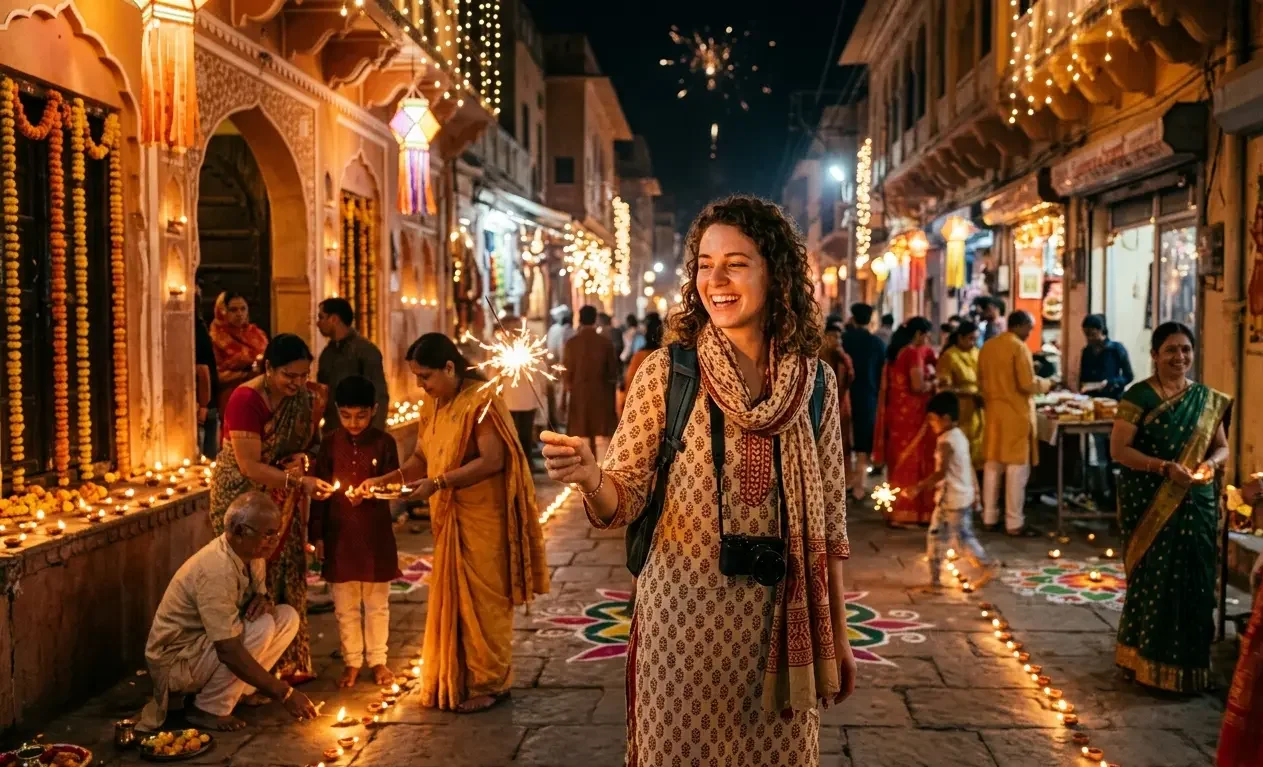
Slow travel suits people who would rather understand a place than simply collect destinations. In India, this can mean spending several days in one city, staying longer in a village or choosing a smaller number of destinations connected by practical routes. The approach creates more time for local markets, regional food, neighbourhood walks, cultural experiences and conversations that rarely fit into tightly scheduled itineraries. Slow travel does not necessarily mean spending more money. Choosing longer stays, local transport and fewer transfers can sometimes reduce costs as well. The main difference is the pace: fewer destinations, more time in each place and greater flexibility to follow the rhythm of the journey.
Backpacker
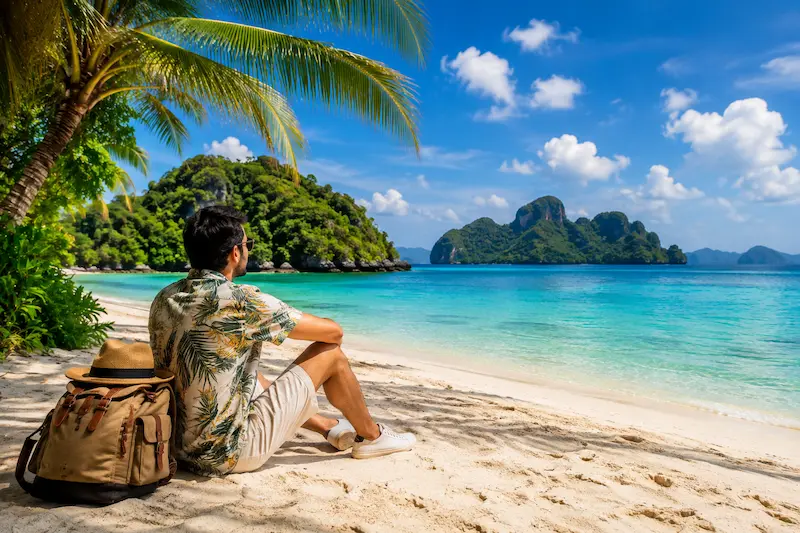
Backpacking across India can work well for travellers who value flexibility, local experiences and manageable daily costs. The country has an extensive rail and bus network, budget accommodation and a wide choice of inexpensive local food, allowing travellers to build routes around different regions. Hostels and guesthouses can also make it easier to meet other travellers along the way. A practical backpacking itinerary should still account for long travel distances and avoid changing destinations every day. Keeping luggage light makes public transport and city transfers easier. With a flexible route and sensible planning, backpacking can provide a closer look at India’s cities, landscapes, food and everyday travel culture.
Adventure Lover
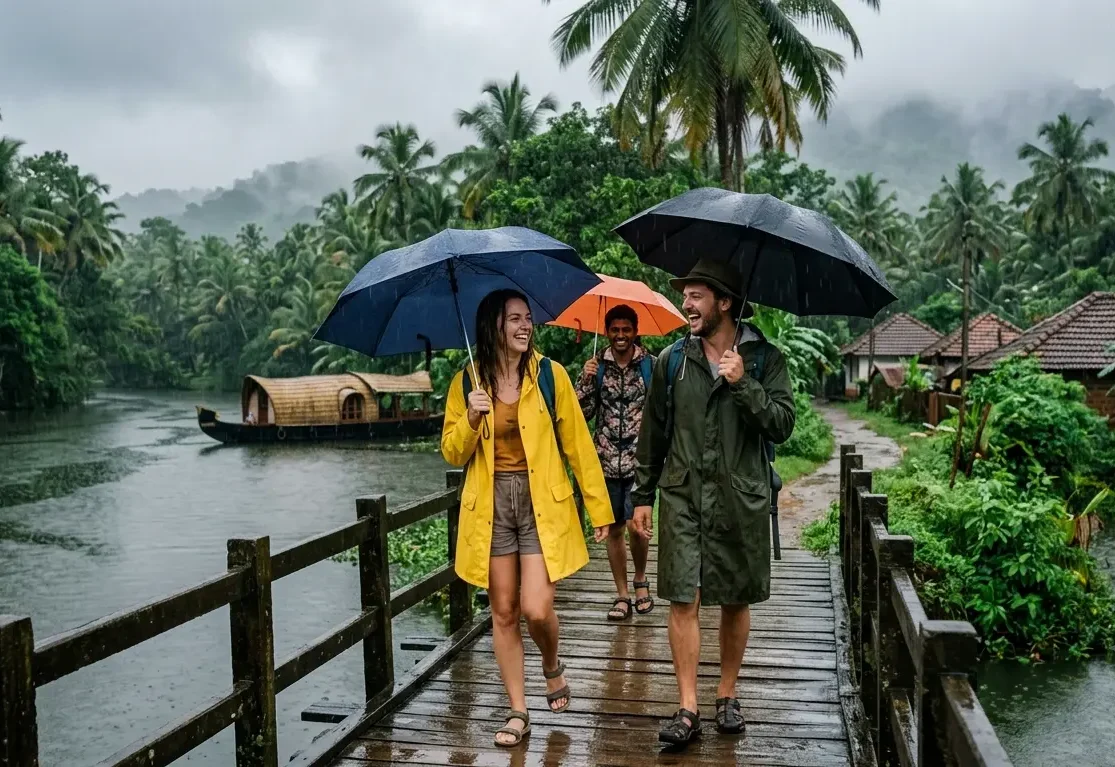
India offers adventure travellers a broad mix of landscapes and activities, from Himalayan trekking and river rafting to desert experiences, diving, cycling and wildlife exploration. The right destination depends heavily on the activity, season and level of experience. Mountain routes may require acclimatisation and suitable equipment, while water-based activities depend on local conditions and operating seasons. It is worth allowing extra time rather than building an adventure itinerary around tight connections. Travellers should also check activity requirements and use established operators where specialised equipment or professional guidance is involved. Planning around the experience itself usually produces a better trip than simply adding adventure activities between sightseeing stops.
Budget Traveller
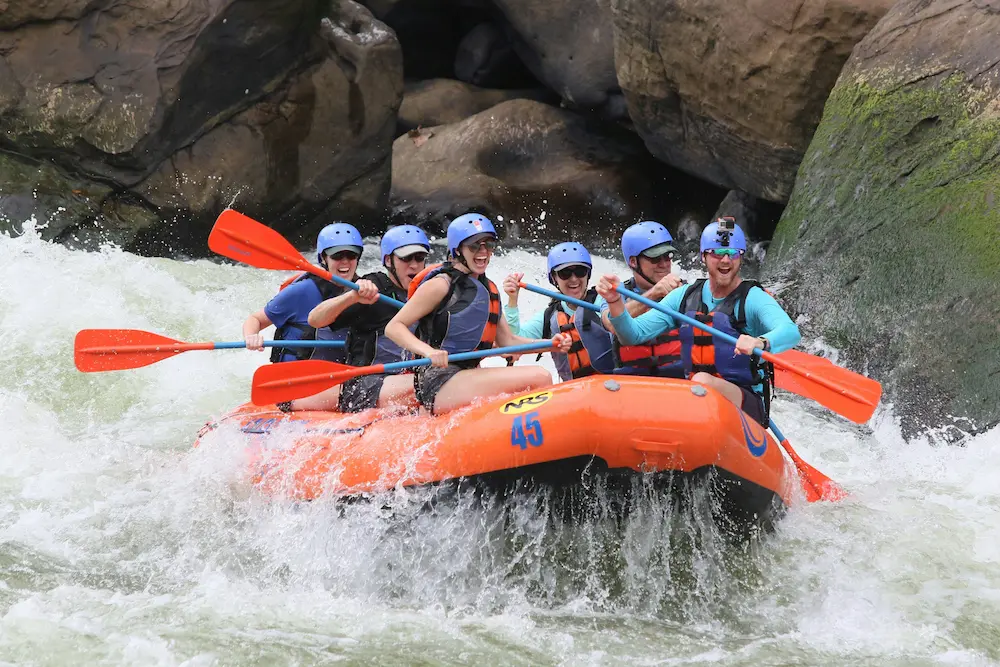
Travelling around India on a budget is largely about making sensible choices rather than cutting every expense. Local restaurants, public transport, budget hotels, hostels and trains can keep daily costs manageable, while booking popular routes early may help avoid expensive last-minute options. Travellers can also reduce costs by choosing destinations with good transport connections and spending several nights in one place instead of moving constantly. A realistic budget should include transport, accommodation, food, sightseeing, local travel and a small allowance for unexpected expenses. India has options across a wide price range, so careful planning can make it possible to experience different regions without turning the trip into a constant exercise in saving money.
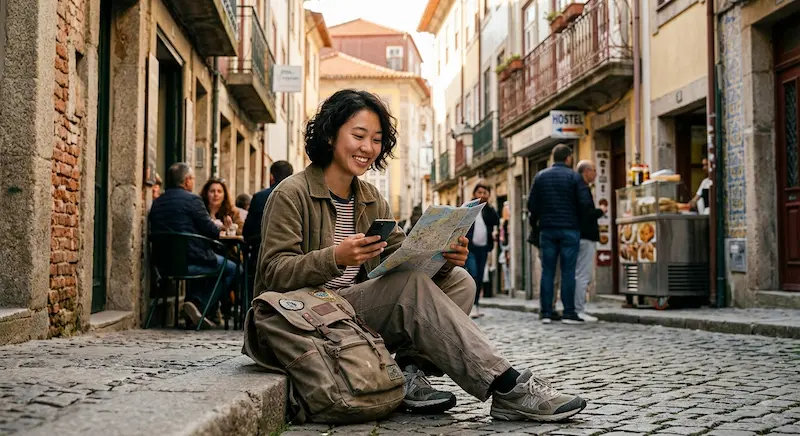
Curated Indian Travel Horizons by Explorer Profile
India offers very different ways to travel, and the right destination often depends on how you prefer to experience a place. Solo travellers may value flexibility and independence, while couples might prefer scenic stays and a slower pace. Families and friends often need practical routes and activities that suit different interests. First-time visitors may prefer established destinations, while backpackers and budget travellers can build more flexible, cost-conscious journeys. Adventure seekers, meanwhile, may want to organise their trip around trekking, rafting or mountain landscapes. The table below connects each travel style with destinations and experiences that can help shape a more suitable Indian itinerary.
| Travel Type | Recommended Destinations | Key Highlights & Experiences |
|---|---|---|
| Solo Traveller | Rishikesh, Udaipur, Puducherry, McLeod Ganj, Varkala | Hostels, walkable areas, cafés, cultural experiences, yoga and opportunities to explore independently. |
| Couple | Munnar, Udaipur, Andaman Islands, Madikeri (Coorg), Darjeeling | Tea gardens, scenic stays, beaches, heritage hotels, relaxed sightseeing and experiences suited to two travellers. |
| Friends & Family | Goa, Alappuzha (Alleppey), Jaipur, Manali, Shillong | Houseboat trips, beaches, family-friendly stays, sightseeing circuits and activities suitable for groups. |
| First-time Traveller | Jaipur, Agra, Gangtok, Fort Kochi, Udaipur | Established tourist routes, major landmarks, practical transport connections and destinations that are relatively straightforward to plan. |
| Slow Traveller | Kasol & Parvati Valley, Puducherry, Madikeri (Coorg), McLeod Ganj, Darjeeling | Longer stays, cafés, local neighbourhoods, homestays, nature and a less hurried approach to exploring. |
| Backpacker | Kasol, Gokarna, Rishikesh, Hampi, Varkala | Hostels, local food, budget transport, flexible itineraries and opportunities to meet other travellers. |
| Adventure Lover | Ladakh, Meghalaya, Rishikesh, Manali, Sikkim | Trekking, rafting, mountain activities, motorbiking, paragliding and other outdoor experiences. |
| Budget Traveller | Varanasi, McLeod Ganj, Rishikesh, Hampi, Puducherry | Budget accommodation, inexpensive local food, public transport and attractions with relatively low entry costs. |
How to Choose the Right Travel Style
The right travel style depends on who you travel with, how you like to travel, your experience level, available time, budget and the experiences you want from a trip. Instead of choosing a label first, consider how these factors shape the way you want to explore India.
Start with Your Travel Situation
Ask yourself a few practical questions:
Who are you travelling with? Alone, with a partner, friends or family?
How do you prefer to travel? Independently, with a structured itinerary or somewhere in between?
What pace suits you? Do you want to see several places or spend more time in fewer destinations?
What is your budget? Are you mainly looking for affordability, value or greater comfort?
How experienced are you? Is this your first trip to India, or are you already familiar with travelling here?
What experiences interest you most? Adventure, relaxation, culture, nature, food or simply spending time with people you care about?
Your answers can help you identify the traveller type—or combination of traveller types—that best matches your trip.
Match Your Travel Style to Your Priorities
Different traveller types have different planning priorities. Solo travellers may place greater importance on independence and personal safety, while couples may focus on shared experiences and a comfortable pace. Friends and families often need to consider group logistics, while first-time travellers may benefit from more structured planning.
Slow travellers prioritise time and immersion, backpackers generally value flexibility and mobility, budget travellers focus strongly on managing costs, and adventure lovers place greater emphasis on activities and preparation.
These categories are not strict rules. They are simply useful ways to understand different approaches to travelling.
Consider Your Practical Constraints
Your preferred travel style also needs to work within your time, budget, comfort level and ability to manage travel logistics.
For example, a traveller with limited time may prefer a more focused itinerary rather than trying to cover several regions. Someone travelling on a tight budget may need to prioritise affordable transport and accommodation, while a traveller seeking adventure may need to allow additional time for activity preparation and suitable conditions.
The best travel style is one that balances what you want to experience with what is realistic for your trip.
The goal is not to find a perfect label. It is to understand what matters most to you so you can choose a travel approach that fits your actual circumstances.
Can You Combine Different Travel Styles?
Absolutely—and in many cases, you should. Travel styles aren’t rigid boxes; they’re flexible frameworks that help you design trips around your mood, goals, and constraints. Combining styles lets you enjoy the best of multiple worlds without forcing yourself into a single identity. You might be a solo traveller and backpacker, a couple who prefers slow travel, or a family looking for an adventure while keeping costs under control.
Common Travel Style Combinations
| Travel Style Combination | Who It Suits Best | Key Characteristics & Vibe | Primary Challenge & Solution |
|---|---|---|---|
| Solo + Backpacker | Independent explorers, digital nomads, gap-year travelers | High flexibility, spontaneous planning, light packing, social hostel culture | Challenge: Safety & loneliness. Solution: Stay in highly rated social hostels. |
| Solo + Adventure Lover | Thrill-seekers, solo trekkers, outdoors enthusiasts | Action-packed itineraries, high physical activity, self-reliance | Challenge: Logistics & safety in remote areas. Solution: Join certified local trekking groups. |
| Couple + Slow Traveller | Partners seeking meaningful connection, honeymooners | Low itinerary density, immersive local experiences, shared relaxation | Challenge: Over-planning FOMO. Solution: Cap activities to 1 major event per day. |
| Couple + Adventure Lover | Active couples, outdoor enthusiast partners | Shared adrenaline experiences balanced with comfortable evenings | Challenge: Differing fitness/stamina levels. Solution: Choose multi-activity hubs with scalable difficulty. |
| Friends & Family + Budget Traveller | Extended families, student group trips, reunions | Group-conscious spending, shared transport, cost splitting | Challenge: Differing personal budgets & tastes. Solution: Agree on shared pool funds beforehand. |
| Friends & Family + Adventure Lover | Intergenerational groups, active friend groups | Shared outdoor pursuits, team activities, group bonding | Challenge: Balancing group physical abilities. Solution: Opt for soft adventure (kayaking, gentle hikes). |
| First-Time + Budget Traveller | First-time international/India travelers on a budget | Practical choices, well-trodden routes, safety-conscious spending | Challenge: Culture shock & navigating scams. Solution: Pre-book major transit and key city tours. |
| Backpacker + Budget Traveller | Long-term travelers, strict budgeters | Strict daily caps, street food focus, public transit emphasis | Challenge: Burnout from strict budget management. Solution: Schedule intentional low-cost rest days. |
How to Combine Travel Styles
Start with your main travel situation: Think about whether you are travelling alone, as a couple, or with friends and family. This establishes the basic structure of your trip.
Then identify your travel approach: Consider whether you prefer a slower pace, independent backpacking, careful budgeting or a more activity-focused journey.
Finally, consider your experience level: If this is your first trip to India, the First-Time Traveller approach can be combined with another style such as Solo, Couple, Friends & Family or Budget Traveller.