
Rajasthan is a state of forts, palaces, desert landscapes, old trading towns and living traditions, but it is not a destination that fits neatly into a checklist. Beyond the famous sights, the state reveals itself more slowly—in the quiet of a stepwell at Bundi, the smell of ker-saangri over a village chulha, or the way light falls on sandstone after a dust storm.
This Rajasthan travel guide is built for travellers who want more than a list of coloured cities. It covers the best places to visit, regional routes, itineraries, seasonal travel, things to do, budgets, accommodation, transport, safety and practical planning. It also considers the realities of travelling in Rajasthan, including crowded attractions, increasingly commercialised areas and quieter alternatives worth considering.
You will find options for solo, couple, family, budget and luxury travel, along with practical advice for building a trip around your available time and budget. The aim is to help you plan a Rajasthan journey that feels considered rather than performed—knowing which routes make sense, where a heritage stay adds something to the experience, and which attractions or experiences deserve your time and money.
Table of Contents
Rajasthan Travel at a Glance
← Swipe to see more →
| Category | Details |
|---|---|
| Ideal Trip Duration | 7–10 days for the major highlights; 14+ days for a more extensive Rajasthan circuit |
| Best Time to Visit | October to March for generally cooler and more comfortable weather |
| Top Destinations | Jaipur, Udaipur, Jaisalmer, Jodhpur, Pushkar, Bikaner, Bundi |
| Must-Try Experiences | Thar Desert safari and camping, Mehrangarh Fort, Lake Pichola boat ride, heritage walks, local bazaars |
| Famous Local Cuisine | Dal Baati Churma, Laal Maas, Ker Sangri, Ghevar, Pyaz Kachori |
| Getting Around | Trains between major cities, private cabs for multi-city routes, buses for selected intercity journeys |
| Average Daily Budget | Budget: ₹1,500–₹2,500 · Mid-range: ₹4,000–₹8,000 · Luxury: ₹15,000+ per person |
| Major Festivals | Pushkar Camel Fair (November), Jaipur Literature Festival (January), Jaisalmer Desert Festival (February) |
| Official Tourism Board | Department of Tourism, Government of Rajasthan |
Best Places to Visit in Rajasthan
Rajasthan’s best places to visit stretch well beyond the familiar circuit of Jaipur, Udaipur, Jodhpur and Jaisalmer. These cities anchor many Rajasthan itineraries with their forts, palaces, lakes and desert landscapes, but the state offers plenty of alternatives for travellers interested in quieter heritage, wildlife and local culture. Chittorgarh’s massive fort, Ranthambore’s tiger safaris, Pushkar’s sacred lake and the stepwells around Abhaneri add different dimensions to a Rajasthan trip. Hill destinations such as Mount Abu, heritage towns like Bundi, and lesser-explored areas around Karauli, Jhunjhunu and the Hadoti region offer further options beyond the main tourist circuit.
← Swipe to view more →
| Destination Category | Cities / Places | Personal Insights |
|---|---|---|
| Cities & Urban Hubs | Jaipur, Jodhpur, Udaipur, Kota | Rajasthan’s cities offer a lively mix of architecture, markets and everyday life. Rather than following a rigid itinerary, spend an afternoon at a rooftop café with kulhad chai and watch the sunset over Mehrangarh Fort. |
| Lakes & Waterfront Places | Udaipur, Pushkar, Mount Abu, Ajmer | These waterfront destinations offer a peaceful contrast to Rajasthan’s dry landscapes. A quiet boat ride on Lake Pichola just before dusk is especially memorable, with the surrounding palaces and hills reflected in the water. |
| Hills & Plateau Regions | Mount Abu, Kumbhalgarh, Ranakpur | The Aravalli hills reveal a different side of Rajasthan. Cooler mountain air, greener surroundings and quieter valleys provide a refreshing break from the state’s drier plains. |
| Heritage & Historic Places | Jaipur, Jaisalmer, Chittorgarh, Bikaner | Rajasthan’s history feels tangible when explored on foot. Walking through Jaisalmer Fort, where residents continue to live within its ancient walls, offers a particularly vivid connection with the past. |
| Pilgrimage & Spiritual Places | Pushkar, Ajmer, Khatu Shyamji, Nathdwara | Rajasthan’s spiritual destinations bring together distinctive traditions, music and rituals. The sounds of Sufi qawwalis, the fragrance of incense and the daily activities around sacred lakes create memorable cultural encounters. |
| Nature & Wildlife | Ranthambore National Park, Sariska Tiger Reserve, Keoladeo National Park (Bharatpur), Jawai | Wildlife experiences depend as much on patience as on sightings. In the forest, the sudden alarm calls of langurs can signal nearby movement, adding anticipation to a safari even before an animal appears. |
| Desert & Adventure Experiences | Jaisalmer (Sam and Khuri), Osian, Bikaner | The desert offers a sense of space and solitude that is difficult to find in busy cities. Spending a night beneath the stars in the Thar Desert can be memorable, especially when the wind settles and the surroundings grow quiet. |
Best Time to Visit Rajasthan
The best time to visit Rajasthan is generally October to March, when daytime temperatures are more comfortable for exploring forts, palaces, historic cities and desert landscapes. However, the right season depends on your budget, tolerance for heat, and interest in festivals and outdoor activities.
October and November offer a good balance of pleasant weather and cultural experiences. Jaipur is comfortable for sightseeing, while Pushkar and Jodhpur host major festivals during this period. In my assessment, these months are a practical choice for travellers who want festive energy without the heaviest winter-season crowds, although popular events can still attract substantial visitors.
December to February is the main tourist season. Sunny days are suitable for exploring Udaipur’s lakes, Jaipur’s forts and Jaisalmer’s dunes. However, winter nights in desert areas can become extremely cold, occasionally approaching freezing. Warm layers are essential for overnight desert camps, and advance bookings are advisable for popular destinations and festivals.
March to June brings progressively hotter weather, with temperatures often exceeding 40°C in the peak summer months. Outdoor sightseeing becomes difficult around midday, but budget-conscious travellers may find better deals on luxury hotels and heritage stays. Mount Abu offers a relatively cooler alternative, while early-morning fort visits help limit exposure to the heat.
July to September brings monsoon showers and higher humidity. The Aravalli hills become greener, and Udaipur’s lakes and surrounding landscapes can look particularly attractive. From a travel-planning perspective, this season suits visitors seeking quieter heritage stays and scenic drives, provided they remain flexible about rain and outdoor activities.
For most first-time visitors, October to March is the safest overall recommendation. Summer suits flexible-budget travellers, while the monsoon offers a different perspective on Rajasthan’s landscapes
Rajasthan Travel Itineraries
Rajasthan rewards thoughtful planning because the distances between its major destinations can make a significant difference to the pace of a trip. The state is best experienced with enough time for slow mornings in old havelis, late-afternoon light on sandstone, and occasional detours to stepwells, temples, wildlife reserves and smaller towns. These Rajasthan itineraries are organised around 5–7 days for a focused city circuit, 8–10 days for a broader route that can include the desert or deeper heritage, and 12–14 days for a more extensive circuit with quieter destinations.
Each route is designed to keep travel time and backtracking under control, with practical entry and exit points and suggestions for where an additional night can make the journey more comfortable. Use these itineraries as starting points and adapt them to your available time, budget and travel style.
Rajasthan Trip Ideas by Duration
| Itinerary Name | Target Duration | Route Covered | Key Highlights | Best Suited For |
|---|---|---|---|---|
| Golden Triangle Express | 3–4 Days | Delhi → Agra → Jaipur | Amer Fort, Hawa Mahal, City Palace, Johari Bazaar street food & local shopping. | Quick weekenders, first-time international travelers, and short-break tourists. |
| Lakes & Royalty Romantic Tour | 3–4 Days | Udaipur → Kumbhalgarh → Ranakpur | Lake Pichola boat ride, City Palace, Bagore Ki Haveli show, Kumbhalgarh Fort walls. | Honeymooners, couples, luxury travelers, and architecture lovers. |
| Classic Desert Triangle Circuit | 6–7 Days | Jaipur → Jodhpur → Jaisalmer | Amer Fort, Jaswant Thada, Mehrangarh Fort, Thar Desert camel safari & dune camping. | First-time Rajasthan visitors, families, and culture enthusiasts. |
| Royal Heritage & Wildlife Trail | 5–6 Days | Jaipur → Ranthambore → Bharatpur | Bengal Tiger safaris, Keoladeo Bird Sanctuary, Nahargarh sunset, heritage havelis. | Wildlife photographers, nature lovers, and family vacationers. |
| Thar Desert Safari Special | 4–5 Days | Jodhpur → Bikaner → Jaisalmer | Mehrangarh Fort, Junagarh Fort, Karni Mata Temple, Sam Sand Dunes night camp. | Adventure seekers, desert lovers, and solo backpackers. |
| Sacred Lakes & Heritage Circuit | 4–5 Days | Jaipur → Pushkar → Ajmer → Nathdwara | Brahma Temple, Pushkar Lake ghats, Ajmer Sharif Dargah, Shreenathji Darshan. | Spiritual seekers, pilgrim groups, and family travelers. |
| Hill Station & Forts Getaway | 4–5 Days | Udaipur → Mount Abu → Chittorgarh | Nakki Lake boating, Dilwara Temples, Guru Shikhar, Chittorgarh Fort sound & light show. | Summer travelers, nature lovers, and history buffs. |
| Shekhawati Art & Offbeat Havelis | 3–4 Days | Jaipur → Mandawa → Nawalgarh → Jhunjhunu | Open-air art galleries, intricately painted historic havelis, heritage mansion stays. | Art lovers, heritage photographers, and offbeat explorers. |
| Grand Royal Rajasthan Panorama | 10–12 Days | Jaipur → Pushkar → Jodhpur → Jaisalmer → Bikaner → Udaipur | Complete state overview: forts, palaces, lake cruises, desert camping, and local cuisine. | Long-vacation travelers, road-trippers, and comprehensive blog guides. |
Rajasthan by Budget
Rajasthan can suit very different travel budgets, but the budget you choose affects more than where you sleep. It influences your pace, privacy, transport options, accommodation style and access to experiences such as heritage stays, private guides and desert camps. From hostel dorms and family-run guesthouses to restored havelis, palace hotels and luxury camps, Rajasthan offers a wide range of ways to travel.
Budget Travel
Cost Range: ~₹1,500–₹2,500 per person/day.
Focuses on hostel dorms or budget guesthouses (₹500–₹1,200/night in hubs like Jaipur, Jodhpur, and Udaipur). Meals come from local thali joints, street food stalls, and rooftop cafes (₹150–₹300 per meal). Intercity transit relies on sleeper trains or state buses (RSRTC), while local city navigation relies on auto-rickshaws, app cabs, or public buses. While it means shared spaces and self-managed transit, you cover all main forts, bazaars, and historic quarters without missing out on core sights.
Mid-Range Travel
Cost Range: ~₹4,000–₹8,000 per person/day.
Upgrades you to private rooms in restored havelis, family-run boutique heritage hotels, or 3–4 star properties (₹3,500–₹7,000/night for double occupancy). You eat at sit-down heritage restaurants and rooftop spots (₹600–₹1,200 per meal). Hiring a private intercity sedan cab (approx. ₹11–₹14/km plus driver allowance) or a dedicated day taxi (₹2,500–₹3,500/day) saves time, avoids train waitlists, and seamlessly connects out-of-the-way stops like stepwells, rural villages, or desert camps.
Luxury Travel
Cost Range: ₹15,000+ per person/day (easily stretching to ₹35,000–₹75,000+ per night at marquee properties).
Built around exclusive settings—converted royal palaces (e.g., Taj Lake Palace, Umaid Bhawan), high-end glamping in the Thar Desert, and private heritage estates. Intercity transit utilises luxury SUVs (Innova Crysta/Fortuner at ₹18–₹30/km), private drivers, and curated local guides at each fort. Rather than rushing across multi-city circuits, itineraries at this level favour a slower, immersive pace with multi-night stays focused on fine dining, spa treatments, and private cultural access.
Rajasthan by Travel Type
Rajasthan does not suit every travel style equally, but it rewards those who match their approach to its geography and rhythms. You will find workable routes in the main cities with careful logistics; get easy romantic destinations around lakes, havelis and desert camps; and benefit from slower pacing and selective sightseeing.
Rajasthan for Couples
Couples seek romantic royal stays, candlelit rooftop dinners overlooking illuminated palaces, private boat rides, and serene desert sunsets across Udaipur, Jaipur, and Jaisalmer. Restored heritage havelis, luxury tented camps, pampering spa sessions, and peaceful walks through lakeside palaces create an enchanting mix of romance, history, and royal hospitality.
Rajasthan for Families
Families benefit from well-paved highway corridors, grand fortress complexes, interactive museums, elephant sanctuaries, and cultural folk performances. Destinations like Jaipur, Jodhpur, and Udaipur provide smooth transit, excellent child-friendly heritage hotels, sound-and-light shows, and memorable experiences like short camel safaris and puppet shows.
Rajasthan for Solo Travellers
Solo travellers will find a welcoming culture, a booming hostel network (Hostelworld/Zostel hubs), safe local transport, and easy walkability inside historic Old Cities. Vibrant social rooftop cafes, guided walking tours through blue alleys, cooking classes, and shared desert safaris make it simple to travel independently while meeting fellow explorers.
Rajasthan for Backpackers
Backpackers can explore the desert state affordably using Rajasthan State Road Transport Corporation (RSRTC) Express and Volvo buses, sleeper trains, street food stalls, and budget homestays. From exploring free living fort alleys in Jaisalmer to cheap street thalis and shared auto-rickshaws, Rajasthan offers immense royal heritage on modest daily budgets.
Rajasthan for Wildlife & Adventure Seekers
Thrill-seekers and nature lovers can focus on tiger safaris in Ranthambore, leopard tracking in Jawai, ziplining over Mehrangarh Fort, dune bashing in Jaisalmer, and birdwatching at Keoladeo National Park in Bharatpur. Diverse terrain ranging from wetlands and rocky granite hills to sand dunes delivers world-class outdoor expeditions.
Rajasthan for First-Time Visitors
First-time visitors should start with the classic **Desert Triangle Circuit**: Jaipur (Pink City forts and palaces), Jodhpur (Blue City & Mehrangarh Fort), and Jaisalmer (Golden Fort & Thar Desert dunes). Connected by excellent national highways and direct train routes, this circuit provides the ultimate introduction to Rajasthan’s history, architecture, and desert landscapes.
Things to Do in Rajasthan
Things to do in Rajasthan go well beyond visiting forts and palaces. The state offers opportunities to explore old cities on foot, browse traditional bazaars, experience regional food and crafts, spend time in desert landscapes, and connect with rural communities. Desert safaris around Jaisalmer, village stays, camel rides and short treks provide outdoor experiences without requiring technical adventure skills.
Travellers can also join cooking and food experiences, craft workshops, temple and heritage walks, yoga and wellness retreats, wildlife drives and cultural activities. Depending on the route, these experiences can add variety to a Rajasthan itinerary and provide a different perspective on the state’s traditions and everyday life.
Popular Activities & Experiences in Rajasthan
1. Adventure & Outdoor Activities
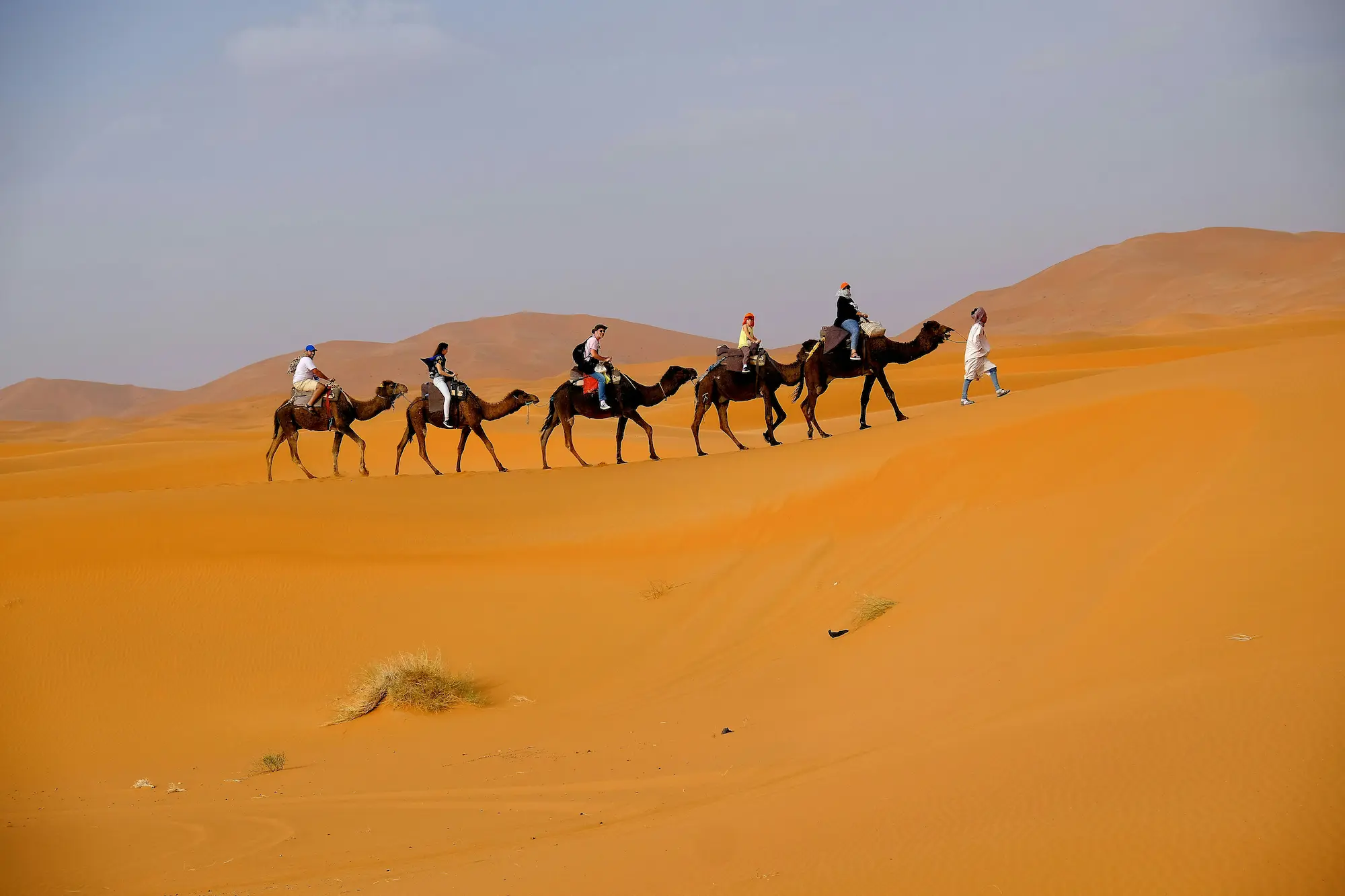
Rajasthan’s adventure side surprised me most. Beyond forts, try a sunrise hot-air balloon over Jaipur, ziplining near Mehrangarh, cycling through rural villages, or dune bashing in Jaisalmer. Camel safaris remain special at sunset, when the Thar turns gold. Choose licensed operators, carry water, and avoid overpacked “adventure” groups for a genuinely memorable experience.
2. Wildlife & Safari Experiences
A Ranthambore safari feels less like a zoo visit and more like a patient treasure hunt through ruins, lakes, and dry forest. Tigers are the headline, but leopards, sloth bears, sambar, crocodiles, and birdlife make every drive worthwhile. Book early, keep expectations realistic, stay silent, and support ethical operators who never chase or bait wildlife.
3. Offbeat & Nature Escapes
For a quieter Rajasthan, skip the obvious cities for Bera’s leopard country, Kumbhalgarh’s forested Aravallis, Bundi’s painted lanes, or Alwar’s lakes and hills. Keoladeo in Bharatpur is exceptional for birdwatching, especially in winter. These places reward slow travel: early walks, local homestays, village conversations, and landscapes that reveal Rajasthan beyond palaces and desert dunes.
4. Cultural & Festival Experiences
Rajasthan’s festivals are immersive, not just photogenic. Pushkar Camel Fair brings trading, folk competitions, and a carnival-like spiritual energy; Jaisalmer’s Desert Festival celebrates desert life; Jodhpur’s RIFF showcases remarkable folk musicians. Go beyond stage shows—watch a puppet performance, join a village meal, or hear Kalbelia music live. Respect photography boundaries and ask before filming performers.
5. Food & Culinary Experiences
Rajasthani food is built for a harsh climate: hearty, spicy, and resourceful. Try dal baati churma, ker sangri, laal maas, gatte ki sabzi, and pyaaz kachori with lassi or chaas. A home-style cooking class teaches more than any restaurant menu. I’d choose small local eateries over hotel buffets, and ask about spice levels before ordering.
6. Spiritual & Wellness Experiences
Pushkar’s sacred lake and Brahma Temple offer a peaceful contrast to Rajasthan’s grandeur, especially at sunrise or during evening aarti. Jaipur’s temples, Jodhpur’s quiet heritage lanes, and yoga or Ayurvedic retreats add reflective pauses to a busy itinerary. Dress modestly, remove footwear where required, avoid intrusive photography, and treat these spaces as living traditions—not just sightseeing stops.
7. Shopping & Craft Experiences
Shopping in Rajasthan is best treated as meeting makers, not bargaining for souvenirs. Look for Jaipur’s block prints and blue pottery, Jodhpur’s furniture and leatherwork, Udaipur’s miniature paintings, and Jaisalmer’s textiles. Buy from cooperative shops or artisan-run stalls where possible, ask about materials and origin, and avoid products made from protected wildlife or questionable antiques.
Famous Attractions & Landmarks in Rajasthan
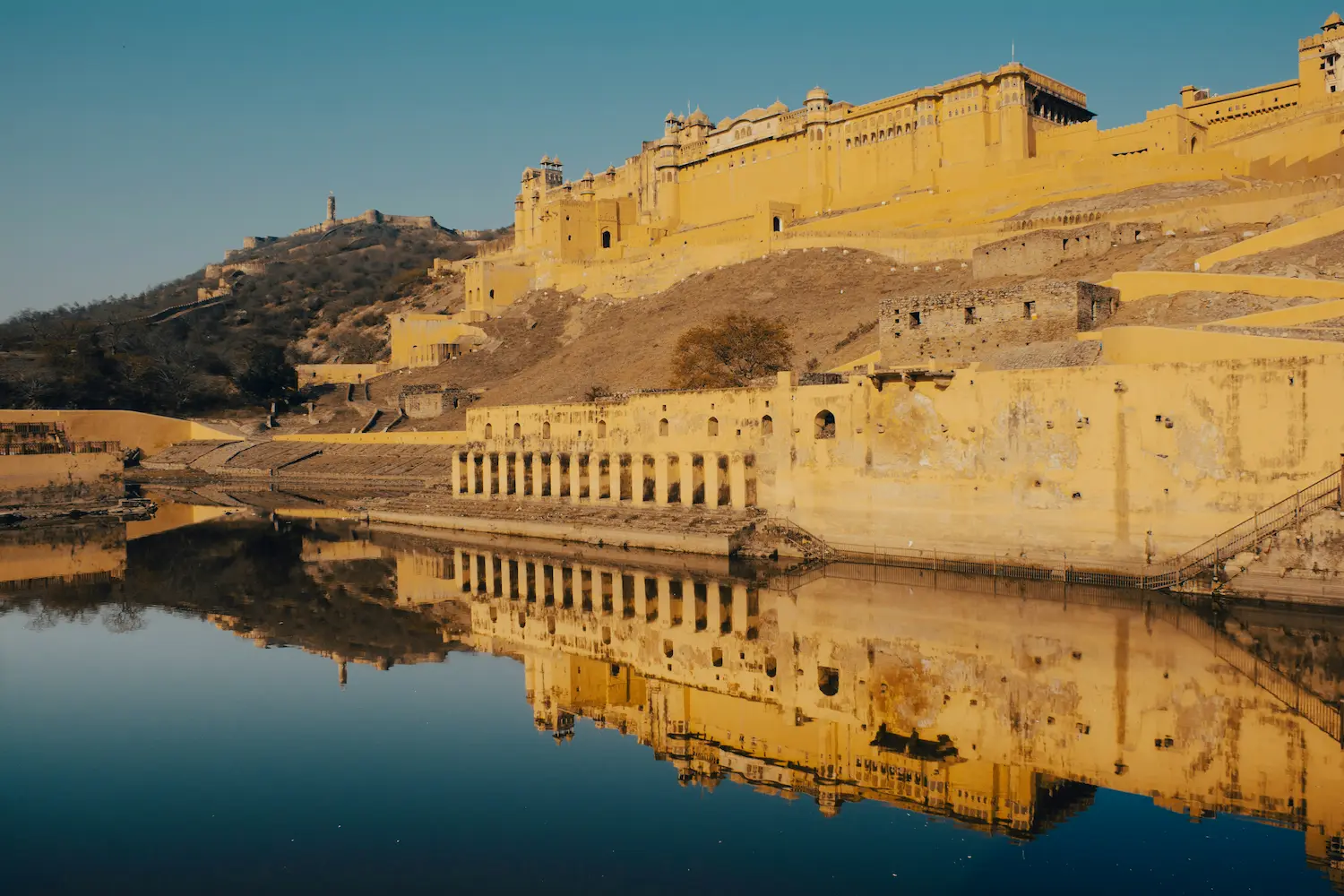
Rajasthan is known for its concentration of forts, palaces, temples, lakeside monuments and historic architecture, but the experience of visiting them varies by destination and season. Amber Fort, Hawa Mahal and Jaipur City Palace are central to many first-time itineraries, while Udaipur’s City Palace and Lake Pichola showcase a different side of Rajasthan’s heritage. Jaisalmer Fort, Chittorgarh Fort and Mehrangarh Fort in Jodhpur stand out for their scale, architecture and historic setting, although the most popular sites can become busy during peak travel periods.
Iconic Attractions & Landmarks of Rajasthan
| Destination / Attraction | Region / Location | Category & Significance | Personal Insights |
|---|---|---|---|
| Amer Fort & Palace | Jaipur (Dhundhar Region) | UNESCO Hill Forts of Rajasthan; iconic red sandstone and marble fortress famed for the Sheesh Mahal. | The Sheesh Mahal (Mirror Palace) lives up to every bit of hype—standing inside when light bounces off thousands of glass fragments feels almost ethereal. Visit early in the morning to beat the tourist buses. |
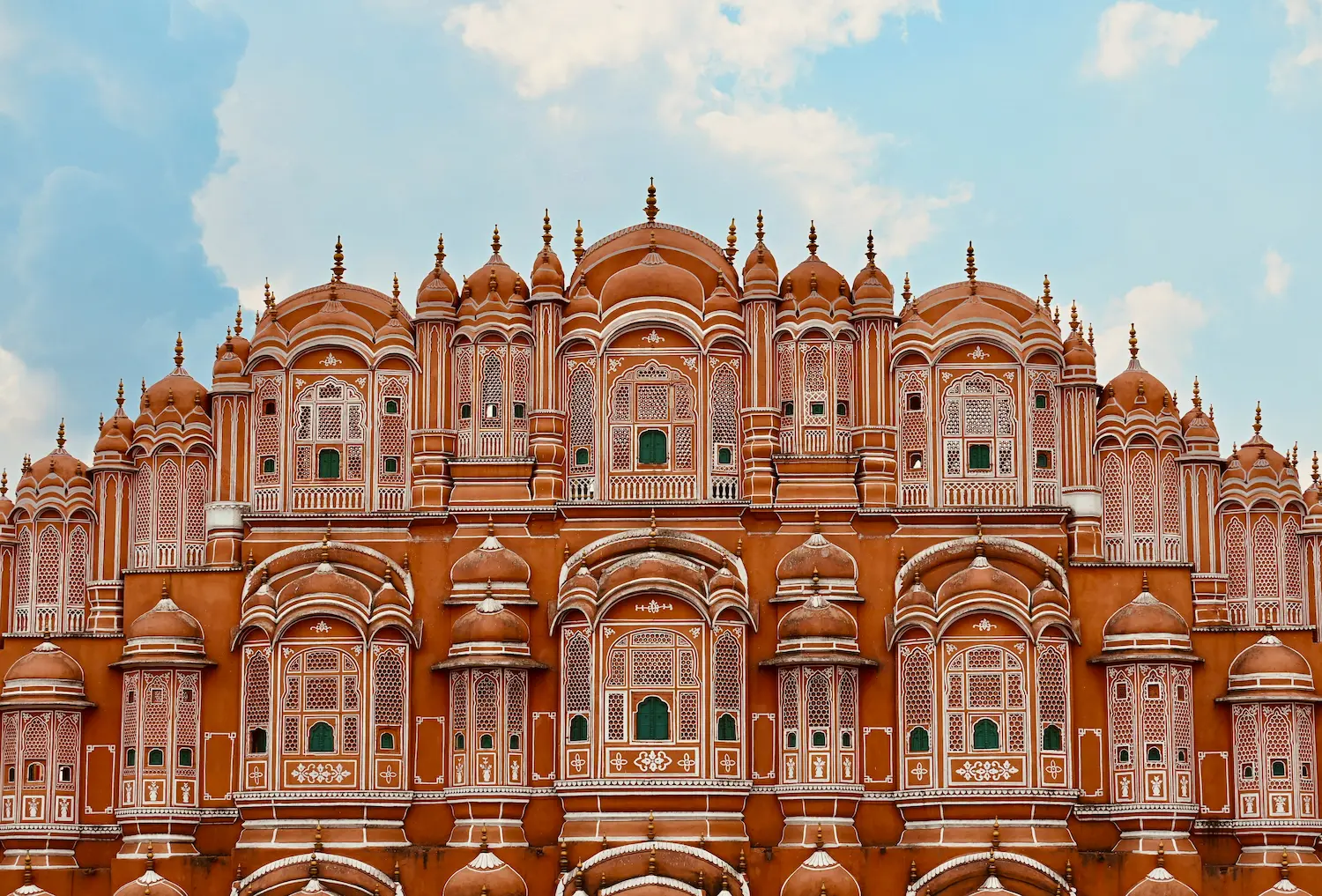
| Hawa Mahal (Palace of Winds) | Jaipur (Dhundhar Region) | 5-storey pink sandstone facade featuring 953 jharokhas (windows) designed for royal ladies to view city life. | Best admired from across the street on a rooftop café at sunrise. The interior is worth a quick walkthrough, but its exterior honeycomb architecture is the true visual showstopper. |
| Mehrangarh Fort | Jodhpur (Marwar Region) | One of India’s largest fortresses, looming 400 feet above the Blue City with expansive museum galleries. | Arguably the most imposing and impeccably preserved fort in Rajasthan. Don’t skip the audio guide—it brings the royal armory and elevated rampart views over the Blue City vividly to life. |
| City Palace & Lake Pichola | Udaipur (Mewar Region) | Sprawling royal palace complex on the banks of Lake Pichola, offering iconic sunset boat rides. | Pure romance and elegance. Taking a sunset boat cruise on Lake Pichola as the palace lights flicker on is an essential, unforgettable Udaipur memory. |
| Jaisalmer Fort (Sonar Qila) | Jaisalmer (Thar Desert) | UNESCO World Heritage Site; one of the world’s few living forts, crafted from golden yellow sandstone. | Unlike static museums, this is a living ecosystem. Getting lost in its narrow winding alleys while artisan shops and local families go about daily life inside medieval walls is surreal. |
| Ranthambore Fort & National Park | Sawai Madhopur (Hadoti Region) | Premier tiger reserve blending wildlife conservation with ancient hilltop fort ruins inside the jungle. | Spotting wildlife against the backdrop of ancient, ivy-draped fort ruins feels straight out of a storybook. Even if a tiger sighting proves elusive, the jungle landscape itself is captivating. |
| Chittorgarh Fort | Chittorgarh (Mewar Region) | Largest fort in India and UNESCO site, legendary for its Vijay Stambha and heroic Rajput history. | The sheer scale here is staggering. It’s so vast that you drive between sites inside the fort complex—standing by the Vijay Stambha gives you a palpable sense of Rajput pride and history. |
| Sam Sand Dunes | Jaisalmer (Thar Desert) | Expansive sand dunes ideal for camel safaris, 4×4 dune bashing, and cultural night camps under the stars. | Can get commercialized near the main camp strips, but venturing out on a quiet camel trek deeper into the dunes for sunset and stargazing makes it entirely worthwhile. |
| Brahma Temple & Sacred Lake | Pushkar (Ajmer Region) | One of the rare temples dedicated to Lord Brahma worldwide, surrounded by 52 holy bathing ghats. | Pushkar carries a serene, spiritual magnetism. Sitting quietly by the ghats during evening prayers as temple bells ring out offers a deeply reflective pause in your travels. |
| Junagarh Fort | Bikaner (Jangaldesh Region) | Unconquered lowland fortress built in 1594, renowned for ornate courtyards and royal armor museums. | An underrated gem. Because it was never captured, its interior palaces (like the Anup Mahal) feature remarkably pristine gold leaf work and opulent decorations. |
Getting Around Rajasthan
Rajasthan is best explored by combining trains, road journeys, and local transport rather than relying on a single mode of travel. Jaipur, Jodhpur, Bikaner, Udaipur, and Ajmer have railway connections, while buses and private taxis connect many smaller towns and attractions. Trains work well for longer journeys between major cities, but a hired car offers greater flexibility when visiting rural areas, forts, villages, and desert camps. For the Thar Desert near Jaisalmer, arrange transport to Sam Sand Dunes in advance, particularly during the winter tourist season. Allow sufficient travel time between cities, as distances can be considerable.
Accommodation in Rajasthan ranges from budget hostels and guesthouses to comfortable hotels, traditional havelis, heritage properties, and luxury palace hotels. The right choice depends on your budget, travel style, and the experience you want. Staying in an old-city haveli can bring you closer to local markets and architecture, while properties outside crowded historic centres may offer easier parking and quieter surroundings. In Jaisalmer, desert camps provide an opportunity to experience the landscape after sunset, although facilities and comfort levels vary.
Winter, particularly November to February, attracts many visitors, so book accommodation and intercity transport early. Compare locations as carefully as prices: a cheaper hotel far from the main attractions may increase daily transport costs. For a balanced trip, choose centrally located stays in major cities and reserve heritage or desert accommodation for experiences that genuinely add value.
Rajasthan Travel Tips
Rajasthan is a well-established tourist destination, but a smoother trip depends on planning around heat, distances, transport and local customs. Most common travel problems are practical rather than serious: unexpected transport costs, aggressive sales approaches, dehydration, rushed itineraries and misunderstandings around local customs. A little preparation can make moving between cities and exploring busy tourist areas considerably easier.
Safety & Scams
Visitors should be alert to overcharging, commission-based shopping stops and unsolicited guiding, particularly in busy tourist areas. Auto-rickshaw drivers or informal guides may sometimes recommend particular shops or services because of commercial arrangements. Agree fares before starting a journey, use reputable transport services where practical, and be cautious about unsolicited offers involving expensive jewellery, carpets, handicrafts or investment opportunities. In crowded markets and historic areas, keep valuables secure and use normal precautions after dark.
Money & Payments
UPI and cards are widely accepted at established hotels, restaurants and larger shops, while cash remains useful for autos, small businesses, local markets and rural areas. Keep some smaller notes available and check your payment options before travelling to remote destinations or desert areas. ATMs are common in major cities but less convenient in smaller towns and isolated areas, so carry enough cash for longer journeys.
Health, Water & Food
Drink sealed bottled water or water from a reliable filtered source, particularly when travelling in hot weather. Choose busy food establishments where turnover is high and favour freshly prepared food if you are unsure about local water or hygiene standards. Rajasthan’s heat can also make dehydration a concern, so carry water and consider oral rehydration salts during long sightseeing days. Bring any regular personal medication you need.
Dress & Cultural Etiquette
Rajasthan is home to many temples, religious sites and traditional communities where modest clothing is appropriate. Lightweight clothing that covers the shoulders and knees is practical in the heat and suitable for many cultural settings. At temples and other sites where required, remove footwear and follow posted instructions. Ask before photographing people, religious ceremonies or private activities.
Transport & Pacing
Rajasthan is large, and travel between major destinations can take several hours. Avoid trying to fit too many cities into a short itinerary. Trains work well on many major routes, while pre-booked private cabs are useful for multi-city circuits and destinations that require additional road travel. During hotter months, schedule demanding sightseeing for the morning and late afternoon and leave the middle of the day lighter where possible.
Responsible Travel in Rajasthan
Rajasthan’s tourism economy supports hotels, guides, drivers, artisans, restaurants and many small local businesses, so the way you spend and travel can have a direct local impact. Responsible travel here is less about avoiding tourism altogether and more about respecting local communities, reducing waste, protecting heritage and wildlife, and spending thoughtfully.
Support local businesses: Choose locally owned guesthouses, restaurants, guides, drivers and craft businesses where practical. When buying handicrafts, ask about the maker, materials and price rather than treating traditional products as souvenirs with unlimited bargaining room.
Respect heritage sites: Forts, havelis, temples, stepwells and historic neighbourhoods are living cultural assets as well as tourist attractions. Follow access rules, avoid climbing on restricted structures, do not touch fragile surfaces and take photographs only where permitted.
Be thoughtful around wildlife: Rajasthan’s wildlife tourism includes important habitats and protected areas. Follow park rules, keep noise low, maintain the required distance from animals and never encourage guides or drivers to chase wildlife for a better photograph. Avoid feeding or attempting to interact with wild animals.
Reduce waste and water use: Rajasthan includes arid regions where water is a valuable resource. Carry a reusable bottle where reliable refill points are available, avoid unnecessary single-use plastics and use water thoughtfully in hotels and camps. Take your waste with you when facilities are limited.
Respect local culture: Ask before photographing people, particularly during religious ceremonies, weddings or traditional activities. Dress appropriately when visiting religious sites and follow local instructions about footwear, photography and access.
Travel at a considered pace: Spending more time in fewer places can reduce unnecessary transfers while allowing more money to stay within local communities. Choosing local experiences, eating at independent establishments and staying longer in smaller towns can also distribute tourism spending beyond the busiest destinations.
Responsible travel does not require giving up comfort or avoiding popular places. It means leaving Rajasthan’s heritage, landscapes and communities with the same care and respect that you would expect as a visitor anywhere else.