
India does not reward rushed travel. It asks for patience: a slow train into a crowded city, a roadside meal chosen on instinct, a temple town best understood before sunrise. The country’s scale can make first-time planning feel messy, but that is also part of its appeal. One journey can move from Himalayan trails to desert forts, colonial neighbourhoods, tea estates, mangrove forests, or island coastlines—sometimes within the same itinerary.
This India Travel Guide is designed to make those choices clearer. It covers the best places to visit, when to go, how to move around, what to budget, where to stay, and how to travel with greater awareness of local customs and regional differences. It also brings together practical planning advice, suggested itineraries, travel circuits, activities and experiences, and useful information for different kinds of travellers. Start with the kind of trip you want, then leave room for India to complicate the plan.
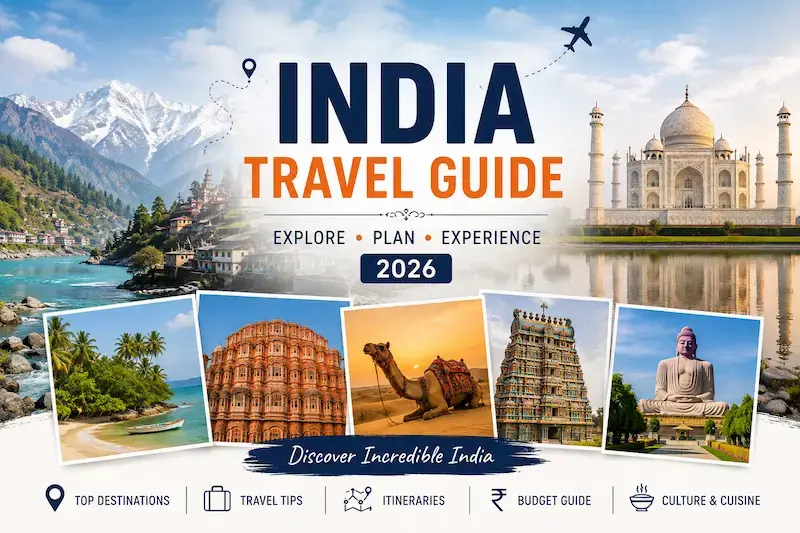
Table of Contents
- India Travel at a Glance
- Why Travel to India?
- Best Places to Visit in India
- India by Region: Choose the Right Part of the Country
- India by Season: Choose the Best Month for Your Trip
- India by Budget: Choose a Travel Style That Fits
India Travel at a Glance
Planning a trip to India becomes easier when you have the basics in place first. The quick overview below gives you a starting point for timing, trip length, budget style, transport, regions, currency, and entry requirements. Use it as a reference before you move into the more detailed sections of this guide.
| Planning Question | Quick Answer |
|---|---|
| Best overall time | October–March |
| Ideal first trip | 7–14 days |
| Currency | Indian Rupee (INR) |
| Main travel styles | Budget, mid-range, luxury |
| Major regions | North, South, West, East, Northeast |
| Main transport | Trains, buses, domestic flights |
| Visa | Depends on nationality |
| Language | Hindi + many regional languages |
Why Travel to India?
India suits travellers who prefer a journey with texture over one that runs perfectly to schedule. It is not a destination to “tick off” in a week. Distances are long, plans occasionally bend, and some of the most memorable moments happen between the headline sights: a shared train compartment, an unplanned stop for chai, or a local recommendation that changes an afternoon.
For history-focused travellers, India offers layers rather than a single story. You might begin with Mughal architecture in Delhi and Agra, follow Rajput forts through Rajasthan, then encounter entirely different architectural traditions in the rock-cut caves of Maharashtra or the temple towns of Tamil Nadu. Travellers who enjoy context, walking tours and looking beyond the postcard view will find plenty to explore.
Nature and wildlife offer a completely different way to see the country. Safaris in central India, birding wetlands, Himalayan walks, Kerala’s quieter backwaters and the high-altitude landscapes of Ladakh each call for a different pace. These experiences work particularly well for photographers, hikers and travellers who would rather spend time outdoors than move between cities every few days.
Food is another reason to travel through India, especially for those willing to follow regional cooking rather than a fixed restaurant list. Coastal dishes, mountain broths, vegetarian thalis, Bengali sweets and local street food can make each region feel distinct.
India also accommodates different ways of travelling. Solo travellers can explore independently with sensible preparation, couples can combine cities with slower stays, and families can build more comfortable routes around fewer destinations.
The best reason to travel here is not to chase an “authentic” version of India. It is to choose a part of the country that matches your interests, stay long enough to notice its rhythms, and accept that the itinerary may become more interesting once it stops being entirely yours.
Best Places to Visit in India
India is too vast to experience from a single checklist. The best places to visit depend on what you want from the journey—history, mountains, wildlife, beaches, food, spirituality, or slower regional travel. Rather than ranking destinations simply by popularity, this section focuses on what each place offers, who it suits, and how to combine it.
Cities & Urban
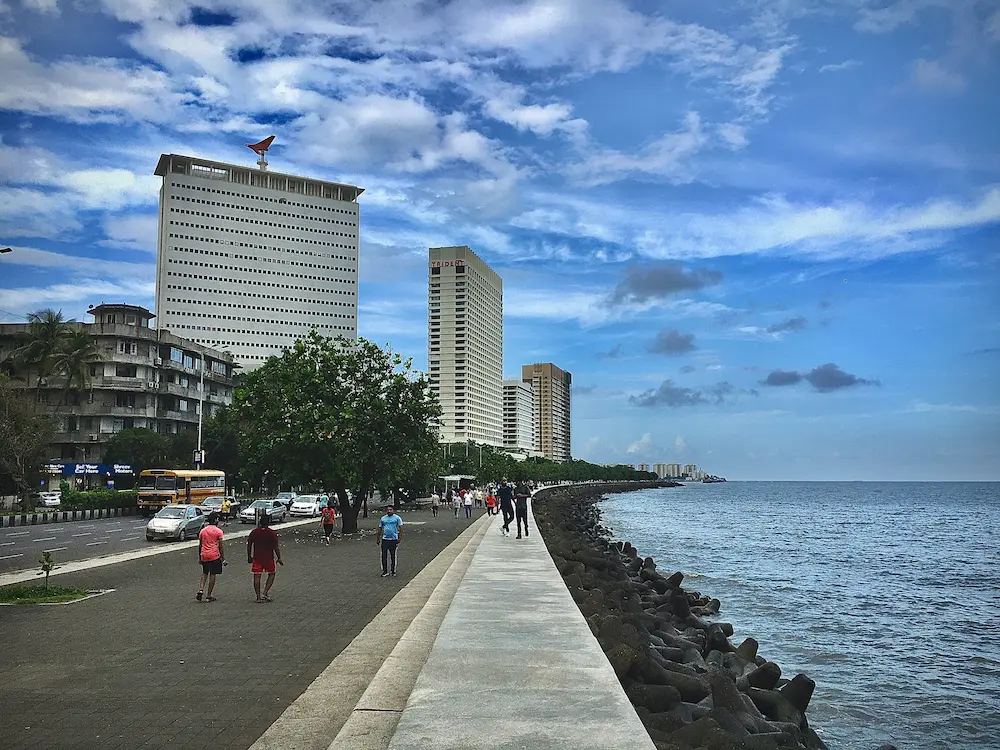
India’s urban centers are dynamic landscapes where centuries of living history seamlessly merge with rapid modern development. Wandering through these metropolises, you will find ancient Mughal monuments, British colonial architecture, and futuristic high-rises standing side by side. Each city offers its own distinct tempo, dialect, culinary tradition, and art scene, creating an energetic tapestry for urban explorers.
Beyond iconic sightseeing, these cities provide an immersive glimpse into contemporary Indian life. Visitors can explore bustling street markets, luxury shopping districts, world-class art galleries, and vibrant nightlife corridors. Whether you are seeking high-end fine dining, historic walks, or tech-driven innovation hubs, India’s urban destinations cater to every style of travel.
| Destination | Best For |
|---|---|
| Delhi | Mughal architecture, street food markets, museums & political heritage |
| Mumbai | Coastal skyline, colonial architecture, nightlife & Bollywood culture |
| Bengaluru | Craft breweries, lush public parks, tech hubs & café culture |
| Kolkata | Colonial history, literary festivals, culinary arts & heritage walks |
| Hyderabad | Nizami architecture, world-famous biryani, historic bazaars & tech centers |
Beaches and Coastal Places
Framed by the Arabian Sea to the west and the Bay of Bengal to the east, India’s coastline spans over 7,500 kilometers of diverse coastal landscapes. From golden sands fringed with swaying coconut palms to dramatic rocky cliffs overlooking turquoise waters, these destinations offer an array of marine experiences, fresh seafood traditions, and distinct coastal lifestyles.
Whether your ideal getaway involves energetic beach clubs and water sports or quiet, secluded coves for meditation and wellness, the coastal regions deliver. Island archipelagos add another layer of appeal, featuring pristine coral reefs, underwater marine reserves, and tranquil tropical foliage away from the mainland hustle.
| Destination | Best For |
|---|---|
| Goa | Portuguese architecture, beach shacks, vibrant nightlife & water sports |
| Andaman Islands | Scuba diving, crystal-clear island waters, coral reefs & pristine beaches |
| Kerala | Serene backwaters, tranquil palm-fringed beaches & Ayurvedic wellness |
| Gokarna | Pristine coastlines, cliffside ocean treks & relaxed beach escapes |
| Puducherry | French Quarter promenade, seaside cafés & heritage architecture |

Mountains and Hill Stations
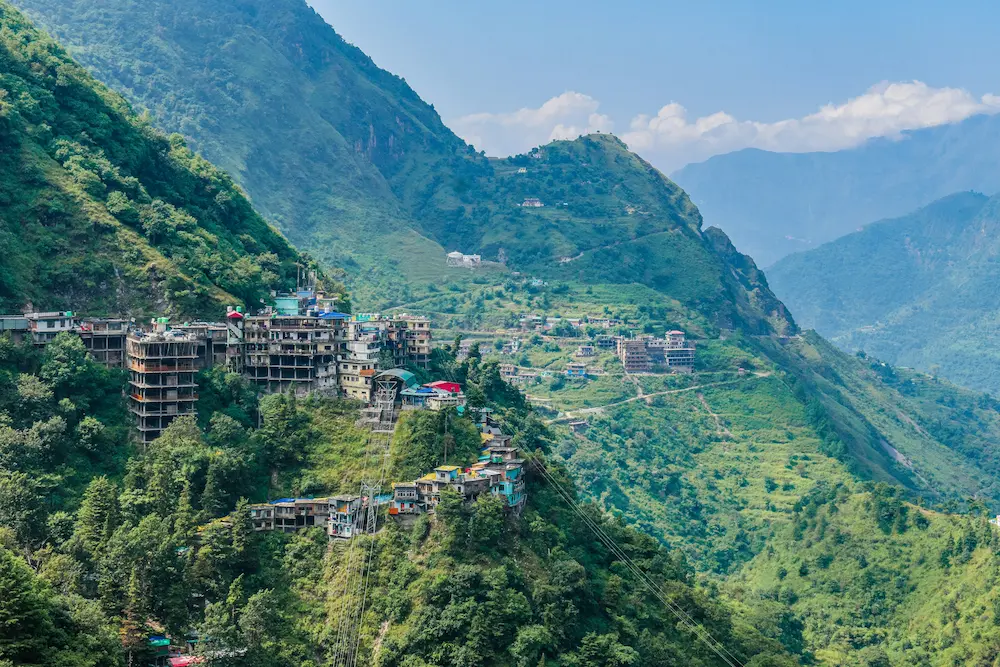
Spanning from the soaring, snow-capped peaks of the northern Himalayas to the mist-covered, biodiversity-rich slopes of the southern Western Ghats, India’s mountain ranges offer breathtaking natural escapes. Originally established as summer retreats, these hill stations retain charming colonial architecture, sprawling tea gardens, and crisp alpine air.
Mountain destinations cater to both tranquil relaxation and high-altitude exploration. Visitors can wander through evergreen pine forests, marvel at cascading waterfalls, experience rich mountain cultures, or embark on challenging high-pass road trips. The seasonal shifts also offer striking contrasts, turning lush green summer valleys into winter snowscapes.
| Destination | Best For |
|---|---|
| Manali | Snowy mountain passes, adventure sports, apple orchards & scenic drives |
| Shimla | Colonial Mall Road, heritage mountain railways & panoramic views |
| Darjeeling | World-renowned tea estates, views of Kanchenjunga & Tibetan heritage |
| Munnar | Rolling green tea plantations, misty valleys & exotic flora and fauna |
| Mussoorie | Classic hill station walks, cascading waterfalls & Himalayan vistas |
Heritage & Historic Places
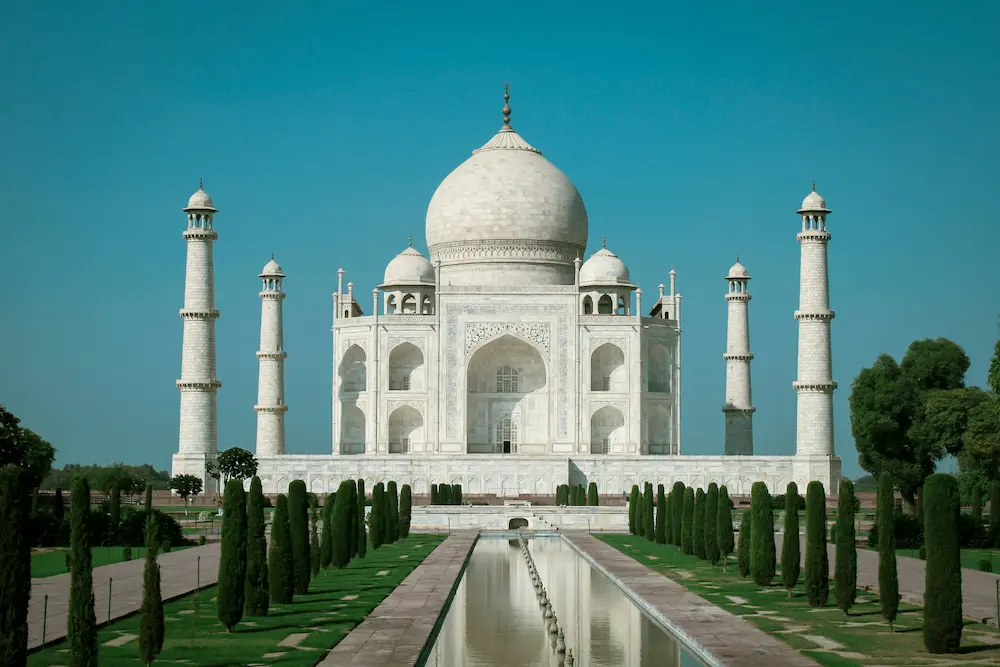
India’s rich historical tapestry is preserved within its impressive array of UNESCO World Heritage sites, royal palaces, impregnable hill forts, and intricate temple complexes. Spanning millennia, these destinations showcase the architectural brilliance, engineering ingenuity, and artistic mastery of the great dynasties that shaped the subcontinent’s past.
Exploring these historic corridors allows travelers to step back in time. From the stone carvings of ancient empires and royal stepwells to grand Mughal fortresses and opulent Rajput residences, every region presents a distinct period of art, music, folklore, and royal grandeur waiting to be discovered.
| Destination | Best For |
|---|---|
| Agra | The iconic Taj Mahal, grand Mughal forts & architectural heritage |
| Jaipur | Royal palaces, grand hilltop forts, pink sandstone monuments & crafts |
| Hampi | Extensive Vijayanagara empire ruins, stone temples & boulder landscapes |
| Jodhpur | Towering Mehrangarh Fort, blue-painted old town & royal history |
| Khajuraho | Intricately carved medieval temples, stone sculpture & art history |
Pilgrimage and Spiritual Places
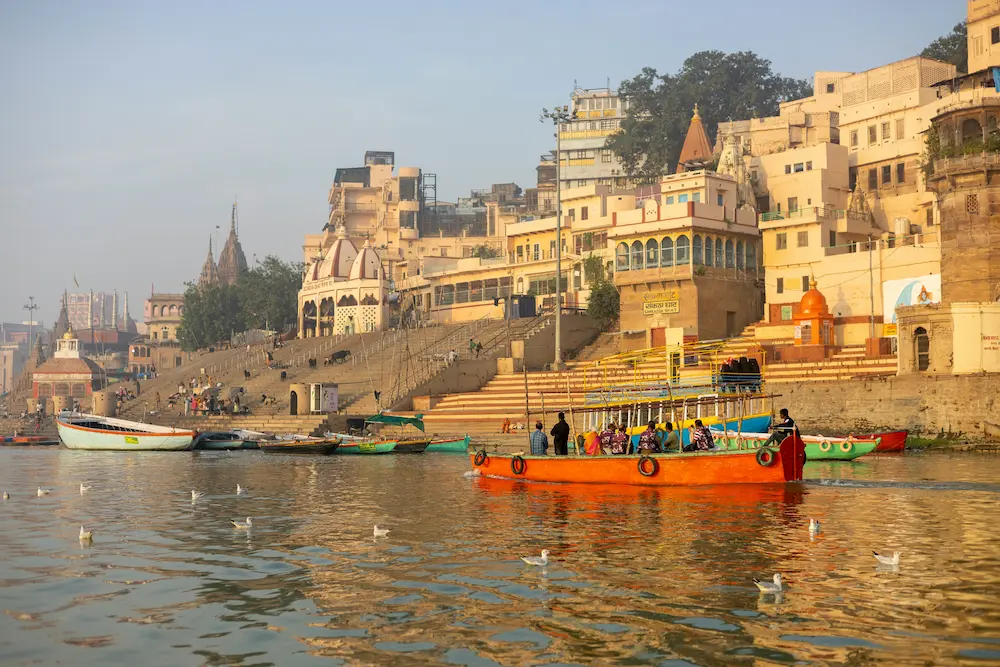
As the birthplace of four major world religions—Hinduism, Buddhism, Jainism, and Sikhism—India holds a profound spiritual presence. Sacred rivers, ancient pilgrimage routes, quiet monastic retreats, and revered shrines draw millions of devotees and spiritual seekers from across the globe throughout the year.
These destinations offer deep insights into living traditions, ancient philosophies, and community values. Visitors can observe evening river prayer ceremonies, participate in meditation and yoga practices, admire sacred architectural traditions, and experience the inclusive atmosphere of community kitchens and spiritual centers.
| Destination | Best For |
|---|---|
| Varanasi | Sacred Ganges River ghats, ancient evening Aarti rituals & temples |
| Rishikesh | Yoga retreats, ashram stays, river meditation & spiritual learning |
| Amritsar | The Golden Temple, Sikh spiritual heritage & community service (Langar) |
| Haridwar | Sacred bathing ghats, Vedic traditions & grand religious gatherings |
| Bodh Gaya | Mahabodhi Temple, Buddhist meditation retreat centers & international monasteries |
Nature and Wildlife
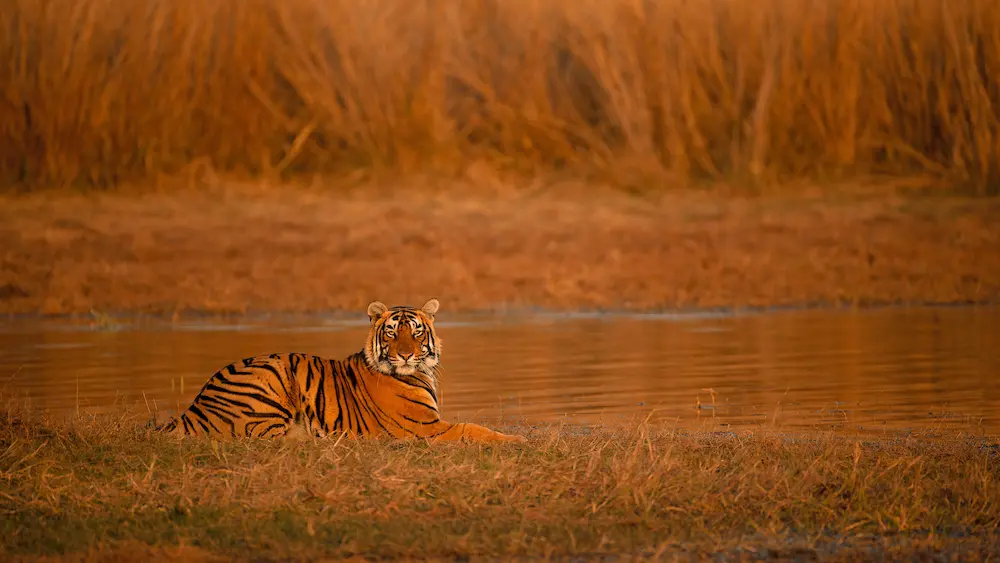
India is one of the world’s mega-biodiverse countries, harboring vast wilderness areas that range from tropical rainforests and tidal mangrove swamps to arid grasslands and alpine sanctuaries. Over 100 national parks and hundreds of wildlife reserves protect iconic species like the Royal Bengal tiger, one-horned rhinoceros, Asian elephant, and Asiatic lion.
Safari adventures, guided jungle treks, and boat expeditions offer wildlife enthusiasts unmatched opportunities to observe animals in their natural habitats. Along with major mammal species, India’s forests and wetlands serve as vital migratory corridors for hundreds of bird species, making it a world-class destination for birdwatchers and nature photographers.
| Destination | Best For |
|---|---|
| Ranthambore | Royal Bengal tiger safaris, historic fort ruins & jungle photography |
| Kaziranga | Great one-horned rhinoceros protection, birdwatching & tall grasslands |
| Jim Corbett | Himalayan foothill landscapes, elephant herds & forest lodge stays |
| Periyar | Western Ghats biodiversity, lake boat safaris & spice plantation nature walks |
| Sundarbans | World’s largest mangrove forest, tidal waterways & unique estuarine wildlife |
Adventure & Outdoor
For outdoor enthusiasts and thrill-seekers, India’s dramatic topography offers endless possibilities for high-adrenaline activities. From tackling glacier-fed river rapids and paragliding over mountain valleys to scuba diving in coral reefs and skiing down Himalayan slopes, every terrain provides a unique thrill.
Whether you prefer high-altitude multi-day treks through remote mountain passes, desert camping under clear night skies, or coastal water sports, India’s adventure hubs cater to all skill levels. Professional outfitters across the country ensure memorable experiences backed by safety standards and expert local guidance.
| Destination | Best For |
|---|---|
| Rishikesh | Ganges white-water rafting, cliff jumping & riverside camping expeditions |
| Ladakh | High-altitude mountain trekking, motorcycle road trips & rugged desert terrain |
| Bir Billing | World-class tandem paragliding, mountain biking & valley views |
| Andaman Islands | PADI scuba diving courses, coral reef snorkeling & sea kayaking |
| Auli | Alpine skiing in winter, chairlift rides & panoramic Himalayan vistas |

India by Region: Choose the Right Part of the Country
India is easier to understand as a collection of distinct regions rather than one single travel experience. The landscape, climate, food, architecture, culture and pace can change considerably as you move from one part of the country to another. Choose your region based on the places and experiences that best fit your trip.
North India
North India is the classic starting point for discovering India’s history, culture and landscapes. Explore Delhi’s historic monuments, the Taj Mahal in Agra and Rajasthan’s colourful cities, while the Himalayan states offer mountain scenery, trekking and peaceful hill towns. The region also includes important spiritual destinations such as Varanasi, Amritsar, Rishikesh and Haridwar.
Explore North IndiaSouth India
South India combines ancient temple cities, tropical beaches, lush hill stations and distinctive regional cultures. Kerala is known for its backwaters and slower pace, Tamil Nadu for its extraordinary temples, while Karnataka and Andhra Pradesh offer a mix of heritage, wildlife and landscapes. It is an excellent region for longer journeys, food-focused travel, culture and nature.
Explore South IndiaWest India
West India brings together royal heritage, desert landscapes, vibrant cities, beaches and distinctive cultural traditions. Rajasthan is famous for its forts, palaces and desert towns, while Gujarat offers historic sites, wildlife and traditional crafts. Maharashtra adds Mumbai, hill stations and cave temples, while Goa is one of India’s best-known coastal destinations.
Explore West IndiaNorth-east India
North-east India is one of the country’s most diverse and less-explored travel regions, stretching from the Himalayan landscapes of Sikkim and Arunachal Pradesh to the forests and hills of Meghalaya, Nagaland, Assam and the other northeastern states. Travellers come here for dramatic scenery, wildlife, trekking, waterfalls, living tribal cultures and destinations far removed from India’s main tourist circuits.
Explore North-east IndiaEast India
East India offers a fascinating combination of colonial heritage, ancient temples, spiritual traditions, forests and coastal landscapes. West Bengal provides Kolkata, Darjeeling and the Sundarbans, while Odisha is known for its remarkable temple architecture and coastline. Bihar and Jharkhand add important Buddhist, historical, cultural and natural destinations that are often overlooked by mainstream tourism.
Explore East IndiaCentral India
Central India is ideal for travellers looking beyond the country’s most familiar tourist routes. Madhya Pradesh is particularly rich in historic monuments, ancient temples, UNESCO-listed heritage and wildlife reserves, while Chhattisgarh offers waterfalls, forests, tribal traditions and lesser-known cultural experiences. The region is also one of India’s strongest destinations for combining heritage with wildlife and nature.
Explore Central IndiaIndia by Season: Choose the Best Month for Your Trip
India does not have one ideal travel season. The best month depends on where you want to go and what you want to do. Winter is the easiest season for many popular routes, while spring is a good time to shift toward the Himalayas, hill stations and higher elevations. Summer can be challenging in much of the country, particularly the northern plains, while the monsoon brings lush landscapes to many parts of India. Use the month-by-month guide below to match the season with the kind of trip you want.
| Month | Best suited to | Places to consider | Why go |
|---|---|---|---|
| January | Winter sun & heritage | Rajasthan, Goa, Kerala | Cool weather in much of the country; good for sightseeing |
| February | Heritage, beaches & hills | Rajasthan, Goa, Kerala | Comfortable temperatures across many popular routes |
| March | Culture & early mountain trips | Varanasi, Rajasthan, Rishikesh | Spring begins; Holi brings a strong cultural dimension |
| April | Hills & spring landscapes | Kashmir, Darjeeling, Sikkim | Warmer plains make higher-altitude destinations more appealing |
| May | Mountain escapes | Ladakh, Himachal Pradesh, Sikkim | A good time to escape rising temperatures in the plains |
| June | High-altitude travel | Ladakh, Spiti, Kashmir | Mountain routes become increasingly attractive as summer arrives |
| July | Monsoon landscapes | Kerala, Karnataka, Meghalaya | Green landscapes, waterfalls and dramatic monsoon scenery |
| August | Monsoon & nature | Meghalaya, Kerala, Karnataka | Lush scenery and fewer conventional sightseeing crowds |
| September | Green landscapes & shoulder season | Kerala, Northeast India, Rajasthan | Monsoon begins to ease in some regions |
| October | Broad India travel | Rajasthan, Delhi, Sikkim, Kerala | Cooler weather returns to many destinations |
| November | Heritage, beaches & wildlife | Rajasthan, Goa, Madhya Pradesh | One of the strongest months for varied India itineraries |
| December | Winter sun & festive travel | Goa, Kerala, Rajasthan, Andaman | Pleasant weather in many destinations and peak holiday season |
Rather than asking “What is the best month to visit India?”, ask “Which part of India do I want to experience?” A month that works beautifully for Rajasthan may be unsuitable for Kerala, while the best time for Ladakh can be completely different from the best time for Goa. Choose the region first, then choose the month around it.
India by Budget: Choose a Travel Style That Fits
Budget in India does not simply scale a trip up or down—it changes what kind of trip you can have. A backpacker moving through hostels and sleeper trains sees a very different country from someone based in heritage hotels with a private driver, even if both visit the same three cities. Deciding your budget early shapes your route, pace, accommodation and transport choices, as well as the experiences you can comfortably include.
1. Budget Travel
Budget travel in India balances affordability with essential comfort and security. This tier moves past ultra-barebones hostelling to offer private, clean accommodation, authentic culinary experiences at busy local eateries, and reliable public or semi-private transportation. It allows you to stretch your itinerary over several weeks or months without sacrificing safety or peace of mind.
- Rajasthan
- Kerala
- Tamil Nadu
- West Bengal
- Madhya Pradesh
₹2,500–₹4,500 per person
Well-rated family-run guesthouses, clean budget hotels, AC private rooms in boutique hostels, and authentic homestays offering home-cooked meals.
Sleeper or 3AC train classes for long distances, app-based auto-rickshaws (Uber/Ola) for city trips, and short regional bus connections.
Couples, small groups, slow travelers, and budget-conscious families who want comfortable, secure private spaces without paying for unnecessary luxury amenities.
Compare accommodation based on proximity to major sights or transit nodes rather than price alone. Paying ₹500 more for a central stay near a metro stop often saves double that in daily taxi or auto-rickshaw fares.
2. Mid-Range Travel
Widely considered the sweet spot for both international and domestic travelers, mid-range travel delivers an effortless mix of comfort, style, and efficiency. You can stay in characterful 3- to 4-star boutique hotels, travel via fast AC trains or domestic flights, and dine across a mix of curated local restaurants and high-end cafes while keeping total trip costs manageable.
- Rajasthan
- Kerala
- Maharashtra
- Karnataka
- Gujarat
₹4,500–₹8,000 per person
Restored heritage properties, mid-scale boutique hotels, modern 3/4-star chain hotels, and scenic plantation bungalows with personalized service.
Premium train classes (Vande Bharat, 2AC/1AC), domestic flights for longer intercity legs, and private air-conditioned cabs for day trips and airport transfers.
Couples, families with children, and first-time visitors seeking a smooth, stress-free travel pace without entering high-end luxury price brackets.
Prioritize spending on seamless transfers and central locations rather than expensive meal upgrades. Convenient transit and well-placed stays preserve your energy for sightseeing and make the biggest impact on overall trip satisfaction.
3. Comfort Travel
Comfort travel focuses on eliminating travel friction and maximizing relaxation. Rather than lavish luxury for its own sake, this category emphasizes high-end boutique properties, private chauffeur-driven vehicles for all road travel, pre-booked guided tours, and efficient flight routes to ensure every day of your itinerary feels seamless and unhurried.
- Rajasthan
- Kerala
- Goa
- Uttarakhand
- Ladakh
₹8,000–₹15,000 per person
Upscale 4-star and boutique 5-star properties, luxury wellness resorts, private beach villas, and premium heritage Haveli stays with dedicated hospitality staff.
Dedicated private chauffeur-driven vehicles throughout your stay, non-stop domestic flights, and premium executive class train bookings.
Mature travelers, busy professionals, and families who prioritize maximum comfort, top-tier service standards, private transfers, and a relaxed, flexible itinerary.
Avoid defaulting to private cars for long intercity journeys when express trains like Vande Bharat or quick direct flights are available—they are often significantly faster, safer, and far less tiring than long drives on highways.
4. Luxury Travel
Luxury travel in India represents world-renowned, iconic hospitality—from legendary royal palace hotels and ultra-luxury safari lodges to private houseboat charters and bespoke cultural access. The emphasis is entirely on exclusivity, hyper-personalized hosting, private expert guides, and experiencing India’s rich heritage in total privacy and comfort.
- Rajasthan
- Kerala
- Goa
- Madhya Pradesh
- Himachal Pradesh
₹15,000–₹35,000+ per person
World-renowned grand heritage palaces (Taj, Oberoi, Leela), luxury wilderness camps, private luxury houseboats, and exclusive wellness retreats.
Luxury SUVs with dedicated private drivers, business/first-class flights, private airport lounge transfers, and optional luxury train journeys (e.g., Maharajas’ Express).
Honeymooners, luxury seekers, celebratory trips, and travelers looking for unmatched heritage architecture, fine dining, private curators, and world-class service.
Invest selectively in high-impact bucket-list stays—such as spending two nights at a former royal palace or a luxury national park lodge—rather than overpaying for standard 5-star business chain hotels in transit cities.
India Travel Budget: Quick Reference
| Category | Daily Budget (per person) | Accommodation Type | Best Transport Options |
|---|---|---|---|
| Budget | ₹2,500 – ₹4,500 | Clean 2/3-star hotels, private guesthouses | 3AC / 2AC trains, shared cabs, metro |
| Mid-Range | ₹4,500 – ₹8,000 | 3/4-star boutique hotels, heritage stays | AC trains, domestic flights, point-to-point cabs |
| Comfort | ₹8,000 – ₹15,000 | Premium resorts, high-end boutique stays | Dedicated private driver, flights |
| Luxury | ₹15,000 – ₹35,000+ | Royal palaces, luxury wellness retreats | Chauffeured luxury cars, private charters |
India by Traveller Type
India can feel very different depending on who you travel with. A solo trip gives you more freedom to change plans, a couple’s trip can focus on slower experiences and comfortable stays, while family travel usually benefits from shorter travel days and convenient accommodation. Choose the style that matches your pace and priorities.
Solo travel in India is a deeply transformative experience that offers complete freedom over your itinerary and pace. It allows you to pivot effortlessly—whether staying an extra three days in a desert town or taking an unexpected side trip to a local temple festival. The key to a seamless solo journey lies in choosing well-connected, safe, and social hubs that balance independence with community.
By starting in cities with robust tourist infrastructure, solo travelers can easily meet fellow wanderers while navigating local transit with confidence. App-based rides, high-speed rail connections, and social accommodations make independent travel both accessible and highly rewarding across northern and southern India alike.
Traveling as a family in India requires a thoughtful pace that balances educational cultural highlights with relaxation and downtime. To keep energy levels high and stress low, ideal family itineraries minimize frequent packing moves in favor of multi-night stays in places offering broad appeal—from historic forts and wildlife safaris to interactive craft workshops.
Choosing accommodations with swimming pools, spacious grounds, and familiar dining options ensures that both children and adults rest comfortably. Utilizing private chauffeur-driven vehicles for regional transfers offers total schedule flexibility, allowing for spontaneous meal breaks and scenic rest stops along the way.
For couples, India offers an evocative blend of romance, scenic beauty, and atmospheric heritage. From floating along tranquil tropical backwaters on a private houseboat to sharing sunset views over lake palaces and ancient desert ramparts, the country provides an unforgettable backdrop for shared discoveries and slow-paced exploration.
A couple-oriented itinerary works best when it weaves together distinct regional moods—such as pairing the lush greenery of hill stations and tea estates with serene coastal retreats or intimate boutique heritage stays. Emphasizing comfort and scenic transit allows plenty of time for fine dining, spa therapies, and peaceful evenings.
Embarking on a first journey to India is an exciting milestone best experienced via well-established, highly reliable routes. A classic introductory itinerary seamlessly connects iconic architectural marvels, vibrant local bazaars, and rich royal histories while benefiting from the country’s finest tourist infrastructure, express trains, and English-speaking guides.
Focusing on major highlighted circuits like the Golden Triangle eliminates unnecessary travel friction and minimizes transit times. This structured introduction builds confidence, allowing first-time visitors to absorb the sights, flavors, and rich cultural tapestry of India at a comfortable and rewarding pace.
Slow travel shifts the focus from checking off sight lists to immersing oneself in the rhythm of daily life. By choosing a single region and spending extended periods in fewer destinations, slow travelers gain a deeper, more nuanced appreciation for local traditions, seasonal cuisines, regional architecture, and neighbourhood culture.
Regions with abundant natural beauty, strong culinary identities, and walkable villages—such as the coastal backwaters of Kerala, the Himalayan foothills, or rural Rajasthan—are ideal. This style prioritizes meaningful human connections, morning market walks, art workshops, and unhurried afternoons spent in quiet surroundings.
Backpacking across India is an adventurous, highly social way to travel that stretches your budget across months of discovery. Tailored for those who embrace spontaneous schedules and local immersion, backpacking connects you with mountain trails, vibrant beach towns, sacred river hubs, and active traveler communities across the country.
Relying on India’s extensive railway network and affordable local buses makes long-distance journeys part of the adventure. Staying in lively hostel hubs or budget guesthouses provides instant camaraderie, easy access to group treks, and endless insider tips from fellow travelers along the way.
India Travel Circuits: Explore More with a Ready-Made Route
India becomes easier to explore when you follow a logical circuit rather than connecting destinations at random. Some routes focus on heritage, others on spirituality, mountains, wildlife or adventure. These circuits can be adapted to your available time, budget and travel style.
| Travel Circuit | Suitable for | Best for | Key destinations |
|---|---|---|---|
| Golden Triangle | First-time visitors | Heritage | Delhi → Agra → Jaipur |
| Rajasthan Heritage Circuit | Extended heritage travel | Forts, palaces & culture | Jaipur → Jodhpur → Udaipur → Jaisalmer |
| Char Dham Yatra | Pilgrimage-focused travellers | Pilgrimage & spirituality | Yamunotri → Gangotri → Kedarnath → Badrinath |
| Kerala Circuit | Slower, more relaxed travel | Backwaters, food & slower travel | Kochi → Munnar → Thekkady → Alleppey |
| Himalayan Adventure Circuit | Adventure and mountain-focused | Trekking & mountain travel | Manali → Spiti → Leh → Ladakh |
| South India Temple Circuit | Architecture and spirituality | Architecture & spirituality | Chennai → Mahabalipuram → Thanjavur → Madurai |
| Goa–Konkan Circuit | Coastal journey | Beaches & coastal travel | Goa → Gokarna → coastal Karnataka |
| Central India Wildlife Circuit | Wildlife-focused travellers | Safaris & nature | Kanha → Bandhavgarh → Pench |
| Buddhist Circuit | History and pilgrimage | Buddhist heritage | Bodh Gaya → Rajgir → Nalanda → Sarnath |
| Northeast India Circuit | Nature and less conventional travel | Mountains, nature & culture | Guwahati → Shillong → Cherrapunji → Kaziranga |
India Travel Itineraries: Plan Your Trip Around Your Time
How much time you have in India often determines how ambitious your itinerary should be. A weekend may work best around a single destination, while three or five days can allow for a short regional route. With a week or ten days, you have more flexibility to combine destinations without spending the entire trip in transit.
The right itinerary is not necessarily the one that includes the most places. India’s distances can make even seemingly short routes take longer than expected, so allowing enough time for travel, rest and unplanned moments can make a significant difference.
Explore the India travel itineraries by trip length to find a route that fits your schedule, then adapt it around the destinations and experiences you most want to include.
| Trip Duration | Recommended Circuit | Suggested Route & Highlights | Best Travel Mode |
|---|---|---|---|
| Weekend | Agra & Mathura–Vrindavan | Agra: Taj Mahal, Agra Fort → Mathura–Vrindavan temples | Express Train / Drive |
| 3 Days | Jaipur | Amber Fort → City Palace & Jantar Mantar → Hawa Mahal, Nahargarh Fort & local experiences | Train / Flight / Drive |
| 5 Days | Varanasi & Bodh Gaya | Varanasi: Ganga Aarti, boat ride, Sarnath → Bodh Gaya: Mahabodhi Temple & monasteries | Train / Flight + Road |
| 1 Week | Classic Golden Triangle | Delhi → Agra & Fatehpur Sikri → Jaipur | Train / Private Cab |
| 10 Days | Rajasthan Heritage Circuit | Jaipur → Pushkar/Ajmer → Jodhpur → Udaipur → Kumbhalgarh | Private Cab / Train + Road |
| 14 Days | North India & Spiritual Circuit | Delhi → Agra → Varanasi → Rishikesh & Haridwar → Amritsar | Train / Domestic Flight + Road |
| 21+ Days | Extended India Journey | Choose a multi-region route such as Delhi → Agra → Rajasthan → Mumbai → Kerala | Domestic Flights + Trains |
Top Tourist Attractions & Landmarks in India
India has an enormous variety of places to see, from historic monuments and grand forts to temples, palaces, UNESCO-listed sites and remarkable natural landmarks. Some are central to a particular city or region, while others are worth shaping an entire day or even a wider itinerary around. Rather than trying to see every famous sight, it is usually more useful to choose attractions that fit naturally with the destinations and route being planned.
| No. | Attraction / Landmark | Location | Why Visit |
|---|---|---|---|
| 1 | Taj Mahal | Agra, Uttar Pradesh | Mughal-era marble mausoleum and UNESCO World Heritage Site |
| 2 | Varanasi Ghats | Varanasi, Uttar Pradesh | Historic riverfront, Ganga Aarti and one of India’s most distinctive cultural settings |
| 3 | Amer Fort | Jaipur, Rajasthan | Hilltop Rajput fortress with elaborate courtyards, palaces and views |
| 4 | Golden Temple | Amritsar, Punjab | Major Sikh pilgrimage site known for its gilded architecture, sacred pool and langar |
| 5 | Kerala Backwaters | Kerala | Network of waterways experienced through boat journeys and stays along the backwaters |
| 6 | Ajanta & Ellora Caves | Chhatrapati Sambhajinagar, Maharashtra | Ancient rock-cut Buddhist, Hindu and Jain monuments, including Kailasa Temple |
| 7 | Qutub Minar | Delhi | Monumental medieval minaret and UNESCO World Heritage Site |
| 8 | Red Fort | Delhi | Mughal-era fort complex and major landmark of Old Delhi |
| 9 | Hampi Monuments | Hampi, Karnataka | Extensive Vijayanagara-era ruins set among dramatic boulder-strewn landscapes |
| 10 | Gateway of India | Mumbai, Maharashtra | Landmark waterfront monument overlooking Mumbai Harbour |
| 11 | Meenakshi Amman Temple | Madurai, Tamil Nadu | Major Dravidian temple complex known for its towering gopurams and detailed sculpture |
Activities & Experiences: Explore India Beyond Sightseeing
India can be explored through more than its cities, monuments and well-known landmarks. The activities chosen along the way can add a different dimension to a trip—whether it is a morning walk through an old neighbourhood, a wildlife safari, a local festival, or a meal that introduces the flavours of a particular region.
Consider these experiences alongside the destinations on your route rather than treating them as a separate checklist. A few well-chosen activities can fit naturally into an itinerary while leaving enough time to appreciate the places around them.
| Category | Top Experiences & Activities | Best Locations / Hubs | What to Expect |
|---|---|---|---|
| Adventure | River rafting, trekking, paragliding, scuba diving | Rishikesh, Ladakh, Bir Billing, Andaman Islands | Himalayan trekking, whitewater rafting, mountain paragliding and underwater activities |
| Wildlife | Jeep safaris, birdwatching, tiger & rhino safaris | Ranthambore, Jim Corbett, Kaziranga, Bandhavgarh | Opportunities to see tigers, rhinoceros, elephants and a wide range of birdlife |
| Offbeat | Village stays, living root bridges, stargazing, monastic trails | Meghalaya, Spiti Valley, Zanskar, Majuli | Rural landscapes, remote mountain communities, distinctive local traditions and quieter routes |
| Cultural & Festivals | Festivals, heritage walks, traditional performances, local celebrations | Kohima, Pushkar, Kolkata, Mysuru | Regional festivals, historic neighbourhoods, music, dance and local traditions |
| Food & Culinary | Street-food walks, cooking classes, spice tours, local food experiences | Delhi, Amritsar, Munnar, Hyderabad, Lucknow | Regional cuisines, local markets, traditional cooking and food-focused experiences |
| Spiritual & Wellness | Yoga, meditation, Ayurveda, temple visits, Ganga Aarti | Rishikesh, Varanasi, Haridwar, Kerala | Ashrams, pilgrimage sites, wellness retreats and traditional practices |
| Shopping & Crafts | Artisan workshops, textile tours, traditional bazaars, handicraft shopping | Jaipur, Varanasi, Kanchipuram, Kashmir, Delhi | Textiles, pottery, jewellery, carpets, handicrafts and locally made products |
India Visa & Entry Requirements
Most foreign visitors need a valid passport and an appropriate Indian visa before travelling. Visa requirements depend on your nationality, purpose of travel and intended length of stay, so check the current rules before booking your trip.
For eligible nationalities, the Indian e-Visa is the simplest option for many short-term visits. Tourist, business, medical and other e-Visa categories are available, with eligibility and conditions varying by category. The official portal currently requires applicants to have a passport with at least six months’ validity when applying for an e-Visa and at least two blank pages for immigration.
If you are not eligible for an e-Visa or need a different visa category, you may need to apply for a regular/paper visa through an Indian Mission or the appropriate visa-processing centre.
India also has a limited Visa-on-Arrival facility for nationals of Japan, South Korea and certain UAE nationals who meet the stated conditions. It is available only at designated airports.
Before travelling, carry your passport and approved visa/ETA, and check whether your destination requires additional permits. e-Visa holders should carry a copy of their granted ETA, and eligible foreign visitors can also complete India’s free e-Arrival Card, which is an arrival requirement rather than a visa.
For nationality-specific requirements, see my detailed India visa guides before you travel.
India Travel Logistics: Transport, Stays, Connectivity & Money
Once you have decided where to go in India, the practical side of the trip starts to matter. India is relatively easy to travel around, but the experience can vary considerably depending on how you move between destinations, where you stay, how you stay connected during the trip, and how you manage payments.
It is worth considering these details before departure rather than leaving them until the last minute. Start by looking at transportation options for moving between cities and getting around once you arrive, including trains, flights, buses, taxis and local transport. When choosing accommodation, consider not only the type of property but also its location, accessibility and suitability for your itinerary.
Staying connected is another practical consideration. Look into SIM cards, eSIMs, mobile data and Wi-Fi based on how much connectivity you expect to need during the trip. For finances, become familiar with cash, cards, ATMs, currency exchange and digital payments so you know which options are likely to work best along your route.
These details may not shape your itinerary, but they can influence how easily you follow it. Sorting out the basics in advance leaves more time to focus on the destinations themselves once the journey begins.
Planning Your India Trip: Practical Guides for a Smoother Journey
Planning a trip to India involves more than deciding which cities to visit. The practical details—how to move between destinations, where to stay, what the trip may cost, what to pack and how to handle unfamiliar situations—can have a real impact on how comfortably the journey comes together.
If you are at the beginning of the planning process, start with how to plan your India trip in 10 easy steps and then work through the essentials at your own pace. Consider how to travel and where to stay, estimate how much an India trip may cost, and prepare for safety, common scams, health, vaccinations and food safety before departure.
It is also worth becoming familiar with Indian culture, etiquette and social norms, particularly when visiting places with customs that may be unfamiliar. If shopping is part of the itinerary, understanding bargaining, market shopping and ethical souvenir buying can make those experiences more straightforward.
For practical preparation, refer to the India travel essentials and comprehensive packing guide, and check the festival calendar and event planning guide if a particular celebration is part of the trip. Those interested in travelling more responsibly can also explore sustainable and eco-friendly travel in India for practical ways to reduce impact and support local communities.
India Travel Services & Deals: Book Smarter for Your Trip
Once your route, dates and travel plans are taking shape, it is worth looking at the practical services and purchases that will bring everything together. A little comparison beforehand can help you find options that suit your plans without spending more than necessary. The main services to consider include
✈️ Flight Booking & Deals,
🏨 Hotel Deals,
🧳 Holiday Packages,
🛡️ Travel Insurance,
💳 Travel Cards, and
🎒 Travel Equipment.
Each serves a different purpose, so the right combination depends on the length of your trip, destinations, budget and how independently you prefer to travel.
For flights, compare routes, schedules, airlines and fares rather than looking only at the lowest advertised price. Accommodation deserves similar attention, particularly when deciding between hotels, resorts, hostels or other stays in different parts of a destination. If arranging several elements together appeals to you, holiday packages can be considered alongside booking everything independently.
Travel insurance is best considered before departure, with attention to coverage, exclusions and conditions. For everyday spending, a suitable travel card can be useful, but fees, exchange rates and withdrawal conditions are worth comparing. Travel equipment should also match the journey itself—lightweight luggage may suit a multi-city trip, while larger bags can be practical for longer stays.
The aim is simple: compare your options, understand what you’re paying for, and choose services that fit your particular India trip.
Is India Worth Visiting?
Yes, but India is worth visiting for the right reasons and with realistic expectations. It rewards curiosity and flexibility, but it may frustrate travellers who expect every journey to run quietly and predictably.
The biggest consideration is scale. India is enormous, and moving between places can take longer than a map might suggest. Trying to combine Delhi, Rajasthan, Kerala, Goa and the Himalayas into a single short holiday usually means spending too much time in transit. A focused regional itinerary is often a better way to experience the country.
There are also everyday challenges to account for. Traffic, crowds, heat, noise, delays and unfamiliar customs can be tiring, particularly during a first visit. Planning your transportation, choosing accommodation carefully and leaving some flexibility in your schedule can make the trip considerably easier.
India is also not one uniform travel experience. Conditions, infrastructure, climate and local customs vary considerably between regions. What works well in Rajasthan may not work in Kerala or the Northeast. Research the specific destinations on your route rather than relying entirely on general assumptions about the country.
For first-time visitors, a manageable itinerary with one region or a small group of nearby destinations is usually more practical than trying to collect famous sights across the map. Travellers who enjoy food, history, culture, wildlife, photography or slower exploration will generally have more opportunities to shape the trip around their interests.
So, is India worth visiting? Yes—if you are comfortable with some unpredictability and willing to adapt along the way. You don’t need to enjoy every aspect of travelling here. Choose the parts that suit you, prepare for the less convenient ones, and give yourself enough time to experience the places rather than simply pass through them.
Frequently Asked Questions
Is India suitable for first-time international travellers?
What is the best time to visit India?
How many days are enough for an India trip?
Is India expensive or cheap for tourists?
What is the best way to travel around India?
Do foreign travellers need a visa for India?
Is India safe for tourists?
What should I wear when travelling in India?
Can I travel around India without knowing Hindi?
What should I know before travelling to India for the first time?
One Last Thought
India is not a country that needs to be rushed. There is too much to see, too much regional variety, and too many small details that are easy to miss when an itinerary becomes a race from one landmark to the next. A better approach is to choose a route that fits your time, travel at a comfortable pace, and leave some room for the unexpected.
Whether this is your first visit or another journey through a familiar part of the country, let your interests shape the trip. Choose the places that genuinely appeal to you, understand the practical side before you leave, and don’t worry about seeing everything in one go. India will still be here when you’re ready to explore another part of it.